Fantastic Four 208 “The Power of the Sphinx!” Published April 1979 Writer: Marv Wolfman Pencils: Sal Buscema Inks: “D. Hands” Letters: Joe Rosen Colors: Glynis Wein Editor: Wolfman Cover: Keith Pollard and Joe Sinnott
Synopsis
After destroying their spaceship in a case of mistaken identity, Nova rescues the Fantastic Four, who confront the Sphinx aboard Nova’s ship. As they approach Xandar, the Sphinx senses the power of the Xandar living computer and teleports to it. Meanwhile back on Earth, the Human Torch returns to the Baxter Building where he is also teleported to Xandar, and where he rejoins the rest of the FF. The FF and the champions of Xandar then battle the Sphinx, who has tapped the living computer and has become vastly more powerful. After swatting away their attacks, he heads to Earth vowing to destroy it. The issue ends with Reed concluding they need the help of Galactus to defeat the Sphinx.
What’s going on here?
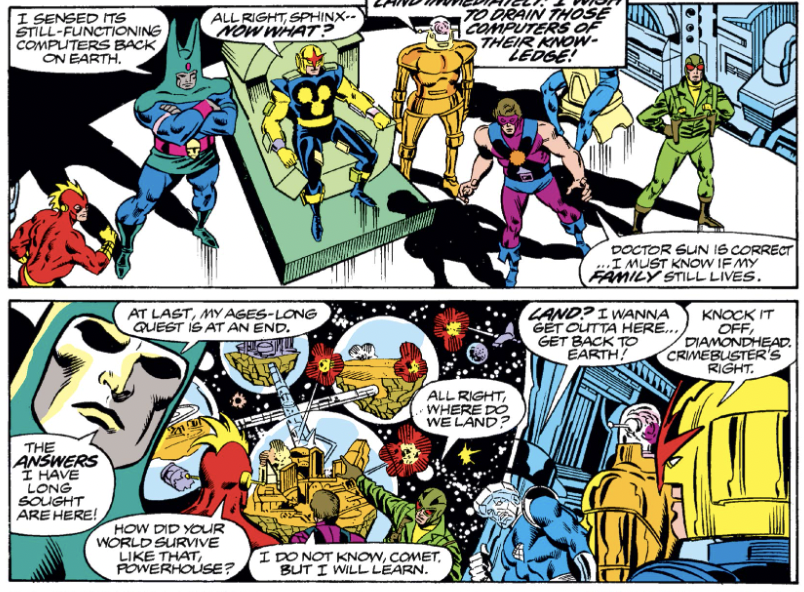
Marv Wolfman’s confusing and tedious space epic drags on. While it’s all revealed in the final few issues of Nova (also written by Wolfman), he never explains why the Sphinx seems to have joined forces with Nova, and why all these other characters are along for the ride. Dr. Sun? Powerhouse? Diamondhead? The Comet and Crimebuster? Who are these guys? Don’t expect to get any answers here. I’m repeating myself but it’s a major failing of Wolfman’s and of Jim Shooter for allowing him to be his own editor. And it speaks to the general neglect of the FF by the powers-that-be during this era.
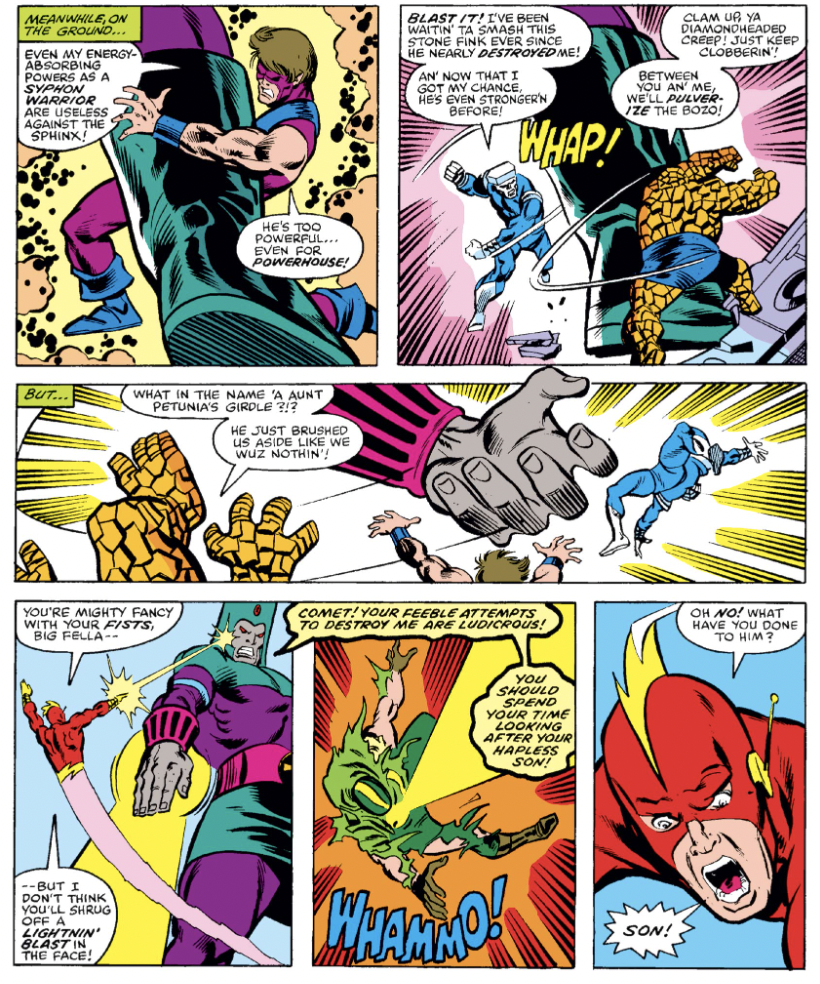
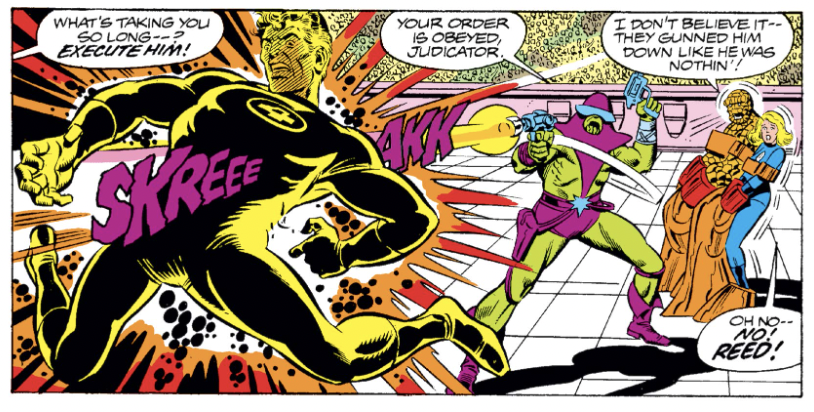
Here’s a bunch of them fighting the Sphinx, whoever they are.
The Sphinx is an odd Marvel character. He’s powerful and cosmic, but never got the traction of other, similar characters like Galactus or Thanos. He does reappear over the years, but in second-tier books and never in the Fantastic Four or Avengers main titles. It could be because he debuted in Nova, somewhat of a Marvel backwater, or because he was so closely associated with Marv Wolfman. It’s also possible that he was pre-empted by Apocalypse, another powerful, grey-skinned villain with origins in ancient Egypt.
Sal Buscema is again the penciler, while the inks in the comic are credited to “D. Hands,” which is Marvel code for inkers by committee (sometimes it’s M. Hands). Mike’s Amazing World of Comics credits Al Milgrom with the inks, while GCD says it’s a combination of Milgrom, Frank Giacoia, and Frank Springer.
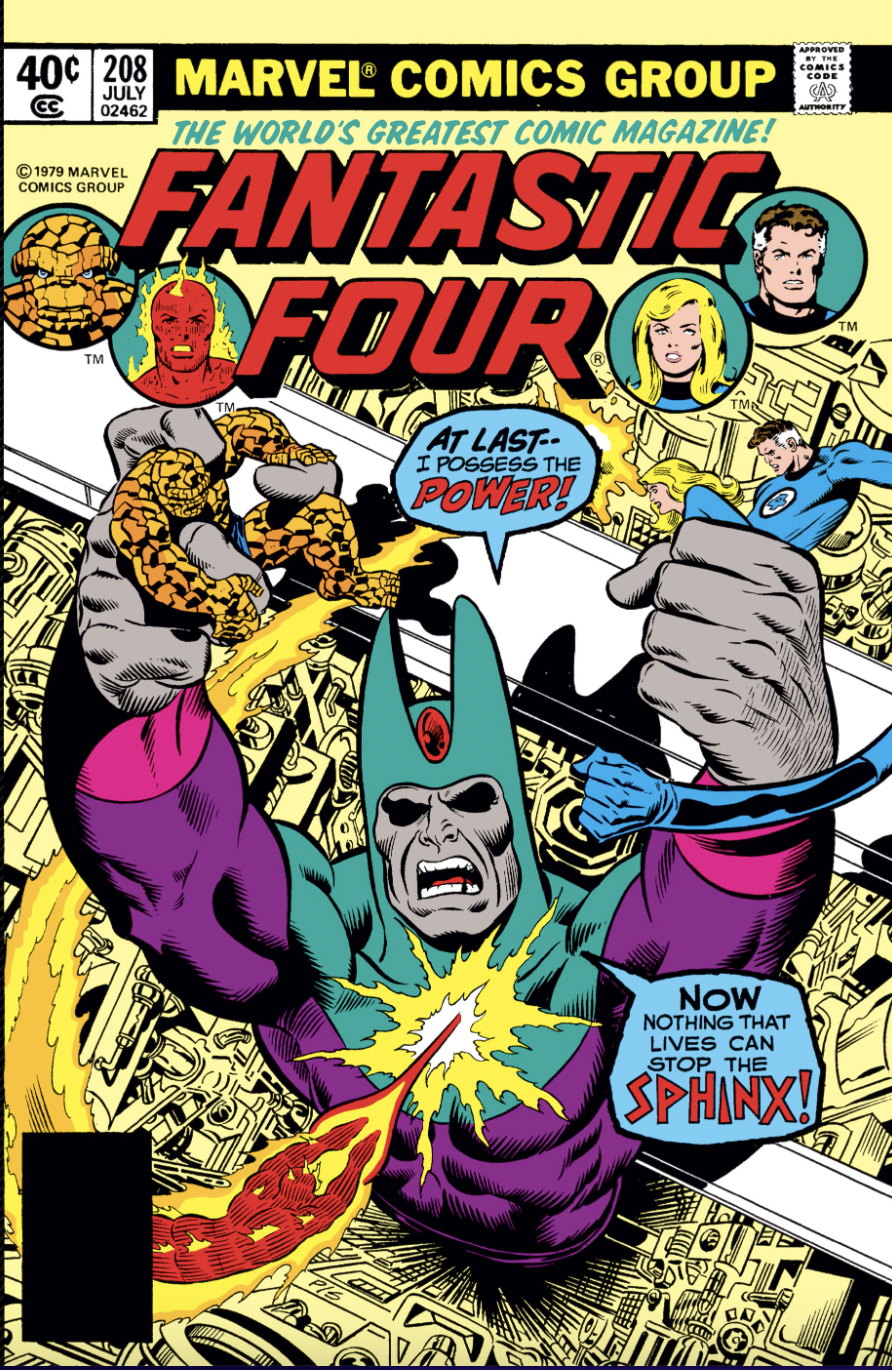
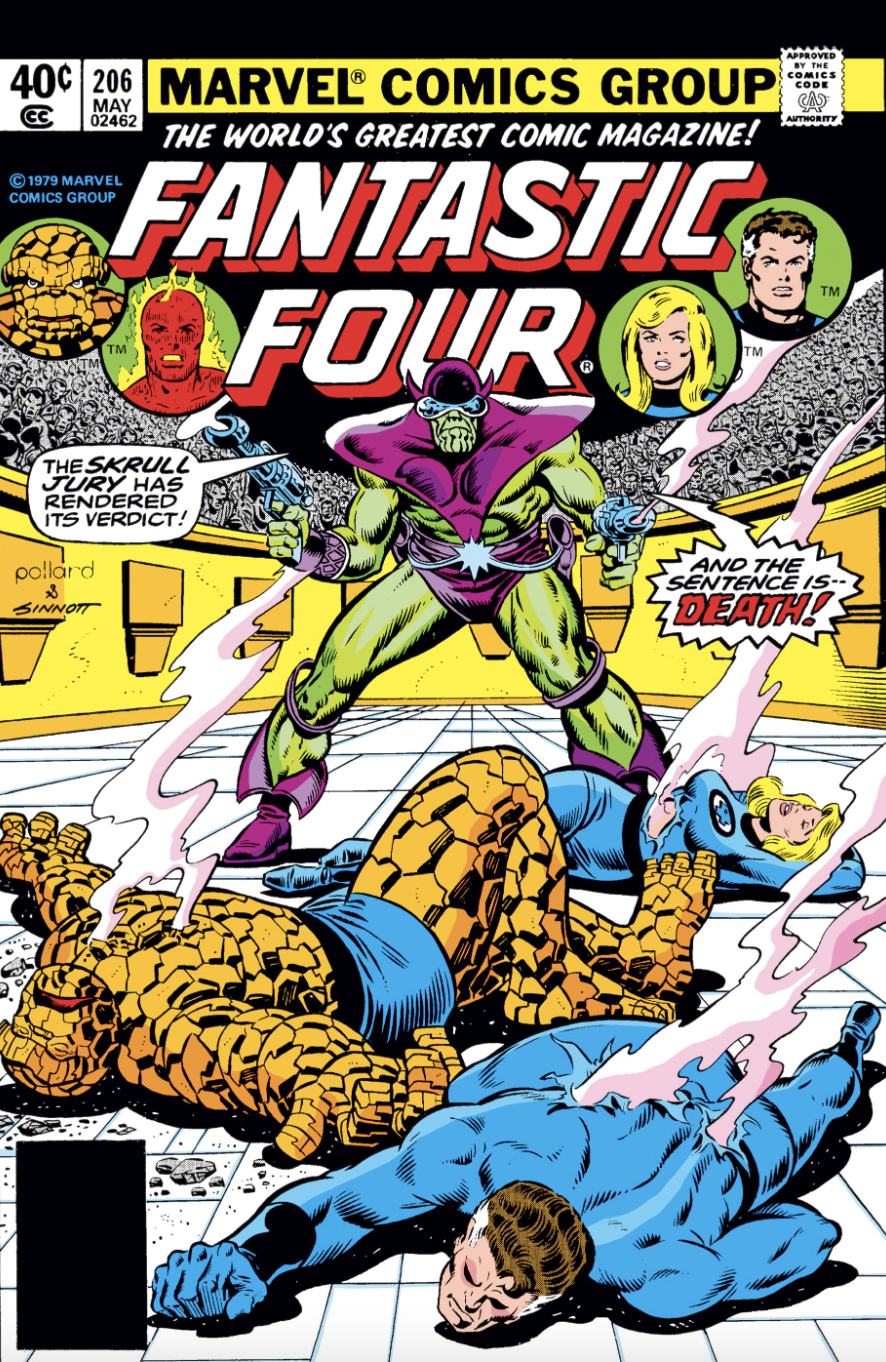
Keith Pollard contributed the cover (with Joe Sinnott inking) and it might be the best single thing about this comic.
What I liked
When preparing these reviews, I occasionally have to strain to find something positive to say, and this is one of those issues.
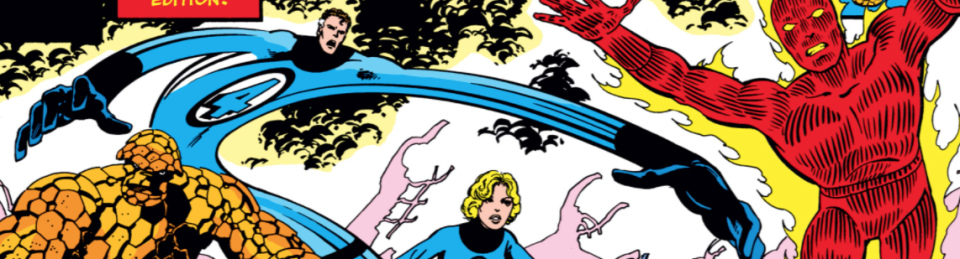
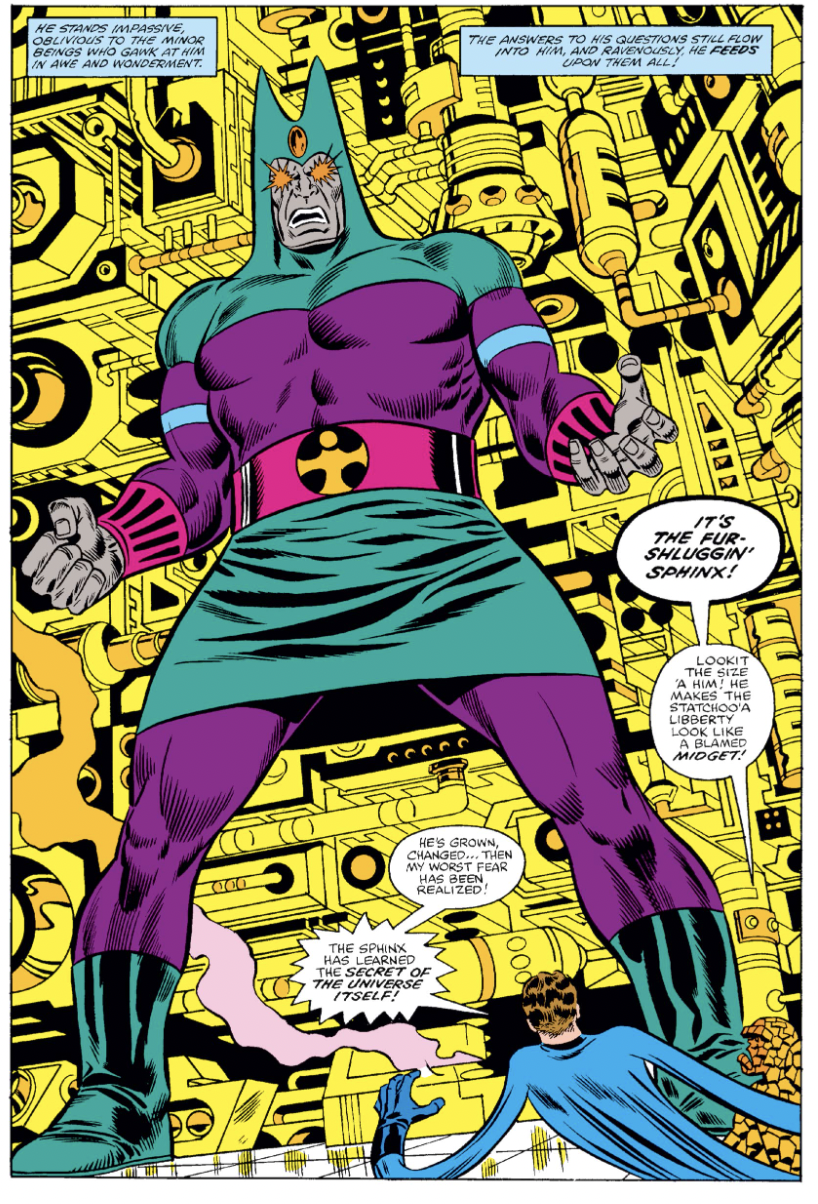
We do get a cool splash page from Buscema:
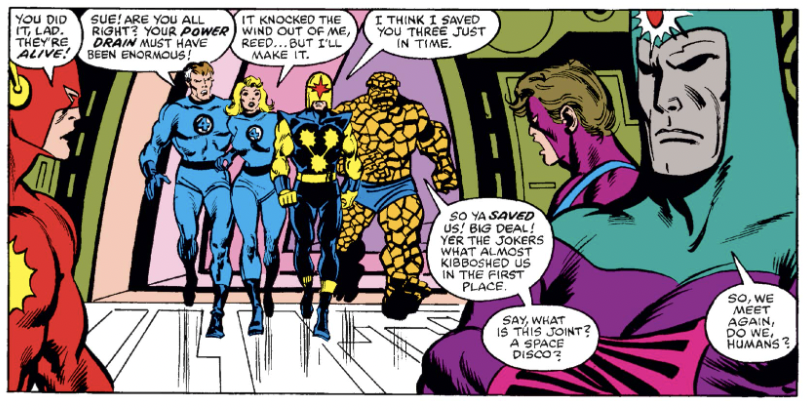
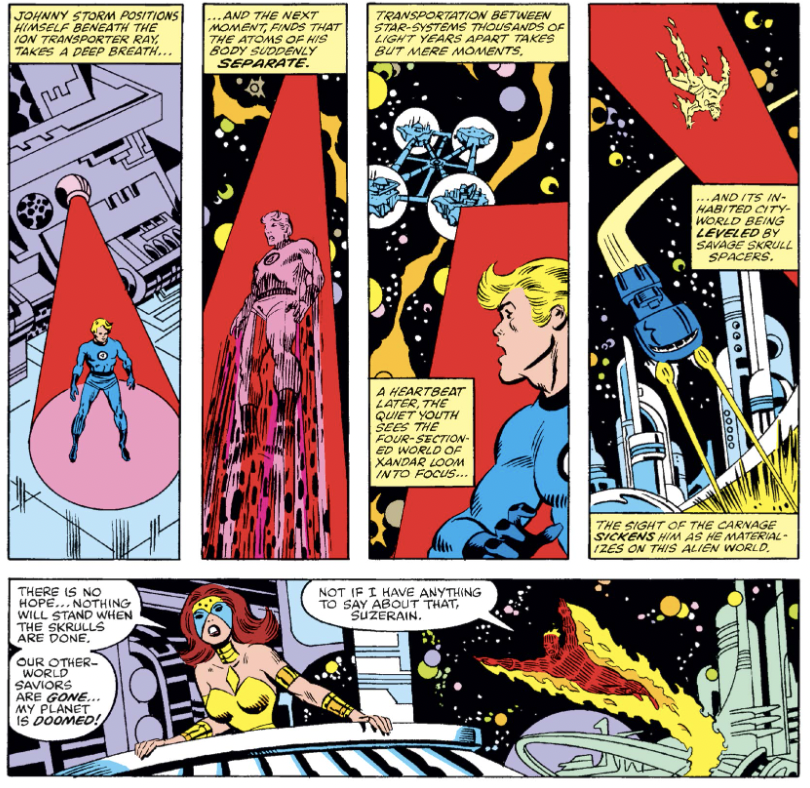
And I liked Johnny’s journey from the Baxter Building to Xandar:
(Incidentally “Suzerain” seems to the wrong title for Adora, since Xandar is not a vassal of another entity, but it’s own independent state. I’m guessing the editor-less Wolfman just liked the sound of it and no one told him not to use it. In later comics she is called Queen Adora, which seems more appropriate.)
What I didn’t like
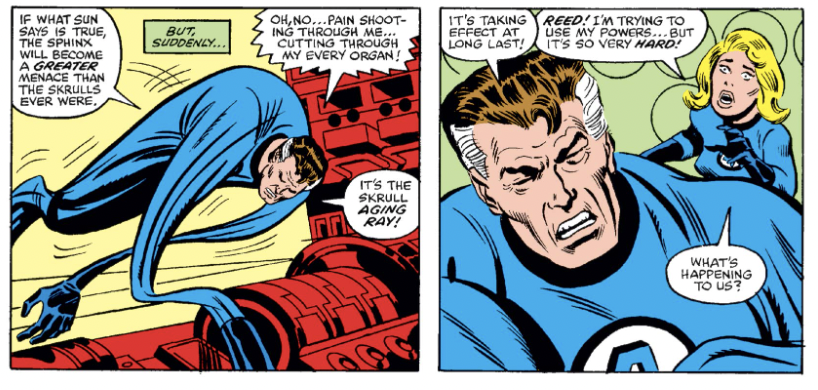
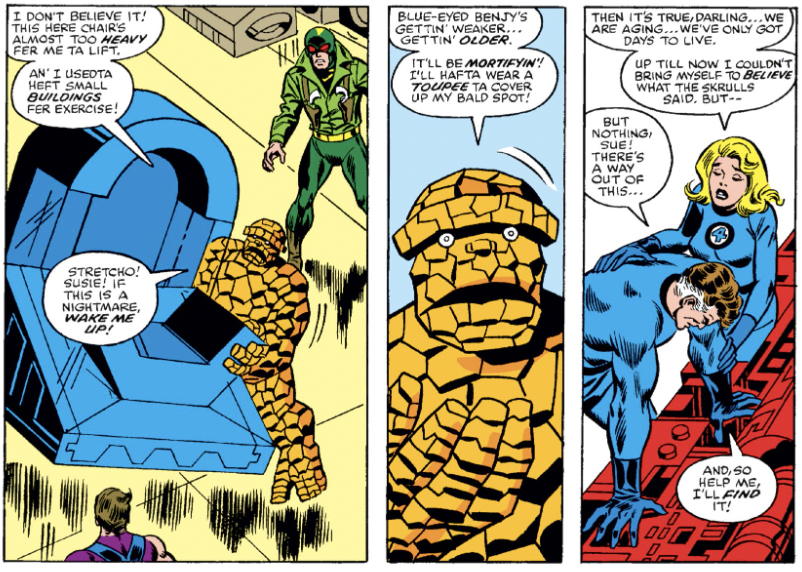
We are reminded early in this comic that the FF have been subject to a Skrull aging ray, which is beginning to take effect and weaken them. Here, Reed has trouble stretching and Ben can barely lift a chair:
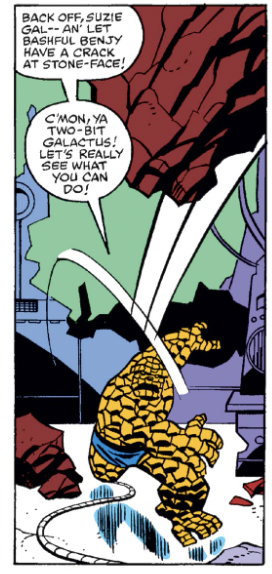
But that all seems forgotten it comes time to fight the Sphinx:
Anything else?
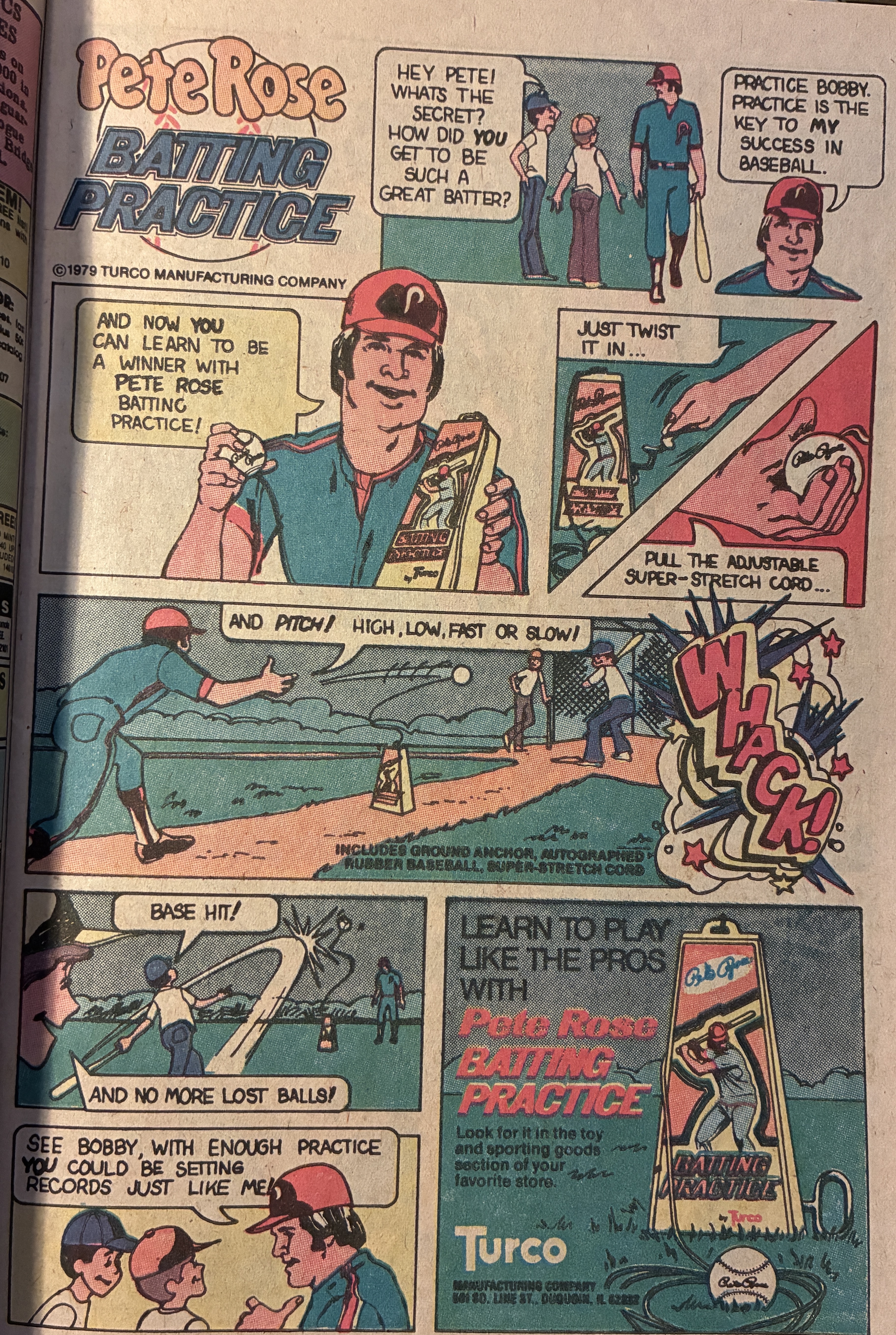
This was a good comic for ads featuring wholesome, all-American sports heroes like Johnny Unitas and, um, Pete Rose and, well, errr, hmm … O.J. Simpson.
Fantastic Four 207 “Might of the Monocle!” Published March 1979 Writer: Marv Wolfman Pencils: Sal Buscema Inks: Joe Sinnott Letters: John Costanza Colors: Ben Sean Editor: Wolfman Cover: Keith Pollard and Sinnott
Synopsis
Hypnotized by the Monocle, the Human Torch and rest of the students at the elite Security College are forced to steal items of value to be used for world domination by the secretive Enclave, the employer of the Monocle. Meanwhile, news photographer Peter Parker gets an assignment to infiltrate Security College and take photos. Once there, he realized something is up and as Spider-Man, follows the hypnotized students to an army depot. Spider-Man rescues the soldiers from the mob of students and hypnotized Torch, and then, back in the dorms, enlists Johnny to take on the Monocle, who has broken with the Enclave and is working on a plot of his own. The Monocle briefly hypnotizes Johnny again and he fights Spidey, but comes to his senses. Neither is able to stop the Monocle from escaping and the Enclave plots its revenge in a scheme that involves kidnapping Medusa of the Inhumans.
What’s going on here?
This issue resolves the Torch/Monocle storyline and just as last issue featured the rest of the Fantastic Four with no mention of the Torch, this issue has no mention of the rest of the FF and is devoted solely to the Torch.
Except that’s not really true, since the issue’s real star is Spider-Man, with the Torch in a supporting role. In fact the comic feels more like an issue of Marvel Team-Up than the Fantastic Four, perhaps because Marv Wolfman has spent the last year writing Amazing Spider-Man along with the FF.
Also contributing the Spider-Mannish feel of the comic are the guest pencils of Sal Buscema, who had just finished a long run on Spectacular Spider-Man and will go on to draw Spidey for the next 30 years or so. Buscema recently passed away and while he was never one of my favorites, his career was legendary and he was without a doubt, along with his brother John, an indispensable pillar of Marvel in the 1970s, 80s and 90s.
Buscema picked up this issue because of the departure of Keith Pollard, who moved on to pencil Thor. Pollard, who is generally underrated, will return to the FF in about 100 issues. Buscema will draw the next issue as well before stepping aside for John Byrne, in the first of his stints on the FF.
As a story, FF 207 is perfectly adequate. Nothing too exciting, nothing too disappointing.
What I liked
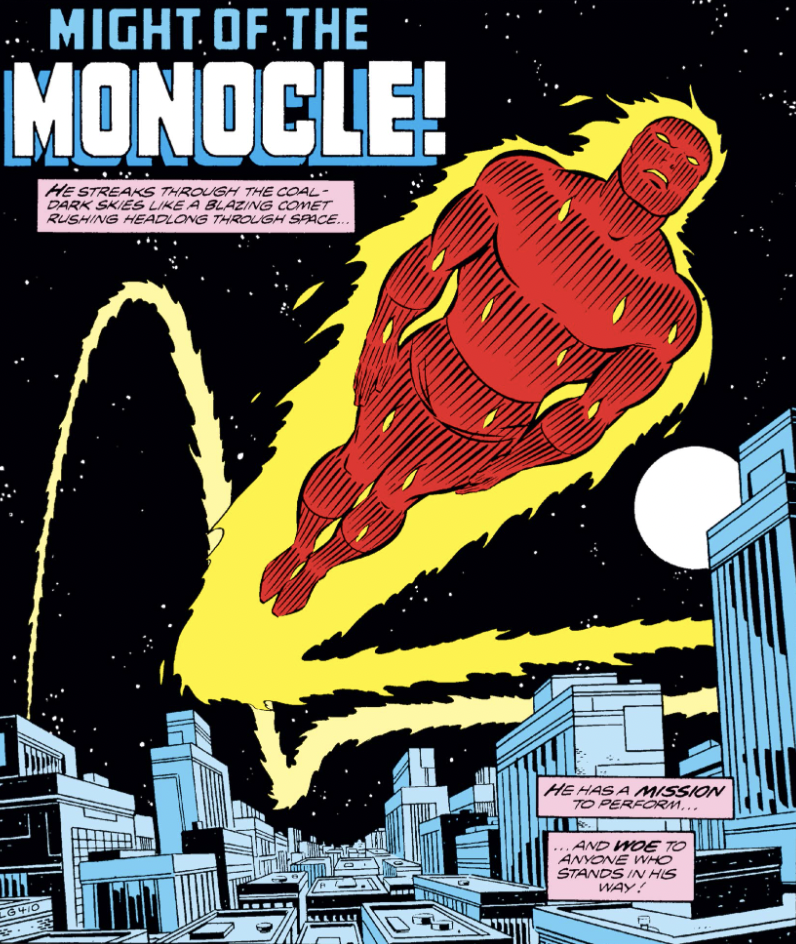
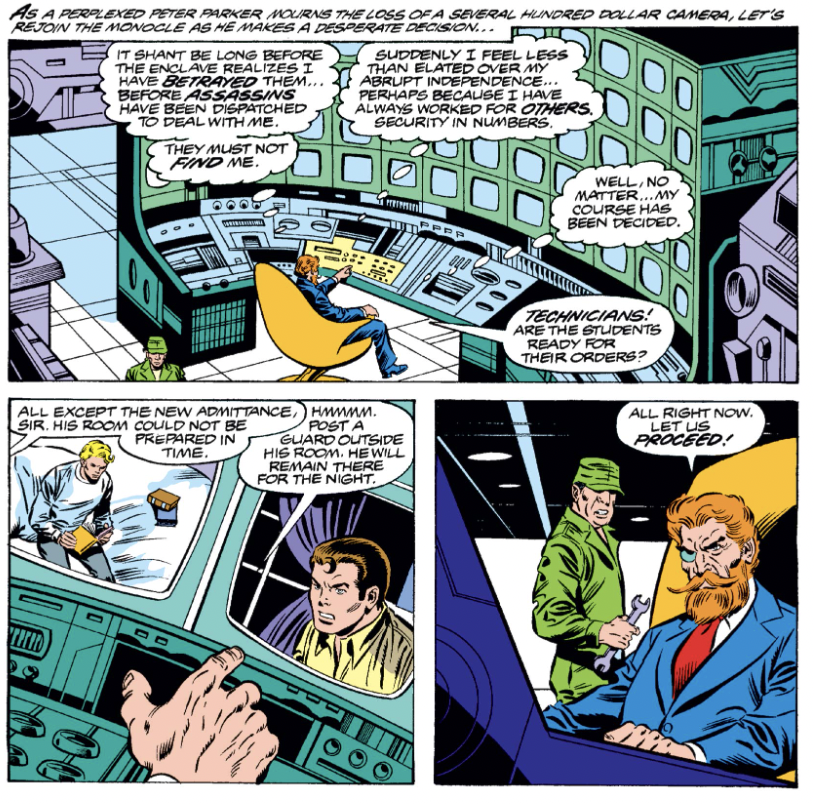
Buscema certainly knows how to draw comics, and this is a great splash page. The bold, san-serif title gives it power, even if “Might of the Monocle” seems a little ridiculous.
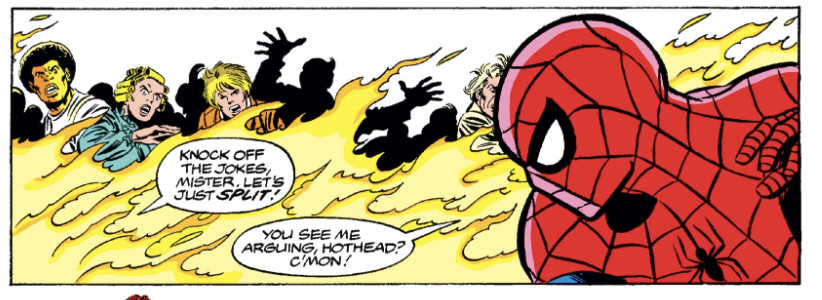
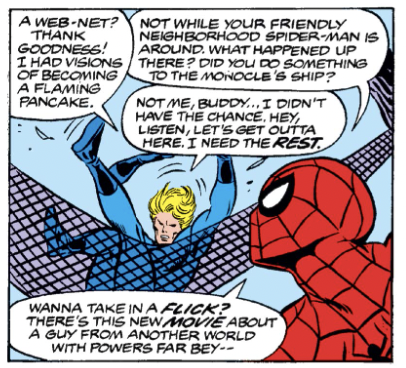
The Spidey/Torch banter is fun, and I liked this reference to Superman.
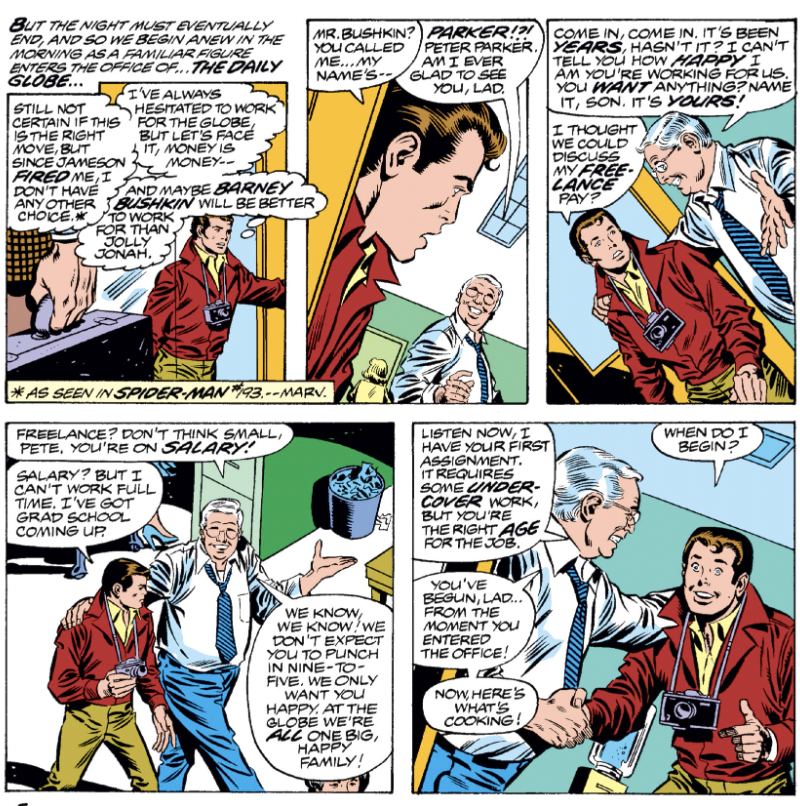
As I mentioned, it’s basically a Spider-Man comic, but that’s OK. Here, Peter Parker finally catches a break, which is always worth celebrating:
What I didn’t like
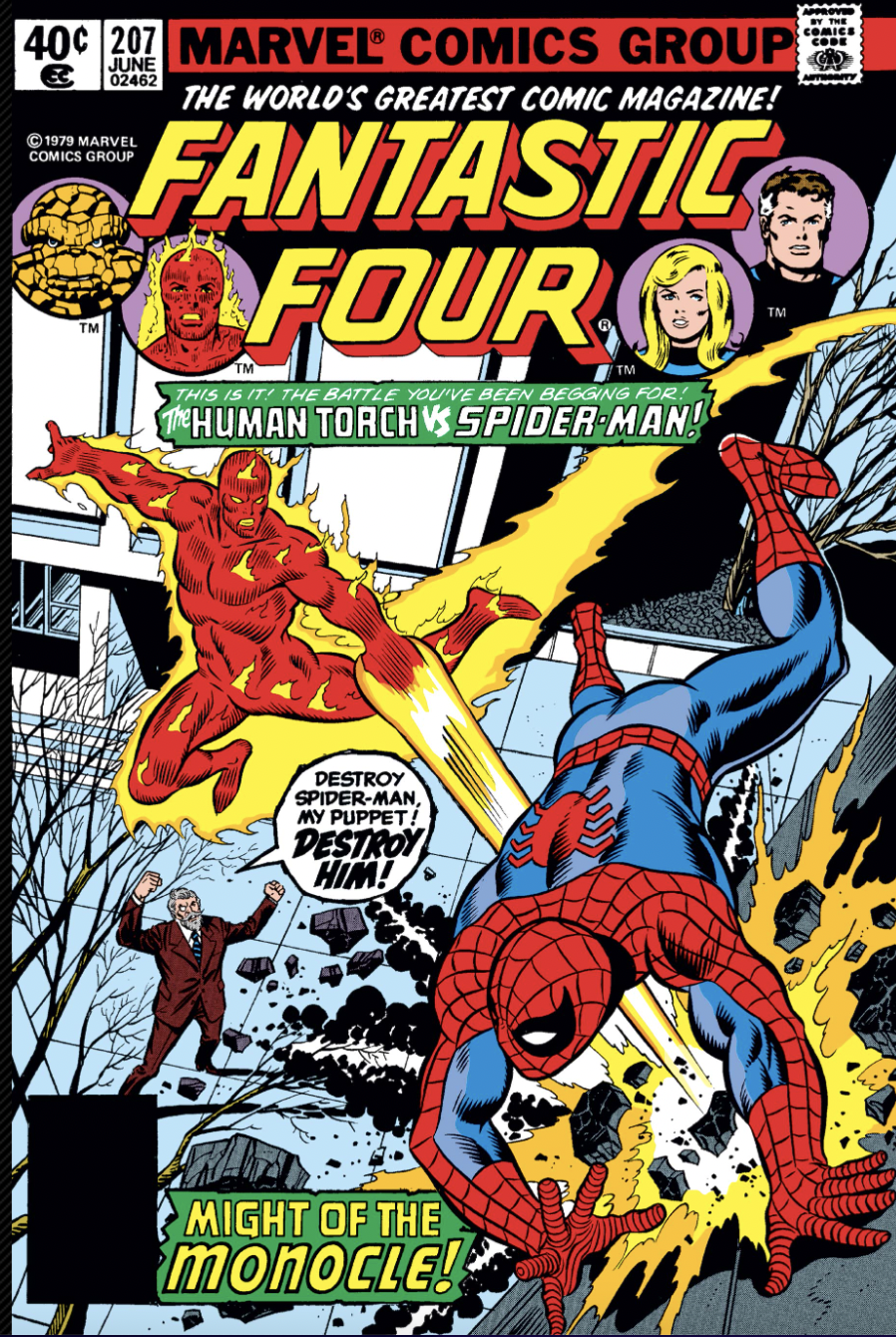
The cover seems to think comics readers are desperate to see the Torch and Spider-Man fight before, as if they haven’t done this a million times before.
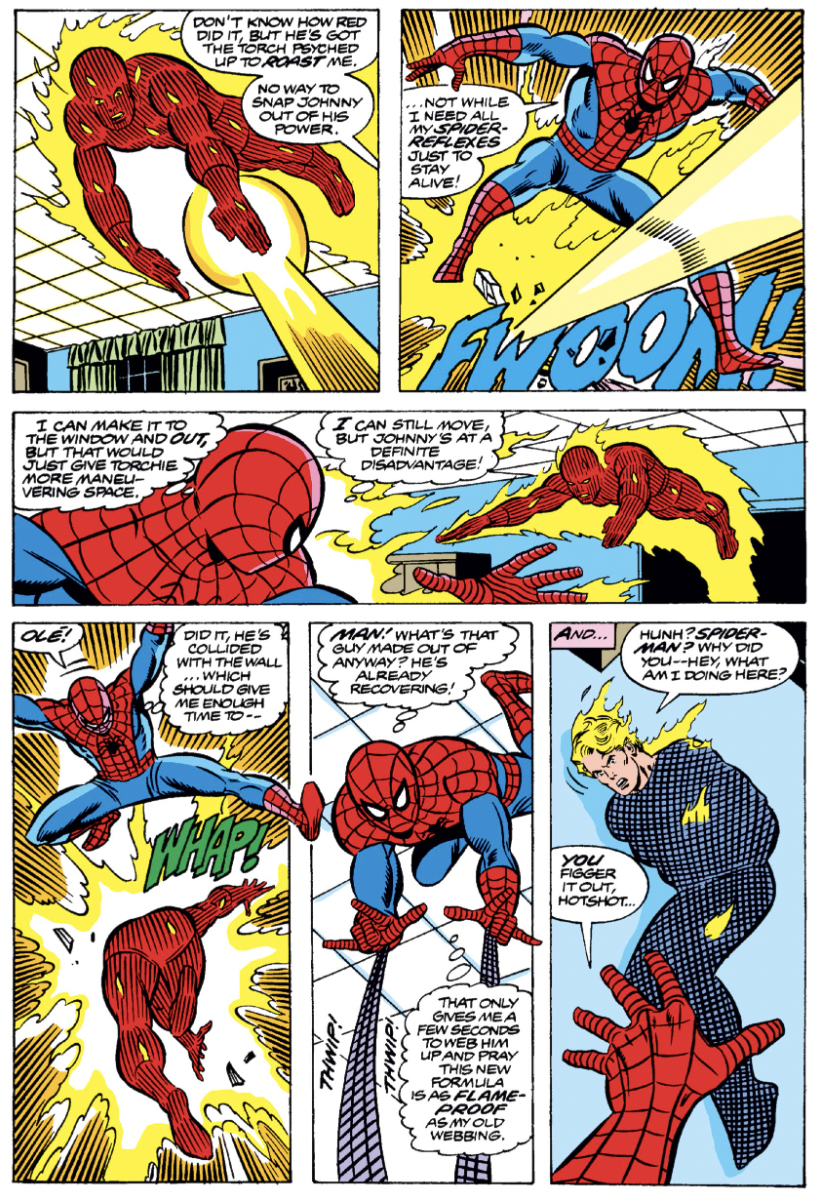
And ironically, when it comes time for the two to tangle, it’s over in a single page. Here’s the whole “battle:”
And one plot hole bugged me: Peter Parker is on campus ostensibly to meet the headmaster. He’s not the son of any one powerful or connected, so how does he end up in a dorm room that night?
Anything else?
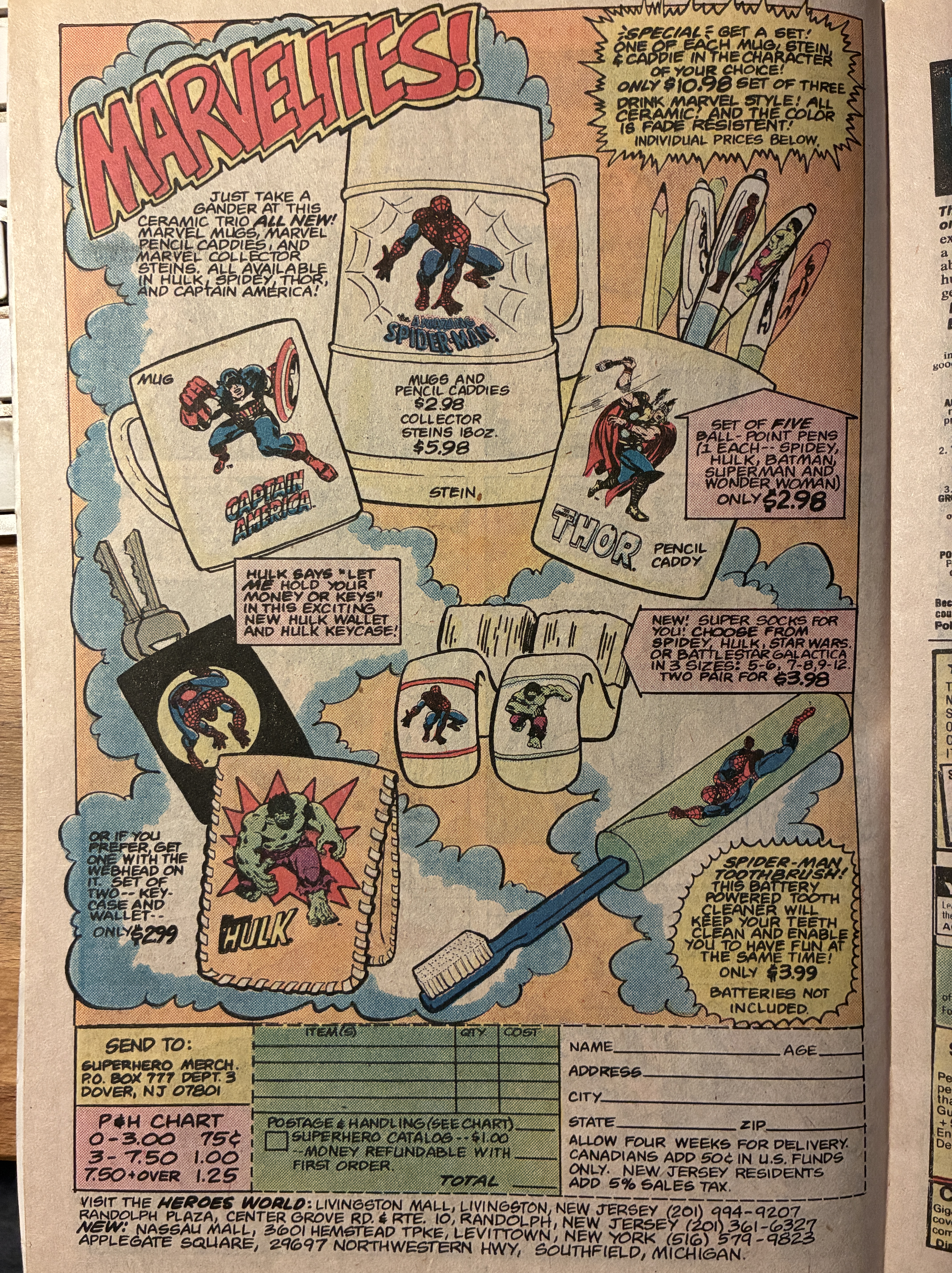
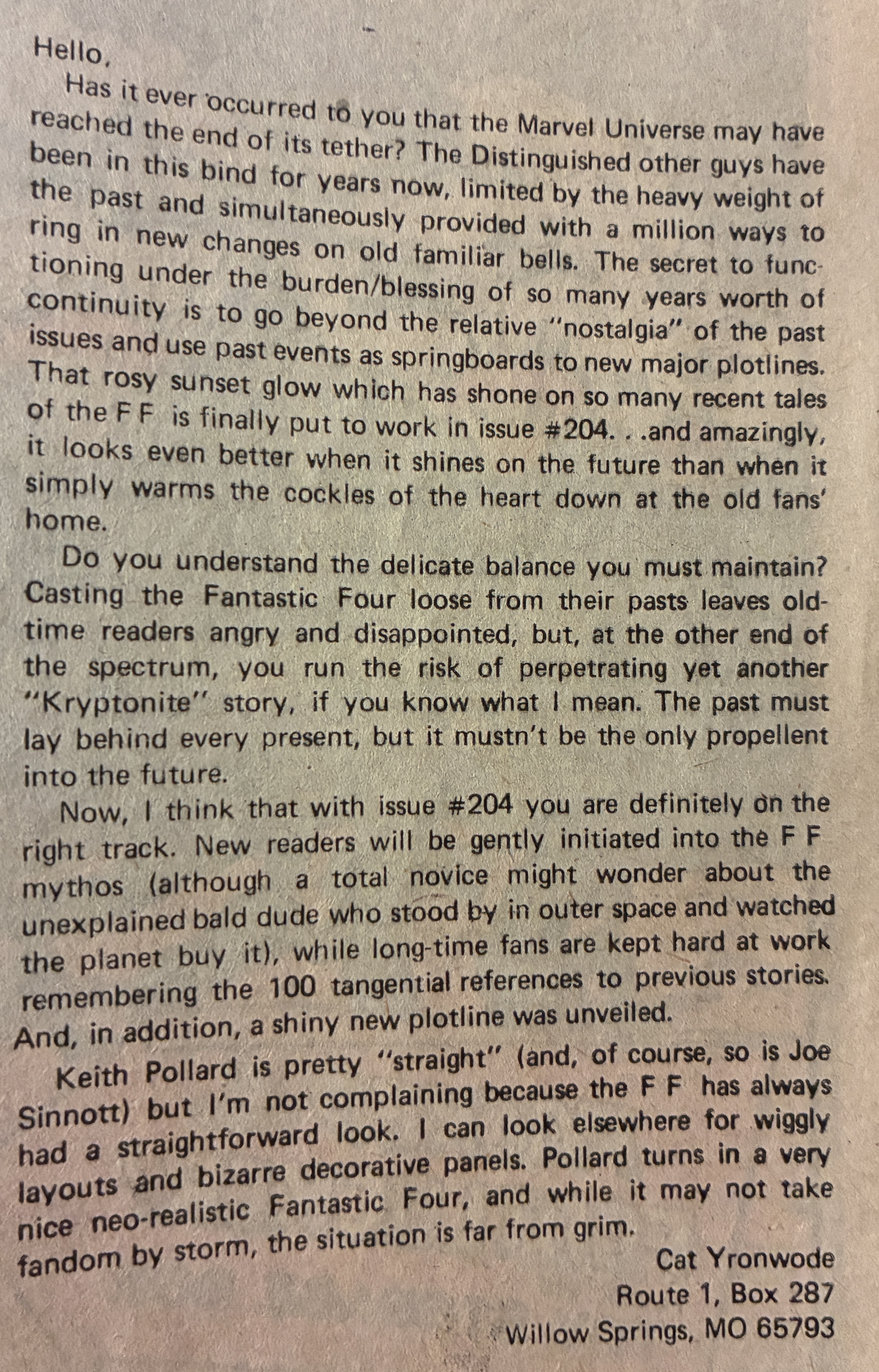
Some fun ads, and another perceptive letter from future Eclipse editor-in-chief Cat Yronwode.
Fantastic Four 206 “The Death of … the Fantastic Four! Published February 1979 Writer: Marc Wolfman Pencils: Keith Pollard Inks: Joe Sinnott Letters: John Costanza Colors: Ben Sean Editor: Wolfman Cover: Pollard and Sinnott
Synopsis
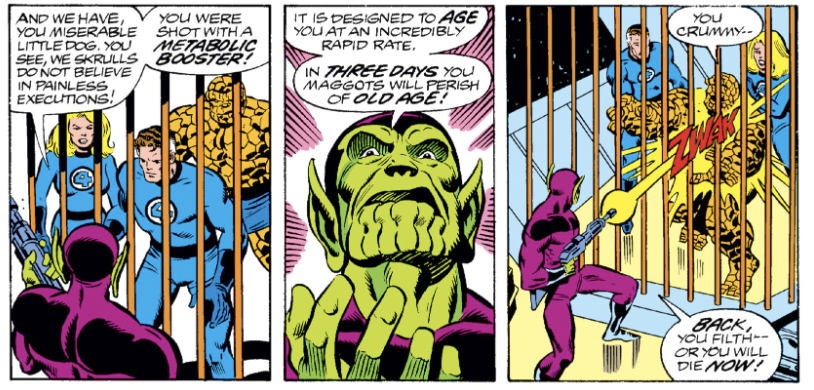
Now prisoners on the Skrull home world, Mr. Fantastic, the Thing and the Invisible Girl are brought before a court, where they are zapped with a ray while trying to fight back. It’s later revealed the ray will speed up their metabolism so they will die of old age in three days. After escaping once again, the FF steal a Skrull spaceship and travel back to Xandar, when they are unknowingly attacked by a spaceship carrying Nova, the Sphinx and other characters.
What’s going on here?
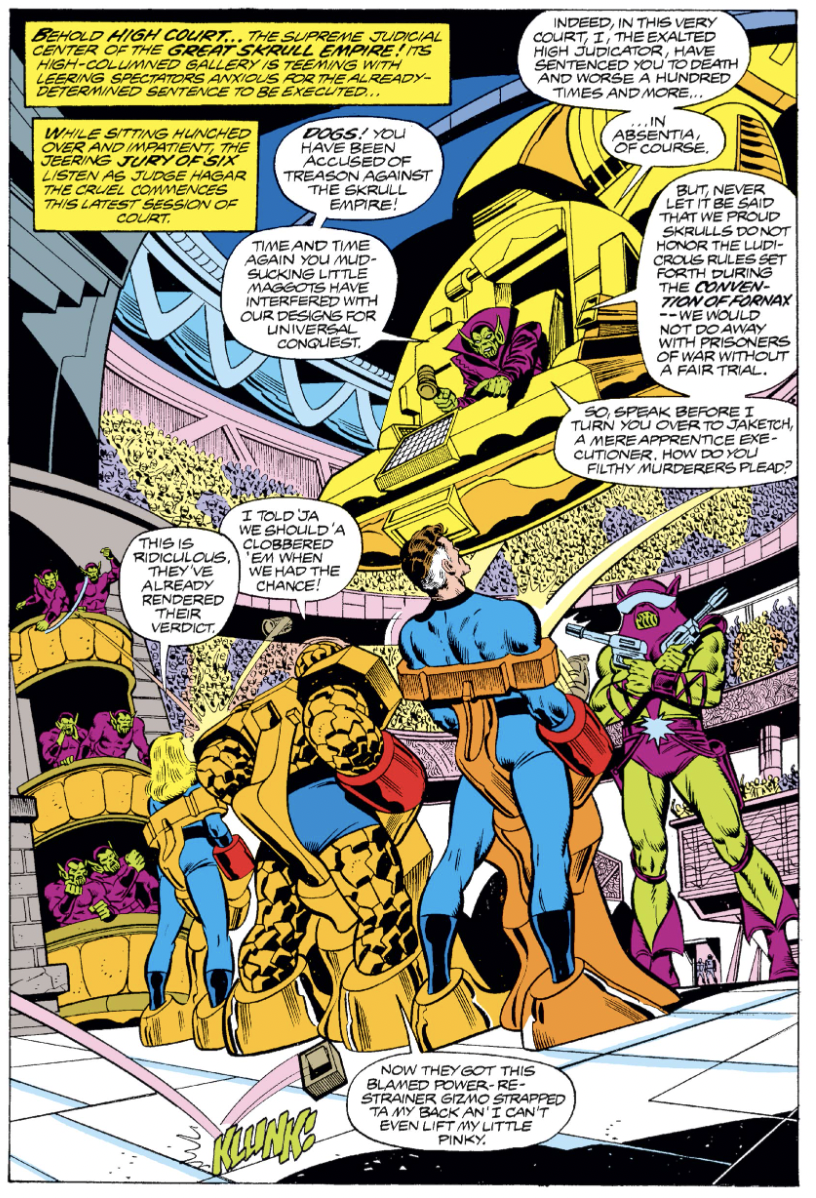
The FF’s Xandar arc continues and a storyline that started off promisingly now seems to drag. The sequence of the FF in the Skrull court did nothing to advance the plot, the lengthy scenes with Xandar’s Queen Adora and her consort Tanak don’t add anything, and while there’s some fun Skrull palace intrigue, it feels the whole issue could be told in half the pages.
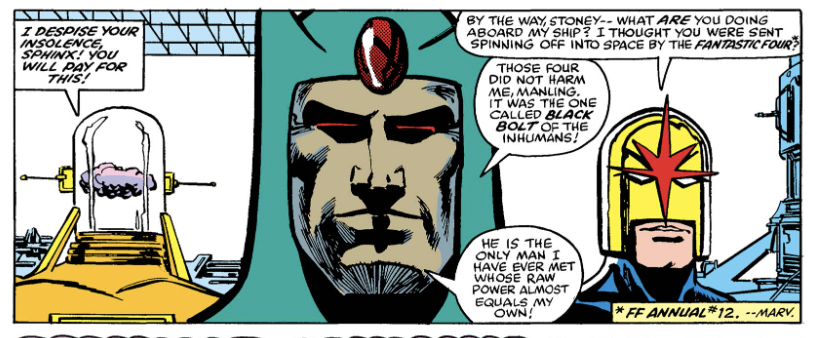
By far, the most discordant element of the comic is the sudden appearance of Nova and a collection of characters who are not introduced and were utterly unfamiliar to me (save for the Sphinx, who we last saw as a villain). These are apparently the Champions of Xandar, although they won’t get that name for another few issues, and while readers of Nova might know who they are, FF readers would have no clue.
Again, this is a serious failing of Wolfman’s, who is writing and editing both the FF and Nova at this point. Besides this being a serious disservice to the reader, it’s also a bizarre lapse in marketing. I understand this is before the ear of crossovers, but surely you would signal on the cover that this issue includes a guest appearance of another Marvel hero.
As far as I can tell, Nova’s inclusion was Wolfman’s attempt to wrap up a story that he began in Nova but couldn’t complete because the series was canceled with issue 25. While this happens occasionally (Chris Claremont pulled lots of his characters from defunct series into the X-Men), it’s rarely done so awkwardly.
I did track down Nova 25 to figure out what was going on and man, it’s got some gorgeous art by Carmine Infantino, in his brief stint at Marvel, and the great Klaus Janson.
Also of note: Johnny doesn’t appear in this issue, and his Monocle subplot isn’t advanced.
And the cover (an excellent one) is the first that features Keith Pollard’s distinct lower-case signature, the first FF comic where he uses it. It’s one of my favorite signatures in comics.
What I liked
The old-age ray is an intriguing concept. I look forward to seeing how it plays out, although I think we all know it won’t be permanent.
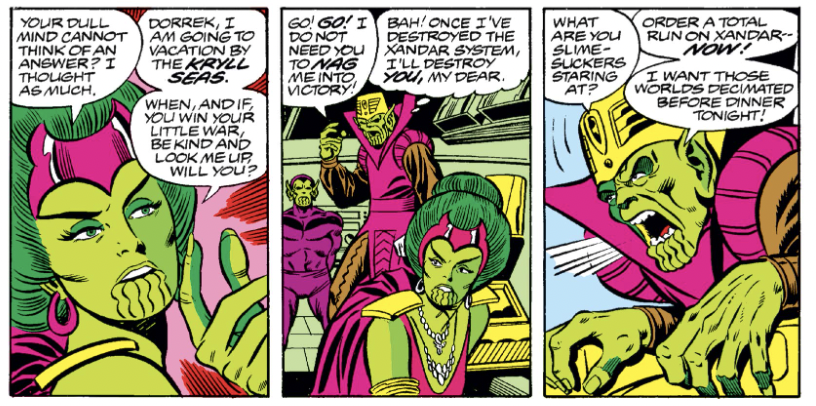
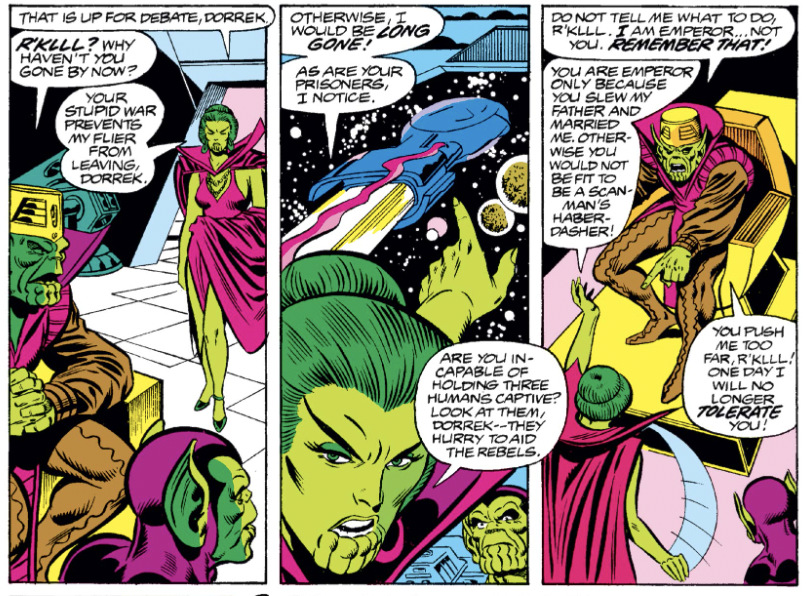
I also liked the bickering between Skrull Emperor Dorrek and the Empress R’Klll. Like the Kree and Shi’ar, and unlike most other alien races in comics, the Skrulls have a well-developed structure and characters, giving their stories more depth and favor.
What I didn’t like
After what was arguably Pollard’s best FF issue last month, his work here is much more pedestrian and it feels like Joe Sinnott is carrying him across the finish line. Aside from the great cover, the art is a disappointment.
As mentioned earlier, the court scene dragged on and offered little. And strangely, the FF are accused of treason, which doesn’t seem possible, because they are not Skrulls. Although I liked the idea of the Skrulls having archaic rules of procedure dating to the Convention of Fornax.
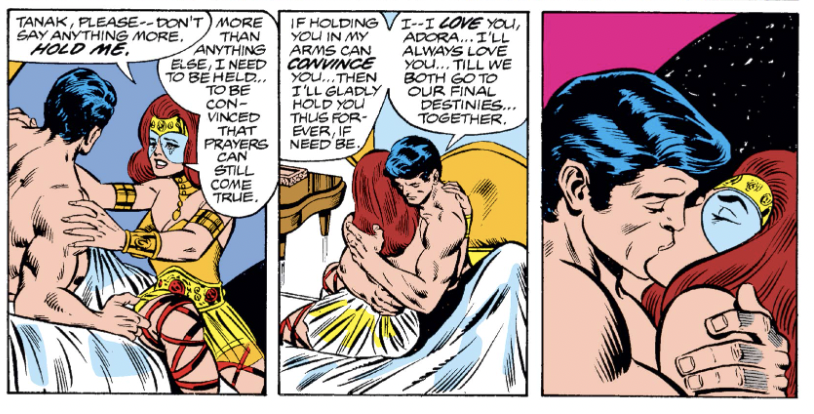
Lastly, the Adora / Tanak romance would be a lot more interesting if we had been given any reason to care about these characters. As it is, it’s incredibly dull.
Note: If you are here solely for Fantastic Four content, you may want to skip this post. While this blog is almost all FF recaps these days, I occasionally still post things like this.
Last year was my sixth tracking the books I read. I again reached my goal of at least 24 (two a month) but the contours of my reading felt much different this year. I read more genre fiction, less non-fiction, and the total number of pages read declined to 7,908 from 8,986. There’s a few reasons for this. Probably the biggest is I had knee replacement surgery in March which meant I spent two months on serious painkillers which affected my concentration, leading me to read fewer weighty books. Also, for the first time in several years, I didn’t judge a business book contest, which meant I had less non-fiction. And I joined a fun science fiction and fantasy group on Facebook, which gave me a lot of ideas for new books and authors to read.
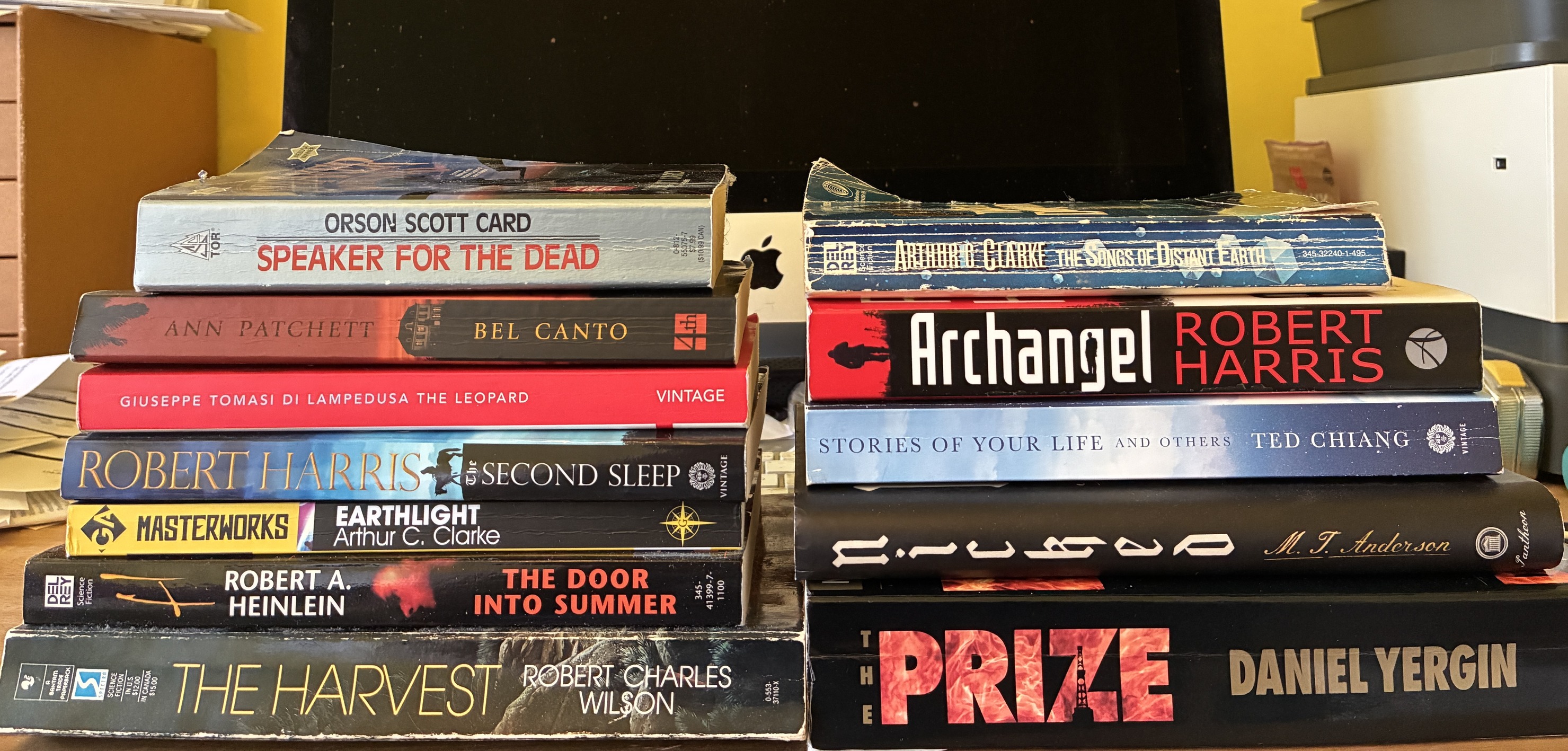
As is my practice, what follows are the books I read in the order I read them, with an image of the version I read (if I can find it). Apologies for any formatting wonkiness; WordPress is a frustrating platform in many ways.
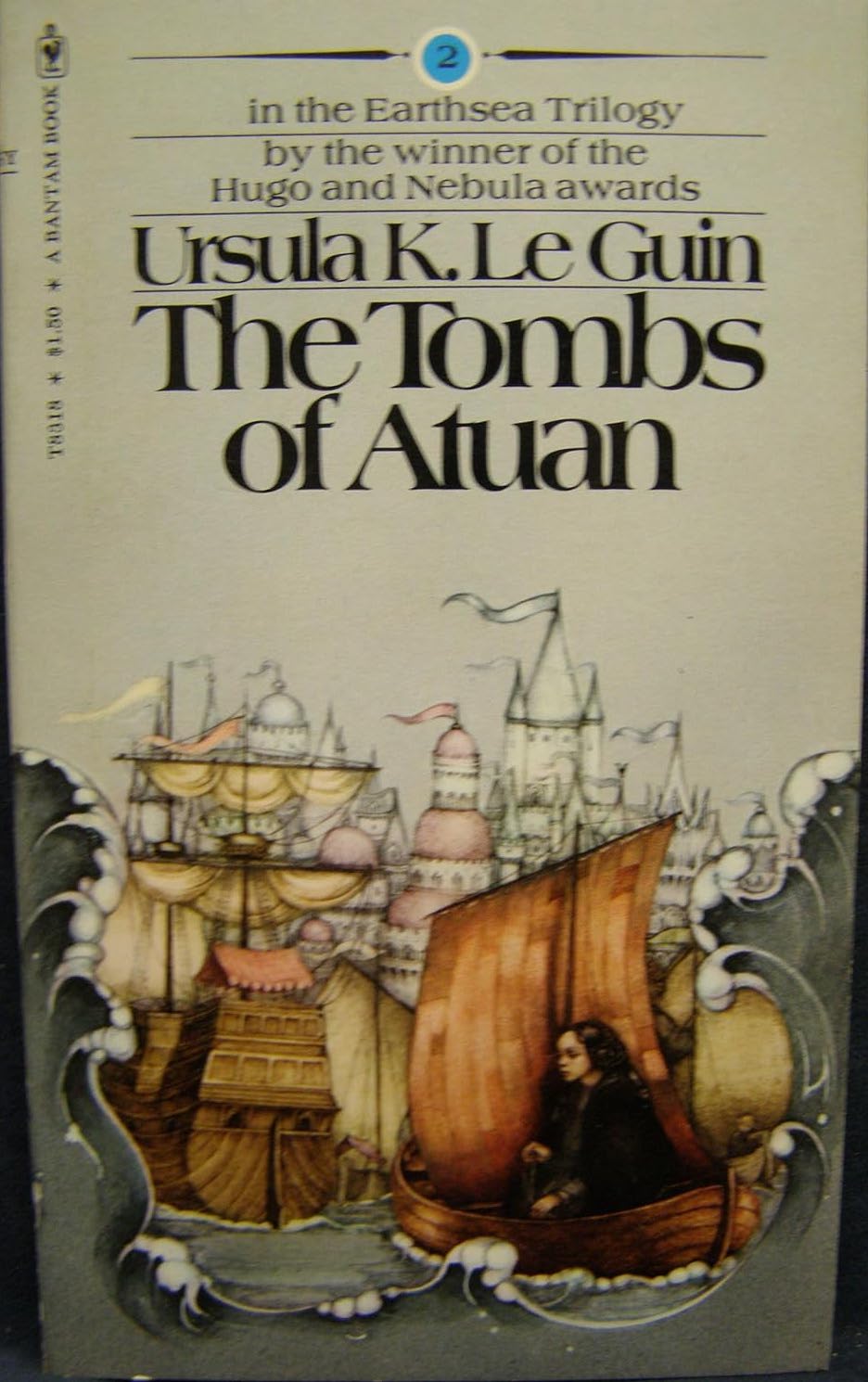
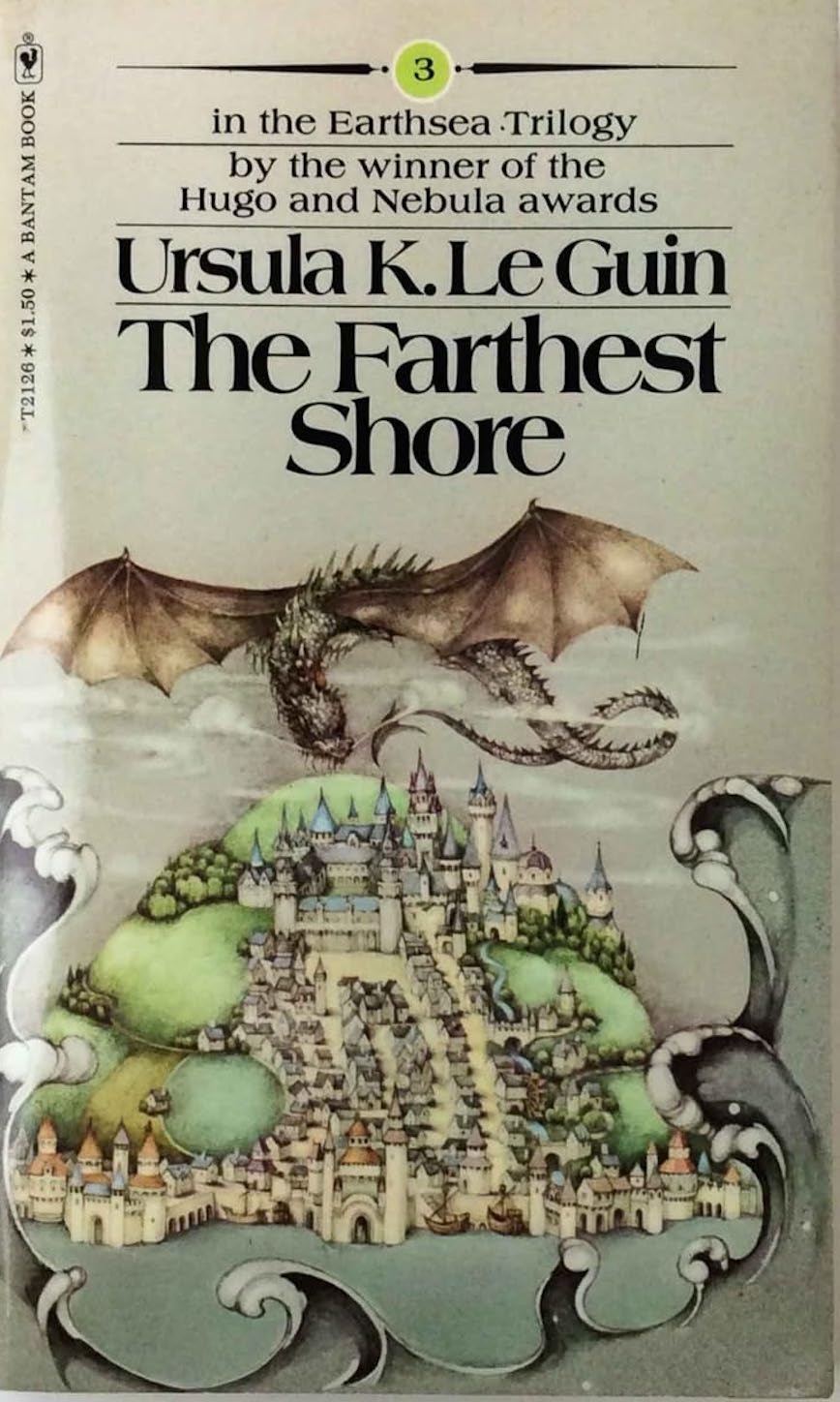
1, The Tombs of Atuan, Ursula K. Le Guin (1971), 144 pages 2, The Farthest Shore, Ursula K. Le Guin (1972) 197 pages
I began the year completing The Wizard of Earthsea trilogy I began in 2024 (and hadn’t read since I was teenager). While these books are slim, they are not slight. Le Guin is wonderful writer, combining lyrical prose with measured, nuanced storytelling that belie these books’ young adult marketing. They concern the further adventures of Ged, who was introduced as an impulsive young wizard in the first book and in these volumes matures into someone both wiser and more relatably human. Unlike in the first book, in these he isn’t the sole protagonist, and in Atuan, the story really belongs to Tenar, a young woman trapped in a priesthood. I have since learned Le Guin wrote two more Earthsea books, and I look forward to eventually reading them as well.
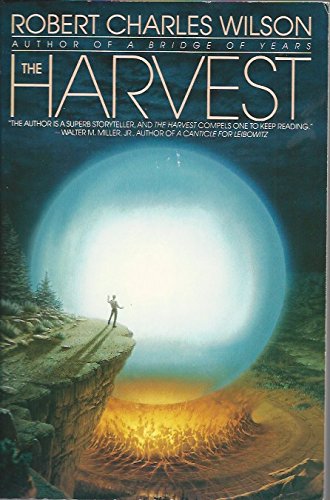
3, The Harvest, Robert Charles Wilson (1992), 394 pages
I’ve liked most of what I’ve read by Wilson, an underrated science fiction author, but this one was a dud. Some of that is due to the plot, about most of humanity joining a unified world-mind that promises immortality while a few stragglers resist. The story felt familiar, and echoes Arthur C. Clarke’s Childhood’s End (and seems to anticipate TV’s Pluribus). But the bigger disappointment is the pacing, which drags, and Wilson’s attempts at profundity, which fall flat.
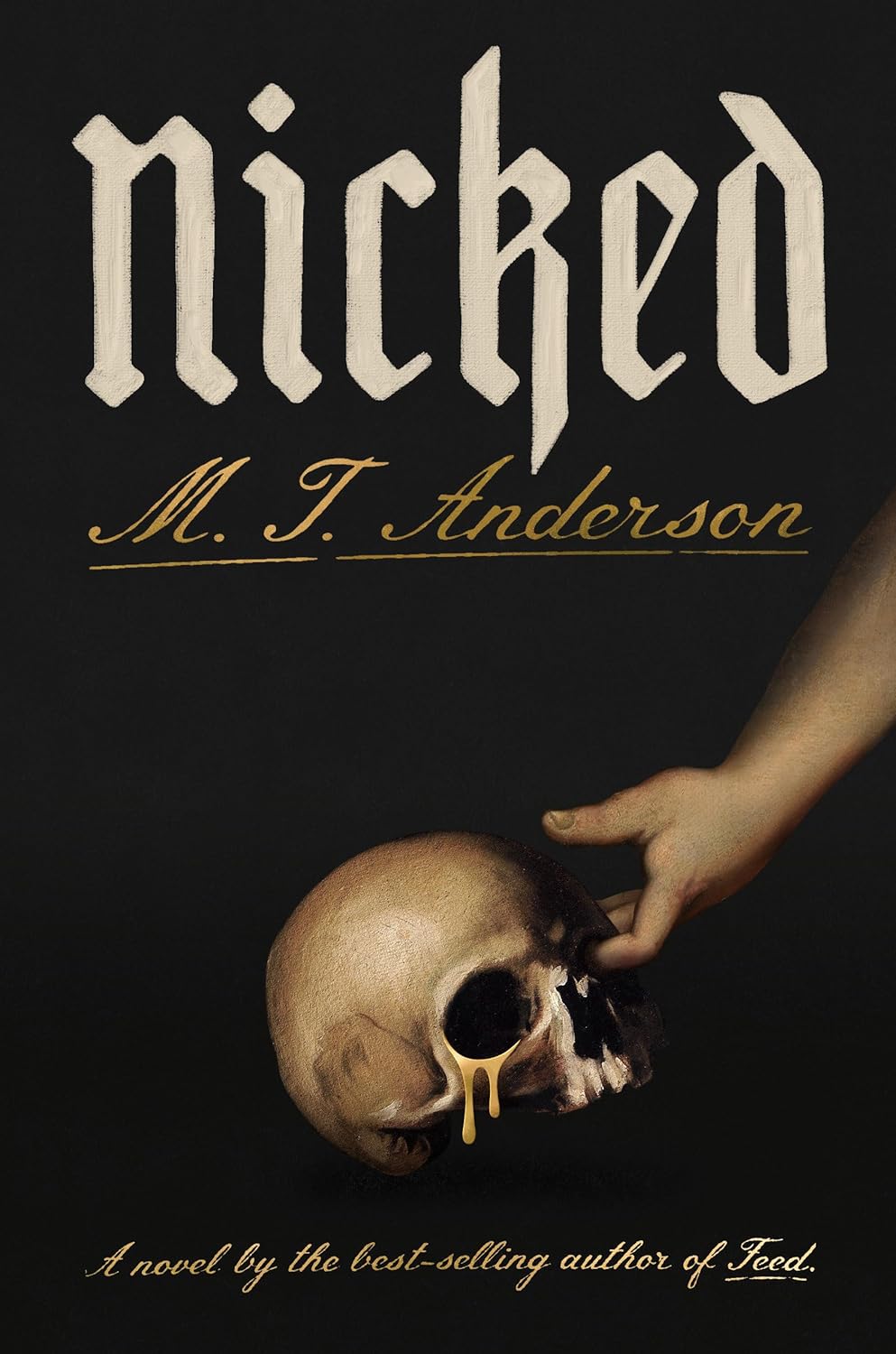
4, Nicked, M.T. Anderson (2024), 215 pages
This madcap, quasi-historical romp was a Christmas present, and a welcome one, because it’s unlikely I would have found this gem on my own. It concerns a medieval monk who gets roped into a scheme to steal the bones of St. Nicholas from Asia Minor and bring them to Bari, in present day Italy, where they will cure the plague (and bring power and prestige to the city). Along the way he encounters a dog-headed man, a gay romance and all sorts of hijinks. Anderson writes with brisk confidence and humor, making this book a short delight.
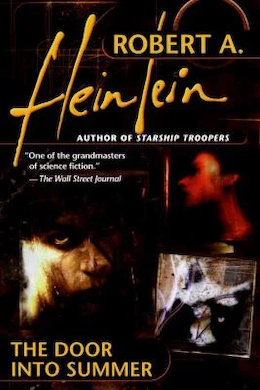
5, The Door into Summer, Robert Heinlein (1957), 291 pages
I loved Robert Heinlein’s juveniles as a kid, and his The Moon is a Harsh Mistress remains one of my favorite science fiction novels, so I’m always looking for a book of his that captures that spirit. Unfortunately, most of what I’ve read by him lately has been lacking and The Door Into Summer falls into that category. The premise is harmless — it’s basically a time-travel heist with some fun ideas. But the purported romance – between the protagonist and a woman he knew as a child and is now an adult — feels seriously inappropriate and and taints the whole book. I try not to judge books written decades ago by the standards of today but I don’t think grooming was OK in the 50s either.
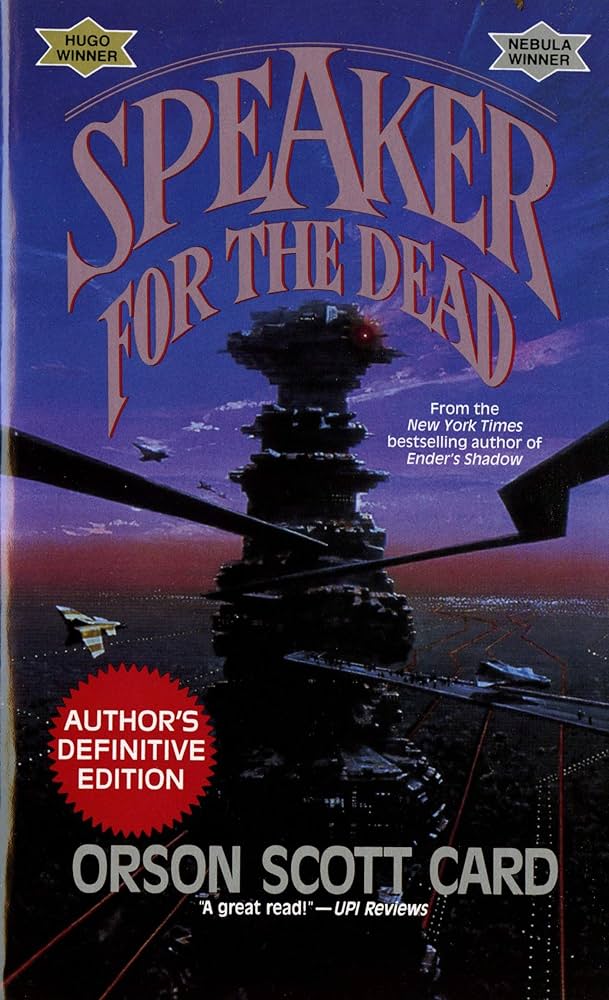
6, Speaker for the Dead, Orson Scott Card (1986), 382 pages
The best science fiction book I read last year and one of the best books, period. A sequel of sorts to Ender’s Game, Card had the idea for Speaker first, then wrote Ender’s to set up the moral and philosophical questions that Speaker wrestles with. It’s an astonishingly ambitious book that takes on the nuances of Catholicism and Brazilian culture (in the form of an extra-terrestrial colony), the consequences of genocide, the ethics of cultural anthropology, and what it means to confront truly alien civilizations. There’s so much going on in this book, and it’s so elegantly written, I can’t recommend it highly enough. I know Card has written and said some deplorable things since it was published, but that doesn’t discount the power of this work.
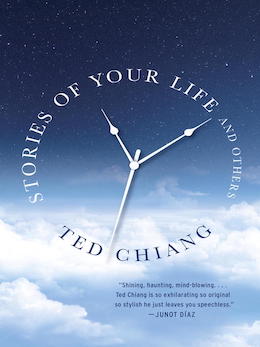
7, Stories of Your Life and Others, Ted Chiang (2002), 304 pages
I tend not to read short story collections, but I was happy to make this exception. This is another terrific science fiction book, with stories that display Chiang’s incredible range and depth. In these stories, Chiang’s demonstrates his fluency in fields ranging from Mesopotamian engineering to Victorian alchemy to higher-order mathematics. The title story is the basis of the movie Arrival (the film is much altered, although still wonderful) but my favorite is perhaps an account of the building the Tower of Babel, from the perspective of a stone mason.
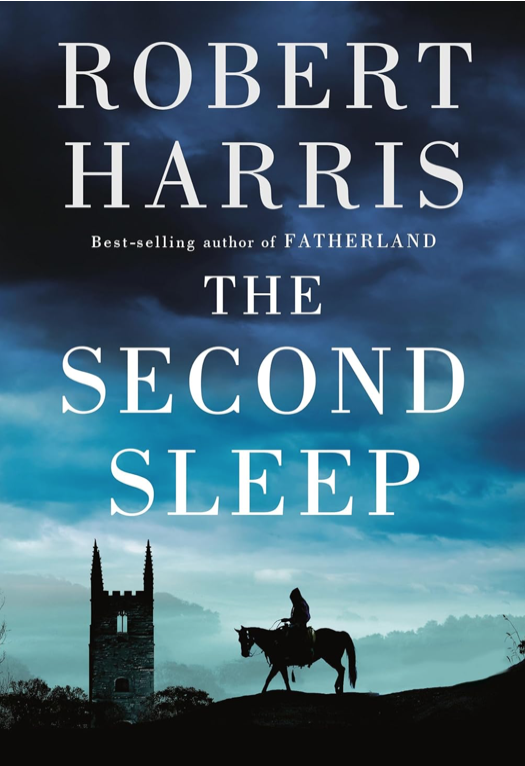
8, The Second Sleep, Robert Harris (2019), 297 pages
I started reading Robert Harris a few years ago and he’s quickly become one of my favorite genre authors. Most of his books are grounded in historical events, making this an outlier. It appears set in medieval England, but without giving too much away, the plot veers into the realm of speculative fiction and out of Harris’s typical territory. I’m not sure it’s among his best works but I admire him for trying to do something different and it certainly kept my attention.
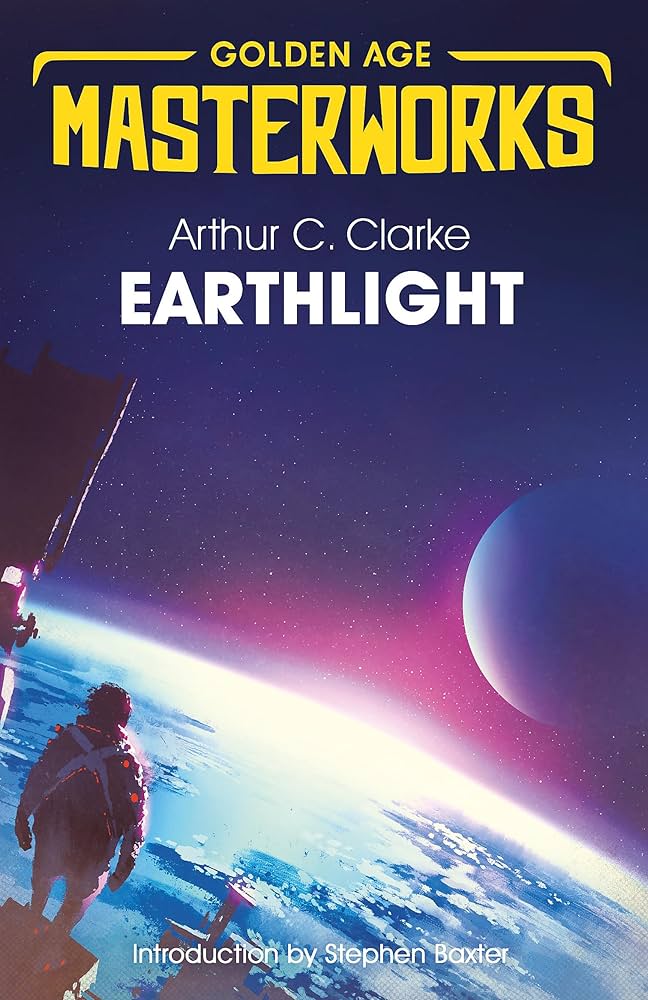
9, Earthlight, Arthur C. Clarke (1955), 177 pages
Along with Heinlein and Isaac Asimov, Clare is regarded as one of the three grand masters of science fiction, and as with Heinlein, I feel I’m reading Clarke to chase the thrill I got after reading his books as a teenager. Unlike Heinlein, Clarke’s books tend to be more predictable in their quality, and Earthlight is a typically solid example of his early work. Basically a spy thriller set on the moon, the story is a bit of a slow boil before reaching an impressive and memorable climax. It suffers from a lot of the same dated qualities of most sci-fi from this era (everyone is white and male) but it’s not as egregious as many.
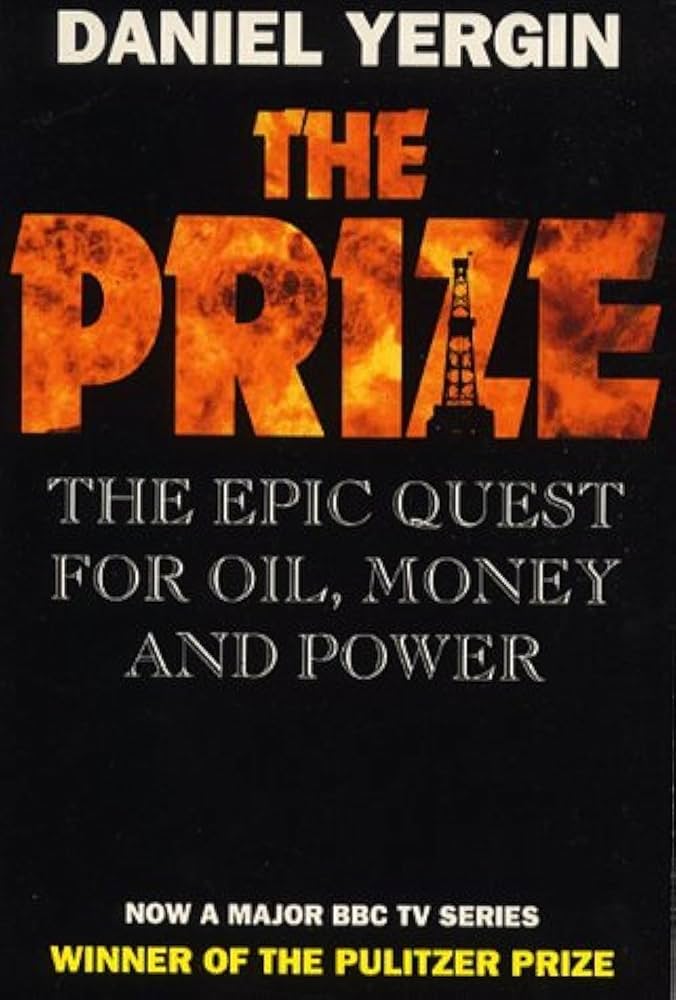
10, The Prize, Daniel Yergin (1992), 790 pages
One of two big non-fiction books I read last year, I picked it up years ago at my local library’s book sale but began it in January when I interviewed for an energy editor job (reader, I didn’t get it). It’s an exhaustive and fascinating history of the global oil industry, starting in Western Pennsylvania in the 1800s and traveling from Texas to Baku to Romania to Indonesia to Iran to Alaska. In many ways it’s a history of the 20th century (it ends with the Gulf War) and it’s startling to see the role oil played in so many major events, from Pearl Harbor to the Suez Crisis to every conflict in the Middle East. And of course, the U.S. recent adventures in Venezuela makes understanding the history of oil exploration and exploitation all the more urgent.
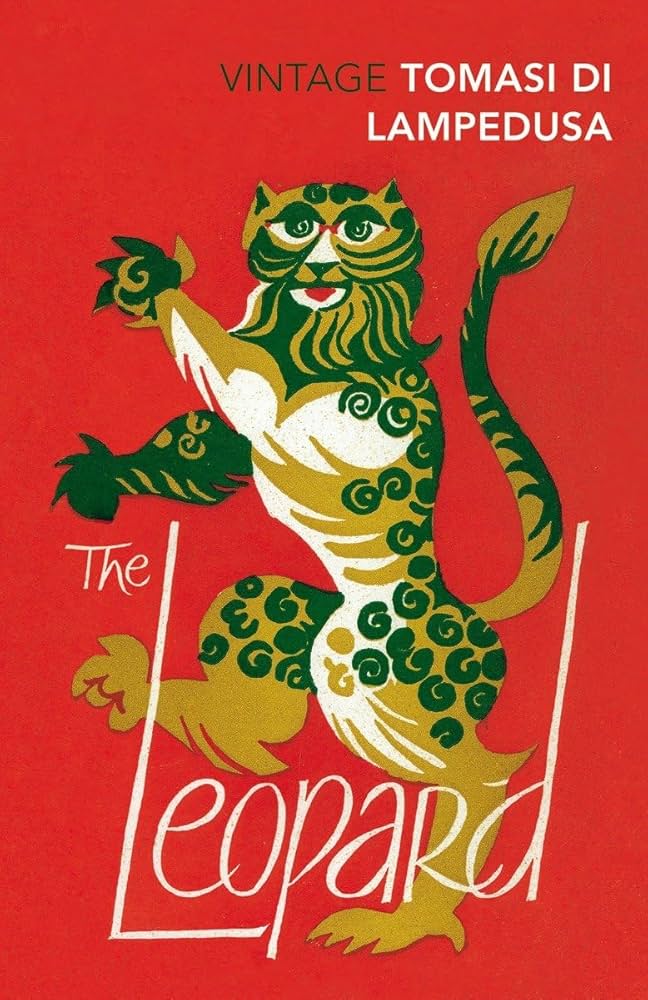
11, The Leopard, Tomasi di Lampedusa (1958), 230 pages
Arguably the best book I read last year, it’s another one that sat on my shelves for years before I finally picked it up. Set primarily in Sicily in the 1860s, against the backdrop of Garilabldi’s unification of Italy, it’s ostensibly the story of the Prince of Sicily (his family crest bears a Leopard) and his family. But it’s really a lyrical elegy for a vanishing way of life, as modernity creeps across Sicily and the aristocracy struggles to adapt. It’s beautifully written with a wry sympathy by an author who understand the inevitability of change but wants to take the time to remember the silly, elegant world that has vanished. The coda, set in the early 20th century, is heart breaking.
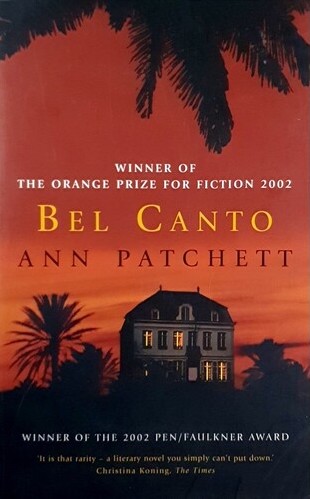
12, Bel Canto, Ann Patchett (2001), 318 pages
Another candidate for best book I read last year, and another book I picked up more-or-less at random at a library book sale. I’ve admired Ann Patchett’s writing since I encountered it in The New Yorker years ago, and this novel — probably her breakout book — is amazing. Telling the story of an American opera singer taken hostage in a South American country, it’s an ingenious exploration of the power of art and beauty within the framework of an engrossing narrative. By the end, we feel part of the community she has created.
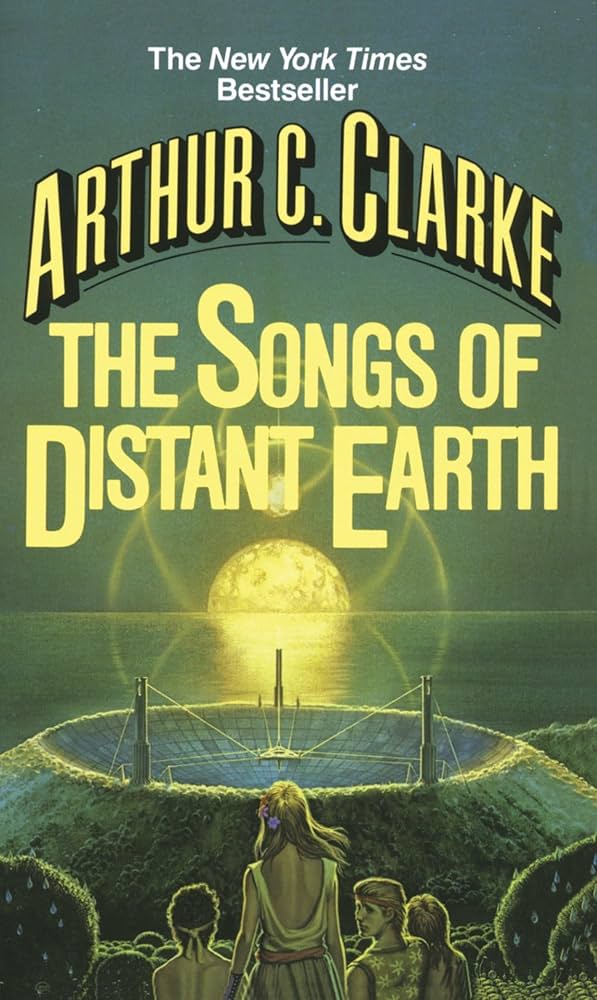
13, The Songs of Distant Earth, Arthur C. Clarke (1986), 319 pages
My second Clarke book of the year, this was written 30 years later and while more ambitious, it was less satisfying. Set on a remote, oceanic colony of Earth, the story is set in motion when a spaceship carrying the last refugees from Earth arrive. There’s a lot going on and Clarke has interesting ideas but the characters never feel very compelling and ultimately it’s less than the sum of its parts.
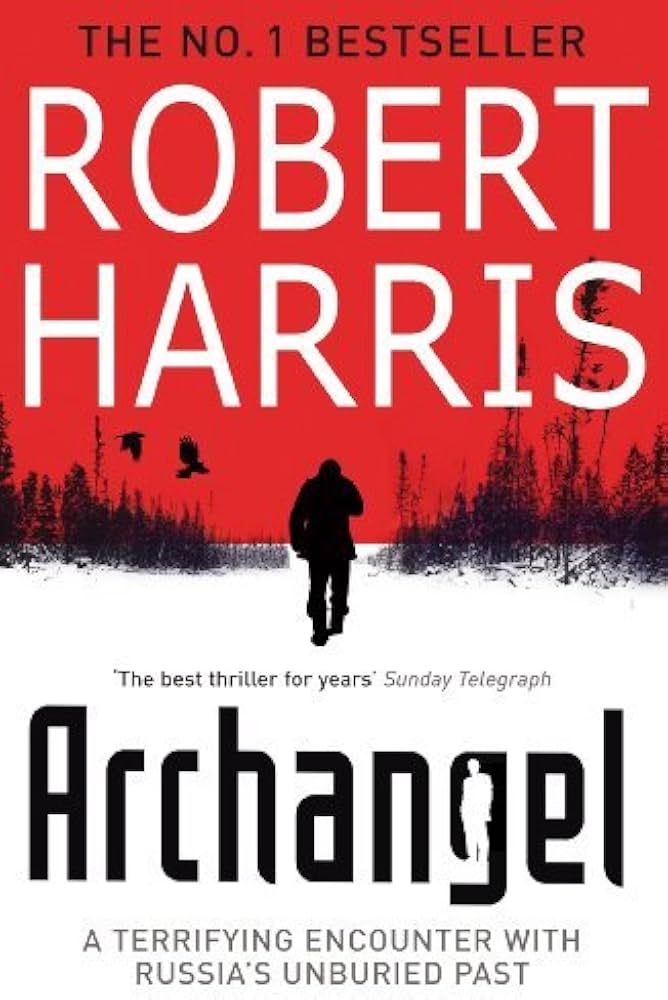
14, Archangel, Robert Harris (1998), 421 pages
Another book by Robert harris, this one is more in line with the historic fiction I associate with him and represents Harris at the peak of his powers. A thriller set in Russia in the years following the collapse of the Soviet Union, it follows a dissolute English academic in Moscow who gets sucked into a revanchist plot by former Soviet officers. The book is at its best when ties the horrors of Stalinism to the evils of the present. The ending is a bit baroque but it’s a fun, engrossing read.
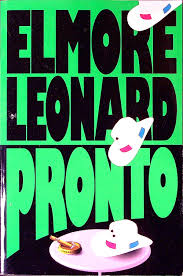
15, Pronto, Elmore Leonard (1993), 373 pages
I read a few Elmore Leonard crime thrillers as a teenager but didn’t really get the appeal. But a enthusiastic reappraisal of Leonard’s oeuvre by Anthony Lane in The New Yorker this summer piqued by interest and I read a few more I pulled from my father’s book shelf. In a word, they’re terrific. Leonard is a gifted stylist, writing with clipped economy while managing to convey both color and character. There’s a tone of bemusement under it all, even as he created page-turning tension. This book introduces Raylan Givens, a sneakily smart U.S. Marshall who pursues a fugitive to Italy. Givens becomes a recurring Leonard character and the basis of the TV show Justified. It’s a fun story with a satisfying payoff.
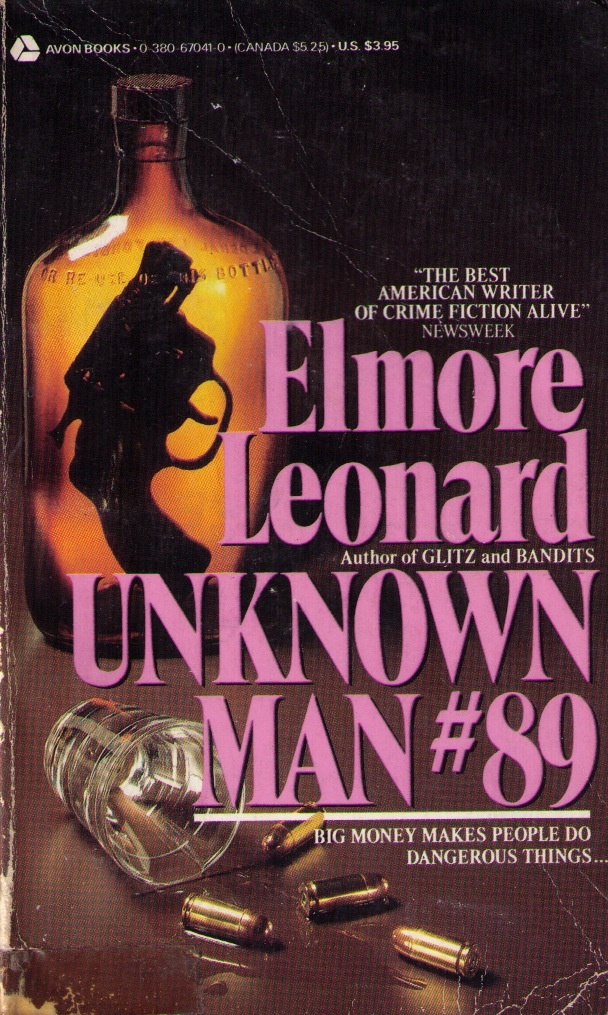
16, Unknown Man #89, Elmore Leonard (1977), 264 pages
More Leonard. This one, written a decade before Pronto, is grittier and set in in Leonard’s native Detroit. The protagonist is a street-wise process server who gets sucked into a morass of dead criminals, jovial murderers and tarnished dames. The noir oozes off the pages and stains your fingers. Anther fun read.
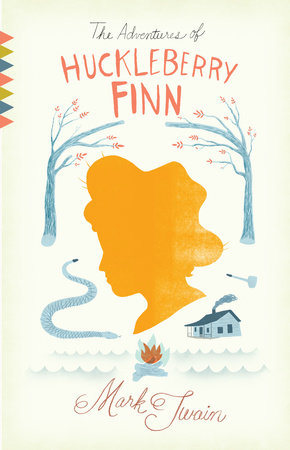
17, The Adventures of Huckleberry Finn, Mark Twain (1884), 325 pages
Yes, I had never read Huck Finn until this year and yes, this was a source of some embarrassment. But I decided to rectify this after reading the glowing review for James, the retelling of the book from the perspective of Jim by Percival Everett, and deciding I needed to read the source material first. Given how significant this book is in the American canon, I doubt I have much original to add, but it seems pretty clear Twain is trying to do two things at once. On the surface, the book is very much a story about a clever child on a big adventure. But beneath that surface, it’s a sly commentary on the social conventions of the American South and a stinging critique of slavery. The book is at its best when Jim takes the stage and we feel the weight of his bondage. Unfortunately, those scenes are too few, and the books is dominated by the shenanigans of Huck and the characters he encounters on the Mississippi. Those vignettes can be fun, but especially by the last few chapters — a long and painful sequence involving Tom Sawyer — they can feel very tedious.
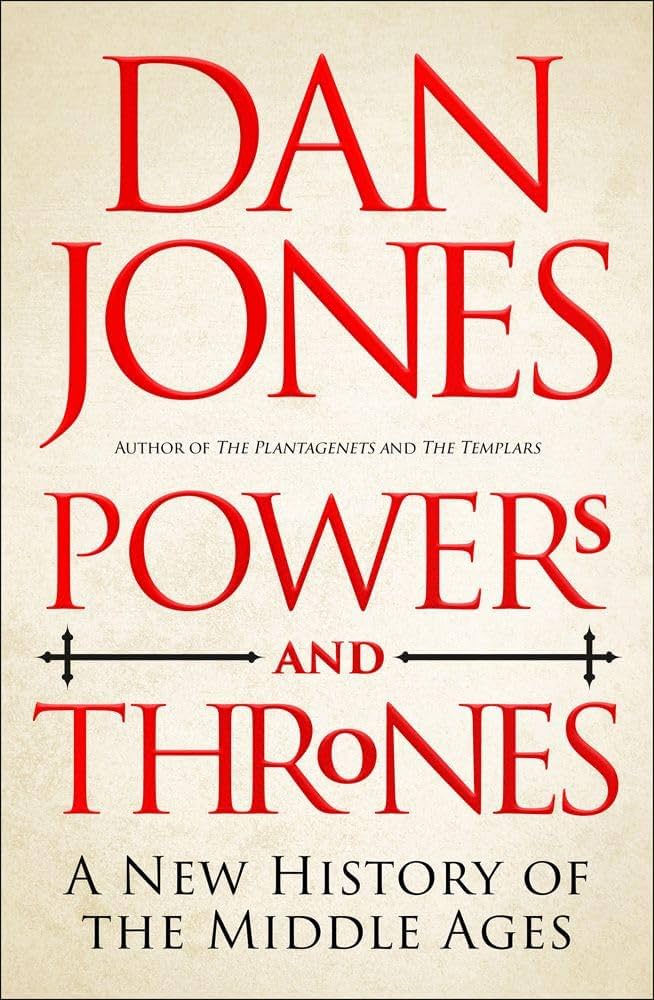
18, Powers and Thrones, Dan Jones (2021), 639 pages
This is the big work on non-fiction I read last year. I have an amateur historian’s fascination of the early Middle Ages and this book grabbed my attention a few years ago at Dussman’s in Berlin (one of the world’s great book stores imho). Jones, the kind of English historian who hosts shows on the BBC, has written a number of popular histories and this is probably his most ambitious, spanning 1,000 years from the fall to Rome to the discovery of the New World. Jones breaks it up thematically, with each chapter focusing on a segment of medieval society, such as monks, merchants and Crusaders. Some of it felt familiar but a lot of it was new and Jones has a breezy style that make it all easily digestible. It’s so good I can forgive the nakedly transparent Games of Thrones marketing ploy
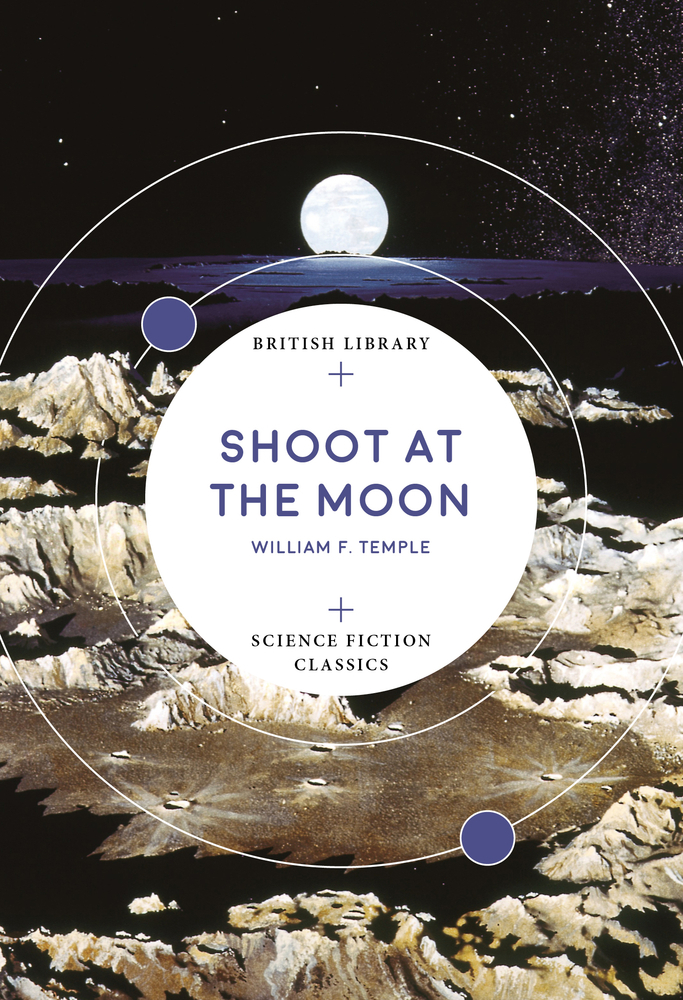
19, Shoot at The Moon, William Temple (1966), 238 pages
I took a flier on this book after seeing it at a bookstore. I never heard of the author but the British Library’s imprimatur suggested it was worth my time. Unfortunately, it fell short. While it contained some interesting ideas and a colorful scoundrel of a protagonist, it was too hard to set aside its very dated ideas about how space travel would be organized (in this book it’s something like a Victorian polar expedition) and the dynamics between men and women. I still think there are hidden gems in mid-century sci-fi but I concede they are getting harder to find.
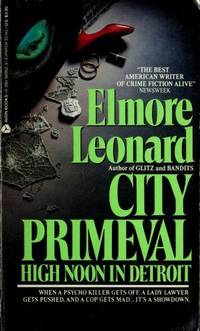
20, City Primeval, Elmore Leonard (1980), 222 pages
My third and last Elmore Leonard book of the year. This is another fun one set in Detroit. The hero is a beleaguered cop who gets drawn into a twisty story involving corrupt judges and a violent gunman from Oklahoma. It feels like peak Leonard, and maybe for that reason serves as the basis of the TV show Justified: City Primeval, in which Raylan Givens is inserted into the plot but otherwise is pretty faithful to the book.
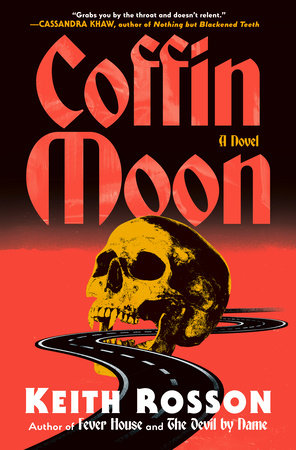
21, Coffin Moon, Keith Rosson (2025), 305 pages
Coffin Moon was a selection of my local book store’s book club, and a departure for me a in few ways. It’s a new release, which I almost never read, I bought it in hardback (ditto) and it’s a horror novel, a genre I generally skip past. All that said, it was a very fun book and I’m glad I took the plunge. Stephen King’s influence is clearly present, but that’s not a bad thing (if you’re going to steal, steal from the best) and Rosson injects it with his own flavor, particularly in the protagonist, a Vietnam vet suffering from PTSD who crosses paths with a nasty vampire.
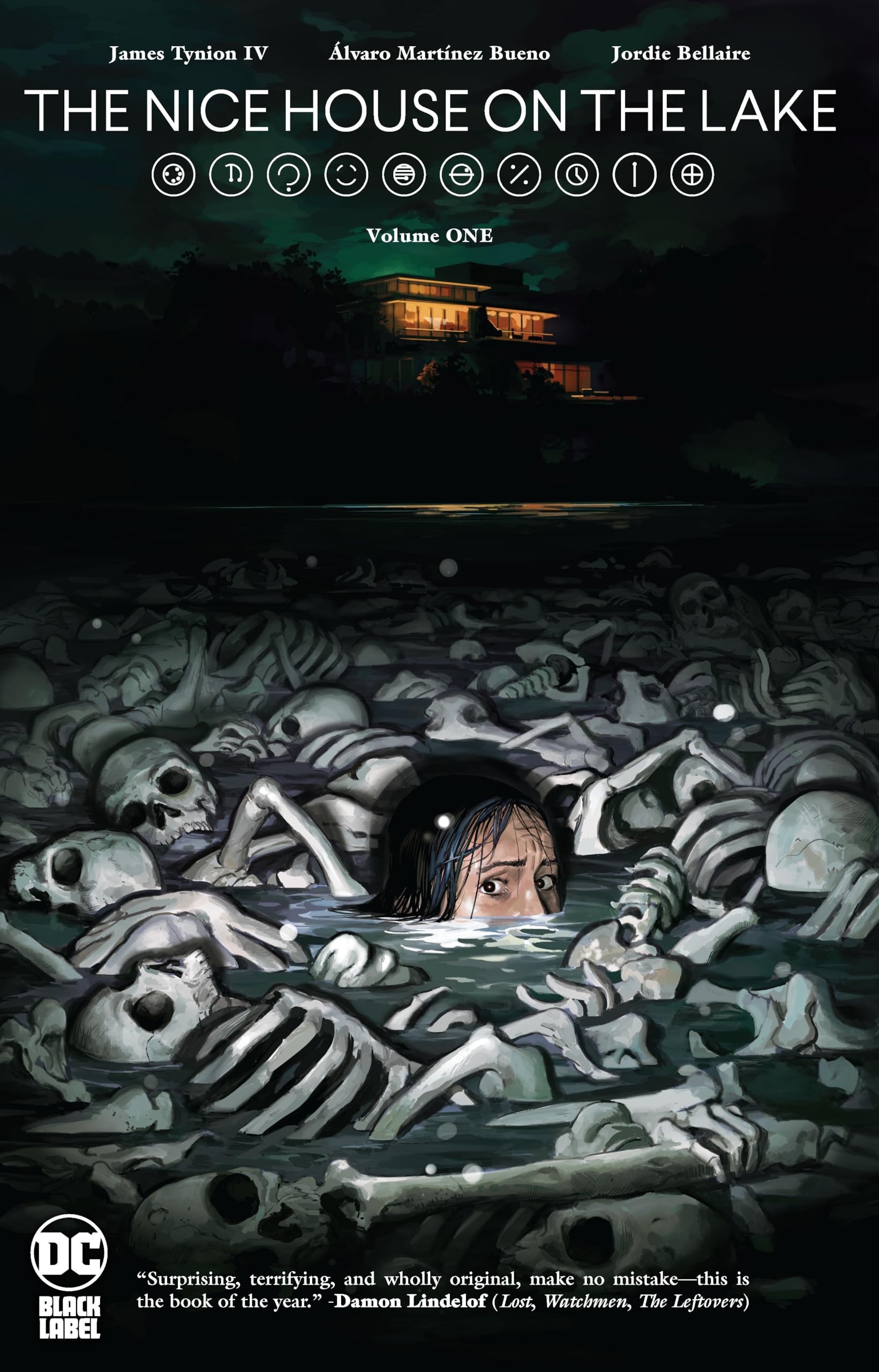
22, The Nice House on the Lake, James Tynion and Alvaro Martinez Bueno (2021)
I debated whether to include this graphic novel on this list, in part because I read a digital version, but I’ve included a comic collection every year since I started this project, and of all the comics I read last year, this felt the most novelistic. Ironically, after declaring I don’t read much horror, this is also a horror story, although of a very different nature than Coffin Moon. Twelve young adults are invited to a weekend at a luxurious Wisconsin lake house by Walter, their common friend. His secret purpose was to shield them from the end of the world, and as they remain trapped at the house, it’s soon revealed he is not who they thought he was. Each of the 12 chapters (which were release as individual issues) focuses on one of the characters and their complicated relationships with Walter and each other. Much of it is told in flashback to their times in high school and college, and Tynion has a deft touch writing about young people navigating friendships, resentments and LGBTQ identities. A sequel, A Nice House by the Sea, about another 12 people in a similar circumstance, began in 2024 but to my knowledge hasn’t been completed.
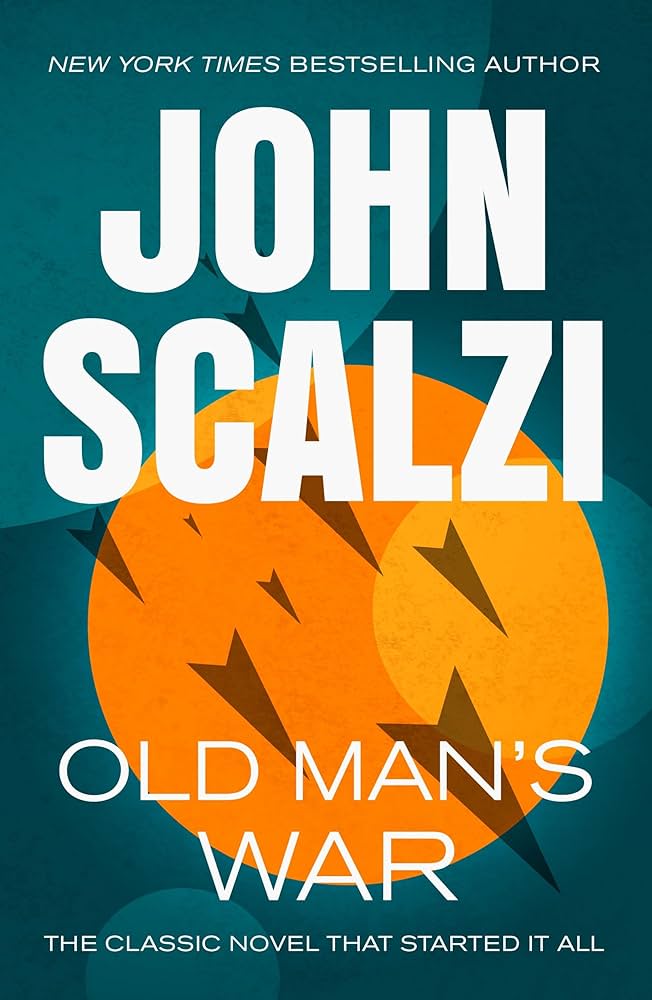
23, Old Man’s War, John Scalzi (2005), 303 pages
I really wanted to like his book more than I did. Described as a modern science fiction classic in the Facebook group I joined, it felt like a deliberate homage to earlier space-military books I loved like Heinlein’s Starship Troopers or Joe Haldeman’s Forever War. The wrinkle in this book is that senior citizens are recruited to fight in space, where their consciousness is transferred into younger bodies. The premise was fun, but the characters were flat and lifeless and the big twist was telegraphed mile away. The is Scalzis first book and I may pick up something he wrote later to see if he improved with age.
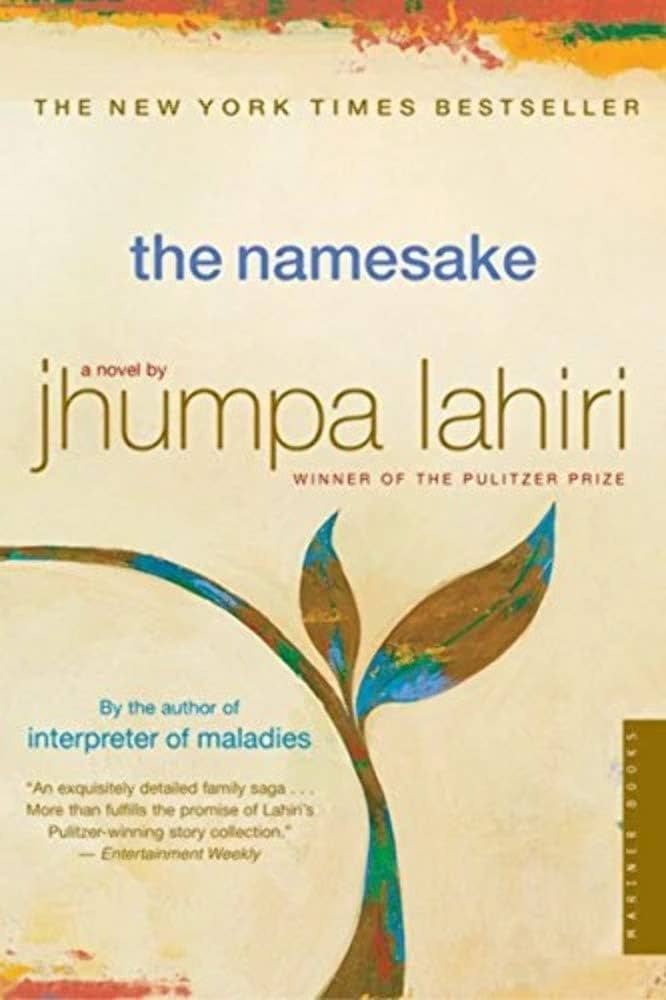
24, The Namesake, Jhumpa Lahiri (2003), 291 pages
Another contender for best book I read last year. This was an achingly beautiful novel, written about an ordinary family living an ordinary live but whose stories become extraordinary in Lahiri’s telling. The focus is on Gogol, a young Indian-American named after the Russian author (hence the title), and his life as the son of immigrants who remain deeply tied to their home country. Lahiri writes with incredible empathy and you can’t help caring for all the characters, even those who are later revealed to be less than trustworthy.
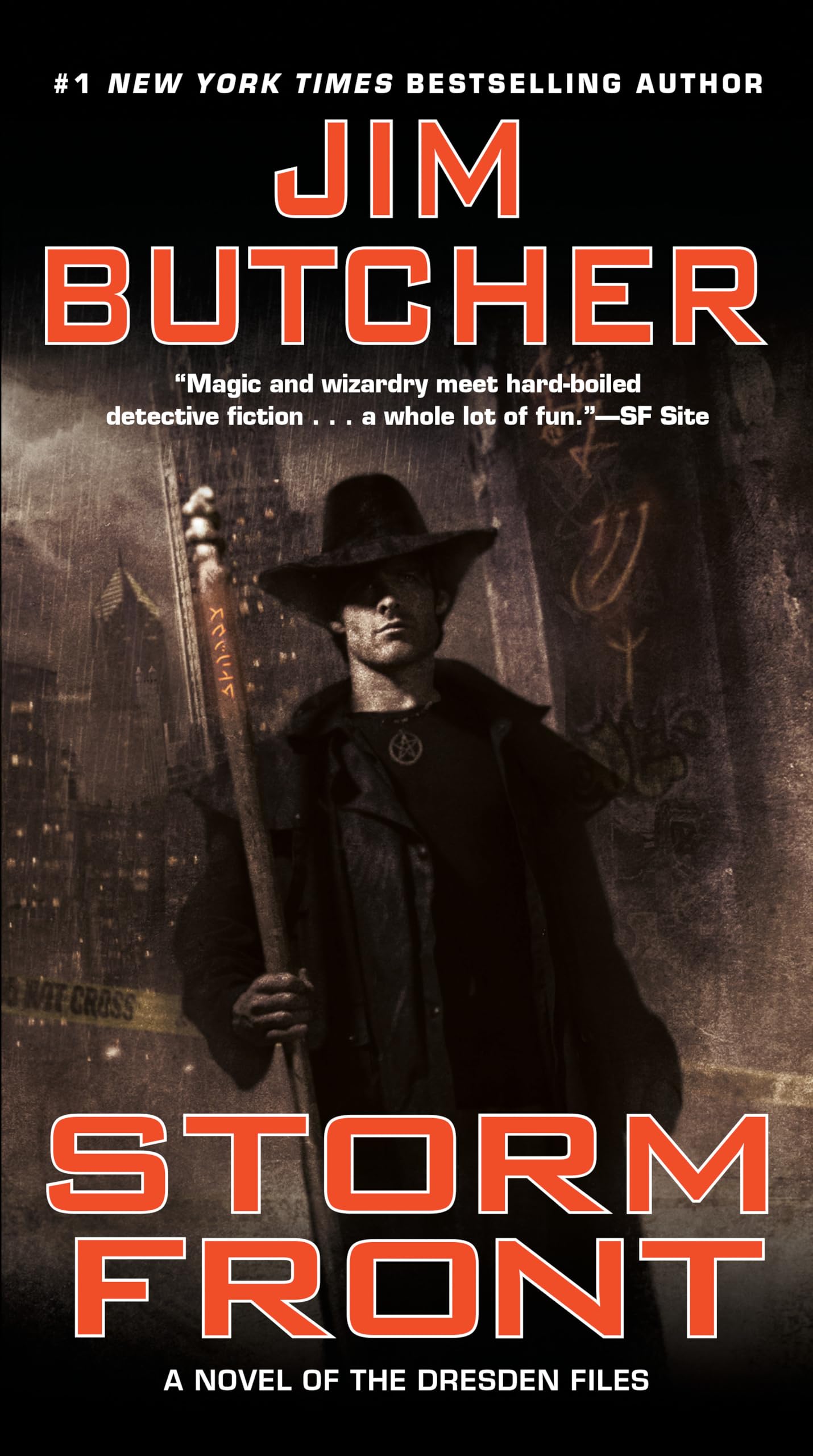
25, Storm Front, Jim Butcher, (2001), 355 pages
Another Facebook group find. This is the first in a long and apparently beloved series about Harry Dresden, a wizard who works as a Chicago private investigator. Butcher is very clearly playing with the hard-boiled pulp style of Chandler, and it was fun reading this after all the Elmore Leonard. There’s nothing deep about this book, but it’s well-crafted genre fiction and a nice departure after the Lahiri.
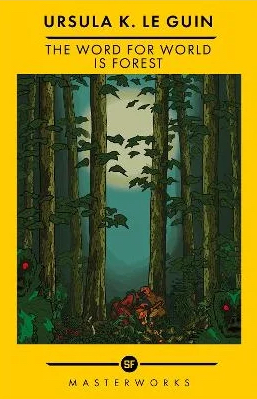
26, The Word for World is Forest, Ursula K. Le Guin (1976) 113 pages
Technically a novella, I was able to sneak this one last book in in the last days of the year. I’m glad I did, as it’s a great story. Le Guin intended this a parable about Vietnam, set on a colony planet where blundering humans terrorize a population of natives who then rise up and fight back. But it’s much richer than just an allegory, and she infuses her imagined world and its inhabitants with vivid details that bring it all alive. It’s a masterclass in economy and simplicity of story telling, and much more memorable than many books far longer. Le Guin is rapidly becoming one of my favorite authors.
A final note: This year I tried, and failed, to readThe Vorhh by B. Catling. Hailed as a landmark book of modern fantasy, I found it impenetrable and gave up after 100 pages. Oh well.




 Percival Henry: The Fantastic Four and more