Tags
This is the second of the four brackets we’ll use to determine the history’s greatest artist (well, Western artist since 1400, anyway). We’ll seed them and match ’em up NCAA style. After seeding 16 renaissance artists, it’s on to the artists from the 1600s and 1700s (there’s a little slop over into both earlier and later centuries but hey, it’s art, not science). Let’s get to it:
1, Rembrandt Van Rijn (1606 – 1669)

The No. 1 seed could have gone to a number of contenders but Rembrandt gets the nod, as much for the honesty and intensity of his portraits as for his productivity and influence.
2, Caravaggio (1571 -1610)
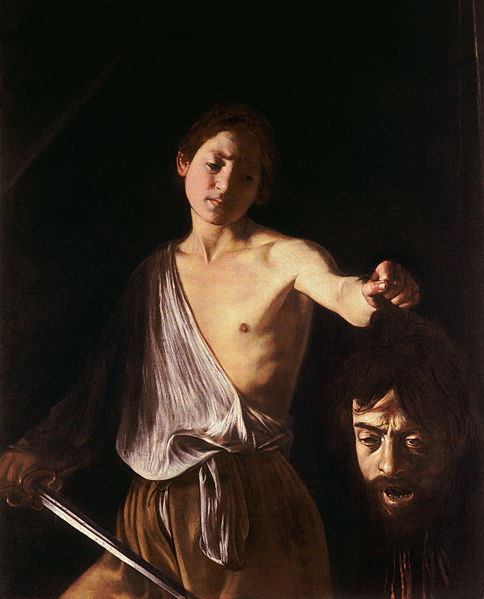
Original bad boy of the art world. Lived fast, died young. Living longer might have gotten him a No. 1 seed.
3, Diego Velasquez (1599 – 1660)

4, Gian Lorenzo Bernini (1598 – 1680)
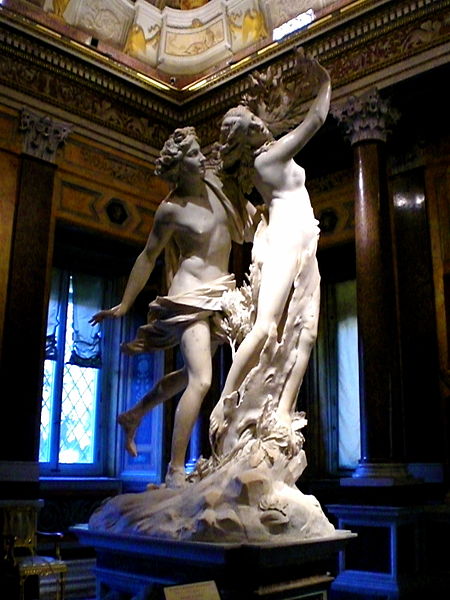
Sculptor, architect, city planner. Bernini filled up the stat sheet.
5, Peter Paul Rubens (1577 – 1640)
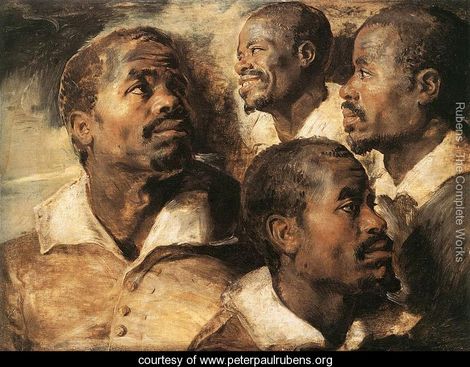
A much more accomplished artist than his reputation for painting “Rubensesque” women would suggest
6, Francisco de Goya (1746 -1828)
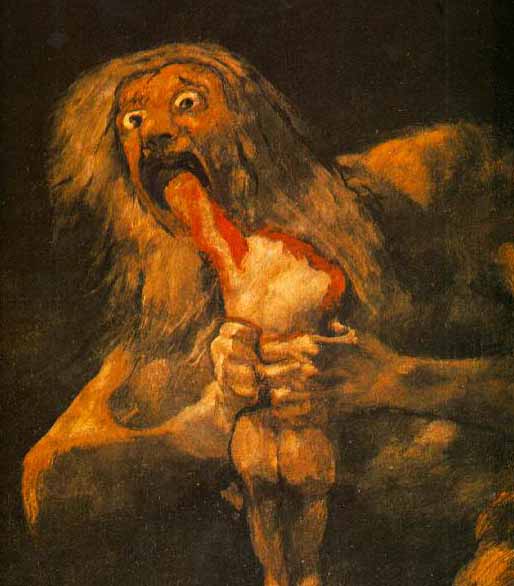
Goya is at the tail end of Baroque, and might be more of a 19th century romantic. But I’ve got him here. His Black Paintings, like the one above, are truly disturbing.
7, El Greco (1541 – 1614)
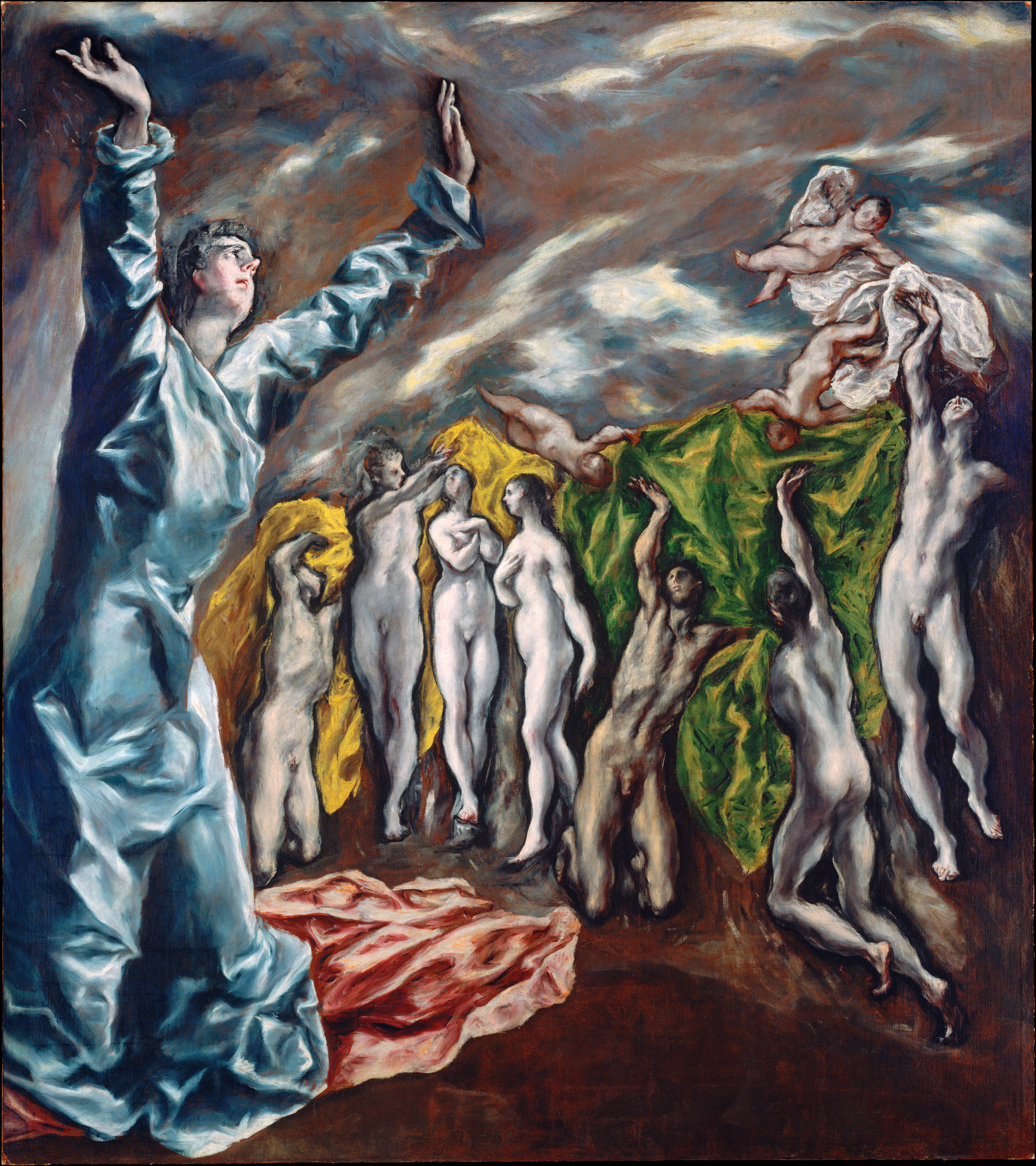
The earliest painter in this bracket, and yet the most modern.
8, Johannes Vermeer (1632 –1675)
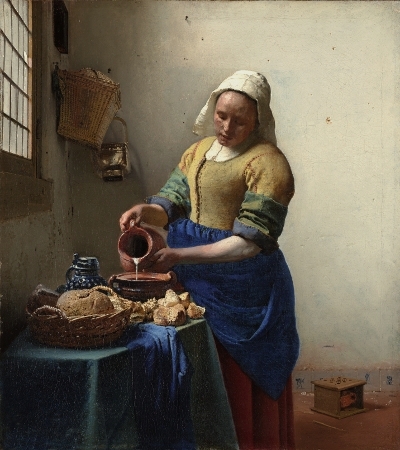
Vermeer falls in the seedings for painting only 34 works.
9, Anthony Van Dyck (1599 – 1641)
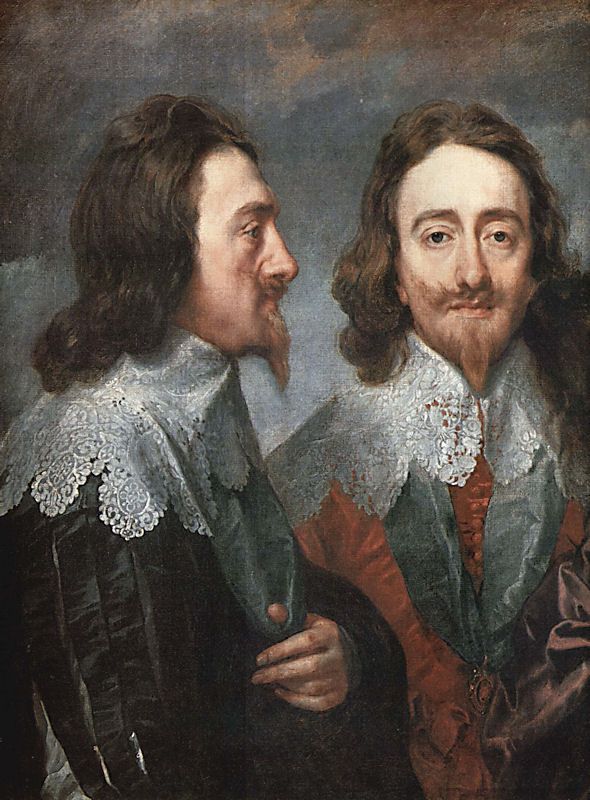
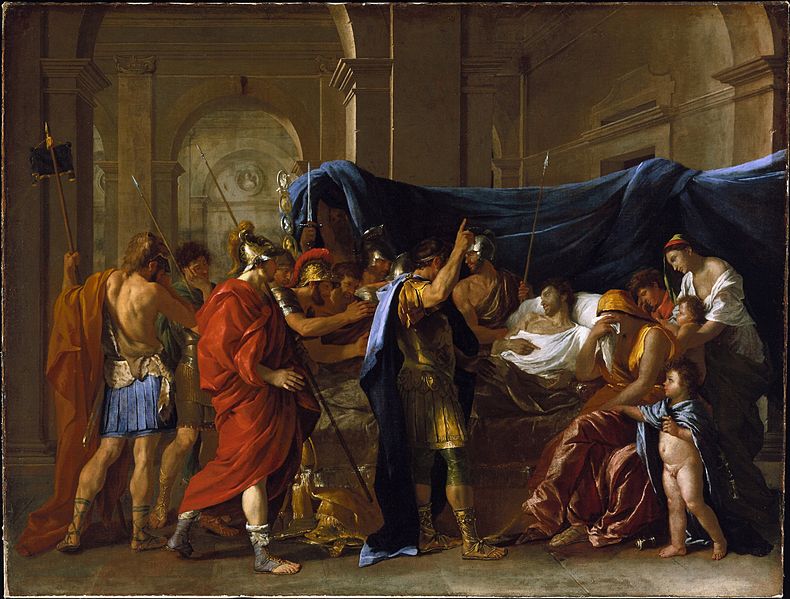
10, Nicolas Poussin (1594 – 1665)
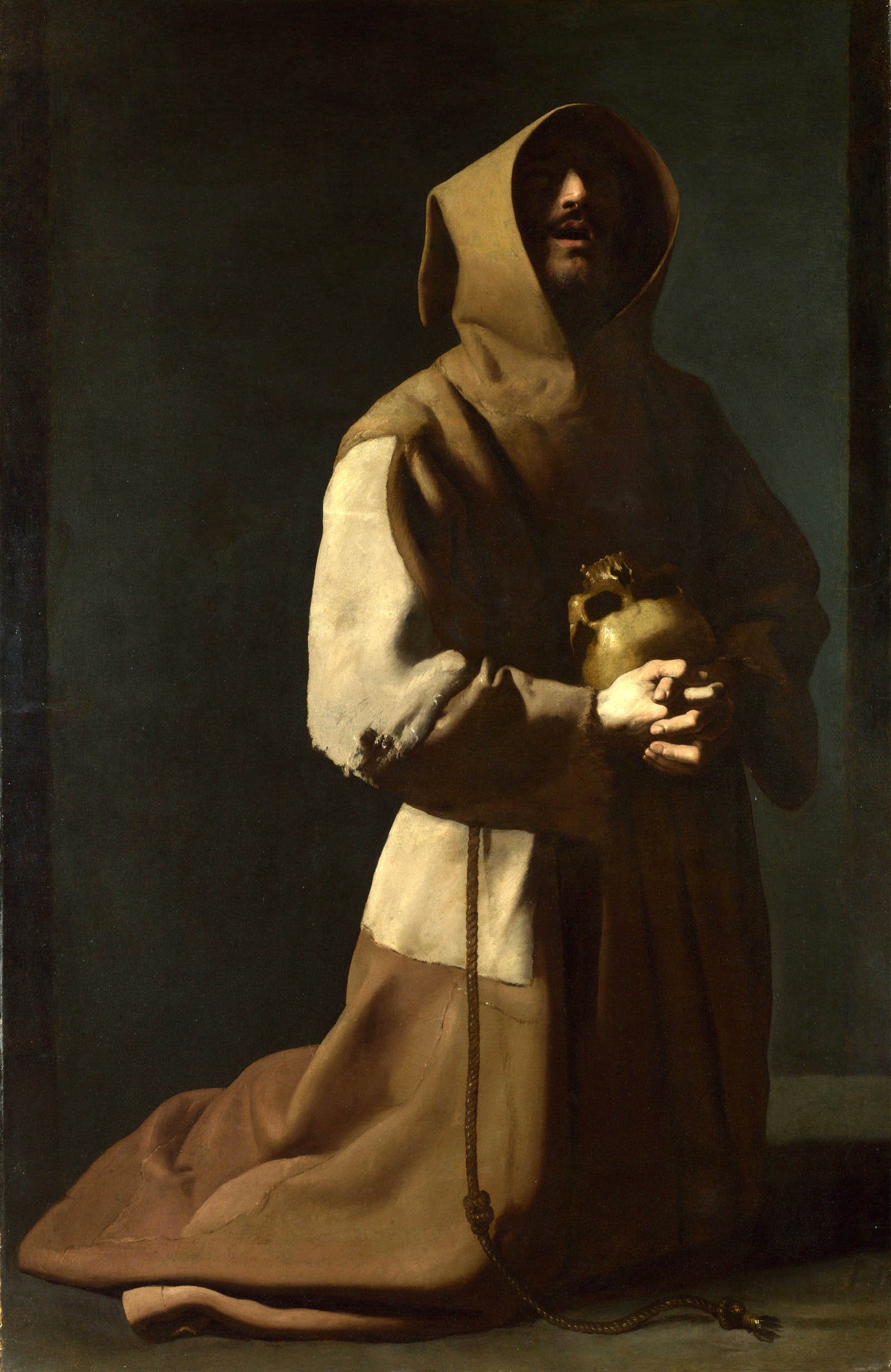
11, Francisco de Zurbaran (1598 – 1664)
12, Gianbattista Tiepolo (1696 – 1770)
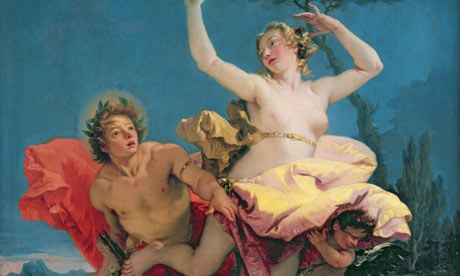
The most Rococo artist in this bracket.
13, Joseph Wright of Derby (1734 –1797)
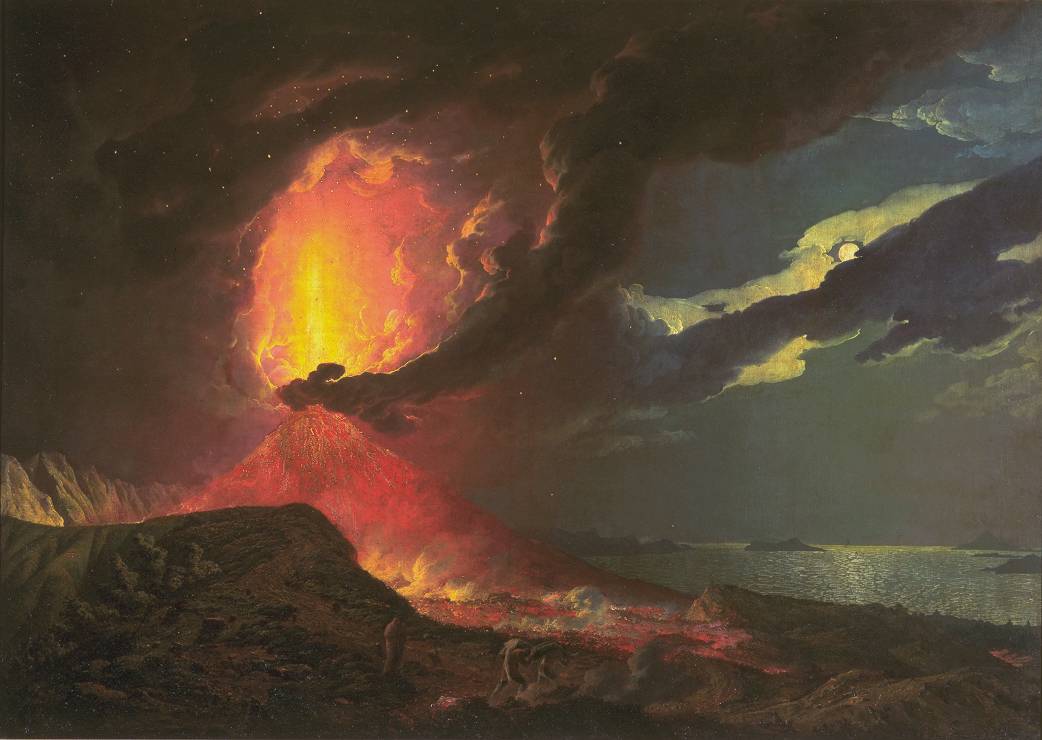
First Brit.
14, Jusepe de Ribera (1591 – 1652)

Fifth Spaniard in the bracket. How many will survive the first round?
15, Georges De La Tour (1593 – 1652)
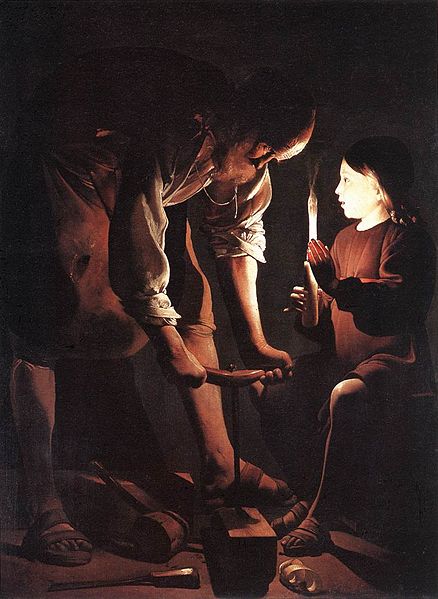
De La Tour’s device of illuminating his paintings with a single light source made him a bit of a one-tick pony, but it’s a pretty cool trick.
16, Canaletto (1697 – 1768)

On the bubble: Artemisia Gentileschi, Joshua Reynolds, Bartoleme Murillo, Anibale Carracci
(* Added 18th C. in response to complaints from fussy art historians)


Ok, this is the one I have most beef with. First of all, too many of your artists are 18th century aka Rococo artists. If you’re going to group them together then at least change your title to “Baroque and Rococo.” Goya has no business in a Baroque or Rococo bracket in any case. He’s really a Romantic, even if born too early to be called such. And you MUST make room for Annibale Carracci–one of the seminal figures of the Baroque.
It really was intended to be 17th and 18th C. artists. Baroque was just shorthand, but I’ve tweaked it. You might be right about Goya but what could I do? I wasn’t going to leave him out.
Put him in the 19th century! He can totally hold his own with Turner and those other wussy Impressionists.