• About Percival Henry

Percival Henry: The Fantastic Four and more

~ Blogging the Fantastic Four issue by issue (plus whatever else grabs my attention)

Percival Henry: The Fantastic Four and more

Category Archives: Uncategorized

Art History M(art)ch Madness 2015: Elite Eight

28 Saturday Mar 2015

Posted by percivalhenry in Art History March Madness, Uncategorized

≈ Leave a comment

Tags

art, art history, sports

We’re now down to the Elite Eight of M(art)ch Madness, the most important art history basketball tournament ever.

Upsets continued to ravage the Berlin and Los Angeles regionals, where No. 1 seed Marcel Duchamp and No. 2 seed Mark Rothko were booted. In the Paris and new York regionals, however, favorites prevailed, and the top two seeds in both are still alive, setting up some major battles.

Here are the full brackets: http://www.bracketmaker.com/tlist.cfm?tid=457697

And here some the FAQs that might help explain what this is all about.

On to the match ups!

Los Angeles Regional

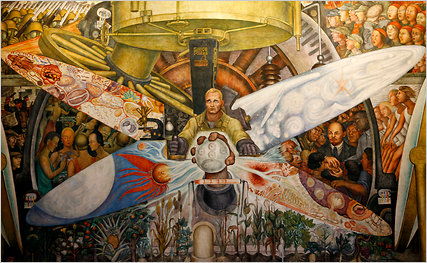
No. 5 Diego Rivera vs.

thread-rivera-blog427

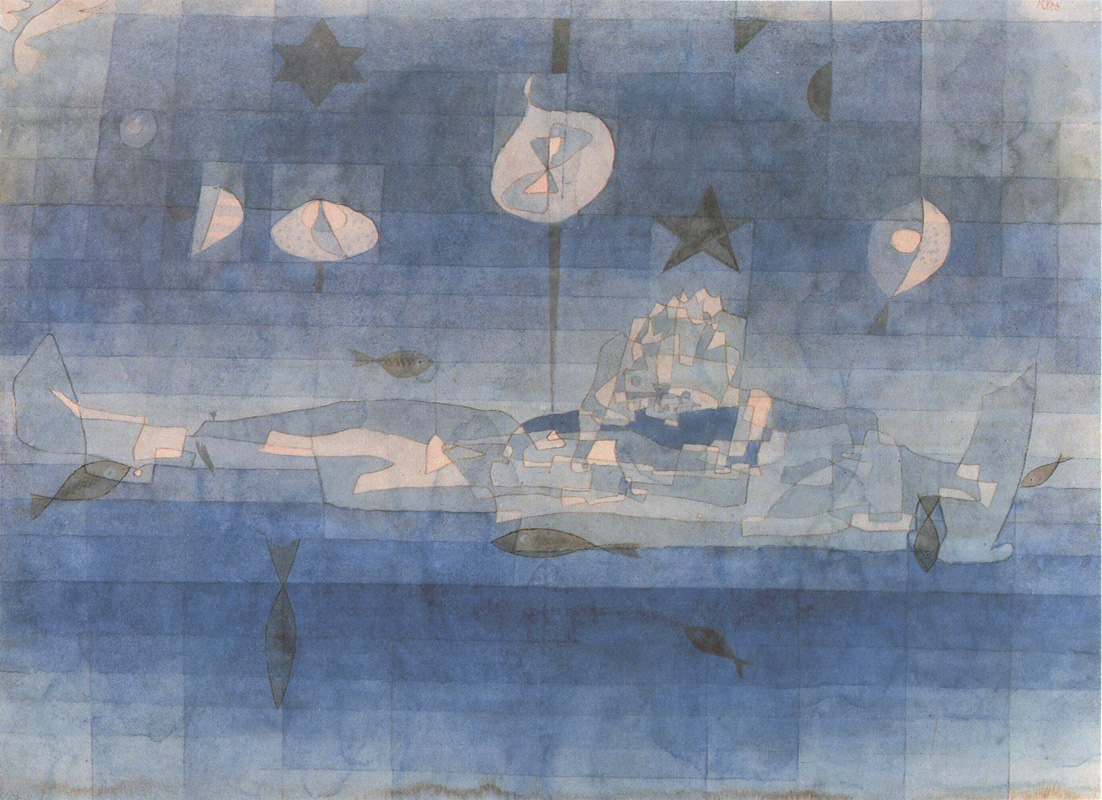
No. 7 Paul Klee

a1923 - ile engloutie


New York Regional

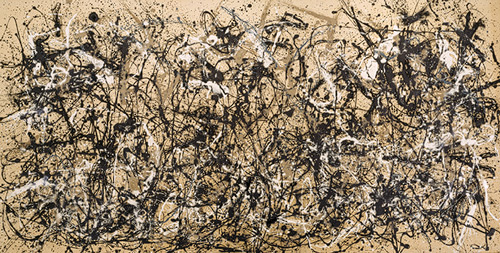
No. 1 Jackson Pollock vs.

Autumn_Rhythm

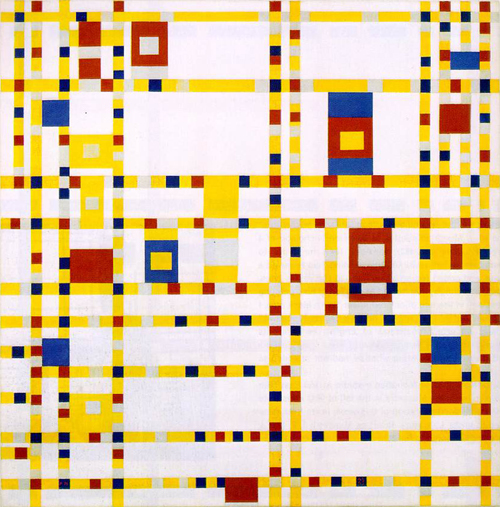
No. 2 Piet Mondrian

Piet_Mondriaan,_1942_-_Broadway_Boogie_Woogie


Berlin Regional

No. 8 Edward Hopper vs.

gas

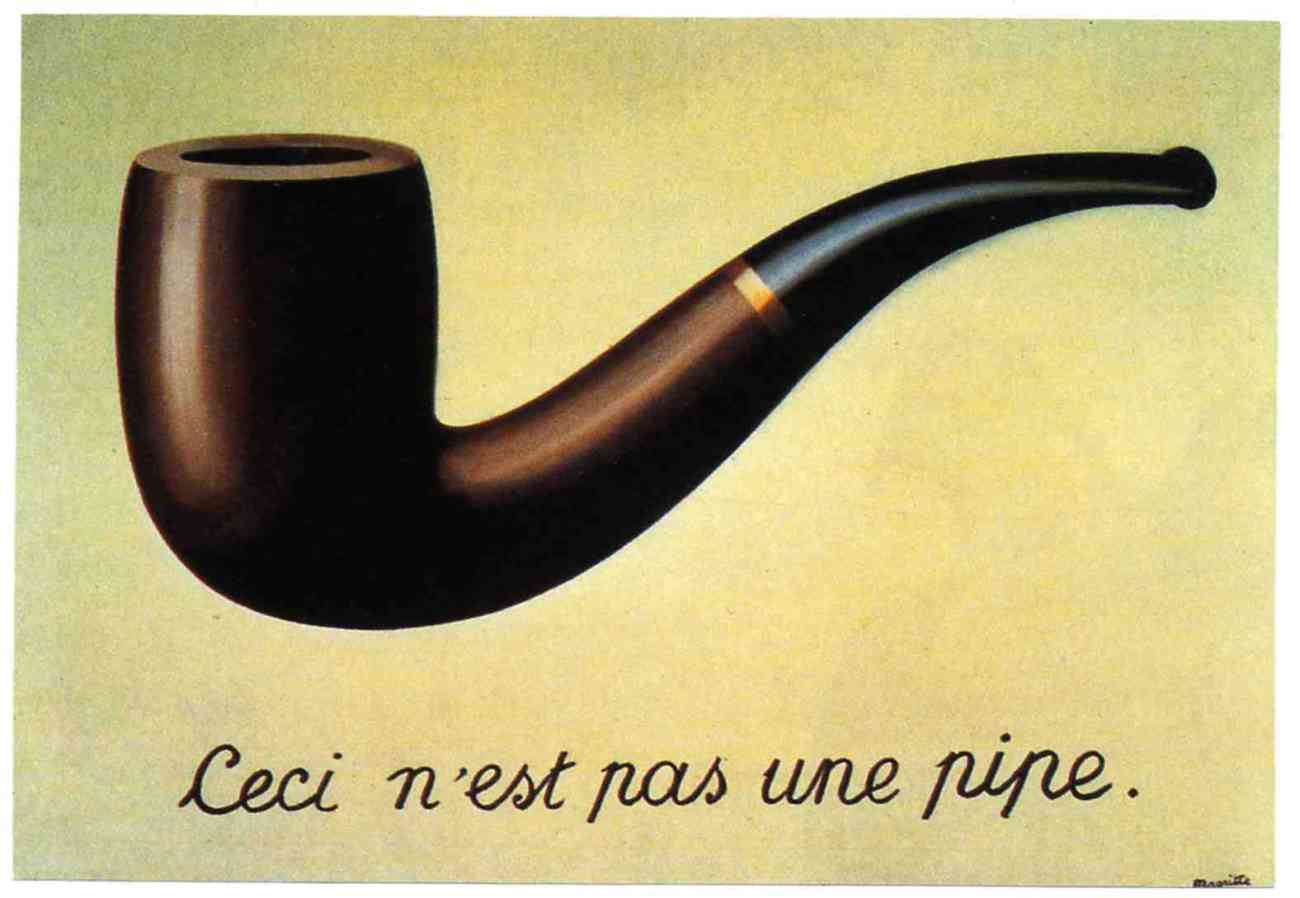
No. 11 Rene Magritte

magritte-pipe


Paris Regional

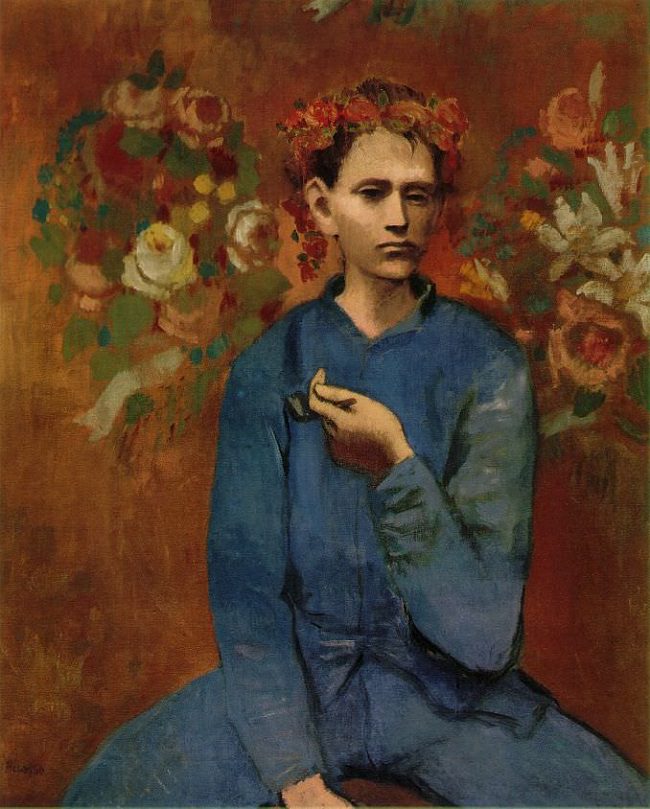
No. 1 Pablo Picasso vs.

boy-with-pipe

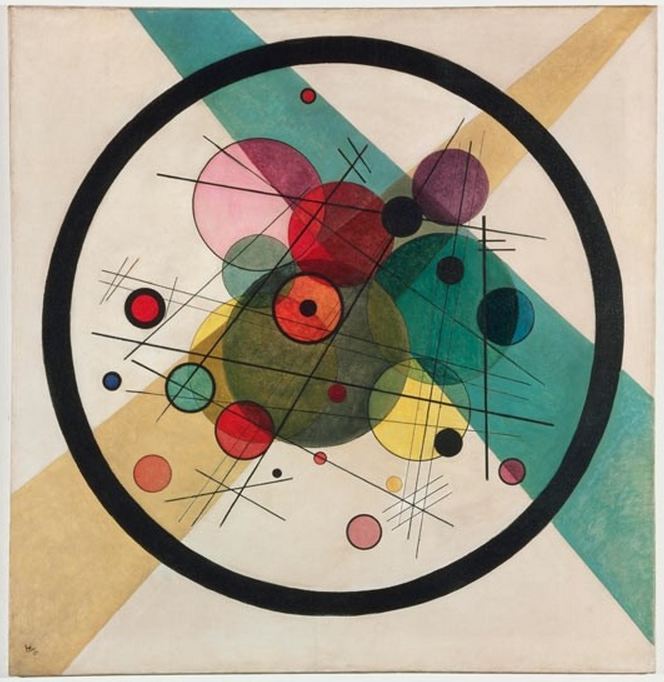
No. 2 Wassily Kandinsky

Vassily_Kandinsky,_1923_-_Circles_in_a_Circle

Thoughts on Serial

11 Sunday Jan 2015

Posted by percivalhenry in Uncategorized

≈ 1 Comment


serial-2-w352

I finally listened to the last episode of Serial this week. I was waiting to complete the season before commenting on it, but I didn’t need to. The finale was as shot-through with doubts and second-guessing as all the other episodes, so it ended without really concluding. And that’s appropriate. If there was one over-arching theme to the series, it was just how murky and ambiguous the pursuit of truth, and human relations more broadly, can be.

I don’t have a lot to add to all the other discussions about the guilt or innocence of Adnan Syed, or who might have killed Hae Min Lee. Smarter commentators than I can do that. But do have some thoughts about Serial as a work of journalism.

1, It helps to have help. This may be obvious, but it took a tremendous amount of work to produce the show, and far more resources were devoted to it than to most investigations. It’s hard to count but alongside Sarah Koenig, there seemed to be at least two full-time producers helping her with reporting for most of a year. She also pulled in a team of lawyers and paralegals from an innocence project in Virginia. Even the most ambitious stories at New York Times or the Wall Street Journal rarely get that level of attention. Some of the work was necessary – reading the court documents, contacting prospective sources, walking the crime scene – and some of it went above and beyond. Checking the architectural plans of the Best Buy to establish whether it had a phone booth in 1999, for example. When they searched for an AT&T customer service contract from that era – to establish if an accidental cell call would show up on a bill – and found one in the court documents of a class action lawsuit,  I thought, now you’re just showing off.

2, Koenig and her team got lucky. Granted, luck is the residue of design, and we don’t know how many dry wells they sank before arriving at the gusher that was Adnan Syed. But in ways large and small, they benefitted from really rich source material.

Consider the problem of Lee. Any journalist telling the story of a murder would want to convey a sense of the victim. In Lee’s case, her family wouldn’t participate, and few of her friends spoke for her. But Koenig didn’t need them to because she had something better: Lee’s diary. And not just a diary, but a seemingly totally candid, emotional account of her relationships with Adnan and her new boyfriend, Don. Short of some actual recording of Lee confiding her innermost romantic desires, it’s hard to imagine a better vehicle to capture her voice. How many teenagers kept diaries in 1999? Ten percent? Fewer? That’s just lucky.

There are lots of instances where the people in the story, major or incidental, are far more interesting or colorful that the reporters had a right to expect. Syed’s lawyer wasn’t just a run-of-the-mill incompetent attorney, but brilliant defender with a foghorn voice who flamed out in spectacular fashion. The guy who found Lee’s body wasn’t just a school janitor, but also a convicted streaker. Jay Wilds, whose testimony convicted Syed, had surprising depth of character for a petty drug dealer. None of these characters would have salvaged Serial if Syed wasn’t so articulate, thoughtful and charismatic, but they all helped the story telling.

3, Format matters. Telling the story over several months meant it changed as new evidence and sources materialized. That both helped and hindered Serial. Some developments that seemed critical early in the narrative – the Asia McClain letter that offered a potential alibi for Syed (and  supported the argument of an incompetent defense) – fade in importance as Koenig chases other, more promising ideas, such as the discrepancies between the cell-phone towers and Jay’s description of events. Instead of each episode building in importance, the earlier ones just seem irrelevant.

It also meant important voices absent from the beginning didn’t surface until the show began to air. Don, Lee’s boyfriend, is an enigma when first introduced; he’s in his early 20s, but dating a high school student. He seems at best a loser, and at worst creepy and possibly suspicious. But when we finally hear from him in the final episode, he sounds thoughtful and genuinely distressed about Lee’s death, 15 years later. Don’s belated appearance made Serial stronger – and perhaps he only would have emerged once the show became a phenomenon.

Telling a story episodically is completely different that most long-form journalism, certainly from the sort I practice. Most conventional articles present their strongest evidence early on, then elaborate on it as they go. In print, you never want to take your reader’s attention span for granted; there’s no guarantee they’ll make it to the end, so you make sure they know what your story is about early on. Broadcast is different – think of how sports highlights wait for the end to tell you the score, instead of at the beginning like a newspaper account – and Serial, a broadcast spread over weeks, was radically different. Each episode whet our appetite for more, building toward a climax. And ultimately, that’s where the format may have hurt Serial. Because – to its credit – there was no climax, no big reveal at the end.  Rather than appreciating Serial for what it was, critics and observers were frustrated it was tied up like an episode of Law & Order. We’re habituated to thinking that all stories work that way. But that real life is rarely that entertaining.

Nerdverse: Comics, Race and Casting Superheroes

05 Friday Dec 2014

Posted by percivalhenry in Uncategorized

≈ 1 Comment

Tags

comics, movies

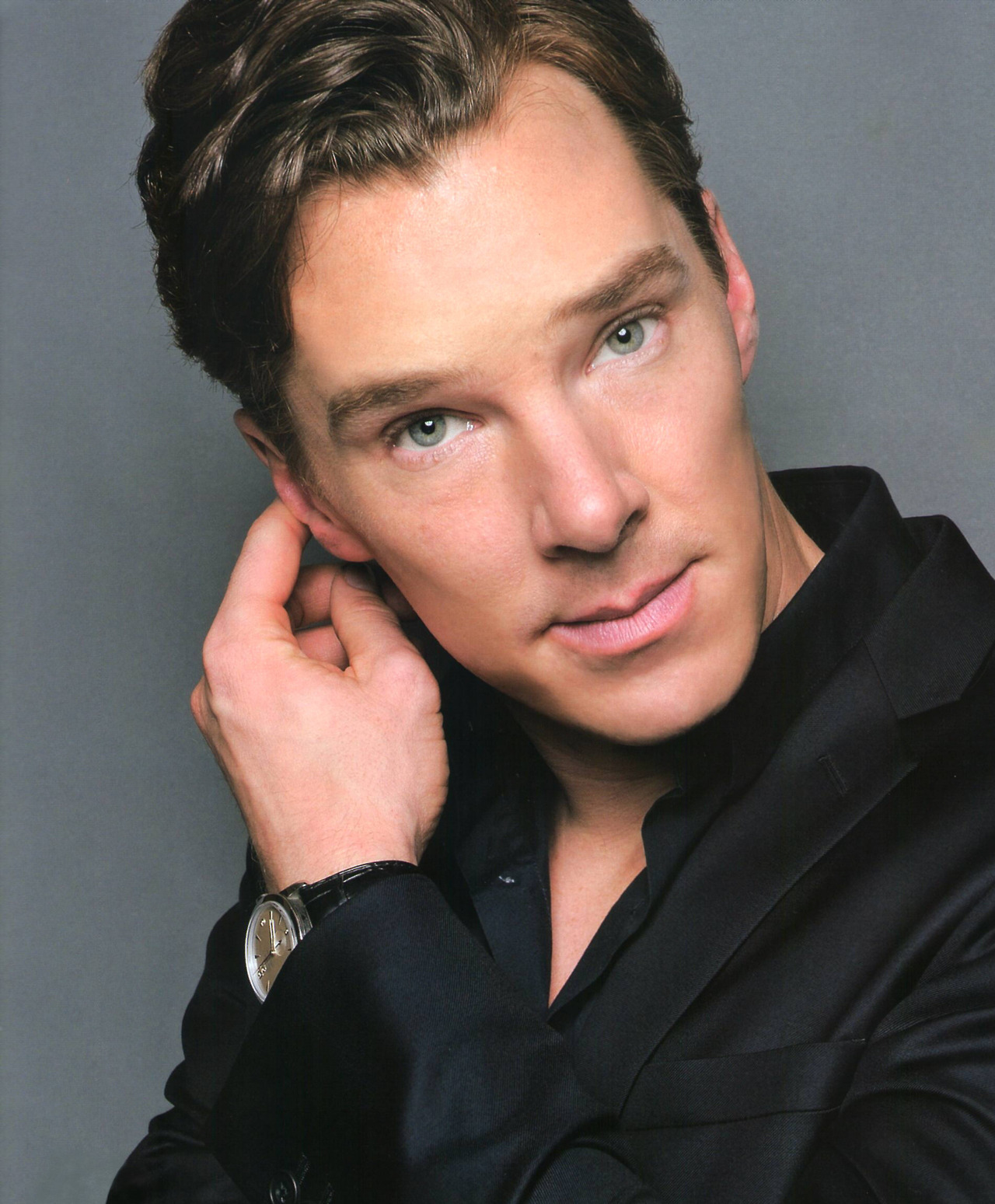
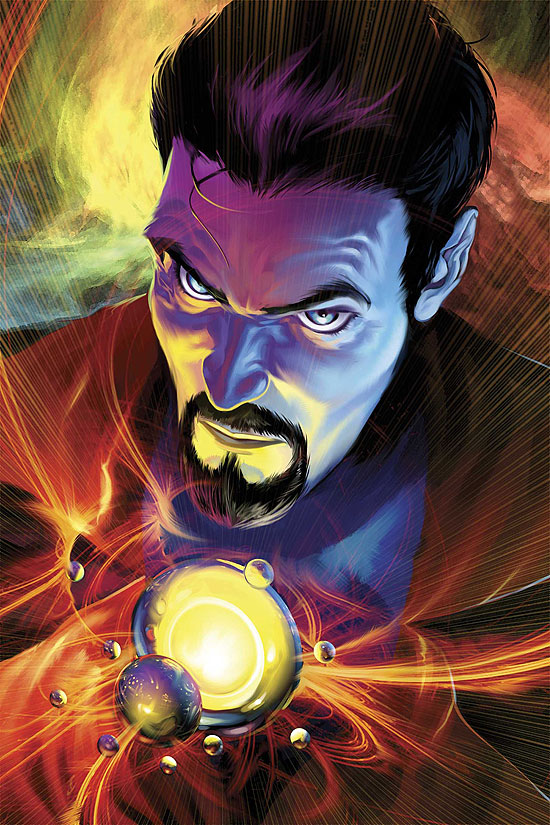
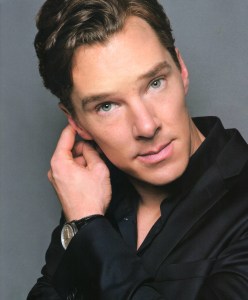
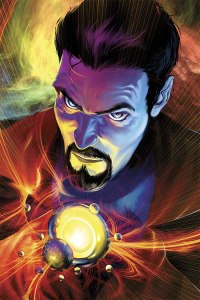
Benedict-in-Screen-Magazine-04-2013-benedict-cumberbatch-33870098-1280-15491Strange_Vol_1_5_Textless

Marvel has announced it cast Benedict Cumberbatch to play Dr. Strange in an upcoming movie. I don’t have a problem with it – I would have preferred Clive Owen, but he’s probably past his sell-by date to carry a blockbuster – and Cumberbatch certainly can do arrogant, which is a big part of Strange’s character.

A lot of other people do seem to have a problem with it, at least judging from the comment sections on various fan sites. There are quibbles about Cumberbatch’s acting style and general ubiquity, but the strongest objections are to his being yet another white guy playing the lead in a super hero movie. Here’s a typical comment on the Marvel website:

Ah, yes, because Marvel needed MORE franchises headed by white males.

Another:

wanna see the number of lineups for diversity in the superhero roster in MCU movies? White Men: 9 (Cap, Iron Man, Hulk, Hawkeye, Thor, Peter Quill, Drax (kinda he’s half Filipino), ant-man, now DOCTOR STRANGE) White Women: 2 (Black widow, Captain Marvel) Men of color: 2 Black panther, ??Falcon?? (he IS a superhero in comics but in MCU he hasnt had his own movie OR been inducted into an official superhero group yet) Women of color: 1 (Gamora) Misc: 2 (Groot, Rocket Raccoon) so with the addition of cumberface, 9 male white superhero leads, 2 white women superheroes, 2 black male superheroes, 1 green female superhero (played by a black actress), and 1 animal and 2 tree

(The above isn’t actually accurate, as it omits Nick Fury)

This is fraught territory, and sucks in race, politics, identity, and the history of both comic books and movies. The flap over casting Cumberbatch for Strange adds a new wrinkle in the debate over the  races of actors. It’s not new – I remember controversy over casting the white Jonathan Pryce as a Eurasian pimp in Miss Saigon – but it’s picked up steam in the age of the superhero flick as black actors were cast as white characters (or characters believed to be white). Samuel L. Jackson as Nick Fury, Idris Elba as Heimdall (a Norse God in Thor) and even Amandla Stenberg as Rue in the Hunger Games all provoked storms of mini-outrage. This, however, is the first example I can think of where people are upset by a black actor NOT being cast for a white character.

For those who live outside the nerd bubble, Stephen Strange was an asshole surgeon who lost the use of his hands in a car wreck. Desperate to find a cure, he seeks out the Ancient One, a Tibetan mystic, who teaches him the art of magic, and Strange becomes the Sorcerer Supreme, Earth’s preeminent wizard.

Dr. Strange first appeared in 1963, in a backup story in Strange Tales No. 110, and was created by Stan Lee, who had a hand in almost every Marvel character, and the great artist Steve Ditko, more famous for his work on Spider-Man. Dr. Strange stories were trippy excursions into alternate dimensions and universes, involving ancient artifacts like the Wand of Wattoomb, and epic battles with the Dread Dormammu and Baron Mordo.   STRANGE
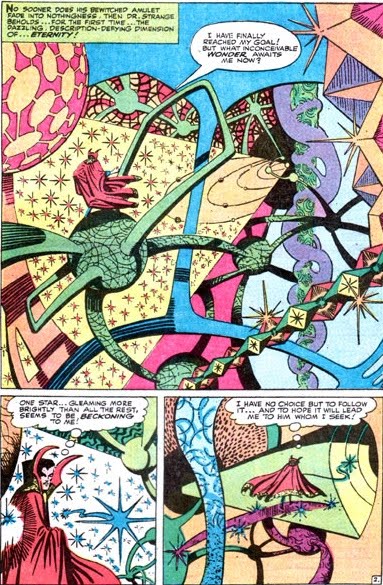
Like virtually every character from that era, Strange was white. At least he was drawn as a white man, and while I’m not aware of any explicit discussion of his whiteness, Marvel was not subtle when it came to depicting minorities. If he was intended to be anything other than white, we would have known.

But does he need to be white in the movie? Actually, no. Unlike a number of characters whose racial identity is important to our understanding of them – ie., they come from Africa, they are part of a family of super heroes, they are masters of Kung Fu – Dr. Strange’s ethnicity isn’t tied down. He’s not really from anyplace in particular, and he has few connections to the rest of the world.  It’s not hard to picture a rich black surgeon with the same issues as Stephen Strange (Eriq La Salle played one for years). Casting a non-white actor would change our perception of him, but not the character.

So should Marvel have cast an actor of color? That’s the trickier question. Marvel and DC have gotten better about creating minority characters but there’s no denying that during the Golden and Silver Ages (roughly, from 1938 to 1970) the most prominent superheroes and villains were white, and they remain the tent pole characters for those companies. They didn’t accurately represent America or the world then, and they don’t now. While undoing the 50 or 70 year history of characters in the comics to correct the imbalance is problematic at best (and offensive at worst), one could argue casting the movies offers a chance for a fresh start.

That argument makes more sense if you approach these characters as primarily a movie goer, with little familiarity of the characters. Dr. Strange is, at best, a second tier hero – he didn’t have his own title for years at a time – and it’s a fair bet the general public has no idea who he is. For them, a black Dr. Strange wouldn’t be as challenging as, say, a black Batman. For Dr. Strange fans, though, undoing a key part of the character’s visual identity would be a lot harder to accept. They’ve followed him faithfully since 1963. Now, when he’s finally getting a movie, they’re told a big part of his appearance is being changed to accommodate a movie-going public that has no investment in the character.
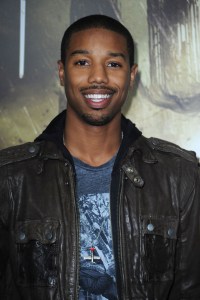
Michael+B+Jordan+Premiere+Warner+Bros+Pictures+TP4Lq3J7UB-lsmcs7-1

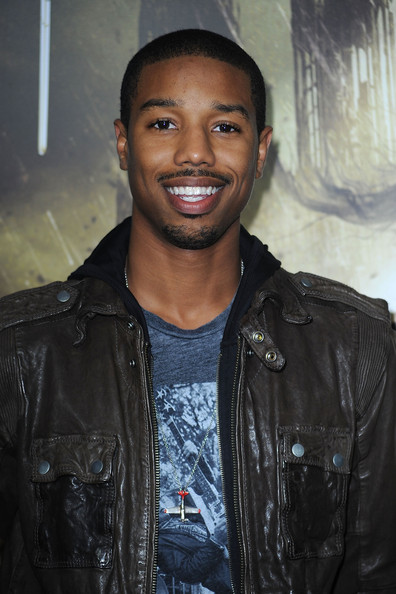
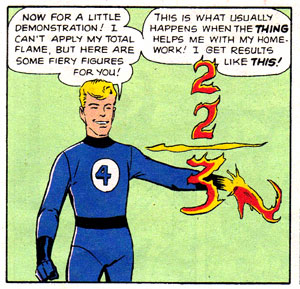
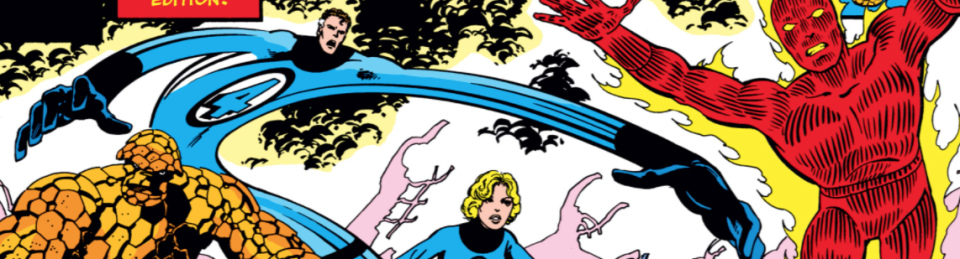
We will be faced with an extreme version of this problem with the casting of the black Michael J. Jordan as Johnny Storm, the Human Torch, in next year’s Fantastic Four. Unlike Strange, the Human Torch doesn’t exist in isolation. The Fantastic Four is a family. His sister is Susan Storm, the Invisible Woman. Tinkering with their races opens up issues so fundamental to the team that it risks invalidating the whole project (Marvel has experience with this: in the 1978 cartoon, it replaced Johnny with H.E.R.B.I.E the Robot) .

To avoid an all-white cinematic super hero universe, it makes sense to cast actors of colors in roles where the characters are less established, and their racial identity is not critical.  More importantly, Marvel and Warner Brothers (owner of DC) should identify their existing black characters and develop them into the anchors of potential movies. To an extent, that’s happening, with Black Panther and Cyborg movies planned.

The easiest solution, of course, is to ignore race altogether. The comics have dozens of red androids, green aliens and blue-furred mutants eager for their star turn. Let the debate over casting Red Tornado begin.
Very Short Review: Inception

17 Thursday Apr 2014

Posted by percivalhenry in Uncategorized

≈ Leave a comment


inception_xlg

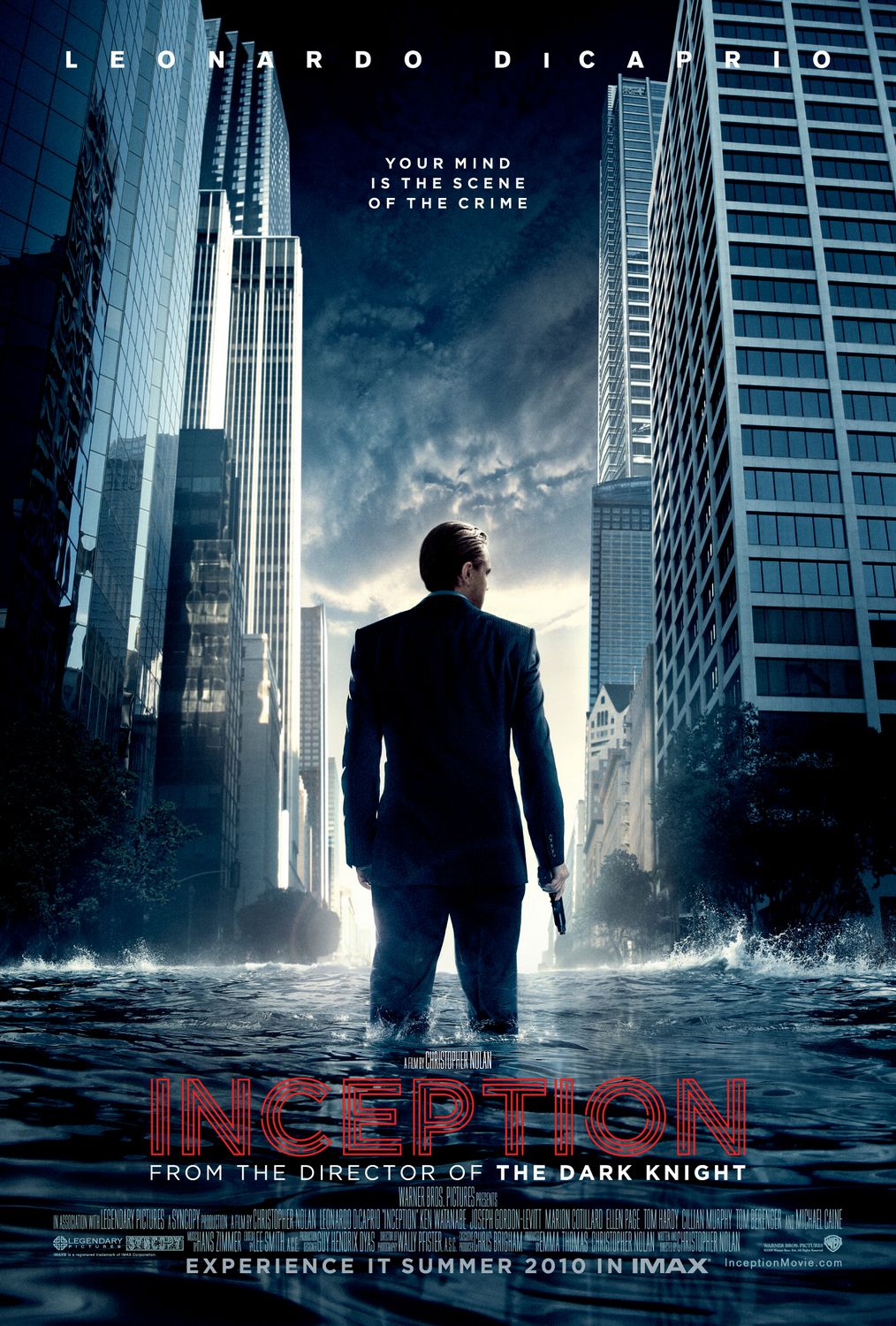
Inception is the sort of movie I tend to see in the theater, so I couldn’t figure out why I missed it. Then I realized it came out a month after the birth of my daughter. I guess I was busy.

What makes Inception — written and directed by Christopher Nolan –  so successful is the panache with which it brazens right past its ludicrous premise: that teams of thieves can design our dreams, and then enter our minds to steal our secrets. To its credit, the movie doesn’t bother trying to explain the pseudoscience and instead carefully explains the various rules that govern the world of dreams. The explanation is lengthy and complex, and I was sure I would forget it or get confused, but – again, to the film’s credit – the action plays out in a way where it (or most of it) make sense.

Like The Matrix, Inception teases us by questioning which world is real, and which is the dream. And like The Matrix, the dream worlds of Inception are populated by beautiful, well-dressed people who can do amazing things, thanks to some clever visual effects. Inception’s dream team journeys through layers of imaginary worlds that evoke feudal Japan, a James Bond snow fantasy and M.C. Escher-like cityscapes The thief-in-chief, Cobb, played by Leonardo DiCaprio, is a maestro of plundering dreams but has a messy personal history. His dreams – and all the dreams he visits- are haunted by memories of his late wife, who shows up to sabotage his capers. Her story, and Cobb’s remorse, gives the movie gravity and poignancy. By the end of Inception, Nolan has skillfully convinced us to accept the strange rules that govern dreams, so that the stakes feel real and the suspense genuine.


Art History M(art)ch Madness Second Round results

28 Friday Mar 2014

Posted by percivalhenry in Uncategorized

≈ Leave a comment

Voting in the M(art)ch Madness second round has concluded, and you’ve decided the Sweet 16. The full bracket, with all the voting percentages, is here.

The biggest upset came in the Paris regional, where No. 8 seed Vermeer beat No. 1 Manet handily, with 60 percent of the votes. The other three top seeds in the Paris regional – Caravaggio, Matisse and Durer –  all advanced. The other big upsets came in the Florence regional, where No. 7 seed Bosch topped No. 2 Pollock and No. 6 Van Gogh squeaked past No. 3 Velasquez (who mounted a furious comeback fueled by desperate fans of the Baroque giant). That sets up a showdown between the two Dutch artists for the right to face No. 1 seed Michelangelo, who crushed No. 8 Rauschenberg with 83 percent of the vote, the biggest margin of victory in the found of 32. With two big wins, Michalengelo has to be the favorite to win it all.

In the Amsterdam and New York regionals, the top seeds all advanced with the exception of No. 3 Raphael, who was beat decisively by No. 6 Goya, who won 73 percent of the vote, the most in the New York regional. Goya’s run may come to an end in the next round, though, when he faces No. 1 Picasso. In the Amsterdam regional, No. 1 Rembrandt and No. 2 Leonardo appear to be a on a collision course.

Sweet 16 voting will start later today.

Very Short Review: Man of Steel

11 Tuesday Feb 2014

Posted by percivalhenry in Uncategorized, Very Short Review

≈ Leave a comment

Tags

movies

Image

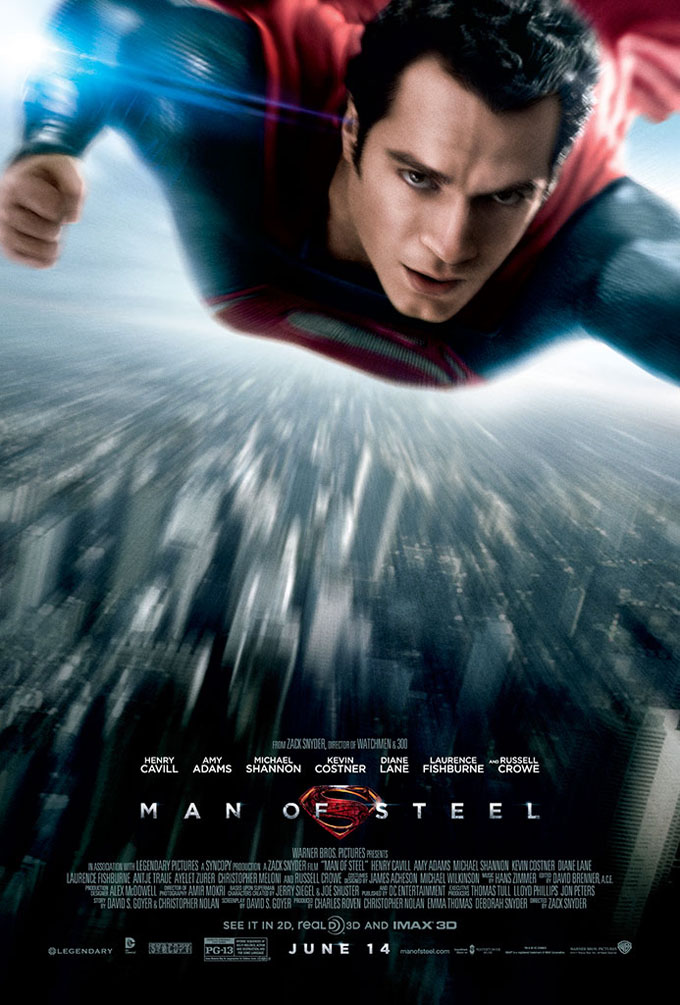
As a longtime collector of comic books, I’m pre-disposed to like super hero movies. This one was a challenge. A retelling of Superman’s origin from Zack Snyder (300, Watchmen), Man of Steel is big, bulky and disjointed, with key points of the story told through distracting flashbacks. A long opening chunk of the movie is set on Krypton, where Superman’s father Jor-El (played by Russell Crowe) has been re-imagined as an action hero, flying a winged beast through a collapsing city and battling the evil General Zod over the future of their dying race. In this telling, young Kal-El becomes a symbol of Jor-El’s hope for the species, and Zod vows to hunt him down. If you accept superhero stories are a form of American mythology, there should be room for new interpretations and you can’t get too hung up on any one version being correct. The problem with this approach, though, is that Jor-El never recedes into the background (he reappears after his death as a sort of helpful ghost who engineers plot points) and Superman becomes a pawn in his own story. Structurally, the plot – which ties Superman’s origin to the climactic battle with Zod  – obscures the development of much else we associate with the Superman, so we never see Clark Kent at the Daily Planet, his youth is told in flashbacks, and Lois Lane (played with style by Amy Adams) is crammed awkwardly into the narrative. The movie is all first and third acts. Man of Steel also suffers from a gloom that feels borrowed from the last Star Trek movie, and particularly, the Dark Knight trilogy. In the comics, there’s the idea that Gotham City is New York south of 14th St., and Metropolis is the city north of 14th. That tonal difference should be reflected in the characters and their stories. Here, the clouds rarely part and when Superman plays earnest and sincere – asking a skeptical humanity to trust him – he comes across as a naive simpleton.

Is Wolverine on Steroids?

07 Friday Feb 2014

Posted by percivalhenry in Uncategorized

≈ Leave a comment

Tags

comics, movies

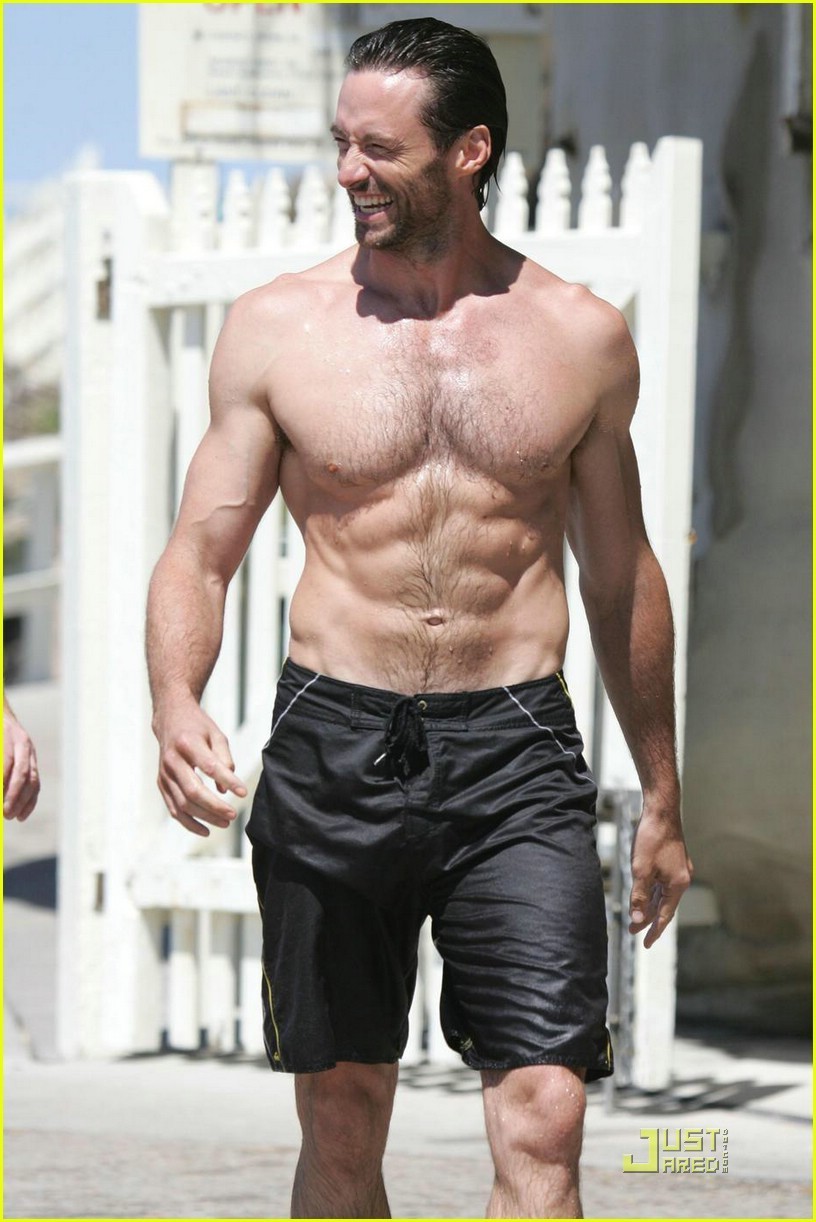
The thought occurred to me after watching The Wolverine the other night with my wife that Hugh Jackman probably took steroids for that role. The guy is a 45-year-old actor and he looks like this:

Image

He may be a fitness fanatic, but I suspect to get in shape, and stay in shape, he’s aided by chemistry. And so long as he’s taking them under the supervision of a doctor, that’s fine. Steroids are used in a medical context all the time. We only get bent out of shape about them in sports, when we feel they are being used to create an unfair advantage. (Some people argue that the full legalization of steroids in sports would recreate a level playing field. It might, but it would also distort comparisons with athletes from the past.) We also don’t like it when kids take them, because of health concerns. I have no ethical issue with an actor taking steroids to prepare for a role; there’s no competition at stake here, besides with the egos of other 40-something males, and no party is injured.

But should steroids only be for actors? If they can be taken safely and legally, should others in professions that rely on strength – and where the artificial rules of competition are not enforced – be taking them? Do we want our fireman and soldiers to be as strong as possible, to fulfill their missions? Probably. How about sanitation workers? Would a regimen of safe steroids enhance garbage collection?

And that took me back to Wolverine. In the fictional comic book universe, would super heroes with only normal human strength be on steroids? If you accept the premise that their heroics are protecting lives and saving the world , then shouldn’t they maximize their strength by any (safe) means possible? Maybe some characters would shun them on moral grounds, but even Captain America, that pillar of rectitude, was created by  vita-rays, a 1940s version of steroids. I’m guessing characters like Batman and Wolverine, who look for every other advantage, would quite naturally be on the juice.

Newer posts →
  • “The World’s Greatest Comic Magazine!” Fantastic Four Annual No. 15
  • “The World’s Greatest Comic Magazine!” Fantastic Four No. 223
  • “The World’s Greatest Comic Magazine!” Fantastic Four No. 222
  • “The World’s Greatest Comic Magazine!” Fantastic Four No. 221
  • “The World’s Greatest Comic Magazine!” Fantastic Four No. 220
  • July 2026
  • June 2026
  • May 2026
  • April 2026
  • March 2026
  • February 2026
  • January 2026
  • December 2025
  • November 2025
  • October 2025
  • September 2025
  • August 2025
  • July 2025
  • June 2025
  • May 2025
  • April 2025
  • March 2025
  • February 2025
  • January 2025
  • December 2024
  • November 2024
  • October 2024
  • September 2024
  • August 2024
  • July 2024
  • June 2024
  • May 2024
  • April 2024
  • March 2024
  • February 2024
  • January 2024
  • December 2023
  • November 2023
  • September 2023
  • July 2023
  • June 2023
  • May 2023
  • April 2023
  • March 2023
  • February 2023
  • January 2023
  • December 2022
  • November 2022
  • October 2022
  • September 2022
  • August 2022
  • July 2022
  • June 2022
  • May 2022
  • April 2022
  • March 2022
  • February 2022
  • January 2022
  • December 2021
  • November 2021
  • October 2021
  • September 2021
  • August 2021
  • July 2021
  • June 2021
  • May 2021
  • April 2021
  • March 2021
  • February 2021
  • January 2021
  • December 2020
  • February 2018
  • May 2016
  • February 2016
  • January 2016
  • December 2015
  • November 2015
  • October 2015
  • September 2015
  • August 2015
  • July 2015
  • April 2015
  • March 2015
  • January 2015
  • December 2014
  • November 2014
  • October 2014
  • September 2014
  • August 2014
  • June 2014
  • May 2014
  • April 2014
  • March 2014
  • February 2014
  • July 2026
  • June 2026
  • May 2026
  • April 2026
  • March 2026
  • February 2026
  • January 2026
  • December 2025
  • November 2025
  • October 2025
  • September 2025
  • August 2025
  • July 2025
  • June 2025
  • May 2025
  • April 2025
  • March 2025
  • February 2025
  • January 2025
  • December 2024
  • November 2024
  • October 2024
  • September 2024
  • August 2024
  • July 2024
  • June 2024
  • May 2024
  • April 2024
  • March 2024
  • February 2024
  • January 2024
  • December 2023
  • November 2023
  • September 2023
  • July 2023
  • June 2023
  • May 2023
  • April 2023
  • March 2023
  • February 2023
  • January 2023
  • December 2022
  • November 2022
  • October 2022
  • September 2022
  • August 2022
  • July 2022
  • June 2022
  • May 2022
  • April 2022
  • March 2022
  • February 2022
  • January 2022
  • December 2021
  • November 2021
  • October 2021
  • September 2021
  • August 2021
  • July 2021
  • June 2021
  • May 2021
  • April 2021
  • March 2021
  • February 2021
  • January 2021
  • December 2020
  • February 2018
  • May 2016
  • February 2016
  • January 2016
  • December 2015
  • November 2015
  • October 2015
  • September 2015
  • August 2015
  • July 2015
  • April 2015
  • March 2015
  • January 2015
  • December 2014
  • November 2014
  • October 2014
  • September 2014
  • August 2014
  • June 2014
  • May 2014
  • April 2014
  • March 2014
  • February 2014
“The World’s Greatest Comic Magazine!” Fantastic Four Annual No. 15

“The World’s Greatest Comic Magazine!” Fantastic Four Annual No. 15

percivalhenry's avatar by percivalhenry July 18, 2026
“The World’s Greatest Comic Magazine!” Fantastic Four No. 223

“The World’s Greatest Comic Magazine!” Fantastic Four No. 223

percivalhenry's avatar by percivalhenry July 14, 2026
“The World’s Greatest Comic Magazine!” Fantastic Four No. 222

“The World’s Greatest Comic Magazine!” Fantastic Four No. 222

percivalhenry's avatar by percivalhenry July 5, 2026
“The World’s Greatest Comic Magazine!” Fantastic Four No. 221

“The World’s Greatest Comic Magazine!” Fantastic Four No. 221

percivalhenry's avatar by percivalhenry June 25, 2026
“The World’s Greatest Comic Magazine!” Fantastic Four No. 220

“The World’s Greatest Comic Magazine!” Fantastic Four No. 220

percivalhenry's avatar by percivalhenry June 15, 2026
“The World’s Greatest Comic Magazine!” Fantastic Four No. 219

“The World’s Greatest Comic Magazine!” Fantastic Four No. 219

percivalhenry's avatar by percivalhenry June 7, 2026

Blog at WordPress.com.

  • Subscribe Subscribed
    • Percival Henry: The Fantastic Four and more
    • Join 74 other subscribers
    • Already have a WordPress.com account? Log in now.
    • Percival Henry: The Fantastic Four and more
    • Subscribe Subscribed
    • Sign up
    • Log in
    • Report this content
    • View site in Reader
    • Manage subscriptions
    • Collapse this bar
Loading Comments...