• About Percival Henry

Percival Henry: The Fantastic Four and more

~ Blogging the Fantastic Four issue by issue (plus whatever else grabs my attention)

Percival Henry: The Fantastic Four and more

Tag Archives: sports

Nobody Asked Me But … Here’s how I’d fix the end of NBA games

14 Saturday May 2016

Posted by percivalhenry in Nobody Asked Me But ..., Sports

≈ Leave a comment

Tags

basketball, economics, NBA, rules, sports, strategy

This week, basketball fans witnessed the odd spectacle of a coach complaining that a foul was not called on his player.

In context, in sort of made sense. Spurs star Kawhi Leonard tried to foul the Thunder’s Russell Westbrook in the closing seconds of the fifth game of their playoff series. The Spurs trailed, and if they fouled Westbrook, they would regain possession and have a chance to tie the game. In this case, despite Leonard’s mugging of Westbrook, no foul was called (and Westbrook scored on the play). After the game, Spurs coach Gregg Popovich groused the call was “pretty obvious.”

Fouling for possession at the end of the game has become so routine that we don’t consider the strangeness of the ritual.

Consider the purpose of the foul in the structure of basketball. The game is, ostensibly, not a contact sport. Given human nature, play can get rough. Fouls are in place to regulate the violent impulses of players. And generally, defensive players try not to foul—or try not to be called for fouling, a difference—and complain when they are. The offensive player then goes on to take one, two or three free throws, depending on the game situation

But after the free throws, the offensive team surrenders the ball, whether they score or not. And that quirk of the rules is exploited at the end of games, when coaches hedge that regaining possession is worth more than the chance that the other team scores. As a result, the last minute of any close NBA game is gummed up by a procession of fouls, free throws, times outs and more fouls.

It’s not just an aesthetic problem, though, but a distortion of the game. It’s hard to imagine this was envisioned in 1924, when the rule establishing that the fouled player take the free throws was first established.

The exploitation of the rule follows the law of unintended consequences, an economics principle that holds that actions of people—and especially of government—always have effects that are unanticipated.

In the real world, my libertarian instincts are tempered by the knowledge that power is asymmetrical, and people and institutions that hold it will take advantage of those without it, unless their are rules to hold them in check.

In sports, however, where the playing field is (literally and figuratively) even, I’m much more laissez-faire. Sports should have as few rules as necessary to protect the integrity of the game and the safety of players, and they shouldn’t be tinkered with to correct some new wrinkle in strategy. I hated the illegal defense rule in basketball, think picks should be legal in the NFL and cringe at the idea of banning the shift in baseball.

In the case here, the losing team is relying on a loophole in the foul rule to do something they can’t through skill or defensive strategy: regain possession. By closing the loophole teams would be forced to steal the ball or get it back through a defensive rebound. In all likelihood, the team with the lead would keep it, just as they do now, but the games would end faster.

Fouls in basketball serve a necessary purpose, and getting rid of them all to restore sanity at the end of the game makes no sense. One option would be to give referees discretion about when they call them, and if the player is clearly fouling t regain possession, they could ignore it. But that puts even more control in the hands of the imperfect refs, and could give players incentive to commit rougher fouls in order to get them called.

Unfortunately, I think the solution is another rule: Any foul committed in the last minute of the game results in four free throws (or, if they’re not in the bonus, a two-and-one-and-one). By increasing the penalty for fouling, the calculus for coaches and players would shift. Fouling for possession would no longer be the default strategy, but one weighed against the cost.

I’m not fixed on the details. Maybe the number of free throws should be three, or five. Maybe it goes into effect with 90 seconds left, or 45. But it would be a clear improvement over the current end of game drudgery.

Ranking Sports: The Best NBA Team Names

14 Sunday Feb 2016

Posted by percivalhenry in Ranking Sports

≈ 6 Comments

Tags

basketball, NBA, rankings, sports

Welcome to the latest installment in an (extremely) occasional, and occasionally controversial, series ranking the best team names in pro sports. Earlier editions ranked the best names in baseball and the NFL. This time, we’re doing the NBA. As before, I’m using three basic criteria:

  • Originality. How unusual or creative is the name? Is it unique, or a generic name used by other teams?
  • Geographic specificity. Does the name reflect or honor the team’s city or region? Would it sound weird if the team was relocated (a major problem in the NBA – stay tuned)?
  • Unmaketability. I like names that aren’t designed to sell merchandise. The more off-beat or quirky the name, the better.

And for the NBA, I’m adding a fourth category:

  • Basketballishness. Basically, how well does the name fit the sport? Basketball names should evoke action and movement. The Fairbanks Glaciers would not be a good basketball name.

Lastly, this is not science. I’m ranking them according to my preferences. I’ll weigh some categories differently depending on the team. Disagree with my choices? Cool. Leave a comment, or even better, compile your own list and I’ll run it here. On to the rankings:

30, Toronto Raptors

4578_toronto_raptors-primary-2016

The NBA has a lot of generically bad team names, but only one objectively awful one. The Raptors came into existence in 1994, hot on the heels of Jurassic Park, the Steven Spielberg blockbuster featuring velociraptors, a nasty sort of dinosaur. Naming your team after the flavor-of-the-month movie means selling out your long-term identity for a quick marketing boost, and should be beneath an NBA team. A worse option would be the Toronto Terminators, but not by much. It’s too bad, because Toronto otherwise has interesting team names: the whimsical Blue Jays, the strangely spelled Maple Leafs and even the CFL’s Argonauts (which is actually a great name). Maybe some enlightened future owner will see the light and change it.

29, Brooklyn Nets

nets

It’s not a horrible name so much as a deeply peculiar one. Naming your team after a piece of equipment suggests either a profound lack of imagination or misunderstanding the purpose of a name. A team name should create an identity, forge a bond with your fans and inspire them and your players. Naming your team after string does none of those things. It’s like naming a team after furniture.

28, Washington Wizards
Wizards-New-Primary-Logo-2016

This feels a bit unfair, since the Washington Bullets, under owner Abe Pollin, changed their name for the noblest of purposes, to disassociate the team from the gun violence that plagued their city. But did he have to pick a new one that was so lame? There’s something particularly pathetic about the name, as if it was selected by a panel of kindergartners. Wizards cast spells and recruit hobbits to find rings. They have nothing to do with basketball or Washington. Here’s a hint for would-be team namers: Alliteration is rarely your friend.

27, Sacramento Kings
NBATeamLogosSacramentoKingsVectorFormat

The first in a string of inoffensive, yet totally boring and nondescript team names. The Kings have bounced around from city to city, and their name hasn’t made sense in any of them. Since when is monarchy a good thing? Why did we fight a revolution?

26, Atlanta Hawks
primary

The NBA doesn’t have as many bird names as baseball and football, but Hawks may be the worse of all of them. Completely generic, the Hawks could play in any sport in any city.

25, Golden State Warriors
logoprimary_300x3292

Another bland name with no distinguishing characteristics. The “Golden State” part is at least interesting; maybe more teams should adopt the state’s nickname. The Empire State Yankees has nice ring to it.

24, Cleveland Cavaliers
295px-Cleveland_Cavaliers_2010.svg

The Cavaliers, if I remember my history, were English nobility loyal to King Charles I during the English Civil War of 1642 -1651. What this has to do with basketball in Cleveland, I have no idea. I’d give them points for creativity except the University of Virginia beat them to the moniker. A naming choice driven mostly, it seems, by alliteration.

23, Milwaukee Bucks

milwaukee_bucks_logo_primary_detail

Another name chosen pretty much at random (team records say it was the result of a contest, with R.D. Trebilcox of Whitefish Bay, Wisconsin, the winning entrant). I’m not aware of any other Bucks out there, so it’s modestly original, but I’m also not aware of any other teams named for animals celebrated for getting shot, decapitated and their heads hung on the walls of redneck bars.

22, Los Angeles Clippers
5462_los_angeles_clippers-primary-2016

The Clippers used to be in San Diego, where the name at least made some sense: a clipper is a sailing ship, and San Diego is a nautical sort of city.  But like a lot of NBA names, it became an oddity after the team moved. (Yes, I know LA is also on the ocean, but yachting is hardly the first thing you think of). And unfortunately for the historically inept franchise, the name lends itself to various “clip joint” jokes. But it’s still better than the Buffalo Braves, the team’s first name.

21, Los Angeles Lakers
2000px-LosAngeles_Lakers_logo.svg

One of the NBA’s most decorated teams, the Lakers have labored under one of pro sports’ geographically weirdest names. Los Angeles is literally lake-less, unless you want to count the Silver Lake Reservoir (or the La Brea Tar Pits). The name traveled with the team from Minneapolis, Land of 10,000 Lakes, in 1960. Do they deserve credit for not changing it? Maybe, because the alternative could have been far worse. But even if they were still in Minneapolis, it’s not a particularly rousing name. I award one bonus point for rhyming with “fast-break makers,” as per the Red Hot Chili Peppers.

20, Orlando Magic

Orlando_magic_logo

The Magic isn’t as bad as it first appears. The name nods at Orlando’s Disney empire, and Magic Johnson gives it some basketball cred. I don’t even object to using a singular noun to describe a team. But Magic is just so cheesy.

19, Memphis Grizzlies

Memphis_Grizzlies.svg

Yet another misplaced team. The Grizzlies began life as the Vancouver Grizzlies before they moved in 2001. In a strange twist, they’re actually the second iteration of the Memphis Grizzlies; the first was a short-lived pro football team. Since there is some history, and because Grizzlies once could be found on the plains, the name isn’t quite as out of place as others.

18, Phoenix Suns

Phoenix_Suns2

Sure, it’s hot and sunny in Phoenix, but lots of cities get sunshine. The bigger problem is the ponderous nature of the sun. It’s a massive ball of burning gas hanging in the sky, which is not very basketballish. Technically, the sun is moving through the galaxy at 500,000 mph, but it can’t exactly turn on a dime. (It’s also unclear why the name is plural – what other suns are they talking about? Alpha centauri?) Phoenix’s WNBA team, the Mercury, has a much better name.

17, Denver Nuggets

250px-Denver_Nuggets.svg

It’s hard to imagine a team willingly naming themselves the Nuggets, so they get credit for being creative, original and, in the context of Colorado’s gold mines, regionally specific. But maybe the only object less mobile than a sun is a lump of rock. Wikipedia tells me the franchise began life as the Denver Larks, before changing their name to Rockets. It pains me to say it, but Nuggets is an upgrade over those.

16, Dallas Mavericks

dal

I’ll admit to my inconsistency here: the Mavericks name, chosen in a 1980 fan contest, was at least partially influenced by the TV show (and James Garner had an ownership stake). So what makes it so much better than Raptors? Maverick, at least, has some regional meaning – a maverick is cowboy-speak for an unbranded calf – and a maverick personality fits basketball better than, you know, a dinosaur. And the name just sounds better. This is not an exact science.

15, Utah Jazz

250px-Utah_Jazz_logo,_(2010_'new_look').svg

I wrestled with what to do with the Jazz. If the team was still in New Orleans, it might be at the top these rankings. “New Orleans Jazz” has everything: regional specificity, originality and basketball flair (does any art form suggest basketball, with its improvisational energy, more than jazz?). But they’ve been in Salt Lake City since 1979, and the name, as someone once quipped, makes as much sense as the New Orleans Tabernacle Choir. It’s hard to think of a city less jazzy than SLC, making the name not just strange but wrong. I have them ranked in the middle tier, but not with a lot of confidence.

14, Indiana Pacers

250px-Indiana_Pacers.svg

Not terrible, but not great either. Evoking Indianapolis 500 pace cars, and the local harness racing industry, the name ticks the right boxes, and it at least suggests movement. Maybe it’s the association with the hideous AMC hatchback, but Pacers falls flat for me.

13, Chicago Bulls

Chicago_Bulls_logo.svg

The Bulls are a perfectly satisfactory name. The name draws from Chicago’s stockyards, and sounds right. Bulls aren’t the most nimble animals,  but they’re more mobile than the team’s Chinese translation, the Red Oxen.

12, Houston Rockets

imgres

Another solid name. It’s got a local connection – “Houston, we have a problem” – and Rockets are fast and dangerous. A bit generic, but not bad.

11, Charlotte Hornets
1926_charlotte_hornets_-primary-2015

Taking their name from a bit of Revolutionary War lore (Lord Cornwallis allegedly referred to the city as “a veritable hornet’s nest of rebellion”), Hornets are quick, fierce and have a sharp sting, all good basketballish qualities. It’s a much better name than the unfortunate Bobcats, which the city was saddled with for a few years.

10, San Antonio Spurs

0094791001436547063_filepicker

I give the Spurs lots of credit for originality. It’s not an obvious choice – it does fall into the equipment category – yet fits the region, and as a verb, contains a lot of action. And like a lot of good sports names, is short enough to fit nicely into a headline. The team started life as the Dallas Chaparrals, which also wasn’t bad, although a bit obscure.

9, Miami Heat

Miami_Heat_logo.svg

Another singular name, and much better than its upstate rival, the Magic. Yes, lots of places are hot, but the short name packs a lot of punch. It suggests both temperature and attitude, which fits Miami well. It also suggests intensity, which is maybe not a Mimi trait, but good to have in a basketball team. And while I’m not grading logos, theirs is one the the best marriages between name and image in all of sports.

T7, New York Knicks and Boston Celtics

1024px-Boston_Celtics.svg 2nn48xofg0hms8k326cqdmuis

Two names that just go together. They’re both TNEEG-SDANAs (Teams Named for a European Ethnic Group that Settled in Defined Areas of North America, like the Vikings), they’re either hard to pronounce (Kanicks?) or mispronounced (ask someone in Ireland to say Celtic) and have nothing to do with basketball. Yet they’re historic, colorful and have persisted for decades, long after their region’s denizens stopped being identified by their Dutch or Irish roots. Needless to say, no one was thinking about selling jerseys when they chose these names.

6, New Orleans Pelicans
012513_landing_main_logo

Another bird, but instead of a sharp-beaked raptor (ahem), New Orleans went out of the box with pelicans, a big, dopey looking bird with a goofy bill. It’s very local. The team says it chose the name because “it represents the culture and resolve of the Gulf Coast region while also symbolizing Louisiana’s most pressing initiative of coastal restoration and wildlife conservation.” That sounds like a lot to ask for in a team name, but its still interesting and colorful. Pelicans also have a wingspan up to 12 feet, a very useful trait in basketball.

5, Minnesota Timberwolves

2148810_orig

A classically good name. Wolves are relentless and can run forever, and adding “timber” attaches it to the woods of northern Minnesota. And a much better choice than its predecessor Lakers.

4, Oklahoma City Thunder

Oklahoma_City_Thunder.svg

I was tempted to punish the Thunder for erasing the name of one of sports’s great names, the Seattle Supersonics. But this ranking doesn’t have an ethics component, so I can’t dock them for their trickery and deceit. And it is a great name: it evokes big storms rolling across the prairie, and thunderous dunks. Yeah, it’s a bit commercial, but I can live with it.

3, Portland Trailblazers

imgres-1

Trailblazers suggests pioneers, creativity and Lewis & Clark; ‘Blazers, it’s shortened version, evokes speed and dash. An excellent name.

2, Philadelphia 76ers

Philadelphia_76ers_Logo

76ers combines a name that’s distinctly local, completely unmarketable, and a lot of fun. Like the San Francisco 49ers, it’s a name that’s perfect in Philly, and would make no sense elsewhere. And while it’s not overtly basketballish, I’d argue the patriotic red, white and blue color scheme is reminiscent of the ABA’s old circus ball, and “Sixers” just sounds fast.

1, Detroit Pistons
444

This one has it all, a near-perfect synthesis of originality, regional specificity and basketballish action. Yes, the team was born in Ft. Wayne, but Pistons have an even stronger connection to Detroit’s auto industry, and are an inspired alternative to something like coupes or hotrods. And the fast, driving power of a piston is an exact match for the speed of basketball. Even the motion evokes dribbling. Pistons does pretty much everything a team name should, and does it with panache.

Art History M(art)ch Madness 2015: The Champion

07 Tuesday Apr 2015

Posted by percivalhenry in Art History March Madness

≈ Leave a comment

Tags

art, art history, sports

bather-with-beach-ball-1932

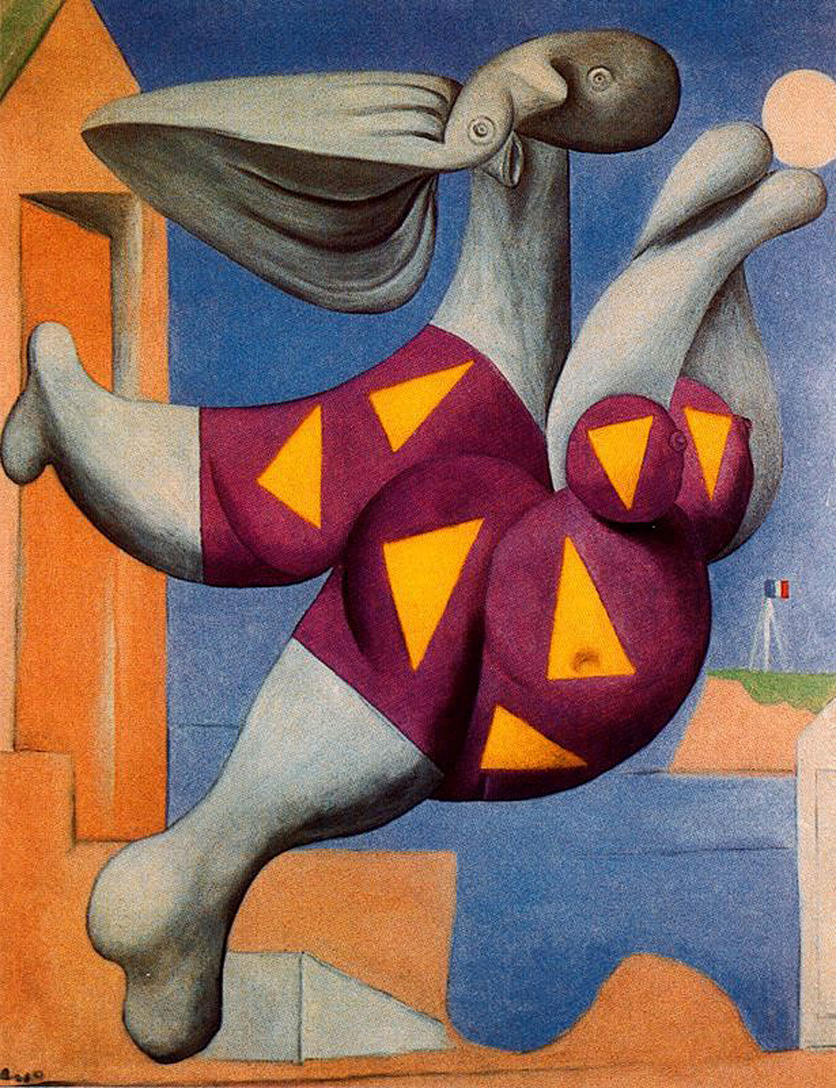
And the winner is … Pablo Picasso. Perhaps to the surprise of no one, Picasso  – the master of modernism, the caliph of cubism – dominated Piet Mondrian with 68 percent of the vote, just as he waxed his other opponents on his way to the 2015 M(art)ch Madness championship. Picasso became the clear favorite with the early ouster of Matisse, and he steamrolled David Hockey, Marc Chagall, Alexander Calder, Wassily Kandinsky and Rene Magritte on his way to the final, never earning less than 60 percent of the votes.  That’s domination, homes. And unlike Kentucky, Picasso closed the deal.

Thanks to everyone who voted in the last round, and all the others. And thanks again to the indomitable James Banta for suggesting the name M(art)ch Madness. I had fun and hope you did to.  Before you go, take a minute to vote for the theme of next year’s tournament. And if you have other ideas, or suggestions on how to improve this annual silliness, please let me know in the comments section.

Art History M(art)ch Madness 2015: Championship

03 Friday Apr 2015

Posted by percivalhenry in Art History March Madness

≈ Leave a comment

Tags

art, art history, sports

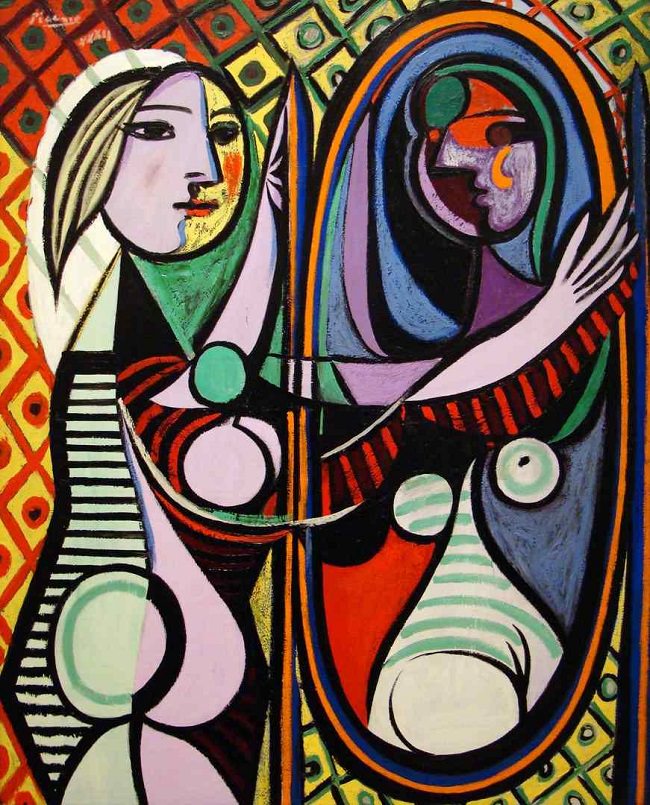
The M(art)ch Madness championship match up is set, and it’s down to two titans of 20th century art: Pablo Picasso vs. Piet Mondrian. After a tournament full of upsets and unexpected artist advancing – including seventh-seeded Paul Klee and 11th seeded Rene Magritte in the Final Four – order has been restored, with a contest between a first and second seed. Picasso has rampaged through the tournament, winning all his matches by a wide margin, and beat Magritte with 63 percent of the votes. Mondrian’s victory was narrower, but still convincing, with 55 percent of the votes against Klee.
Here are the full brackets (you’ll have to paste the URL into your browser, and click on “championship bracket” – sorry for the hassle):

http://www.bracketmaker.com/tlist.cfm?tid=457697

The final is a great match up of styles: Picasso’s rambunctious energy vs. Mondrian’s cool formalism. As always, vote for your favorite. The winner will be crowned the greatest artist of the 20th century. Check back Tuesday for the results, and a chance to vote on the format of M(art)ch Madness 2016.
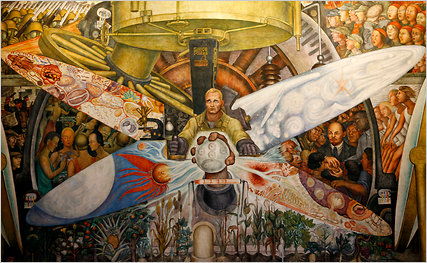
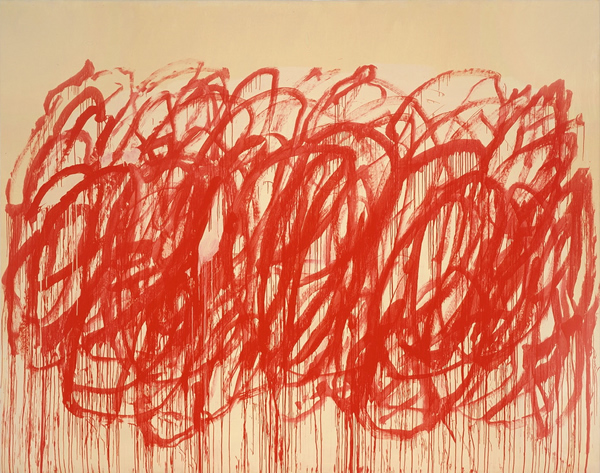
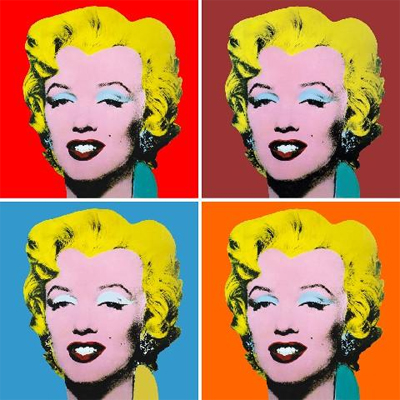
Here are some answers to any questions you may have about all this: FAQs

On to the voting:

No. 1 Pablo Picasso vs.
girl-before-a-mirror

No. 2 Piet Mondrian

Piet_Mondriaan,_1930_-_Mondrian_Composition_II_in_Red,_Blue,_and_Yellow

Art History M(art)ch Madness 2015: Final Four

31 Tuesday Mar 2015

Posted by percivalhenry in Art History March Madness

≈ Leave a comment

Tags

art, art history, sports

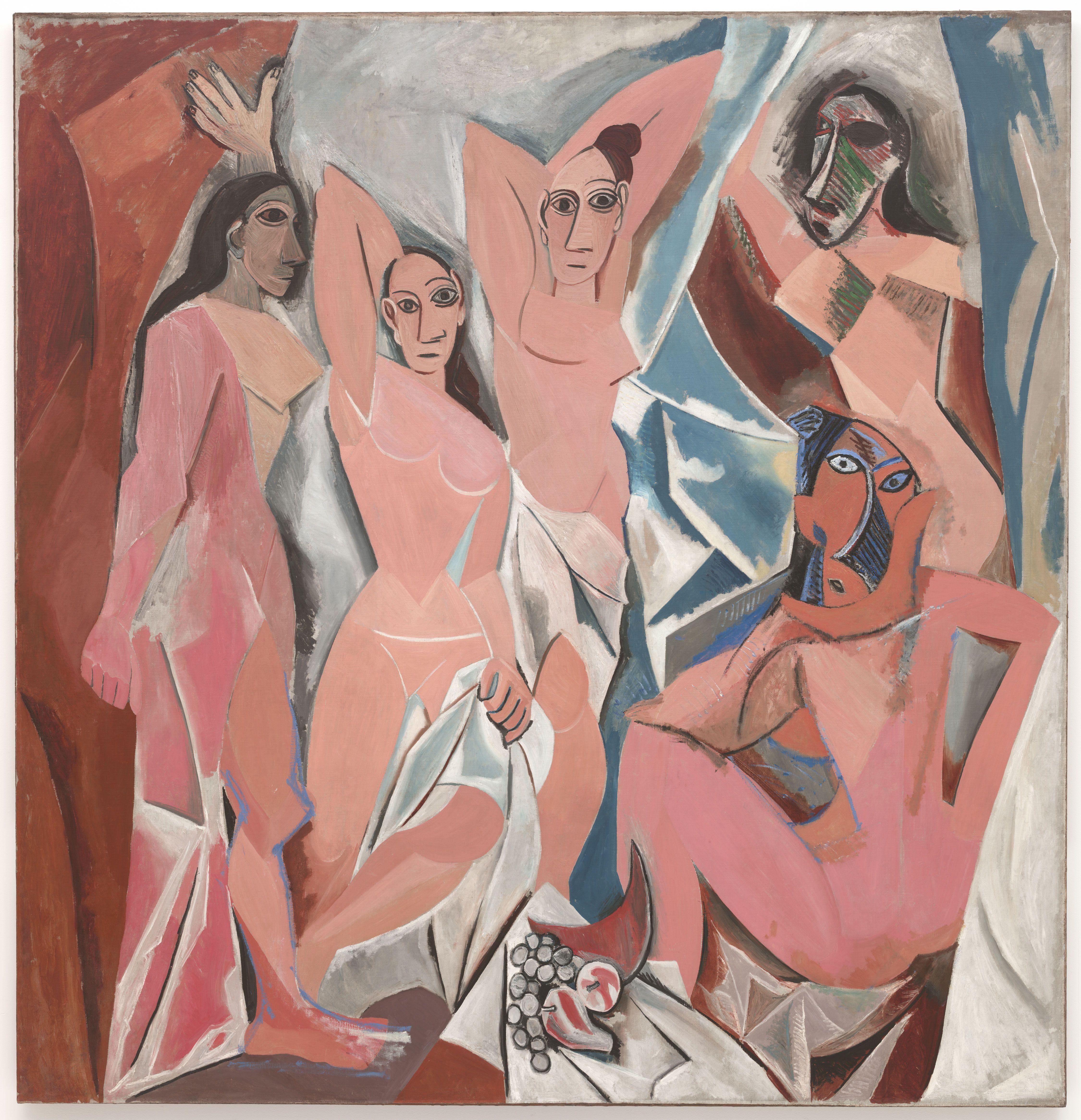
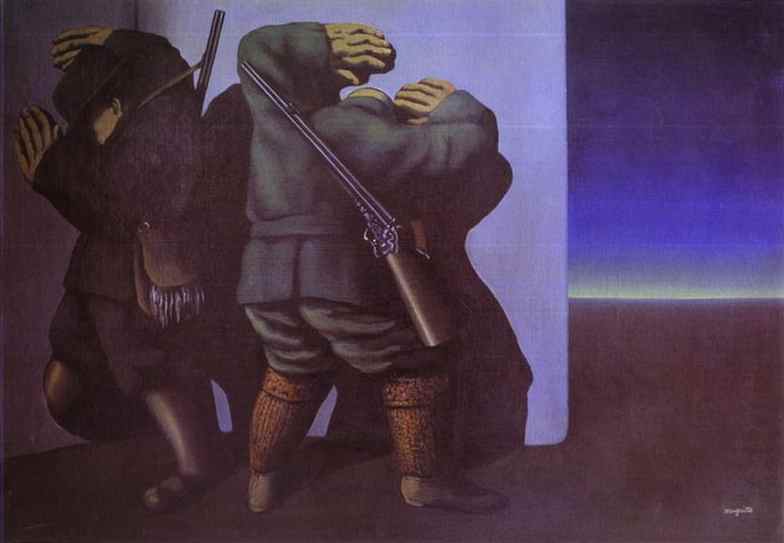
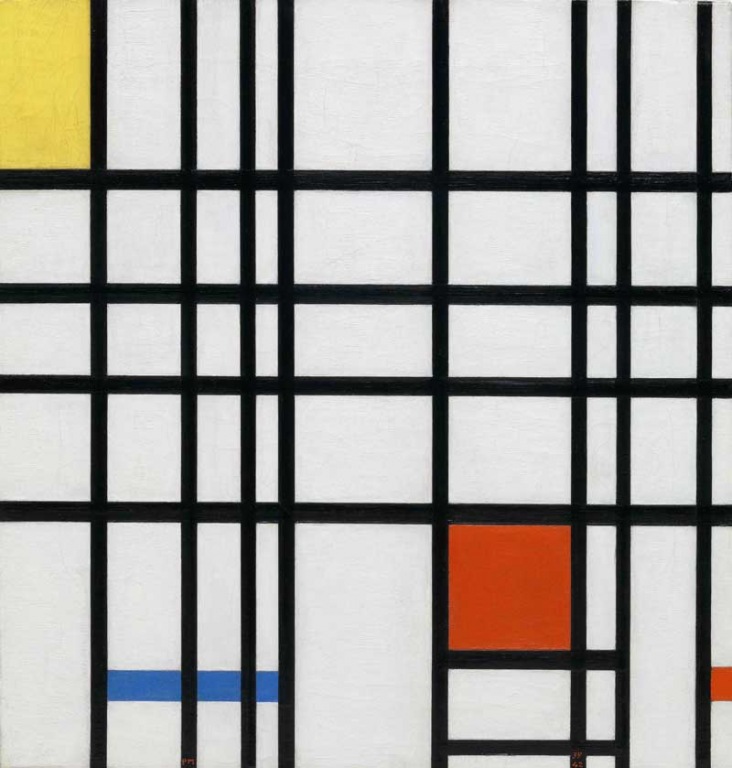
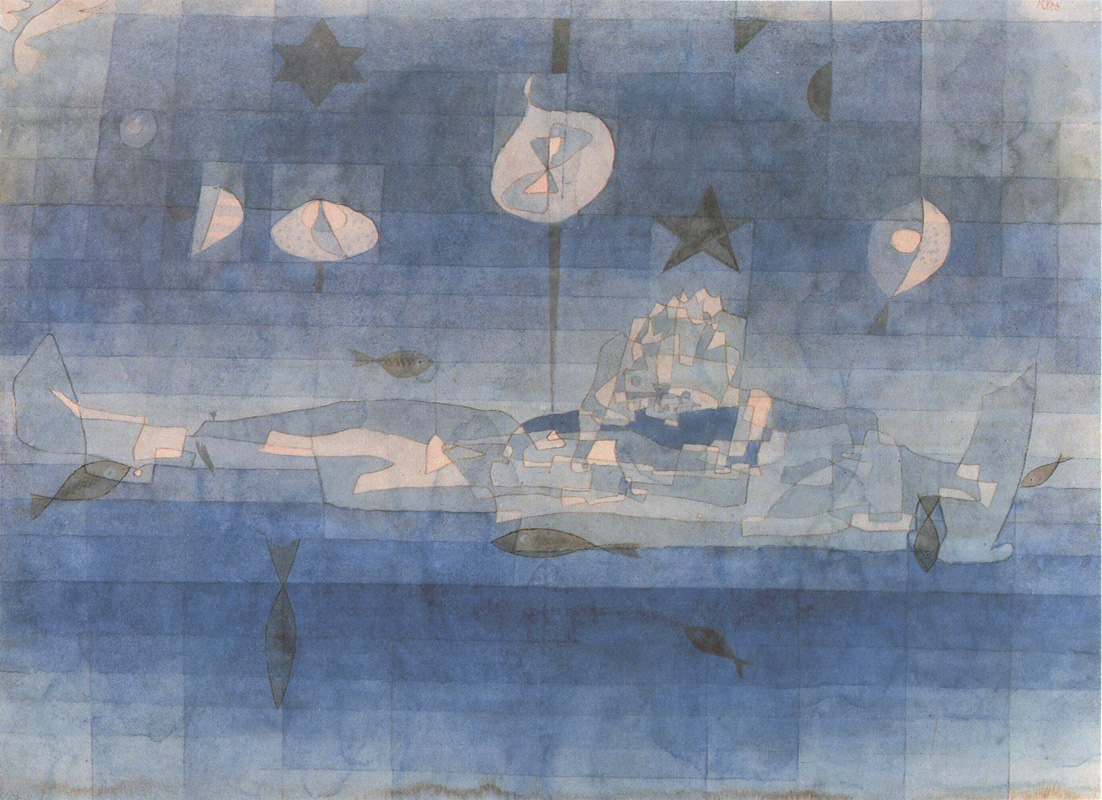
The M(art)ch Madness Final Four is set, and it’s an all-European, all-painter (and all male) quartet. In one semi-final, No.1 seed Pablo Picasso takes on upstart 11th seed Rene Magritte, while on the other side of the bracket, No. 2  seed Piet Mondrian faces No. 7 Paul Klee.

While it’s no surprise Picasso and Mondrian made it to the Final Four, Magritte had a tough road, beating a four higher seeded artist across a range of genres: Diane Arbus, Gerhard Richter, Mark Rothko and finally Edward Hopper. Paul Klee had a slightly easier path, beating lower-seeded Thomas Hart Benton (No. 14) and Man Ray (11), as well as higher seeds Robert Rauschenberg and Diego Rivera.

If you’re new to this silliness, here are some FAQs to help explain it.

As always, vote for your favorites. The winners will face off to determine the greatest artist of the 20th century (more or less).

Final Four

No. 1 Pablo Picasso vs.

Les_Demoiselles_d'Avignon

No. 11 Rene Magritte

the-hunters-at-the-edge-of-night


No. 2 Piet Mondrian vs.

pietmondrianredyellowblue

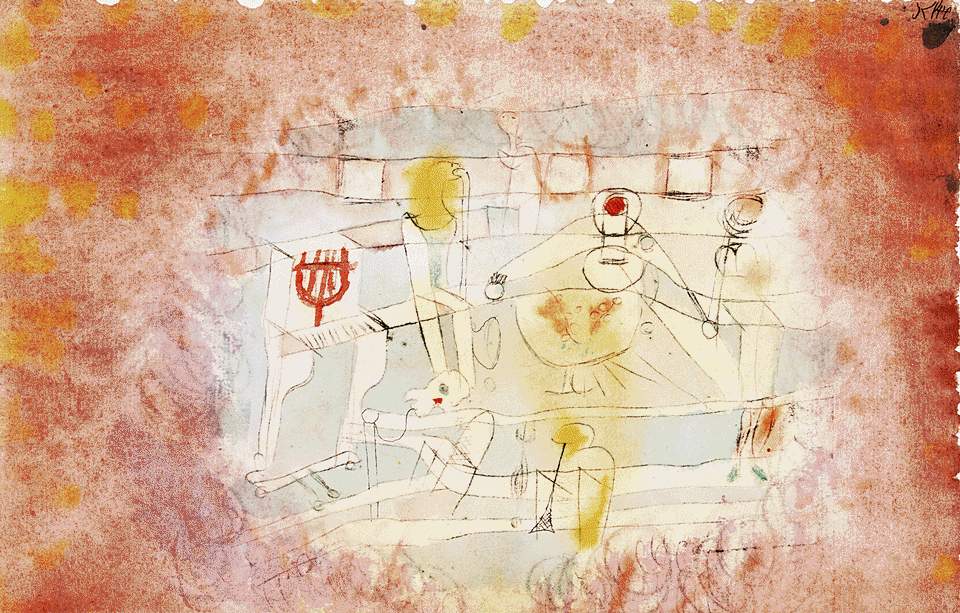
No. 7 Paul Klee

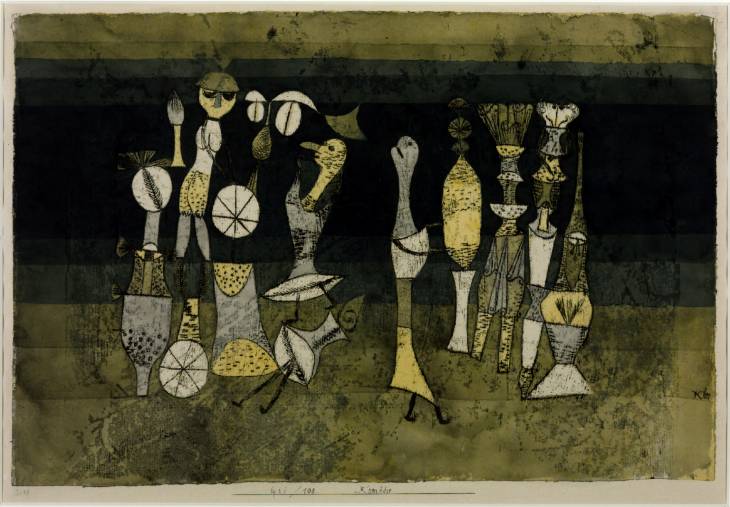
Comedy 1921 by Paul Klee 1879-1940


Art History M(art)ch Madness 2015: Elite Eight

28 Saturday Mar 2015

Posted by percivalhenry in Art History March Madness, Uncategorized

≈ Leave a comment

Tags

art, art history, sports

We’re now down to the Elite Eight of M(art)ch Madness, the most important art history basketball tournament ever.

Upsets continued to ravage the Berlin and Los Angeles regionals, where No. 1 seed Marcel Duchamp and No. 2 seed Mark Rothko were booted. In the Paris and new York regionals, however, favorites prevailed, and the top two seeds in both are still alive, setting up some major battles.

Here are the full brackets: http://www.bracketmaker.com/tlist.cfm?tid=457697

And here some the FAQs that might help explain what this is all about.

On to the match ups!

Los Angeles Regional

No. 5 Diego Rivera vs.

thread-rivera-blog427

No. 7 Paul Klee

a1923 - ile engloutie


New York Regional

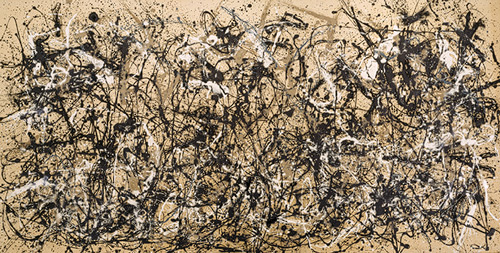
No. 1 Jackson Pollock vs.

Autumn_Rhythm

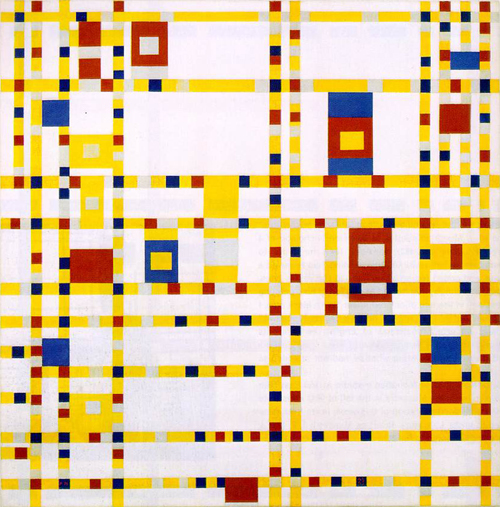
No. 2 Piet Mondrian

Piet_Mondriaan,_1942_-_Broadway_Boogie_Woogie


Berlin Regional

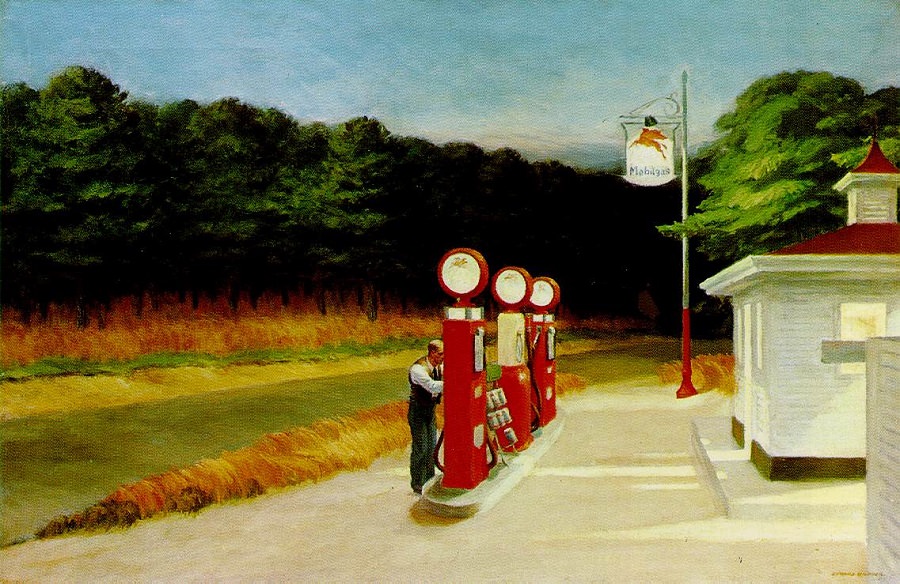
No. 8 Edward Hopper vs.

gas

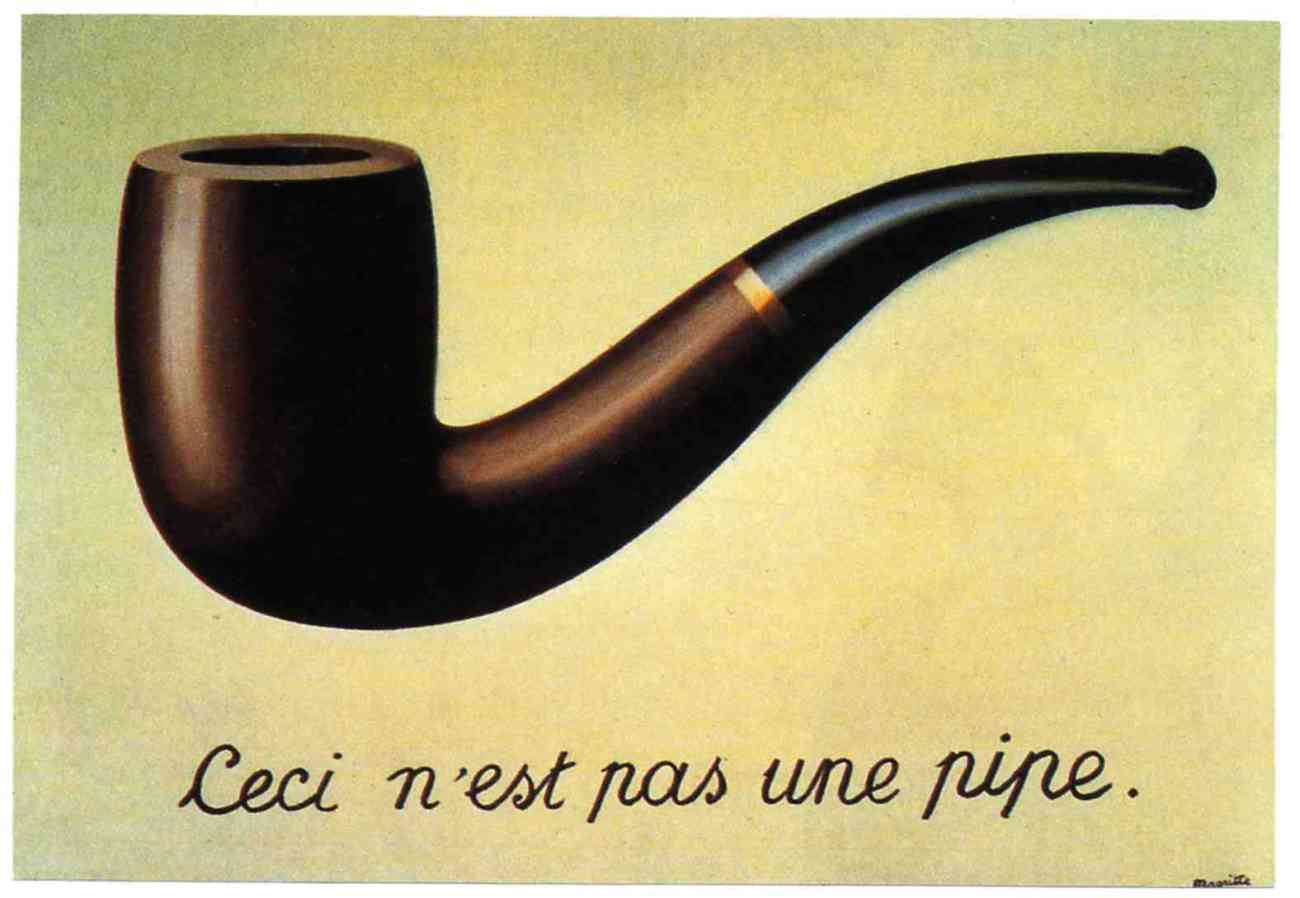
No. 11 Rene Magritte

magritte-pipe


Paris Regional

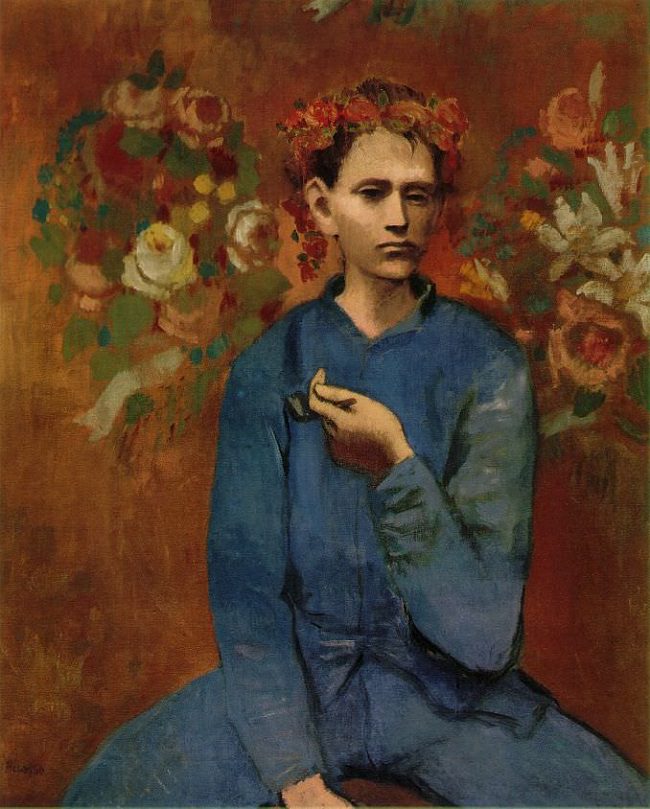
No. 1 Pablo Picasso vs.

boy-with-pipe

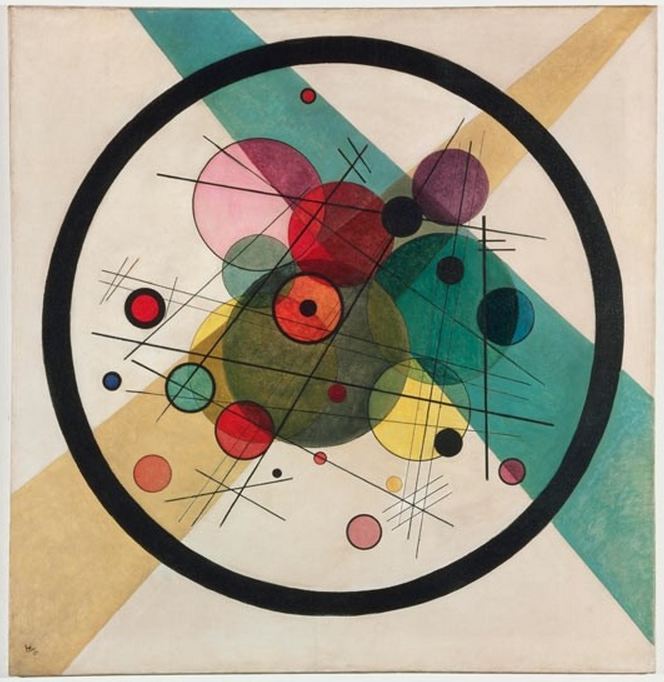
No. 2 Wassily Kandinsky

Vassily_Kandinsky,_1923_-_Circles_in_a_Circle

Art History M(art)ch Madness 2015: Sweet 16

24 Tuesday Mar 2015

Posted by percivalhenry in Art History March Madness

≈ Leave a comment

Tags

art, art history, sports

There are just 16 teams left in M(art)ch Madness 2015, the tournament to decide the greatest artist of the 20th century.

Upsets abounded. Henri Matisse, the No. 1 seed in the Berlin regional, was booted by No. 8 Edward Hopper. In the same bracket, Rene Magritte (No. 11) ousted No. 3 Gerhard Richter. No. 11 seeds Gustav Klimt and Man Ray also survived.

Elsewhere, chalk prevailed. In the New York regional, all top four seeds advanced, setting up huge match-ups: Jackson Pollock vs. Roy Lichtenstein and Jasper Johns vs. Piet Mondrian.

To see the complete brackets, go here:

http://www.bracketmaker.com/tmenu.cfm?tid=457697

(You have to paste the URL into your browser and click “championship bracket.” Sorry – I know it’s a hassle.)

Here’s some FAQs to help make sense of the tournament.

On to the Sweet 16:

Berlin Regional

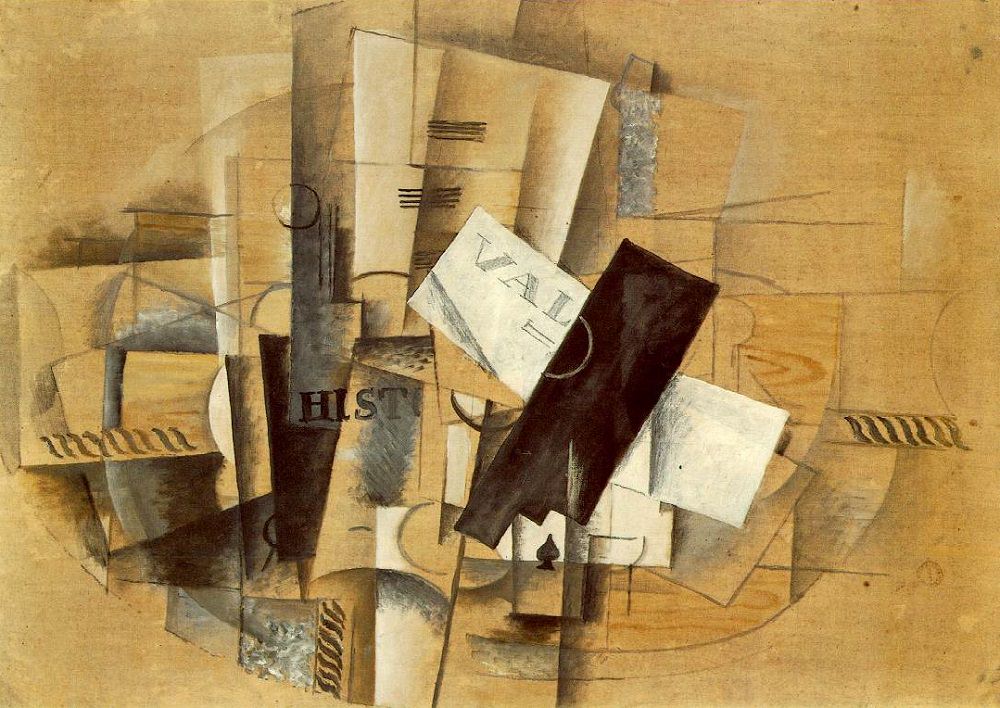
No. 4 Georges Braque vs.

gueridon

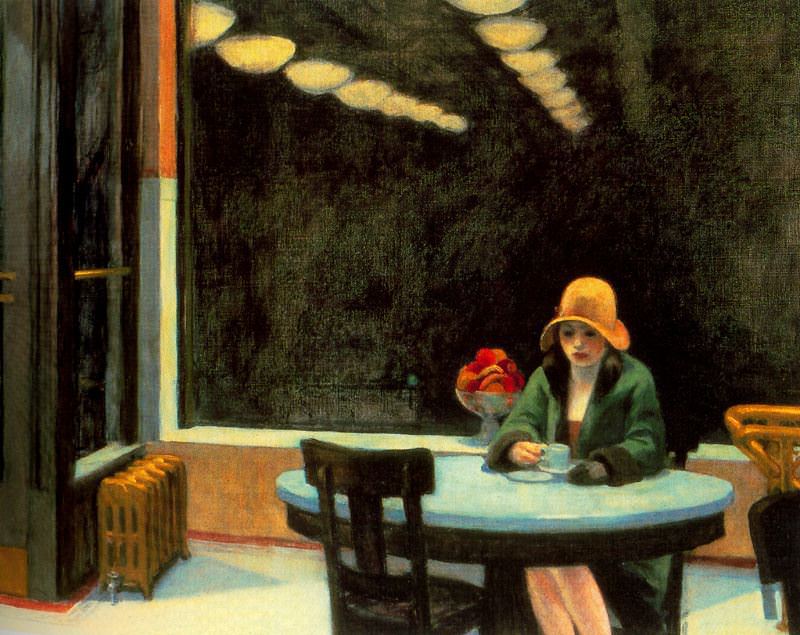
No. 8 Edward Hopper

automat


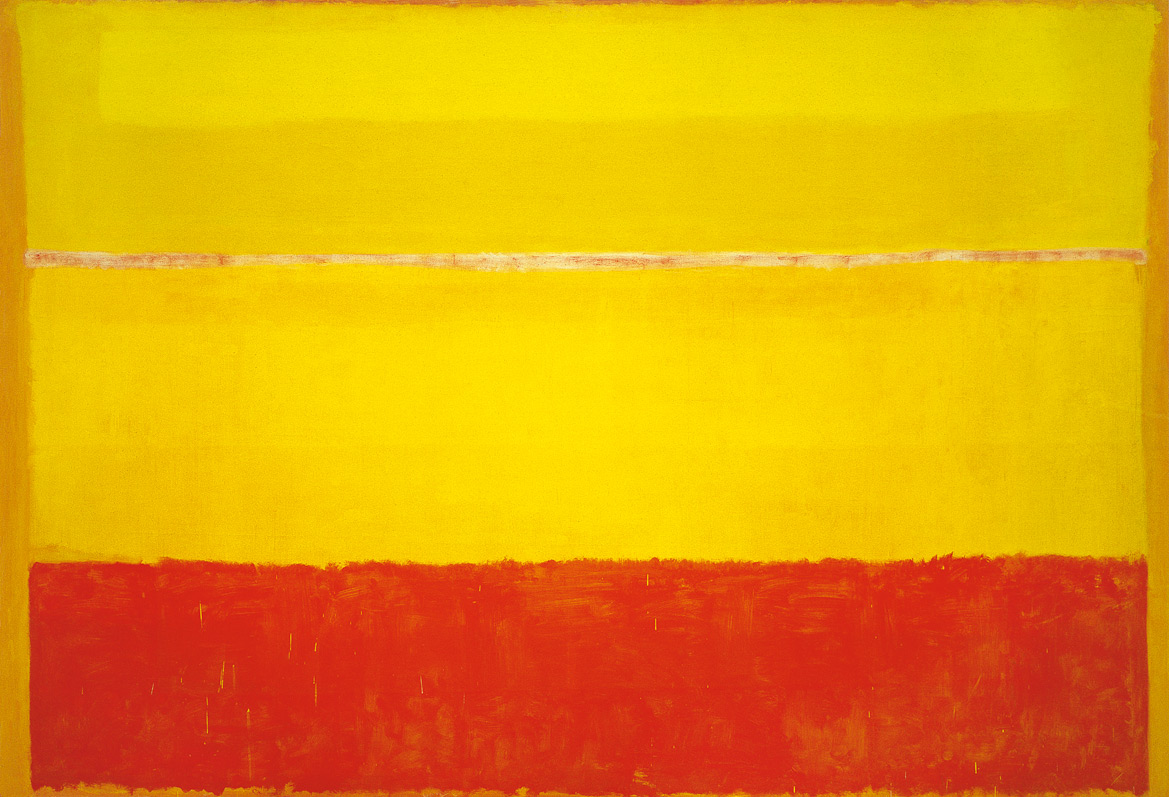
No. 2 Mark Rothko vs.

Rothko

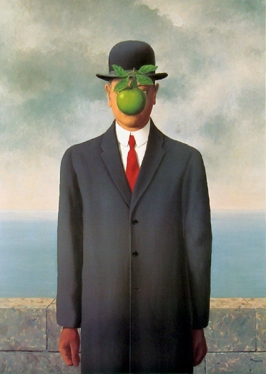
No. 11 Rene Magritte

Ren? Magritte, The Son of Man, 1964, Restored by Shimon D. Yanowitz, 2009  øðä îàâøéè, áðå ùì àãí, 1964, øñèåøöéä ò"é ùîòåï éðåáéõ, 2009


Los Angeles Regional

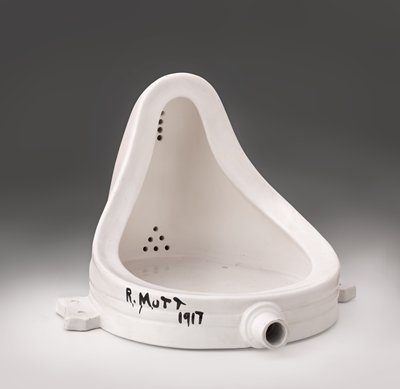
No. 1 Marcel Duchamp vs.

98.291_01_b02

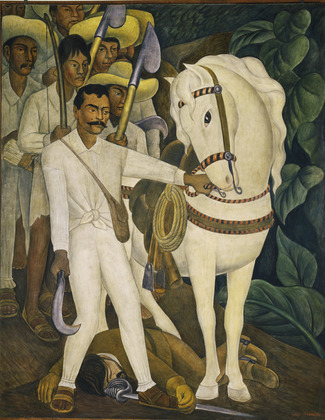
No. 5 Diego Rivera

50798


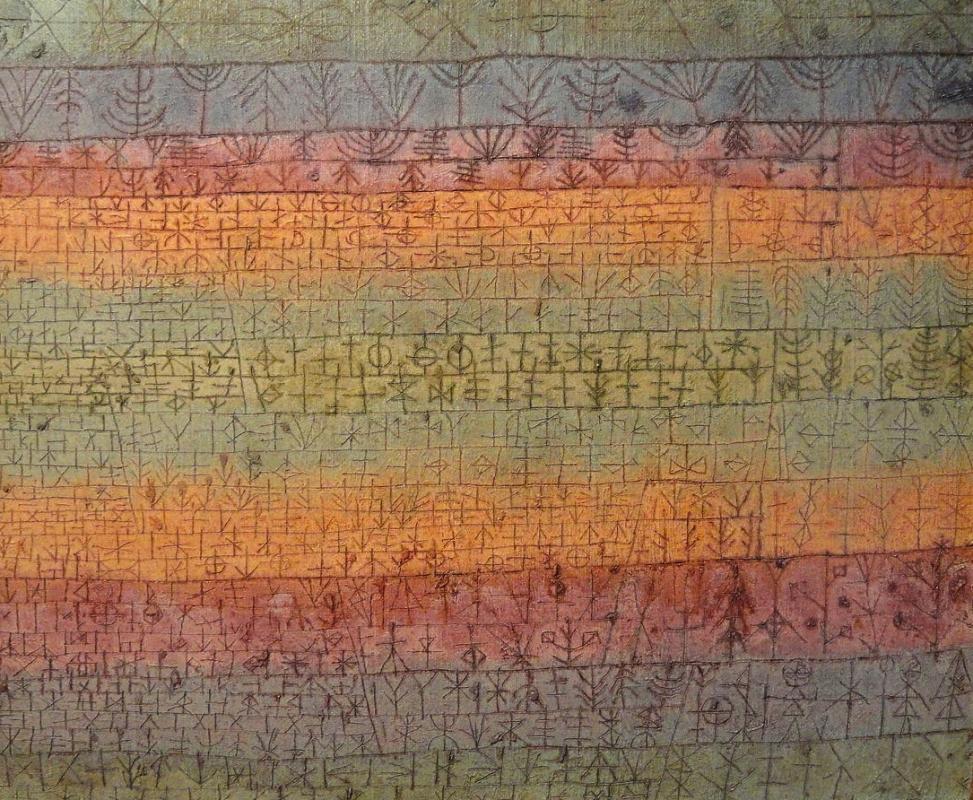
No. 7 Paul Klee vs.

5736524_orig

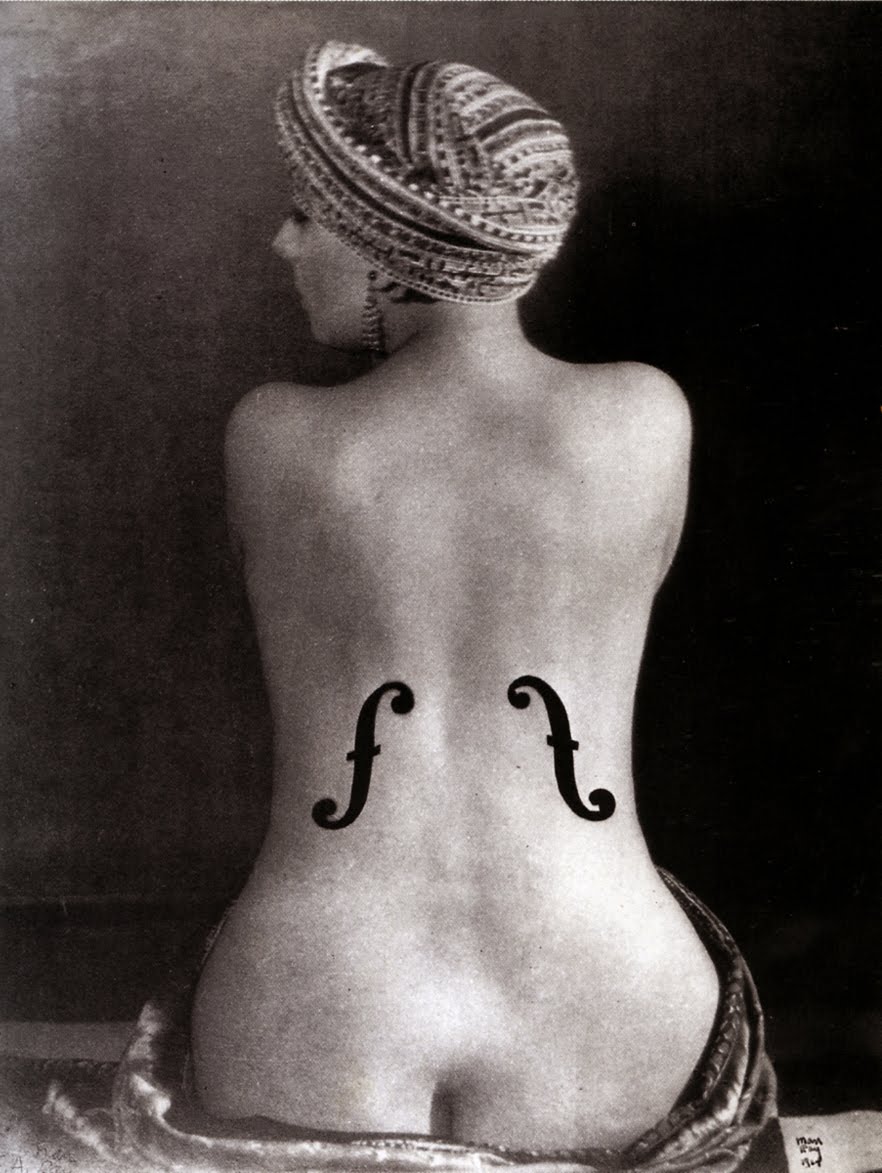
No. 11 Man Ray

ingre-s-violin-1924


Paris Regional

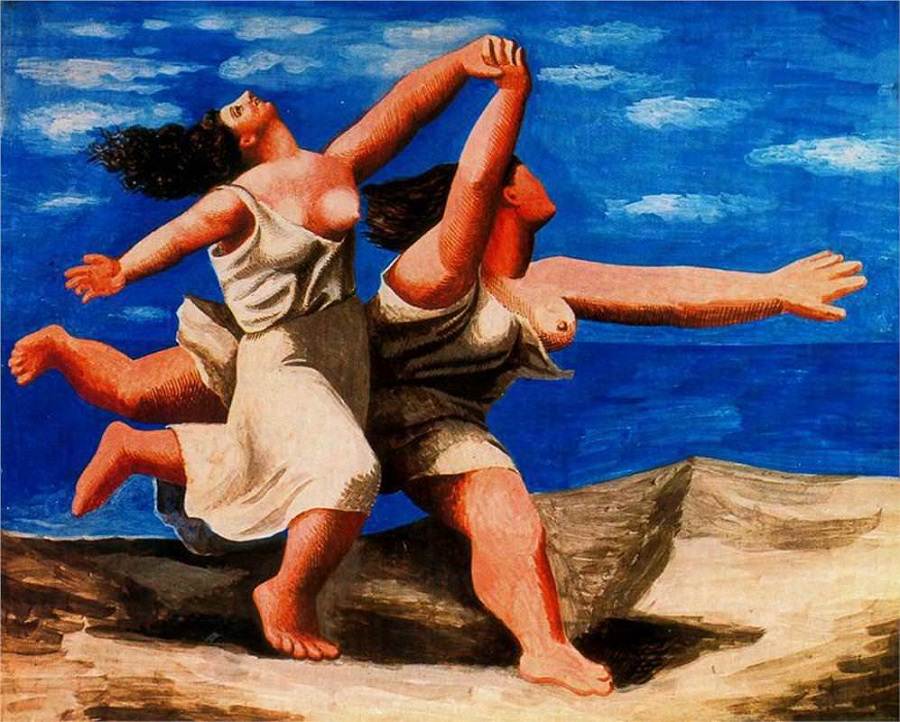
No.1 Pablo Picasso vs.

two-women-running-on-the-beach

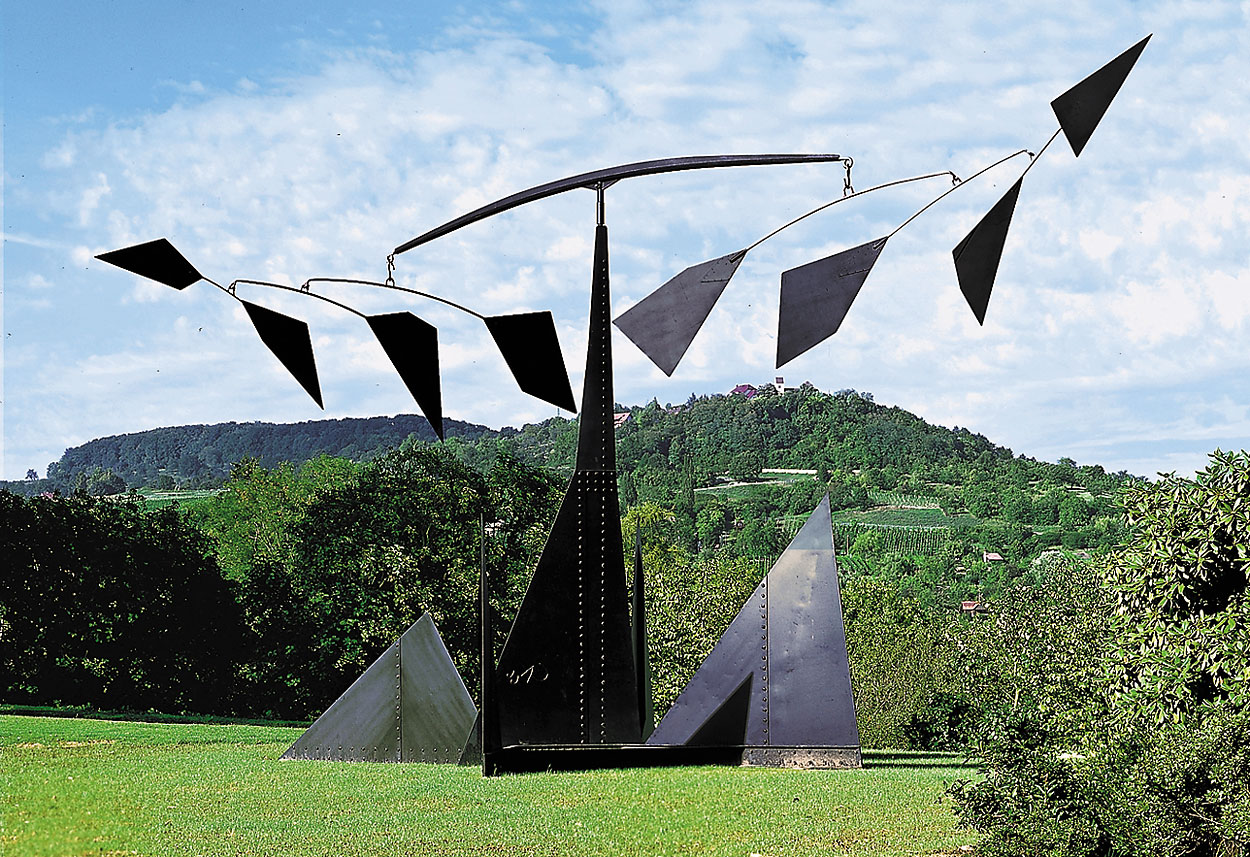
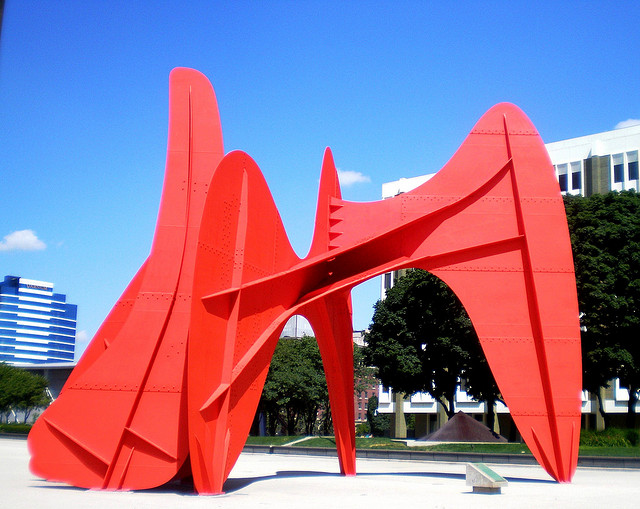
No. 4 Alexander Calder

FB_sam01_calder_g_lg


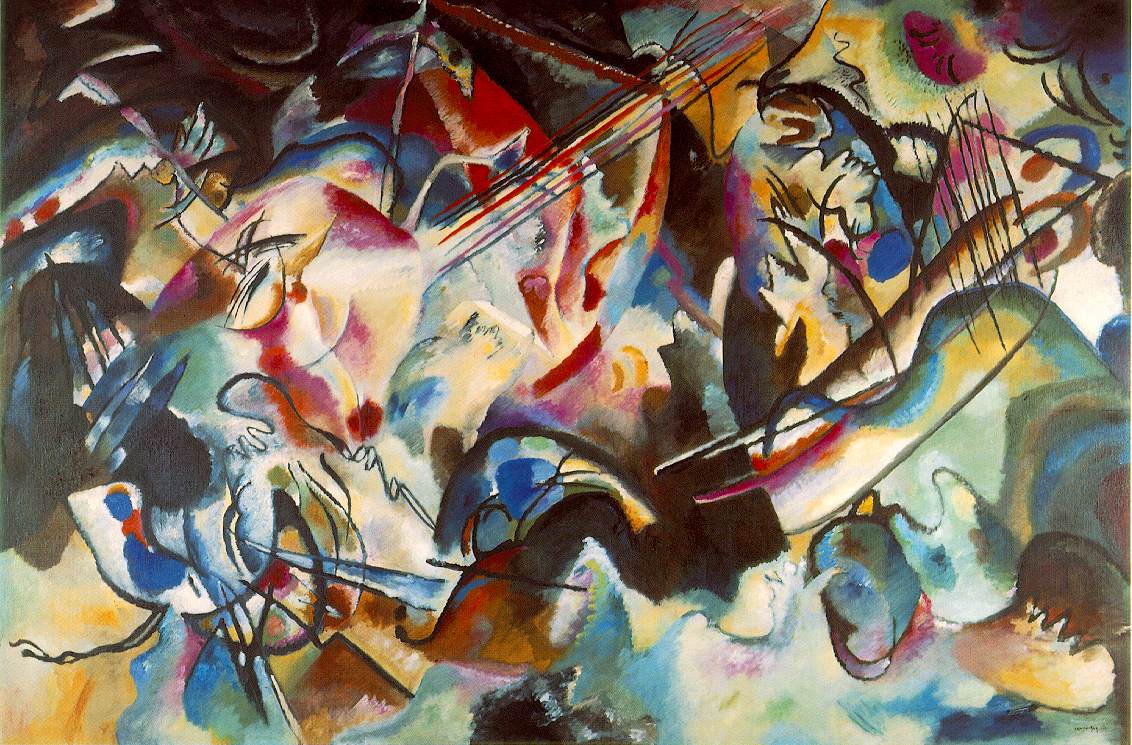
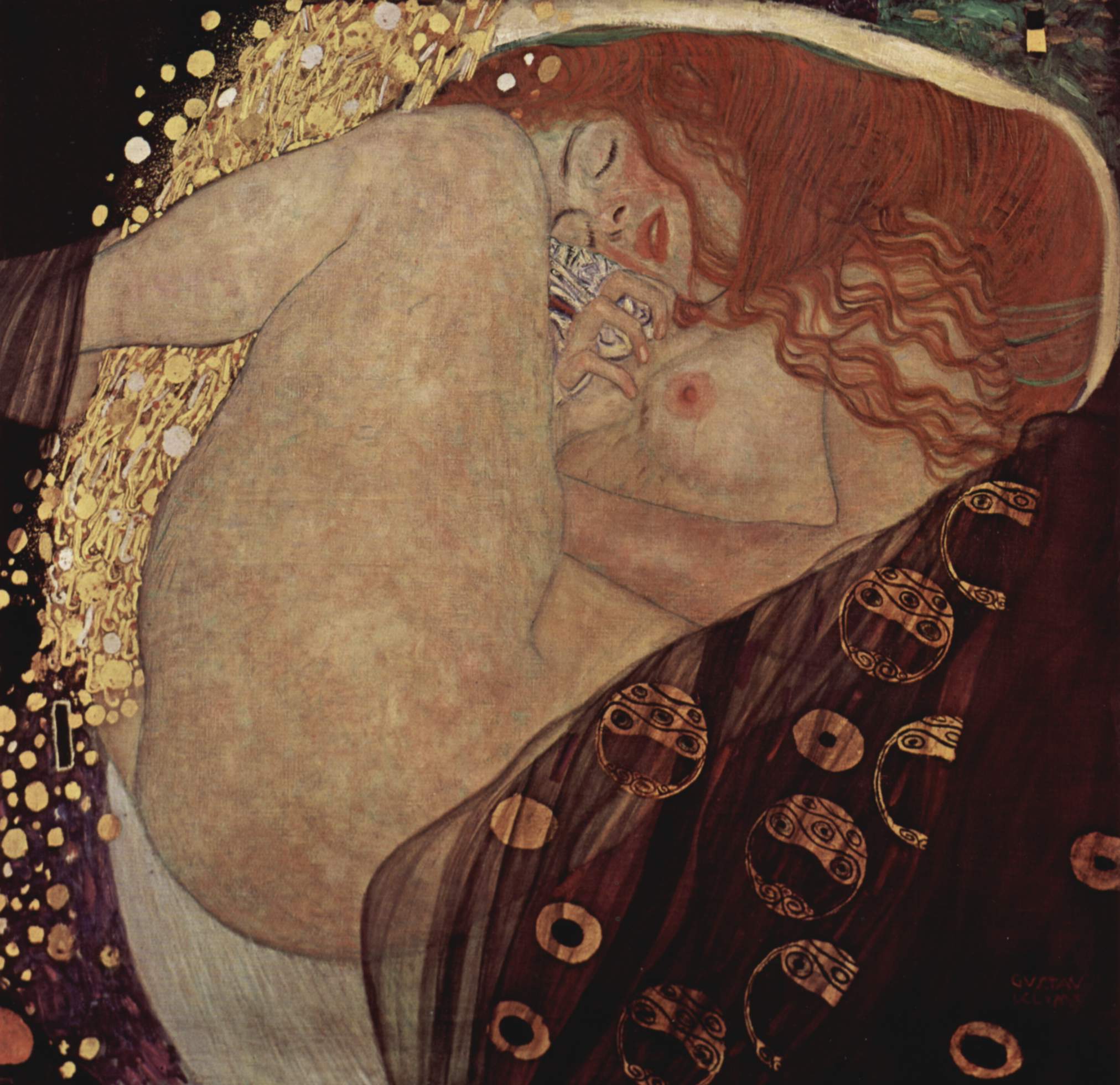
No. 2 Wassily Kandinsky vs.

kandinsky.comp-6

No. 11 Gustav Klimt

Gustav_Klimt_010


New York Regional

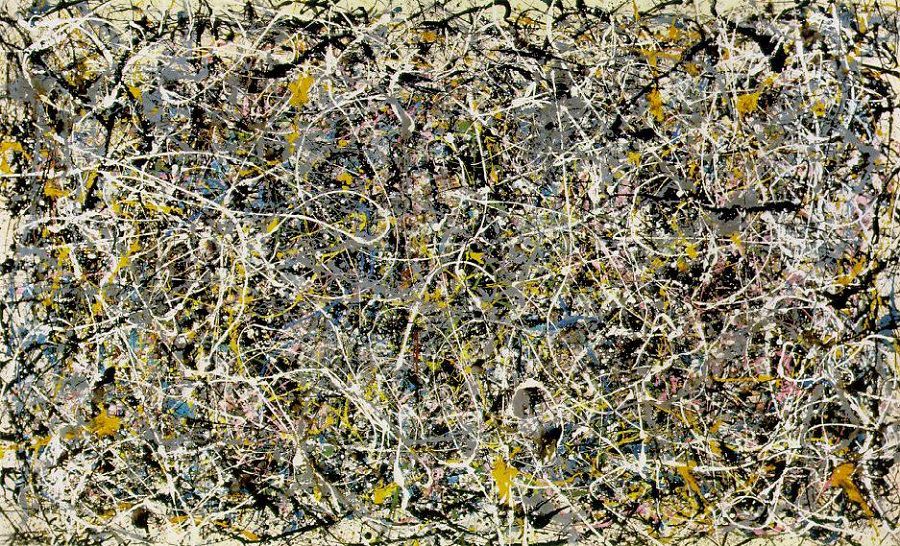
No. 1 Jackson Pollock vs.

number-one

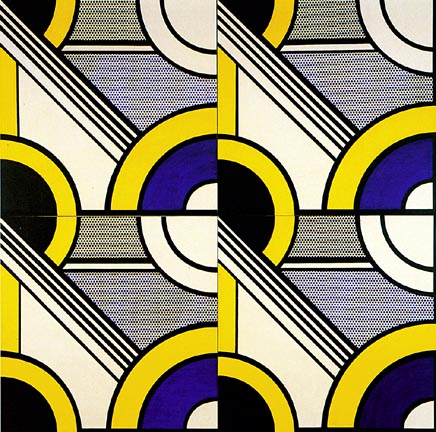
No. 4 Roy Lichtenstein

modular-painting-with-four-panels-1-1969(1)


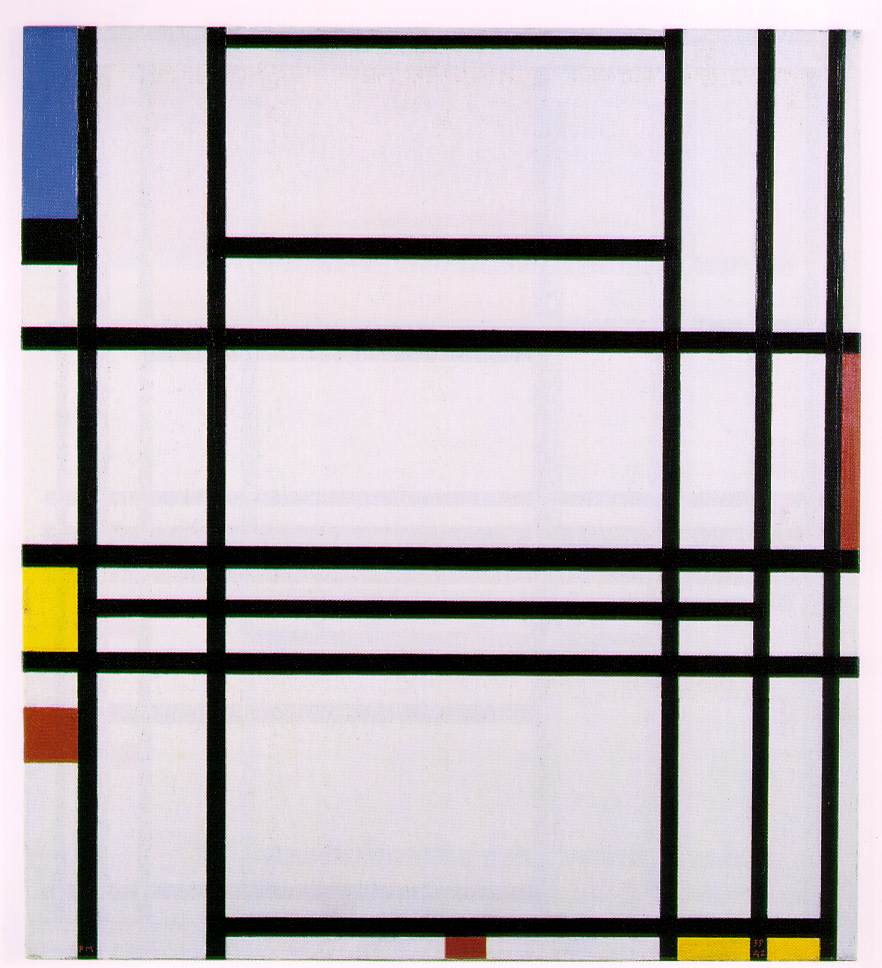
No. 2 Piet Mondrian

comp-10

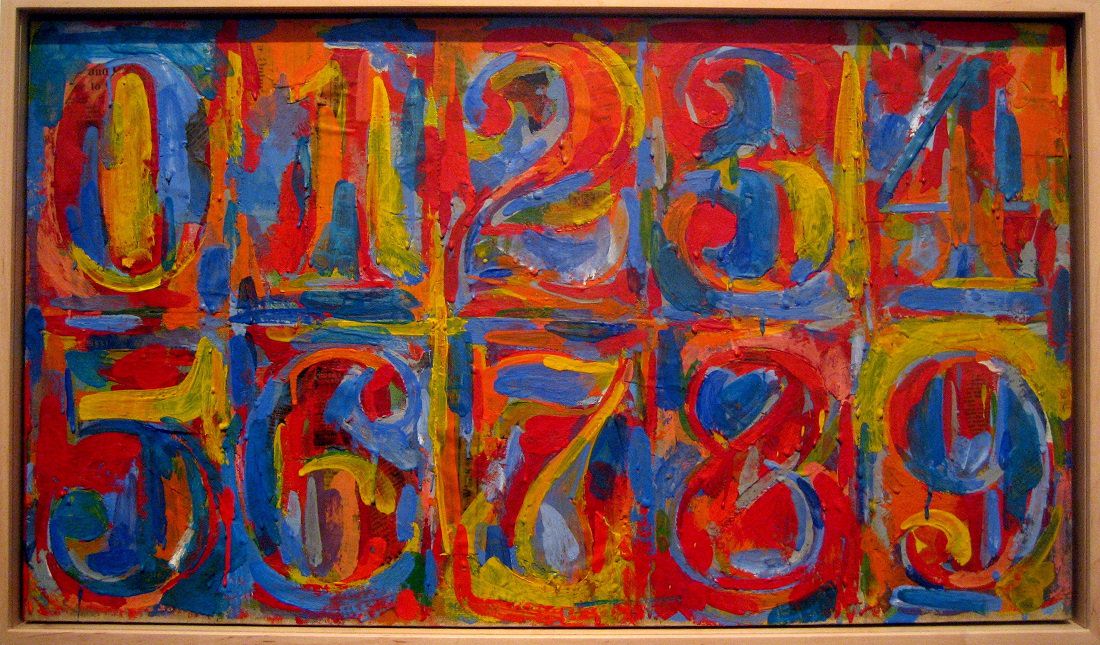
No. 3 Jasper Johns

IMG_1364.JPG

Art History M(art)ch Madness 2015: Round 2

20 Friday Mar 2015

Posted by percivalhenry in Art History March Madness

≈ Leave a comment

Tags

art, art history, sports

Welcome to the second round of M(art)ch Madness 2015, where your votes decide the greatest artist of the 20th century! (Really.)

Round 1 saw some big upsets, with the biggest coming in the Los Angeles Regional. No. 3 seed Kasimir Malevich was ousted by No. 14 seed Jean-Michel Basquiat and Man Ray, a No. 11 seed, destroyed No. 6 Ellsworth Kelly, grabbing 81 percent of the votes. Ray is now the last photographer still in the tournament.

Also out are higher seeds Diane Arbus (losing to Rene Magritte) and Amedeo Modigliani, who lost a squeaker to Joseph Cornell. Jackson Pollock, the top seed in the New York Regional, narrowly averted a huge upset bid by No. 16 Frida Kahlo, with just 50.6 percent of the votes (or just 3 votes).  Remember, your votes matter!

The full bracket, with percentages for each contest, is here: http://www.bracketmaker.com/tlist.cfm?tid=457697

(Apologies for the crap website – you have to paste the link into your browser and click on “championship bracket”)

If this whole exercise seems slightly ridiculous, you’re not alone. But here are some FAQs that might help it make sense.

And now on to the second round. Vote using any criteria that makes sense to you. But vote!

Paris Regional

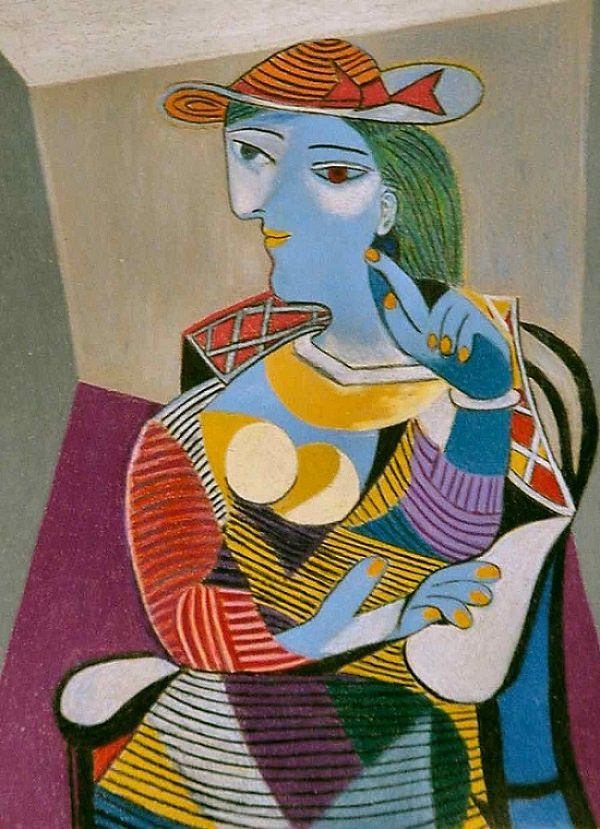
No. 1 Pablo Picasso vs.

seated-woman

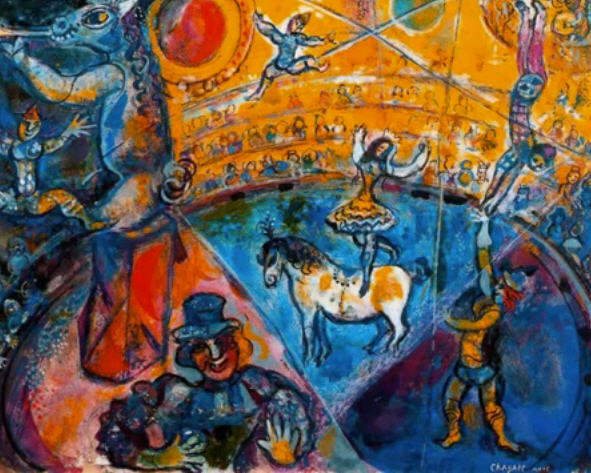
No. 8 Marc Chagall

Chagall_Circus


No. 4 Alexander Calder vs.

4083899463_9d1e74f37a_z

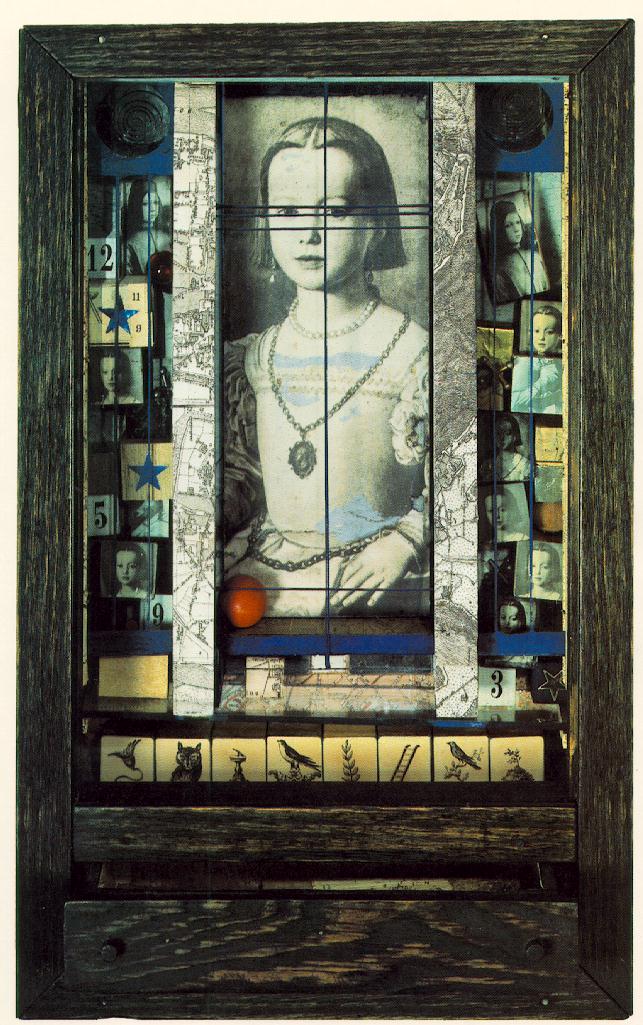
No. 12 Joseph Cornell

cornell.medici-princess


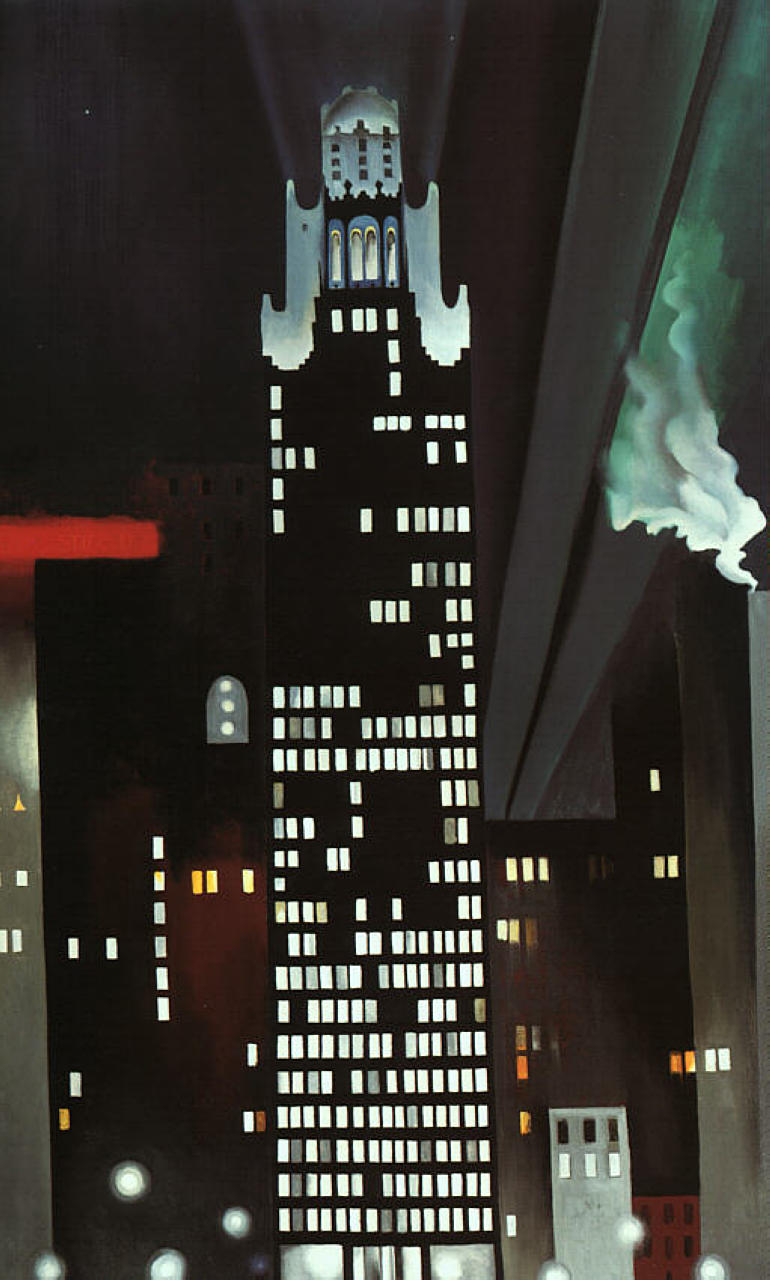
No. 3 Georgia O’Keeffe vs.

radiator-building

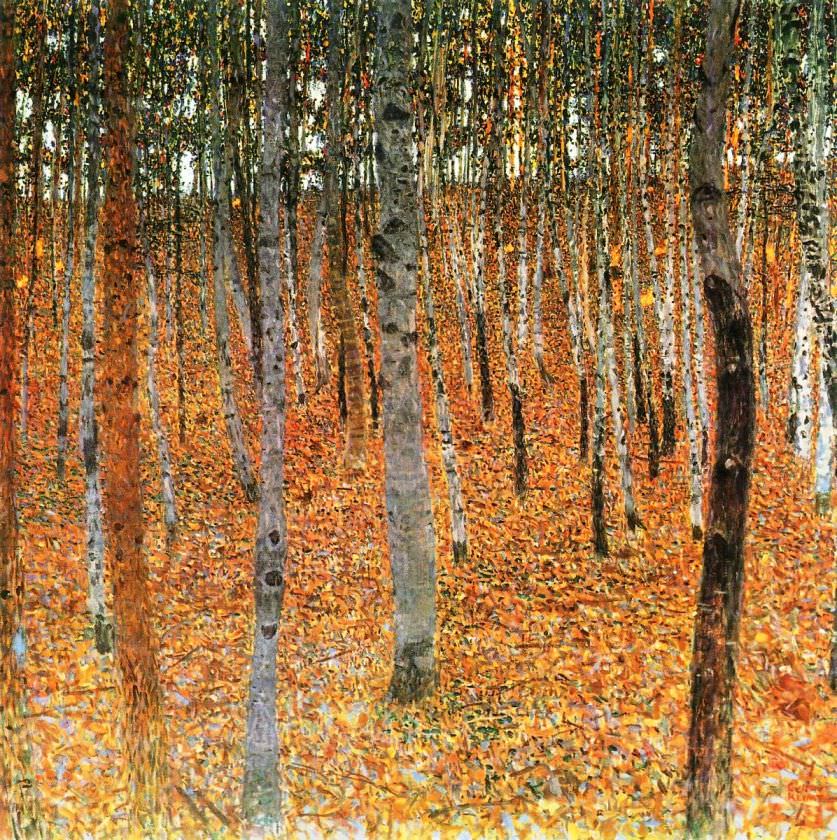
No. 11 Gustav Klimt

Birch-Trees


No. 2 Wassily Kandinsky vs,

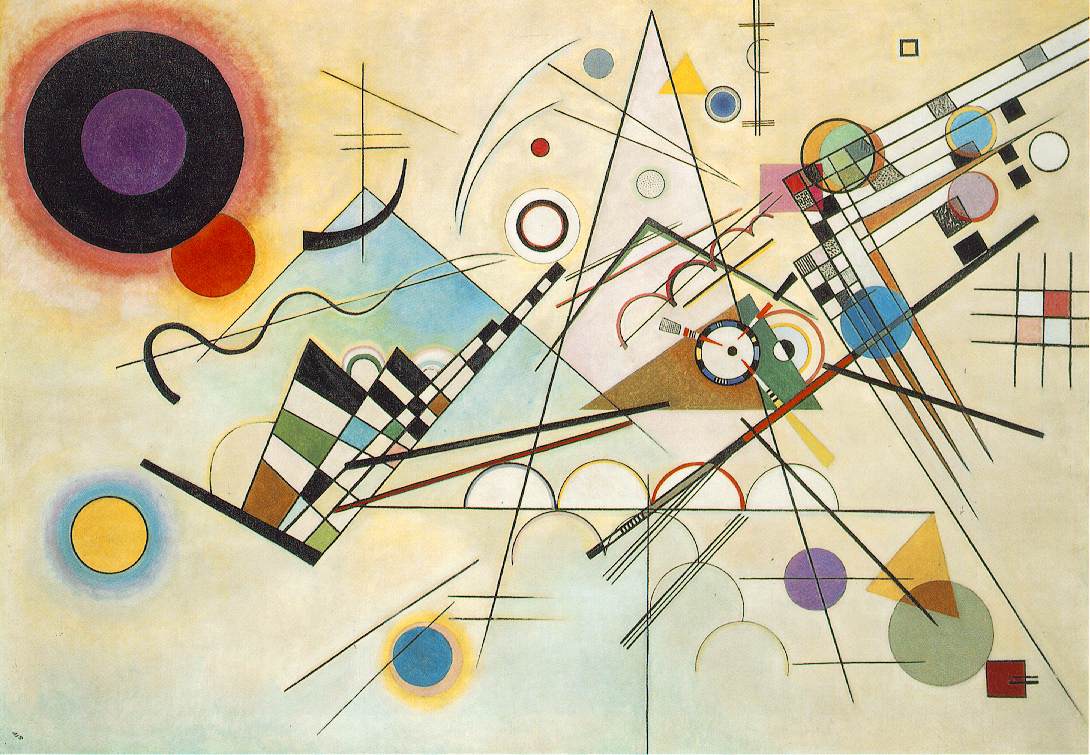
kandinsky.comp-8

No. 10 Constantin Brancusi

Constantin_Brancusi,_Portrait_of_Mlle_Pogany,_1912,_Philadelphia_Museum_of_Modern_Art,_Philadelphia


New York Regional

No. 1 Jackson Pollock vs.

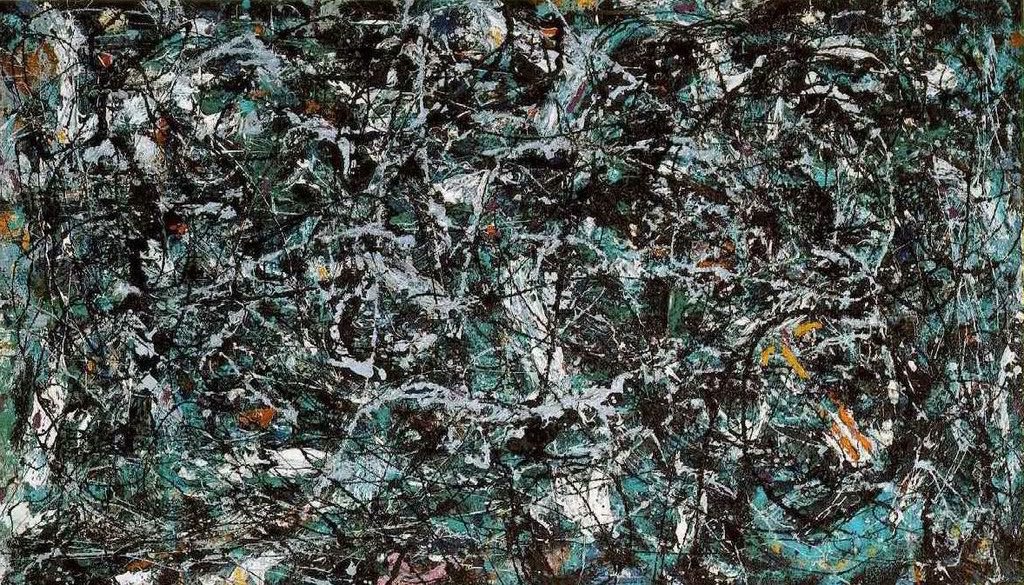
full-fathom-five

No. 8 Louise Bourgeois

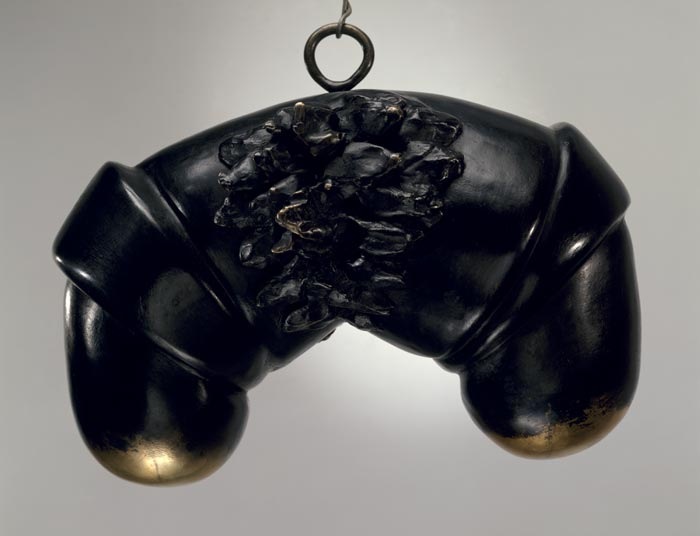
louise bourgeois janus in leather jacket


No. 4 Roy Lichtenstein vs.

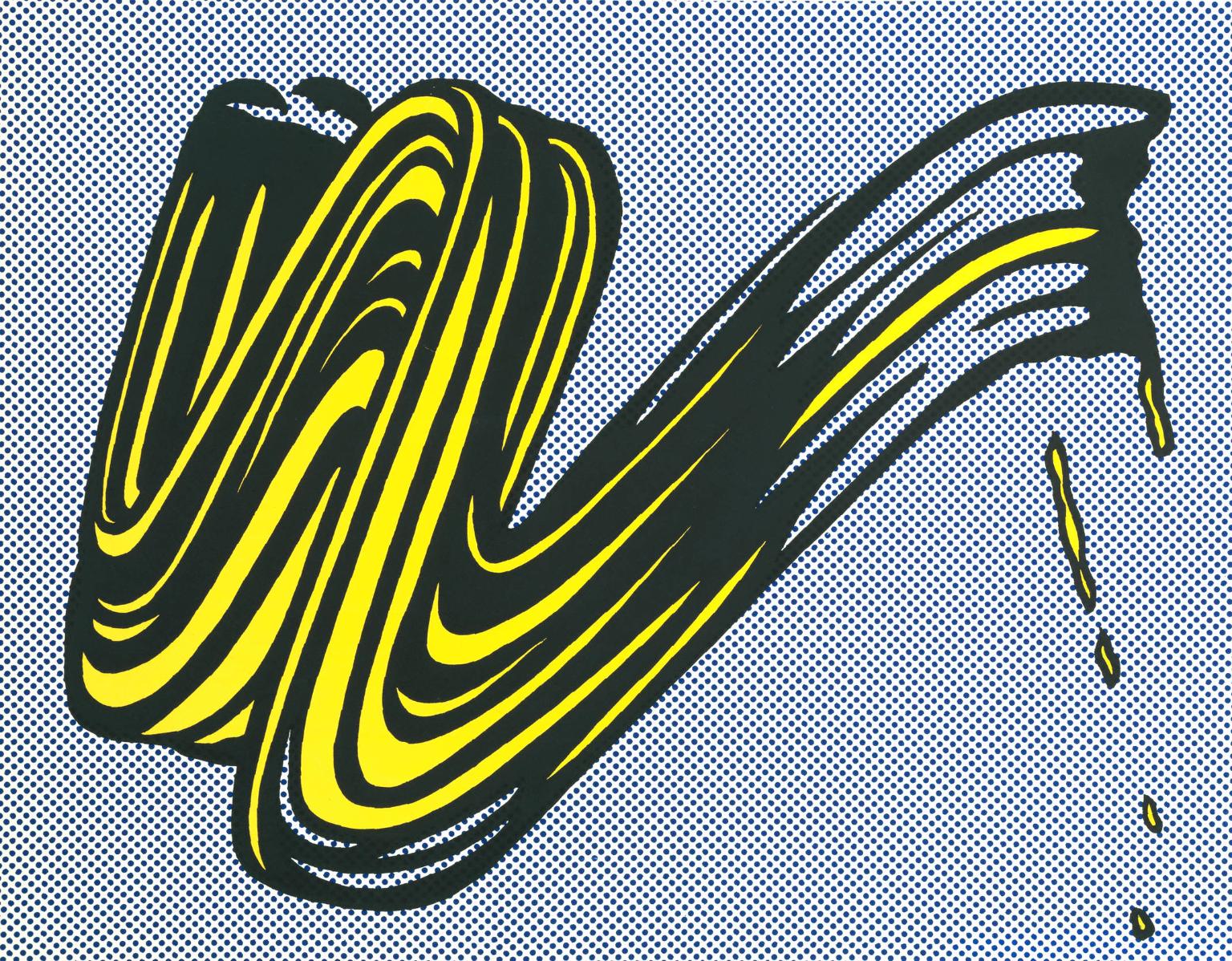
Brushstroke 1965 by Roy Lichtenstein 1923-1997

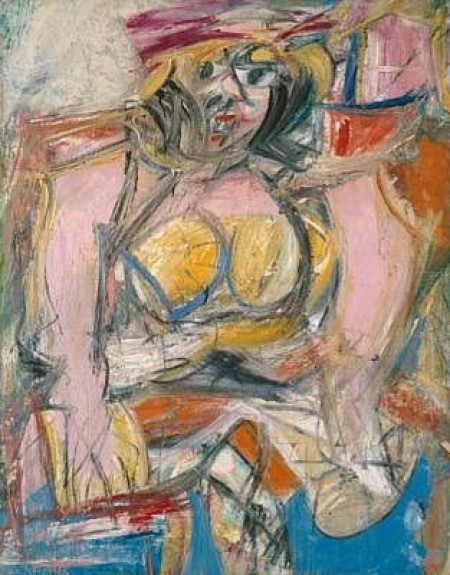
No. 5 Willem De Kooning

de-kooning512-e1324424941422


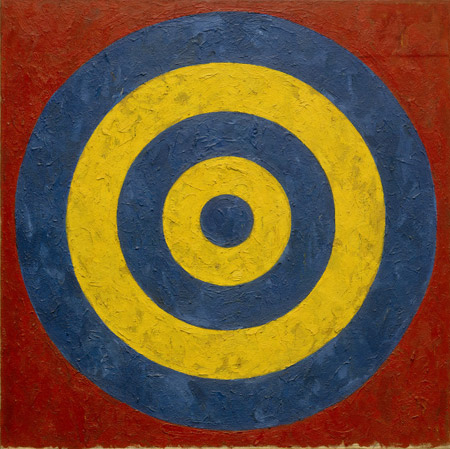
No. 3 Jasper Johns vs.

johnsinfo-lg

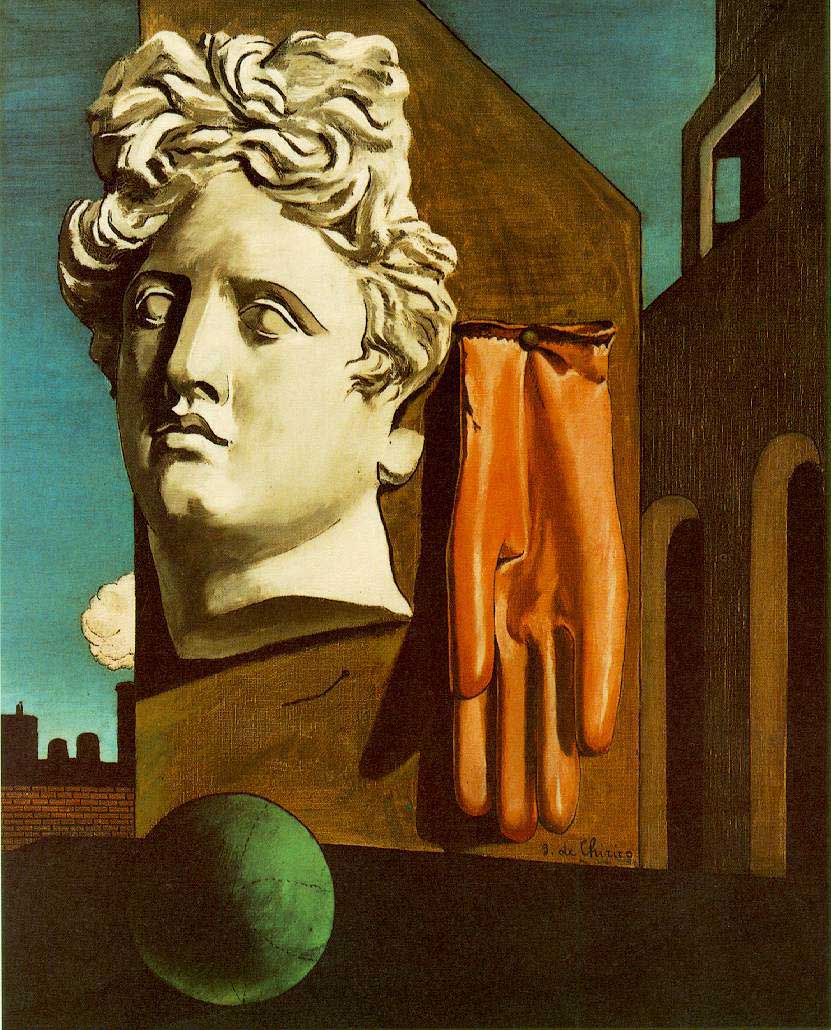
No. 6 Giorgio De Chirico

20060216002629!De_Chirico's_Love_Song


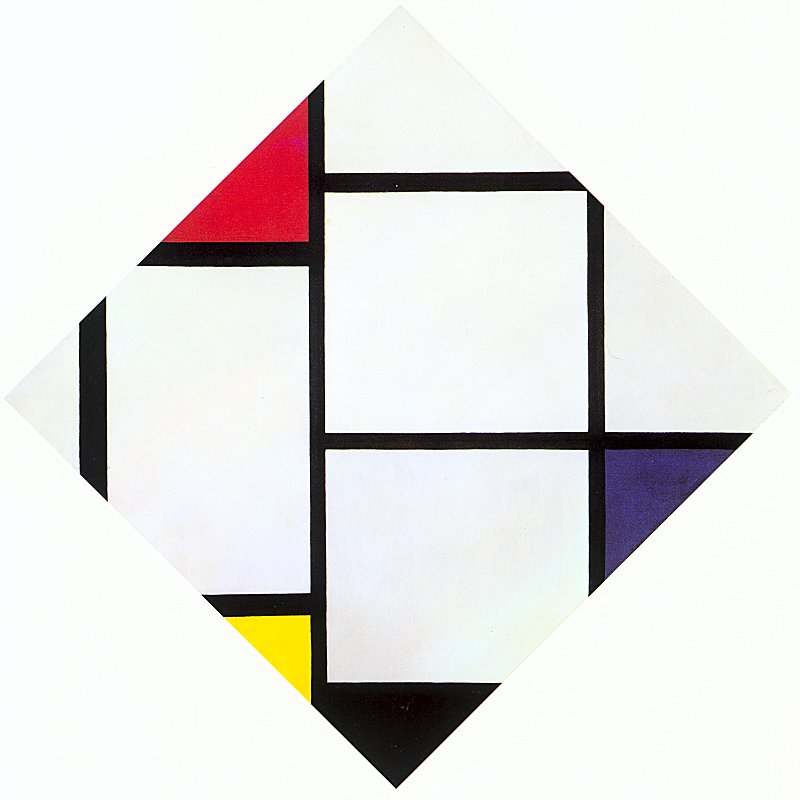
No. 2 Piet Mondrian vs.

lozenge-composition-with-red-gray-blue-yellow-and-black-1925

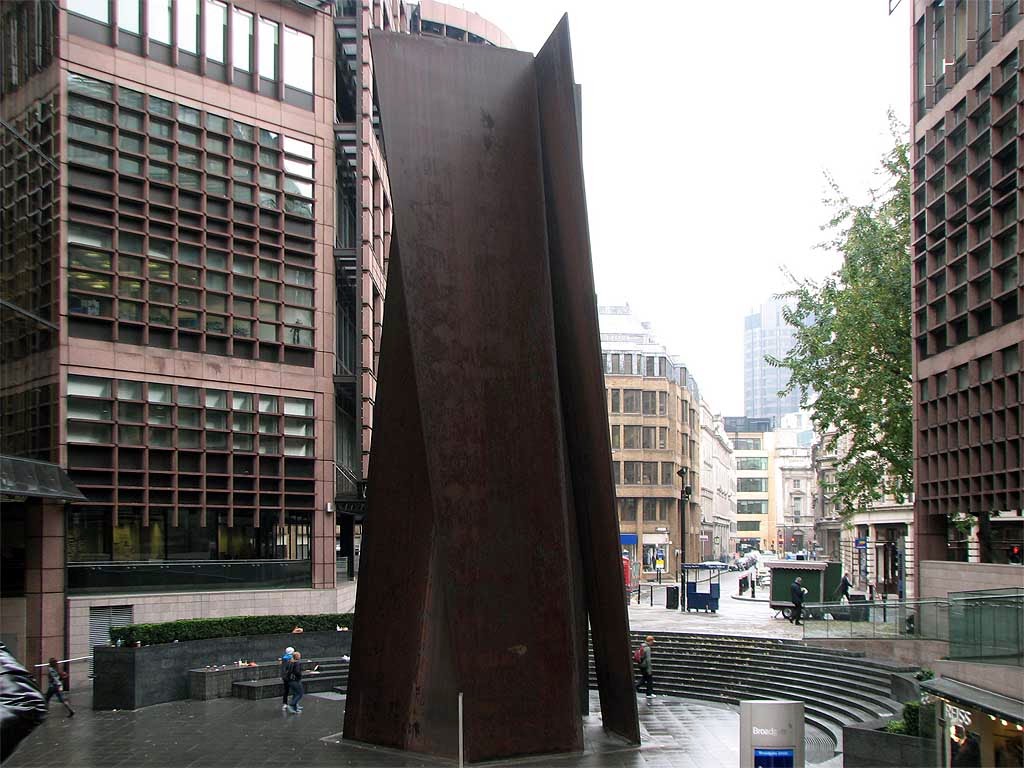
No. 7 Richard Serra

0910310006


Berlin Regional

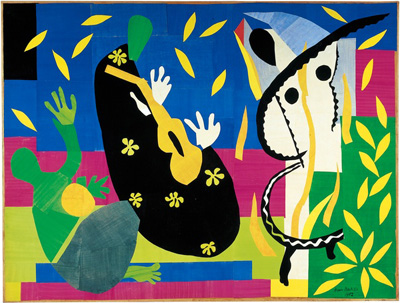
No. 1 Henri Matisse vs.

The_Sorrows_of_the_King

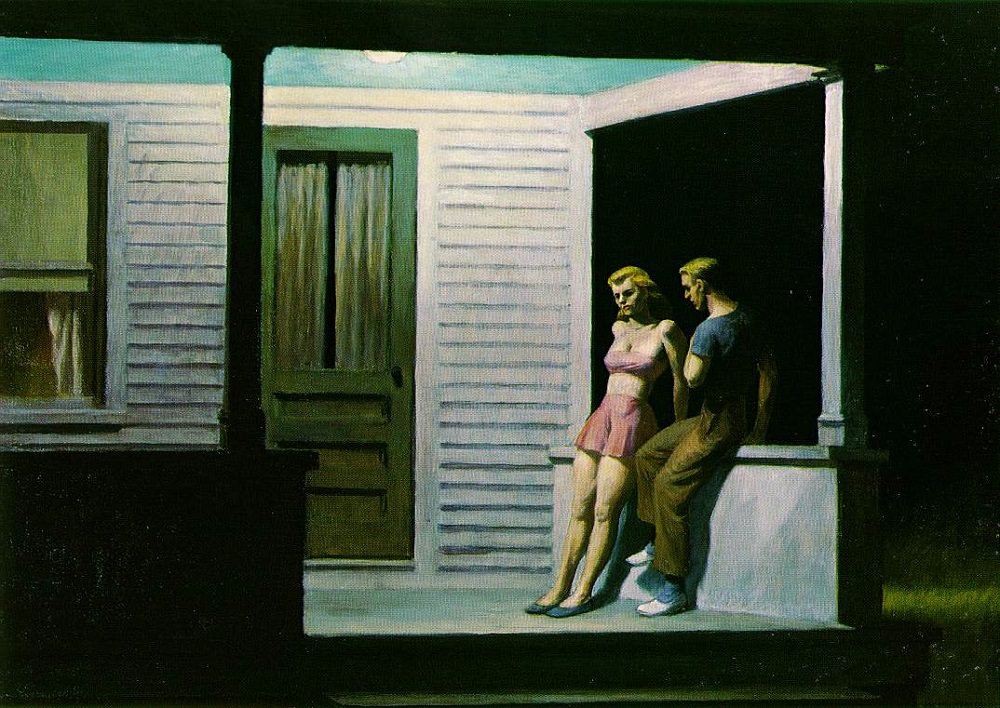
No. 8 Edward Hopper

summer-evening


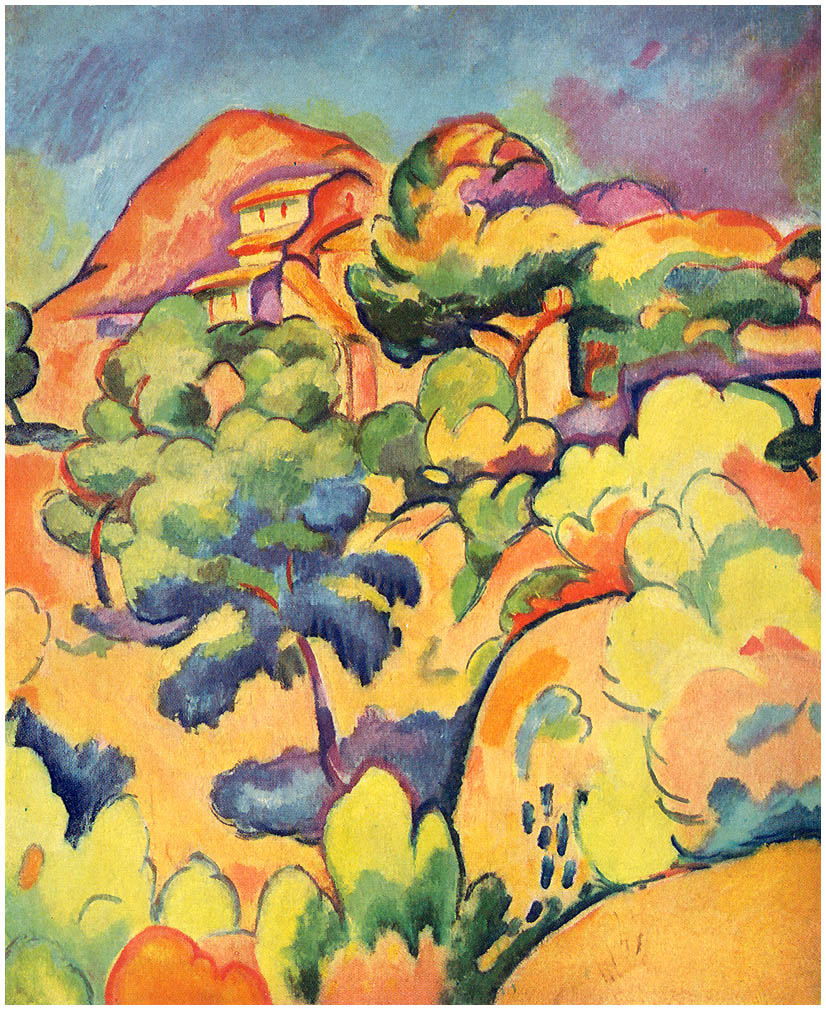
No. 4 Georges Braque vs.

landscape-at-la-ciotat-1907-1

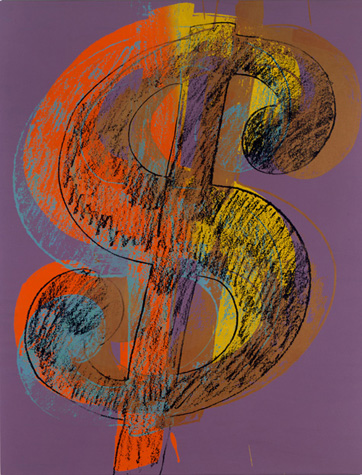
No. 5 Andy Warhol

1998.1.248

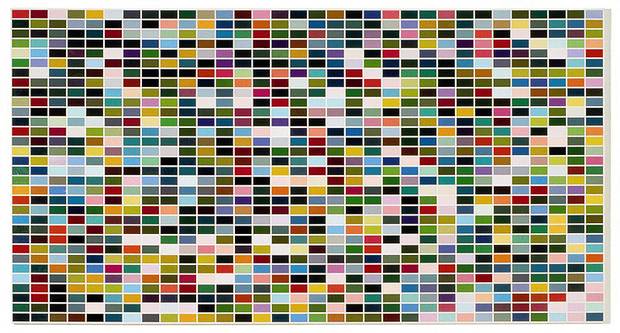
No. 3 Gerhard Richter vs.

1024colours

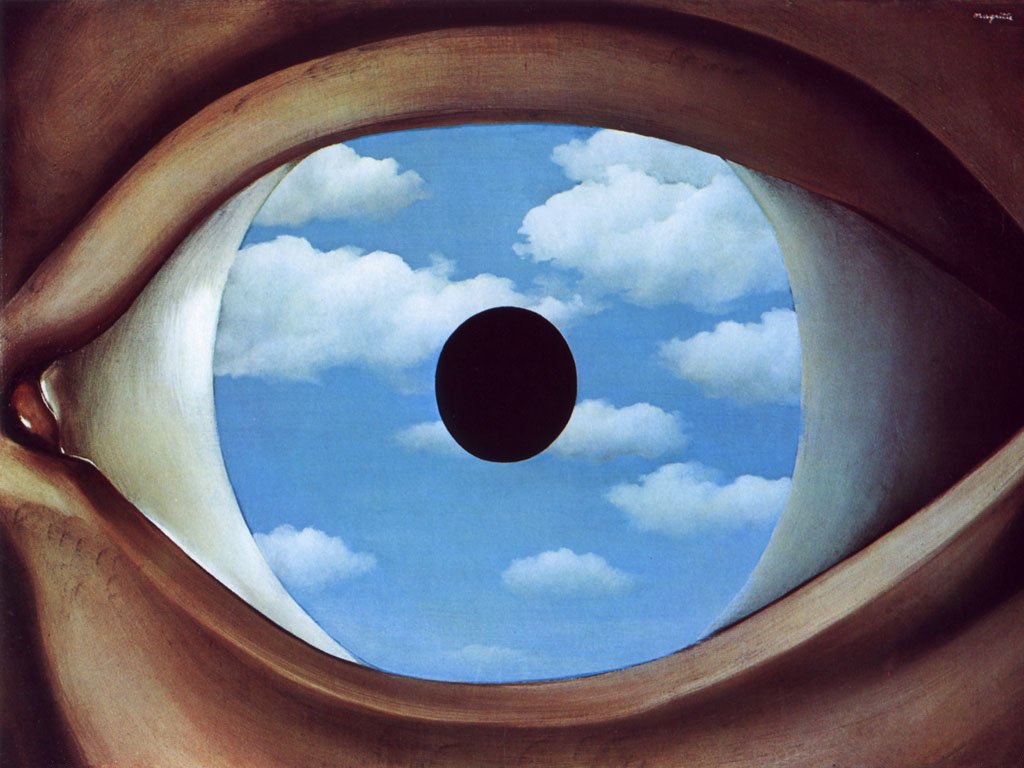
No. 11 Rene Magritte

the-false-mirror-1928(1)


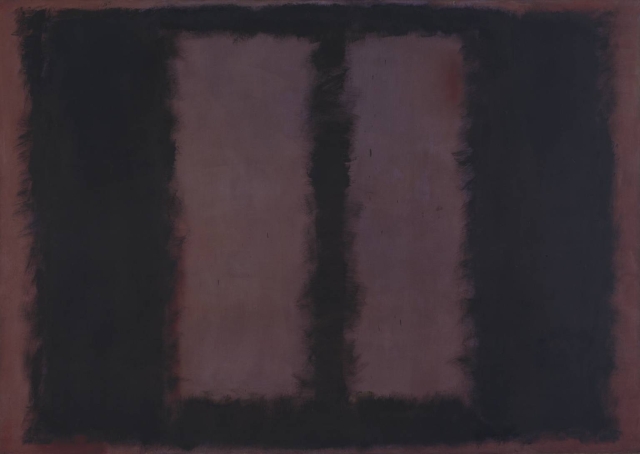
No.2 Mark Rothko vs.

Black on Maroon 1958 by Mark Rothko 1903-1970

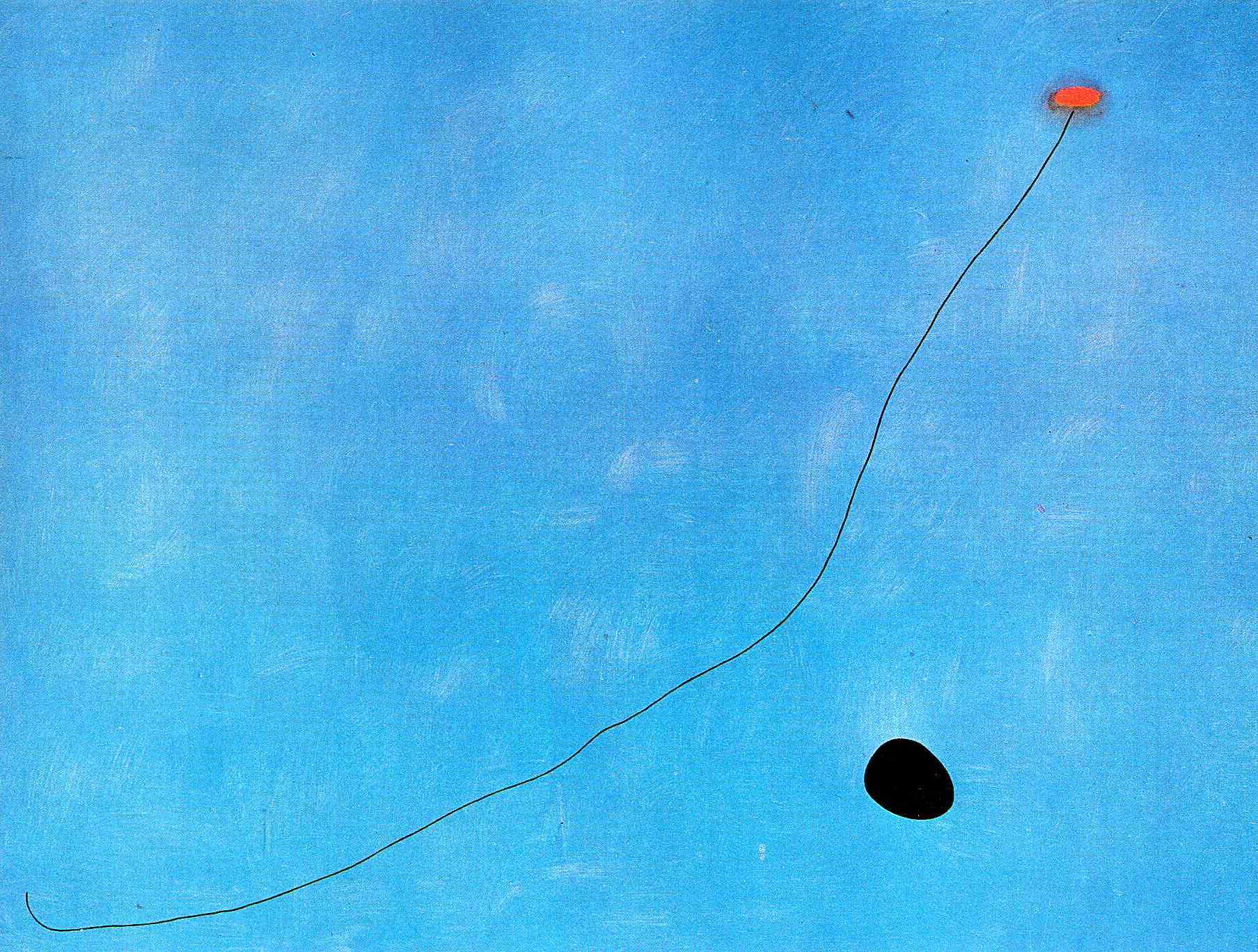
No. 7 Joan Miro

blue-iii


Los Angeles Regional

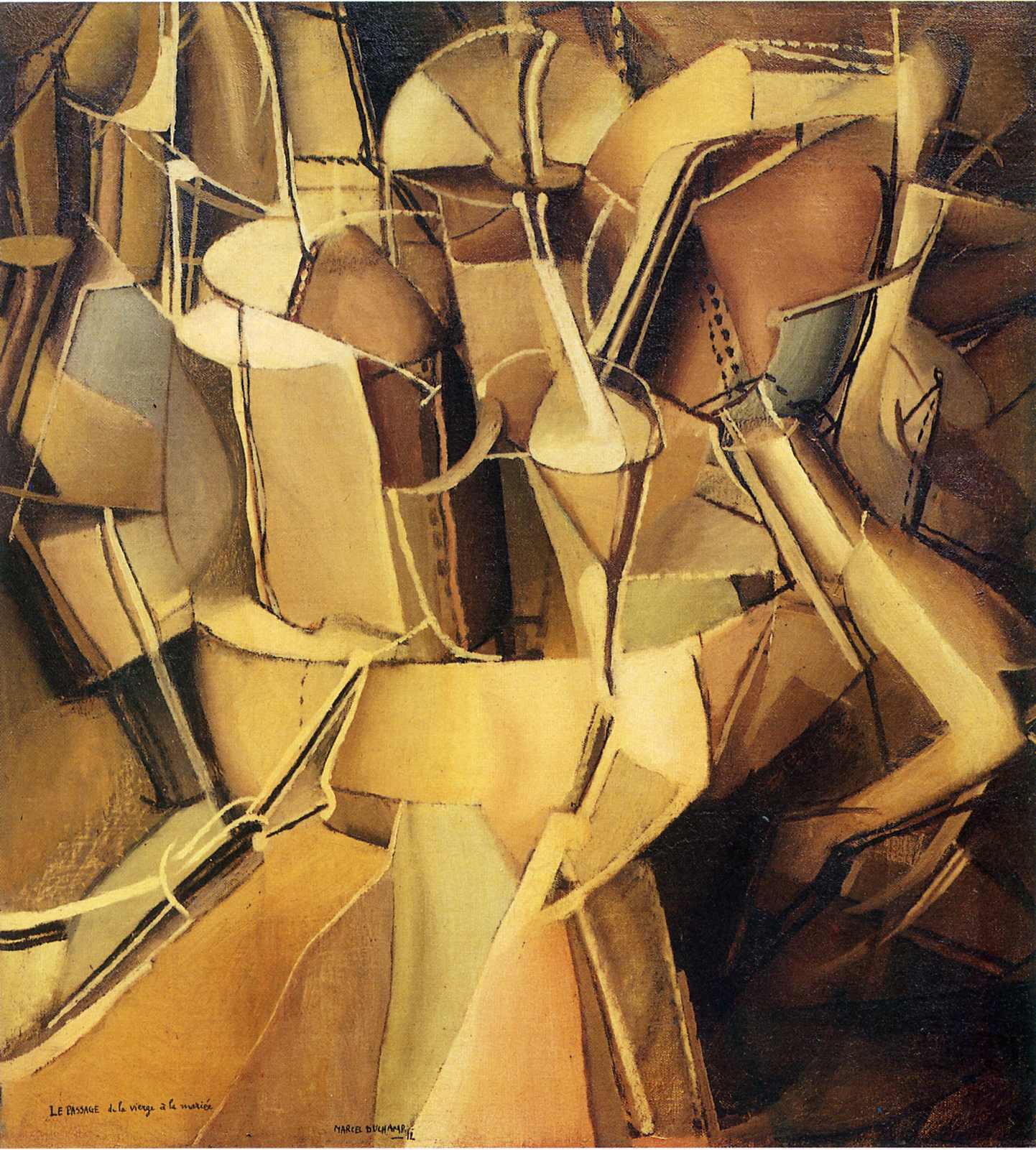
No. 1 Marcel Duchamp vs.

transition-of-virgin-into-a-bride-1912

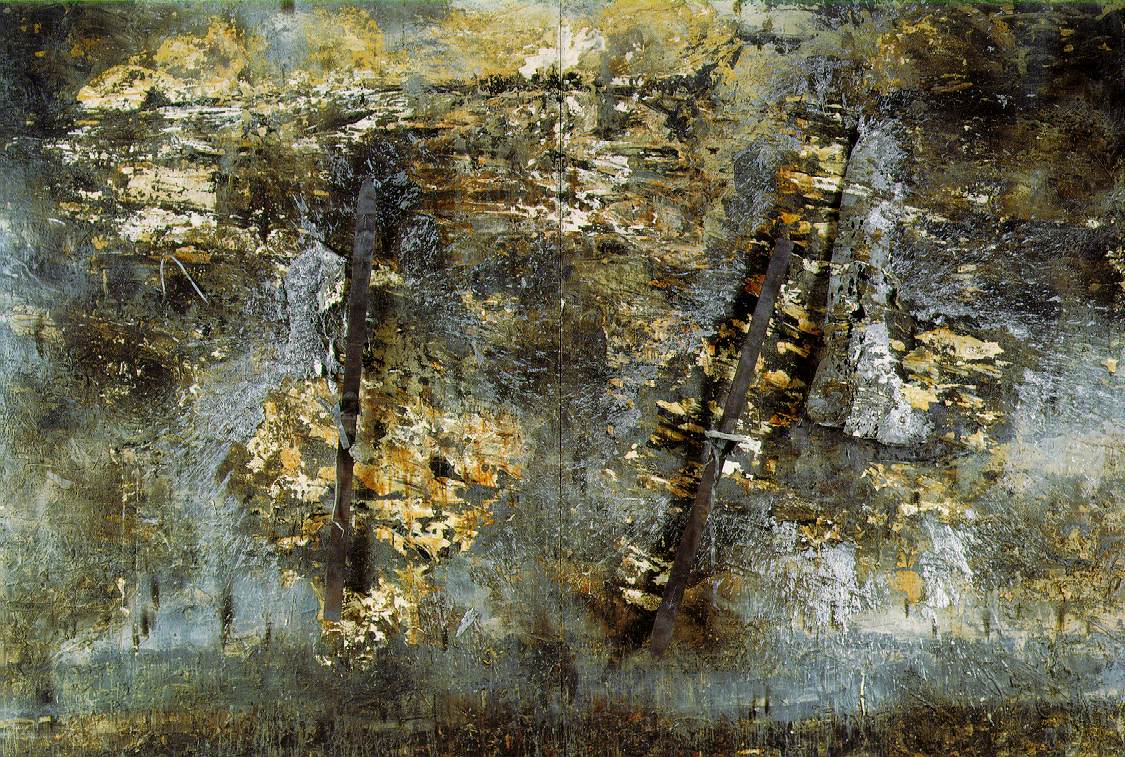
No. 9 Anselm Kiefer

jerusalem


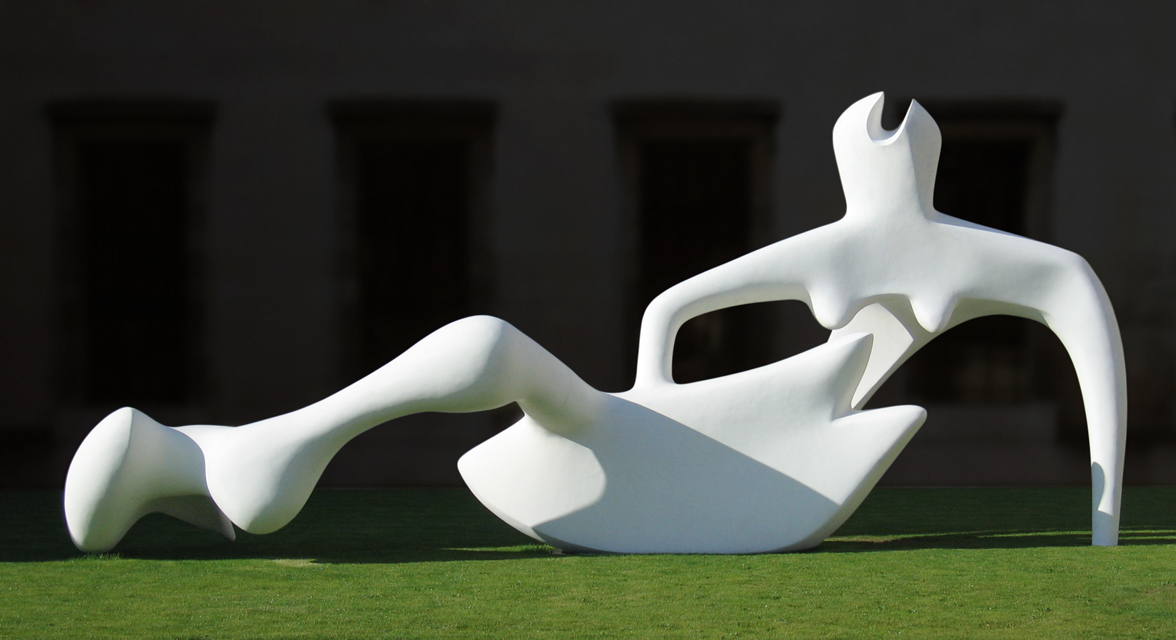
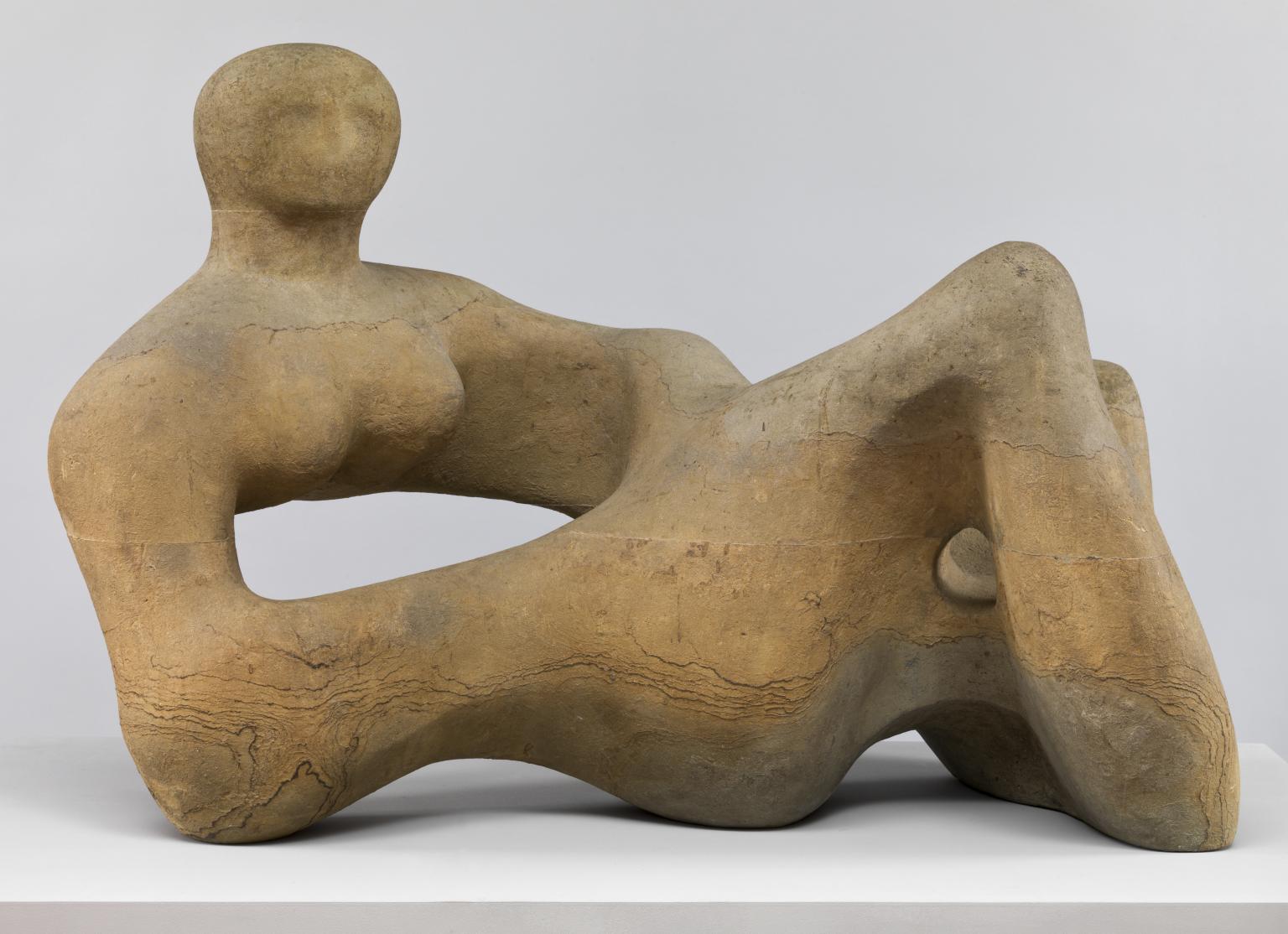
No. 4 Henry Moore vs.

HenryMoore_RecliningFigure_1951

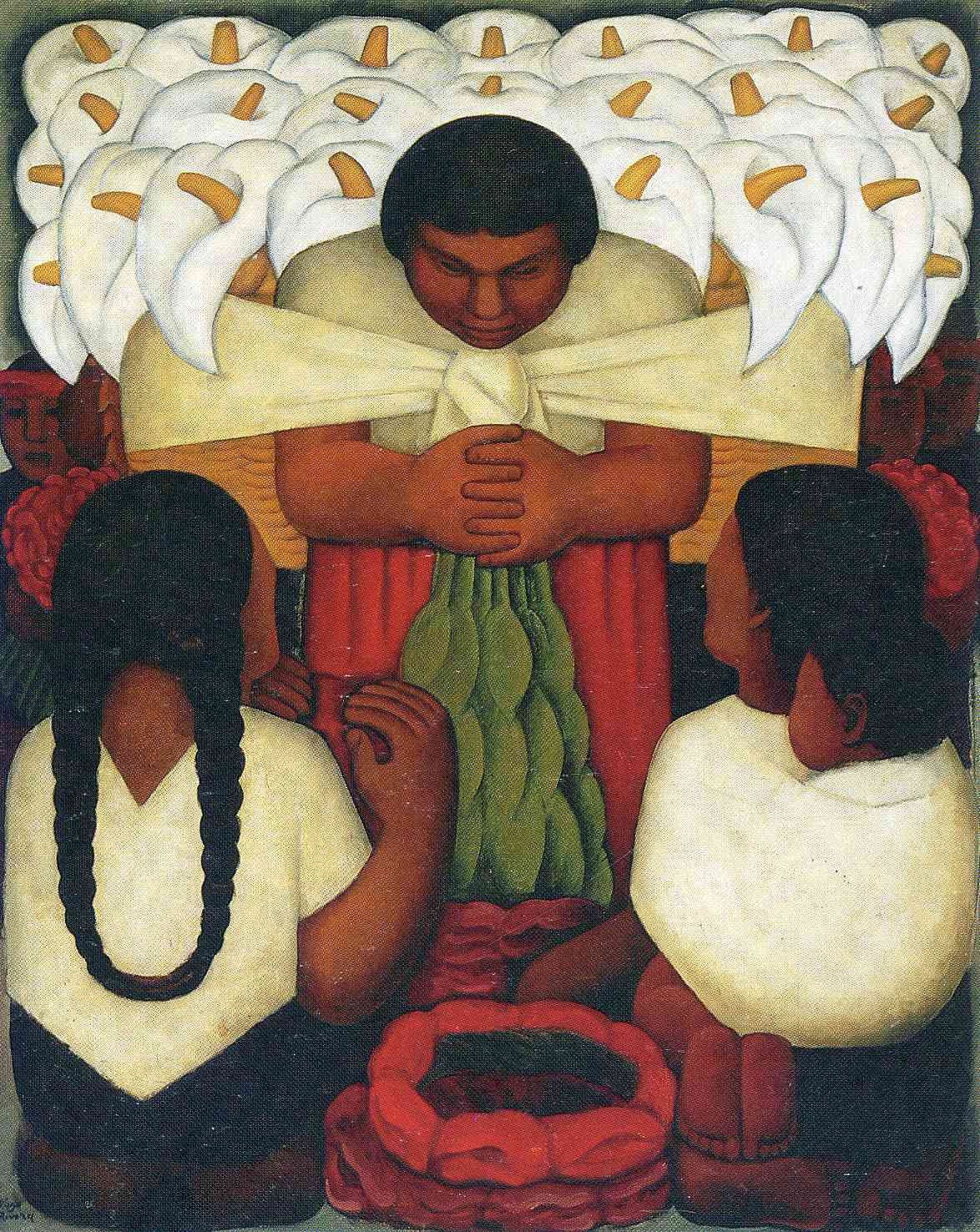
No. 5 Diego Rivera

flower-festival-1925


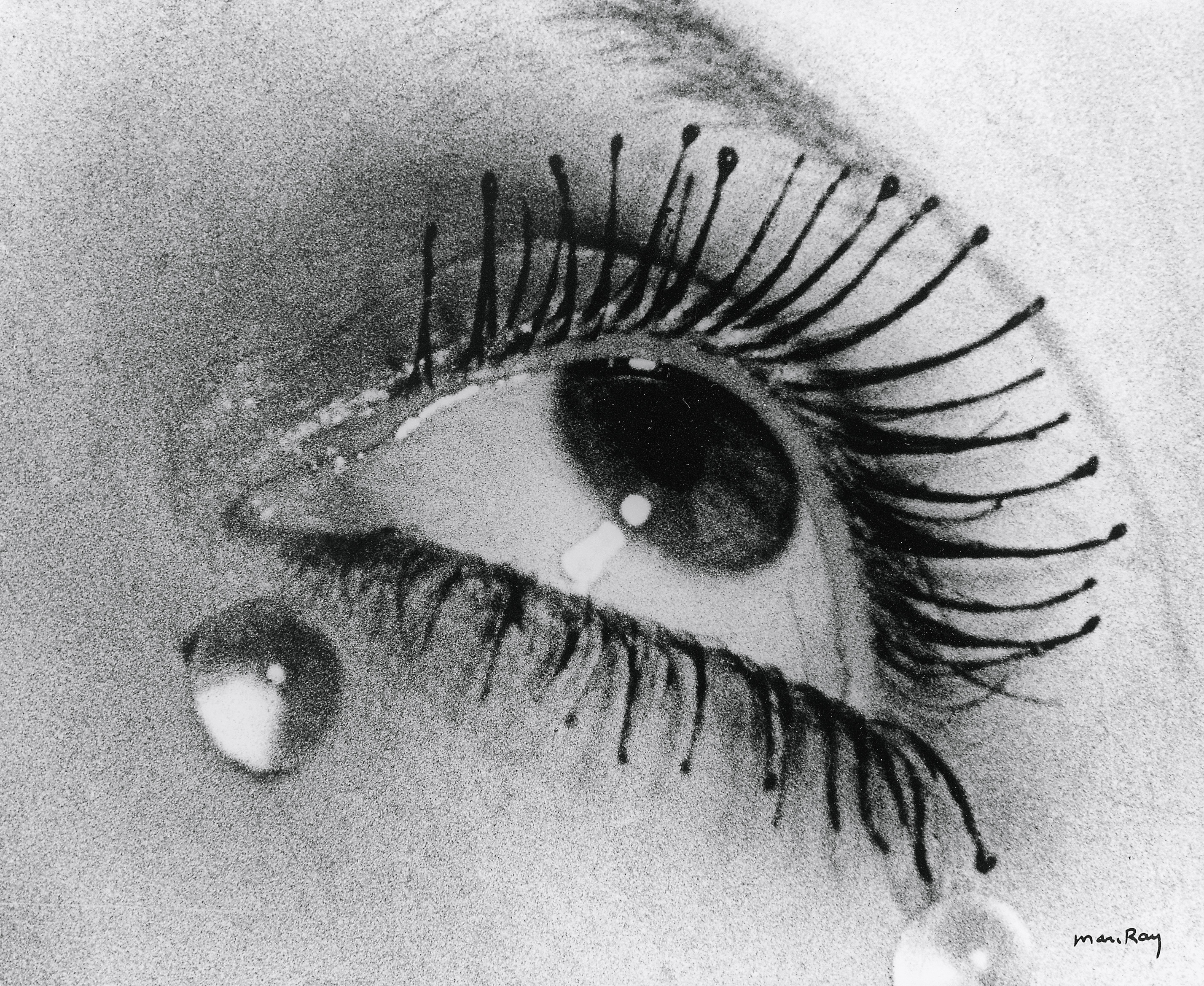
No. 11 Man Ray vs.

mr_30_0

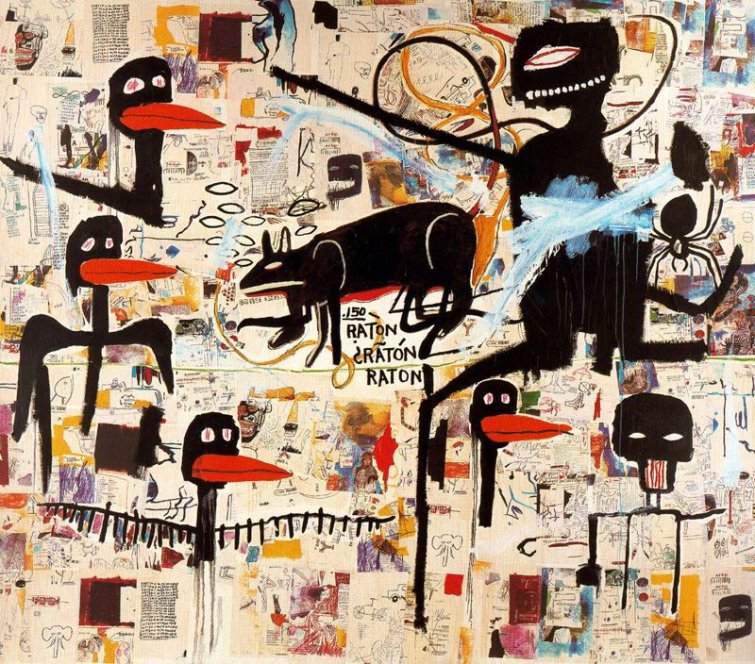
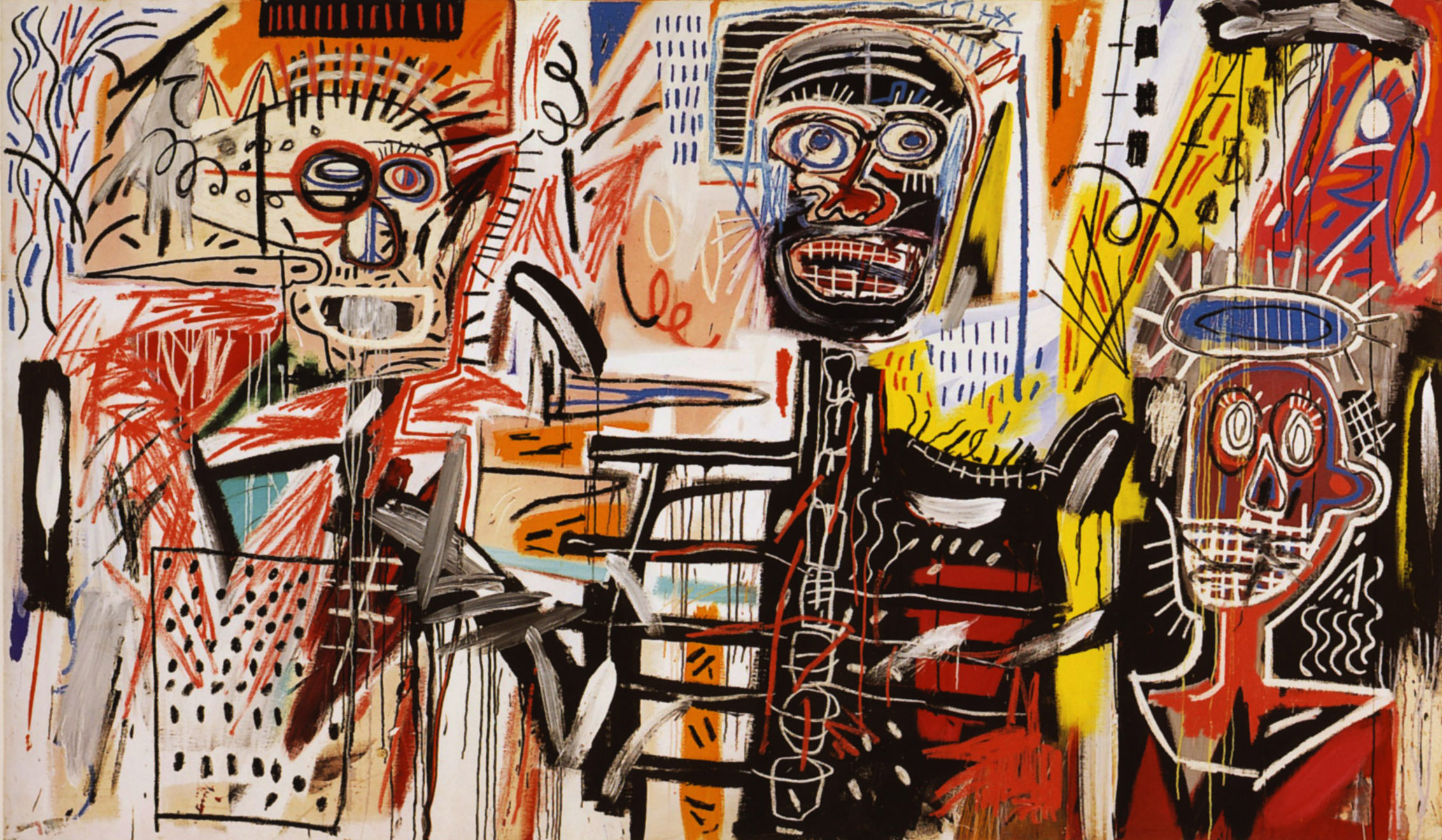
No. 14 Jean-Michel Basquiat

basquiat_tenor


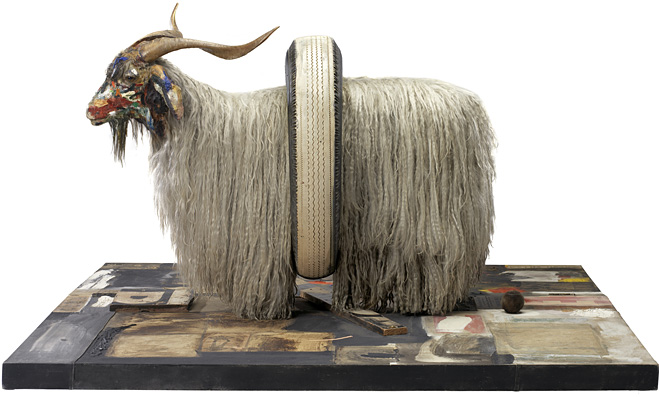
No. 2 Robert Rauschenberg vs.

Robert-Rauschenberg-Monogram-

No. 7 Paul Klee

e22d9314-37c7-11e3-8668-00144feab7de

Art History M(art)ch Madness: Round 1, part 2

17 Tuesday Mar 2015

Posted by percivalhenry in Art History March Madness

≈ Leave a comment

Tags

art, art history, sports

Welcome to the second half of M(art)ch Madness’s round 1 voting. We’re choosing the greatest artist of the 20th century, NCAA style.  Sixty-four artists will be winnowed down to one champion by your votes.

The artists are broken up into four regionals and seeded 1-16. Voting for the first two regionals began yesterday, while the rest starts today.

The full 64-team bracket can be found here:
http://www.bracketmaker.com/tlist.cfm?tid=457697.

If you’re wondering the hell this is all about, check out these FAQs

Make sure you vote in the first half of round 1 here. Voting will run through Thursday (not Friday, as I said earlier), so make sure you cast your vote.

Berlin Regional

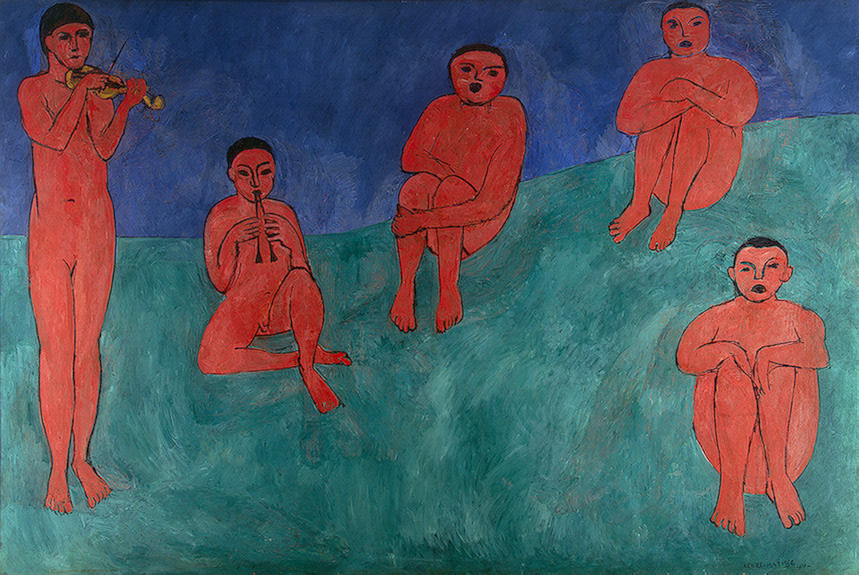
No. 1 Henri Matisse vs.

Matisse_-_Music

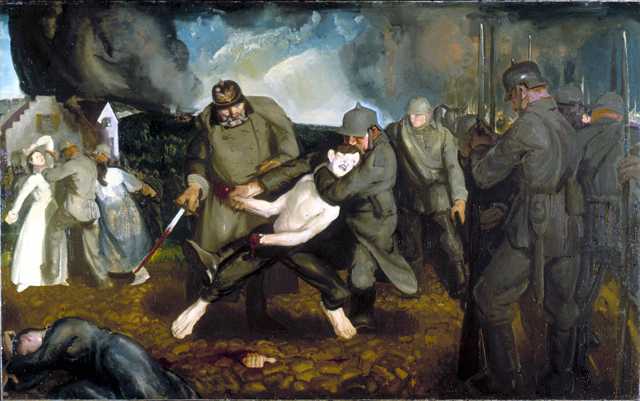
No. 16 George Bellows

1918-002a


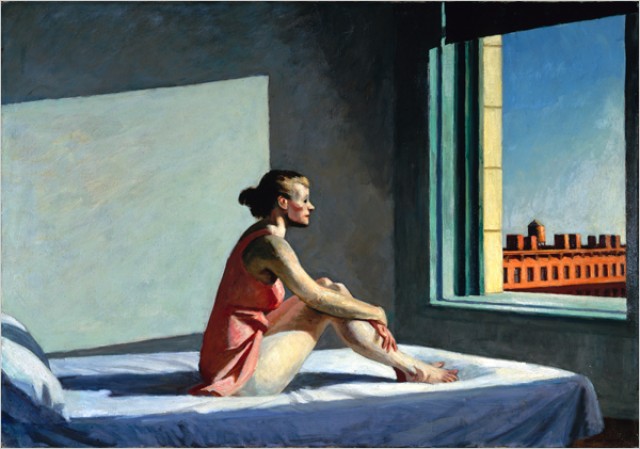
No. 8 Edward Hopper vs.

edward-hopper-e1348960126745

No. 9 Cy Twombly

untitled_bacchus_series_2005


No. 5 Andy Warhol vs.

warhol_Marylin_medium

No. 12 Cindy Sherman

G08A08Untitled-397.2000_large-315x475


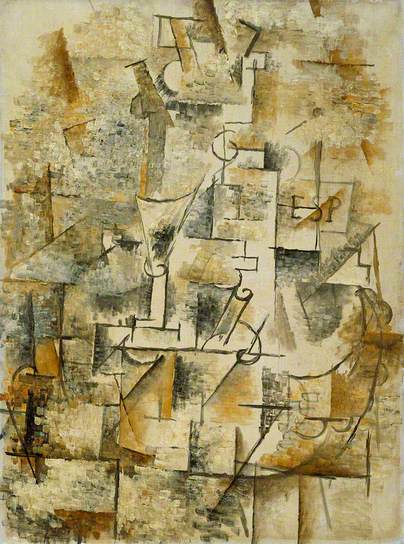
No. 4 Georges Braque vs.

(c) DACS - FULL CONSULT; Supplied by The Public Catalogue Foundation

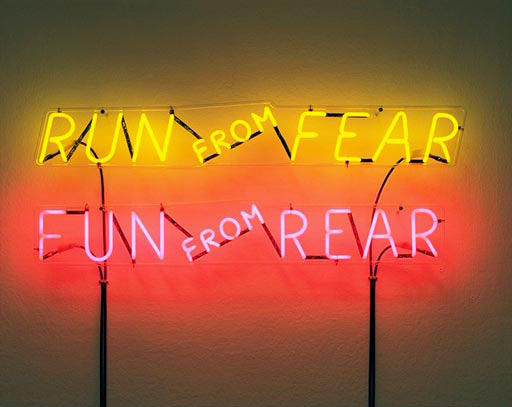
No. 13 Bruce Nauman

Bruce-Nauman_Run-from-Fear-Fun-from-Rear_1972


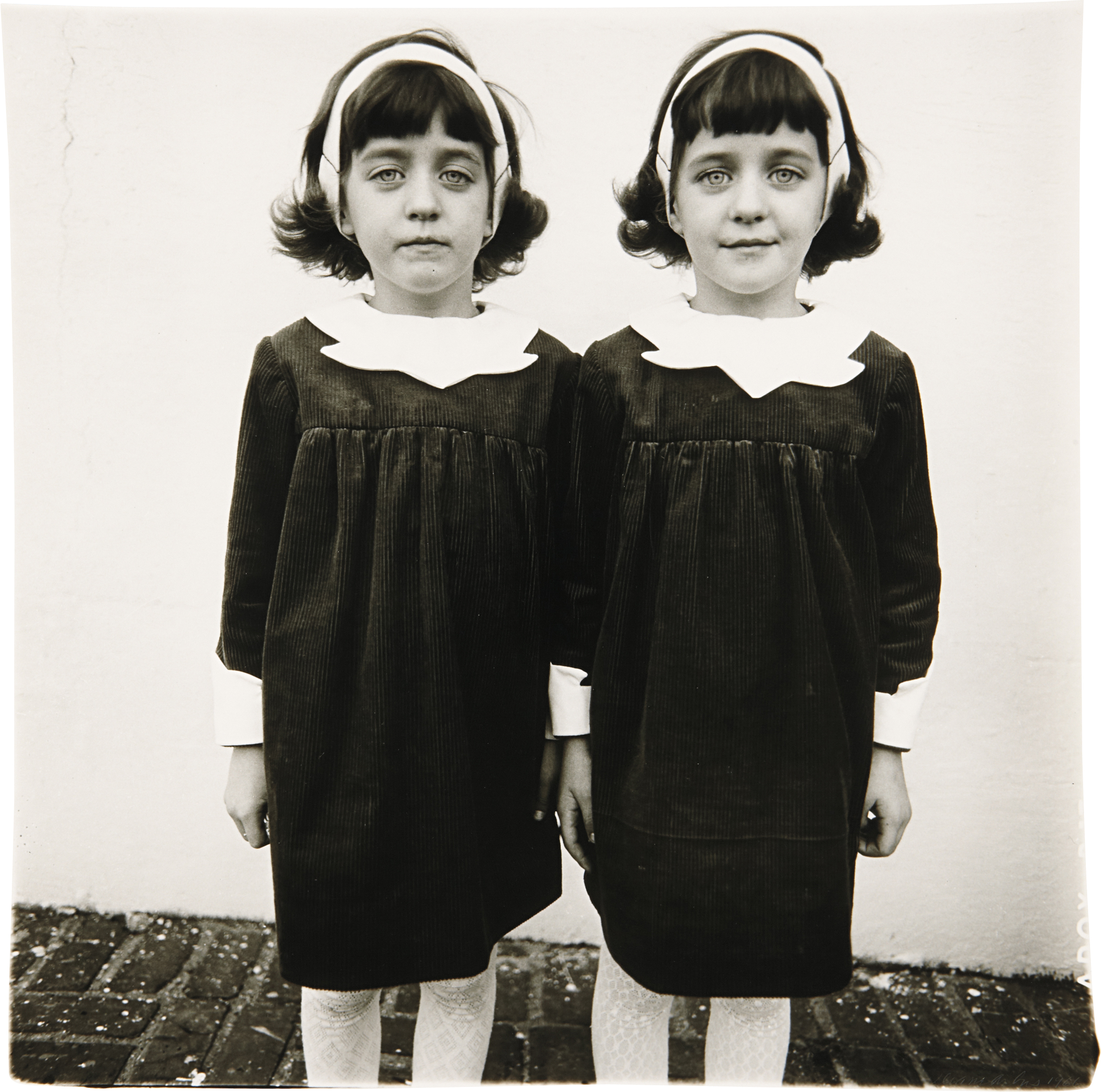
No. 5 Diane Arbus vs.

28

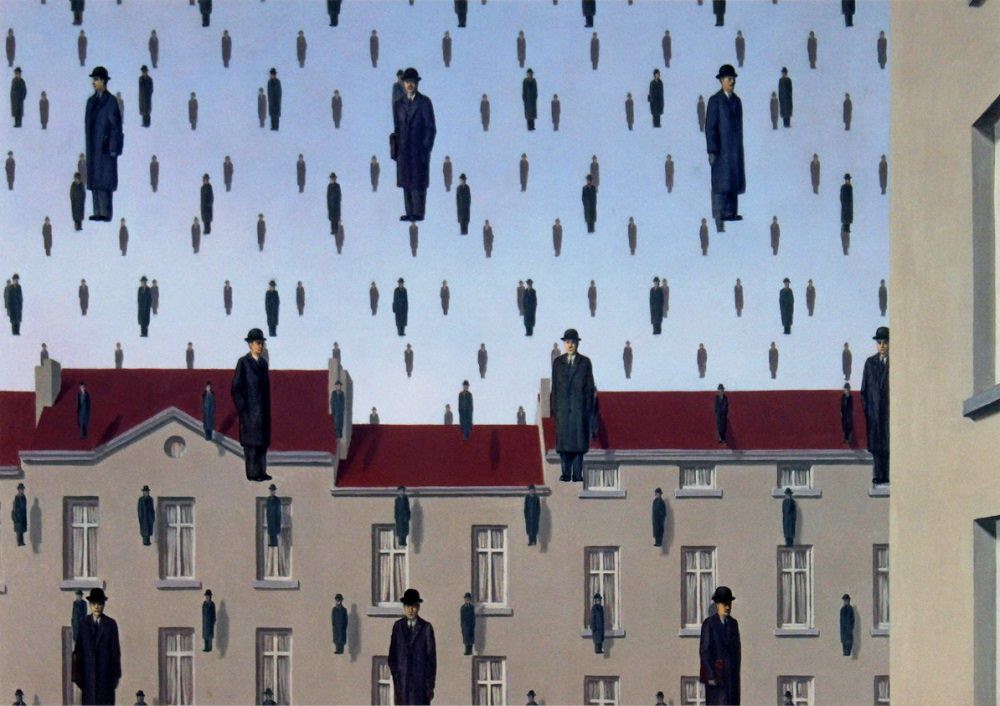
No. 11 Rene Magritte

golconda


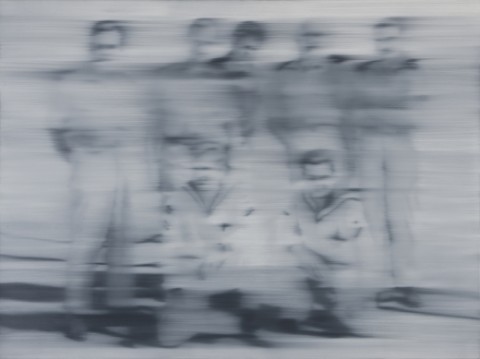
No. 3 Gerhard Richter vs.

ozartsetc_gerhard-richter_peinture_131-e1340230892515

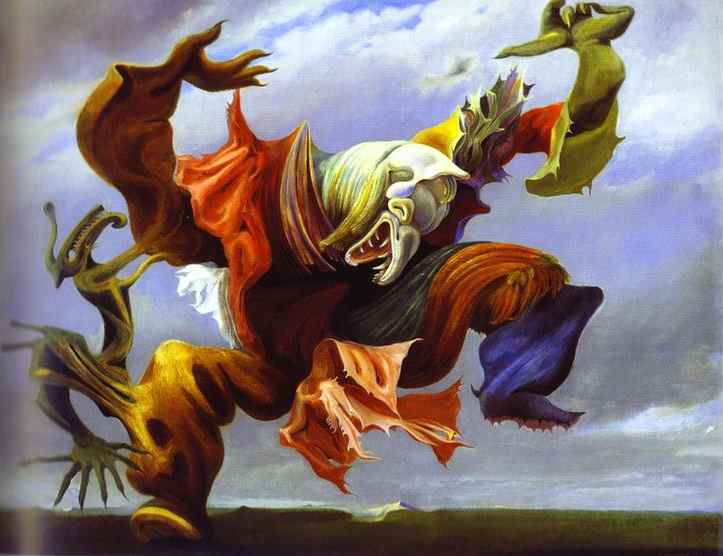
No. 14 Max Ernst

L'Ange_du_Foyeur


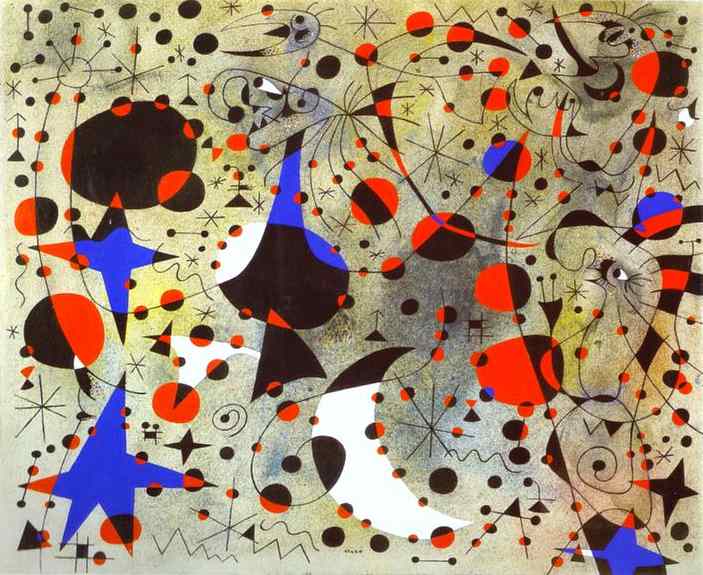
No. 7 Joan Miro vs.

the-nightingale-s-song-at-midnight-and-the-morning-rain

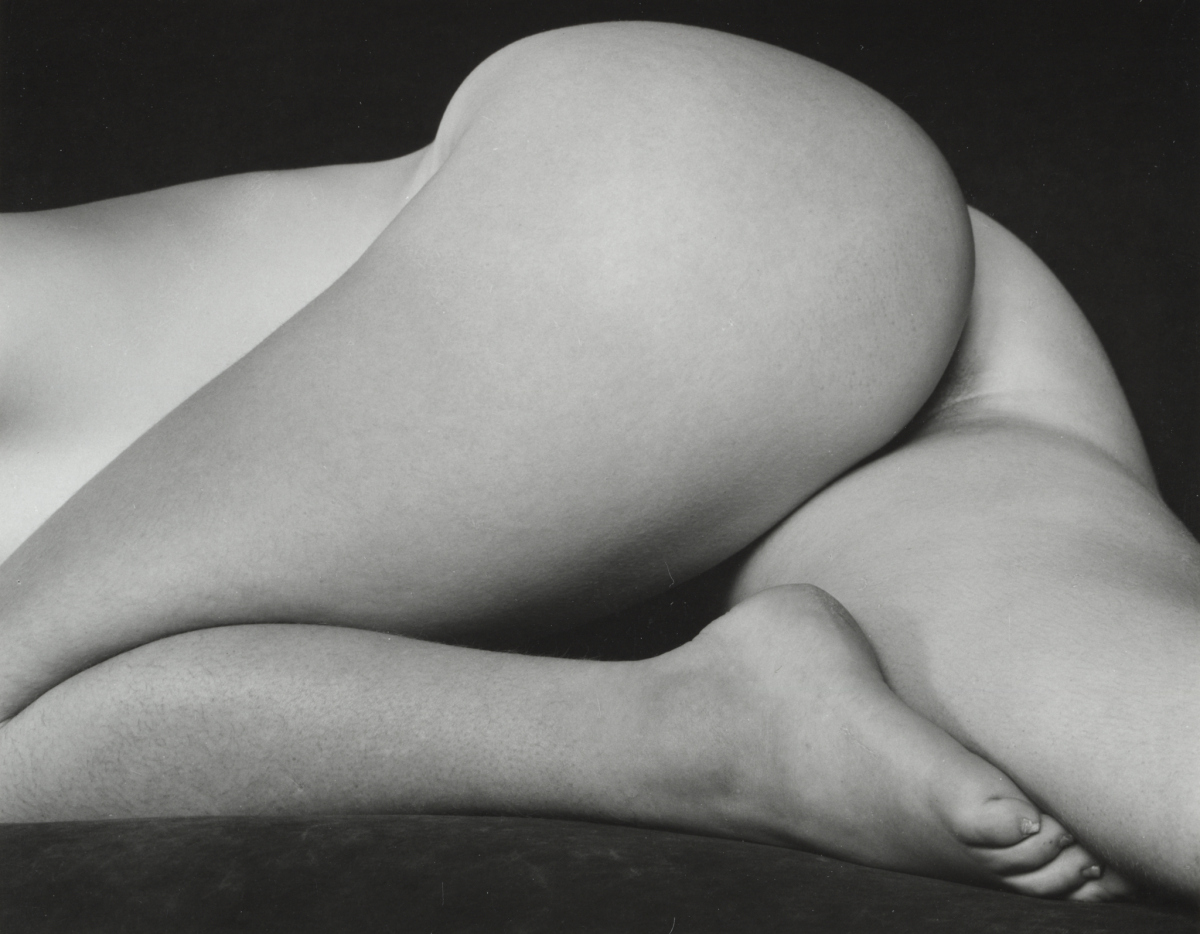
No. 10 Edward Weston

edward-weston-nude-1934-1368775739_org


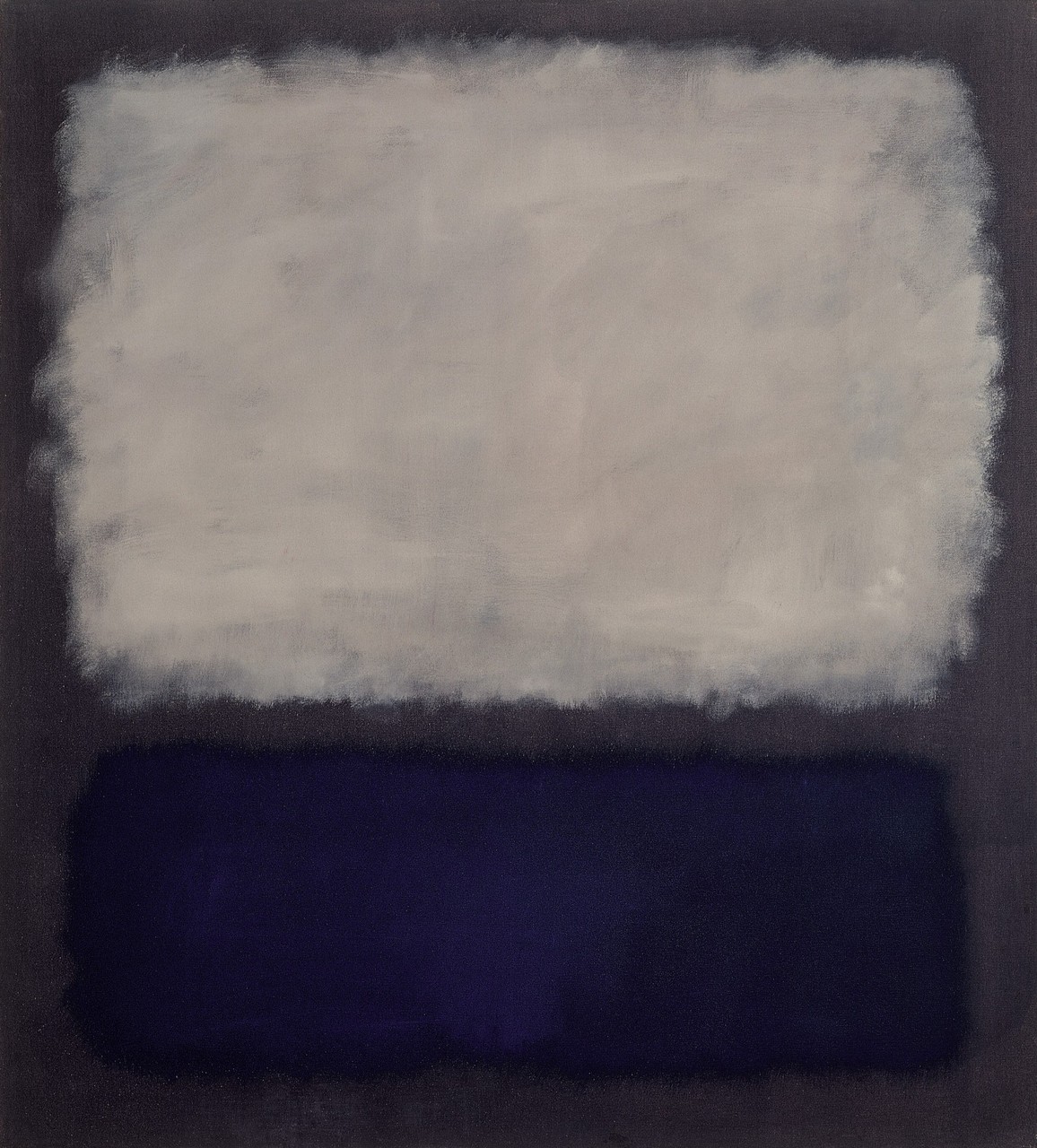
No. 2 Mark Rothko vs.

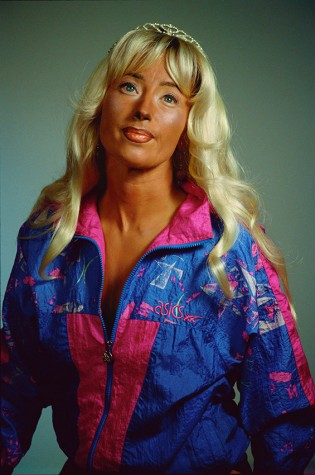
blue-and-gray

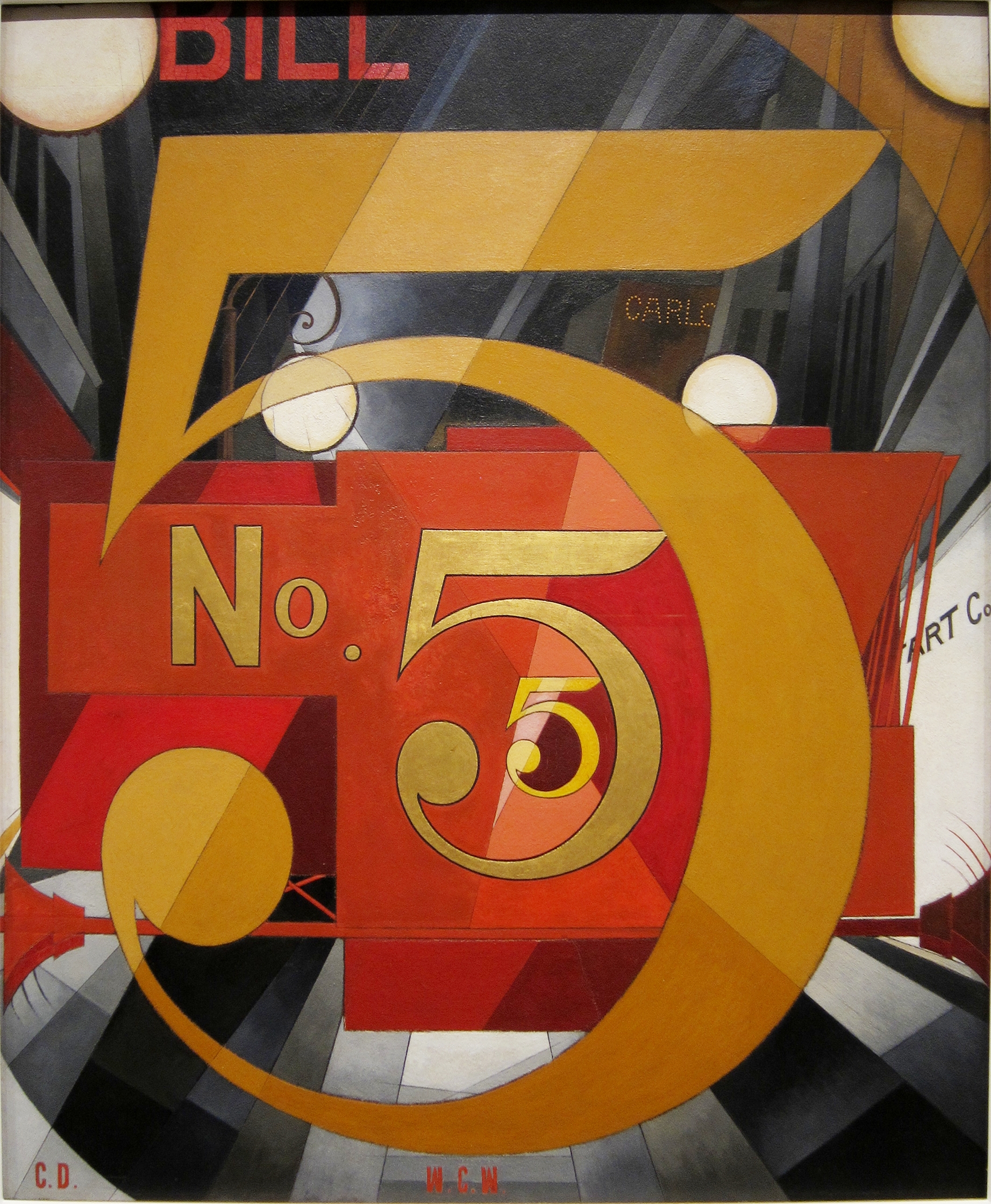
No. 15 Charles DeMuth

NY_Met_demuth_figure_5_gold


Los Angeles Regional

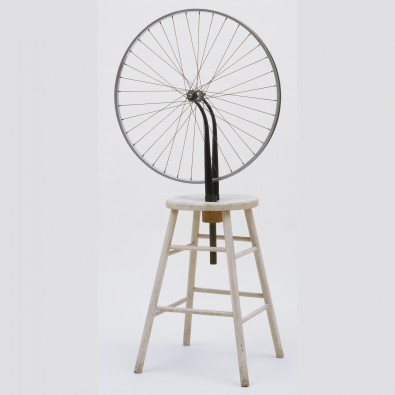
No. 1 Marcel Duchamp vs.

Duchamp.-Bicycle-Wheel-395x395

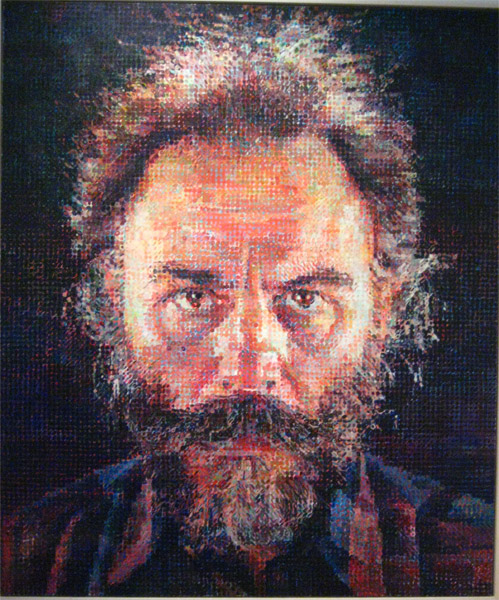
No. 16 Chuck Close

chuck-close-lucas


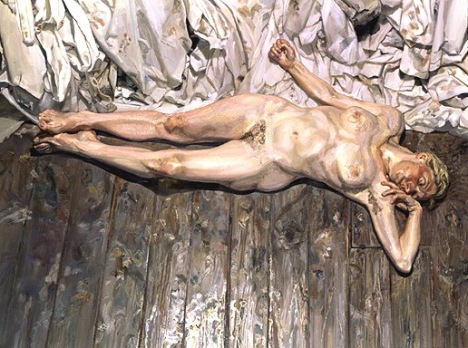
No. 8 Lucian Freud vs.

lucian freud lying by the rags 1989-1990

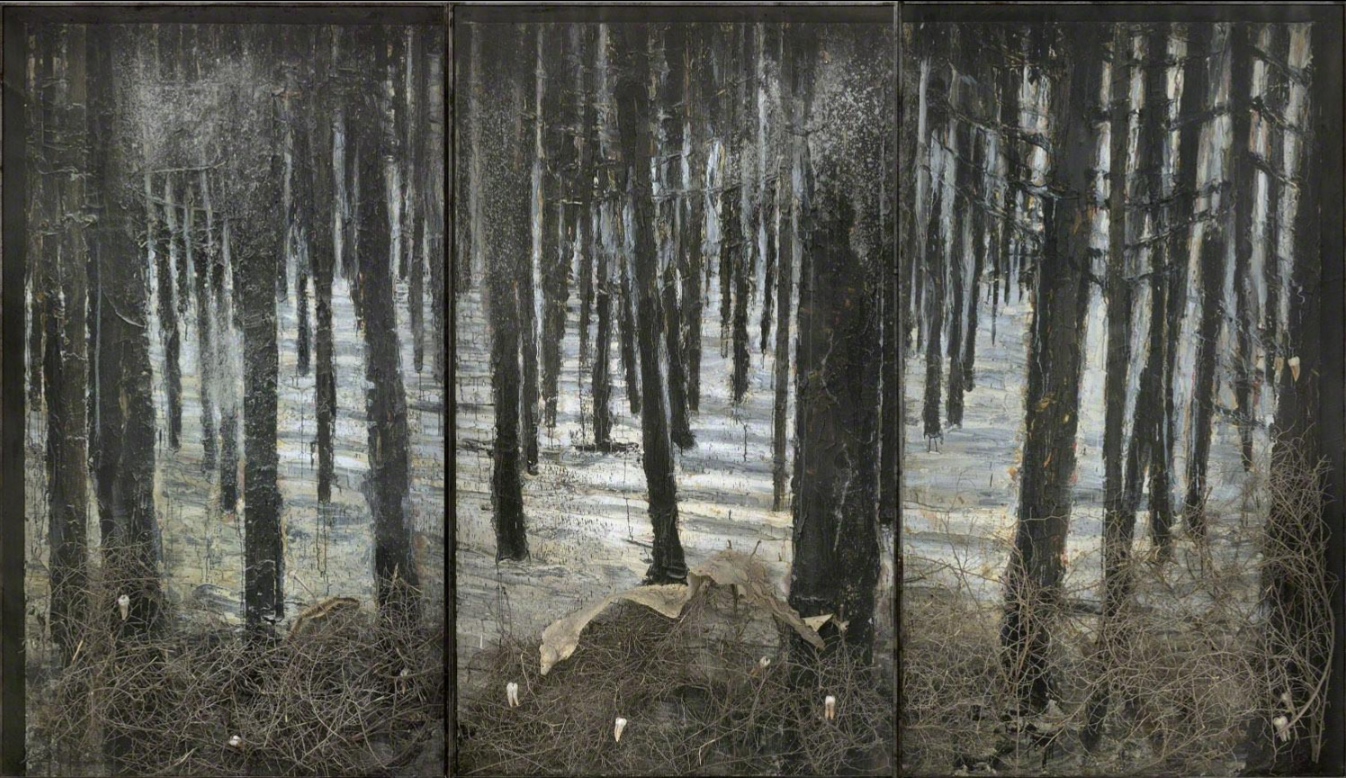
No. 9 Anselm Kiefer

012-anselm-kiefer-theredlist


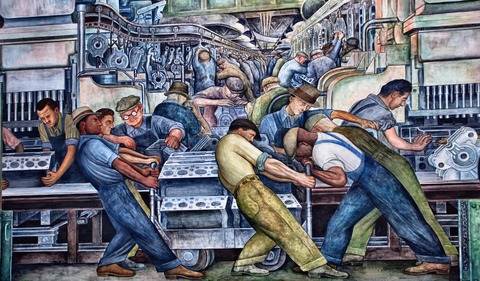
No. 5 Diego Rivera vs.

A portion of the north wall of Rivera's murals in the DIA

No. 12 Ansel Adams

My-Ansel-Adams-Tribute


No. 4 Henry Moore vs.

Recumbent Figure 1938 by Henry Moore OM, CH 1898-1986

No. 13 Dan Flavin

img_6341


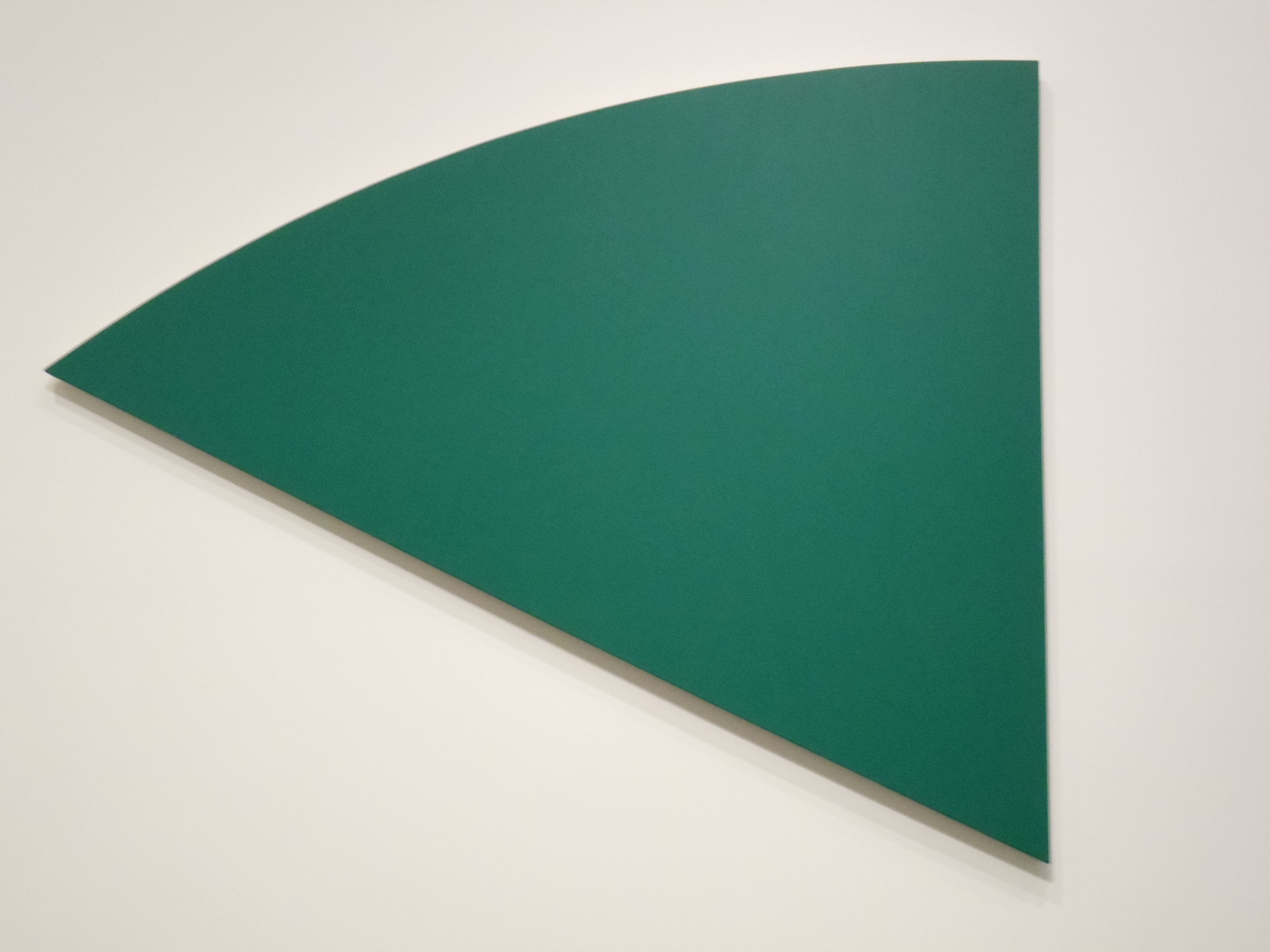
No. 6 Ellsworth Kelly vs.

dsc00109

No. 11 Man Ray

man-ray-solarization-3


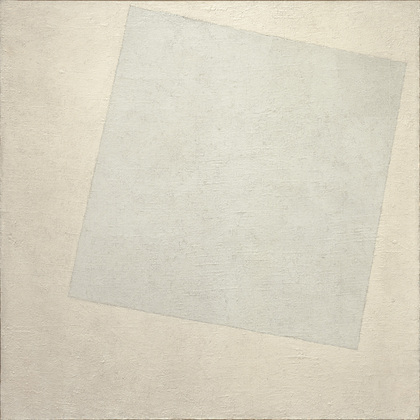
No. 3 Kazimir Malevich vs.

CRI_174840

No. 14 Jean-Michel Basquiat

philistines


No. 7 Paul Klee vs.

bad-band-1920(1)

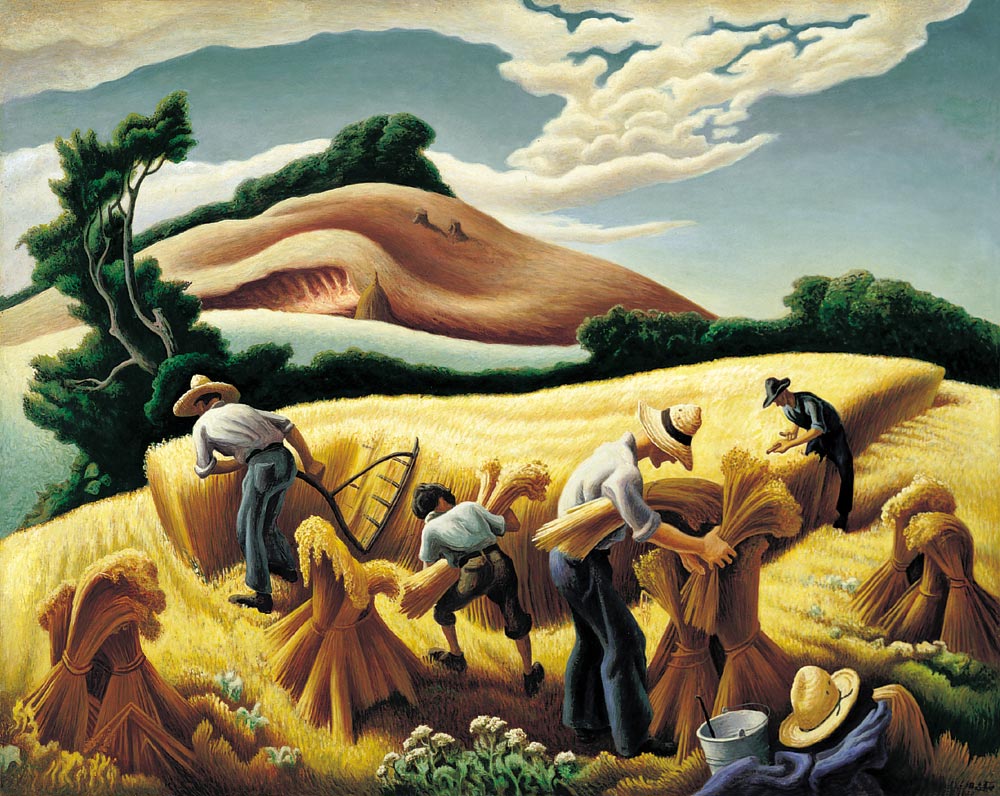
No. 10 Thomas Hart Benton

15large


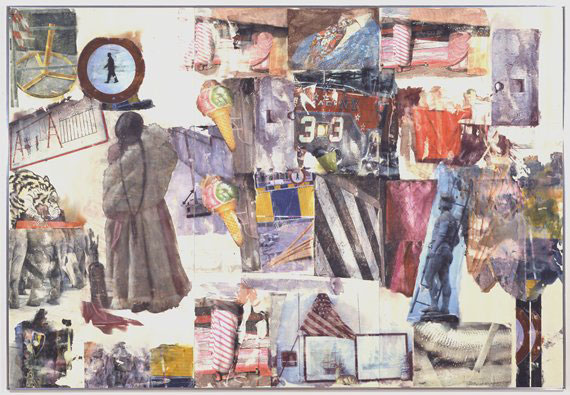
No. 2 Robert Rauschenberg vs.

portofentry

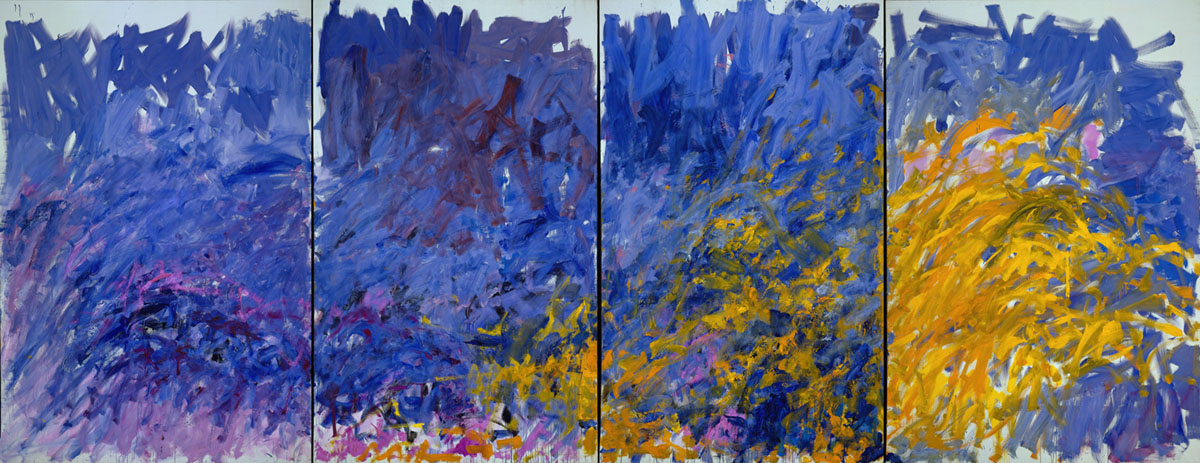
No. 15 Joan Mitchell

edrita-fried-1981


Art History M(art)ch Madness 2015: Frequently Asked Questions

17 Tuesday Mar 2015

Posted by percivalhenry in Art History March Madness

≈ Leave a comment

Tags

art, art history, sports

What’s the point?

Mostly, to have fun. But also to see what happens when you cross the world of sports with the world of art. I’m a fan of both, and it seemed interesting to apply the rigid rules of the NCAA college basketball tournament to the much more nebulous world of art history.

And while I didn’t intend anything high-minded when I set this up, I’ve noticed I’m seeing some of these artists in a new way once their works are juxtaposed against those from different eras or genres. Common themes start to emerge, and the building blocks of art – line, tone, color – are consistent across styles. So we might all learn something by accident.

I don’t know anything about art. Can I play?

Of course. I’ve tried to provide a representative sample of each artists work – just vote for what you like. And you probably know more about art than college basketball, anyway.

What’s the format?

I tried to mirror the classic NCAA men’s basketball tournament structure as closely as feasible. So: 64 artists broken down into four  brackets, and seeded 1 through 16. In the first round,  the No. 1 seed plays No. 16, No. 2 plays No. 15 etc. In the second round, the winner of 1 vs. 16 plays the winner of the 8 vs. 9 and so on.  This year, I started the contest with four play-in contests to select the 16th seeds (something the NCAA now does).

How did you choose and seed the artists?

The idea was to start with the 68 most significant visual artists of the 20th century. I included painters, sculptors and photographers, and omitted architects, film makers and performance artists. That might seem arbitrary, but it I had to draw a boundary somewhere.

Then I went through lists of artists and grouped them in four tiers, from obvious top seeds down to more marginal cases. Those tiers formed the basis of the seedings, with the top group making up  the 1-4 seeds, the next group 5-8 and so on. I wanted the list to reflect conventional choices, but I also wanted diversity in genres, geography and gender. So when there was a border line call, I tended to choose a photographer or sculptor vs. yet another abstract expressionist. I tried to keep my own biases out of it, and I excluded some of my favorites. To get to 64, lots of major artists were left out but hopefully my choices make sense. If not, let me know.

The match-ups were somewhat arbitrary, although I tried to avoid having similar artists face each other in the first or second rounds. The contests are more fun when the styles are so different, and I didn’t want a major school eliminated by the second round.

Why did you put some artists in the 20th century and leave out others?

For artists that span two centuries, I had to make a call based on what century I thought they belonged in, usually based on what movement they are associated with. So I consider Monet, Rodin and Cezanne 19th century artists, while Klimt belongs in the 20th. And frankly, given how many great 20th century artists had to be felt out, I was happy not to have to consider more.

How did you choose the works?

This is a contest of artists, not artwork, so mostly, I’m picking works that are representative of their careers. For the most well-known artists, I sometimes try to use their less obvious works. And for the lower seeds, who might only be in the contest for one round, I tend to give them their most iconic works, so at least they go down swinging.

For some 20th century artists whose work is more conceptual, like Bruce Nauman, or whose works are meant to be viewed together, like Cindy Sherman, I’ve found picking single works frustrating. But I don’t see an easy way around it – posting multiple works seems unfair to the other artists. I’m open to suggestions, though.

Occasionally, two very different artists will have works that echo each other, and sometimes I’ll make selections based on those if I see them, but mostly that’s a happy accident.

How come (my favorite artist) isn’t in the tournament? 

Again, choices were made and limiting it to 68 artists resulted in some tough calls. I left out a lot of my personal favorites. In truth, you could swap out the bottom 20 artists in the field with the first 20 left out without much drop off in quality.

What happens next?

After the close of the first round Thursday, I’ll post the second round of 32 artists Friday. Then we’ll reduce the field to the Sweet 16, Elite Eight, and Final Four before choosing the champion in the first week of April. Stay tuned!

← Older posts
  • “The World’s Greatest Comic Magazine!” Fantastic Four Annual No. 15
  • “The World’s Greatest Comic Magazine!” Fantastic Four No. 223
  • “The World’s Greatest Comic Magazine!” Fantastic Four No. 222
  • “The World’s Greatest Comic Magazine!” Fantastic Four No. 221
  • “The World’s Greatest Comic Magazine!” Fantastic Four No. 220
  • July 2026
  • June 2026
  • May 2026
  • April 2026
  • March 2026
  • February 2026
  • January 2026
  • December 2025
  • November 2025
  • October 2025
  • September 2025
  • August 2025
  • July 2025
  • June 2025
  • May 2025
  • April 2025
  • March 2025
  • February 2025
  • January 2025
  • December 2024
  • November 2024
  • October 2024
  • September 2024
  • August 2024
  • July 2024
  • June 2024
  • May 2024
  • April 2024
  • March 2024
  • February 2024
  • January 2024
  • December 2023
  • November 2023
  • September 2023
  • July 2023
  • June 2023
  • May 2023
  • April 2023
  • March 2023
  • February 2023
  • January 2023
  • December 2022
  • November 2022
  • October 2022
  • September 2022
  • August 2022
  • July 2022
  • June 2022
  • May 2022
  • April 2022
  • March 2022
  • February 2022
  • January 2022
  • December 2021
  • November 2021
  • October 2021
  • September 2021
  • August 2021
  • July 2021
  • June 2021
  • May 2021
  • April 2021
  • March 2021
  • February 2021
  • January 2021
  • December 2020
  • February 2018
  • May 2016
  • February 2016
  • January 2016
  • December 2015
  • November 2015
  • October 2015
  • September 2015
  • August 2015
  • July 2015
  • April 2015
  • March 2015
  • January 2015
  • December 2014
  • November 2014
  • October 2014
  • September 2014
  • August 2014
  • June 2014
  • May 2014
  • April 2014
  • March 2014
  • February 2014
  • July 2026
  • June 2026
  • May 2026
  • April 2026
  • March 2026
  • February 2026
  • January 2026
  • December 2025
  • November 2025
  • October 2025
  • September 2025
  • August 2025
  • July 2025
  • June 2025
  • May 2025
  • April 2025
  • March 2025
  • February 2025
  • January 2025
  • December 2024
  • November 2024
  • October 2024
  • September 2024
  • August 2024
  • July 2024
  • June 2024
  • May 2024
  • April 2024
  • March 2024
  • February 2024
  • January 2024
  • December 2023
  • November 2023
  • September 2023
  • July 2023
  • June 2023
  • May 2023
  • April 2023
  • March 2023
  • February 2023
  • January 2023
  • December 2022
  • November 2022
  • October 2022
  • September 2022
  • August 2022
  • July 2022
  • June 2022
  • May 2022
  • April 2022
  • March 2022
  • February 2022
  • January 2022
  • December 2021
  • November 2021
  • October 2021
  • September 2021
  • August 2021
  • July 2021
  • June 2021
  • May 2021
  • April 2021
  • March 2021
  • February 2021
  • January 2021
  • December 2020
  • February 2018
  • May 2016
  • February 2016
  • January 2016
  • December 2015
  • November 2015
  • October 2015
  • September 2015
  • August 2015
  • July 2015
  • April 2015
  • March 2015
  • January 2015
  • December 2014
  • November 2014
  • October 2014
  • September 2014
  • August 2014
  • June 2014
  • May 2014
  • April 2014
  • March 2014
  • February 2014
“The World’s Greatest Comic Magazine!” Fantastic Four Annual No. 15

“The World’s Greatest Comic Magazine!” Fantastic Four Annual No. 15

percivalhenry's avatar by percivalhenry July 18, 2026
“The World’s Greatest Comic Magazine!” Fantastic Four No. 223

“The World’s Greatest Comic Magazine!” Fantastic Four No. 223

percivalhenry's avatar by percivalhenry July 14, 2026
“The World’s Greatest Comic Magazine!” Fantastic Four No. 222

“The World’s Greatest Comic Magazine!” Fantastic Four No. 222

percivalhenry's avatar by percivalhenry July 5, 2026
“The World’s Greatest Comic Magazine!” Fantastic Four No. 221

“The World’s Greatest Comic Magazine!” Fantastic Four No. 221

percivalhenry's avatar by percivalhenry June 25, 2026
“The World’s Greatest Comic Magazine!” Fantastic Four No. 220

“The World’s Greatest Comic Magazine!” Fantastic Four No. 220

percivalhenry's avatar by percivalhenry June 15, 2026
“The World’s Greatest Comic Magazine!” Fantastic Four No. 219

“The World’s Greatest Comic Magazine!” Fantastic Four No. 219

percivalhenry's avatar by percivalhenry June 7, 2026

Blog at WordPress.com.

  • Subscribe Subscribed
    • Percival Henry: The Fantastic Four and more
    • Join 74 other subscribers
    • Already have a WordPress.com account? Log in now.
    • Percival Henry: The Fantastic Four and more
    • Subscribe Subscribed
    • Sign up
    • Log in
    • Report this content
    • View site in Reader
    • Manage subscriptions
    • Collapse this bar
Loading Comments...