Tags
Black Panther, Chadwick Boseman, entertainment, jack Kirby, Marvel, Michael B. Jordan, movies, Ryan Coogler, show business, Wakanda
For anyone paying attention, yes, it’s been a very long time since I posted on this blog. Sorry.
I was moved to pick it up again after seeing Black Panther, and leaving the multiplex with some thoughts that seemed bigger than just a Facebook post. Warning: there will be spoilers
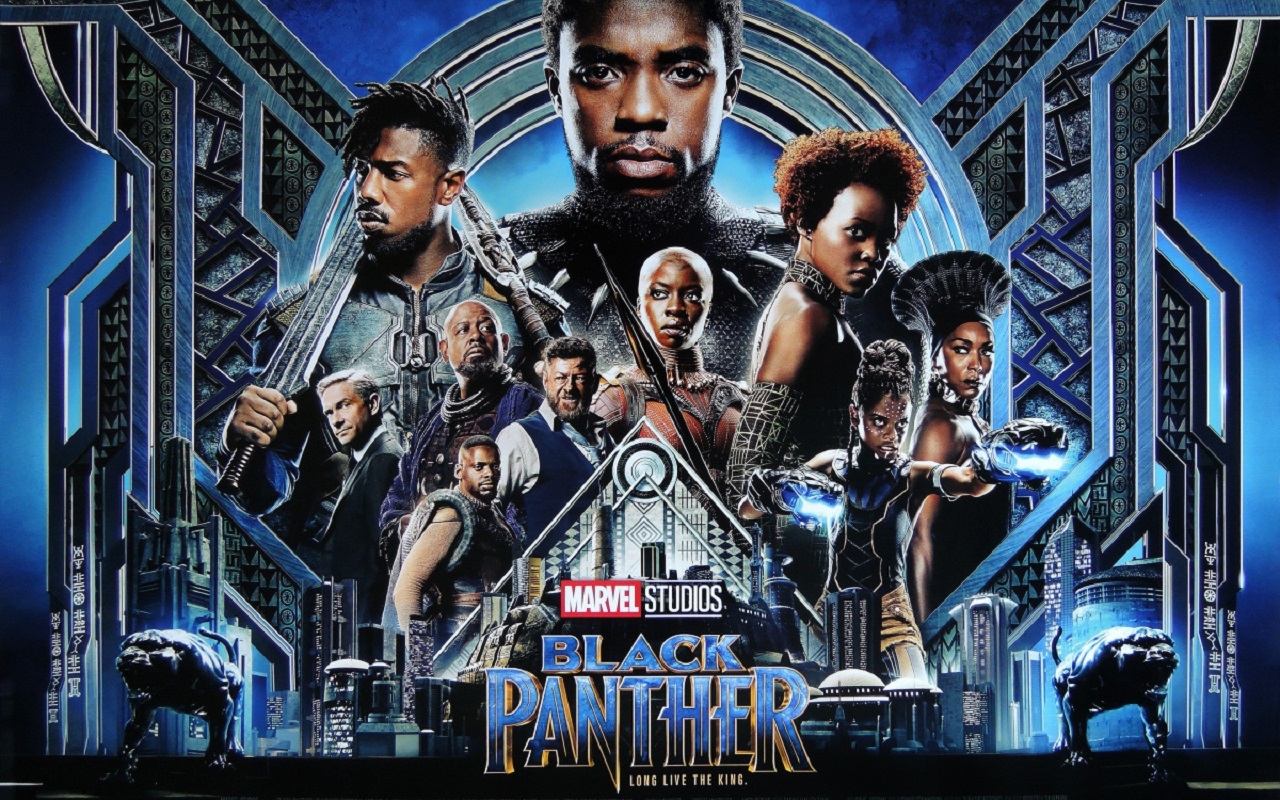
It’s hard to separate Black Panther, the movie, from Black Panther, the cultural event. Much has rightly been made of its historic significance, a big-budget popcorn movie with a black director and mostly black cast. The New York Times had no less than 10 articles about the movie in the week before its opening, touching on everything from its hair styling decisions, to the appropriateness of white children donning Black Panther masks. When Marvel first announced the movie four years ago, it had no way of knowing it would land at such a fraught moment for race relations in the US, and for the US’s relations with the rest of the world (and particularly with “shit hole” countries). Timing in movie marketing, as in all things, is everything, and Black Panther—a declaration of African American creativity, political significance and, yes, buying power—has arrived just when we needed it most.
Also welcome is the movie’s African-ness, which makes it refreshingly distinct, and it’s one big reason to recommend the movie. Under director Ryan Coogler, fictional Wakanda isn’t merely the backdrop to the story, but virtually a leading character. Every scene reveals a new wonderment, from its interpretation of African tradition, such as T’Challa’s coronation beneath a waterfall festooned with hundreds of his countrymen in traditional attire, to a dizzying plunge into the nation’s African-influenced technological heart. Coogler’s vision of Wakanda is different from that of Jack Kirby’s, its inventor, who drew it as mechanical jungle in 1966, but it’s faithful to the spirit of Kirby’s vivid imagination. Others are more qualified than me to judge how much of its depiction of African culture is authentic and how much is Hollywood pastiche, but its world-building ambition is dazzling.
Black Panther’s challenge is presenting characters and a story to match the wonderment of Wakanda, and unfortunately that’s where it falls short. The plot hinges on the machinations of Killmonger, an exiled prince of Wakanda who returns to usurp the throne, but it takes far too long to build momentum. It’s almost derailed by a detour to Korea, and a pointless melee in a casino (maybe it’s a trend: The Last Jedi had a similarly unnecessary casino scene), before ending with a confusing and implausible fight scene for the future of a nation that seems to involve only about two dozen combatants. There’s also a distracting and pointless plot point involving a CIA agent, played by Martin Freeman, shooting down cargo planes. Very little seems urgent, and it’s telling that one of the moments of real drama comes when Killmonger orders the burning of a few plants.
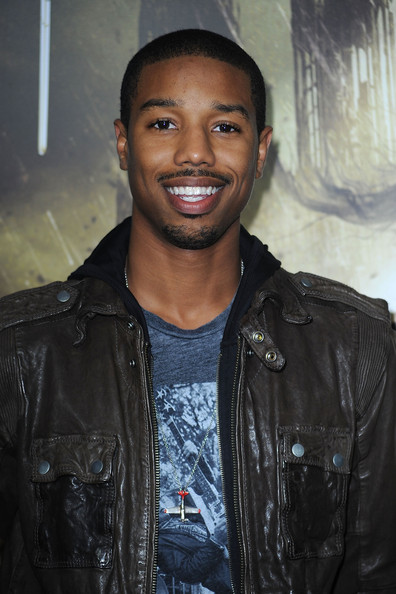
Killmonger is at least a compelling villain, with a backstory and motivations more complex and nuanced than those of 99% of comic book bad guys. As played by Michael B. Jordan, he’s easily the most charismatic character on the screen, and that’s a big part of the movie’s problem, because T’Challa, the Black Panther, never is. It’s strange for the protagonist of an action movie to fade into the background, and yet T’Challa never feels essential to his own movie. Part of the issue is the producers’ inclination to turn what should be a solo story into a team movie, and many of the qualities that make Black Panther a great comic book character are farmed off to the supporting cast: Killmonger is more assertive; his sister, Shuri, is more tech savvy; his mother, Ramonda, his more regal, Okoye, his general, is more skilled in battle; M’Baku, a rival king, is more powerful.
Chadwick Boseman plays T’Challa with a soft-spoken grace, but while that works when he’s in suit and tie, it fails him in superhero garb. He’s passive, almost indifferent, and recedes as other actors step forward. The story doesn’t serve him well, either, as it’s a catalog of his humiliations and defeats: He is tongue tied into incompetence around his love interest Nakia; he barely fends off M’baku’s challenge; he fails to capture Klaue on his ill-advised mission to Korea; he foolishly agree to fight Killmonger in ritual combat before he is soundly beaten and left for dead. He then disappears from his own movie, only to be rescued by his M’baku. And in the climactic battle, he is all but irrelevant before finally defeating Killmonger. With that record, it’s no wonder his council of elders challenges his authority at every turn.
It’s a shame T’Challa’s character is so under developed, because Black Panther has so much else going for it. The good news is, as with all superhero blockbusters, there will be a Black Panther sequel, and another chance to spin a story befitting a king.