• About Percival Henry

Percival Henry: The Fantastic Four and more

~ Blogging the Fantastic Four issue by issue (plus whatever else grabs my attention)

Percival Henry: The Fantastic Four and more

Category Archives: Very Short Review

Very Short Review: Fantastic Four: First Steps (2025)

27 Sunday Jul 2025

Posted by percivalhenry in Very Short Review

≈ 2 Comments

Tags

2025, Fantastic Four, Fantastic Four: First Steps, galactus, marvel cinematic universe, Silver Surfer

Warning: spoilers below

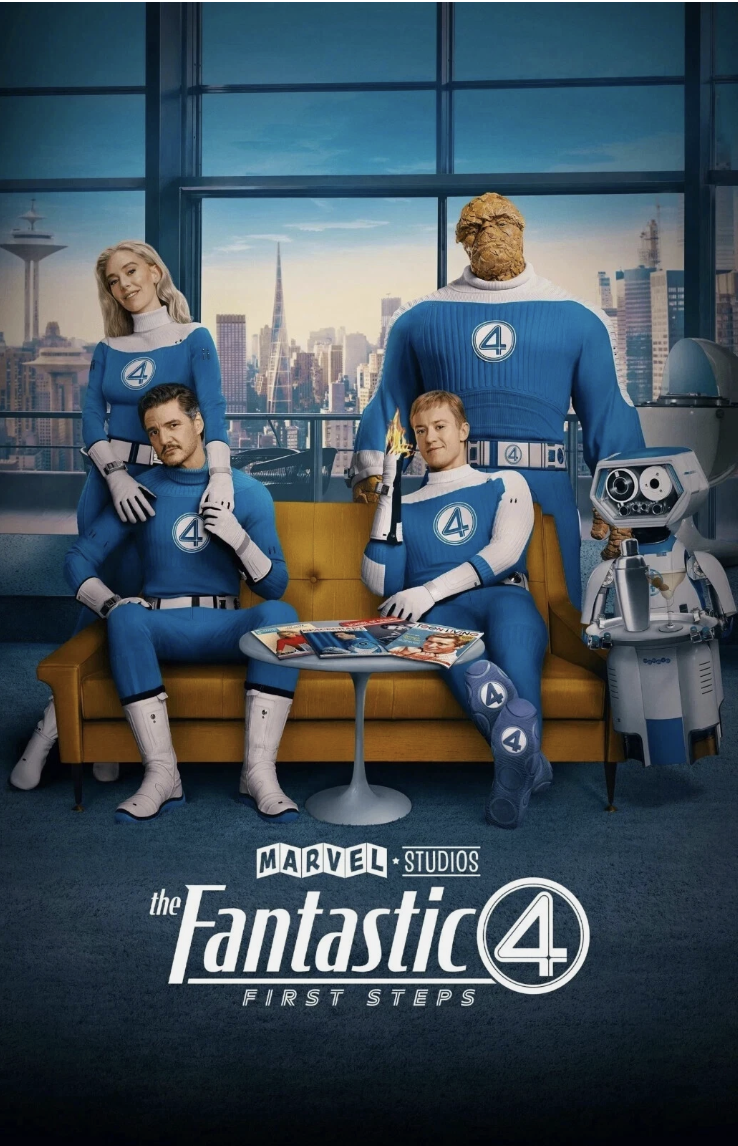
As a longtime fan-slash-collector-slash-blogger of the Fantastic Four, I had anticipated the new movie — the first FF film produced by Marvel Studios — with a mix of optimism and dread. Optimism because Marvel understands its own characters and generally does right by them, even if they veer off from the original source material of the comics. Dread because the three previously released FF movies ranged from mediocre to terrible, dread because the trend of recent Marvel movies has been decidedly downward and dread because the universe doesn’t want us FF fans to have nice things.

I am pleased to report that the dread was misplaced and the optimism justified. The movie wasn’t perfect, and there are lots of things for fans of the comic to quibble about, but it got the main things right: The Fantastic Four are a family, they are scientists and explorers, and in contrast many costumed heroes, their identities are very public.

Unlike other adaptations, the movie doesn’t start with their origins on an ill-fated space flight, but takes up their story four years later. They are at this point established heroes, universally beloved, and Reed and Sue are expecting their first child.

The story is roughly based on the Fantastic Four’s first encounter with the world devourer, Galactus, from issues 48-50, but with many significant differences. There is no Watcher warning the team (and violating his oath not to intervene in human affairs), there is no ultimate nullifier, the Silver Surfer doesn’t discover the goodness in humanity via blind sculptor Alicia Masters (who puzzlingly is not in the movie) and Galactus doesn’t vow to leave Earth alone. But in many ways, this version is just as good as the Stan Lee / Jack Kirby original. Once warned of his approach by the Silver Surfer (who is unnecessarily gender swapped in the movie), the team flies into space to confront Galactus. This cinematic Galactus is vast and terrifying, and the offer he makes the Fantastic Four to spare Earth — Reed and Sue must hand over their unborn son, whose powers are enormous — creates an agonizing dilemma for the team.

Unfortunately, that sequence — and the subsequent birth of Franklin while the FF flee the Surfer — mark the high point of the movie. For the remainder of the film the team struggles with ways to thwart Galactus’s plan while conscious that their choice to protect Franklin endangers all of humanity. The final confrontation, where the team tries to bait Galactus into a teleportation device, seems a bit too obvious a plan for the world’s smartest man. But it is Sue who ultimately defeats the bad guy, creating a satisfying reversal from her Lee / Kirby depictions as the team’s weakest member to now its strongest.

Much as been made of the retro-futuristic world this story is set in, and in many ways it’s the logical place to stage this movie. It pays homage to the Fantastic Four’s 1960s origins, it means the film can reference villains like the Red Ghost and his Super-Apes without appearing (too) ridiculous, and it creates a bubble of isolation from the rest of the Marvel Cinematic Universe, so this story can be told without wondering why Iron Man isn’t lending a hand. But it’s also frustrating choice, because it’s the same one so many comic creators make. They are so smitten with the Lee / Kirby past they seem to forget that the Fantastic Four is about the future. Hopefully the next film appearance of the FF escapes that trap.

Despite that failing, there’s a lot to like. The performances are excellent, the characters feel both real and true to the comic, and the family dynamic that makes the FF unique is at the center of the film. The movie also includes a nice homage to Kirby, a much-belated official recognition of his contributions to the Marvel Universe.

This movie version of the Fantastic Four isn’t the same as the one in the comics, but that’s OK. If we’ve learned anything after 60 years and nearly a thousand issues, there are lots of ways to tell a great Fantastic Four story.
Very Short Review: Superman & Lois (2021)

26 Monday Apr 2021

Posted by percivalhenry in Very Short Review

≈ Leave a comment

Tags

comics, Superman, Superman & Lois, Very Short Review

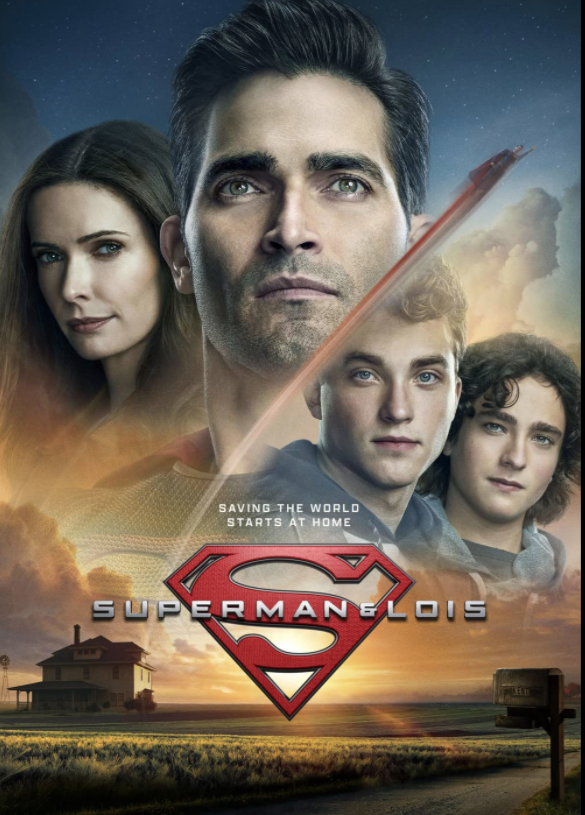
The problem with Superman, most writers discover, is that he’s just too powerful. Unlike human-scaled heroes like Batman and Spider-Man, there are few opponents that can challenge the Man of Steel, and secret-identity hijinks can only go so far. Eventually, storytellers realize the best stories are ones where the conflict isn’t between Superman and a bad guy, but between Superman and Clark Kent. Reconciling the thoroughly decent and very human Clark with the power and responsibility of his god-like alter ego lies at the heart of Superman & Lois, a CW show now available on HBOMax.

In this iteration of Superman, he’s married to Lois Lane and they’re raising twin teenage boys, Jonathan and Jordan. The boys are very different—Jonathan is a jock, Jordan has emotional issues—and a central point of tension is whether he’s available for his family. It’s clear the show will be as much about Clark’s parenting as his world-saving.

I confess the last time I checked in on the Superman comics, about a decade ago, he had an adopted son named Christopher, but this premise works, too. The legend of Superman is so potent that the particular details aren’t all that important so long as the main beats of the characters are there. But this shows gets a lot of the details right, too. Lois (played by Elizabeth Tulloch) is tough, sexy, and whip smart, Lana Lang is still stuck in Smallville, and media mogul Morgan Edge looms as a real-world bad guy. The writers know the source material, and the show succeeds in part because they trust our familiarity with these characters and their world. It’s confident enough to be subtle.

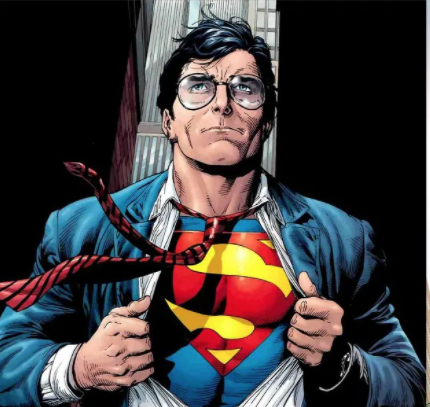
Perhaps most importantly, the show gets Superman, right. As a hero, he’s immensely powerful, but measured. As a dad, he’s visibly struggling. As a reporter, he’s recently unemployed. Tyler Hoechlin’s Superman isn’t as muscled as Henry Cavill’s and his Clark Kent isn’t as awkward as Christopher Reeve’s, but he manages to make both sides of the character convincing. It helps that he resembles Superman as drawn by longtime comic artist Gary Frank: soulful and pensive.

I’ve only seen the pilot, so the show may deteriorate, but it seems unlikely. Even its weaker moments—when the story follows the moody teenage boys doing moody teenage things—are thankfully brief. Tipping too much in that direction risks turning Superman & Lois into Riverdale with kryptonite, but so far it’s balanced with enough action and humor to offset any emo sulkiness.

After watching a few dreary episodes of The Flash and Arrow, I pretty much wrote off the CW’s foray into DC comics. Too much talk, too little respect for the comics that created them. But early on, Superman & Lois seems to get it all right.

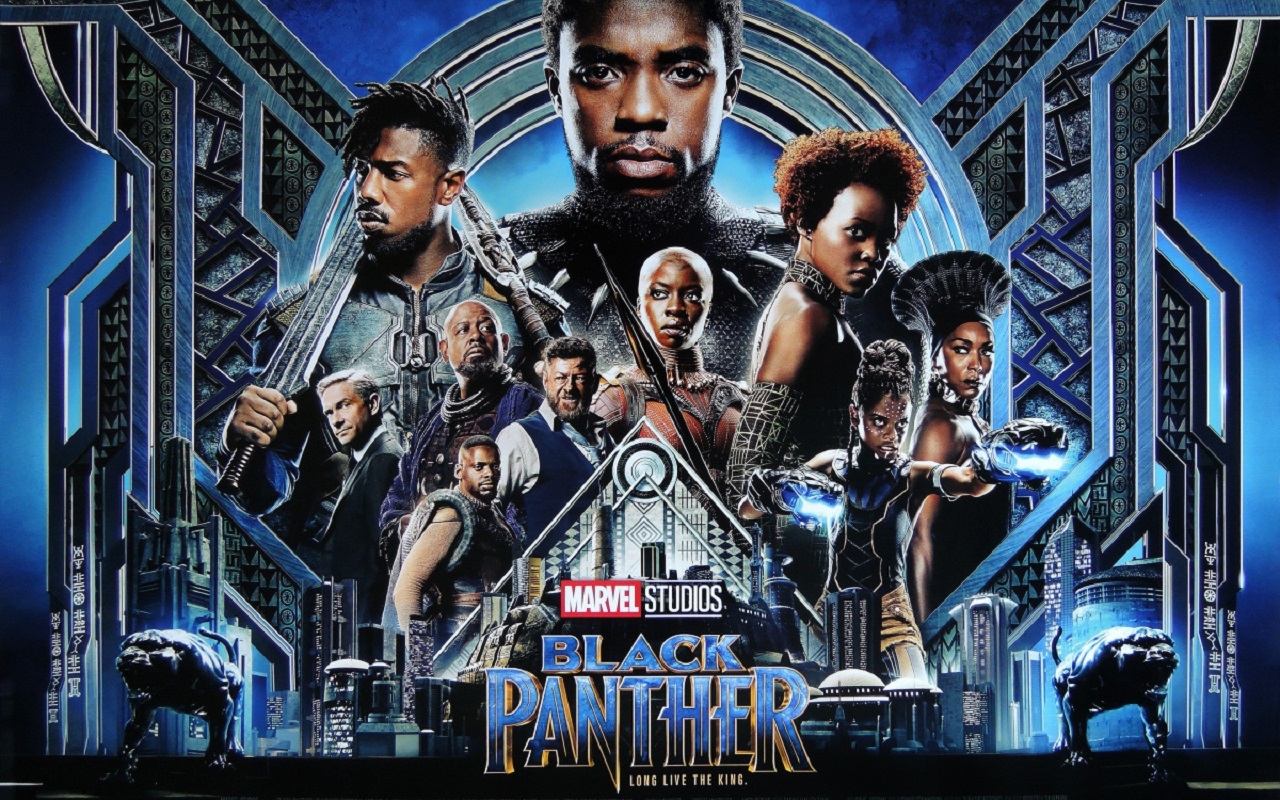
Very Short Review: Black Panther (2018)

21 Wednesday Feb 2018

Posted by percivalhenry in Very Short Review

≈ 1 Comment

Tags

Black Panther, Chadwick Boseman, entertainment, jack Kirby, Marvel, Michael B. Jordan, movies, Ryan Coogler, show business, Wakanda

For anyone paying attention, yes, it’s been a very long time since I posted on this blog. Sorry.

I was moved to pick it up again after seeing Black Panther, and leaving the multiplex with some thoughts that seemed bigger than just a Facebook post. Warning: there will be spoilers

It’s hard to separate Black Panther, the movie, from Black Panther, the cultural event. Much has rightly been made of its historic significance, a big-budget popcorn movie with a black director and mostly black cast. The New York Times had no less than 10 articles about the movie in the week before its opening, touching on everything from its hair styling decisions, to the appropriateness of white children donning Black Panther masks. When Marvel first announced the movie four years ago, it had no way of knowing it would land at such a fraught moment for race relations in the US, and for the US’s relations with the rest of the world (and particularly with “shit hole” countries). Timing in movie marketing, as in all things, is everything, and Black Panther—a declaration of African American creativity, political significance and, yes, buying power—has arrived just when we needed it most.

Also welcome is the movie’s African-ness, which makes it refreshingly distinct, and it’s one big reason to recommend the movie. Under director Ryan Coogler, fictional Wakanda isn’t merely the backdrop to the story, but virtually a leading character. Every scene reveals a new wonderment, from its interpretation of African tradition, such as T’Challa’s coronation beneath a waterfall festooned with hundreds of his countrymen in traditional attire, to a dizzying plunge into the nation’s African-influenced technological heart. Coogler’s vision of Wakanda is different from that of Jack Kirby’s, its inventor, who drew it as mechanical jungle in 1966, but it’s faithful to the spirit of Kirby’s vivid imagination. Others are more qualified than me to judge how much of its depiction of African culture is authentic and how much is Hollywood pastiche, but its world-building ambition is dazzling.

Black Panther’s challenge is presenting characters and a story to match the wonderment of Wakanda, and unfortunately that’s where it falls short. The plot hinges on the machinations of Killmonger, an exiled prince of Wakanda who returns to usurp the throne, but it takes far too long to build momentum. It’s almost derailed by a detour to Korea, and a pointless melee in a casino (maybe it’s a trend: The Last Jedi had a similarly unnecessary casino scene), before ending with a confusing and  implausible fight scene for the future of a nation that seems to involve only about two dozen combatants. There’s also a distracting and pointless plot point involving a CIA agent, played by Martin Freeman, shooting down cargo planes. Very little seems urgent, and it’s telling that one of the moments of real drama comes when Killmonger orders the burning of a few plants.

Killmonger is at least a compelling villain, with a backstory and motivations more complex and nuanced than those of 99% of comic book bad guys. As played by Michael B. Jordan, he’s easily the most charismatic character on the screen, and that’s a big part of the movie’s problem, because T’Challa, the Black Panther, never is. It’s strange for the protagonist of an action movie to fade into the background, and yet T’Challa never feels essential to his own movie. Part of the issue is the producers’ inclination to turn what should be a solo story into a team movie, and many of the qualities that make Black Panther a great comic book character are farmed off to the supporting cast: Killmonger is more assertive; his sister, Shuri, is more tech savvy; his mother, Ramonda, his more regal, Okoye, his general, is more skilled in battle; M’Baku, a rival king, is more powerful.

Chadwick Boseman plays T’Challa with a soft-spoken grace, but while that works when he’s in suit and tie, it fails him in superhero garb. He’s passive, almost indifferent, and recedes as other actors step forward. The story doesn’t serve him well, either, as it’s a catalog of his humiliations and defeats: He is tongue tied into incompetence around his love interest Nakia; he barely fends off M’baku’s challenge; he fails to capture Klaue on his ill-advised mission to Korea; he foolishly agree to fight Killmonger in ritual combat before he is soundly beaten and left for dead. He then disappears from his own movie, only to be rescued by his M’baku. And in the climactic battle, he is all but irrelevant before finally defeating Killmonger. With that record, it’s no wonder his council of elders challenges his authority at every turn.

It’s a shame T’Challa’s character is so under developed, because Black Panther has so much else going for it. The good news is, as with all superhero blockbusters, there will be a Black Panther sequel, and another chance to spin a story befitting a king.

Very Short Review: Snowpiercer (2013)

30 Saturday Jan 2016

Posted by percivalhenry in Very Short Review

≈ Leave a comment

Tags

movies, sci-fi

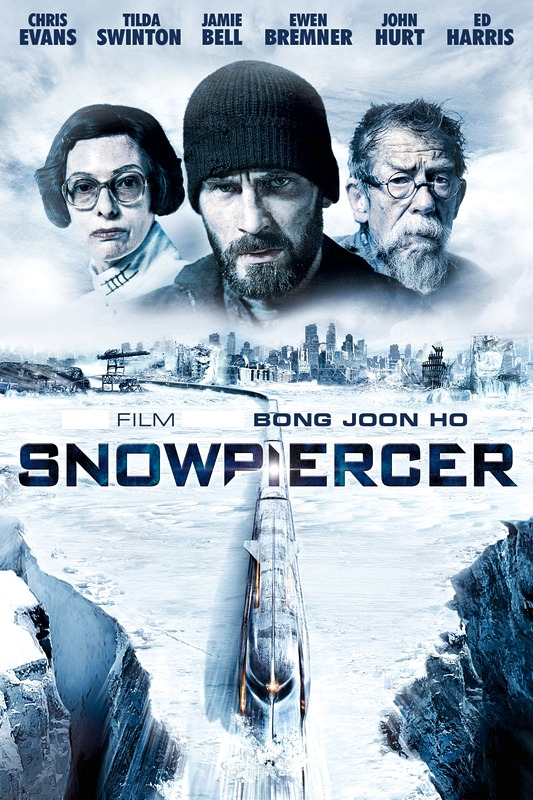
snowpiercer-movie-poster

I’m late to the cult of Snowpiercer, which had a brief appearance in theaters three years ago, but has had a much longer life in online chat rooms. It’s not hard to see why. Like The Matrix and The Hunger Games, movies with which it shares both aesthetic and thematic qualities, Snowpiercer asks Big Questions while serving up stylish and riveting action. The plot is more metaphor than actual story: in the near future, efforts to halt global warming have plunged the world into a deep freeze. All life is extinct, save the passengers on super train that circles the globe once a year. Like the world of the Hunger Games, society is divided between the haves, who live in decadent luxury at the front of the train; and the have-nots, the grimy rabble packed into the rear of the train, subsisting on a diet of protein Jello. The absurdity of the situation is more or less addressed as the movie unfolds and a band of rebels, led by the reluctant, brooding Chris Evans (surprisingly effective in a non-Captain America role), battles their way car-by-car to the front of the train to seek retribution, or at least redistribution. Despite these narrow confines of story and setting, Snowpiercer succeeds through the vivid, crisp direction of Korea’s Bong Joon Ho, and has enough wrinkles to keep it interesting. The movie’s climax, a confrontation between Everett and the elegant Ed Harris as the train’s creator and engineer, does lurch into some tedious philosophical territory but that’s a failure only of Snowpiercer‘s ambition. The strong cast also features Tilda Swinton as a bizarrely accented enforcer of the social order, and John Hurt as a decrepit Obi Wan Kenobi guiding the rebellion.

Very Short Review: The Martian (2015)

02 Monday Nov 2015

Posted by percivalhenry in Very Short Review

≈ Leave a comment

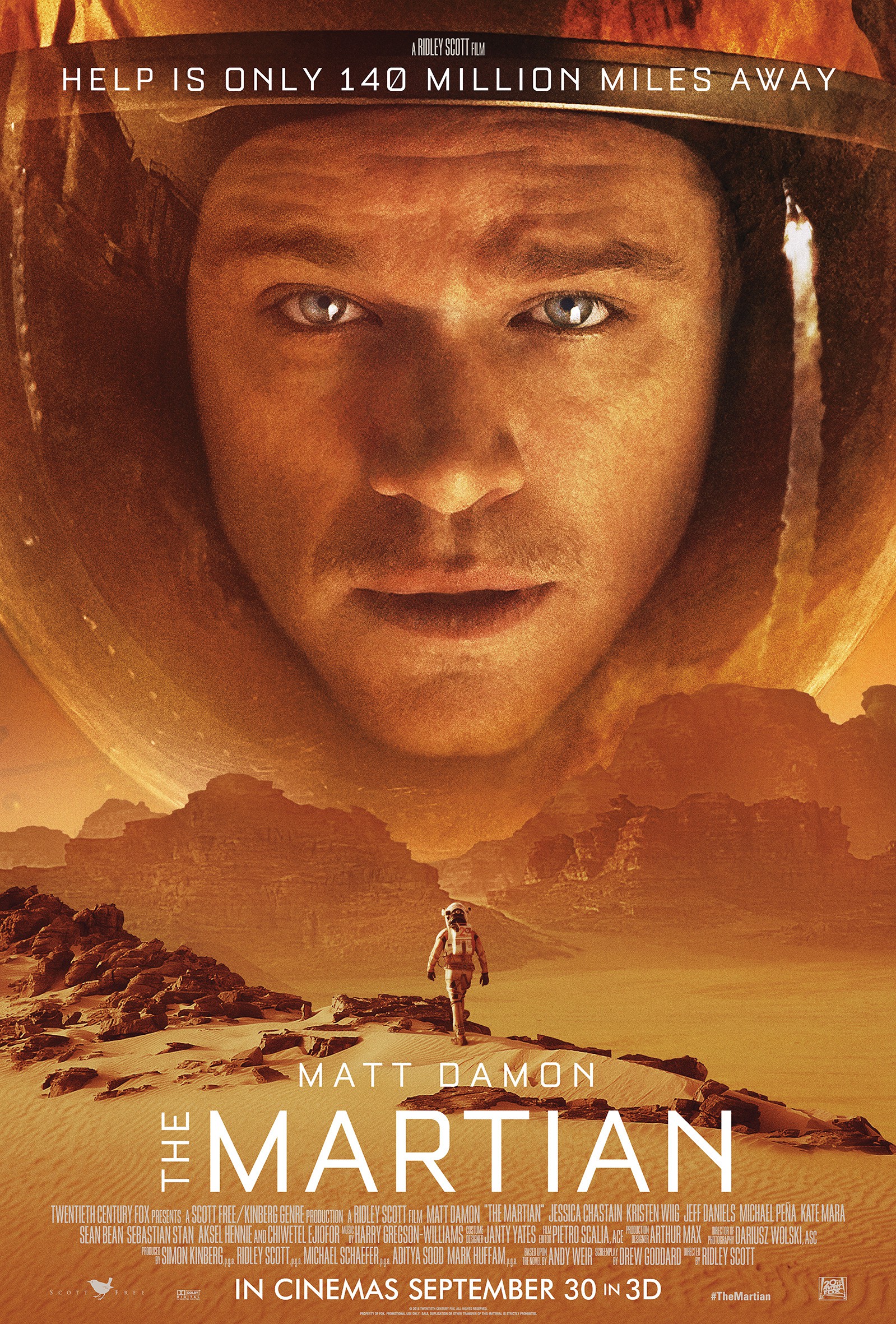
martian_ver2_xxlg

The Martian is the rare movie that’s better than the book. In this case, it’s mostly because the book is so mediocre and the film makers (it was directed by Ridley Scott) manage to solve the problems its writer, Andy Weir, could not. The story is a simple one: Astronaut Mark Watney (played by Matt Damon) is left for dead on Mars, and he needs to stay alive for more than a year until he can be rescued. The book does a great job of explaining how this could happen, and patiently walks us through Watney’s forays into Martian agriculture and transportation. Told mostly through his journal updates, Watney narrates his ordeal with humor and a breezy, can-do attitude. But the book lacks any attempt to convey the inner life of a man stuck millions of miles from home. He never despairs, he never pines for missing friends or lovers (and apparently doesn’t have any), he’s never angry at the hand fate dealt him, and so never becomes more than a glib sketch of a person. And this is where the movie succeeds. In only a few brief scenes, perhaps less than a minute of total screen time, Damon flashes the emotions of a man who has every reason to rage against his predicament, and becomes someone we can understand. The movie also smartly introduces the rest of the cast – Watney’s fellow astronauts and the NASA ground crew – much earlier than the book, which abruptly lurched from a Robinson Crusoe-like narrative to a rescue mission with lots of characters. As a result, some scenes of Watney’s travails are cut and new ones, featuring Jessica Chastain as the spaceship’s commander, are added. Those alterations are mostly positive (save for an unnecessary coda set back on earth) and help the movie build momentum on Earth, in space and on Mars towards a satisfying and moving climax. Much like Apollo 13, the movie celebrates the resourcefulness of NASA’s engineers and feels overly promotional (I’m sure the real-life NASA administrators loved it). Given the billions of dollars spent to save one astronaut, I would have liked to hear from an ethicist arguing whether the money could be better spent on a malaria vaccine, say, that could save millions of lives. But The Martian isn’t that kind of film. It’s a rousing adventure that reminds us how, in capable hands, effective a story-telling medium movies can be.

Very Short Reviews: Noah (2014) and The Hobbit: The Desolation of Smaug (2013)

09 Friday Oct 2015

Posted by percivalhenry in Very Short Review

≈ Leave a comment

We rented these movies this week, and they have a lot in common. Both are based on old stories (one somewhat older than the other) that didn’t particularly need to be made into movies. And while neither film is very good, at least one is interesting.

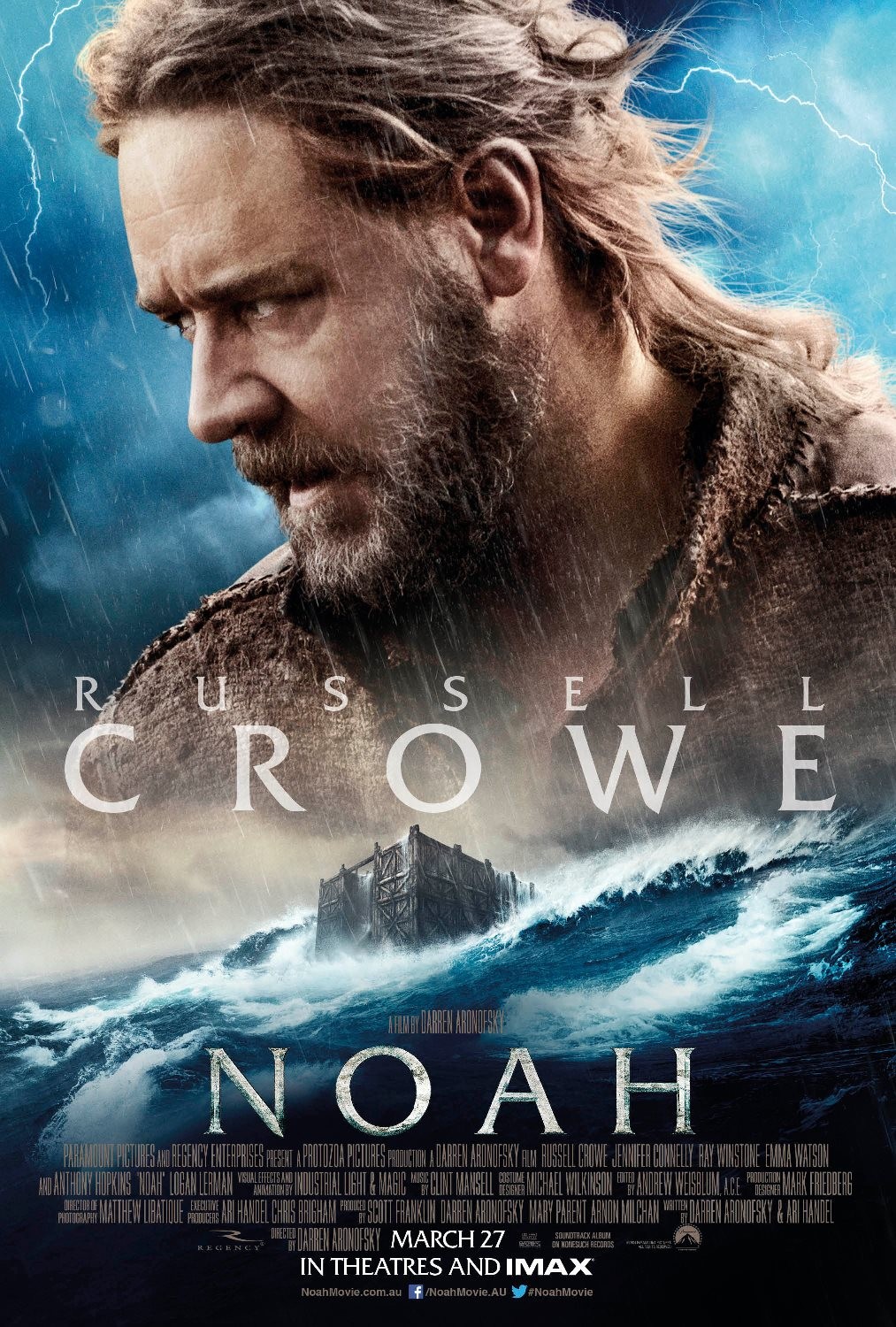
russell-crowe-in-noah-2014-movie-poster

Noah, from Darren Aronofsky (Black Swan), is wild, feverish mess. It imagines the story of the flood not as a gauzy allegory, but as a vivid, painful ordeal. Noah is the descendent of Seth, the third son of Adam and Eve, just 10 generations removed from Eden, and the world as filmed by Aronofsky looks about 300 years old: raw and strange. Angels still walk the earth, but they are encased in rock, a punishment from the vengeful Creator (You Know Who). The Creator also visits the dreams of Noah (Russell Crowe), who foresees the drowning of humanity, most of whom are the wicked descendents of the original Bad Man, Cain. Noah and his sons get to building the ark, and on the eve of the deluge, animals start showing up. Aronofsky skips the two-by-two procession of beasts that is the staple of children’s books, and in a few arresting sequences, shows thousands of critters slithering and shoving their way aboard. It’s when the men – led by their very evil king, Tubal Cain (Ray Winstone) – try to get on the boat does the action movie break out, and lots of smashing and explosions ensue. Crowe doesn’t exactly look like a semitic hero, but he broods furiously, particularly when he’s torn between his understanding of the Creator’s intent – that all men must die, his family included – and an unwillingness to sacrifice what he loves. Unfortunately, Aronofsky, or the studio heads, doesn’t think theological questioning is dramatic enough, so we get a distracting subplot about Tubal Cain tempting Noah’s son, and a predictable fight in the bowels of the ark. Along the way there’s lots of stilted dialogue, some impassioned urging from Noah’s wife (the strangely cast Jennifer Connelly)  and a bland, passive performance from Emma Watson, the wife of Noah’s son upon whose pregnancy the fate of humanity rests. Hermione Granger never had days like these.

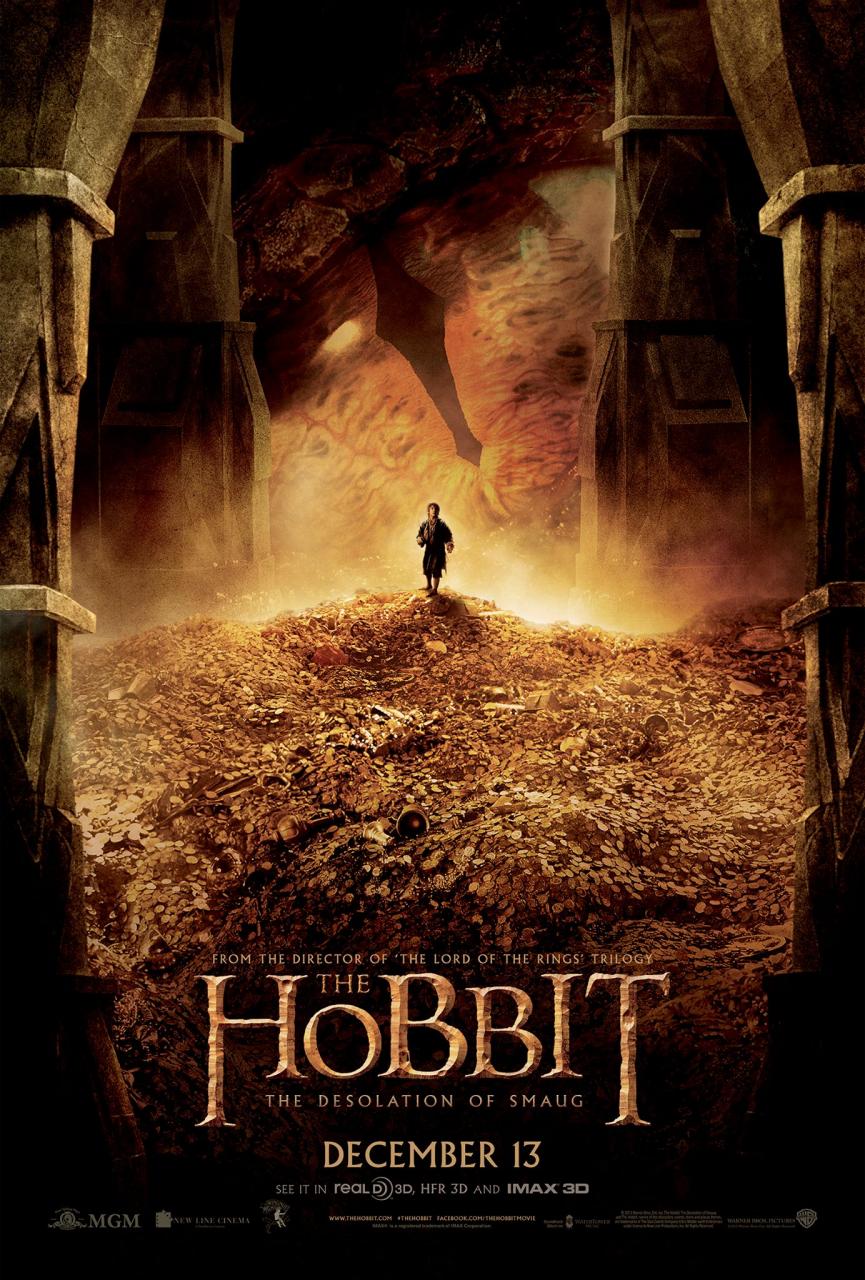
The-Hobbit-Desolation-Of-Smaug-new-psoter

Noah is inconsistent and often clumsy, but at least Aronofsky has a vision. It’s hard to tell what Peter Jackson’s vision was for The Hobbit, aside from the most cynical. The movie picks up where the last one left off, with Bilbo Baggins and Gandalf aiding a troop of dwarves in their quest to reclaim their lost kingdom (and not coincidentally, the mountain of treasure left behind). While the second installment is somewhat brisker than the sluggish first, it suffers the same fatal flaws of bloat and lack of character development. We simply don’t have a reason to care about these people (if hobbit and dwarves are people) or their mission. Few of the dwarves ever develop a personality beyond caricature, Bilbo (Martin Freeman) has no discernible motivation and as other characters – elves, humans, orcs, were-bears – parachute in, the plot is stretched thinner and thinner. J.R.R. Tolkien’s 1937 book is a slight, diverting adventure, with none of the weight of his later Lord of the Rings. Jackson’s attempts to invest this story with significance fall flat and worse, undermine the power of his magnificent Rings trilogy. Anyone who watches all the movies in chronological order would be baffled by Gandalf’s slow realization that Sauron had returned in The Fellowship of the Ring, since he’d already confronted him two movies earlier in The Desolation of Smaug. The movie also suffers from the same action-movie affliction as Noah, with an extended sequence of dwarves in barrels rushing down a river seemingly designed with a theme-park ride in mind. It’s not all tedious – there are some well crafted sequences in the lair of Smaug the dragon – and Jackson again uses the New Zealand scenery to maximum effect. But when your mountains are more captivating than your characters, you have a problem.

Very Short Review: Everest (2015)

20 Sunday Sep 2015

Posted by percivalhenry in Very Short Review

≈ Leave a comment

Tags

climbing

Everest-Movie

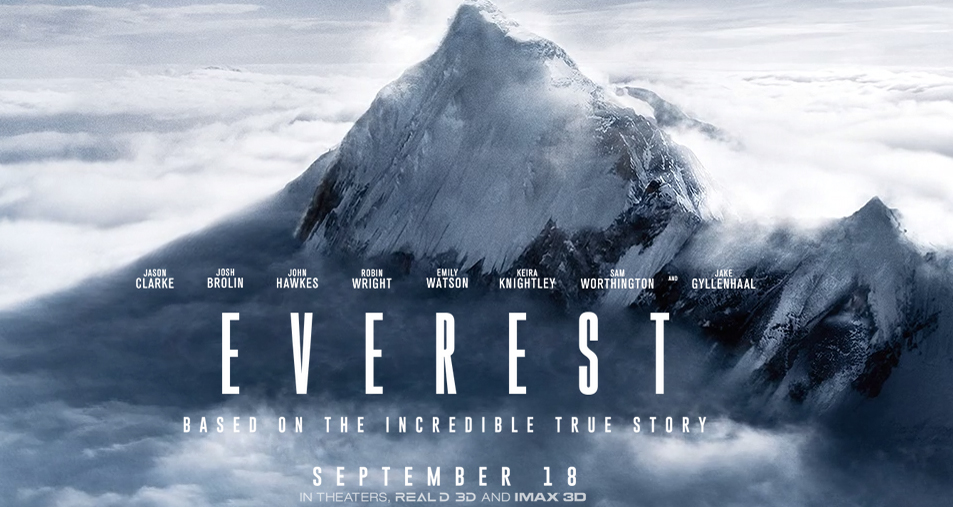
The history of recent mountaineering movies is pretty dismal, and most involve overlaying the plot of a lame thriller over a climbing backdrop. (See: Vertical Limit, Cliffhanger). Those movies didn’t have faith that the inherent drama in climbing big mountains could sustain a plot. Not so Everest, a new film based on the 1996 disaster that saw eight climbers die in a tangle of greed, poor planning, miscommunication and horrible weather. The catastrophe was well documented, in part because one climber, writer Jon Krakauer, turned it into a best selling book, Into Thin Air. Other books and accounts followed. The events are compelling enough they don’t need embellishment, and as far as I can tell (based on my reading of Krakauer’s book 18 years ago), there isn’t any. The movie, directed by Iceland’s Baltasar Kormakur, does streamline the action, focusing on New Zealand guide Rob Hall and his clients, and leaved out some of the other climbing teams that played a role in the disaster. Kormakur revels in the mountain setting, and his camera swoops in and out of the Himalaya, showing the massive size of Everest, and the scale of the challenge. One sequence involving a helicopter rescue at 20,000 feet is heart stopping. He’s also faithful to the sport. As a (very) amateur climber who has tackled some big peaks, I was ready (eager almost) to pick apart the inaccuracies, but there weren’t many (the self-arrest technique of one guide needed work). He also captures the pain and difficulty of operating in a high-altitude environment, and how it debilitates even the most accomplished mountaineer. Kormakur’s bigger challenge is crafting the individual narratives of the characters, most of which are vague sketches. He delves into the back story of one climber, Beck Weathers (played by Josh Brolin) a brash Texan, but he rarely rises above a stereotype. The heart of the movie, and its one fully realized personality, is Hall (Jason Clarke), whose compassion proves to be his greatest flaw. Hall’s narrative – including his poignant conversation from the top of Everest with his pregnant wife (Keira Knightly) at home – is so well known that for many viewers, there’s little suspense. It’s nonetheless a powerful story, more so because it’s true, and even if you know what’s coming, the film’s climax is surprisingly affecting.

Very Short Review: Shutter Island (2010)

16 Friday Jan 2015

Posted by percivalhenry in Very Short Review

≈ Leave a comment

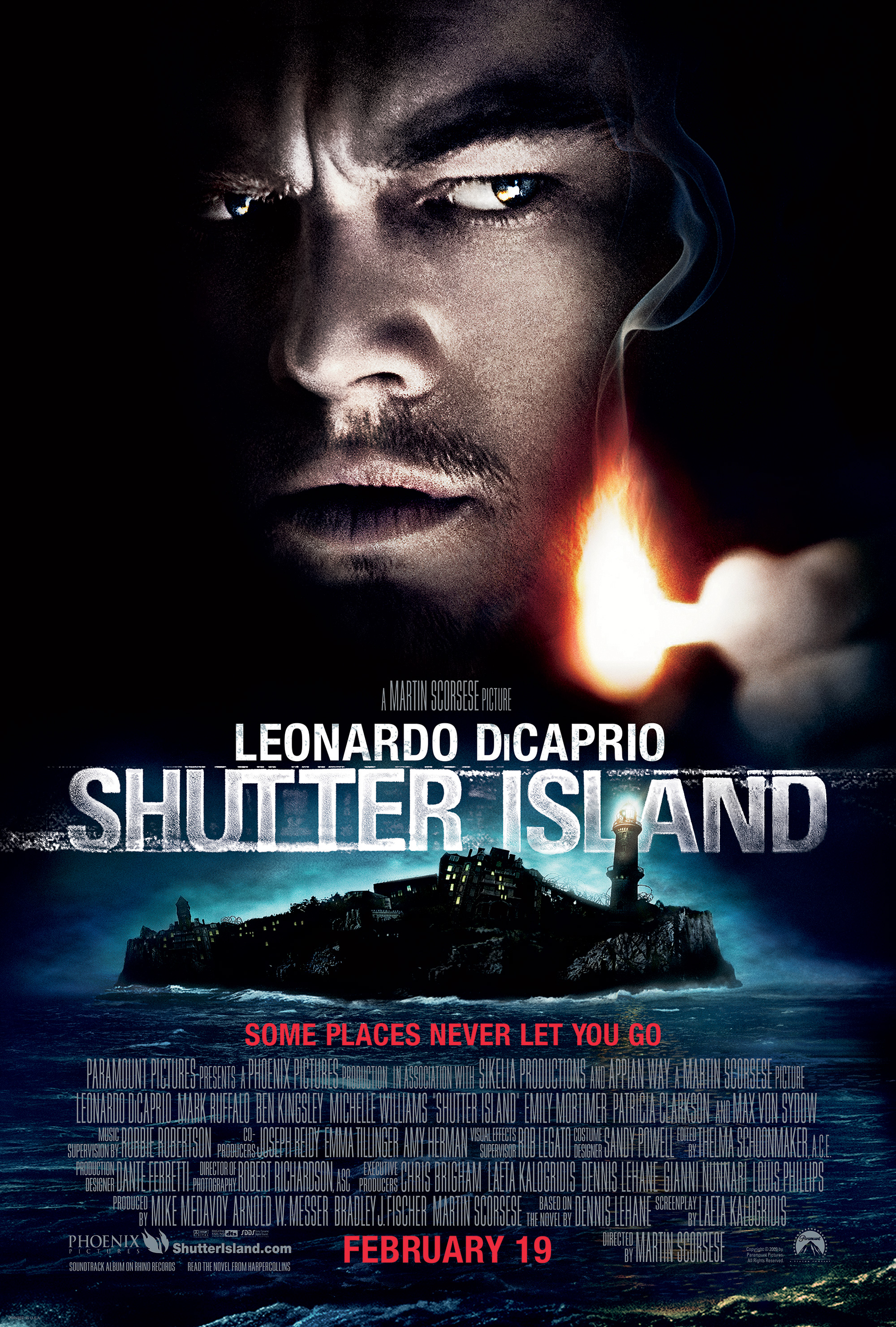
???????????????????????????   I haven’t seen every Martin Scorsese movie, but I’ve seen most and “Shutter Island” is easily the worst. Whatever the flaws of “Bringing Out The Dead” or “The Age of Innocence,” they weren’t boring and I never regretted watching them. Not so with “Shutter Island,” an exercise in lurid tedium. The movie starts out promisingly, with Leonardo DiCaprio as a harried federal marshal in the 1950s investigating a missing inmate at a mental institution on an island in Boston Harbor.  Things go awry as DiCaprio quickly descends into typical horror movie territory: sinister scientists, driving rain, flashing lightning, now way to escape the island etc. Scorsese clearly has fun paying homage to the genre, and there are a few scenes that thrill. But rather than taking us on a brisk ride, he buries us in convoluted twists and turns, adding layers of exposition before finally delivering a twist so predictable it was telegraphed an hour earlier (particularly to anyone who saw A Beautiful Mind).  DiCaprio does his best but seems wrong for the part – he’s too boyish and good looking to play a man at the end of his rope – and Mark Ruffalo again plays a federal agent who is not quite what he seems. A contrarian view might be that Scorsese was fully aware what he was doing, and he ladled on the melodrama with intent, perhaps as a misguided tribute to some B-movie from his youth. In either scenario it failed, utterly.

Very Short Review: Captain Phillips (2013)

26 Wednesday Nov 2014

Posted by percivalhenry in Very Short Review

≈ Leave a comment

Captain_Phillips_poster

“Captain Phillips” was both less and more than what I expected.

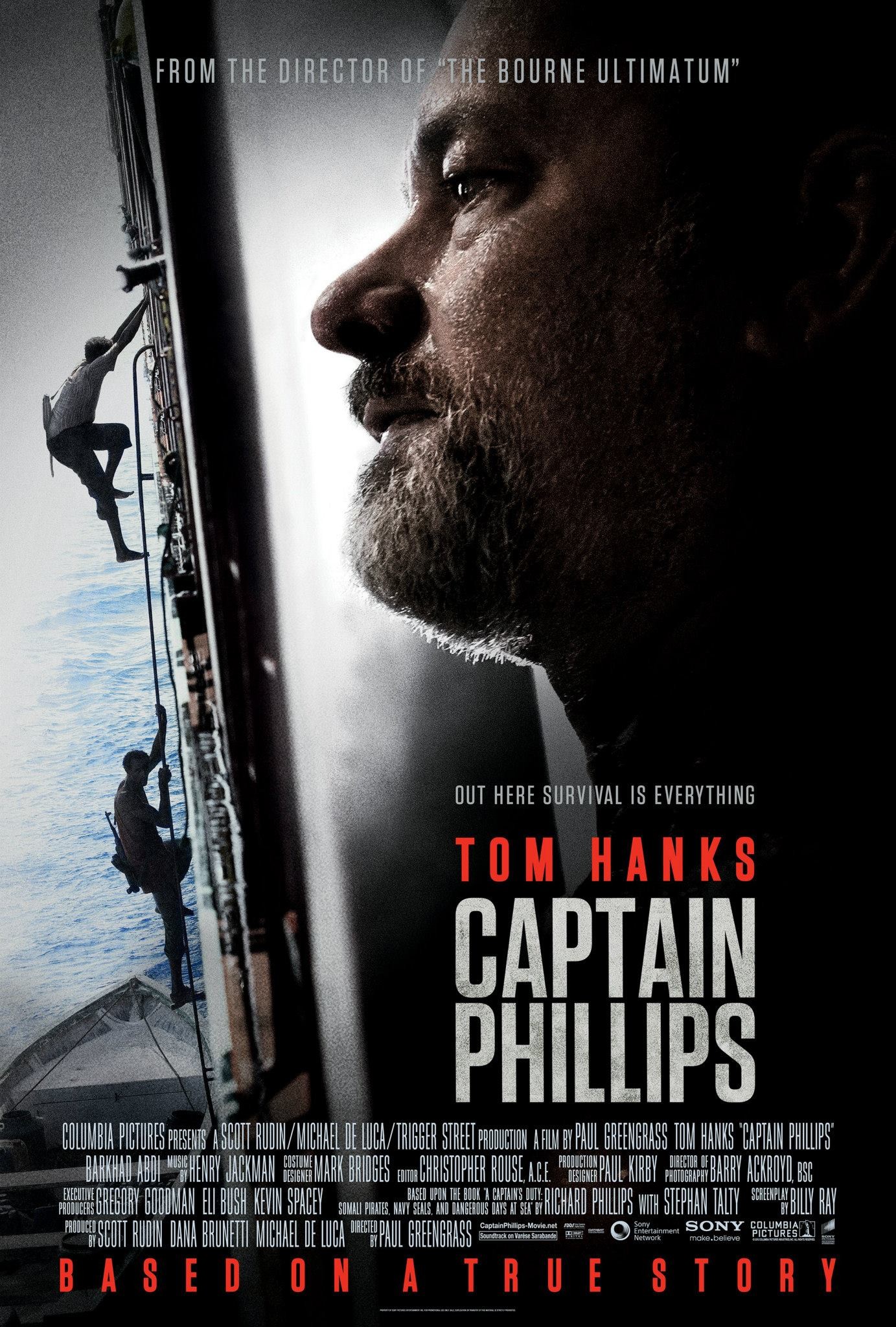
The story, based on real events, is simple: Richard Phillips (played by Tom Hanks) is the captain of a freighter crossing hazardous seas. His ship is boarded by a band of four Somali pirates, he is held hostage on a lifeboat and eventually rescued by the U.S. Navy.

The spareness of the plot lends itself to a lean, stripped down movie. This is what I mean by less. The camera almost never leaves Hanks – the one main exception is scenes that establish the pirates and their motivations – and Captain Phillips is a taciturn man. There are no soaring speeches, no long exchanges between characters. The dialogue is clipped and blunt, and the action scenes are jolting. The one time we see Phillips as anything more than a ship’s captain – the opening scene where he heads to the Burlington, Vermont, airport – he and his wife are filmed from behind and their conversation centers on their worries about their son’s future. The tone is set: worry and anxiety permeate this movie.

The more is Hanks’s performance. Grey-bearded and grim, he occupies the center of the movie without dominating it. For me, the mark of a successful performance from a famous actor is when I forget I’m watching a famous actor, and that’s rare. Star vehicles like “Captain Phillips” often seem produced to fetch awards, and the movie wants you to pay attention to the amazing acting. In “Gravity,” for instance, I never forgot I was watching Sandra Bullock. Not here. The economic script, and Hanks’s muted performance, allows him to disappear into his role of a man pushed to his limits.

Captain Phillips is directed by Paul Greengrass, who made two of the Bourne movies, and it’s a good marriage between a director who eschews frills and a story that offers few. There are no real heroes here. Phillips survives his ordeal with some quick thinking – but he’s rescued by the overwhelming firepower of the U.S. Navy, and it’s clear they’re only there to save the White House from the embarrassment of an American kidnapped in Somalia.

Unlike “Black Hawk Down” or “Zero Dark Thirty,” movies with which it shares a milieu and worldview, “Captain Phillips” largely ignores the geopolitical events that set the stage. The film has sympathy for the Somalians driven to piracy, but has little time to dwell on their plight. Its focus is entirely on the struggle off the Horn of Africa, and the last hour feels like the end game of a chess match, with the few remaining pieces on the board desperately staving off the final checkmate.

Very Short Review: Now You See Me (2013)

12 Tuesday Aug 2014

Posted by percivalhenry in Very Short Review

≈ Leave a comment

mza_1285555125164861751


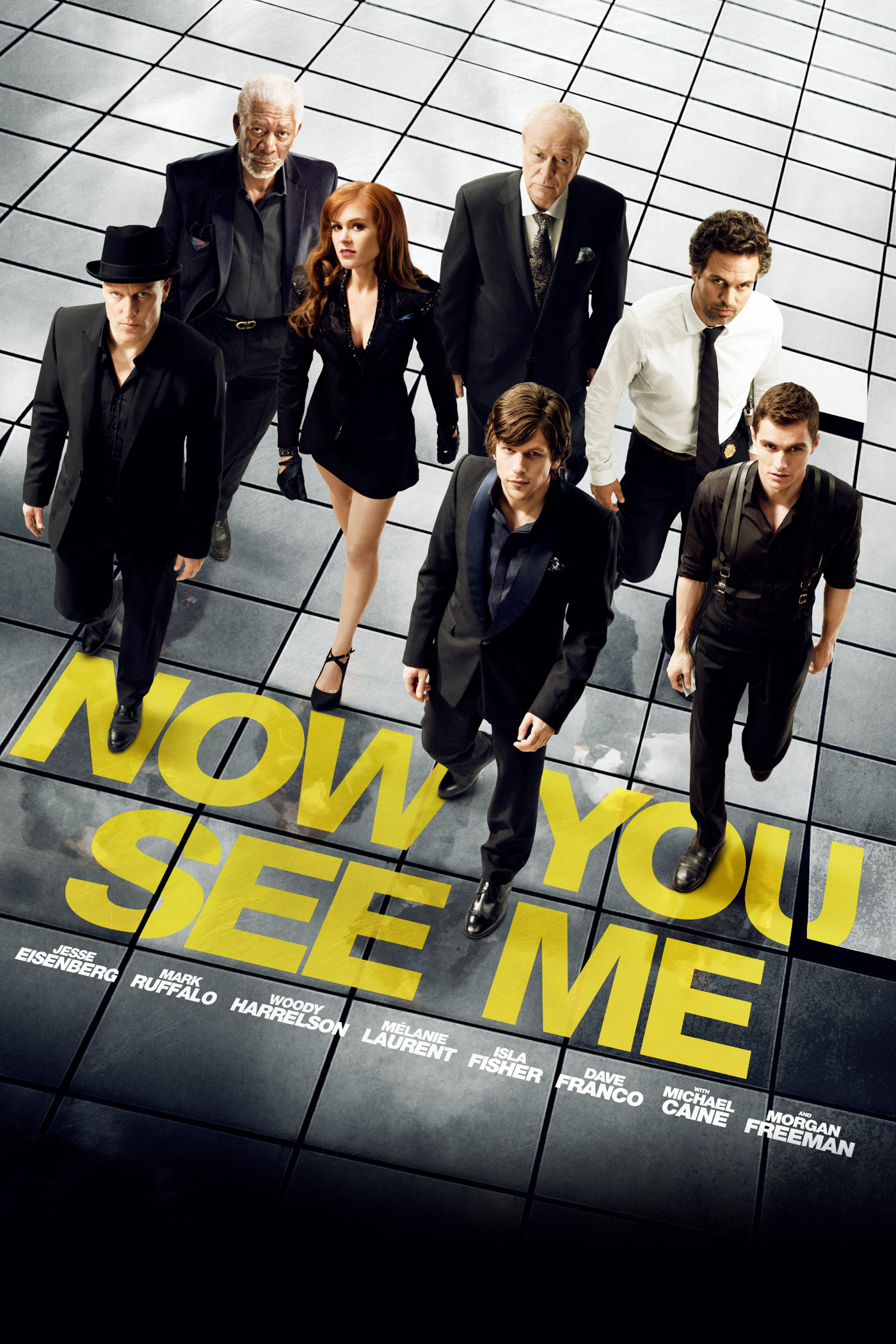
The tricky thing about writing reviews for movies built on surprises and twists is describing the movie without giving away the plot. You don’t want to spoil the reader’s fun. But when it comes to an utter failure like “Now You See Me,” I have no such qualms. The twist at the end doesn’t make you rethink everything you just saw, it makes you rethink your decision to waste two hours watching it. The premise is this: a team of four magicians, pick pockets and hypnotists are recruited to form a super team of performers, who use lavish shows in Vegas and New Orleans to rob banks and billionaires and give the money to their audiences in outlandishly public ways. This attracts the attention of the FBI, and Agent Rhodes, played with gruff exasperation by Mark Ruffalo, gives chase, accompanied by a (surprise!) beautiful French agent assigned by Interpol (because the magicians robbed a French bank). The true motives of the Four Horsemen (as the team is called) are not known, nor do we know the identity of their benefactor. Various suspects are supplied, including a former magician-turned-debunker Morgan Freeman. As the stunts become more elaborate and the chase scenes more frenzied and desperate, the tension builds and the movie blows up like a balloon, promising a big reveal. But instead of achieving lift off, or even popping in some novel way, it leaks away like a sad flatulence. The mastermind behind the heists was Ruffalo’s FBI agent, who all along, for reasons unexplained, gave the appearance of trying to catch the crooks while bankrolling them. His motive? Some vague revenge for the death of his magician father (How the son of a famous magician gets assigned the FBI’s first magician-bank robbery case without anyone noticing is only one of the dozens of  holes and flaws in the movie). The Four Horsemen, who never progress past their snappy banter into real people, achieve some sort of magician Nirvana and ride away on a mystical carousel (really). The movie ends, insipidly, with Ruffalo and the French agent declaring their love on the Pont Des Arts (the bridge with the cheesy locks) in Paris. But the movie’s biggest problem isn’t the improbable twist that Ruffalo was pulling the strings – in the hands of a gifted director, it could have been sold. (Think of Christopher Nolan’s “The Prestige” as a template for how to make this sort of movie work).  It’s that “Now You See Me” makes no attempt to sell it. Instead of rewinding the camera to show the clues we missed, we get a halfhearted shrug, as if it couldn’t be bothered to try. It’s like a botched magic trick: a lot of razzle dazzle before the magicians flubs the finale.

← Older posts
  • “The World’s Greatest Comic Magazine!” Fantastic Four Annual No. 15
  • “The World’s Greatest Comic Magazine!” Fantastic Four No. 223
  • “The World’s Greatest Comic Magazine!” Fantastic Four No. 222
  • “The World’s Greatest Comic Magazine!” Fantastic Four No. 221
  • “The World’s Greatest Comic Magazine!” Fantastic Four No. 220
  • July 2026
  • June 2026
  • May 2026
  • April 2026
  • March 2026
  • February 2026
  • January 2026
  • December 2025
  • November 2025
  • October 2025
  • September 2025
  • August 2025
  • July 2025
  • June 2025
  • May 2025
  • April 2025
  • March 2025
  • February 2025
  • January 2025
  • December 2024
  • November 2024
  • October 2024
  • September 2024
  • August 2024
  • July 2024
  • June 2024
  • May 2024
  • April 2024
  • March 2024
  • February 2024
  • January 2024
  • December 2023
  • November 2023
  • September 2023
  • July 2023
  • June 2023
  • May 2023
  • April 2023
  • March 2023
  • February 2023
  • January 2023
  • December 2022
  • November 2022
  • October 2022
  • September 2022
  • August 2022
  • July 2022
  • June 2022
  • May 2022
  • April 2022
  • March 2022
  • February 2022
  • January 2022
  • December 2021
  • November 2021
  • October 2021
  • September 2021
  • August 2021
  • July 2021
  • June 2021
  • May 2021
  • April 2021
  • March 2021
  • February 2021
  • January 2021
  • December 2020
  • February 2018
  • May 2016
  • February 2016
  • January 2016
  • December 2015
  • November 2015
  • October 2015
  • September 2015
  • August 2015
  • July 2015
  • April 2015
  • March 2015
  • January 2015
  • December 2014
  • November 2014
  • October 2014
  • September 2014
  • August 2014
  • June 2014
  • May 2014
  • April 2014
  • March 2014
  • February 2014
  • July 2026
  • June 2026
  • May 2026
  • April 2026
  • March 2026
  • February 2026
  • January 2026
  • December 2025
  • November 2025
  • October 2025
  • September 2025
  • August 2025
  • July 2025
  • June 2025
  • May 2025
  • April 2025
  • March 2025
  • February 2025
  • January 2025
  • December 2024
  • November 2024
  • October 2024
  • September 2024
  • August 2024
  • July 2024
  • June 2024
  • May 2024
  • April 2024
  • March 2024
  • February 2024
  • January 2024
  • December 2023
  • November 2023
  • September 2023
  • July 2023
  • June 2023
  • May 2023
  • April 2023
  • March 2023
  • February 2023
  • January 2023
  • December 2022
  • November 2022
  • October 2022
  • September 2022
  • August 2022
  • July 2022
  • June 2022
  • May 2022
  • April 2022
  • March 2022
  • February 2022
  • January 2022
  • December 2021
  • November 2021
  • October 2021
  • September 2021
  • August 2021
  • July 2021
  • June 2021
  • May 2021
  • April 2021
  • March 2021
  • February 2021
  • January 2021
  • December 2020
  • February 2018
  • May 2016
  • February 2016
  • January 2016
  • December 2015
  • November 2015
  • October 2015
  • September 2015
  • August 2015
  • July 2015
  • April 2015
  • March 2015
  • January 2015
  • December 2014
  • November 2014
  • October 2014
  • September 2014
  • August 2014
  • June 2014
  • May 2014
  • April 2014
  • March 2014
  • February 2014
“The World’s Greatest Comic Magazine!” Fantastic Four Annual No. 15

“The World’s Greatest Comic Magazine!” Fantastic Four Annual No. 15

percivalhenry's avatar by percivalhenry July 18, 2026
“The World’s Greatest Comic Magazine!” Fantastic Four No. 223

“The World’s Greatest Comic Magazine!” Fantastic Four No. 223

percivalhenry's avatar by percivalhenry July 14, 2026
“The World’s Greatest Comic Magazine!” Fantastic Four No. 222

“The World’s Greatest Comic Magazine!” Fantastic Four No. 222

percivalhenry's avatar by percivalhenry July 5, 2026
“The World’s Greatest Comic Magazine!” Fantastic Four No. 221

“The World’s Greatest Comic Magazine!” Fantastic Four No. 221

percivalhenry's avatar by percivalhenry June 25, 2026
“The World’s Greatest Comic Magazine!” Fantastic Four No. 220

“The World’s Greatest Comic Magazine!” Fantastic Four No. 220

percivalhenry's avatar by percivalhenry June 15, 2026
“The World’s Greatest Comic Magazine!” Fantastic Four No. 219

“The World’s Greatest Comic Magazine!” Fantastic Four No. 219

percivalhenry's avatar by percivalhenry June 7, 2026

Blog at WordPress.com.

  • Subscribe Subscribed
    • Percival Henry: The Fantastic Four and more
    • Join 74 other subscribers
    • Already have a WordPress.com account? Log in now.
    • Percival Henry: The Fantastic Four and more
    • Subscribe Subscribed
    • Sign up
    • Log in
    • Report this content
    • View site in Reader
    • Manage subscriptions
    • Collapse this bar
Loading Comments...