Note: If you are here for Fantastic Four content, you may want to skip this post. While these days my blog is almost all FF recaps, I occasionally still post things like this.
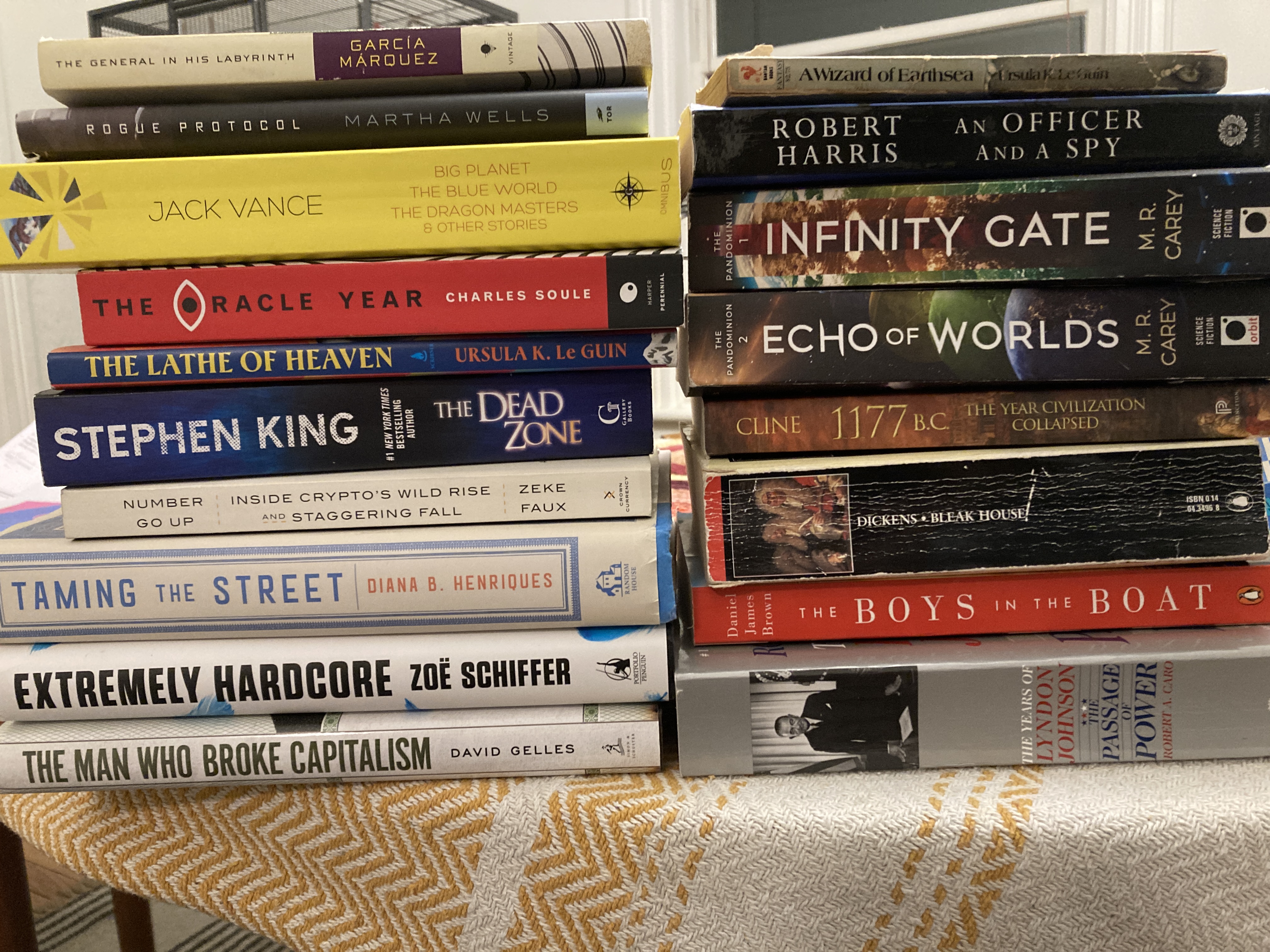
Last year was my fifth tracking and counting the books I read. Although I technically read 27 books, I’m only counting 24 (more on that in a bit) and therefore just reached my goal of two a month. As usual, I was very unsystematic about what I read, and my choices ranged from gifts I received, books I found at my parents’ house, things I picked up at library sales, entries in a business book contest I judged, and books reviewed in the Times. I read more science fiction and fewer non-fiction books than the previous year, and totaled 8,986 pages, down from 10,215 in 2023. I enjoyed most of what I read, although there were a few duds.
The books are presented in the order I read them. As always, for the images, I have tried to find the cover of the edition I read. Also, apologies for any layout wonkiness. WordPress was being particularly difficult with this post.
1, A Coffin for Dimitrios, Eric Amber (1939), 302 pages
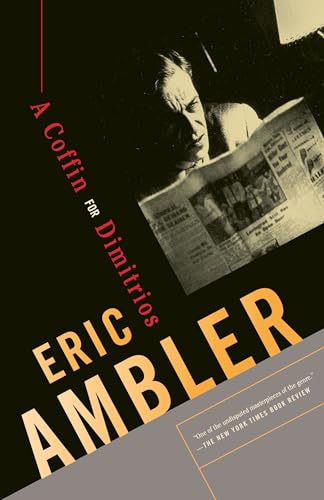
This novel was named one of Time’s 100 best mysteries and thrillers of all time, and because my father was an Eric Ambler fan and it was on the shelf at my parents’ home, I decided to give it a shot. Set in Turkey, Greece and Bulgaria between the wars, it’s darkly atmospheric and full of intrigues and double-crosses. I’m not sure I ever quite bought into the premise — the protagonist is a novelist compelled to solve a mystery to satisfy his own curiosity — but Ambler propels the plot along briskly and sticks the landing.
2, The Dead Zone, Stephen King (1979), 513 pages
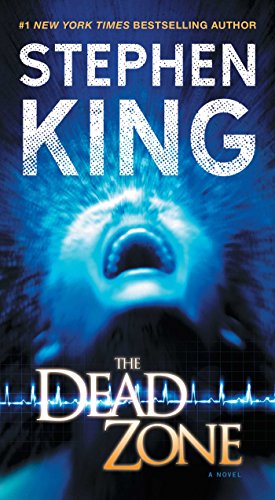
I began reading Stephen King books a few years ago, and have pretty much enjoyed everything by him I’ve encountered. I’ve stuck mostly to his science fiction, and they are engrossing reads. This one, about a young man who after an accident realizes he can see into the future (the “dead zone” of the title refers to the quasi-hypnotic state he enters into) and the complicated consequences that follow. I read this while suffering from pneumonia and it offered the just the right amount of plot without requiring too much concentration.
3, The Ferryman, Justin Cronin (2023), 538 pages
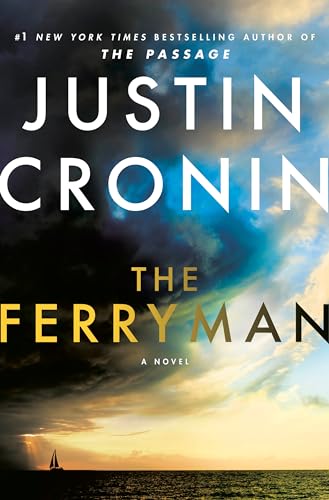
Easily the worst book I read in 2023. I saw this in one of the little free library boxes in my neighborhood, and because I enjoyed Cronin’s Passage trilogy, it seemed like it was a safe bet. It was not. The story is basically a version of The Matrix in which events play out in the mind of a slumbering protagonist, who in this case is in cryogenic sleep abroad a space ship. Except we don’t learn that until the last quarter of the book and instead of his imagined world being interesting or exciting, it’s incredibly tedious. I returned this book to the neighborhood library and regret not attaching a note of warning.
4, The Boys in the Boat, Daniel James Brown (2013) 375 pages
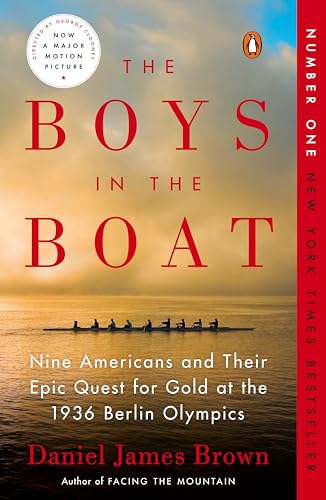
This was recommended by a CEO I interviewed years ago, and I when I saw a copy at a library sale, I picked it up and finally read it last year when I heard a movie was coming out. It reminded me a lot of Laura Hillenbrand’s Unbroken, another richly detailed story of plucky American courage and achievement against the backdrop of World War II (or in this case, the rise of Nazism). Brown interviewed the surviving members of the U.S. Olympic 1936 eight-man rowing crew, and tells a compelling story, with the focus on one rower from a hardscrabble background in Washington State. Brown is great at describing the complicated and slightly mystical sport of rowing, an activity that demands high levels of stamina, technique, teamwork and equipment. I suspect some of the details and dialogue lost to history might have been embroidered by Brown, but it all added up to a satisfying read.
5, The Lathe of Heaven, Ursula K. Le Guin (1971), 184 pages
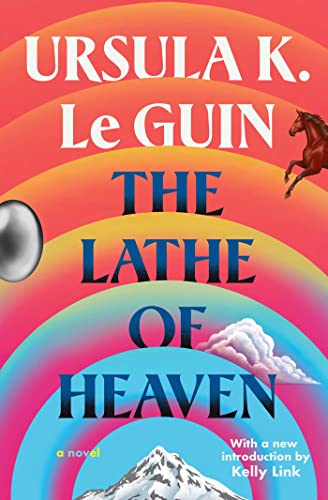
After reading The Left of Hand of Darkness two years ago I was eager to explore more of Le Guin. This book, about a man with the power to remake reality through his dreams, is less successful, in part because it’s set in late 1960s Portland, Oregon (where Le Guin lived), and being tethered to that era makes it somewhat dated and clunky. The protagonist is also a bit of a cypher, and his romantic connection didn’t really work. But Le Guin’s wildly imaginative premise made it worth reading.
6, The Oracle Year, Charles Soule (2018), 402 pages
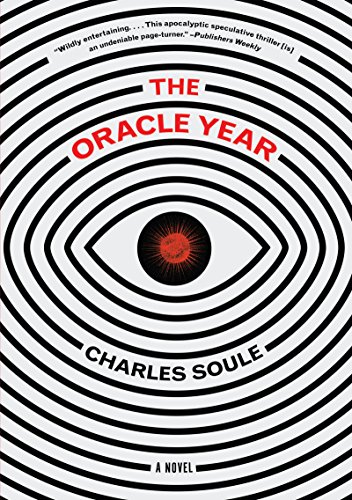
Soule is one of my favorite comic book authors and I bought this, his first novel, from him at New York Comic Con. The fun plot concerns an aimless 20-something who suddenly can predict the future, and his attempts to escape the evil doers who want to control him. Stephen King’s influence is obvious, from the surprisingly resourceful hero to the MacGuffin-like origin of his powers, but that doesn’t mean it wasn’t an entertaining story.
7, An Officer and a Spy, Robert Harris (2013), 429 pages
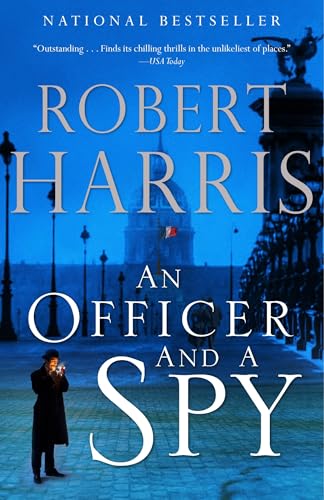
Starting with Fatherland, which I read a few years ago, I’ve mostly enjoyed the Harris books I’ve read and this may be his best. It retells the infamous Dreyfus Affair as a thriller, as Major Georges Picquart, a French officer who is first convinced Dreyfus — a Jewish artillery officer—is guilty of spying, then unearths evidence of his innocence. The story is really Piquart’s not Dreyfus’s, and his battles against France’s military establishment and his own prejudices. Harris does a masterful job of recreating France in the early 1900s, and mining the historic record for the elements to transform a well-known historical event into a compelling, and suspenseful, thriller. One of the best books I read in 2024.
8, Infinity Gate, M. R. Carey (2023), 499 pages
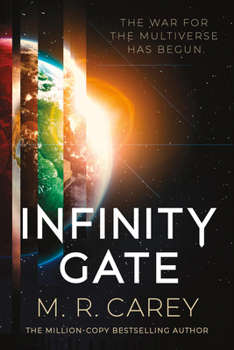
I really enjoyed this science fiction novel, which I first encountered in a New York Times review. It’s a multiversal novel and so instead of taking place on multiple planets across the galaxy, it takes place on multiple Earths, most of which are part of a vast empire, the Pandominion. While the premise of the novel is intriguing, it’s real strengths are the richly realized characters who populate the novel, some of whom are from our Earth, and some from other similar and no-so similar Earths (one character comes from an Earth where humans share a common ancestor not with apes but with rabbits — she’s very good at jumping and kicking). When I bought this book, I was under the impression M.R. Carley was a woman, thereby helping me increase the number of books by female authors I am reading, a goal of mine. Alas, the M. stands for Michael, and Mike Carey is another comic book writer turned sci-fi author.
9, The Man Who Broke Capitalism, David Gelles (2023), 234 pages
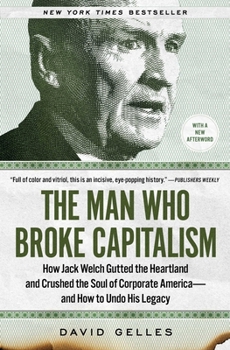
This book arrived at my door last year by accident, due to some confusion on the publisher’s part about whether it was a finalist among the business books I was judging (it wasn’t). I read it because I’ve written about Welch and GE on-and-off over my career, and while there wasn’t anything in it that was particularly revelatory, it works really well as a primer on the trends in American business over the last 40 years. I would recommend it to a high school student (or I guess anyone) curious about why companies act the way they do.
10, The Dragon Masters and Other Stories (2016), 183 pages
Jack Vance has become one of my favorite science fiction authors, as much for his incredibly imaginative stories as for his uniquely styled, almost archaic writing voice. I bought this collected volume in London years ago and after reading Big Planet and The Blue World over the last few years, finally turned to The Dragon Master and Other Stories, a collection of three novellas from the 50s and 60s which is somewhat confusingly included in this larger collection. The three stories are all fairly amazing and weird and thought provoking in their own ways. If you want to give Vance a try, The Miracle Workers, about a feudal society that lost and rediscovers science, is a fun introductory work.
11, The Tripods Trilogy, John Christopher, (1967-68), 618 pages
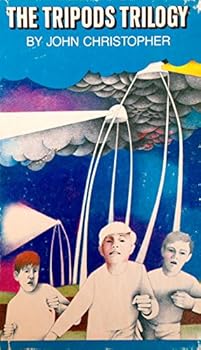
I’m conflating these three books into one because they are really written for children and each are very short. Fairly obscure now, I bought these books — about a boy who finds himself part of a rebellion against aliens that have enslaved most humanity — as a middle-schooler and loved them. I have reread them a few times since, most recently as a nostalgic break as I read something much denser (see below) and as escapist science fiction, they hold up well. They are dated — there are almost no women or girls in them, for example — but Christoper’s writing is wonderfully crisp and economical, and a great lesson in how less can be more.
12, Bleak House, Charles Dickens (1853), 1053 pages
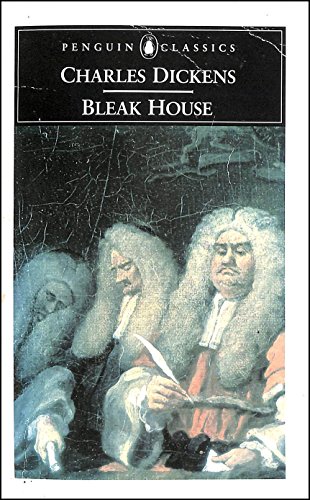
One of my reading goals is to tackle the so-called great books, the one’s that populate lists of the greatest novels ever written (like this one). Bleak House was a project, but a fascinating and rewarding one. While it concerns a slow-moving court case, Jarndyce vs Jarndyce, about a contested will, it contains layers and layers, with dozens of characters, multiple subplots, many humorous scenes, and maybe most interestingly, two narrators that alternate chapters (one is an omniscient third person narrator, the other is Esther Summerson, a young orphan who ends up living in Bleak House). The story zigs and zags, and is at times a detective novel, at times a romance, and at times pointed social commentary. Dickens can be both bombastic and subtle, sometimes on the same page, and at times I felt I overlooked important plot points, requiring me to flip back and forth a lot to see what I missed. By the time I finished, I felt like I had climbed a mountain; I was exhausted but very glad of the experience.
13, The Witch Hunter, Max Seeck (2020), 384 pages
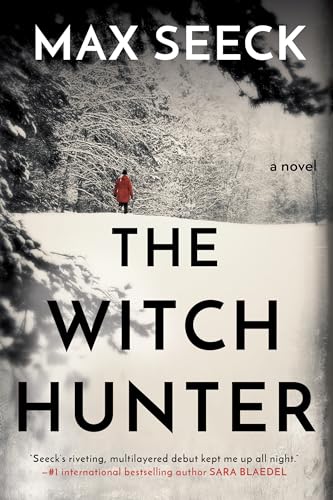
Another selection from my father’s bookshelf, this was the only other real disappointment of the year. A police procedural in Finland, the setting is promising, but the plot is outlandish, the characters overwrought and the whole thing is too melodramatic. I hung on until the end to see how is tied up but it was a chore.
14, The Passage of Power, Robert Caro (2012), 692 pages
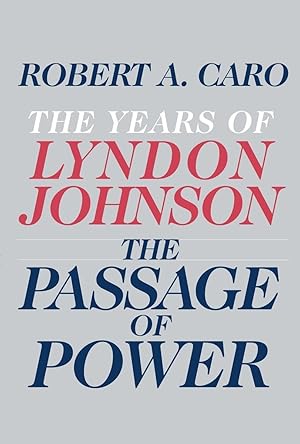
This was my other big project of the year: reading the most recent volume of Caro’s Lyndon Johnson biography. I’ve been reading one a year for the last four years and they are all extraordinary, for the depth of Caro’s reporting, for his elegant and propulsive writing, and for the sweep and insight with which he unfolds the events in mid-century America. This volume concerns LBJ’s vice presidency, which was grim, and his first year in office as president following Kennedy’s assassination, which was glorious. If I have a critique, it’s that Caro moves too quickly through the year of his presidency, maybe because he feels like it’s been covered sufficiently elsewhere, but compared to the stately pace with which he describes other periods in Johnson’s life, it almost felt rushed. Now I have to wait for volume five.
15, The Human Target, vols 1 and 2, Tom King and Greg Smallwood, (2022 and 2023)
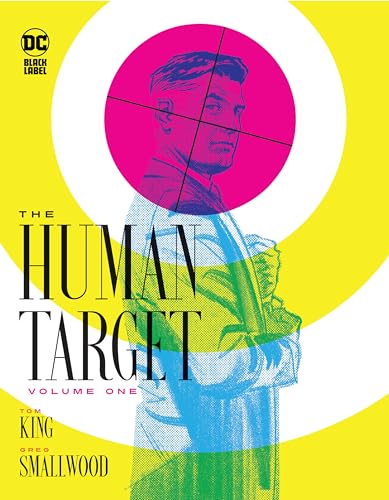
Every year I read a lot of comic books and every year I don’t count them toward my reading totals with one exception: comics written by Tom King. King’s comics are so novelistic in their themes and stories they feel like literature, and The Human Target, which collects a 12-comic miniseries is one of his best. As with his other comics, here King takes another obscure DC character with a long history and puts him through the wringer. While his other stories like The Omega Men and Strange Adventures take place on distant planets, The Human Target is much narrower in its focus, a noir story about a down-on-his luck detective who impersonates assassination targets (hence his name). Here, he becomes entangled with the characters from Justice League Europe, a beloved comic from the 80s known for its slapstick humor. But now the characters are anything but funny, and it’s a bit of a jolt seeing some of them all grown up. While I’d recommend these to anyone who loves great storytelling, the biggest impact will land on comic readers whose memories of these once simply rendered characters are about to get upended.
16, Conclave, Robert Harris, (2017), 391 pages
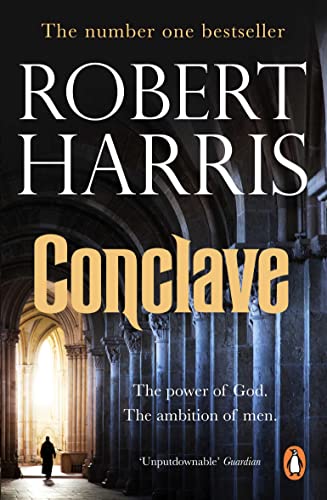
I generally don’t read multiple books by the same author in any given year (a practice I violated multiple times this year) but I liked An Officer and Spy so much that when I heard a Conclave movie was coming out, I wanted to read it in anticipation of seeing the film. But the book was a disappointment, at least compared to Officer, and in fact I felt the movie was much better. Ultimately, Conclave the film did a better job of capturing the pomp and majesty of the Vatican, and the story’s conspiracies and its big twist at the end — all of which seemed highly unlikely in the book — seemed much more plausible in a movie.
17, Taming the Street, Diana Henriques (2023), 354 pages
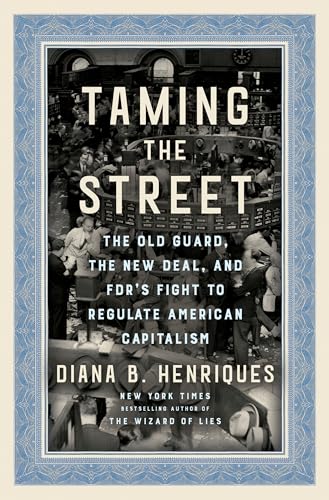
For the last few years I’ve served as a judge in a business book contest, and I read a handful of new business books over five weeks each fall. This was the first of this year’s batch, and the best (and the one awarded first place). Henriques, a longtime business journalist who wrote the definitive account of the Bernie Madoff scandal, describes the depredations of the stock market in the 1920s, and the birth of the Securities & Exchange Commission under Franklin Roosevelt. It’s full of colorful characters, including Joseph Kennedy, the roguish first chair of the SEC (and JFK’s father), and Richard Whitney, president of the New York Stock Exchange, whose downfall is stranger than fiction. It’s a fun read, the reporting is impressive and its lessons, about the importance of smart regulation to safeguard the financial system and grow the economy, are impossible to ignore.
18, Number Go Up, Zeke Faux (2023), 261 pages
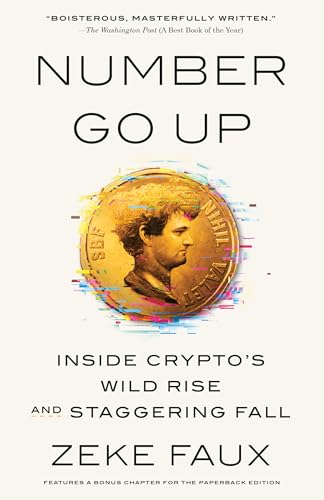
Another contest book, this one by a former colleague. There’s no denying the subject — cryptocurrency and the many grifters who have tried to make money from it — is incredibly compelling, and Faux is a great storyteller. Much of the book is told in the first person, as Faux tries to unwind the company behind Tether, a particularly notorious cryptocurrency, and he gets incredible access to crypto bros who seem to tell him everything. But the first person narrative is also a weakness, since the book follows his reporting without always giving us the bigger picture.
19, Extremely Hardcore, Zoe Schiffer (2024), 298 pages
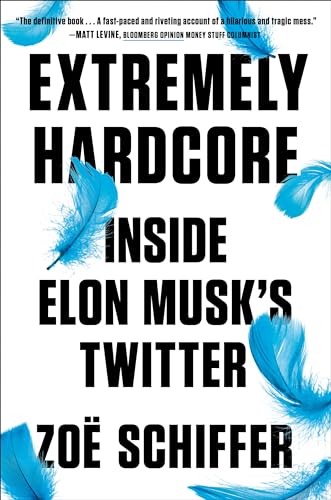
The last of the contest books, and the least successful. It’s basically a chronicle of Elon Musk’s first year running Twitter, and the employees who both benefitted and (mostly) suffered as a result. It’s extremely detailed and well reported, but the employees we meet don’t feel fully developed, and the book is very narrow in its scope. I would have loved a bigger picture via of Musk’s world and where Twitter falls in it. Especially now, as Musk as taken even more importance in the world, the book’s limited focus feels like a real detriment.
20, Rogue Protocol, Martha Wells, (2018) 158 pages
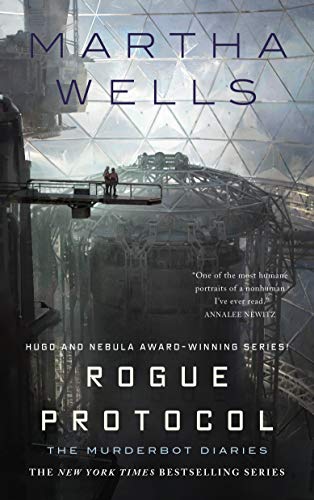
This is the third Murderbot novella I’ve read and the least successful. The premise is a lot of fun: basically a security robot, highly specialized in killing things, breaks free of its programming and develops a conscience. Unfortunately, this books is a direct sequel to the previous one which I read last year, and since I forgot most of the details, I was mildly confused by the robot’s motivations and the role of the sinister corporation that seemed to be pulling strings. Also, a lot of this story takes place on a satellite, and its specific layout and design is both very important to the narrative and frustratingly hard to picture.
21, 1177 B.C.: The Year Civilization Collapsed, Eric Cline, (2015) 190 pages
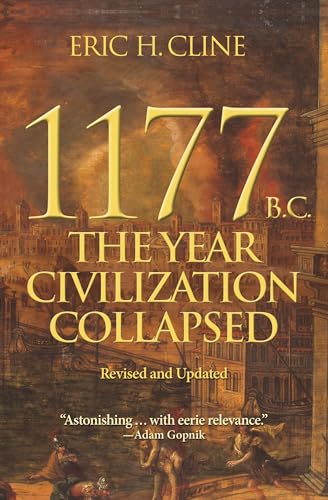
I encountered this book after seeing a bookstore copy of its sequel (After 1177 B.C.), and deciding that it looked interesting enough that I should read this first. In fact, this was very interesting, although not exactly what I expected. The book tells the story of the incredibly vibrant eastern Mediterranean kingdoms of the late Bronze Age and their unraveling. Eric Cline, an academic historian, promises an all-audiences book, but it’s not written as a narrative. Instead, he methodically, and at times ponderously, walks us through the upheaval of civilizations from Egypt to Mycenae to the Hittites, and examines all the evidence that points to their destruction. The book is full of references to historians and archeologists, and its end notes and bibliography run nearly 100 pages. Along the way Cline dispels the idea that an invasion of the mysterious “Sea Peoples” brought about ruin, and in fact he dismisses the idea that 1177 B.C. was the pivotal year (despite the book’s title). Instead, he argues it was a combination of factors, mostly climate related, that led to famine, wars, and the interruption of trade that caused a multi-decade long decline into the Iron Age. His main, prophetic takeaway is that no civilization lasts forever, their ends are multi-faceted and complicated, and no one realizes it’s happening at the time.
22, Echo of Worlds, M.R. Carey (2024), 502 pages
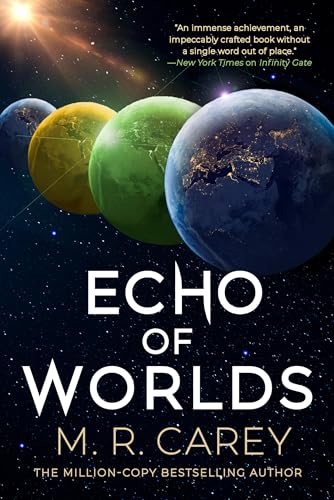
I liked Infinity Gate so much that I pre-ordered the sequel and, again breaking my vague rule about reading the same author twice in one year, devoured this one too. In some ways this story is a more conventional adventure; the cast of characters, assembled at the end of the last book, now embarks on a series of missions to save the multiverse. There are some amazing action set-pieces, and the story has an exciting urgency to it. The resolution of the events at the end felt slightly anticlimactic, but the biggest disappointment was finishing it and realizing there may not be another book in the series.
23, A Wizard of Earthsea, Ursula K. Le Guin (1980), 182 pages
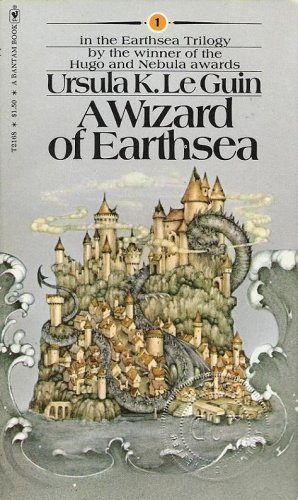
Yet another violation of my rule (see above). I grabbed this in part because I remain Le Guin-curious, in part because I was curious if it held up from when I last read it, close to 40 years ago, and in part because I was stuck without anything to read. It’s really a wonderfully written book, a classic fantasy bildungsroman, about Sparrowhawk, a shepherd boy with a talent of magic who enrolls in an academy for wizards. The magic in this book isn’t the frivolous stuff in Harry Potter but deeply serious, and his mischief leads to horrible consequences he barely survives. In truth, it’s themes were probably way over my head when I read it as a young teen, and the Le Guin’s writing is lyrical and evocative. A terrific book.
24, The General in his Labyrinth, Gabriel Garcia Marquez (1991), 270 pages
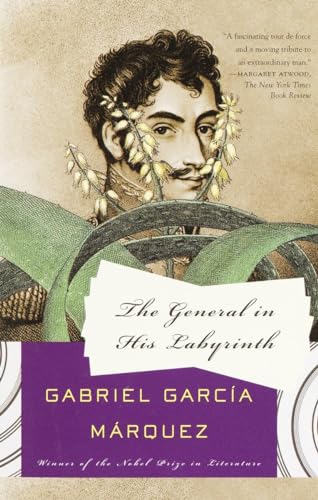
I bought this book, about the last years of Simon Bolivar, after a family trip to Colombia five years ago, and brought it with me on a vacation to El Salvador. It was a good choice, as El Salvador retains a lot of the decaying colonial vestiges described by Marquez, and it wasn’t hard to picture the Colombian towns and villages Bolivar rode though 200 years ago. I last read Marquez 30 years ago, and I had forgotten his brilliant wordplay and hallucinogenic imagery. This book is perhaps more realism than magic, given its biographical nature, and there are lots of names and locations to keep track of, but the prose is wonderfully lush and hypnotic and the book is captivating.

