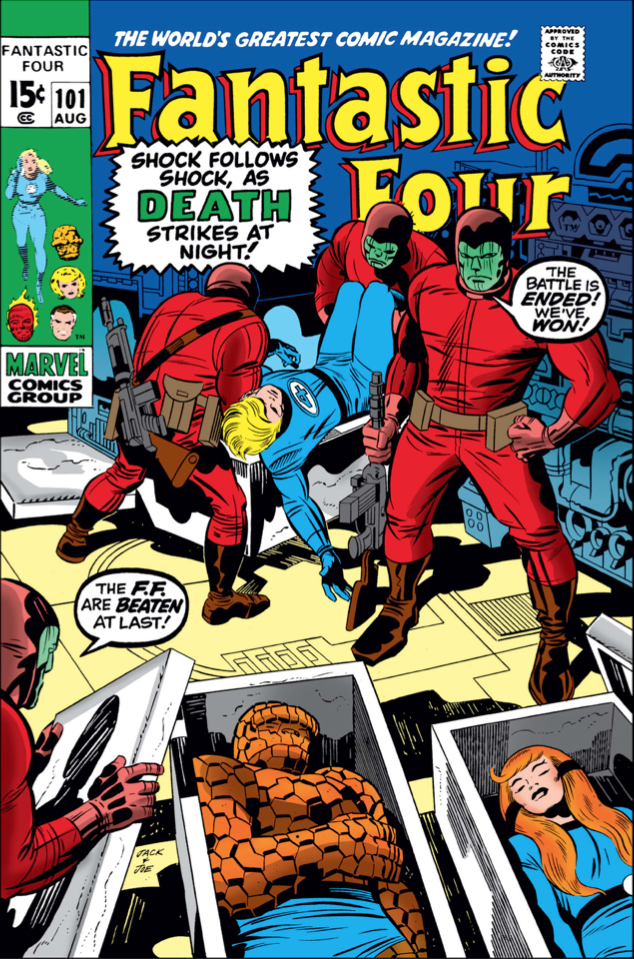
Fantastic Four 101
“Bedlam In The Baxter Building!”
Published May 1970
Story: Stan Lee and Jack Kirby
Pencils: Kirby
Inks: Joe Sinnott
Letters: Artie Simek
Cover: Kirby and Sinnott
Synopsis
The Fantastic Four, plus Crystal and Alicia Masters, are relaxing at the Baxter Building when they receive a notice from their doorman they need to vacate the building as it has been purchased by “the maggia,” Marvel’s versions of the mafia. The action cuts to a meeting of a crime family, led by “the top man” discussing how they plan to legally evict the FF to seize their weapons and inventions.
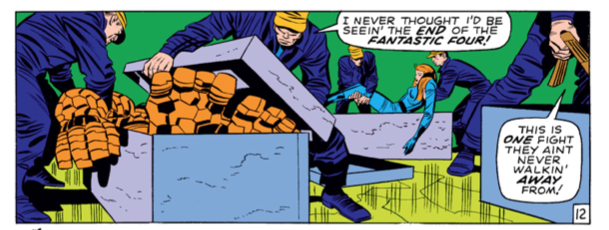
While in the park, the FF see helicopters approaching the Baxter Building. As the team investigates, first the Human Torch, then Mr. Fantastic, the Thing and Crystal are captured by maggia henchmen. The four are placed in caskets and dumped into the ocean, but escape after Crystal breaks free.
Meanwhile, the Invisible Girl resists capture and battles the thugs until the rest of the team arrives. The leader of the maggia is then shot by the Baxter Building doorman, who is revealed to be the “top man” in disguise.
What’s going on here?
Sadly, this is another lackluster issue of the FF as we count down the few issues remaining in the Lee/ Kirby partnership. While the structure of the comics is sturdy enough—Stan and Jack have used this basic formula and pacing for one-and-done stories many times—the plot is ridiculous. The mob buys the Baxter Building (signing a note announcing that’s who they are?) and the team has to vacate immediately, leaving all their stuff behind? Even the average 12 year-old reader has a better sense of real estate law than that. Then there is the problem of mobsters taking down four of the most powerful heroes in the marvel universe. None of it makes much sense.
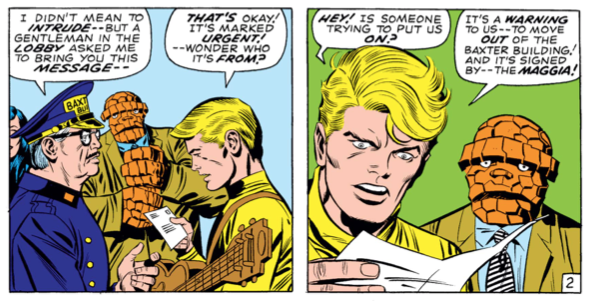
By this point Marvel had been using “maggia” instead of mafia for years (it dates back to Avengers 13) but it never stops sounding odd to me. I’ve never read why Stan felt he couldn’t use “mafia” – was he really worried the real-life mob would object? Given how often they are portrayed in TV and movies, it seems overly sensitive.
Stan and Jack attempt to give the story a bit of a twist with the reveal at the end that the doorman was the mob boss, but it falls flat. We don’t have anything invested in either the doorman or the mafioso, and his infiltration of the Baxter Building hardly seemed worth the trouble.
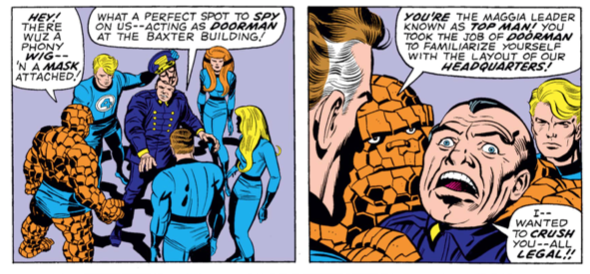
It’s bedlam, I tell you
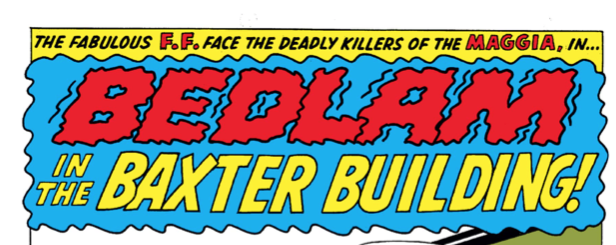
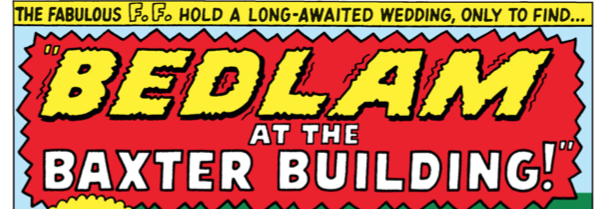
This is the second of at least three FF comics that use Bedlam in or at the Baxter Building. (For those curious, the term “bedlam” derives from the name of a mental hospital in London).
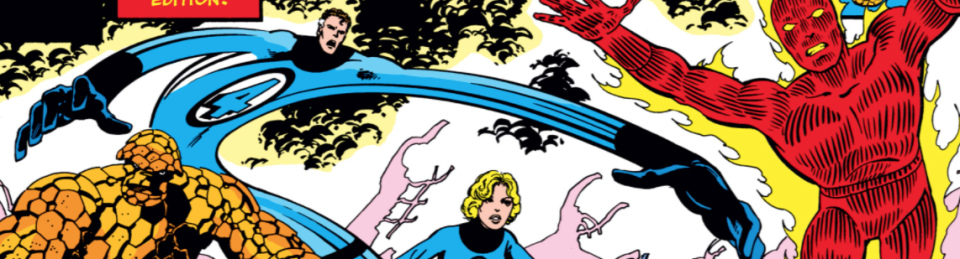
The first instance was in FF Annual 3:
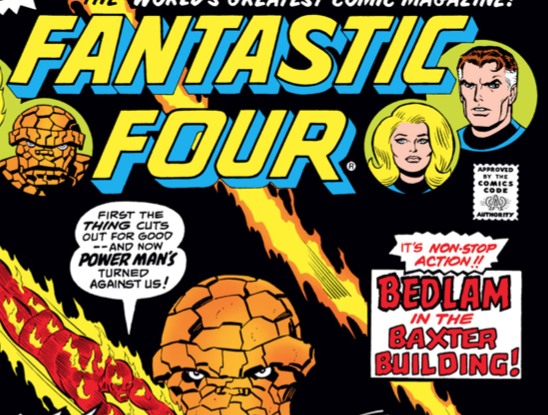
And it appears again on the cover of FF 169 (although that’s not the name of the story)
The sexist seventies
Reed once again wants to protect Sue and the other “girls” from bad news.
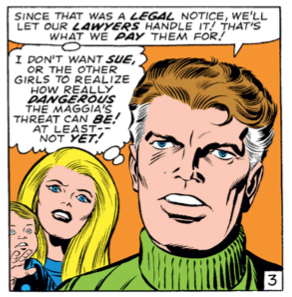
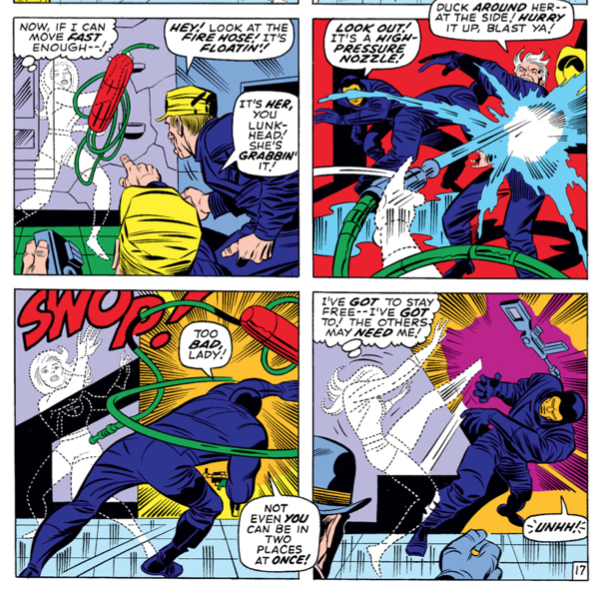
Later in the comic Sue does hold her own against the maggia thugs and kicks some ass. Silly Reed.
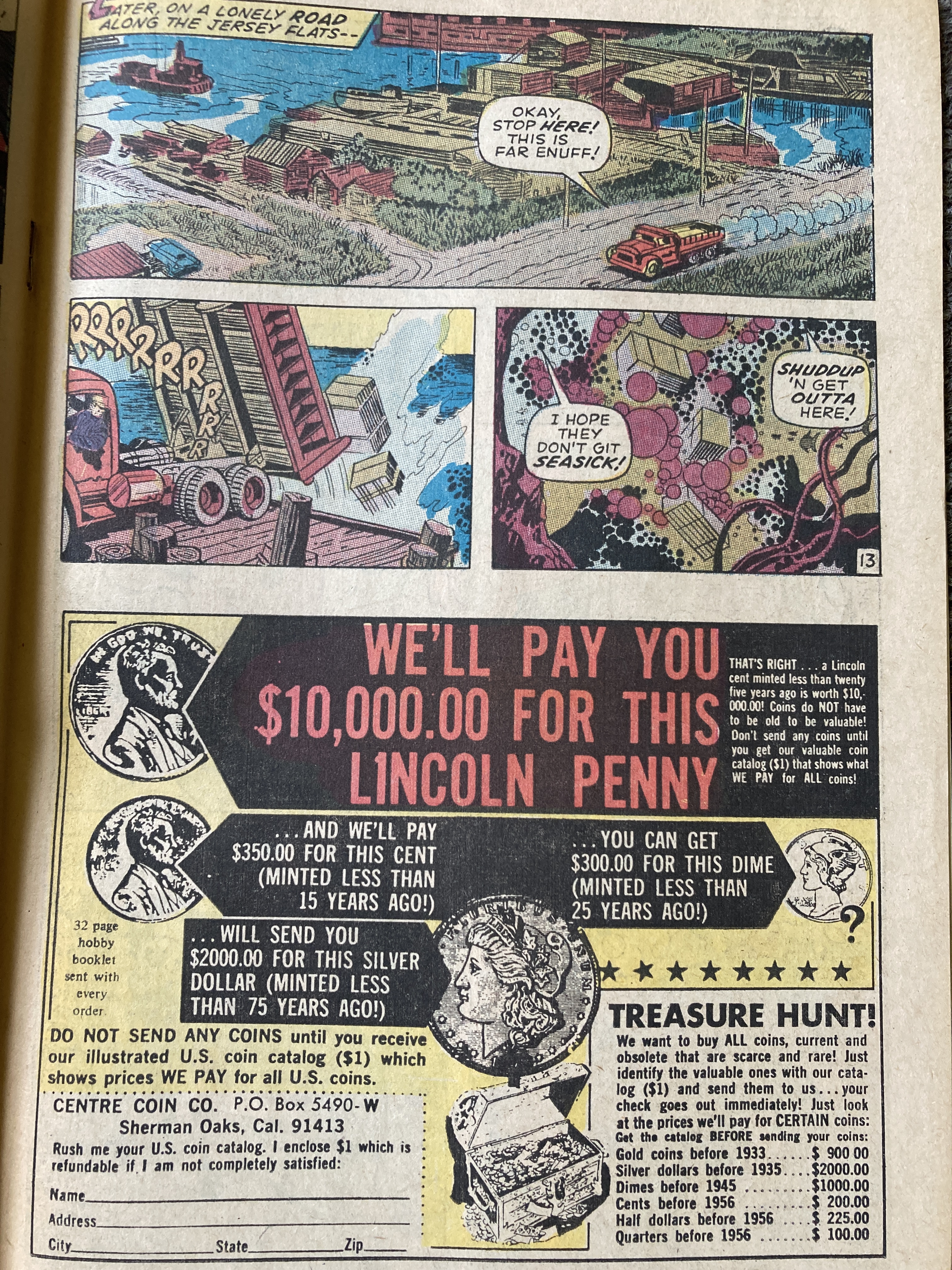
Half bad
This issue has another one of these awful half pages (thankfully they are consolidated into one in the digital comic).
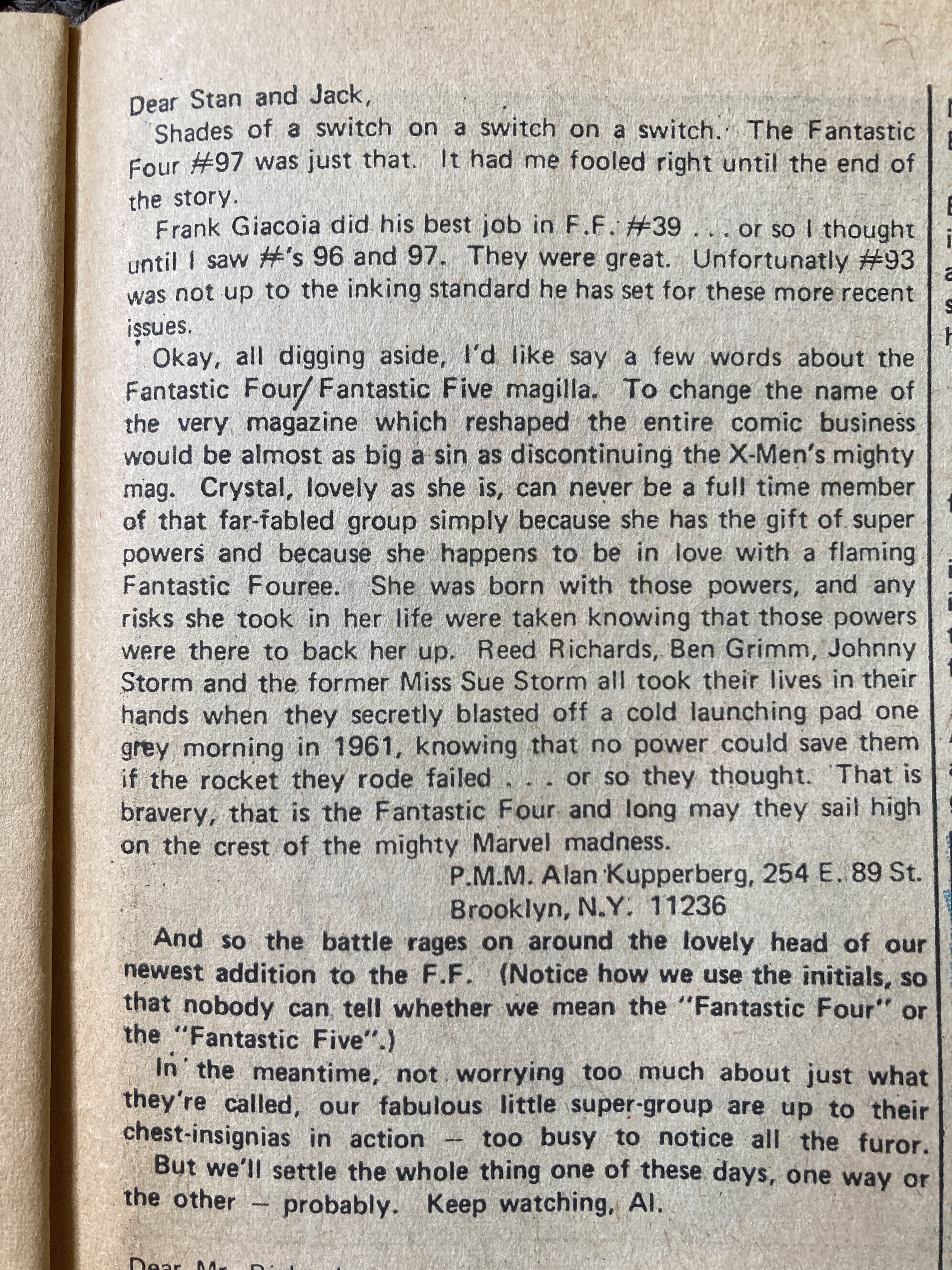
We get letters
Longtime comic writer Alan Kupperberg has a letter in this issue (at least I assume it’s the same guy). He had his first published story, in Hulk 172, just two years later.
Dig that Kirby Krackle
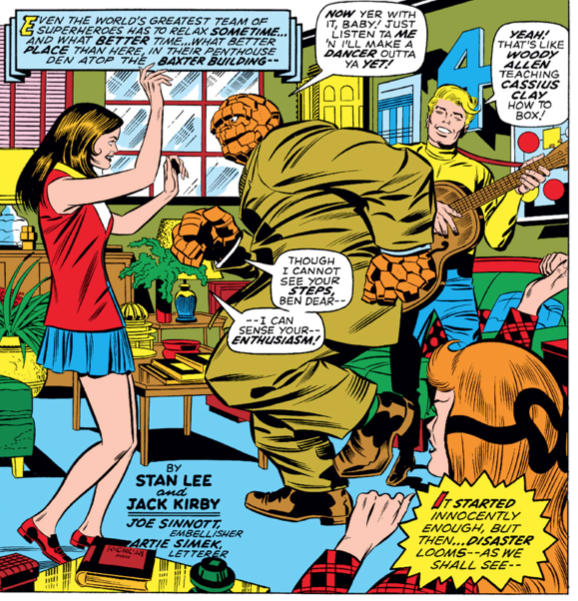
Another subdued issue from the great Mr. K. There’s no interior splash pages, although the lead one is very fun.
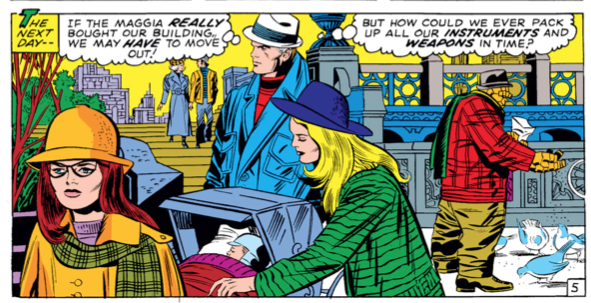
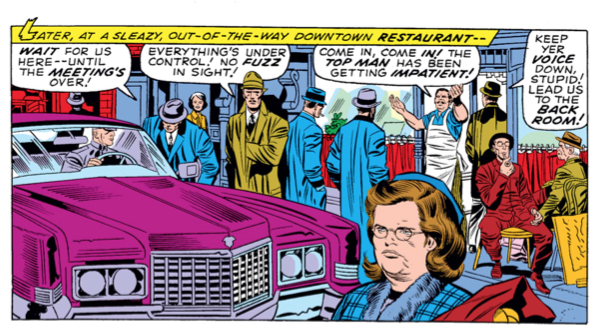
As befitting the nature of this issue, we don’t have much gee-whiz images, but lots of Jack’s city scenes, which can be just as good (note how the mob restaurant is called “sleazy.”)
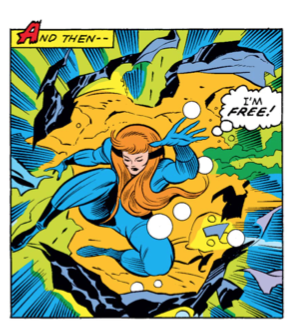
And I loved this panel of Crystal:
Also on sale
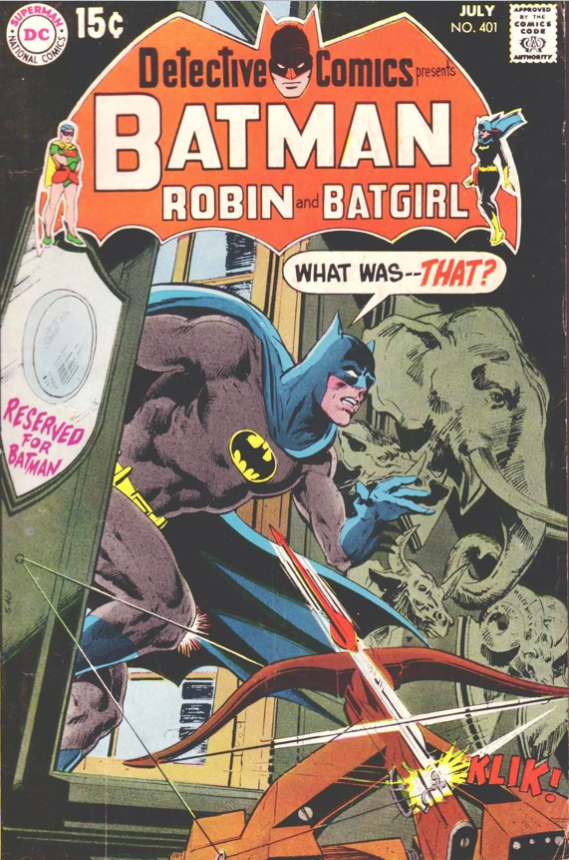
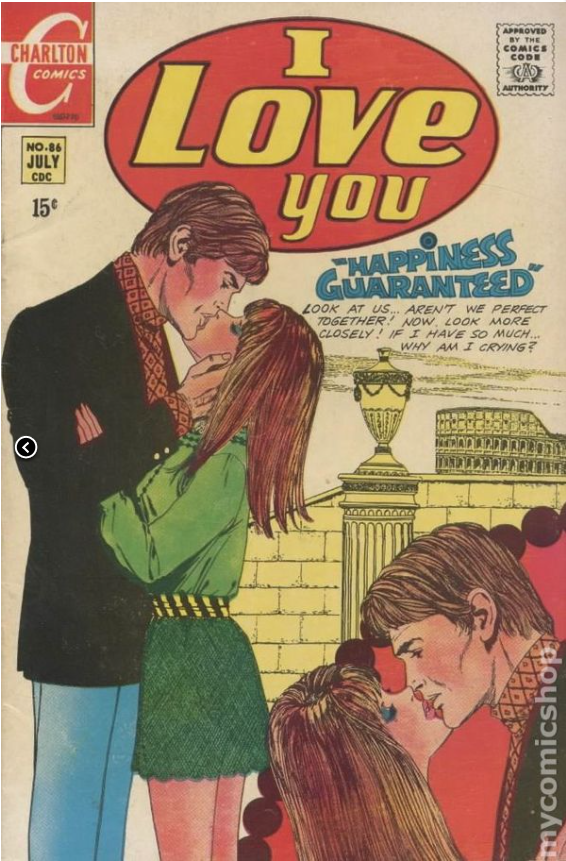
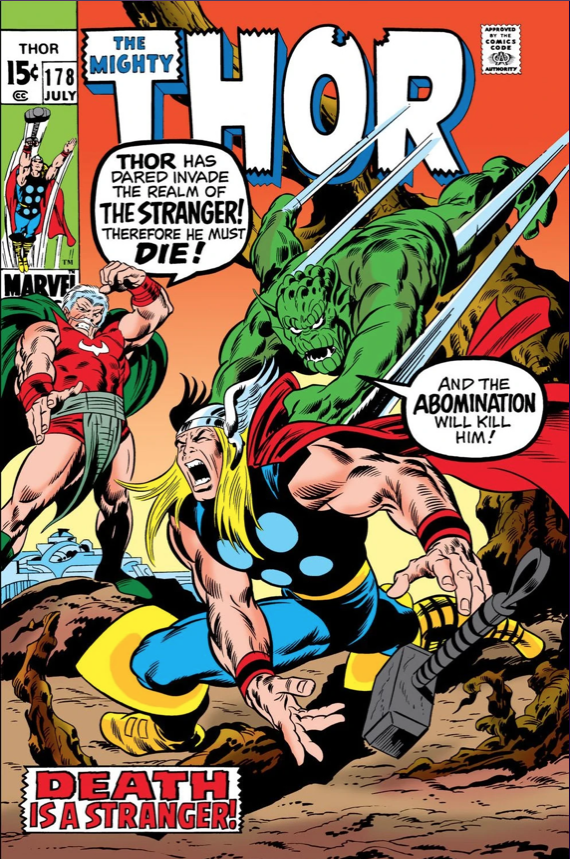
What else was on newsstands in May of 1970?
Next issue: The return of the Sub-Mariner!


Pingback: “The World’s Greatest Comic Magazine!” Fantastic Four No. 180 | Percival Henry: The Fantastic Four and more