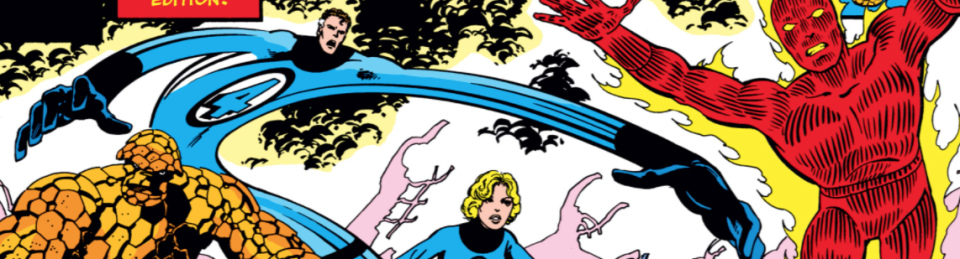
Fantastic Four 164
“The Crusader Syndrome!”
Published Aug. 1975
Writer: Roy Thomas
Pencils: George Perez
Inker: Joe Sinnott
Letters: John Costanza
Colors: Petra Goldberg
Editor: Thomas
Cover: Jack Kirby (yes, that Jack Kirby) and Sinnott
Synopsis
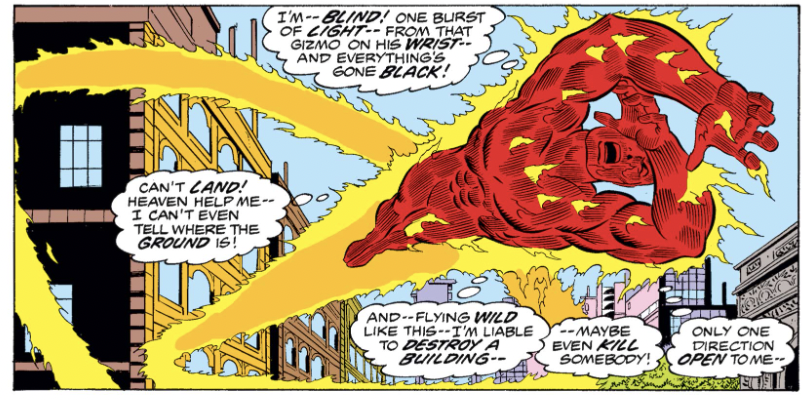
The Fantastic Four experiments with the Invisible Woman’s recently expanded powers, then Johnny goes on a date with Frankie Raye, only to encounter the Crusader, a new villain. The Crusader battles and defeats the Human Torch, who is rescued by the rest of the FF.
What’s going on here?
There’s a lot to discuss in this issue, so get comfortable. First, it’s arguably the best issue since the end of the Lee / Kirby run. Not just for its notable artists, which we will get to, but it’s a perfectly told and paced story. Roy Thomas opens with the usual Baxter Building shenanigans, introduces new character developments, injects fun familial banter, builds up to a real battle (one which the Torch loses), and ends the story gracefully. It’s not earth-shattering, but it’s a model of how Fantastic Four comics should be told and such a departure from the last issue — one of the worst of the era— that it’s amazing the same man wrote both.
Secondly, it’s a story of firsts. This issue marks the first appearance of Frankie Raye, who becomes Johnny’s girlfriend and, eventually, Nova, a Herald of Galactus. (I suppose it’s a sign of the ’70s that they met at a singles bar, and that Frankie doesn’t even know his last name before agreeing to go a date). It’s also the first appearance of the quantum bands, worn here by the Crusader, that end up on the arms of Quasar, a hero who would go to join the Avengers and star in his own comic.
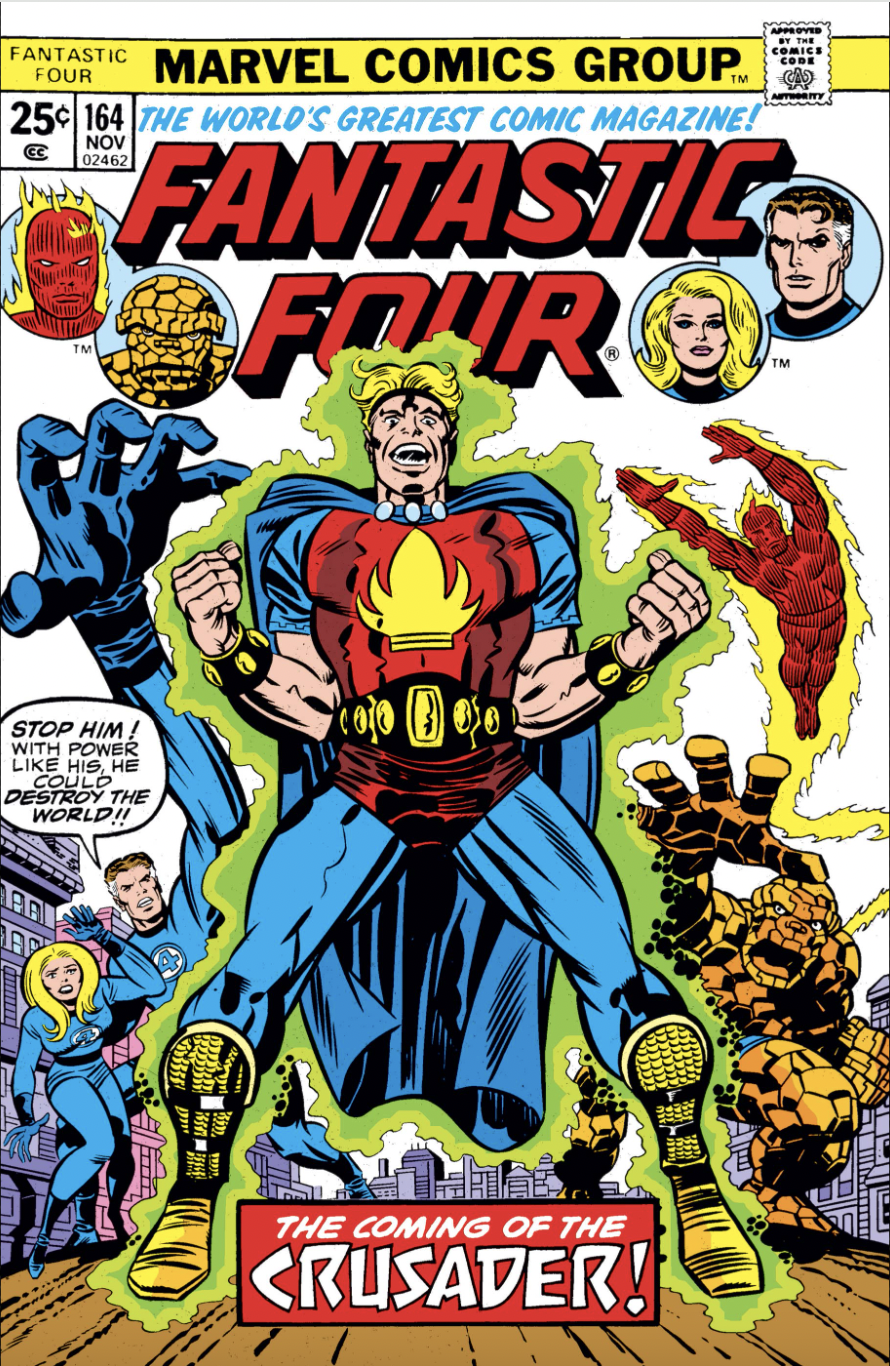
This issue is also notably the first with a Jack Kirby cover since his departure from the FF after issue 102. In the five years between, Kirby went to DC and invented Darkseid, Apokolips, Mr. Miracle, Big Barda, the Forever People, Kamandi, O.M.A.C. and host of other characters and concepts. When DC canceled the Fourth World books, a frustrated Kirby looked for a way back to Marvel, and received a deal that gave him what he really wanted: control over his own content. (you can read more about it here). Along with writing and drawing Captain America, the Black Panther and the Eternals, he also did a number of covers for other books, including several for his former comic, the Fantastic Four.
And of course, this is the first issue drawn by George Perez, one of the greatest artists to work on the Fantastic Four and a giant of the industry. Just 21 at this point, Perez began his career as an assistant to Rich Buckler, and had drawn about a dozen comics for Marvel— mostly kung-fu or monster comics — before getting a shot at the Fantastic Four. While he was billed as a guest artist in FF 164, he drew the next two issues as well and remained a steady presence on the book for the next several years, drawing about 20 issues, including annuals, in all.
Joe Sinnott was still the inker and while it can be argued he overwhelmed his pencilers, he ensured a uniform look to the characters from Kirby through Buscema and Buckler to Perez (and beyond). But Perez’s individual style is apparent if you know where to look. Some of his trademarks are already apparent, such as panels set within larger panels, and action sequences told across many smaller panels. While nine panels on a page are lot for most artists (and six was standard) Perez could push it to 10, as on this page, or even 12.
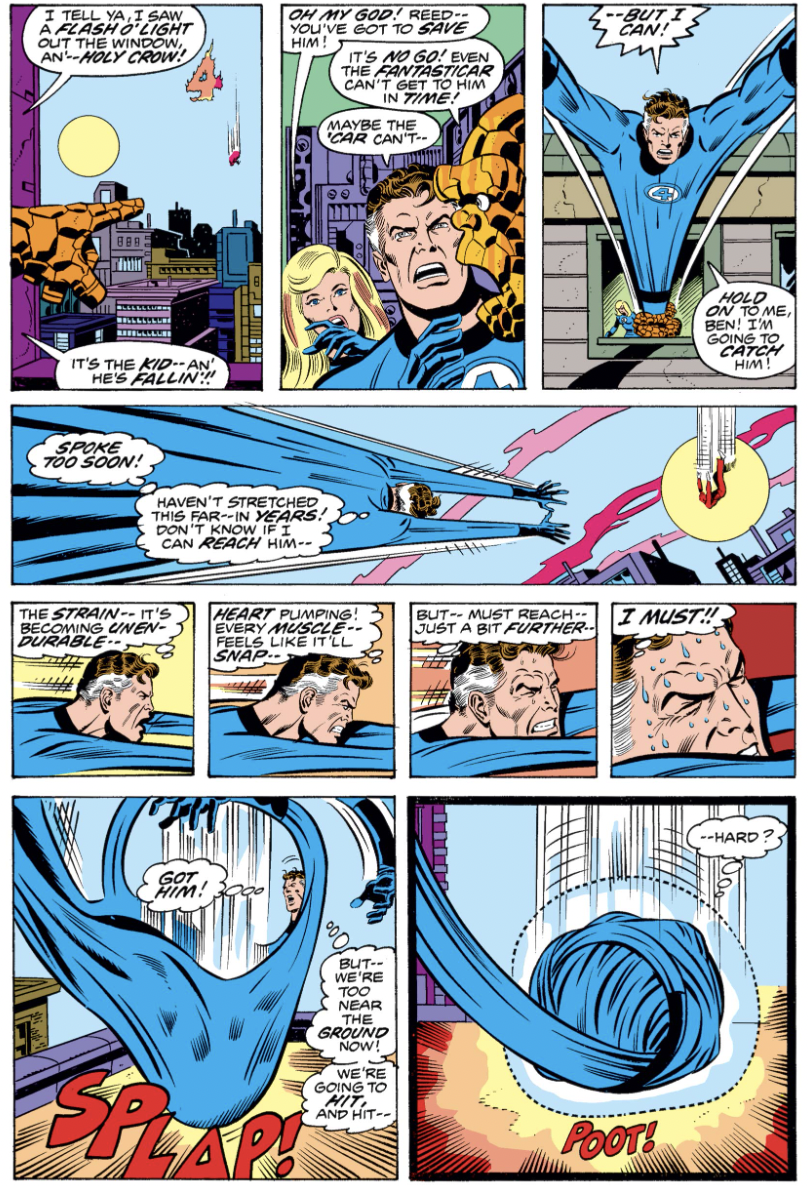
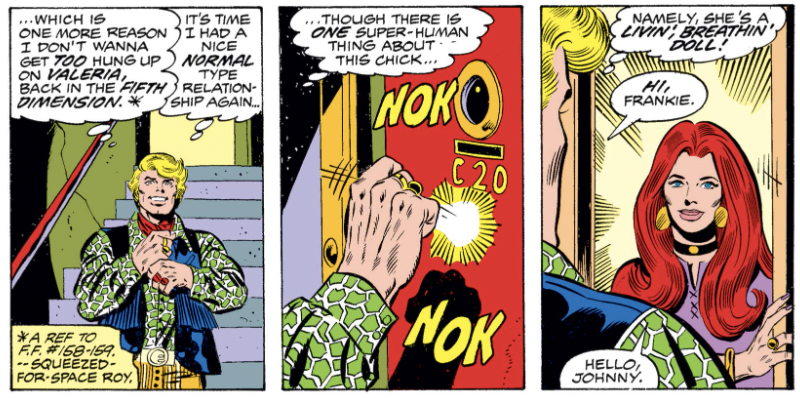
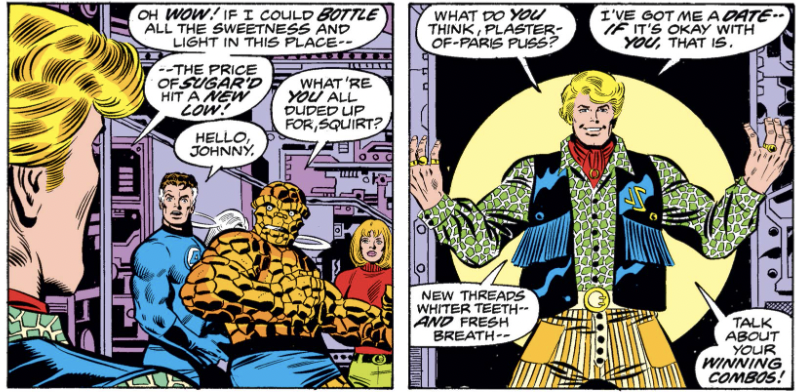
Perez also loved incredibly detailed clothing and costumes, much to the chagrin of artists that followed and had to use his designs. Here is Johnny in a new set of duds (which Perez said he modeled after the attire of a South Bronx pimp from his childhood):
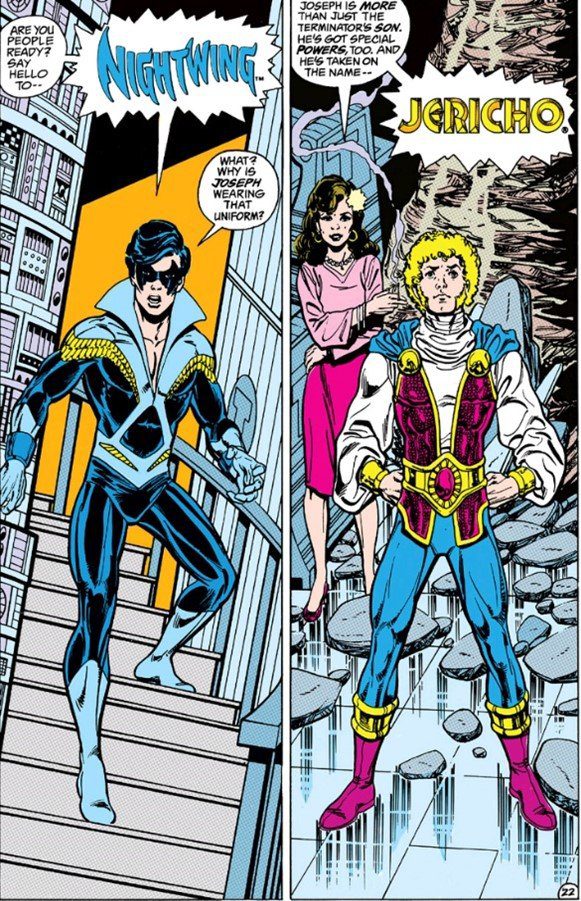
The panel reminded me of an iconic page from the New Teen Titans Perez drew about a decade later (and which surely gave subsequent pencilers nightmares):
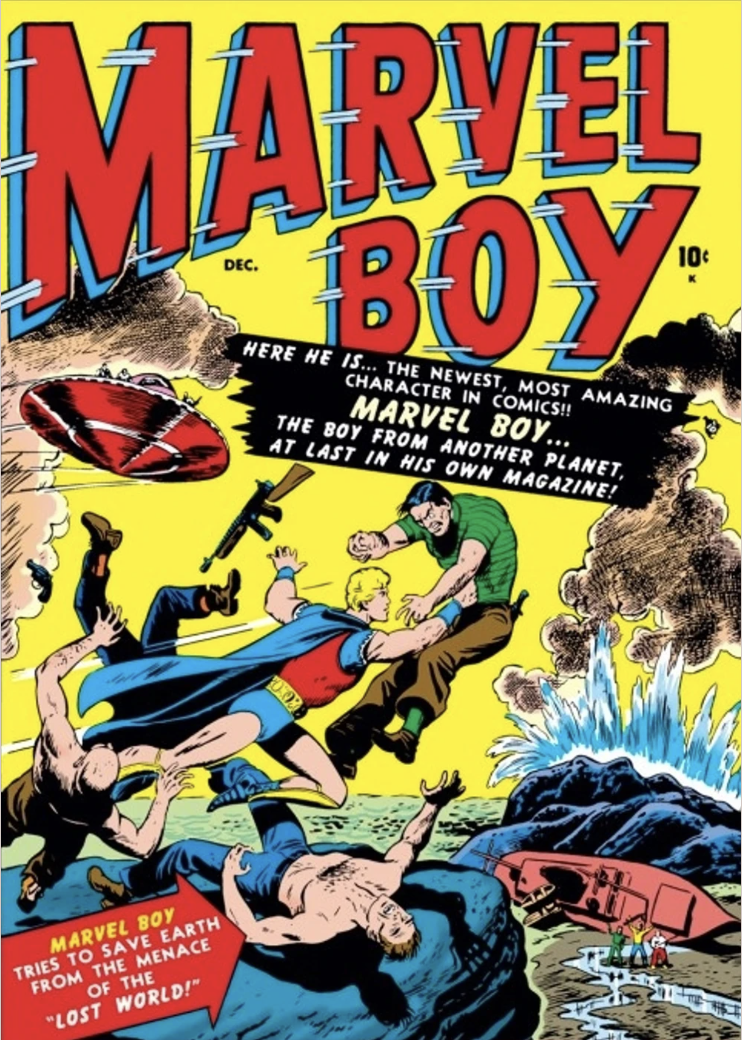
Lastly, the story features a notable Thomasian tic: the mining of older comics for characters and ideas. The Crusader is revealed in the next issue to be Marvel Boy, a Golden Age character who was raised on Uranus and received great powers there (this origin is later ret-conned away in a 2000s series, Agents of Atlas).
What I liked
Along with all of the above, the issue is a coming-out for a new version of the Invisible Girl, whose powers have been increased since they are amplified by the thunder-horn of Xemu, a would-be world conquerer from the Fifth Dimension (this all went down in issue 159). This development is long overdue and very welcome.
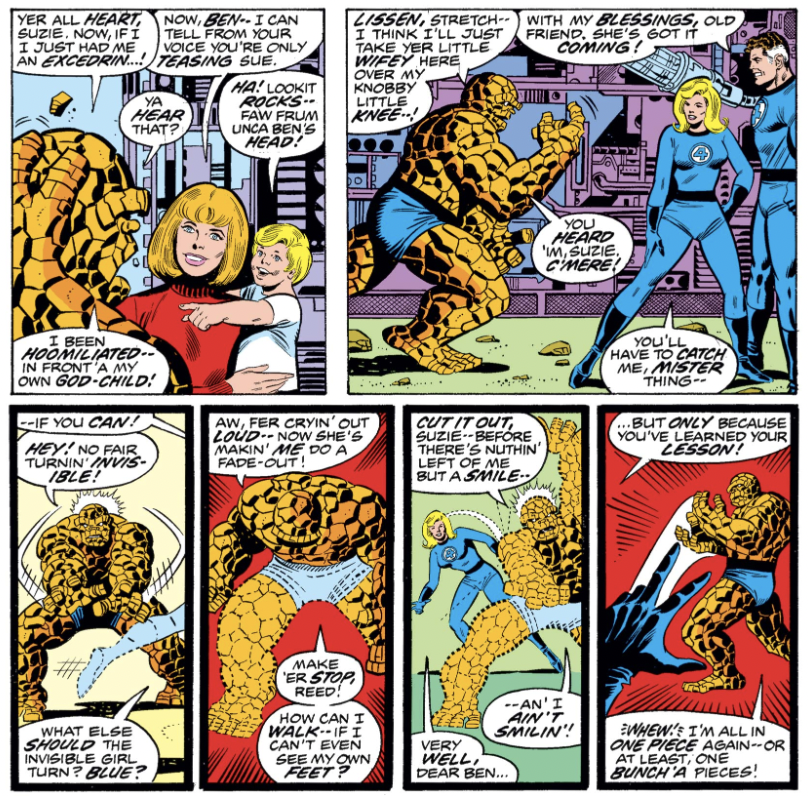
In a series of sequences, she first befuddles Ben during training exercises (also, this may be the first time we see Franklin speaking) …
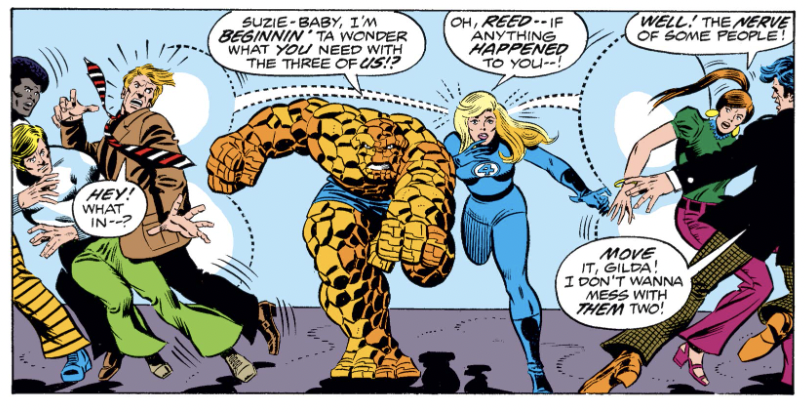
… then uses her force fields to save Reed, then to bring her and Ben to a soft landing and to hold back the crowds. Ben is impressed.
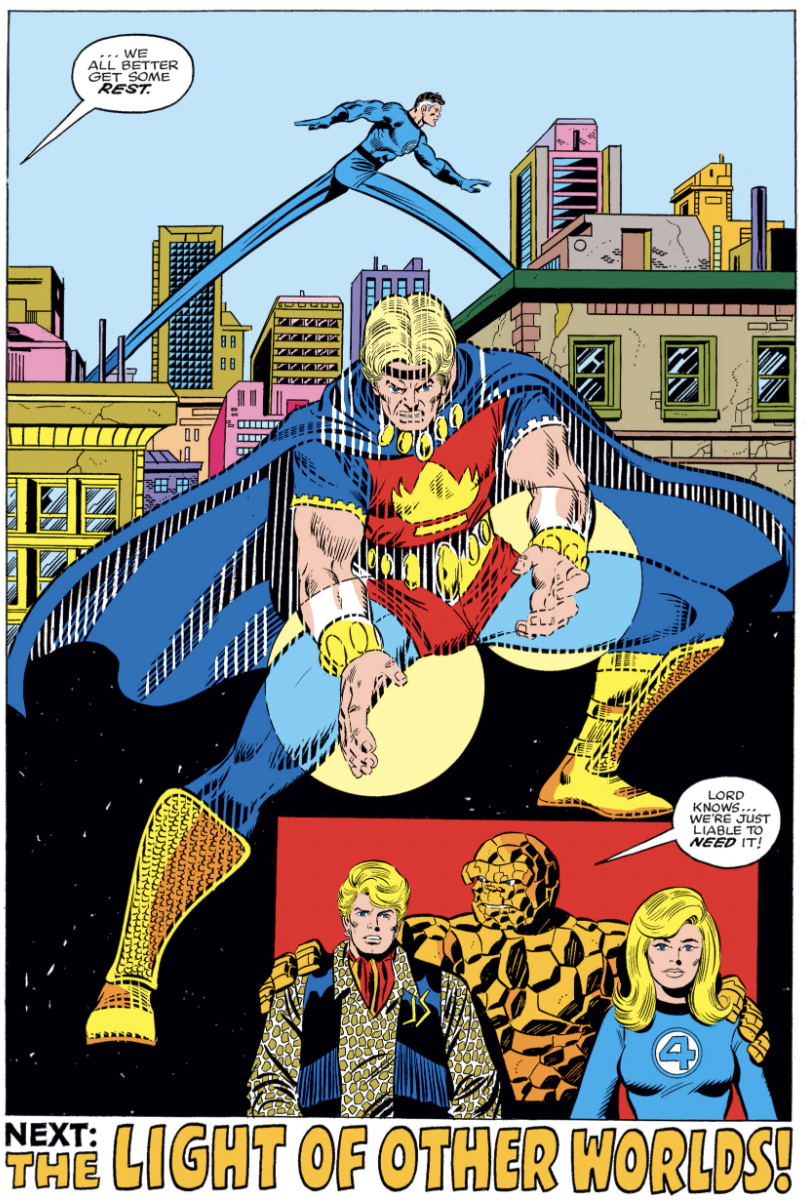
And if I haven’t said enough about Perez’s art, here’s a great splash page that concludes the comic:
What I didn’t like
There’s not much to dislike. The Crusader comes across as just another chest-thumping villain that spouts cliches, although he has a vicious streak. As usual, Thomas over-narrates the comic, at one point instructing readers on the proper pronunciation of Greenwich
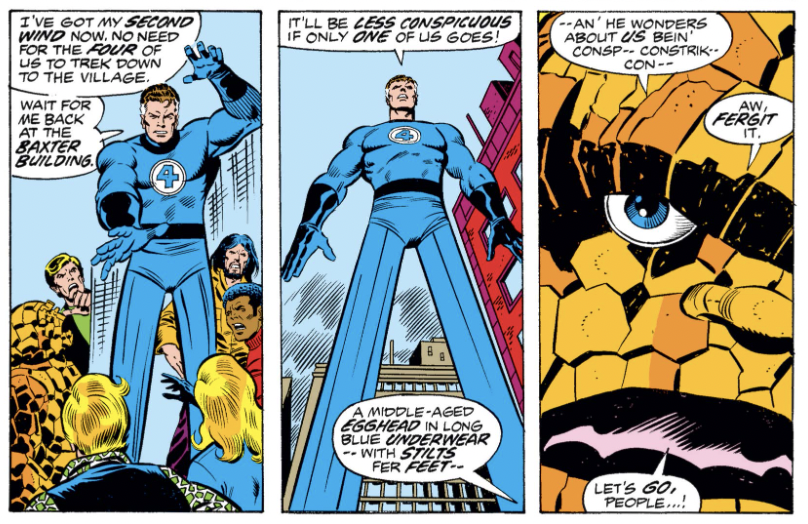
And the ending is a bit puzzling, with Reed striding off across the city alone, to somehow not attract attention. Nor is it clear what he needs to do in the village.
Anything else?
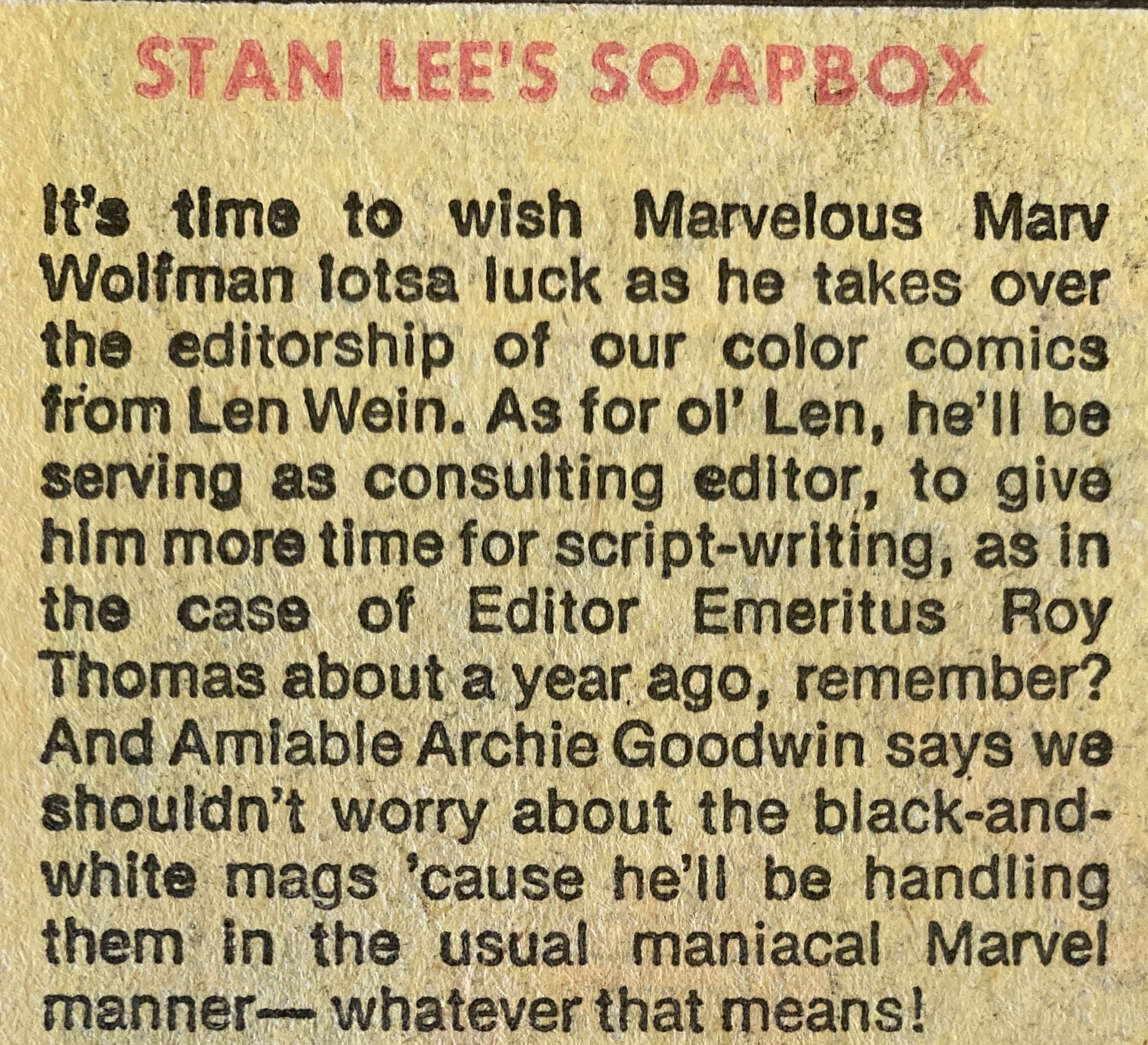
The Bullpen Bulletins announce yet another change in editor at Marvel, with Marv Wolfman taking over for Len Wein. As mentioned before, this a period in which Marvel will have six editors-in-chief in five years, leading to a sense of general instability and chaos. There was a lot of creative ferment at Marvel during this era but a lot of slop, too.
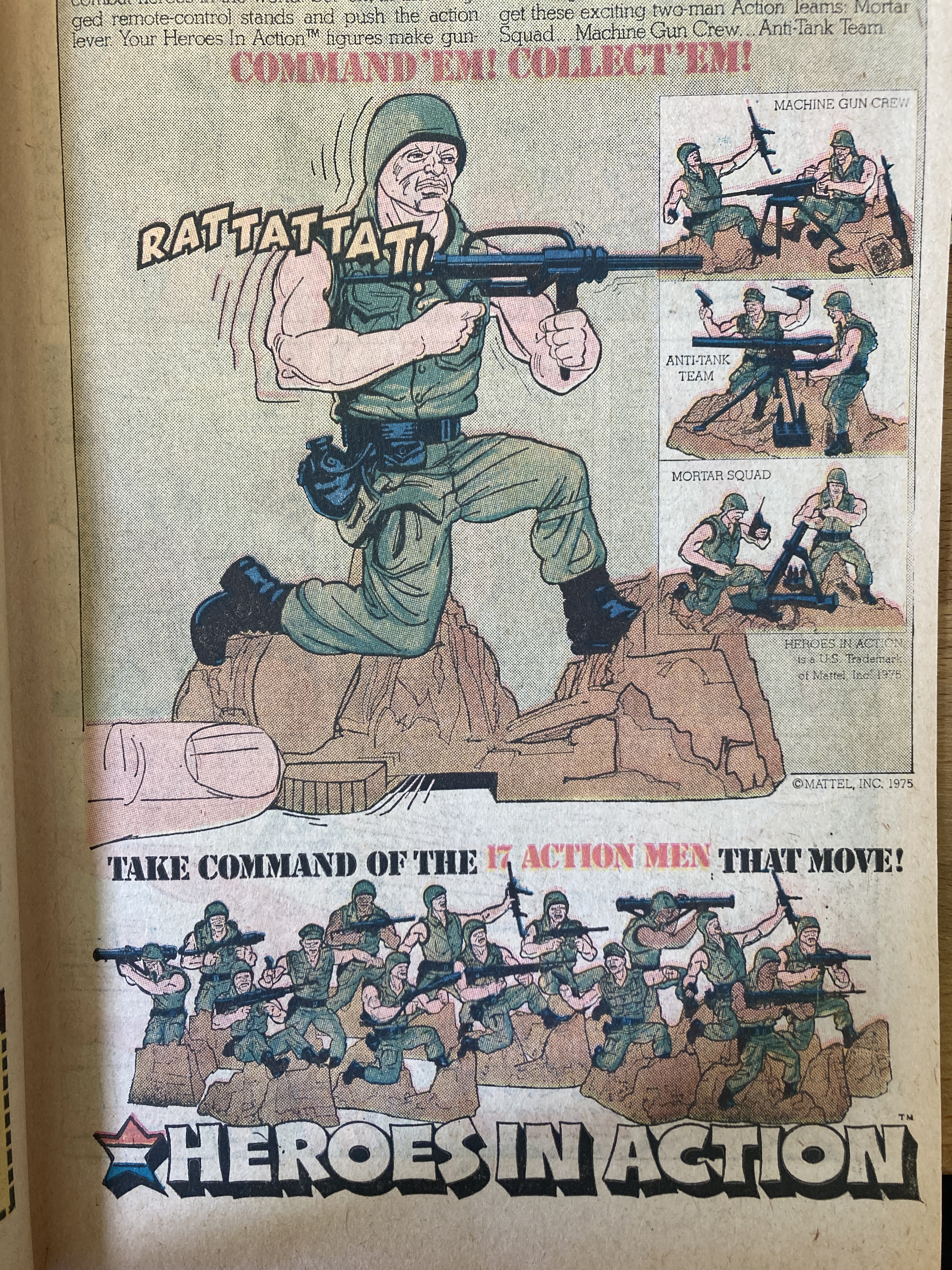
I don’t think I’ve seen this ad, or these toys, before. Sort of a proto-G.I. Joe.
Overall
The best Fantastic Four comic in a long time
 Percival Henry: The Fantastic Four and more