Fantastic Four 165
“The Light of Other Worlds!”
Published September 1975
Writer: Roy Thomas
Pencils: George Perez
Inks: Joe Sinnott
Letters: John Costanza
Colors: Petra Goldberg
Editor: Thomas
Cover: Ron Wilson and Joe Sinnott
Synopsis
Mr. Fantastic begins investigating the Crusader, who defeated the Human Torch last issue and has been on a rampage, destroying banks across New York City. When he attacks a branch in the Bronx, the FF confront him and he reveals he was once the golden age hero Marvel Boy and is now enacted revenge on the banks that prevented him from saving the people of his home world, Uranus (really). Reed deduces his powers are light-generated, and by blotting out the sun the FF are able to defeat him.
What’s going on here
While not quite as tightly paced as the last issue, this comic is a satisfying conclusion to the Crusader story. In the letters page, it is revealed this two-part story was originally intended to be a a single-issue story in Giant-Size Fantastic Four 6, but when that series was canceled, the story was split into two with a few pages added (interestingly, they chose not to simply make it an annual). The note apologies for any dropped plot points — I didn’t detect any— but this issue does feel padded, with a climactic fight scene that lasts longer than it really needs to.
Roy Thomas provides a lengthy and convoluted origin of the Crusader, whose campaign against the banks makes him sound like a super-powered Luigi Mangione. It’s all pretty ridiculous, and it’s clear the Crusader is only in this comics because of Thomas’s affection for obscure characters from the golden and silver ages.
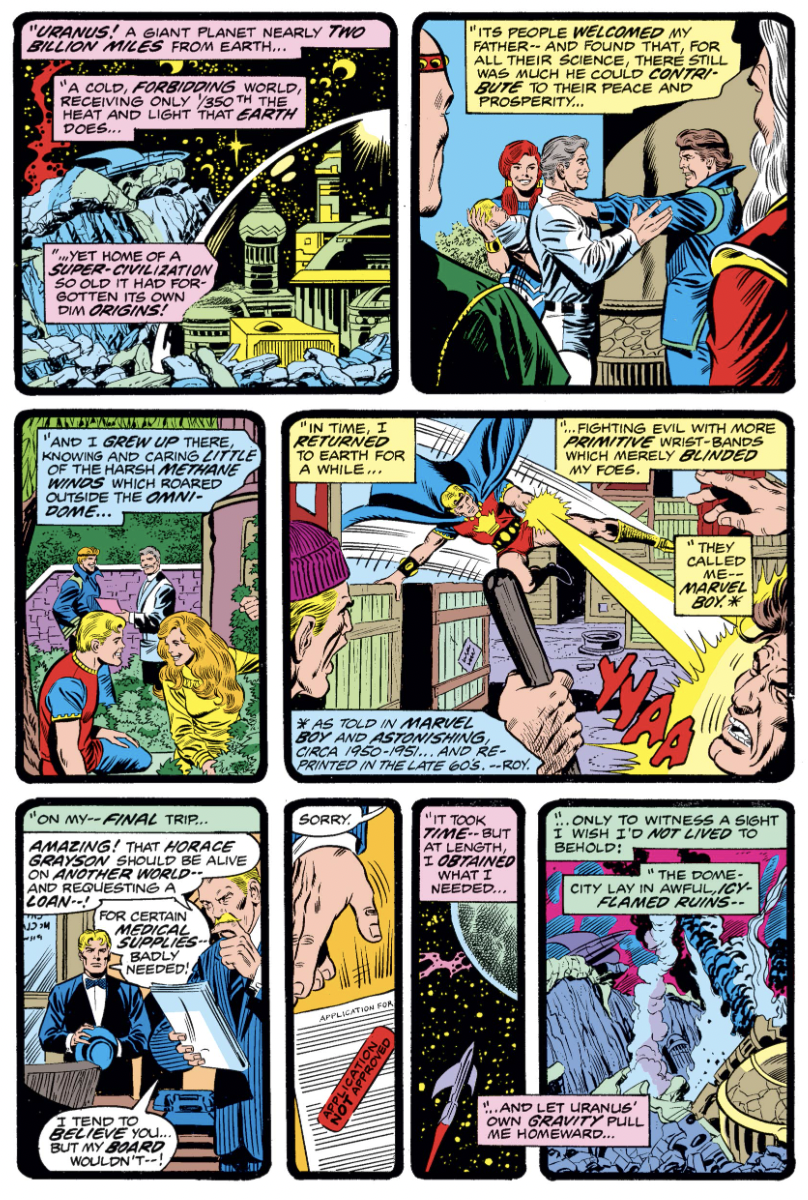
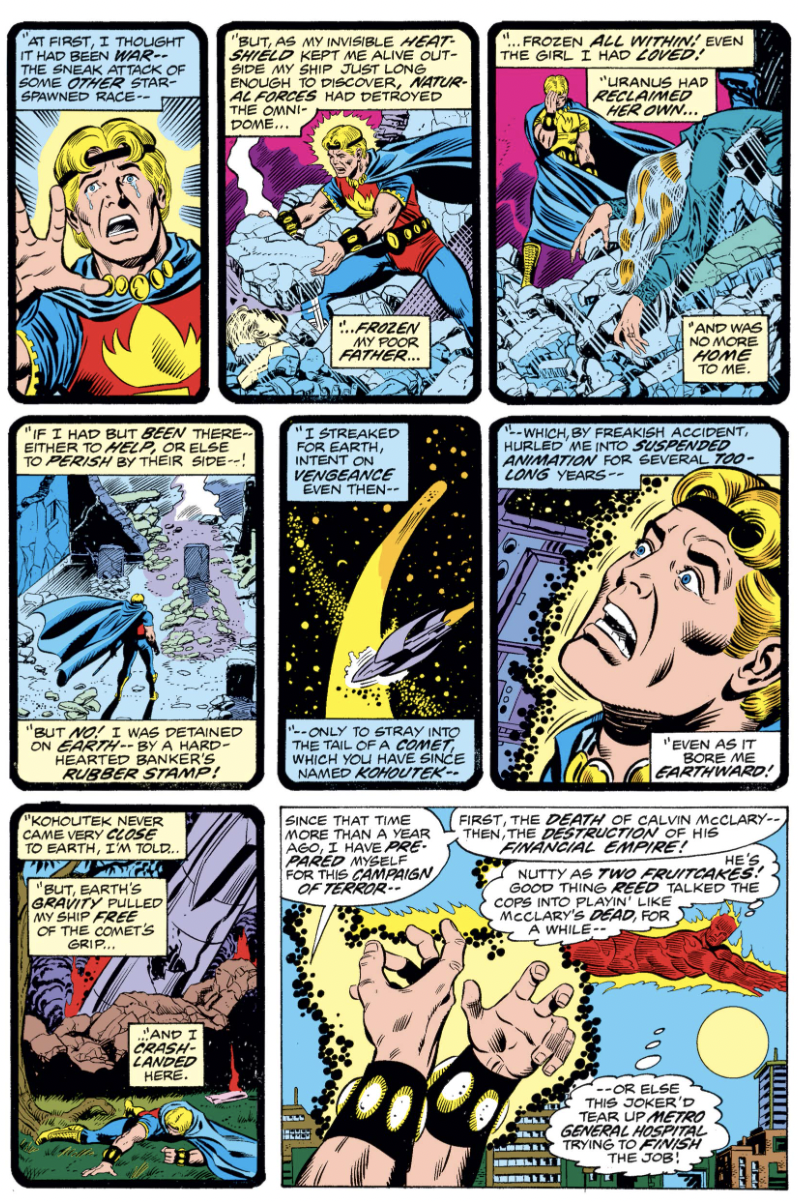
(This origin would eventually be retconned away, and the Crusader is now an Eternal named Thelius who believed himself to be Marvel Boy).
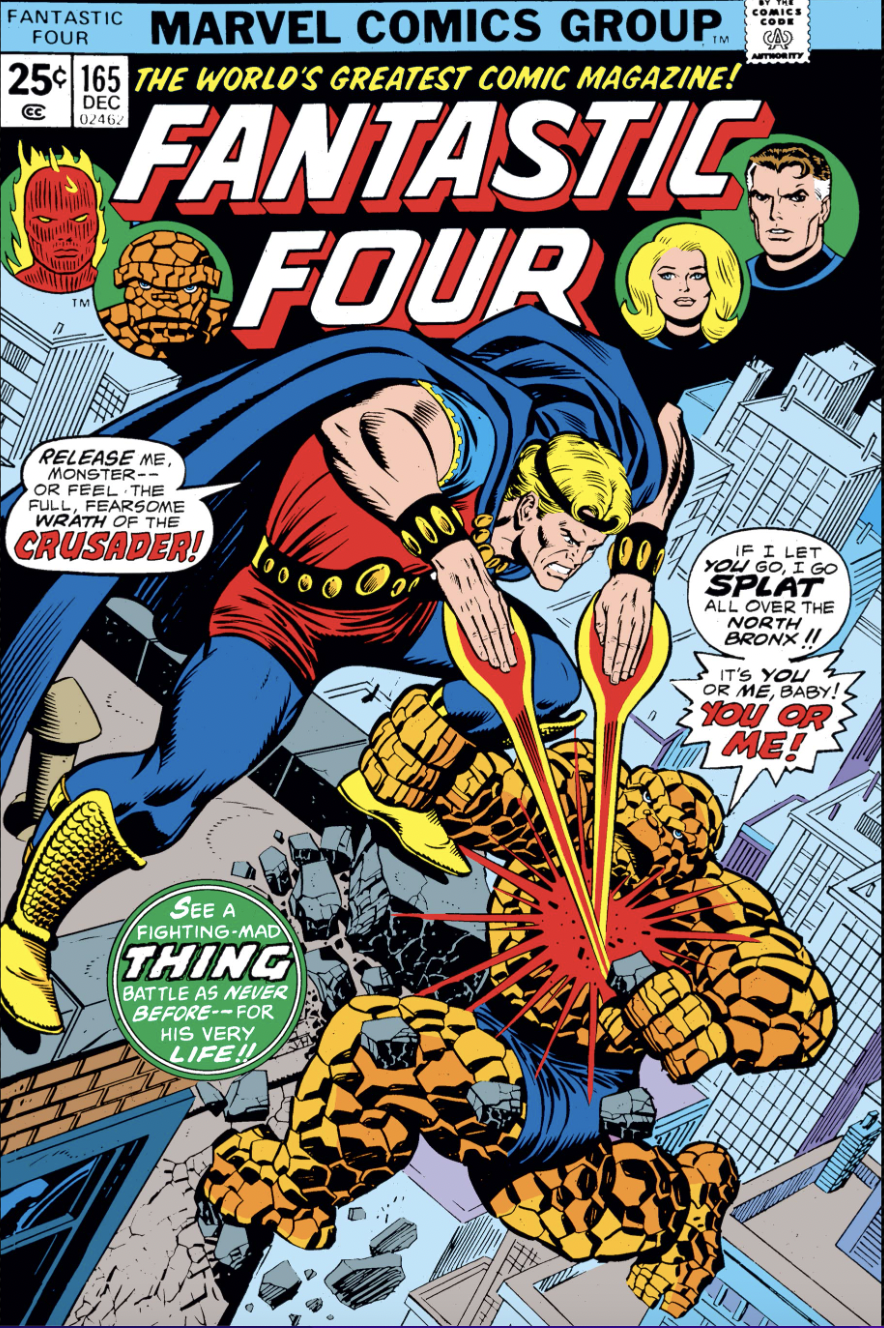
George Perez is back on art duty, and like last issue, he adds his characteristic attention to detail and masterful use of panels. The cover is by Ron Wilson, with Joe Snnott’s inks. At this point Wilson had been around for a few years but this is his first work on the FF. He would go on to draw dozens of issues of Marvel Two-in-One and its successor book, The Thing, becoming one of the definitive pencilers of Benjamin J. Grimm. As far as I can tell, he is the first Black artist to work on an issue of the FF and he would later go on to draw some fill-in issues. The cover is unfortunately marred by some very silly dialogue (and what exactly is the North Bronx? Riverdale? Co-Op City? Van Cortland Park?)
What I liked
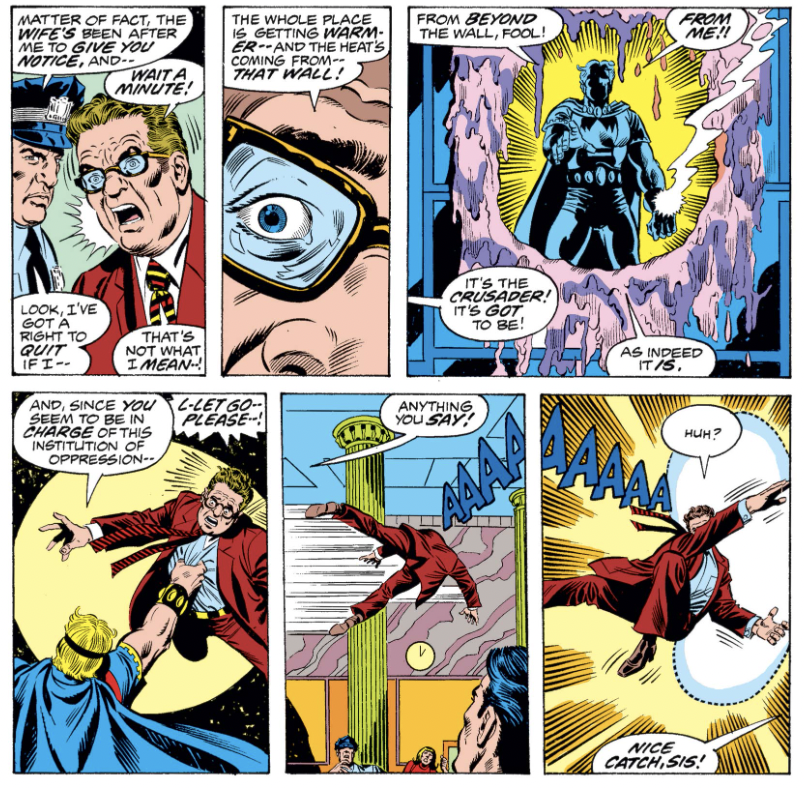
Perez again does some great work. I particularly enjoyed this sequence:
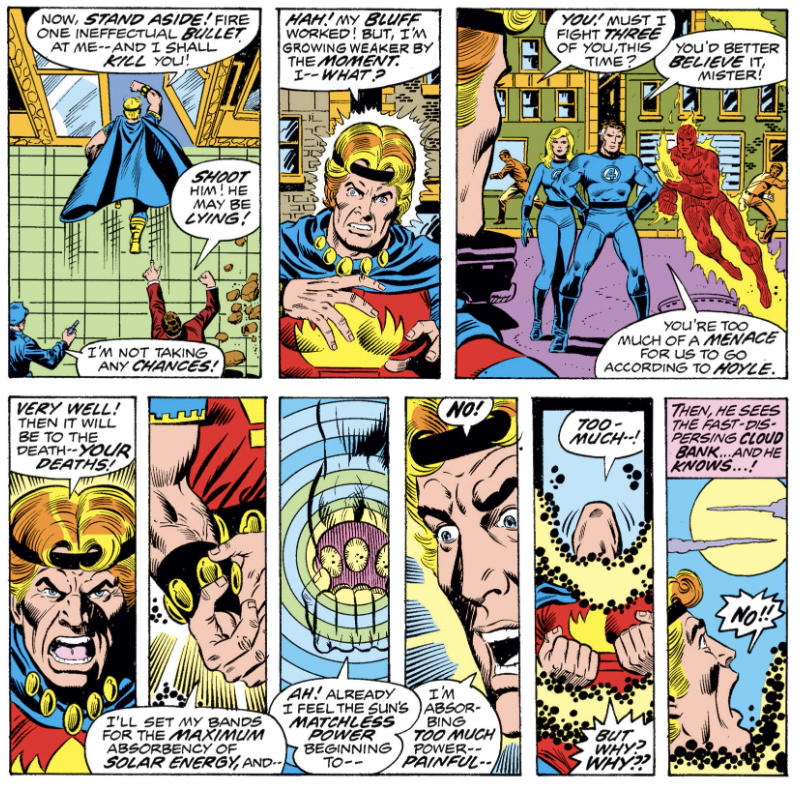
And this one, which is a great example of how he uses tiny panels to amazing effect:
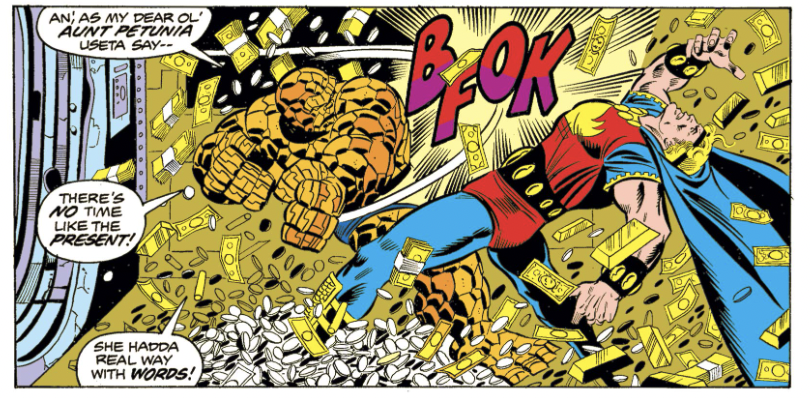
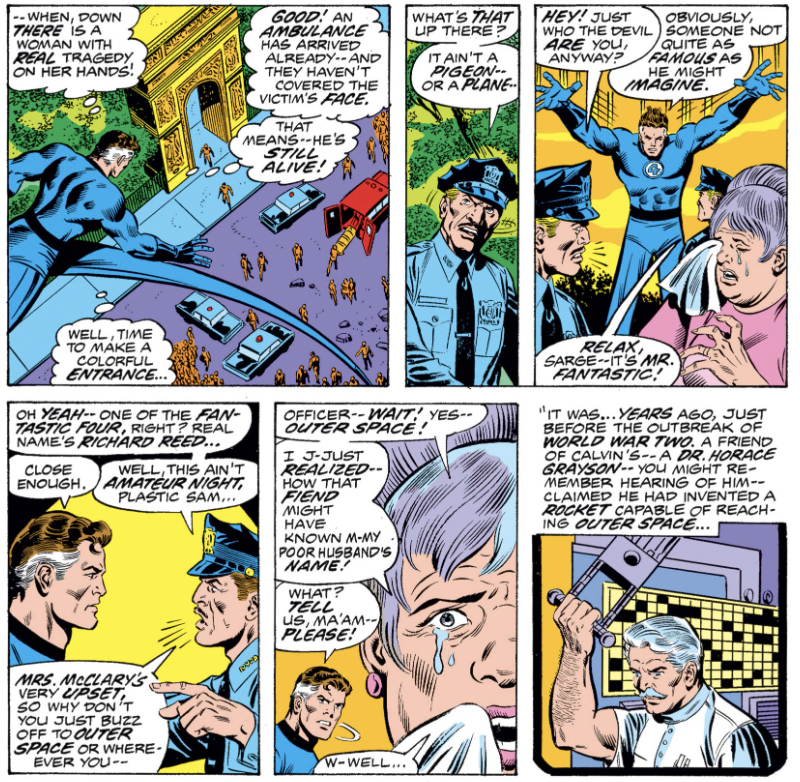
Thomas again pokes some fun at the Distinguished Competition in this sequence:
What I didn’t like
As seen above, the Crusader speaks in absurdly grandiloquent phrases (to the extent that Johnny actually makes fun of him at one point). Nothing about his character suggests he’s a former hero from Earth, or that he was any doubts or hesitation about what he’s doing. He’s unfortunately paper-thin as a villain, and Thomas squanders the opportunity to delve into his background to create an interesting resolution to the story. He really could have been any of a number of anonymous bad guys.
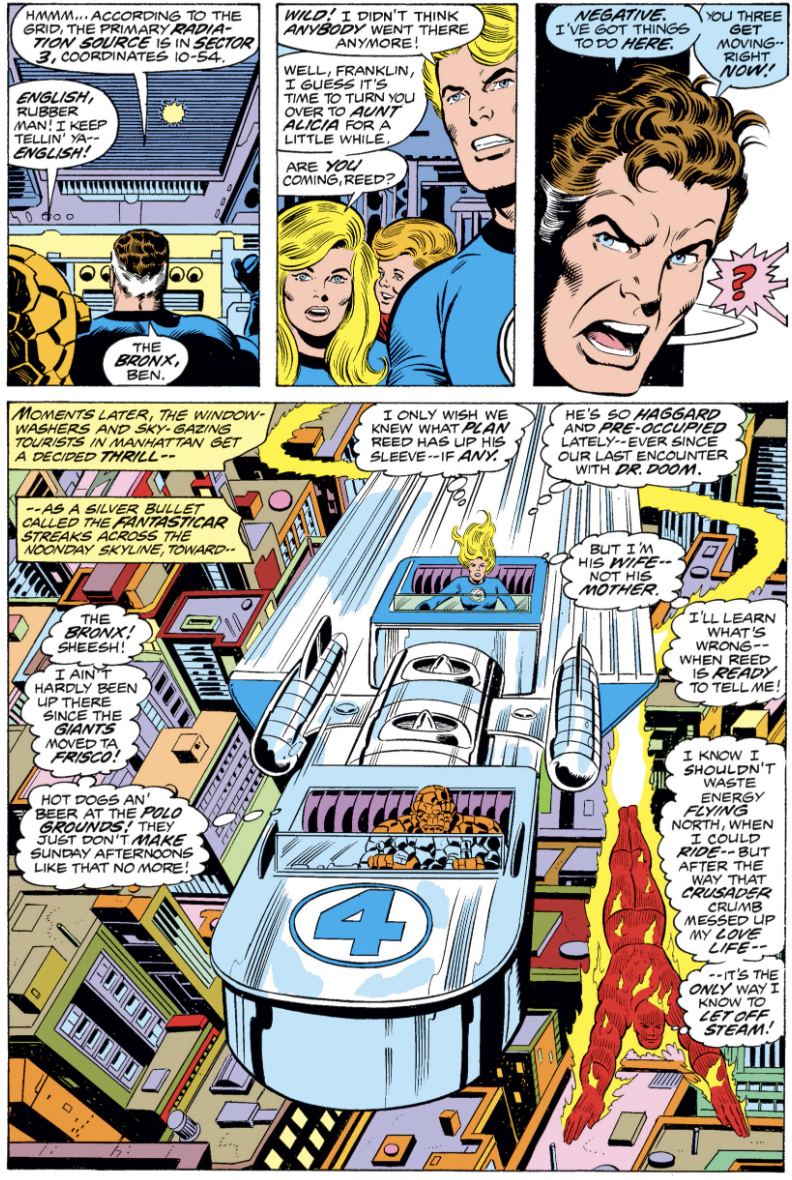
Also, this page is just weird, both for Johnny’s off-hand disregard of the Bronx, a borough where 2 million people live, and for Ben’s bizarre recollection that he went to Giants baseball games there. As virtually anyone who lived in New York at that point would know, the Polo Grounds were in upper Manhattan. Thomas’s Missouri origins were never more apparent. Perez does draw a snazzy Fantasticar, though.
Anything else?
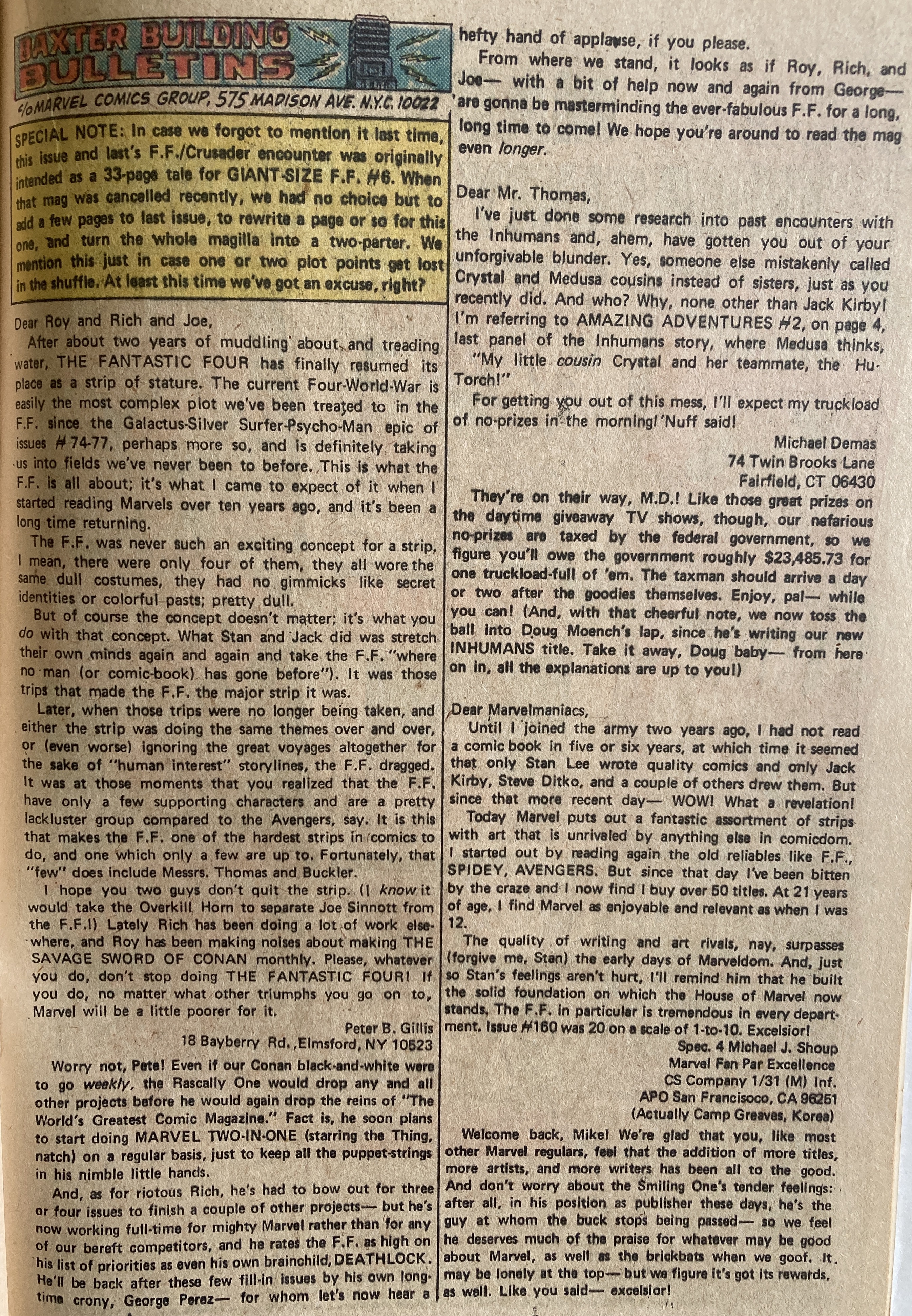
There’s another letter from longtime comics creator Peter B. Gillis in this issue, just three years before he has his first credit as a Captain America writer. Also on the page is the editor’s note about why the story was was split in two, and the explanation of why Rich Buckler didn’t draw it. The anonymous author of the response to Gillis — probably Thomas — was wrong about one thing: Buckler wasn’t around for a long time to come. He would go on to draw just two more issues before Perez took over more or less full-time.
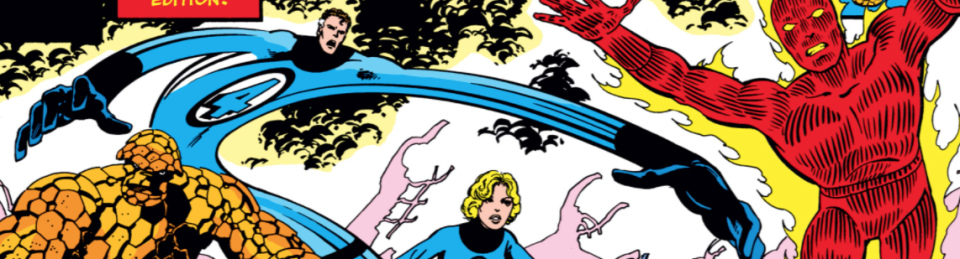
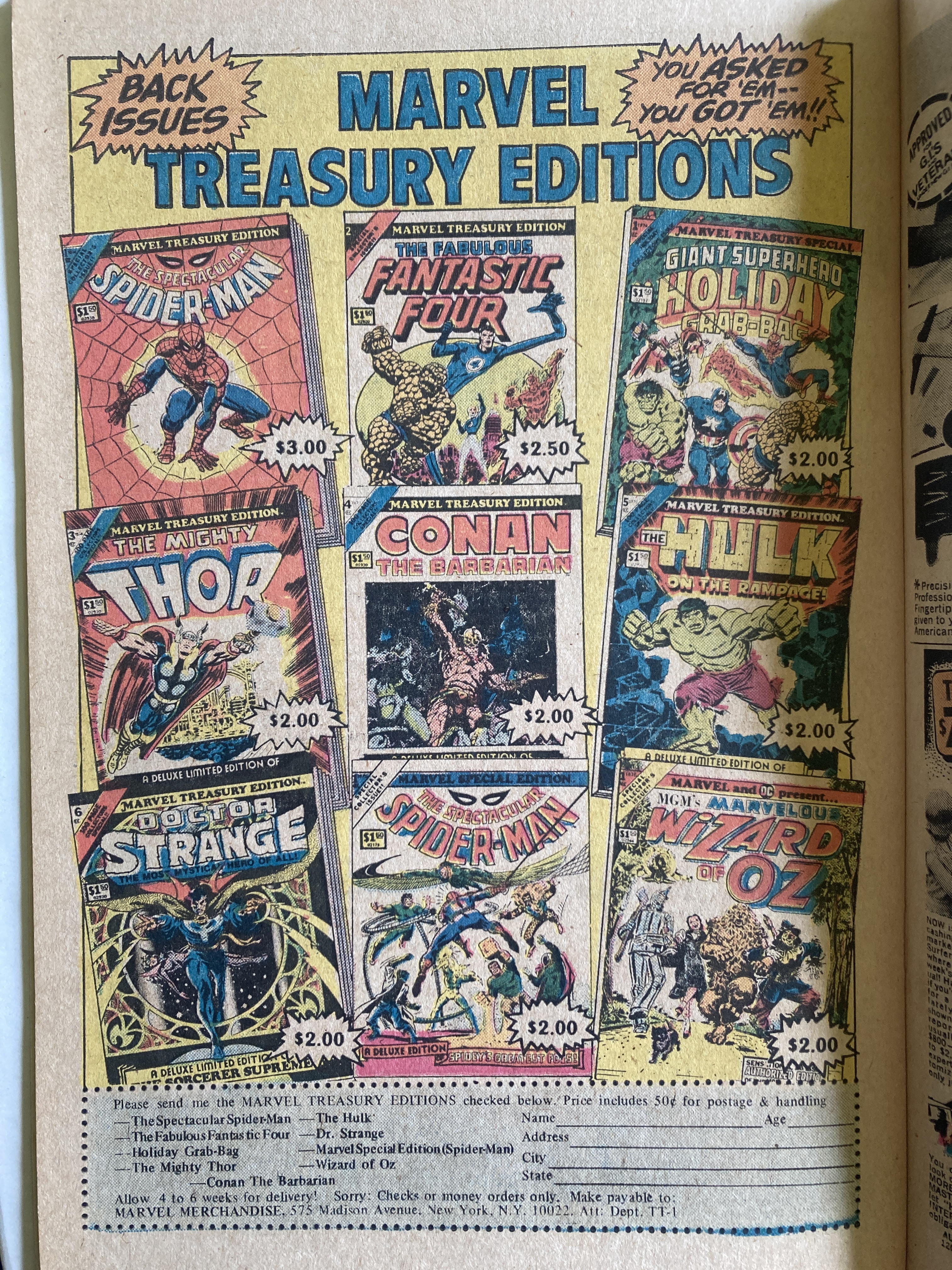
There is also a fun ad for Marvel’s Treasury Editions. Just in case anyone is worried I dropped the ball, the FF’s Treasury Edition contains only reprints.
Overall
Solid comic book storytelling

