• About Percival Henry

Percival Henry: The Fantastic Four and more

~ Blogging the Fantastic Four issue by issue (plus whatever else grabs my attention)

Percival Henry: The Fantastic Four and more

Tag Archives: sports

Art History M(art)ch Madness 2015: First Round, part 1

16 Monday Mar 2015

Posted by percivalhenry in Art History March Madness

≈ 5 Comments

Tags

art history, sports

Welcome to M(art)ch Madness 2015, the not-entirely-serious contest to determine the greatest artist of the 20th century. The format is the same as the NCAA men’s basketball tournament: four brackets of 16 artists, in single-elimination contests. In this case, the winners are determined by YOUR votes.

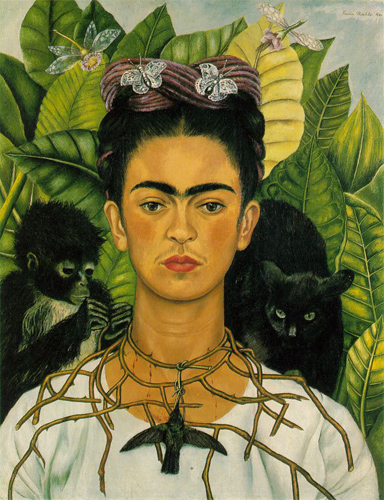
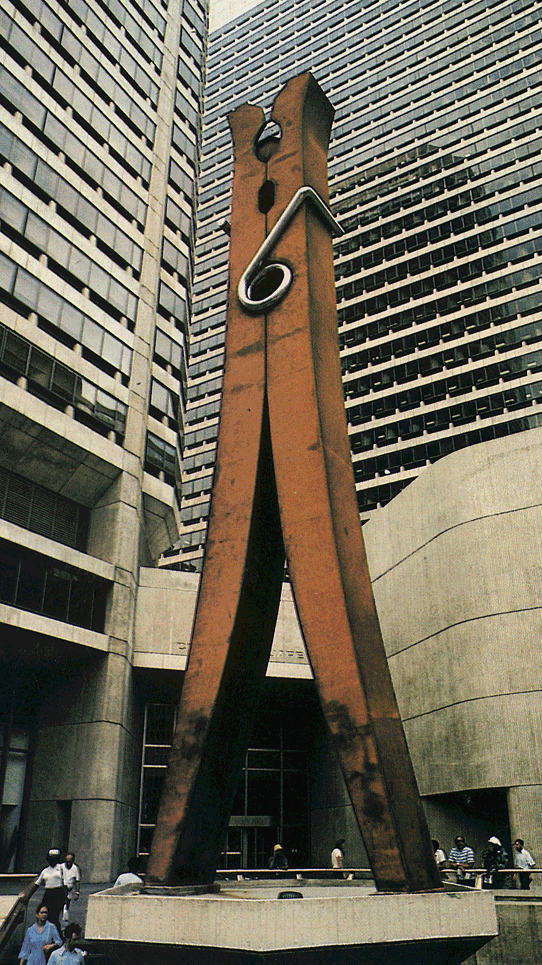
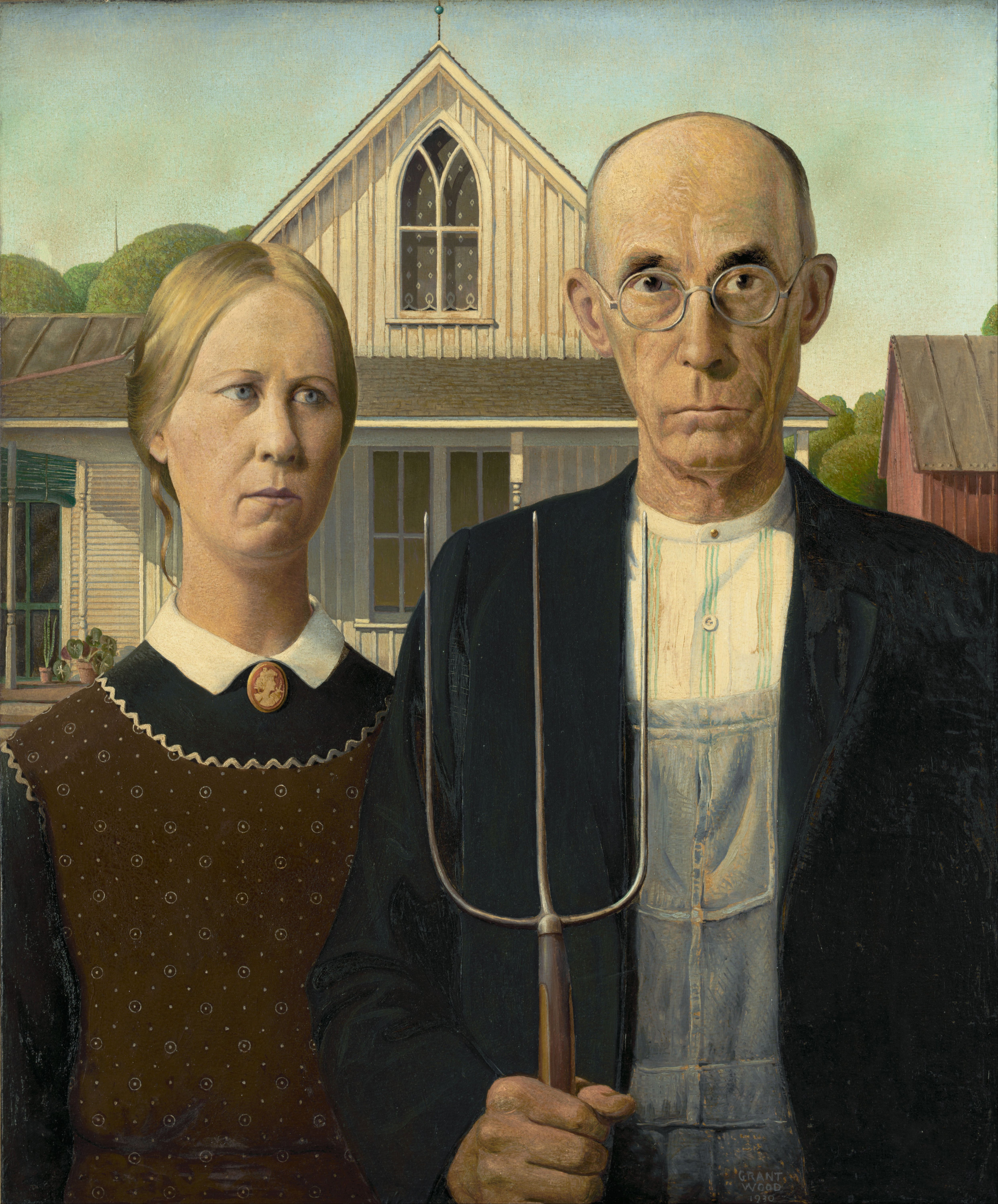
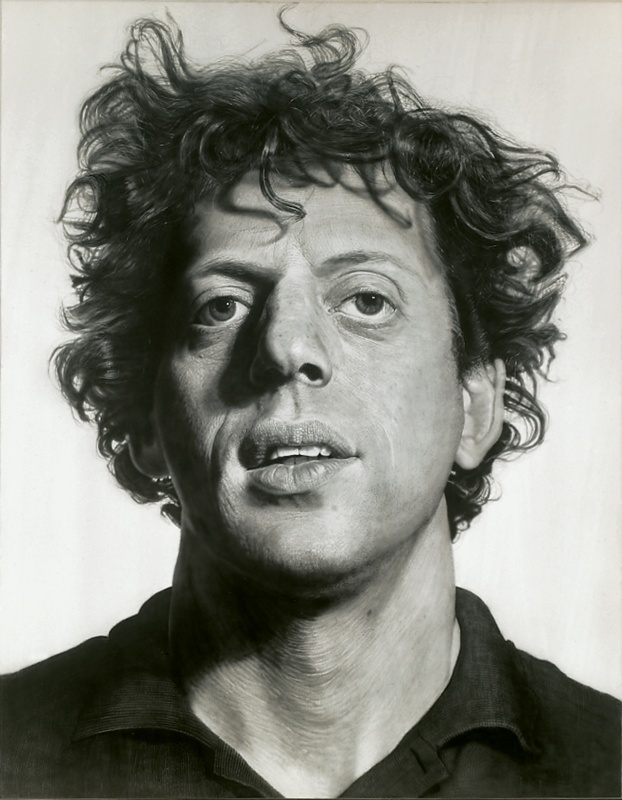
After four play-in games to determine the four 16 seeds, the 64 bracket is set. The last two voted in were David Hockney (beating Max Beckmann) and Frida Kahlo (over Claes Oldenburg). Unfortunately, the votes split evently in the other two, so I had to cast the tie-breaking votes, in this case for Chuck Close (over Grant Wood) and George Bellows (over Agnes Martin). See what happens if you don’t vote?

The full 64-team bracket can be found here:

 http://www.bracketmaker.com/tlist.cfm?tid=457697.

(It’s a crappy website but it’s the best I found to host the bracket. Click on “championship bracket.” Suggestions for improving it are welcome)

The artists and seedings were chosen by me. Scroll to the bottom of this page to read more about that.

First-round voting begins today. I’ll post half of the first round match-ups today, then the rest tomorrow. Voting will run through Friday. Make sure you vote and please share this with anyone who might be interested.

Paris Regional

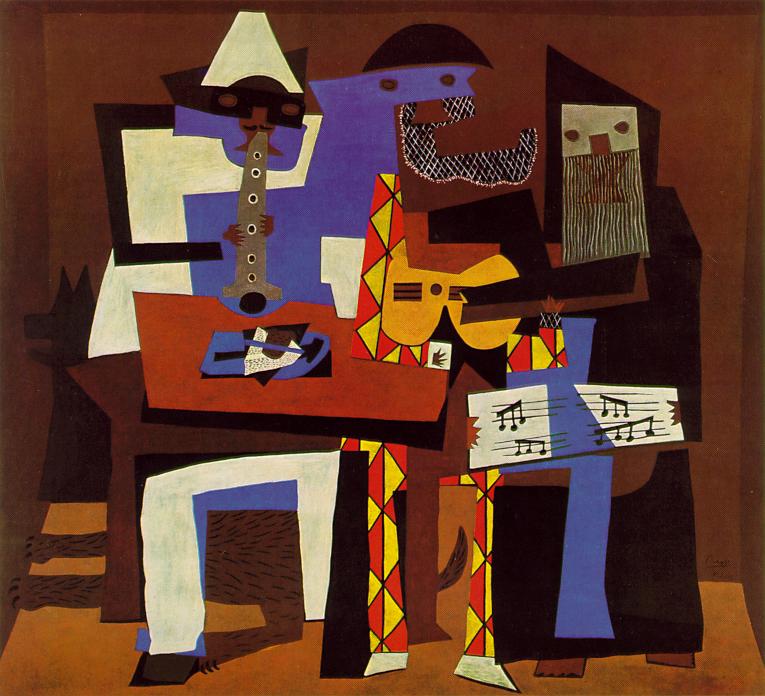
No. 1 Pablo Picasso vs.

32.PabloPicasso-Three-Musicians-1921

No. 16 David Hockney

Hockney.clark-percy-1


No. 8 Marc Chagall vs.

Marc_Chagall,_1911,_I_and_the_Village,_oil_on_canvas,_192.1_x_151.4_cm,_Museum_of_Modern_Art,_New_York

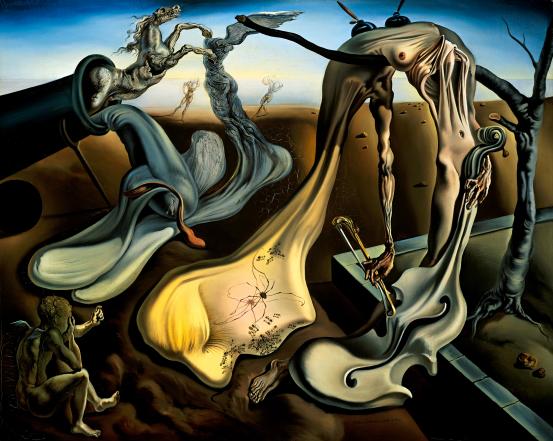
No. 9 Salvador Dali

EXHI006876


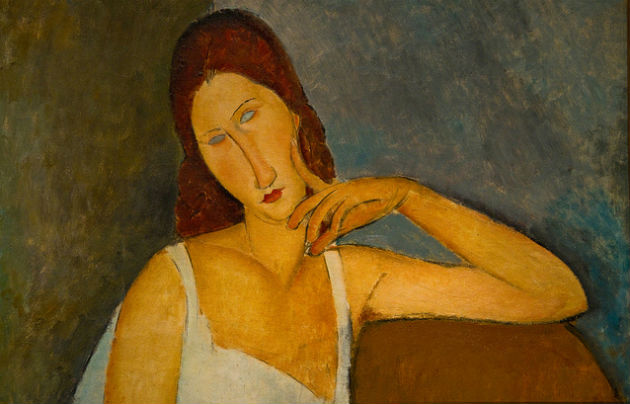
No. 5 Amedeo Modigliani

Modigliani

No. 12 Joseph Cornell

cornell.hotel-eden


No. 4 Alexander Calder vs.

calder1

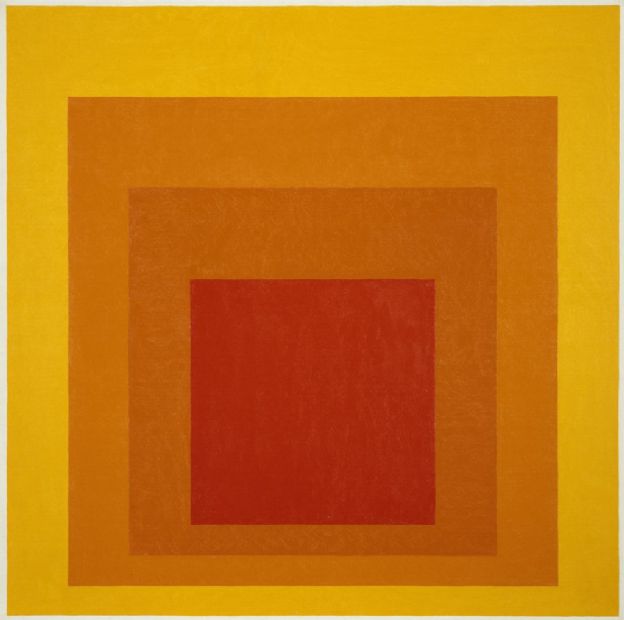
No. 13 Josef Albers

02-albers_notext


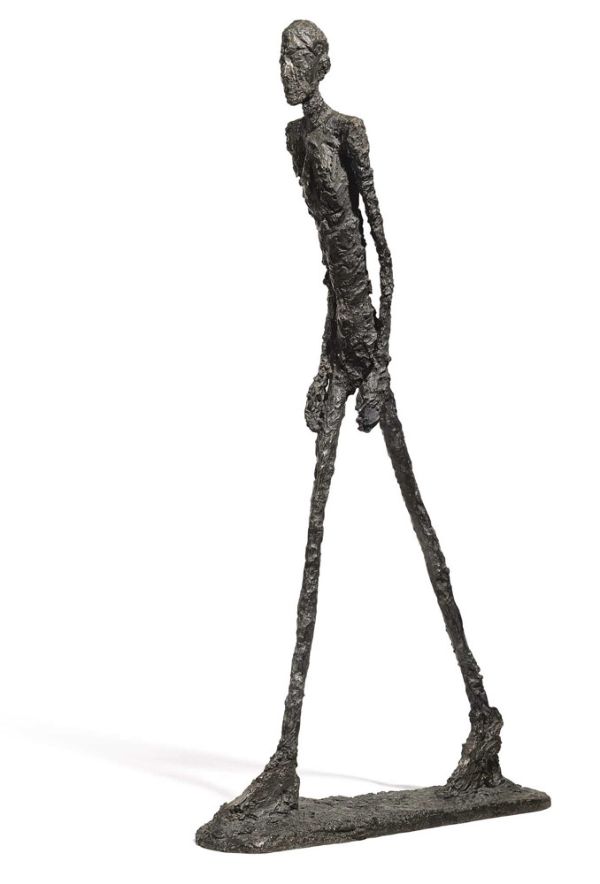
No. 6 Alberto Giocometti vs.

alberto-giacometti-the-walking-man-i-1960-1342523714_org

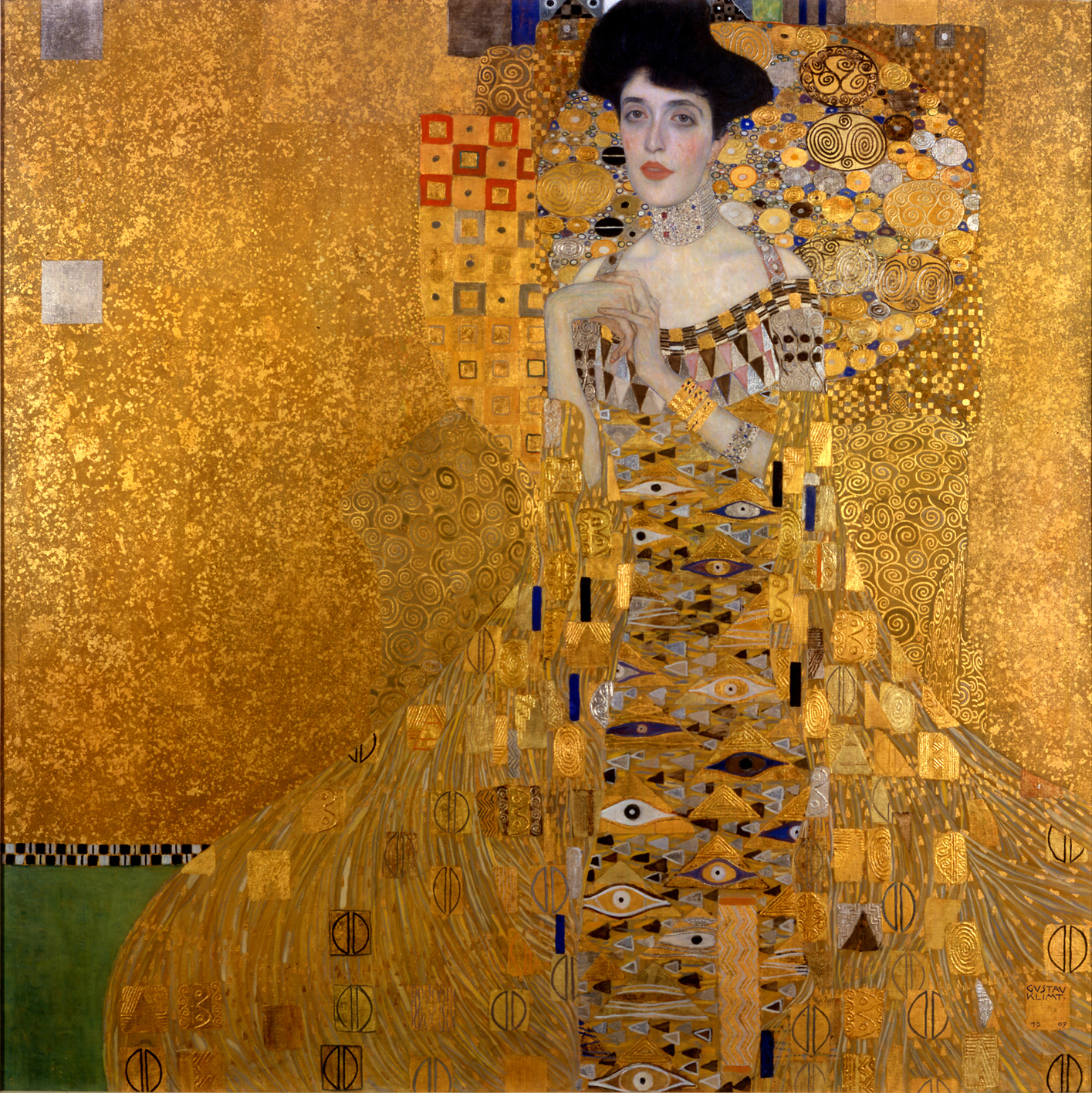
No. 11 Gustav Klimt

Gustav_Klimt_046


No. 3 Georgia O’Keeffe vs.

O'Keeffe_Jack

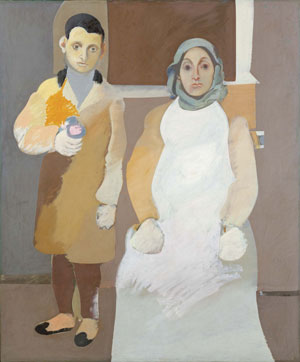
No. 14 Arshile Gorky

The_Artist_and_His_Mother


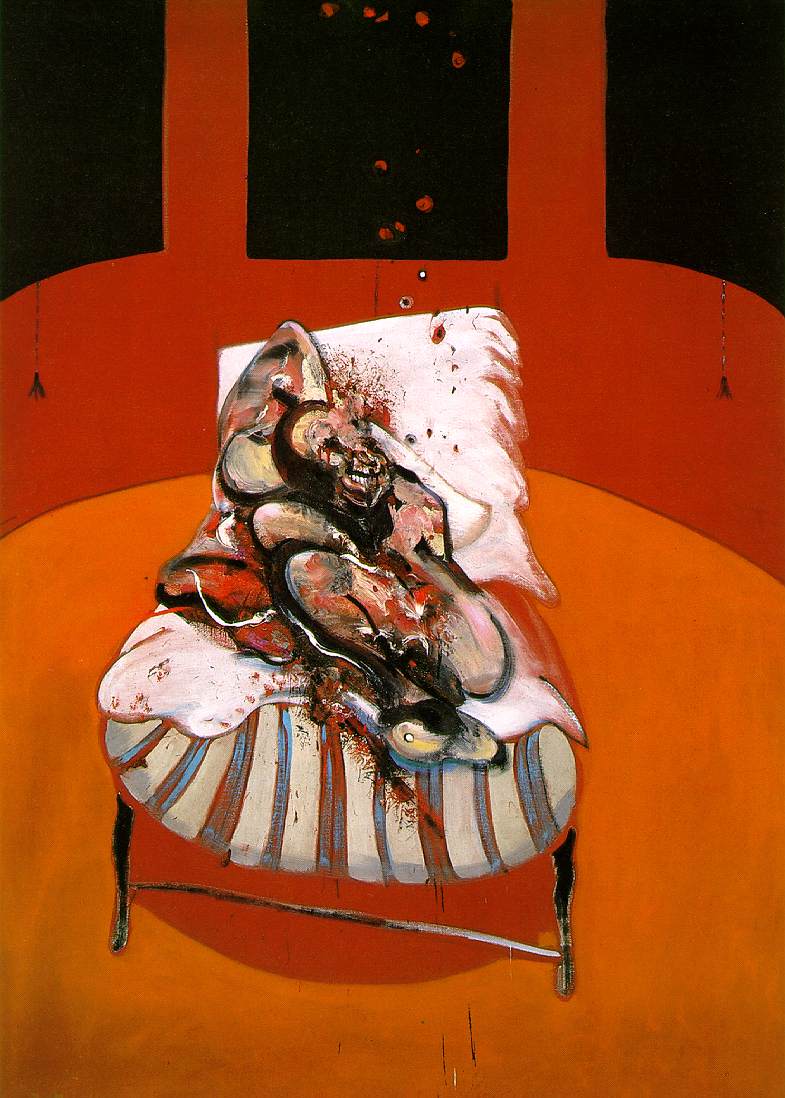
No. 7 Francis Bacon vs.

crucify2

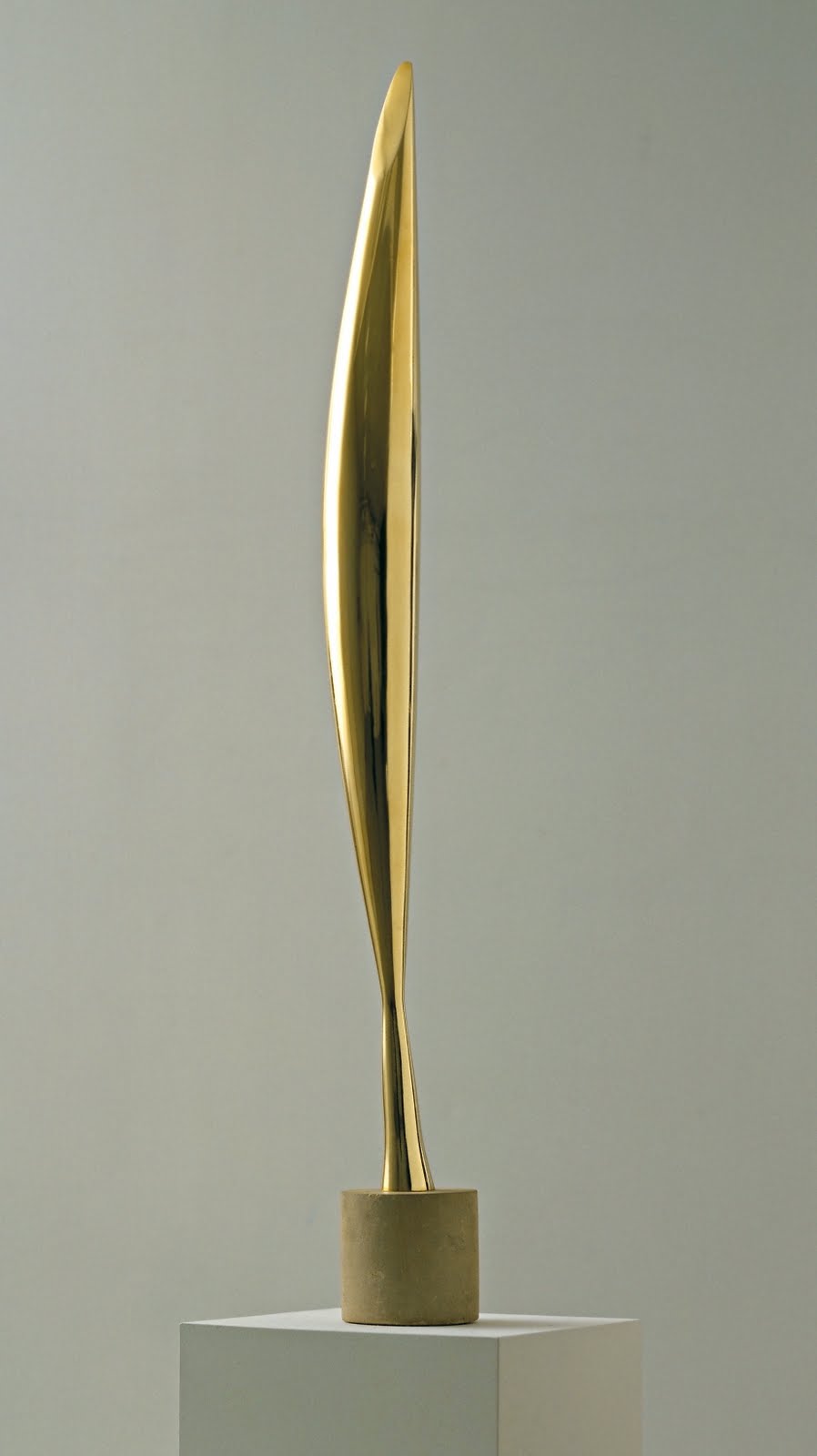
No. 10 Constantin Brancusi

brancusi_2


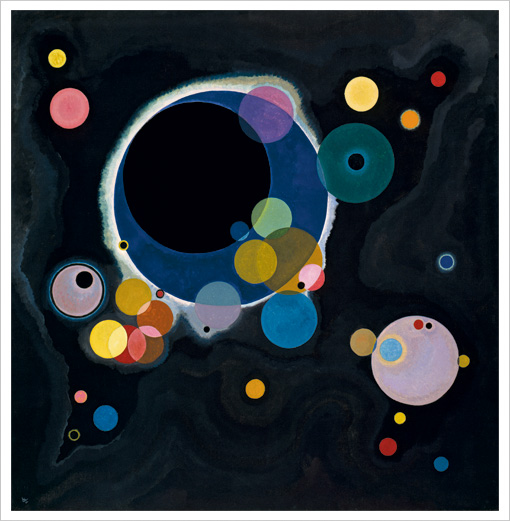
No. 2 Wassily Kandinsky vs.

several_circles

No. 15 Jeff Koons

ballon-dog


New York regional

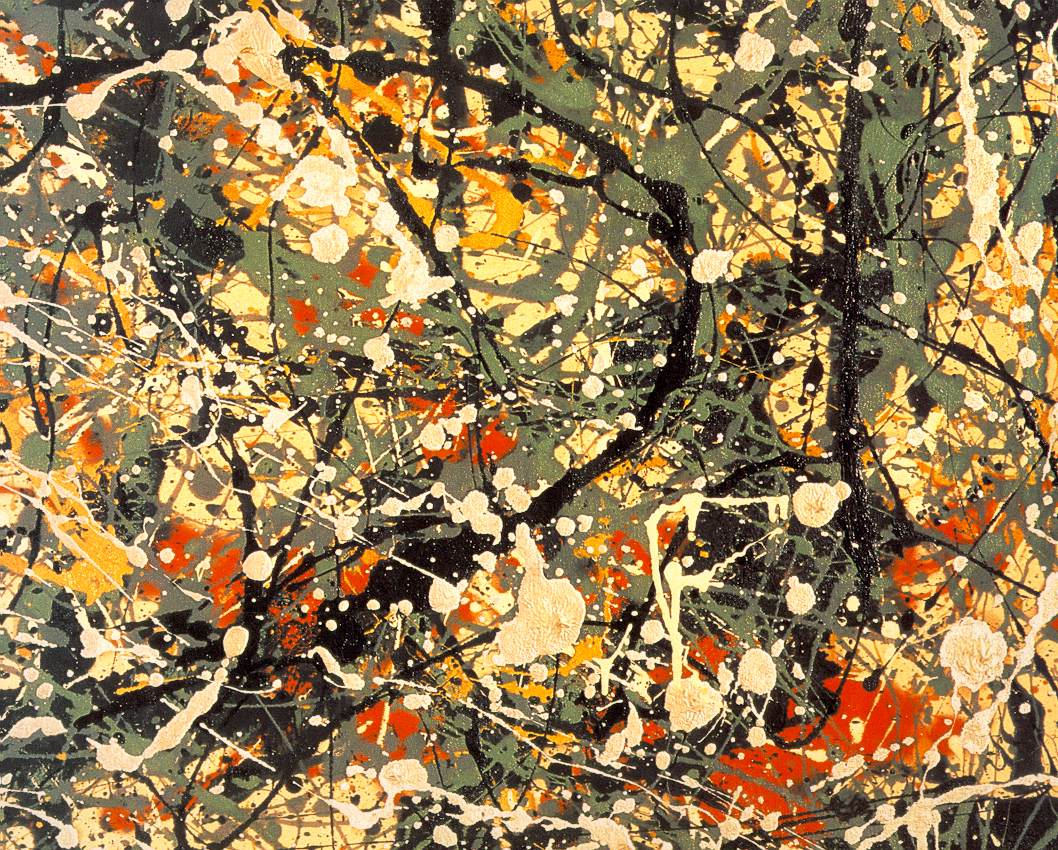
No. 1 Jackson Pollock vs.

pollock.number-8

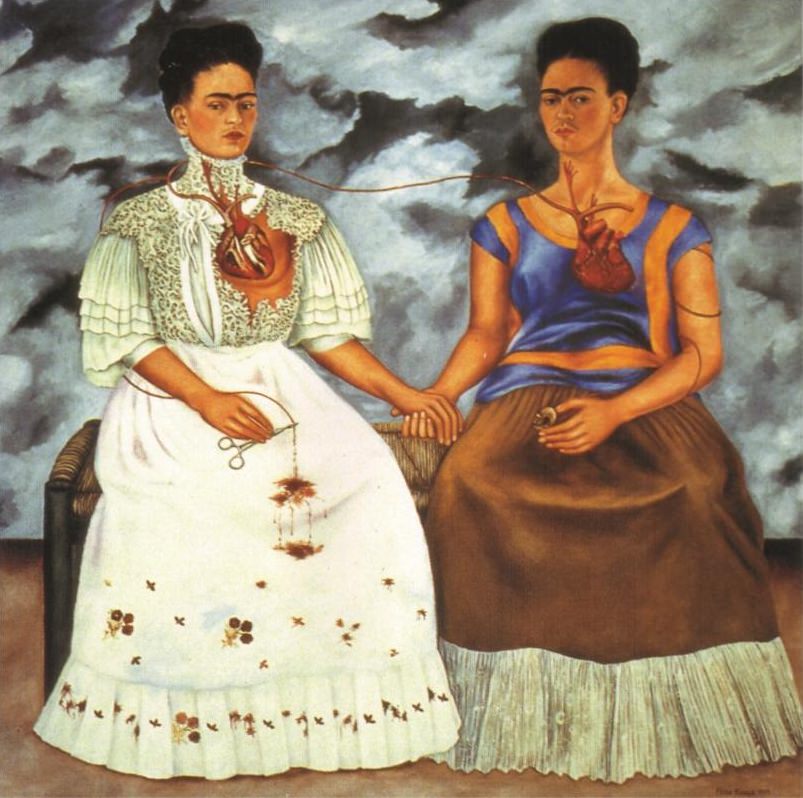
No. 16 Frida Kahlo

the-two-fridas


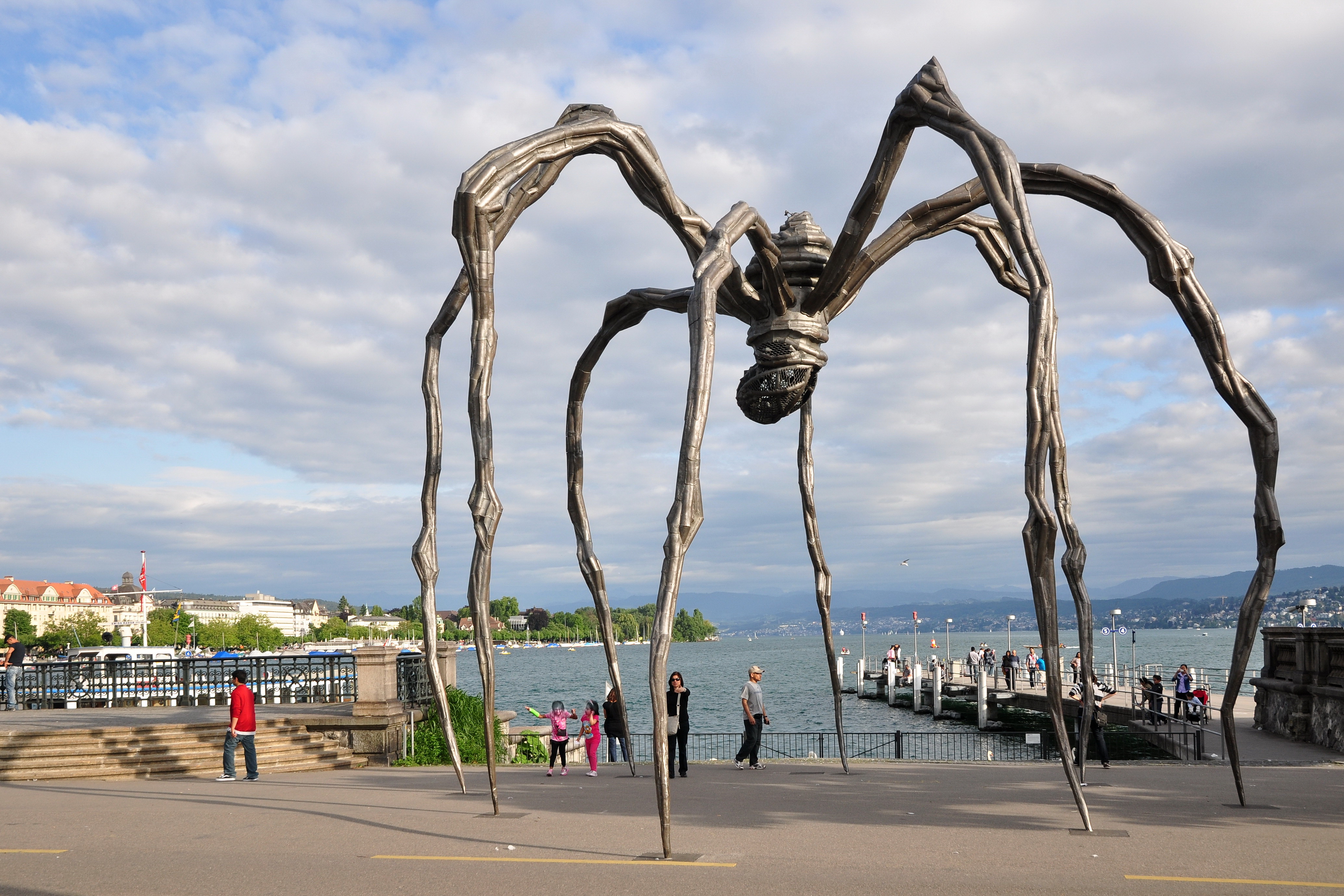
No. 8 Louise Bourgeois vs.

Bürkliplatz_-_Louise_Bourgeois'_'Maman'_-_Alpenquai_2011-06-25_18-54-28_ShiftN2-1

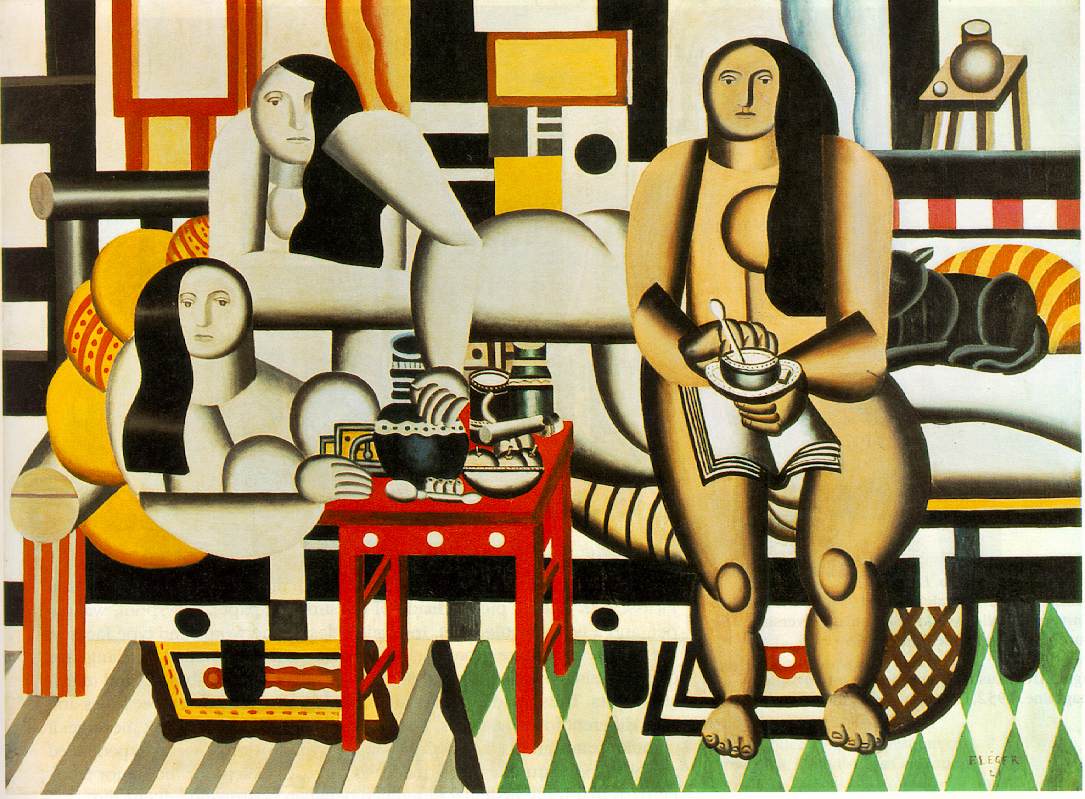
No. 9 Fernand Leger

three-women-1921


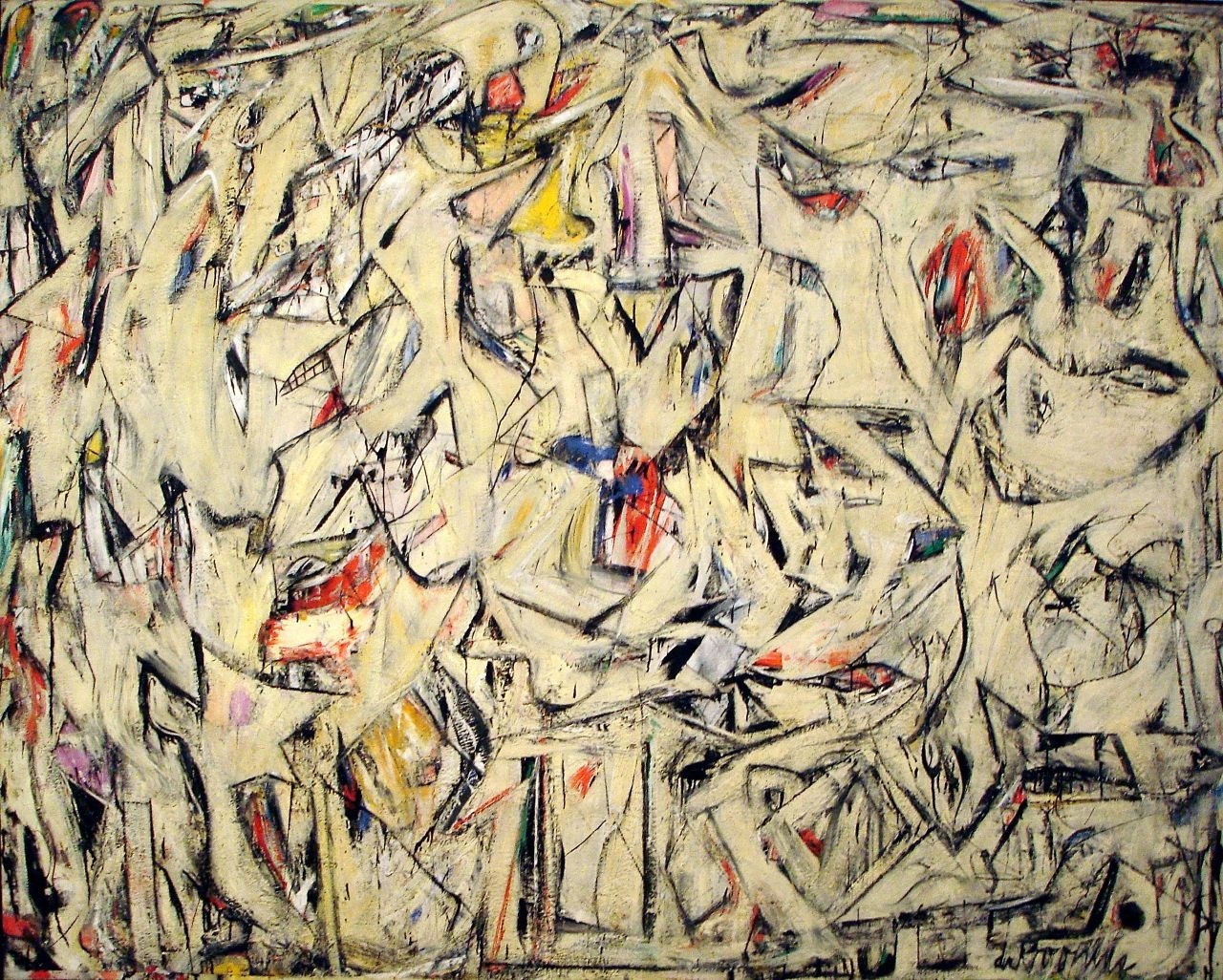
No. 5 Willem De Kooning vs.

excavation

No. 12 Jenny Holzer

13holz_600


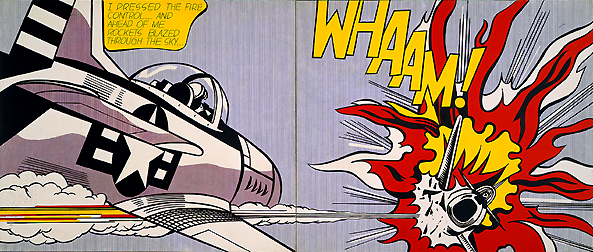
No. 4 Roy Lichtenstein vs.

Roy_Lichtenstein_Whaam

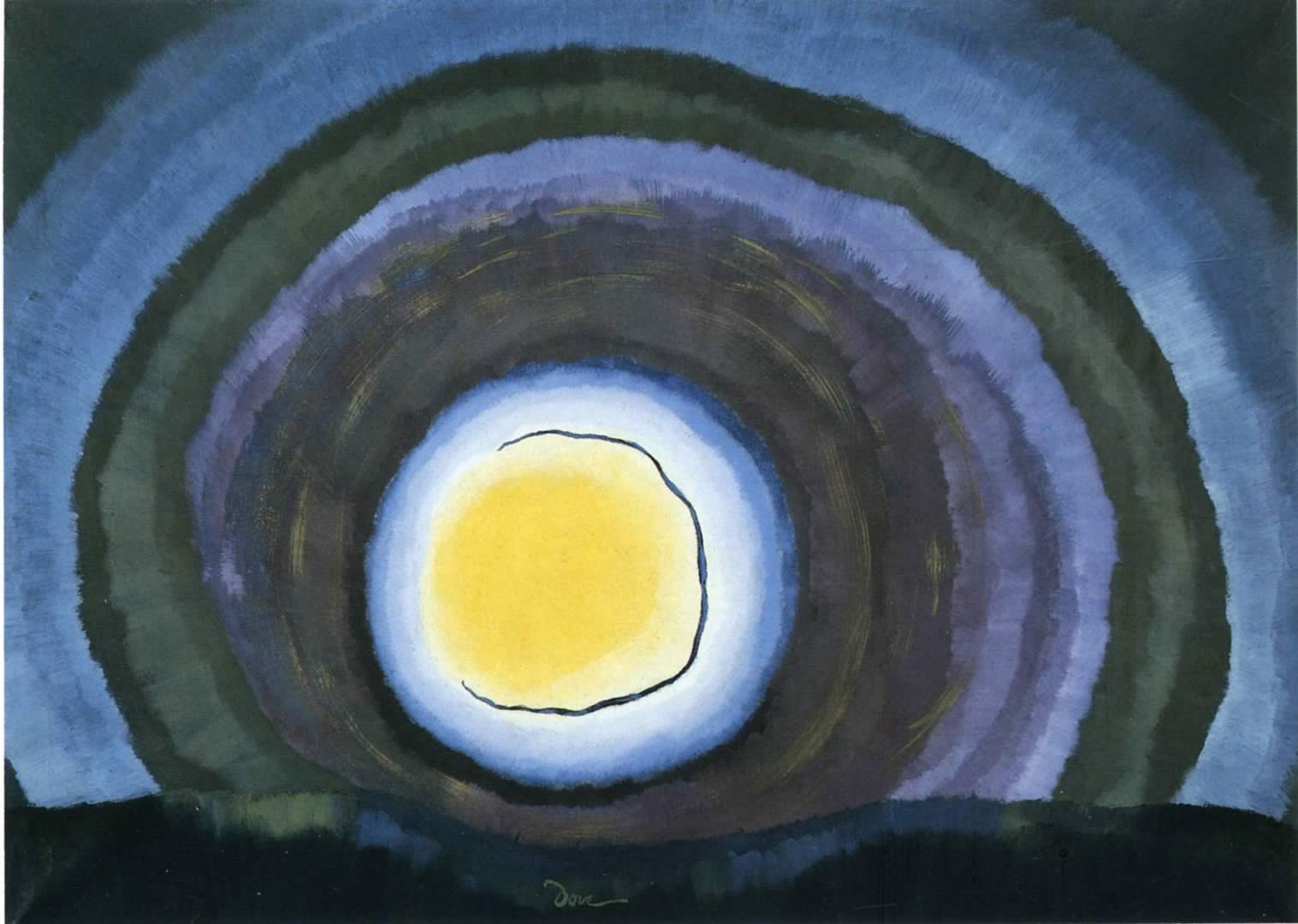
No. 13 Arthur Dove

sunrise-3


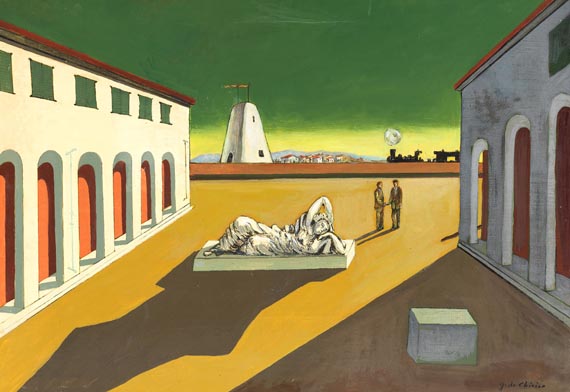
No. 6 Giorgio De Chirico vs.

Bild 083

No. 11 Donald Judd

Untitled 1980 by Donald Judd 1928-1994


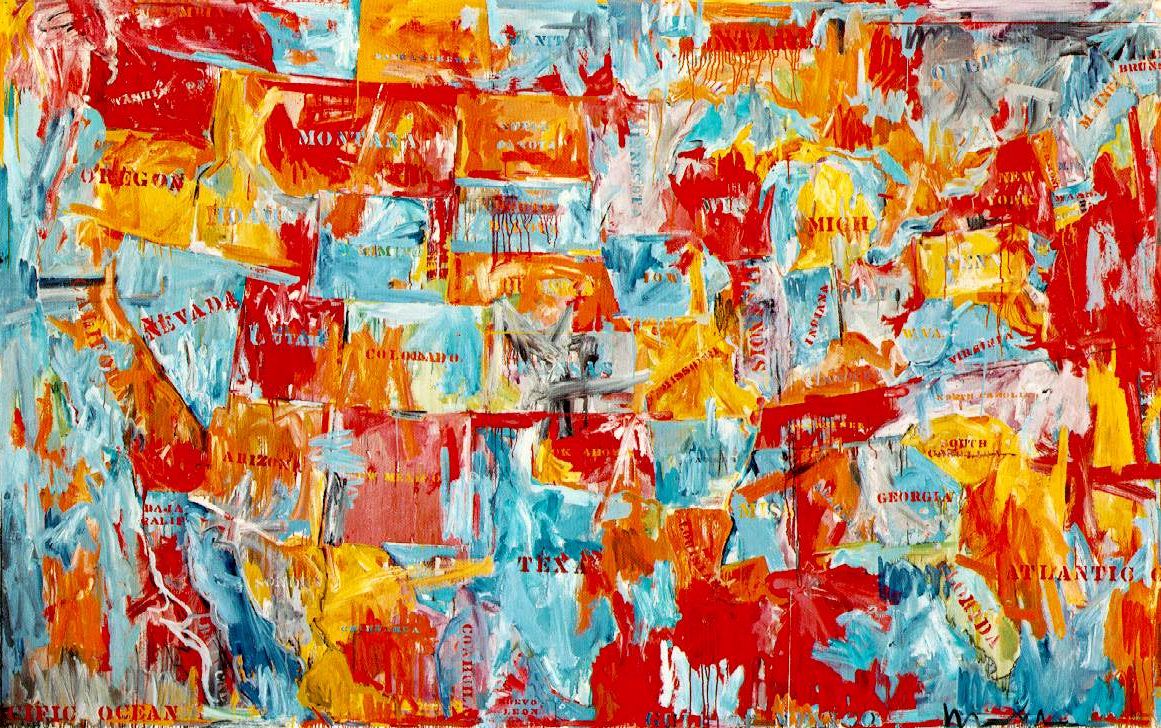
No. 3 Jasper Johns vs.

map

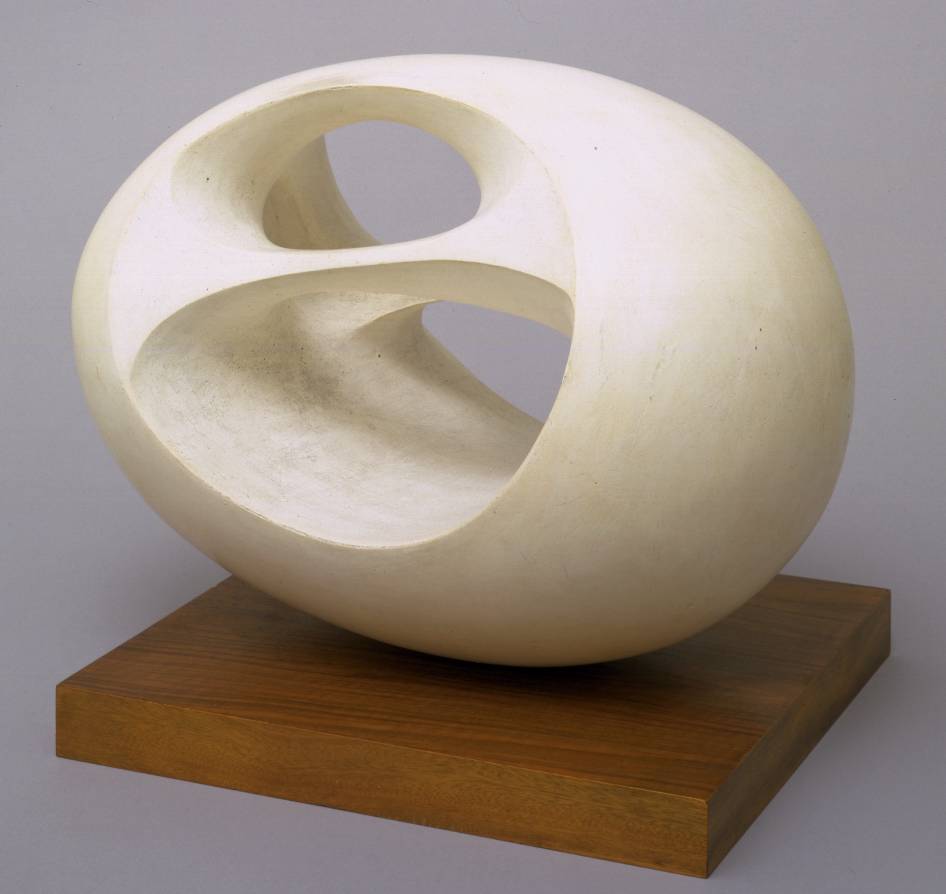
No. 14 Isamu Noguchi

Oval Sculpture (No. 2) 1943, cast 1958 by Dame Barbara Hepworth 1903-1975


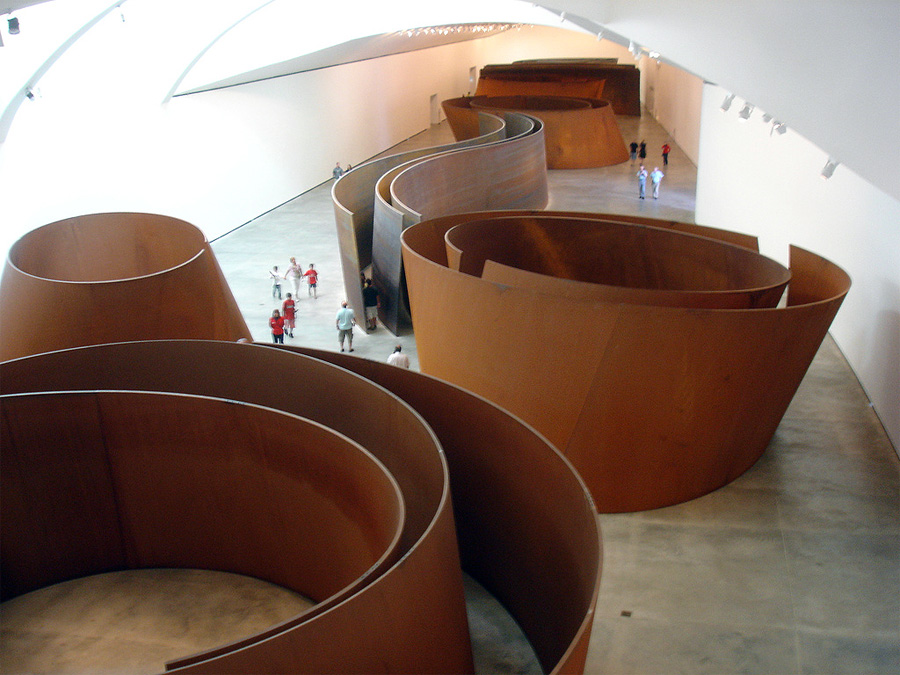
No. 7 Richard Serra

richard-serra

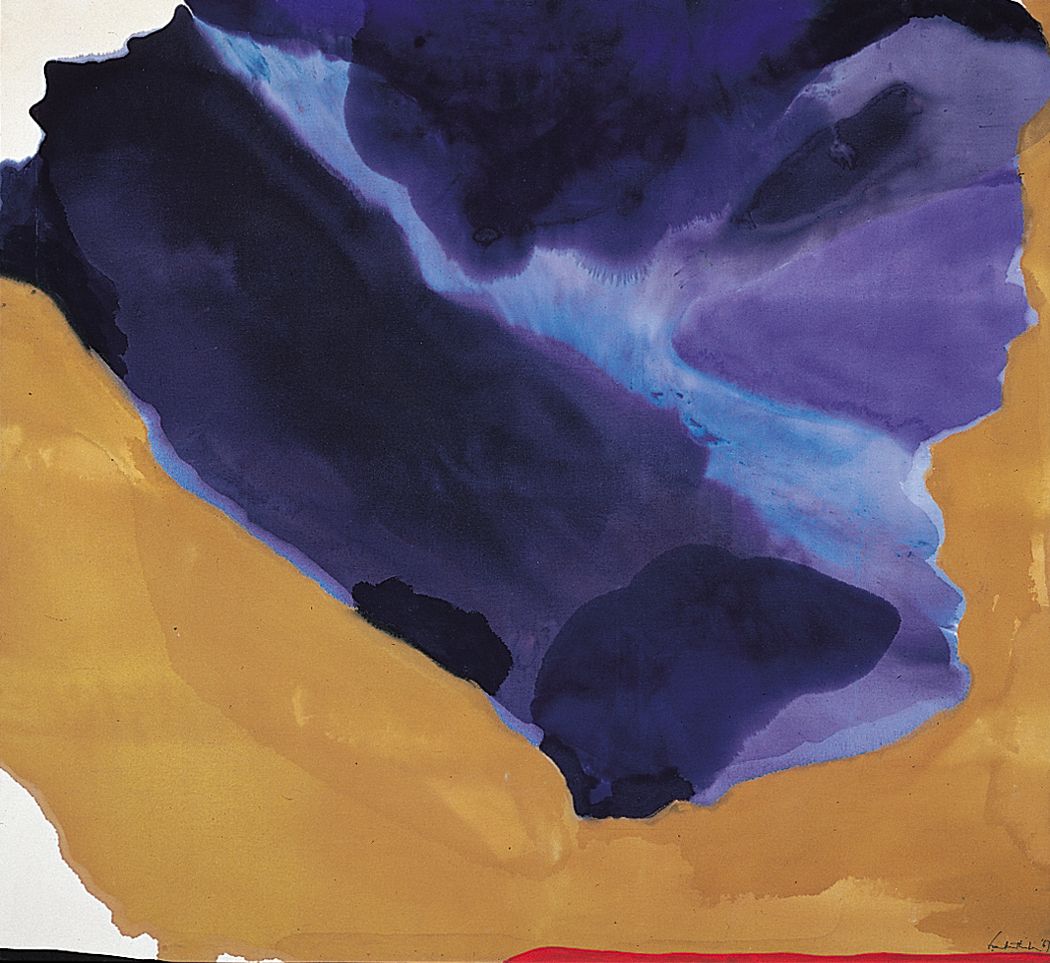
No. 10 Helen Frankenthaler

690346af5907936212ca013ab00f5c79


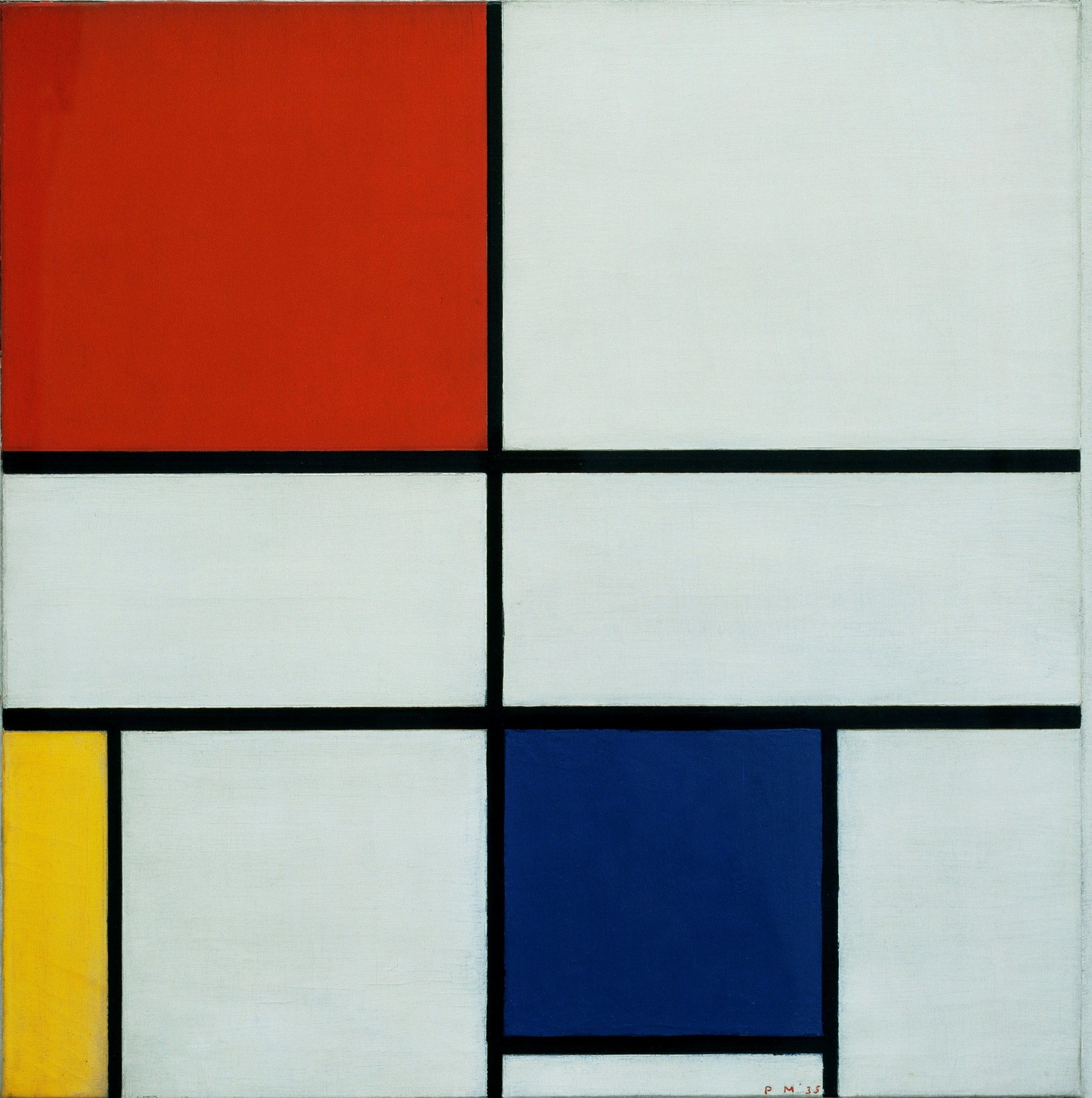
No. 2 Piet Mondrian vs

6-mondrian-composition-c-no-iii-with-red-yellow-and-blue-1935

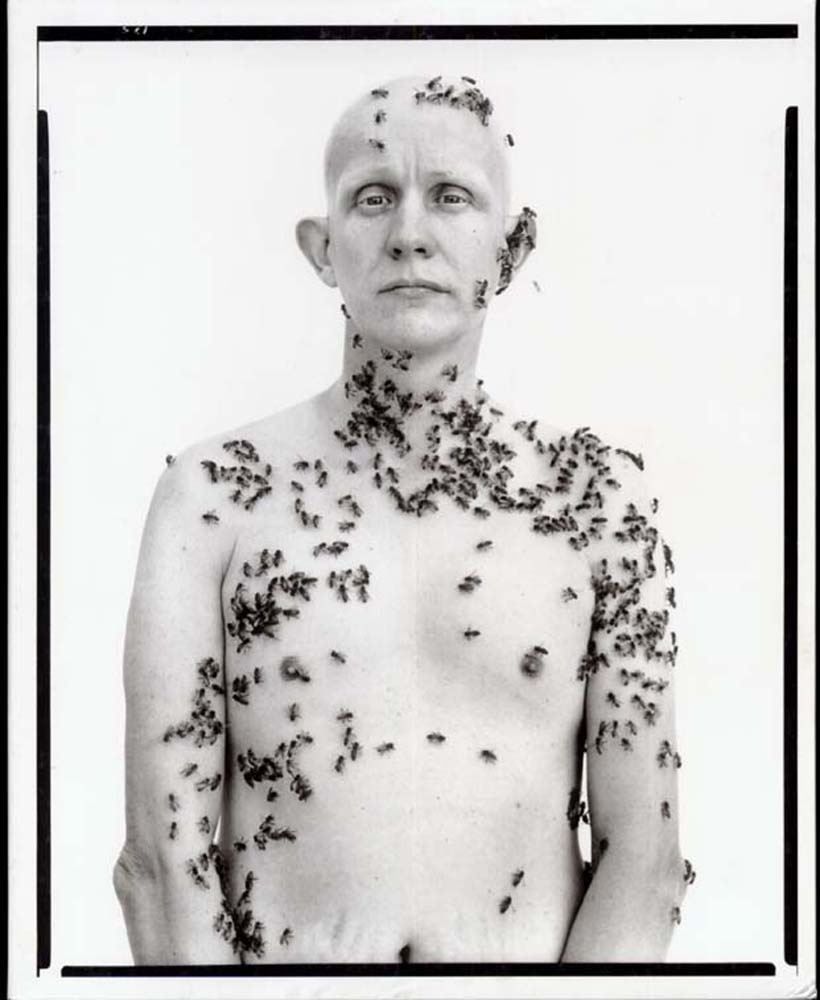
No. 15 Richard Avedon

avedon_beekeeper


 How I chose and seeded the artists:

The idea was to select the 64 most significant visual artists of the 20th century. I included painters, sculptors and photographers, and omitted architects, film makers and performance artists. That might seem arbitrary, but it I had to draw a boundary somewhere.

Then I went through lists of artists and grouped them in four tiers, from obvious top seeds down to more marginal cases. Those tiers formed the basis of the seedings, with the top group making up  the 1-4 seeds, the next group 5-8 and so on. I wanted the list to reflect conventional choices, but I also wanted diversity in genres, geography and gender. So when there was a border line call, I tended to choose a photographer or sculptor vs. yet another abstract expressionist. I tried to keep my own biases out of it, and I excluded some of my favorites. To get to 64, lots of major artists were left out but hopefully my choices make sense. If not, let me know.

The match-ups were somewhat arbitrary, although I tried to avoid having similar artists face each other in the first or second rounds. The contests are more fun when the style’s are so different, and I didn’t want a major school eliminated by the second round.

Art History M(art)ch Madness 2015

13 Friday Mar 2015

Posted by percivalhenry in Art History March Madness

≈ Leave a comment

Tags

art history, sports

M(art)ch Madness is back! The online tournament that combines the thrills of NCAA basketball with the fun of Art History 101 is back for its second year. This time, due to popular demand, we’re matching up the greatest artists of the 20th century. I’ve taken the top 68 artists of the last century and seeded them 1 through 15, with four play-in games to determine the 16th seeds. The full bracket is here.

Credit, and blame, for the seedings is entirely mine. I ranked the artists by significance, fame and skill, and tried to reflect what might be consensus choices. Where possible, I also strove for diversity of genre, geography and gender. Lots of wonderful artists were left out,  but choices had to be made. There were a great many on the bubble who could have easily been included. Please don’t be offended on behalf of your favorites; I left mine out as well. But comments and helpful criticisms are always welcome.

This year, to round out the field of 64, we’ll vote to determine the 16th seeds, who next week will face off against the four No. 1 seeds: Picasso, Matisse, Pollock and Duchamp Chagall. Voting for the play-in games will close Sunday. First round action begins Monday.

(Corrected to reflect Duchamp, not Chagall, is the fourth No. 1 seed, after the error was pointed out by an offended art historian).

Make sure you vote and please share this anyone who might be interested (or horrified).

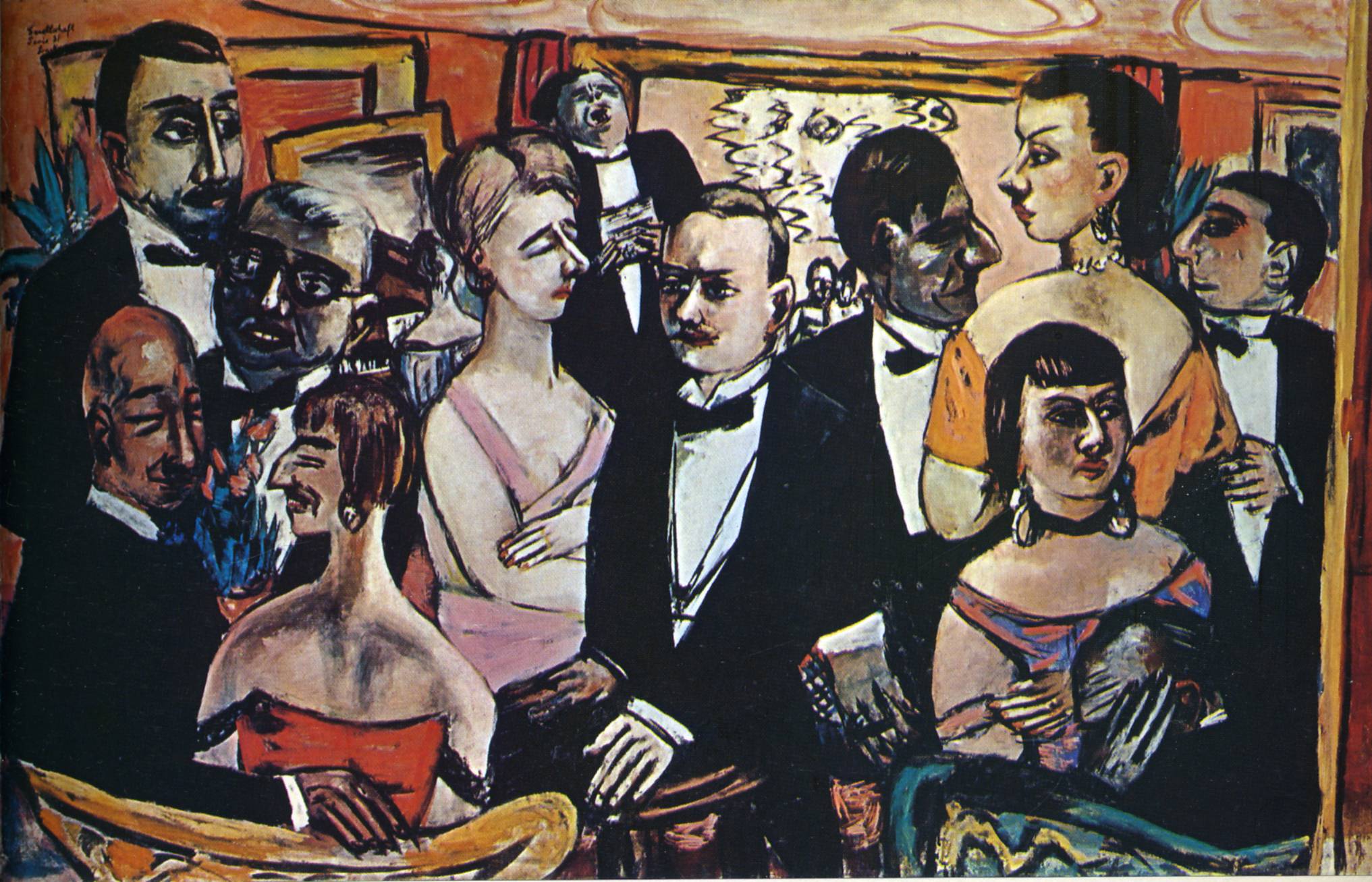
Play-in games Max Beckmann vs. party-in-paris-1947 David Hockney pool_2_figures_72_f

Frida Kahlo vs.

Frida_Kahlo_(self_portrait)

Claes Oldenburg CLOTHSP

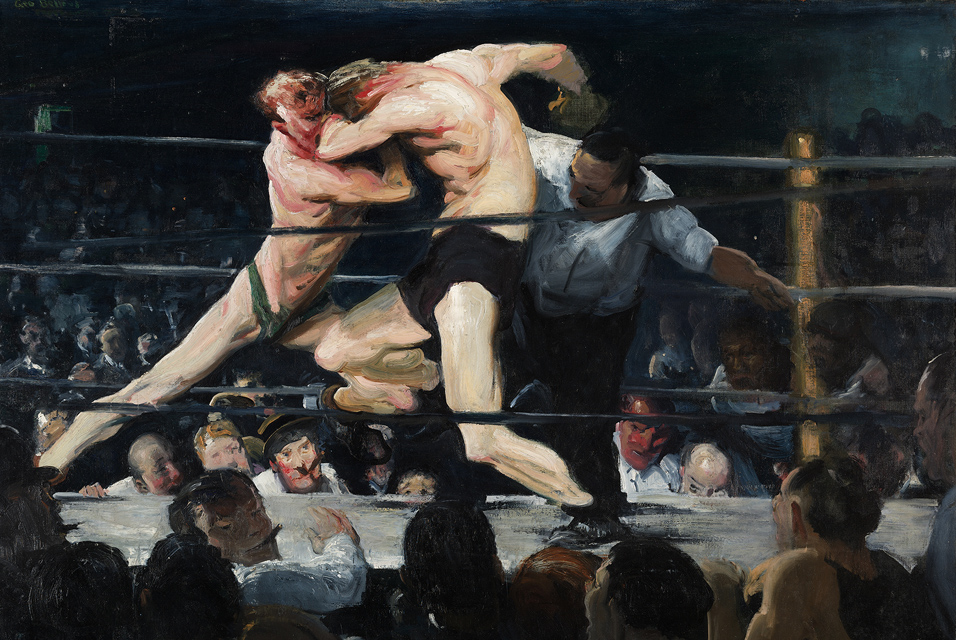
George Bellows vs.

1909_Stag_at_Sharkey's

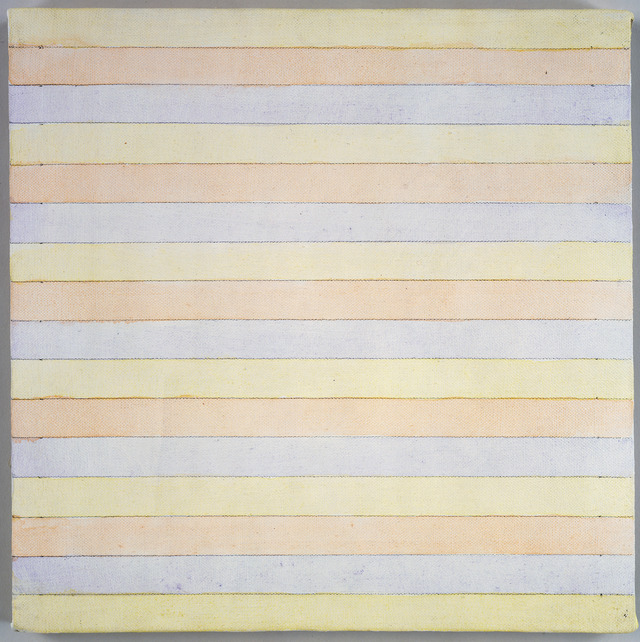
Agnes Martin 31291_MARTIN

Grant Wood vs.

Grant_Wood_-_American_Gothic_-_Google_Art_Project

Chuck Close 69.102_close_imageprimacy_compressed_1140

The Regular Season Champion

21 Tuesday Oct 2014

Posted by percivalhenry in Sports

≈ Leave a comment

Tags

baseball, football, sports

UeSQcgev

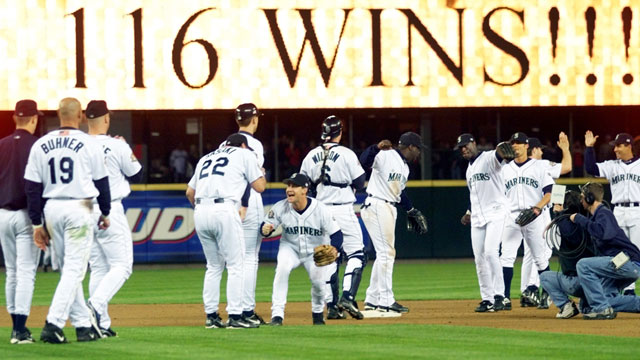
The 2001 Seattle Mariners may be the best baseball team of my lifetime. Led by Ichiro Suzuki  – a veteran from Japan in his MLB rookie year – Edgar Martinez and Bret Boone, they won a record 116 games. But they are a footnote in baseball history because they didn’t win the World Series. They fell in the American League Championship Series, four games to two, to the New York Yankees. (That Yankees team, at the tail end of their dynasty years, eventually lost to Arizona in a dramatic seventh game of the World Series.)

The 2007 New England Patriots may be the best football team of my lifetime. They were the first team ever to go 16-0 in the regular season, but because they lost to the Giants – a 10-6 Wild Card team – in the Super Bowl they’re mostly remembered as team that couldn’t seal the deal.

This year’s World Series will be contested between two Wild Card teams not good enough to win one of their league’s three divisions. The San Francisco finished 88-74, tied for the fourth best record in the National League. The Kansas City Royals, at 89-73, were also fourth in the AL, and nine games back of the Angels. Since 2000, just three World Series champions had the best record in baseball.

In American sports, the championship is the point. We don’t much care how you got there. With the advent of multiple rounds of playoffs, and the introduction of wild card teams, the regular season is now just an extended throat clearing before the main event. It’s only purpose – outside of selling tickets, of course – is to establish seedings for all-important post season tournament. And the seedings rarely matter.

It’s particularly problematic in baseball. Post-season football is pretty much like regular season football – teams play once a week, the same strategies apply – but post-season baseball is a different sport. Teams built to play 162 games now have to win one game at a time. The regular season rewards organizational depth, 5-man rotations and harboring resources. Savvy managers will throw an inferior pitcher to rest a better one, sacrificing one game now to win two or three later. In the post season, pitchers throw with short rest, rotations shrink to three and there’s no value in saving your reliever for tomorrow when there might not be a tomorrow.

Imagine taking the first 10 finishers in the Olympic marathon and having them run a 400 meter sprint. The winner gets the gold medal.

My solution: Give a trophy to the regular season champion.

I’m not suggesting getting rid of the post season. I’m saying let’s acknowledge the accomplishment of finishing the season with the best record. Let’s reward excellence.

Giving out two trophies in a season might seem unorthodox, but that’s standard practice in international soccer. Teams in the English Premier League compete for multiple championships over the course of the season: along with the regular season winner, there’s the Football Association tournament and the League Cup. The best teams also compete in European-wide tournaments. Teams talk about winning multiple trophies, or silverware, and the best teams boast of wining the treble – three trophies in one season (last done by Manchester United in 1998-99).

This will not be an easy adjustment for U.S. sports fans. The National Hockey League gives the President’s Cup to the team with the best record. It you haven’t heard of it, you’re not alone. (It probably doesn’t help that the Stanley Cup is the most iconic trophy in North American sports).

Another obstacle: Unlike European sports, Americans leagues are broken up into leagues and divisions. You could hand out trophies for the best record in each league (or football conference) but I’d rather not. One trophy for the best record. Ties are broken by run (or point) differential.

So congratulations, you 2002 Oakland A’s, winners of 103 Moneyball games! Your efforts are rewarded. Well done, 2004 St. Louis Cardinals (105) and 1998 Atlanta Braves (106). The 1954 Cleveland Indians, winners of an astonishing 111 games in an 154-games season, finally get their championship banner. The 2009 and 1998 Yankees are double winners (and unfortunately, so are the 2013 and 2007 Red Sox).

And take a bow, 2001 Mariners. The best regular season of all time deserves a trophy.

Why I’m not tired of Derek Jeter

27 Saturday Sep 2014

Posted by percivalhenry in Sports

≈ Leave a comment

Tags

baseball, sports

Jet1[1]

After a year-long farewell tour, capped by an over-the-top final appearence in New York Thursday, the backlash to the Derek Jeter tribute threatens to overtake the celebration itself. It’s too much, too extravagent for a player whose career numbers are more Biggio more than DiMaggio. (Keith Olbermann sums up this sentiment in blistering fashion here.)

I get that. The Yankees aren’t good at restraint, events in New York tend to get magnified and the whole thing has gotten sort of tacky. If I wasn’t a Yankees fan, I’m sure I would be annoyed.

But I am a Yankees fan. And here’s why I’m not sick of it.

While I vaguely remember the glory years of the late 1970s (and the first game I went to featured a Thurmon Munson home run), I date my fandom from the 1986 season. The Yankees were OK, but that was the year the Mets of Gooden, Strawberry and Carter took over New York. That team was brash and obnoxious, its fans even more so, and the contrarian in me decided to make the Yankees my team.

My timing was not good. The Yankees were at the start of a steep decline. This was the era of Hurricane George, of Howard Spira, of Dallas Green. In these years, the Yankees traded Jay Buhner (career home runs: 310, 3 with the Yankees) for Ken Phelps (career home runs 123, 17 with the Yanks). The once-great Don Mattingly was hobbled with a bad back. Our big free agent signings were Jack Clark and Danny Tartabull. We tried to get excited about rookies like Kevin Maas.

These were the Yankees’ starting shortstops and their batting averages from 1986 to 1995, the year before Jeter became the full time starter:

1986: Bob Meacham .224
1987: Wayne Tolleson .221
1988: Rafael Santana .240
1989: Alvaro Espinoza .282
1990: Espinoza .224
1991: Espinoza .256
1992: Andy Stankwiecz .268
1993: Spike Owen .234
1994 Mike Gallego .289
1995: Tony Fernandez .245

(I know BA is an old-fashioned stat but trust me, their WAR wasn’t very impressive, either. Fernandez was a very good player at the end of his career. Tolleson and Gallego were capable utility infielders unfairly elevated to starting positions. The rest sucked).

The team’s performance was similarly dismal. They had four straight losing seasons from 1989-1993 (for the first time since 1912-15) and lost a record 95 games in 1990. Even worse, the front office seemed to have no clue about what to do. They signed washed-up free agents, traded away prospects and ran through a string of miserable managers. It was horrible to watch.

And these were the Yankees. When I signed up, I thought I was getting the team of Ruth and Gehrig, Ford and Mantle. A team with rich history, with a tradition of winning and winning a lot. The team I got was a sad shell of that, trading on nostalgia and faded glory, bumbling on the field and off.

But gradually, things began to change. George Steinbrenner was banned from the team and when he was reinstated, he stopped meddling. Front office decisions improved. Young talent was identified and groomed. Roberto Kelly was traded for Paul O’Neil. Buck Showalter took over as manager and raised expectations. And into this new, hopeful environment came Derek Jeter.

Jeter wasn’t responsbile for this transformation, but he represented it more than any other player. He was young, talented and more than anything, professional. He acted like a winner, and he played the way we expect of Yankees. He led them to four championships in five years (and tacked on a fifth a decade later). He was the heir to Mantle, Munson and Mattingly. He was, after the Steve Balbonis and Mel Halls, a Yankee that Yankee fans could be proud of.

In the long sweep of Yankees history, the four years of darkness from 1989-1993 is a footnote, the momentary decline that set the stage for the great years that followed. For me, though, they were long and painful. Jeter may not be the greatest Yankee of all time. But he was the right Yankee at the right time. And for that I am grateful.

Very Short Review: Senna (2010)

18 Wednesday Jun 2014

Posted by percivalhenry in Sports, Very Short Review

≈ 1 Comment

Tags

movies, sports

senna


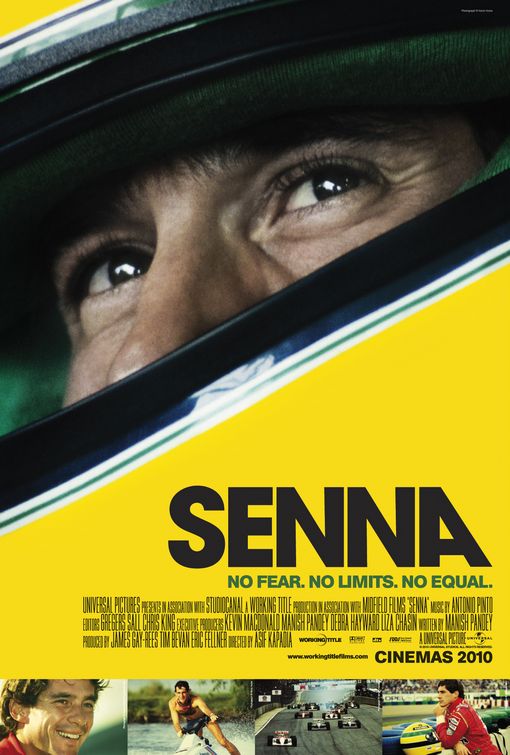
We rented this documentary based on the enthusiastic reviews I remembered reading when it came out. I’m a sports fan, but I’ve never been particularly interested in auto racing or Formula 1, and my knowledge of Aryton Senna – the three-time world champion who died in a 1994 crash – was pretty rudimentary. I can confidently say I now know much more about Senna than I did, although I’m not sure the film was otherwise very fulfilling. It’s never boring, but it also never escapes the sports documentary genre in the way that made “Hoop Dreams” or “When We Were Kings” so compelling. “Senna” is told in straight chronological order with no narrator, using tons of racing and interview footage from Senna’s brief, meteoric career. Born to a wealthy Brazilian family, Senna was a phenomenon, racing and winning from a young age with spectacular style. The film is its most riveting as he tears around the tracks in Monte Carlo, Tokyo and Interlagos, Brazil, often from the vantage of a camera perched above his shoulder. As he advanced up the Formula 1 pecking order, Senna won an army of fans and made high-profile enemies, which snarled him in various dramas that played out on video. He was also handsome, charming and articulate in English, which helps the film’s cause of presenting Senna as the sympathetic victim of the corrupt world of auto racing. Cast as the villains are his chief rival, the canny Frenchman, Alain Prost, and the cynical head of the racing association, Jean-Marie Balestre, also a Frenchman, who appear to conspire to confound the brash Senna. We never hear from Prost or Balestre outside the contemporary footage, and this one-sided narrative is the film’s greatest weakness. We gets hints that Senna’s aggressive style meant he was not universally beloved by other drivers, mostly seen in a testy interview with former champion Jackie Stewart, but it’s not enough to dull the hagiographic shine. The film ends with long shots of Senna’s funeral, and interviews with weepy fans, one of which who said with Senna’s death, there would be “no joy” in Brazil. The movie forgets to mention Brazil’s soccer team won the World Cup that year.


Ranking Sports: Best major league baseball team names

12 Monday May 2014

Posted by percivalhenry in Ranking Sports, Sports

≈ 26 Comments

Tags

rankings, sports

This is the first of what I hope will be a series of ranking of some things I tend to care about in sports, like team names, logos, stadiums, uniform designs etc. Because it’s April May, we’re starting with the nicknames of the 30 major league baseball teams. The rankings are based on my criteria, which are as follows:

* Originality. Unusual or historic names will score higher. Names used by dozens of teams – I’m looking at you, Tigers – will fare less well. Even if the team was the first to use it, if other have copied it, I’m taking points off, because of criteria No. 2.

* Specificity. Does the name only make sense for that team, for reasons of history or geography? Names that can be applied to any team, in any sport, won’t score well. Great non-basketball examples of good, location-specific teams are the Minnesota Vikings and the (late, lamented) Seattle Supersonics.

* Lack of marketability. I prefer names that weren’t devised with cap or jersey sales in mind, but reflect historical accidents or the quirks of fans or owners. The less menacing the animal or creature, the more I tend to like it. Probably the worst offender in this category in all of sports are the Toronto Raptors.

(Note: it’s come to my attention that a few team names I’ve ranked lower on the list – namely the Nationals and Mets – are nods to older, defunct teams. I still think those are boring names but feel free to bump them up a few notches).


And the team with the best name in baseball is:

1, Baltimore Orioles

250px-Baltimore_Orioles_Script.svg

As much as it pains me personally, as a Yankees fan, the Orioles get the nod. The Baltimore Oriole is a small bird (icterus galbula) that eats grubs and small insects. Not only is their name original, it’s hard to pronounce, sounds like Oreo and must be a marketers nightmare. It’s specific to the region – the bird got its name because it shares its colors with the coat of arms of Lord Baltimore – and a nice nod to history. The team, formerly the St. Louis Browns, adopted the name of an early incarnation of the Orioles when they moved to Baltimore in 1954 (that earlier version, which left Baltimore in 1901, became the Yankees).

2, Minnesota Twins
20091116__Secondary Logo_300

Named after the Twin Cities, the Twins could only play in Minneapolis (or St. Paul). There’s nothing menacing or dangerous about twins, and you can’t design a twin mascot. But it does have a nice, zingy sound, it fits nicely in headlines and it’s got the word “win” in it. It’s a great baseball nickname.

3, St. Louis Cardinals
St_Louis_Cardinals_1998-present_logo

Another small, colorful bird. The Cardinals spent a year as the Perfectos – which might have gotten them even higher on this list – before adopting the Cardinal nickname in 1900. There’s something dignified and elegant about the bird, and it fits this very successful franchise. It only loses points because other teams have used the nickname, most notably the Arizona Cardinals which began as the Chicago Cardinals in 1920 (and which took its name from an even earlier team, the Racine Cardinals, which began using that name in 1901).

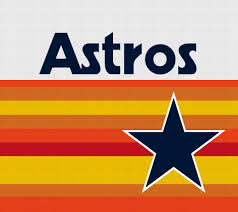
4, Houston Astros
url

Short for Astronauts, the Astros have great local flavor. Houston is home of the Johnson Space Center, which directs NASA missions. No other city could name its team the Astros (although the Houston Rockets took similar inspiration). Astronauts were pretty cool in the 1960s – when the team was renamed from the Colt .45s –  and the name has a fun, retro quality. The image of a puffy-suited astronaut bouncing round the moon doesn’t exactly suggest winning baseball. I don’t recall their ever having an astronaut mascot and they’ve gone through lots of color and logo redesigns (I like the one above best) but they’ve used the star in all of them.

5, Milwaukee Brewers
17648362_SA

Another classic example of a city-specific nickname. They brew beer in other cities, of course, but not even St. Louis is as associated with brewing as Milwaukee. Like the Steelers, it’s a blue-collar name that plays off the city’s industrial identity. I preferred their old ball-in-mitt logo, but the new one (above), with its shafts of wheat, is even more evocative of old-timey beer making.

6, Los Angeles Dodgers
LA-dodgers-logo

The Dodgers are a problem: it’s a great name but one that obviously makes no geographic sense. In Brooklyn, the name was a shortened version of Trolley Dodgers (and before that, they were awesomely named Superbas, giving the Perfectos a run for the money), named for the borough’s street cars. And that makes it an excellent name: regional character, with a sense of fun and whimsy. In Los Angeles, they join the Lakers (and, in spirit, the Utah Jazz) as teams whose names are vestiges of their original cities. But I give them credit for sticking with a name that has character rather than abandoning it to take on a newer, blander identity (see: Nationals).

7, Chicago Cubs
7253

Is there anything less menacing than a Cub? It’s a bit too universal – there’s nothing specifically Chicago about Cubs (or even Bears) – but it is unique. No other team seems to have copied them. There’s something about a soft, clumsy baby bear that seems to fit the way the Cubs play baseball, too.

8, Philadelphia Phillies
philadelphia-phillies-logo

The Phillies are a sort of an un-mascot. It’s more of a nickname, and not a very imaginative one, and feels like a barely-thought out European soccer name (ie, Wolverhampton Wolves, Wigan Lactics)  But it scores high on all my criteria and I like how unmarketable it is.

9, Los Angeles Angels
38525_3292012115207AM80234

An excellent name. A reference to the City of Angels, it’s specific, unique and highly unthreatening. It also lends itself to the cool halo logo.

10, Boston Red Sox
imgres-1

Another one that pains me, but the Red Sox name is so stupid, it’s great. It’s a misspelling of a clothing item the team doesn’t wear, it’s impossible to turn into a mascot, and could only exist if it was adopted more than a century ago. I’m downgrading it because it’s not really Boston-specific (like the Celtics and Patriots) and they trailed the White Sox by a few years.

11, San Diego Padres
X5qgaefxmvbsmrkzw3k8qggwr

One of the goofiest names in sports, I’m going with their old logo to remind you that, yes, they named the team after Spanish monks. Not exactly designed to strike fear into their opponents hearts.

12, New York Yankees
300px-NewYorkYankees_PrimaryLogo.svg

I’m a Yankees fan, but the name never made a lot of sense to me. “Yankee” usually refers to a New Englander, like in a “A Connecticut Yankee in King Arthur’s Court,” and not a New Yorker. But even if it’s geographically inexact, it’s still a good name: regional, unusual and slightly odd. It’s quirkiness has been obscured by the team’s success.

13, Seattle Mariners
url-1

A solid, unpretentious name. I liked their old trident logo, but the compass one is more dignified. While I guess you can have Mariners anywhere there’s water, it seems pretty unlikely another team will ever adopt this name.

14, Chicago White Sox
ChicagoWhiteSoxOldLogo2

Since they predate the Red Sox, I suppose they should be ranked higher. But sports socks are supposed to be white, so while it’s still odd to name your team for your socks, it’s less odd if they’re white. They do get points for their secondary nickname, the Pale Hose.

15, Miami Marlins
imgres-2

There’s a lot of reasons to dislike the Marlins, but their name isn’t one of them. It evokes the old Miami of sport fishing and Earnest Hemingway, and has a nice, sharp baseball sound to it.

16, Oakland Athletics
sioej7efu95jbuxer1tg16ji6

The Athletics are a historically bland name, which in my system both helps and hurts them. The name is clearly an ancient relic, but the fact they were the Athletics in Philadelphia and Kansas City before Oakland makes clear how universal it is. I much prefer Athletics to the truncated “A’s”, though, and I like their elephant mascot, which of course makes no sense.

17, Texas Rangers
texas_rangers-9679

Not a bad name – a salute to the historic Texas Rangers – but a bit too rootin’, tootin’ for me. And there’s a New York Rangers hockey team, whose name makes less sense but they got there first.

18, Kansas City Royals
imgres-1

I had the Royals a lot lower – the name seems completely unsuited for this very un-royal midwest city – but I read up on the origin of their name, and it’s derived from the American Royal livestock show, apparently a Kanas City institution. So it gets points for history and a connection to the city, even if it’s not readily apparent.

19, Cincinnati Reds
imgres-5

Like the Athletics, the Reds have a lot of history – they’re the oldest club in major league baseball – but the name is uninspired. Formerly the Red Stockings,  they chose boring over quirky (as opposed to the the Red Sox). They get some credit for persisting with their name through the Cold War, although lose some for temporarily abandoning it in favor of the Redlegs during the 1950s.

20, New York Mets
imgres-4

Just a weird, unlovable name. I’ll give it points for being completely uncynical, but it’s generic to the point of ridiculous (couldn’t every city name its team the Metropolitans?). The fact that it’s the third institution in New York nicknamed Met – after a museum and opera – doesn’t help.

21, Toronto Blue Jays
imgres-3

Inoffensive, and an homage (or rip off) of the bird nicknames higher on this list, but also generic. As far as I can tell, there’s nothing specifically Toronto about Blue Jays, and the name seems to have been chosen in part because the team owner of the time, Labatt Brewery, made Labatt Blue.

22, Colorado Rockies
imgres

Not terrible but sort of bland and obvious.

23, Washington Nationals
imgres-2

Formerly the Montreal Expos, the franchise gave up that colorful and odd name for the grim, institutional sounding Nationals. It sounds like a compromise chosen by a committee, with an eye toward fitting in newspaper headlines. In a city full of groups named things like the National Association of Insurance Actuaries, maybe it makes sense but couldn’t they have found something more fun? Even the Senators – the name of the two previous Washington franchises – would have been better. And Senators are definitely not fun.

24, Tampa Bay Rays
imgres-3

I actually preferred their first name, the Devil Rays, even if it violates my own rule because it was such a naked grab for T-shirt sales. But it had some local character and I like teams named for seafood. Lopping off the Devil seems designed to appease Florida’s religious conservatives, and the result is a weak nod to the state’s sunshine, which is odd for a team that plays indoors. If they were aggressively appealing to teenagers with Devil Rays, now they’re chasing the senior citizens who want to sit in the sun.

25, San Francisco Giants
giants

We’re now in the realm of the vague and boring. The Giants may be an old and distinguished franchise, but their name is dull. That it survived a trans-continental move, and inspired the name of a football team, just proves the point.

26, Detroit Tigers
images

There are no Tigers in Detroit. Or in Princeton, Missouri, Auburn, Baton Rouge or any of the other dozen places that use the name.

27, Pittsburgh Pirates
Pittsburgh-Pirates-Logo


No pirates in Pittsburgh, either.

28, Atlanta Braves
imgres-4

We’re now moving from aesthetically offensive to just plain offensive. The Braves are an improvement over the Indians – naming your team after a subset of a subjugated people seems preferable than naming it after the entire people – and both are a whole lot better than the Redskins, but it’s still not cool. I might feel differently it there was any intelligence behind the appropriation, but it’s a Hollywood/Davey Crockett version of Indian identity. They seem to have exiled Chief Noc-A-Homa and his tepee in the bleachers, but the tomahawk and name remain.

29, Cleveland Indians
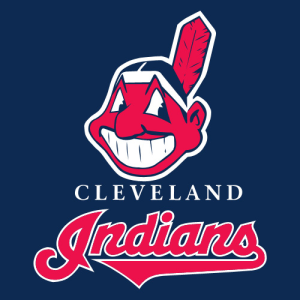
preview

See the Braves, above. The Indians may or may not have been named after former player Louis Sockalexis, a Native American, but whatever. It’s still blatantly racist. And if the name doesn’t convince you, check out Chief Wahoo.

30, Arizona Diamondbacks
37a5ef3f0a0d028a013d72544387d6ab

While not as problematic as the Braves and Indians, those teams at least have history as an excuse. The Diamondbacks are baseball’s best (or worst) example of choosing a name for commercial purposes. Instead of considering baseball’s tradition of easy-going names, they tried to adopt the menace of a venomous serpent. In an effort to be edgy and cool, they’ve ended up with something tacky and cheap, a name best suited for an Arena Football team.
How to win an Olympic medal

12 Wednesday Feb 2014

Posted by percivalhenry in Sports

≈ Leave a comment

Tags

Olympics, sports

Image

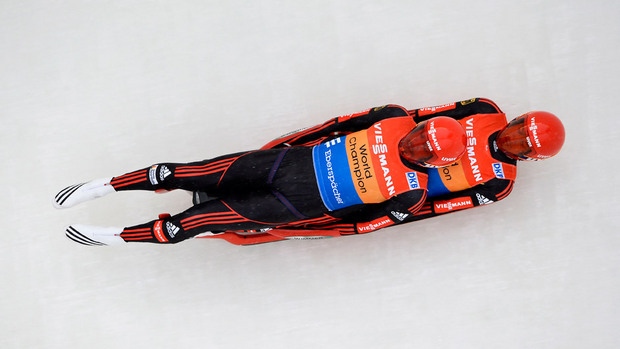
What sport is the easiest to earn an Olympic medal in? I’m voting for doubles luge.

I’m not saying it’s an easy sport – I’m sure its hard not to flip over and it certainly looks uncomfortable – but I am saying that given how few people are competing in it globally, if you’re taking part, your odds of winning a medal are relatively high. Some sports, because of global popularity and ease of access are certain to attract more competitors, and some of them will be freakish athletes. The more popular the sport, the larger the pool of athletes and the harder it is to stand out. The more obscure and inaccessible the sport, the fewer chances a superior athlete will land there and the better chance an average athlete can succeed.

What sports are the hardest to medal in?

(I’m going to leave out soccer, which is the world’s most popular sport, but at the Olympic level, participation is constrained by some arbitrary rules concerning age.)

1, Running. OK, I will cop to some personal bias here, but in terms of universality and ease of access, I can’t think of a more wide open sport – the number of people who have been in some sort of footrace in their lives probably dwarfs the number who haven’t. It’s contested  in every country and requires literally no equipment (not even shoes – ask Zola Budd).

2, Boxing. Contested everywhere. Even by people who don’t know it’s a sport.

3, Basketball. Some equipment required, but it’s immensely popular around the world, including in high population countries like China, Russia, Brazil and the U.S.

4, Volleyball. There are apparently 220 national volleyball associations, the most of any sport. If it’s played in more countries than there are countries, seems like its going to be hard to medal.

5,  Table tennis. Any sport that’s big in China is going to be hard to crack. But ping pong is popular around the world

What sports are easiest to medal in? In reverse order this time:

5, Equestrian. What percentage of the world population A, owns a horse that B, is willing to jump C, with you on it?

4, Synchronized swimming. Not only do you need a pool, you need a culture that appreciates Esther Williams movies.

3, Ski jumping. The ski jumping complex at Sochi cost $265 million. Don’t expect one at your neighborhood rec center anytime soon.

2, Bobsled. There are just 17 bobsled tracks in the world and an individual sled can cost up to $100,000. This is not a mass participation sport.

1, Doubles luge. There’s the same problem bobsled has, with only 17 tracks  in the world and none in China or India. There’s the risk of maiming, which probably limits its popularity. And then you have to convince someone to do it with you. I’m guessing the total field of doubles luge athletes is under 5,000 worldwide, or fewer competitors than in your average Central Park road race. So if you’re one of them, congratulations. Your odds of medaling are excellent.

Newer posts →
  • “The World’s Greatest Comic Magazine!” Fantastic Four Annual No. 15
  • “The World’s Greatest Comic Magazine!” Fantastic Four No. 223
  • “The World’s Greatest Comic Magazine!” Fantastic Four No. 222
  • “The World’s Greatest Comic Magazine!” Fantastic Four No. 221
  • “The World’s Greatest Comic Magazine!” Fantastic Four No. 220
  • July 2026
  • June 2026
  • May 2026
  • April 2026
  • March 2026
  • February 2026
  • January 2026
  • December 2025
  • November 2025
  • October 2025
  • September 2025
  • August 2025
  • July 2025
  • June 2025
  • May 2025
  • April 2025
  • March 2025
  • February 2025
  • January 2025
  • December 2024
  • November 2024
  • October 2024
  • September 2024
  • August 2024
  • July 2024
  • June 2024
  • May 2024
  • April 2024
  • March 2024
  • February 2024
  • January 2024
  • December 2023
  • November 2023
  • September 2023
  • July 2023
  • June 2023
  • May 2023
  • April 2023
  • March 2023
  • February 2023
  • January 2023
  • December 2022
  • November 2022
  • October 2022
  • September 2022
  • August 2022
  • July 2022
  • June 2022
  • May 2022
  • April 2022
  • March 2022
  • February 2022
  • January 2022
  • December 2021
  • November 2021
  • October 2021
  • September 2021
  • August 2021
  • July 2021
  • June 2021
  • May 2021
  • April 2021
  • March 2021
  • February 2021
  • January 2021
  • December 2020
  • February 2018
  • May 2016
  • February 2016
  • January 2016
  • December 2015
  • November 2015
  • October 2015
  • September 2015
  • August 2015
  • July 2015
  • April 2015
  • March 2015
  • January 2015
  • December 2014
  • November 2014
  • October 2014
  • September 2014
  • August 2014
  • June 2014
  • May 2014
  • April 2014
  • March 2014
  • February 2014
  • July 2026
  • June 2026
  • May 2026
  • April 2026
  • March 2026
  • February 2026
  • January 2026
  • December 2025
  • November 2025
  • October 2025
  • September 2025
  • August 2025
  • July 2025
  • June 2025
  • May 2025
  • April 2025
  • March 2025
  • February 2025
  • January 2025
  • December 2024
  • November 2024
  • October 2024
  • September 2024
  • August 2024
  • July 2024
  • June 2024
  • May 2024
  • April 2024
  • March 2024
  • February 2024
  • January 2024
  • December 2023
  • November 2023
  • September 2023
  • July 2023
  • June 2023
  • May 2023
  • April 2023
  • March 2023
  • February 2023
  • January 2023
  • December 2022
  • November 2022
  • October 2022
  • September 2022
  • August 2022
  • July 2022
  • June 2022
  • May 2022
  • April 2022
  • March 2022
  • February 2022
  • January 2022
  • December 2021
  • November 2021
  • October 2021
  • September 2021
  • August 2021
  • July 2021
  • June 2021
  • May 2021
  • April 2021
  • March 2021
  • February 2021
  • January 2021
  • December 2020
  • February 2018
  • May 2016
  • February 2016
  • January 2016
  • December 2015
  • November 2015
  • October 2015
  • September 2015
  • August 2015
  • July 2015
  • April 2015
  • March 2015
  • January 2015
  • December 2014
  • November 2014
  • October 2014
  • September 2014
  • August 2014
  • June 2014
  • May 2014
  • April 2014
  • March 2014
  • February 2014
“The World’s Greatest Comic Magazine!” Fantastic Four Annual No. 15

“The World’s Greatest Comic Magazine!” Fantastic Four Annual No. 15

percivalhenry's avatar by percivalhenry July 18, 2026
“The World’s Greatest Comic Magazine!” Fantastic Four No. 223

“The World’s Greatest Comic Magazine!” Fantastic Four No. 223

percivalhenry's avatar by percivalhenry July 14, 2026
“The World’s Greatest Comic Magazine!” Fantastic Four No. 222

“The World’s Greatest Comic Magazine!” Fantastic Four No. 222

percivalhenry's avatar by percivalhenry July 5, 2026
“The World’s Greatest Comic Magazine!” Fantastic Four No. 221

“The World’s Greatest Comic Magazine!” Fantastic Four No. 221

percivalhenry's avatar by percivalhenry June 25, 2026
“The World’s Greatest Comic Magazine!” Fantastic Four No. 220

“The World’s Greatest Comic Magazine!” Fantastic Four No. 220

percivalhenry's avatar by percivalhenry June 15, 2026
“The World’s Greatest Comic Magazine!” Fantastic Four No. 219

“The World’s Greatest Comic Magazine!” Fantastic Four No. 219

percivalhenry's avatar by percivalhenry June 7, 2026

Blog at WordPress.com.
  • Subscribe Subscribed
    • Percival Henry: The Fantastic Four and more
    • Join 74 other subscribers
    • Already have a WordPress.com account? Log in now.
    • Percival Henry: The Fantastic Four and more
    • Subscribe Subscribed
    • Sign up
    • Log in
    • Report this content
    • View site in Reader
    • Manage subscriptions
    • Collapse this bar
Loading Comments...