Tags
(Note: If you frequent this blog for Fantastic Four content, feel free to skip this post. While my personal blog has largely been devoted to my issue-by-issue recaps of the Fantastic Four, I still use it for occasional posts like this.)
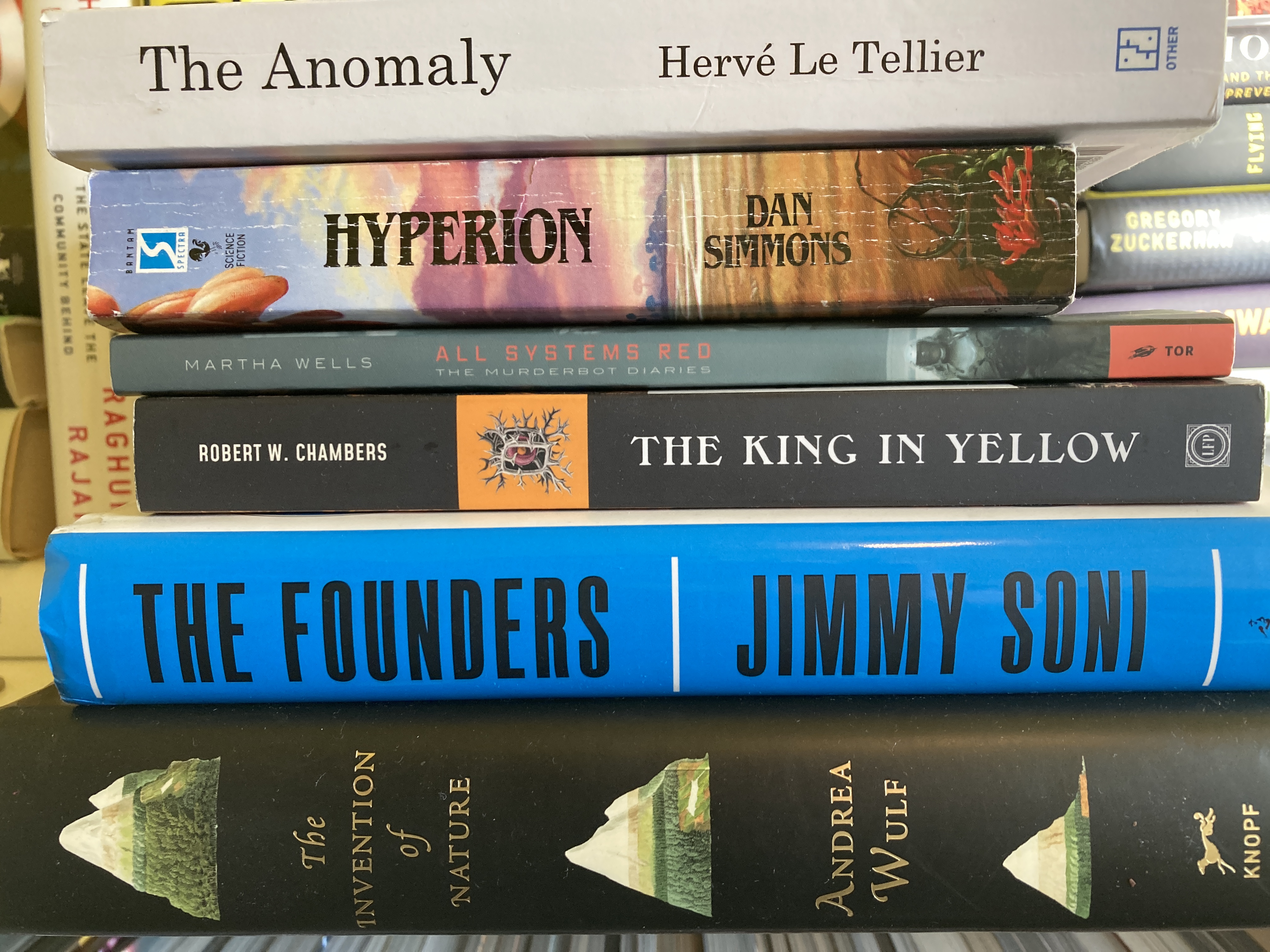
For the first time since I started setting annual reading goals, I reached my target of 24, or two a month. That was possible for a few reasons: A, My wife and I took a trip to Germany, which meant lots of time on airplanes, trains and in an Airbnb with no television. B, I was a judge in a business book contest, which meant I had to power through four books in five weeks and C, Somewhat sheepishly, I deliberately chose some short books to balance out some of the longer ones.
As always, the books I read this year were chosen for a variety of reasons. Some I read for work, some have been on my list for years, and some I picked up almost at random. As ever, I aimed for a mix of non-fiction, literary fiction and genre fiction, and I tried to improve the diversity of the authors I read. One regret is that I didn’t read what I would consider a classic. Next year!
Here, in order, are the books I read this year (for illustrations, I do my best to show the version I read, which isn’t always possible):
1, Hyperion, by Dan Simmons (1989)
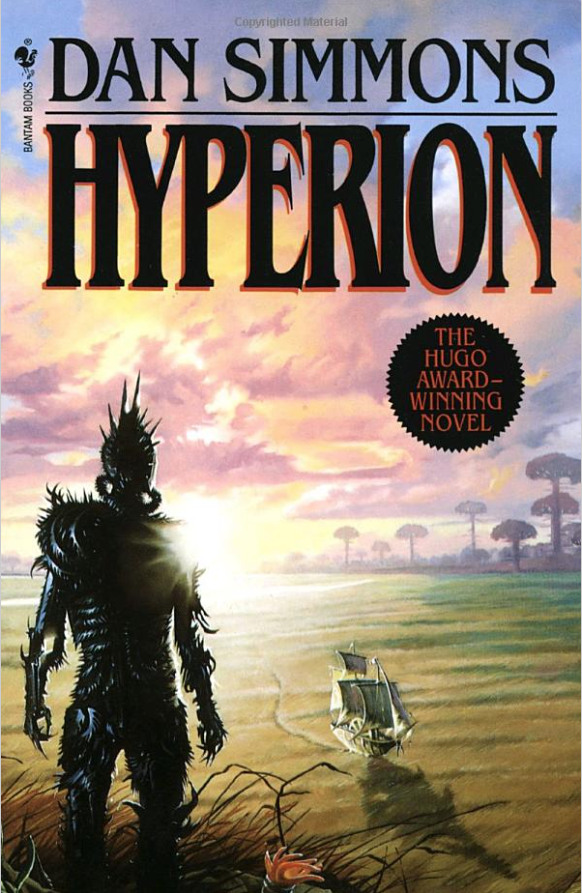
Hyperion frequently shows up on lists of the greatest works of science fiction and accordingly it had been on my list for a while. It did not disappoint. Hugely ambitious, it borrows the structure of the Canterbury Tales to tell the story of interstellar pilgrims on the planet Hyperion, all with their own complicated stories, and it wrestles with themes of faith, fate, loyalty and duty. There are also many references to the poetry of Keats. The only frustration is that it ends with a cliff-hanger, basically demanding you read the sequel (see below).
2, How Rome Fell, by Adrian Goldworthy (2010)
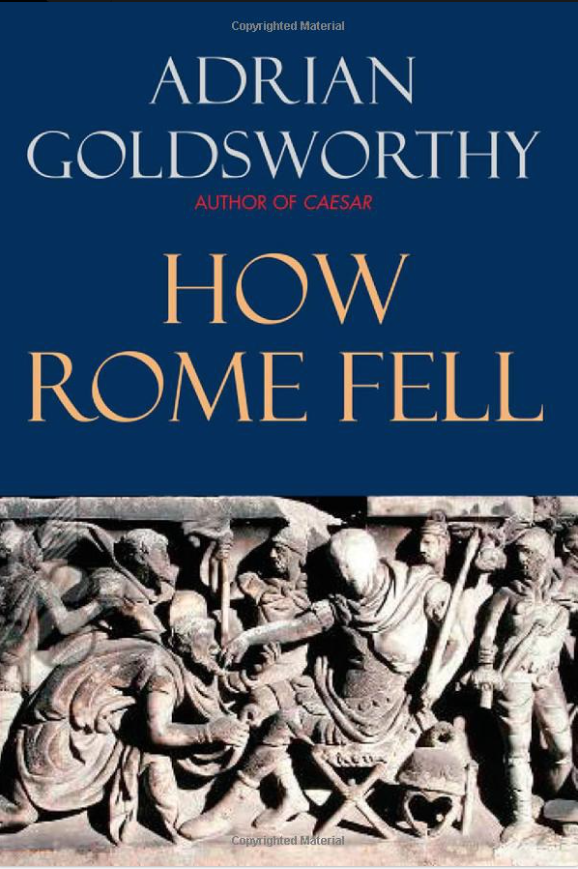
I don’t recall exactly how I ended up with this book, but it’s possible I grabbed it from the stack of review copies they gave away at Bloomberg, which means I’ve had it for nearly a decade. This is a big, traditional history that marches readers through the second half of the Roman Empire, from about 200 AD to the fall of Rome. Goldsworthy goes emperor by emperor, and 12 months after reading it, they mostly are a blur. What remans is a sense of the precarious nature of power—some emperors lasted only a few years, or months—and the importance of institutions in establishing legitimacy. Rome didn’t fall because of invasion, but from internal decay.
3, Educated, by Tara Westover (2018)
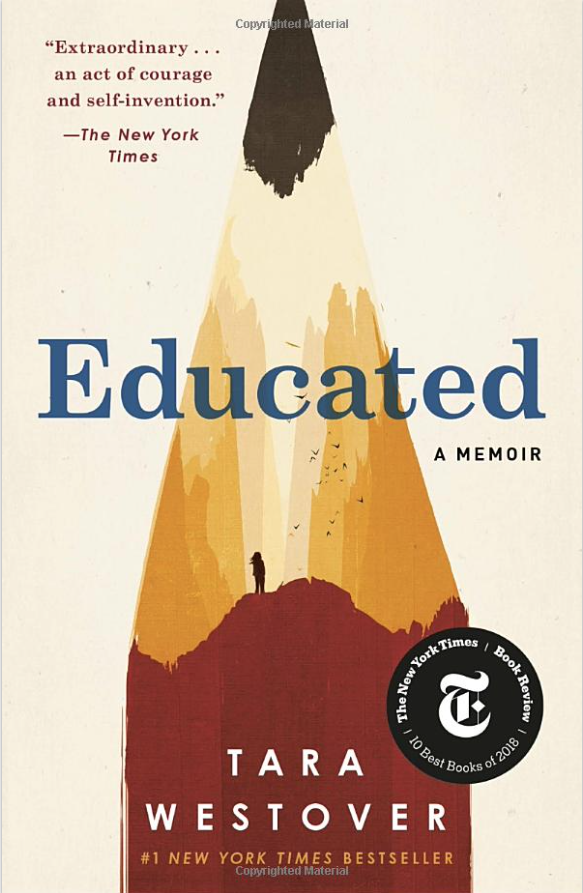
I’d been interested in reading this since it came out, but I decided to wait until it was in paperback. Unfortunately, it was such a big bestseller that took a very long time, but I finally bought it in a LAX bookshop and read it in one sitting on a flight to Hawaii. It wasn’t quite what I expected—I took the title too literally and thought it would be about Westover’s actual education once she reached college after her horrible home schooling. There was some of that, but it’s mostly about her escape from her family’s possessive, abusive clutches. It’s an incredibly vivid portrait of rural poverty, dysfunction and the poison of religious orthodoxy.
4, The Fall of Hyperion, by Dan Simmons (1991)
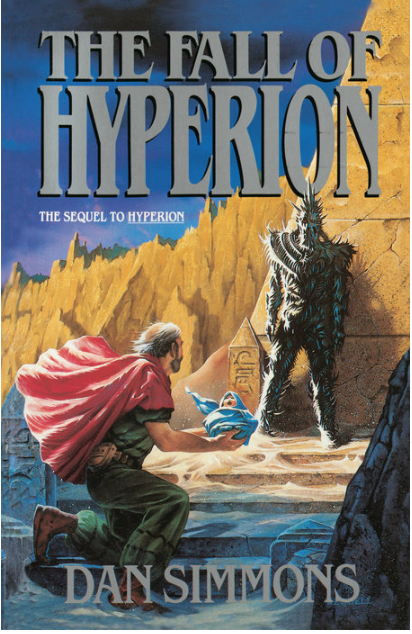
Instead of neatly wrapping up the events of Hyperion, it’s sequel unravels things further, giving us more backstory about the pilgrims, more world-building that explains the events that led them there, more time travel, and (much) more Keats. The events do reach a conclusion, but Simmons has written several more books that continue the story that I doubt I will read. This was enough.
5, The Anomaly, by Hervé le Tellier (2020)
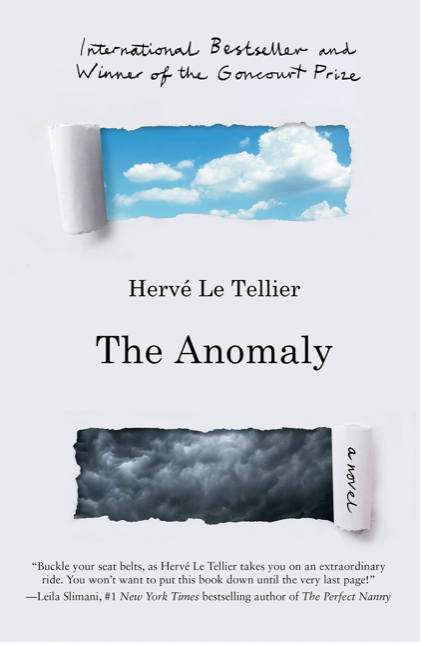
Another work of science fiction, but so different from Hyperion that it proves how silly these genre classifications can be. Told through seemingly unrelated vignettes, all about different passengers on a flight from Paris to New York, this French novel takes on some big questions about the nature of reality and the purpose of existence. This was a Christmas present from my mother, I think.
6, The Voltage Effect, by John List (2022)
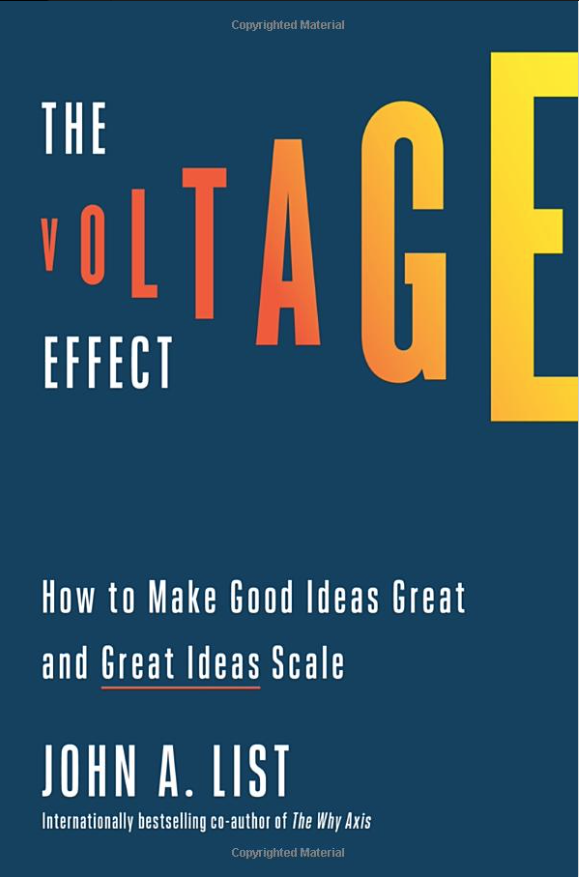
I read this in preparation for an interview with its author, John List, a University of Chicago economist I have been writing about since around 2010. In this book, List attempts to use some basic economic principles to explain why some businesses succeed and scale (achieving the voltage of the title) and why other whither and die. List has worked with a who’s who of companies, from Uber to Walmart, and the book is enlivened by anecdotes from his consulting work.
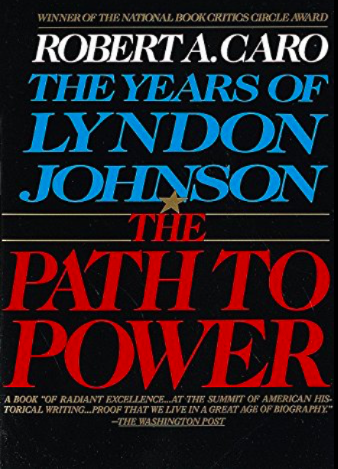
7, The Years of Lyndon Johnson: The Means of Ascent, by Robert Caro (1990)
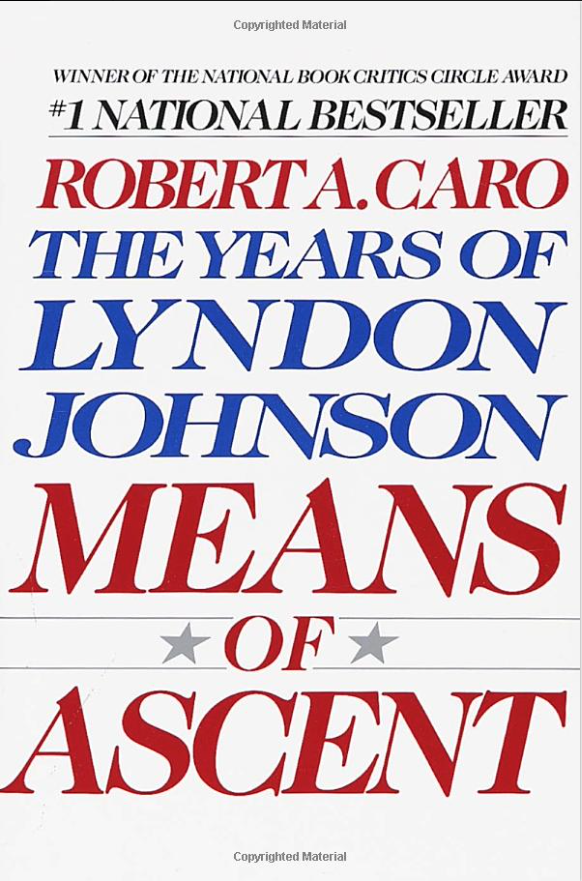
Last year I set the goal of reading one of Caro’s LBJ biographies a year until (hopefully) he finishes the fifth and final one. This is the second, and while it’s not as comprehensive as his first, it might be better. It deals with seven momentous years of Johnson’s life as a Congressman, including his (incredibly dodgy) wartime service and his (even dodgier) campaign and election to the Senate in 1948, which takes up most of the book. Caro clearly has a soft spot for Johnson’s opponent, former Texas Governor Coke Robertson, and goes into painstaking detail to show all the tricks, legal and otherwise, LBJ employed to beat him. I have referred to these books the Sistine Chapel of journalism, and I meant it.
8, The Night Ocean, by Paul LaFarge (2018)
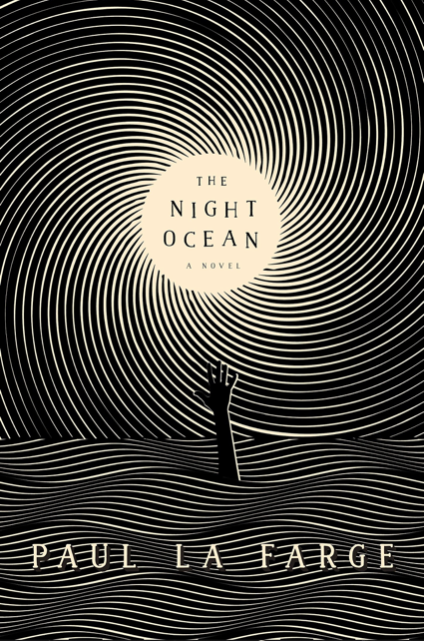
I read a New York Times review of this book when it first came out and was intrigued because it concerns the life of controversial horror writer H.P. Lovecraft, whose work I am not quite a fan of but more vaguely fascinated with. When I saw The Night Ocean at our local library sale, I grabbed it. The novel isn’t really about Lovecraft but about story telling, and story tellers, reliable and otherwise. There are many overlapping narratives about various disciples and admirers of Lovecraft, and it all felt a bit more post-modern than I really wanted.
9, Fatherland, by Robert Harris (1992)
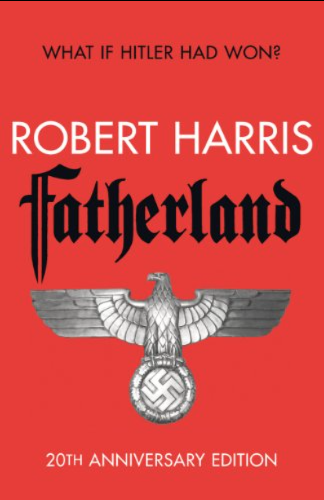
This is the first of a series of Berlin-related books I read during my trip their this summer, and it might be the best. Harris takes up a familiar question—what it Hitler had won?—and spins a very compelling police procedural about a reluctant Nazi detective who sets out to solve a murder and gets caught up in a plot with much bigger stakes. It’s not as ambitious as The Man in the High Castle, Phillip K. Dick’s classic of this genre, but it’s more fun to read.
10, The Spy Who Came in From the Cold, by John Le Carré (1963)
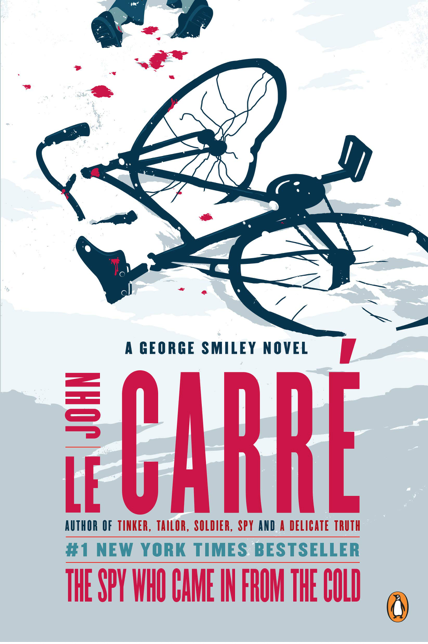
LeCarré seems like the quintessential Cold-War spy novelists and this book seemed like the quintessential Cold-War spy novel, so it made sense to read it in Berlin. It’s engrossing, bleak and incredibly intricate. There are plots within plots within plots, and every time you think you understand what’s going on, another layer is revealed. It’s not my favorite genre, but I can understand the appeal. I bought it at Dussmann’s, a great bookstore in downtown Berlin, whose English-language section is better than most U.S. bookstores.
11, The File, by Timothy Garton Ash (1997)
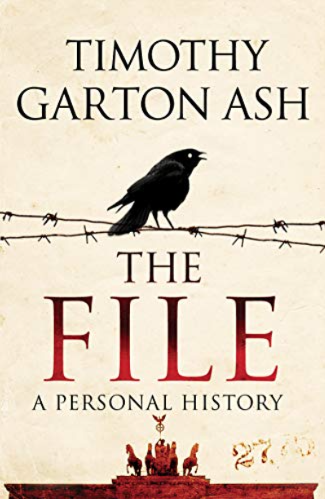
Another purchase from Dussmann’s. Ash, now a high-powered author and historian in the U.K., was a student in East Berlin in the late 1970s. After the fall of the Berlin Wall, he requested the file on him collected by the Stasi, the East German secret police, and he interviewed the various Germans who informed and spied on him. It’s a pretty fascinating book, made much more so because our visit to the Stasi Museum while in Berlin.
12, Between the Woods and the Water, by Patrick Leigh Fermor (1986)
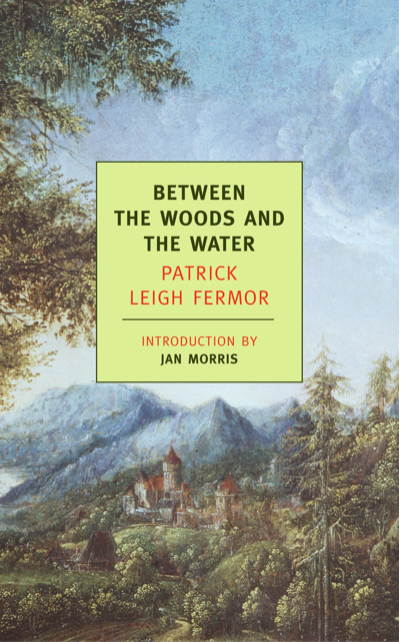
This is the second of three books by Fermor describing the overland trip (mostly by foot) he took from Holland to Turkey as a teenager in 1933 and ’34, but written decades later with an adult’s wisdom and perspective. The first book, which I read maybe 10 years ago, was dazzling, described the first part of his voyage, through Germany and Austria and in retrospect, I probably should have re-read that one in conjunction with our trip, since it was more relevant to our travels.
This second volume, which I mostly read on the flight home, takes Fermor through Hungary and Romania, is equally dazzling. Unlike the first volume, which seems more attuned to the political moment, the second one feels more carefree, as Fermor falls into with successive isolated aristocratic families who are happy to entertain this exotic British schoolboy as he makes his way across Eastern Europe. It’s a poignant picture of a world lost to World War II and communism; in some cases literally, as he visits an island in the Danube which was later covered under 100 feet of water by a Romanian dam.
One side note: The version I took to Germany didn’t have a map, so I amused myself by trying to figure out his itinerary by using the digital Delta airlines map on the seat back in front of me (mostly unsuccessfully). When I got home, I realized that I had two versions the book (one must have been a gift), and the version I didn’t bring had excellent maps of his voyage. Oh well.
13, The Man in the Bunker, by Rory Clements (2022)
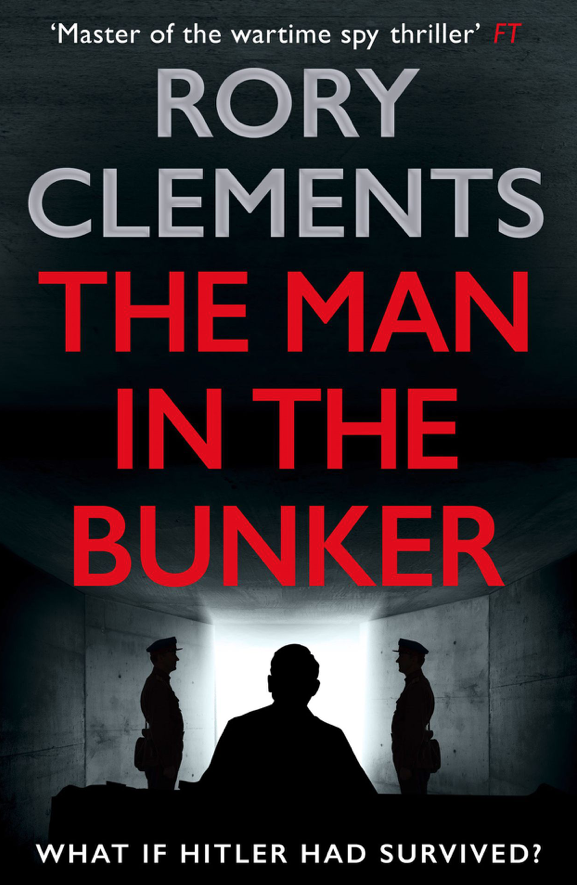
Another Dussmann’s purchase, the last of the Germany books I read this year, and maybe the least satisfying book overall. It’s another alternate history, and in retrospect, I think I was looking to capture something as fun as Fatherland. Instead it’s a pretty listless thriller about a British academic and Dutch soldier investigating whether Hitler was really killed in 1945.
14, A Visit From the Goon Squad, by Jennifer Egan (2011)
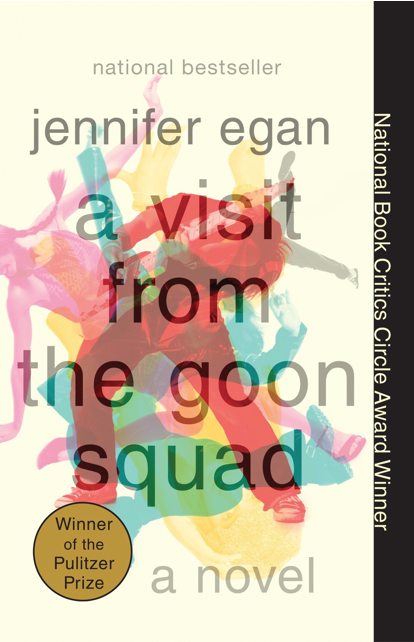
I picked this up after reading a review of Egan’s most recent book, The Candy House, which is a sort of sequel to Goon Squad. This is the type of book I don’t read much of— its concerns are relationships and individual development and maturity, and it’s set in the ordinary, quotidian world, more or less. Additionally, there’s no real narrative—it’s a set of interlocking vignettes in which the same characters appear over decades. But I really enjoyed it. Egan writes with verve, and the characters and scenes are richly realized.
15, Big Planet, by Jack Vance (1952
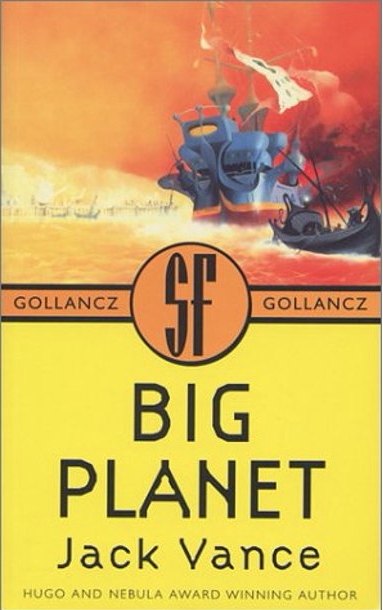
I first heard about Jack Vance in a New York Times Magazine article that argued he was an unrecognized giant of science fiction. I’ve read a handful of his books since then and I think it’s a pretty accurate description. This is a short adventure story, but written in Vance’s typically elegant, clever style. It’s not nearly ambitious as Hyperion, but it doesn’t need to be to succeed as a great book.
16, Flying Blind, by Peter Robison (2021)
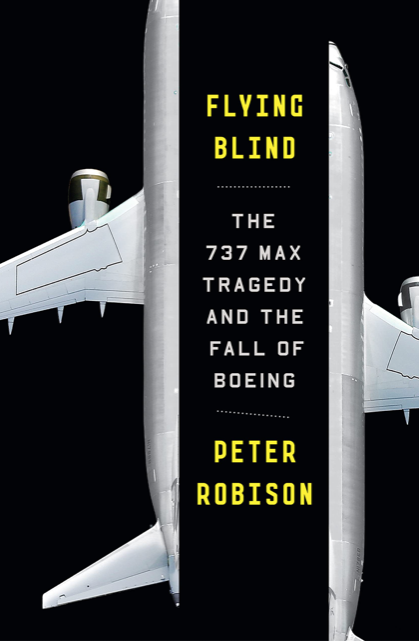
This was the first of the business books I read as a contest judge and—spoiler alert—by far the best (it won our first prize). Robison, Bloomberg’s Boeing beat reporter, painstakingly explains the chain of failures that led to the Boeing 737 MAX disaster, and spends time with the victims and their families, putting a human face on the tragedy. But he goes much further, situating Boeing’s disregard of safety and its regulatory capture of the FAA, as part of a deeper rot in capitalism, whose origins can be traced to Jack Welch’s rapacious stint as CEO of General Electric. If you only ever read one business book, this is a pretty good one to read.
17, Trillion Dollar Triage, by Nick Timiraos (2021)
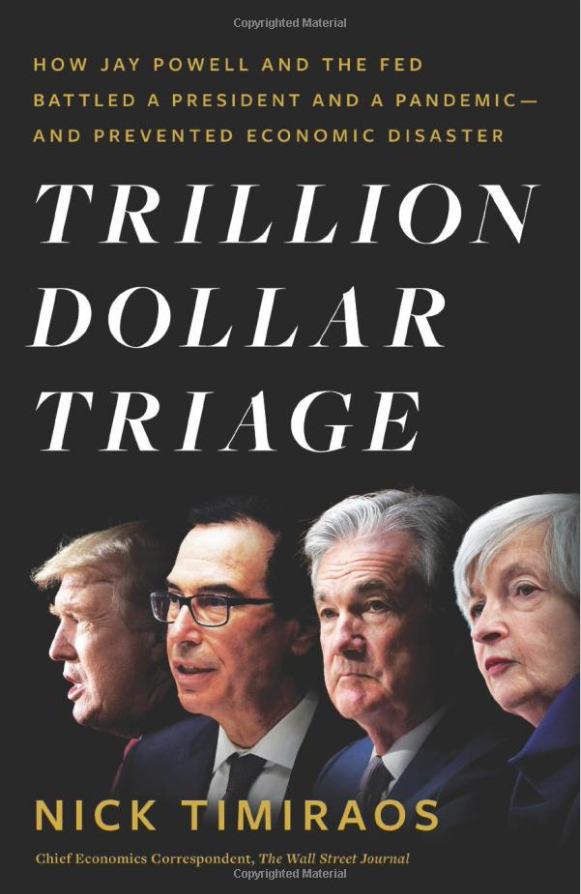
Another contest book, and maybe my least favorite of the four. It’s about the Federal Reserve’s response to the economy shutting down for Covid-19, and it’s really a love letter to Jerome Powell, the Fed chair. The book is really a series of committee meetings and the very limited action rarely takes place outside DC. It’s very well reported but felt rushed and after a while all its details become numbing. It’s really a book for hardcore Fed groupies.
18, The Founders, by Jimmy Soni (2021)
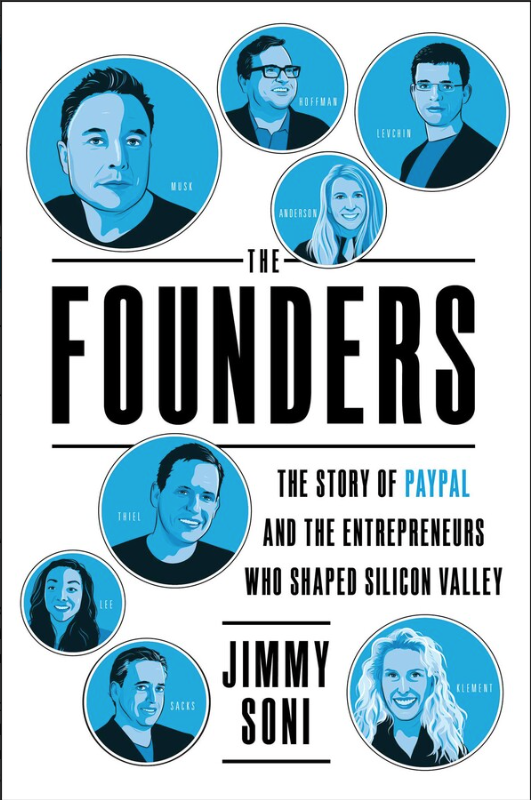
The third contest book. This is basically an oral history of the founding of PayPal, which is interesting in that the founders were, among others, Peter Thiel and Elon Musk (heard of him?). It’s well written and very thorough, but the author, Jimmy Soni, seems a little too star-struck and uncritical of what he’s describing. The biggest flaw is there is almost no followup about what all these various characters did after PayPal, and that, ultimately, is why anyone cares about this story.
19, A Shot to Save the World, by Gregory Zuckerman (2021)
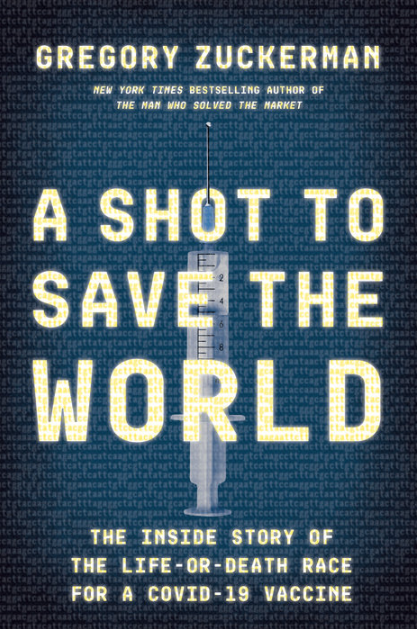
The last of the contest books. Ostensibly about the race to develop a vaccine for Covid-19, it’s really a history of mRNA vaccines and the companies invested in them. As a result, it starts decades before anyone has heard of Covid, and walks through the science in great, and often confusing, detail. To his credit, Zuckerman, a Wall Street Journal reporter, does a good job involving us in the many characters he introduces, but the book often felt like a slog.
20, All Systems Red, by Martha Wells (2017)
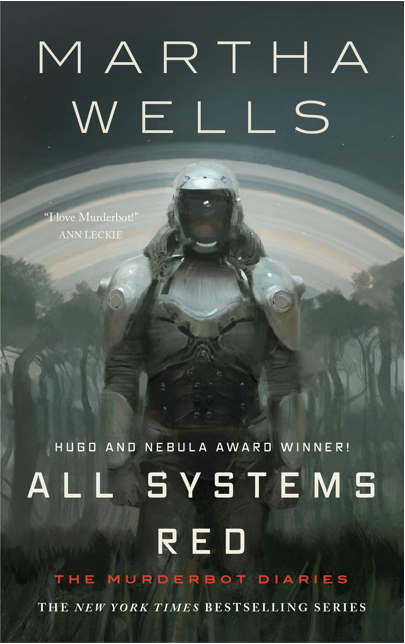
After grinding through those business books I wanted something short and breezy, and this was perfect. This very slim book is the first installment in the “Murderbot Diaries” a science fiction series that tells the first-person adventures of an android built to be a security system and who develops freewill. It was fast and fun, and I look forward to reading the rest of the series.
21, The Omega Men: The End is Here, by Tom King and Barnaby Bagenda (2016)
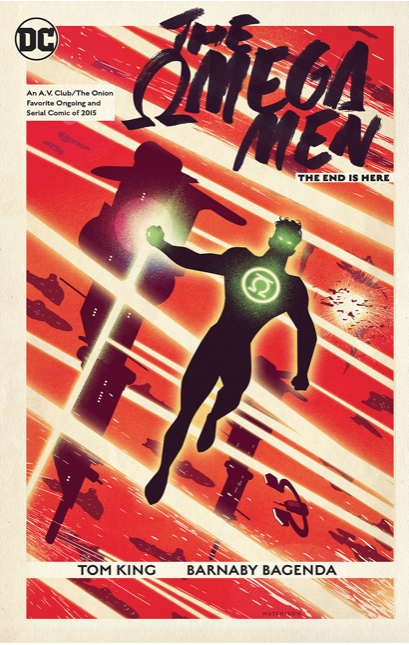
I read a lot of comic books, but I’m too much of a snob to consider most of them literature. This Omega Men series, which I read for the second time this year, is different. The 12-issue series collected here tells the story of the rebellious Omega Men and their fight to free their star system from the oppressive Citadel. But unlike other similar stories, the Omega Men aren’t all virtuous, and their methods aren’t all heroic. The series asks hard questions about ends justifying means, the cost of freedom, and the value of fanaticism. Prior knowledge of these DC comic characters isn’t strictly necessary but author Tom King, who wrote the amazing Mr. Miracle, does enjoy playing with that universe’s second-tier heroes and pulls in a Green Lantern to act as our witness to the horror that unfold.
22, The Invention of Nature, by Andrea Wulf (2015)
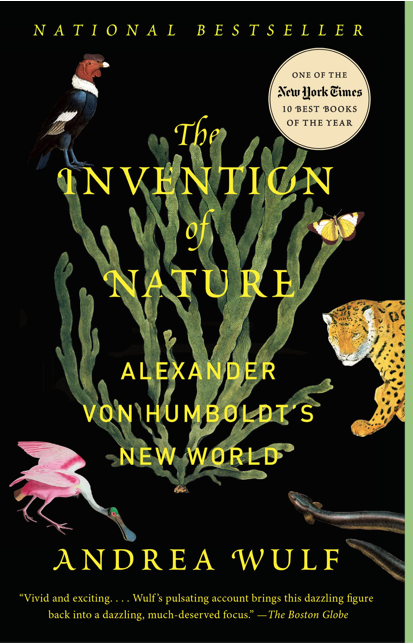
This was recommended to me by my father, because like its subject, Alexander Von Humboldt, I, too, attempted to climb Chimborazo, the highest mountain in Ecuador (But unlike Humboldt, I made it to the top. Ha!).
Wulf’s book is a long argument for the importance of Humboldt in the history of science and the study of the environment, and she makes a persuasive case. Humboldt (1769-1859) was a dashing, charismatic figure who was friends with everyone from Goethe to Bolivar, and whose travels to South America and subsequent writings more or less invented the concept of ecology, the idea that natural systems are tied together. Wulf shows how he was centuries ahead of his time in seeing the costs of deforestation, and she devotes chapters to his huge influence on figures including Darwin, Thoreau and Muir. While she’s honest about his flaws—he was a boor who loved the sound if his own voice—she’s clearly enamored with her subject and wants him restored to his proper place in the pantheon of greats.
23, The River, by Peter Heller (2019)
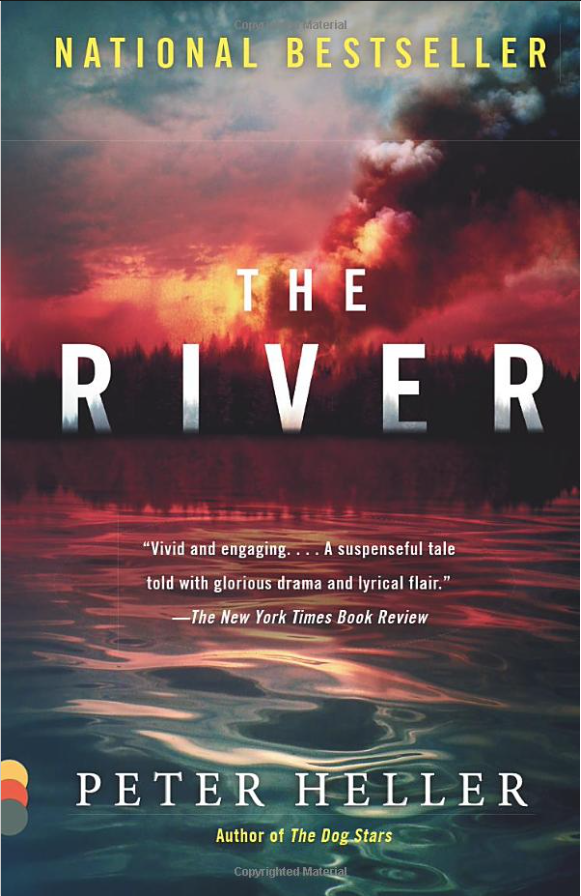
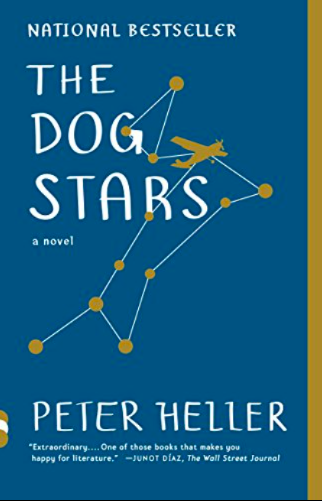
A few people recommended The River to me, and once I realized it was written by the same author as The Dog Stars, which I read last year, I thought I would give it a shot. A brisk, page-turning thriller suffused with vivid descriptions of the natural world, it’s the story of two college kids on a (very) ill-fated canoe trip in the Canadian wilderness. I enjoyed it, but it felt like neither fish nor fowl: The story and its impossibly competent, heroic protagonists was too improbable to take seriously as a novel, but it was too introspective and meditative to read like the sort of Louis L’Amour-western adventure the author clearly admires. Ultimately, I was left with the same dissatisfaction I felt after reading The Dog Stars, which is that the Heller wants to be a respected nature writer, but writes books he hopes will be made into a movies.
24, The King in Yellow, by Robert Chambers (1895)
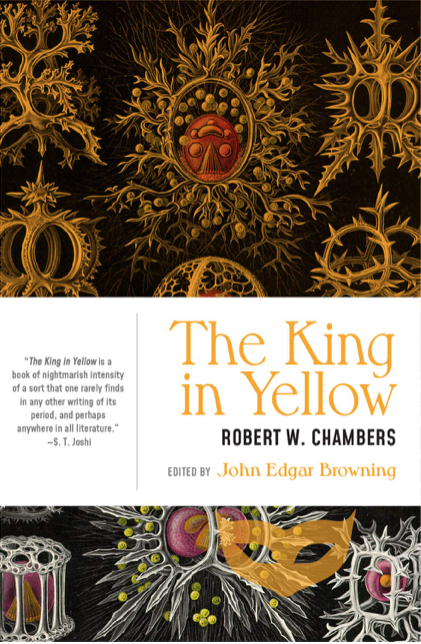
This was a gift from my teenage son, who knows of my interest in Lovecraft. Lovecraft read this collection of short stories, published in 1895, and seems to have taken some inspiration from some of them. The first four stories all reference “The King in Yellow,” a book-within-a-book that contains horrible secrets that drive men mad (a very Lovecraftian idea), and a few of the stories are genuinely creepy and unsettling. The other stories in the collection vary enormously in style and quality, and the last four or so involve the lives of Bohemian American artists in Paris, which seem autobiographical and are unfortunately pretty dull.