• About Percival Henry

Percival Henry: The Fantastic Four and more

~ Blogging the Fantastic Four issue by issue (plus whatever else grabs my attention)

Percival Henry: The Fantastic Four and more

Monthly Archives: March 2014

M(art)ch Madness Round of 64 Bracket

17 Monday Mar 2014

Posted by percivalhenry in Art History March Madness

≈ Leave a comment

Tags

art, art history

Because no one demanded it! We’re only voting in the first regional today but folks might be curious about the big picture. Here are all 64 artists and their first round match ups: M(arch) Madness 2014 Round of 64

(To cast your votes, see the post below.)

Art History M(art)ch Madness First Round! Florence Regional

17 Monday Mar 2014

Posted by percivalhenry in Art History March Madness

≈ 3 Comments

Tags

art, art history

Welcome to the first round of Art History M(art)ch Madness, where the greatest Western artists face off. It’s a single-elimination tournament modeled after the NCAA basketball tourney.

Here’s how it’s going to work: Every day this week I’ll post one of four regional brackets, using the seedings I posted over the last two weeks.  I decided to scramble the historic eras to create more interesting match ups.  You’ll get to vote and decide you advances and who goes home. Use whatever criteria you want. We’ll winnow the field from 64 to 32 to 16 etc.

First up, the Florence Regional. You can see all the match ups here: Florence Region

(Apologies for any layout problems. I’m still getting the hang of this).

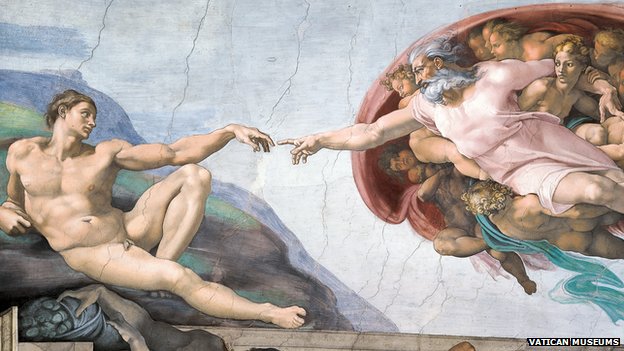
1, Michelangelo v.

_63794031_cappellasistina-creazionediadamo

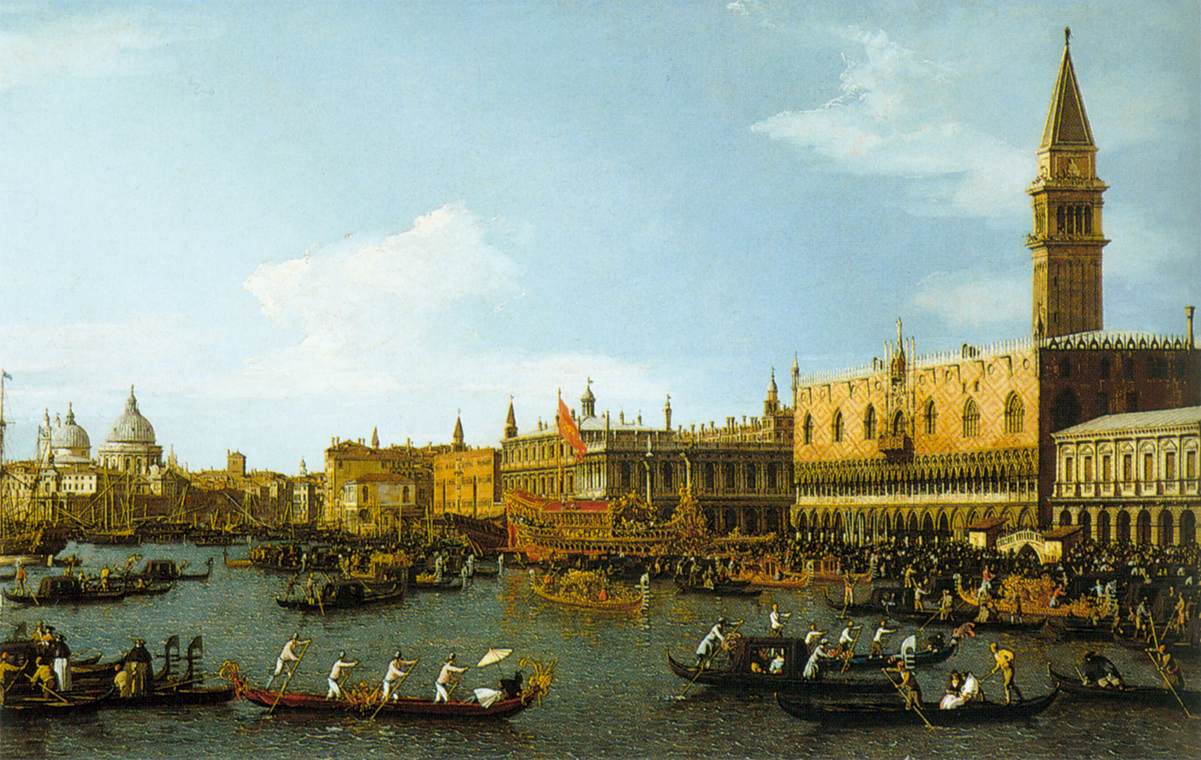
16, Canaletto

the-bucintoro-venice-1747

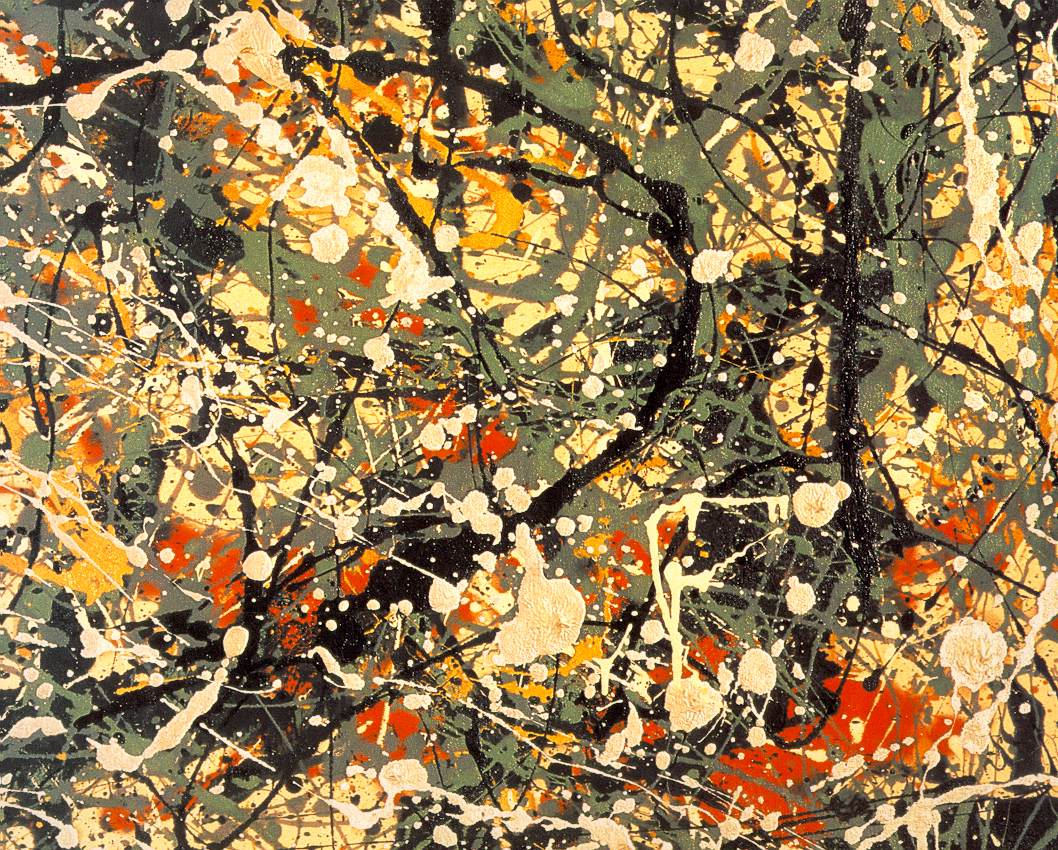
2, Jackson Pollock v.

pollock.number-8

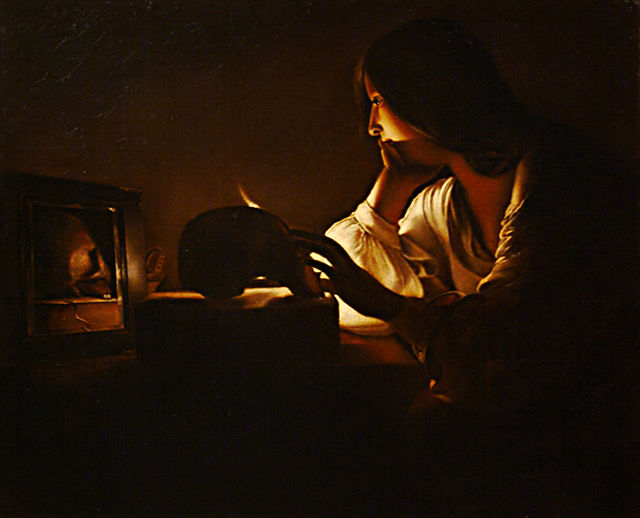
15, Georges De La Tour

Madeleine_au_miroir,_Georges_de_la_Tour

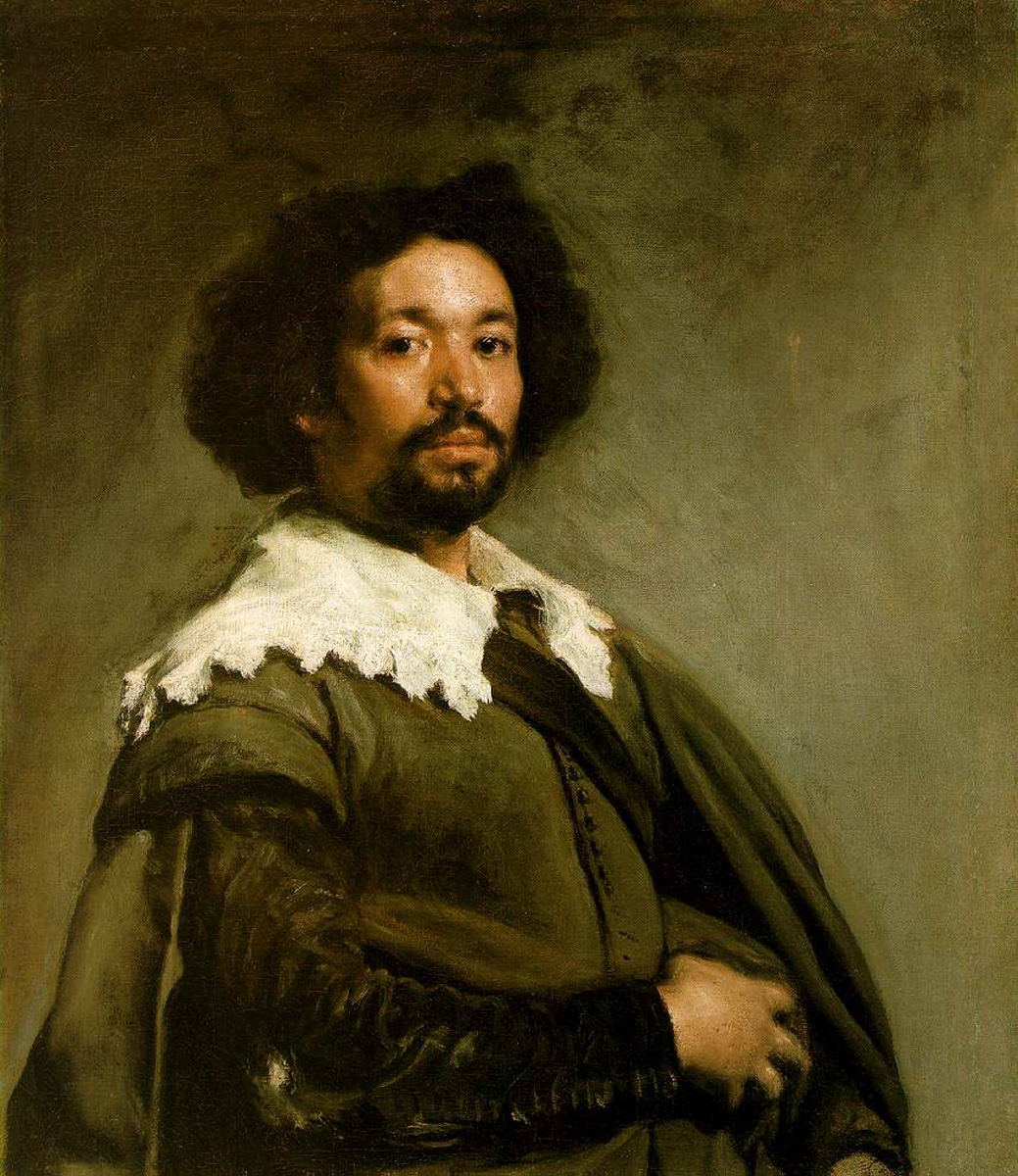
3, Velasquez v.

Retrato_de_Juan_Pareja,_by_Diego_Velázquez

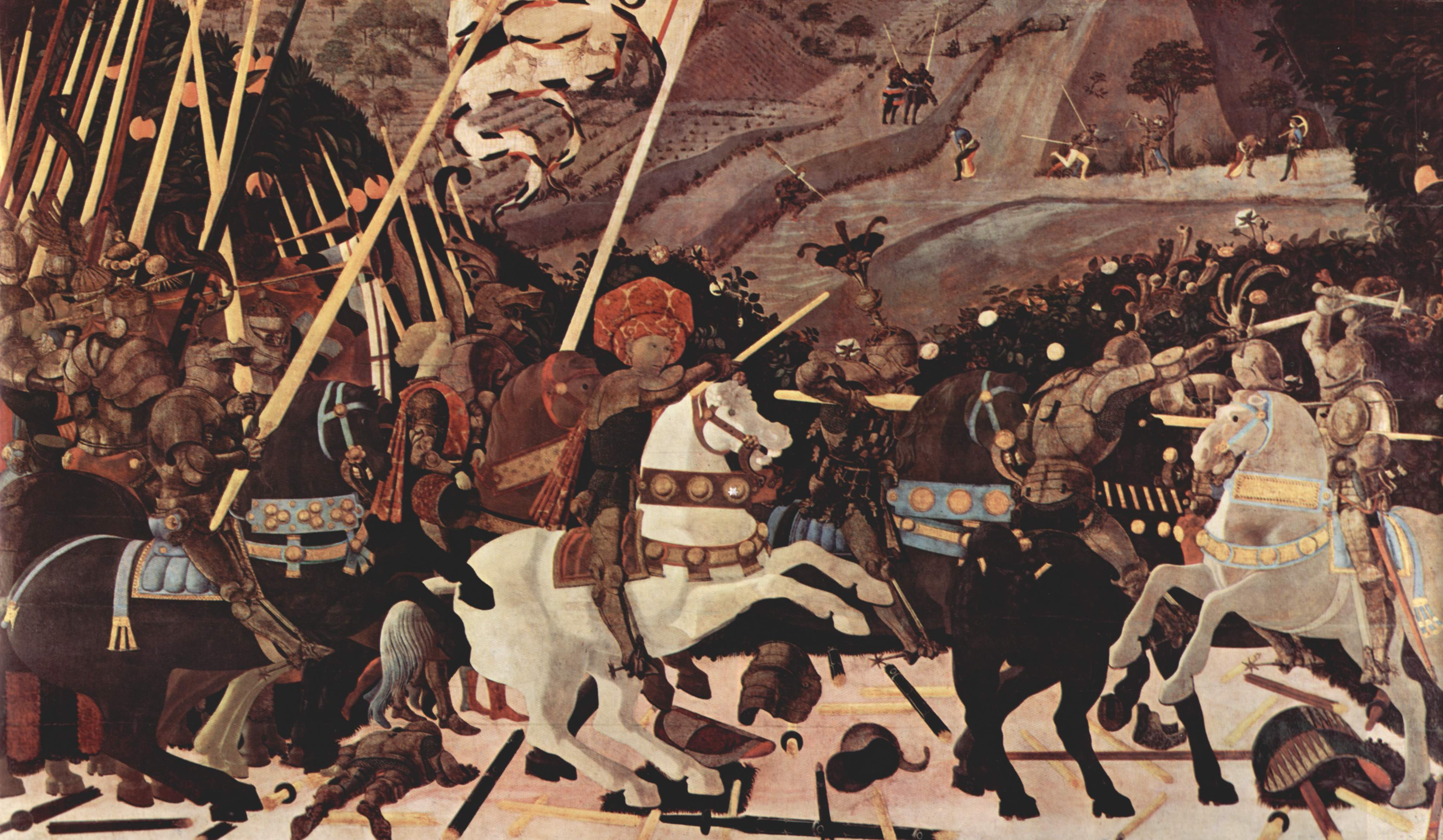
14, Paolo Ucello

Paolo_Uccello_031

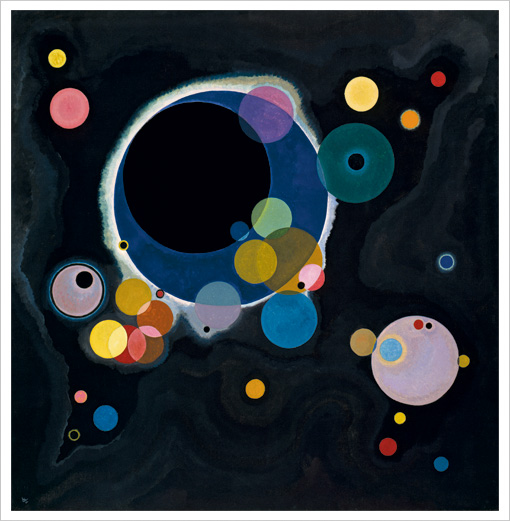
4, Wassily Kandinsky v.

several_circles

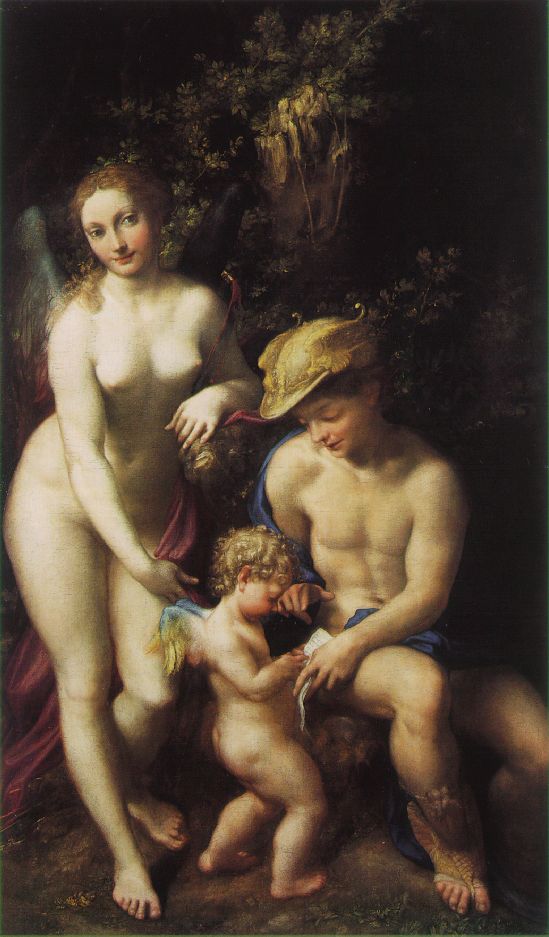
13, Correggio

20

5, Rubens v.

840px-The_Three_Graces,_by_Peter_Paul_Rubens,_from_Prado_in_Google_Earth

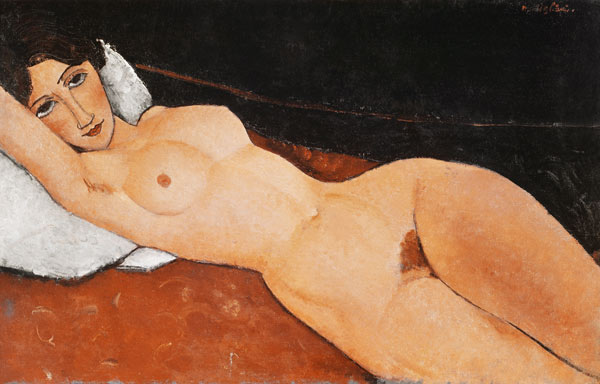
12, Modigliani

1-250_v1

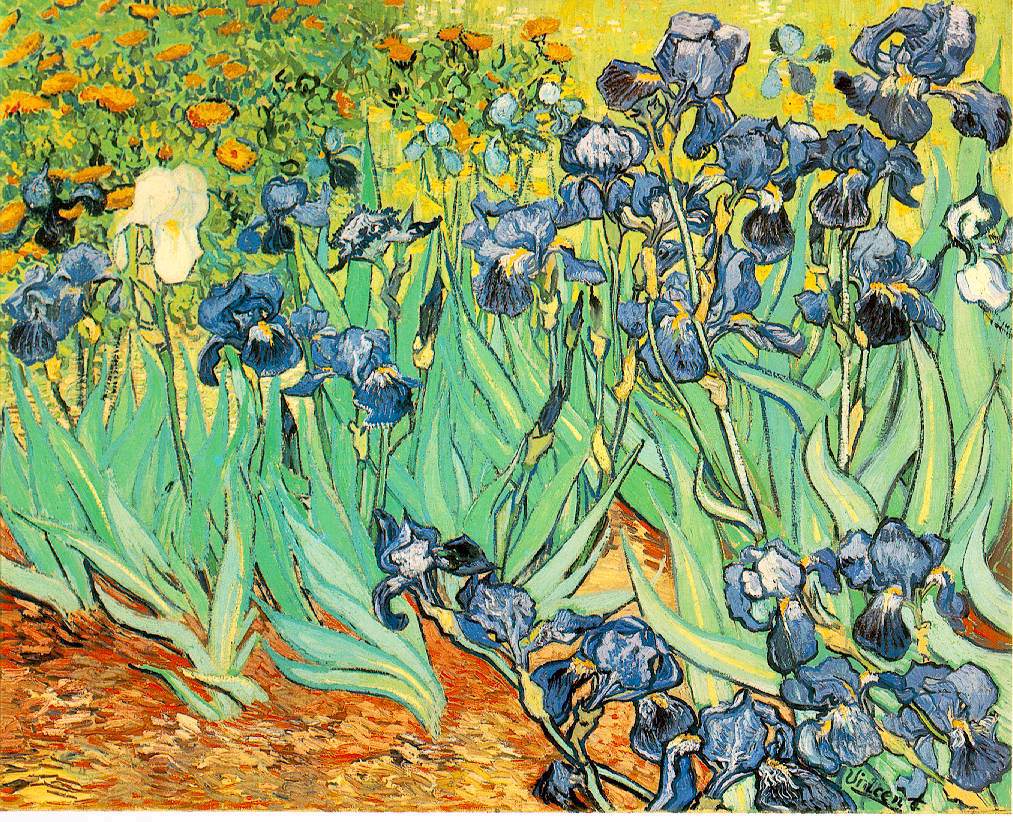
6, Van Gogh v.

VanGogh-Irises_1
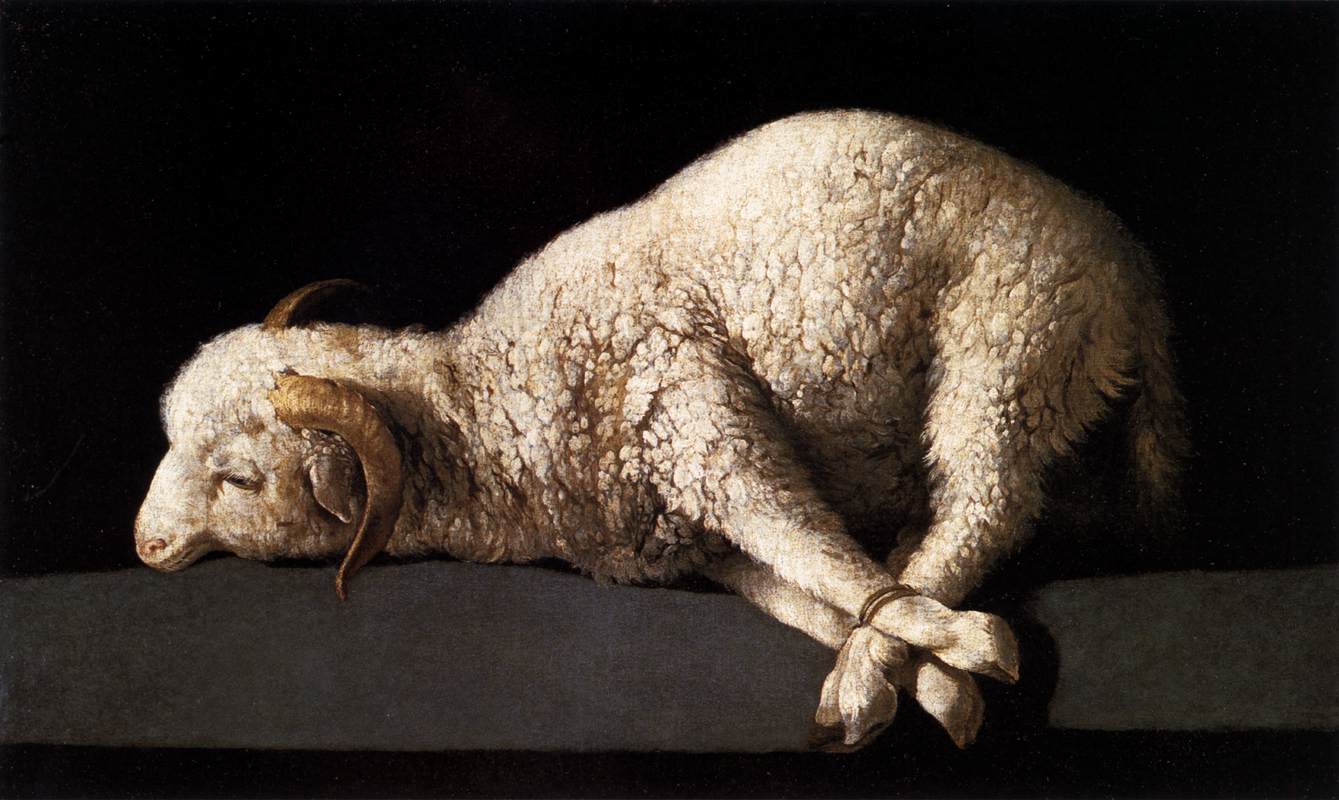
11, Zurbaran

agnus-dei-1640

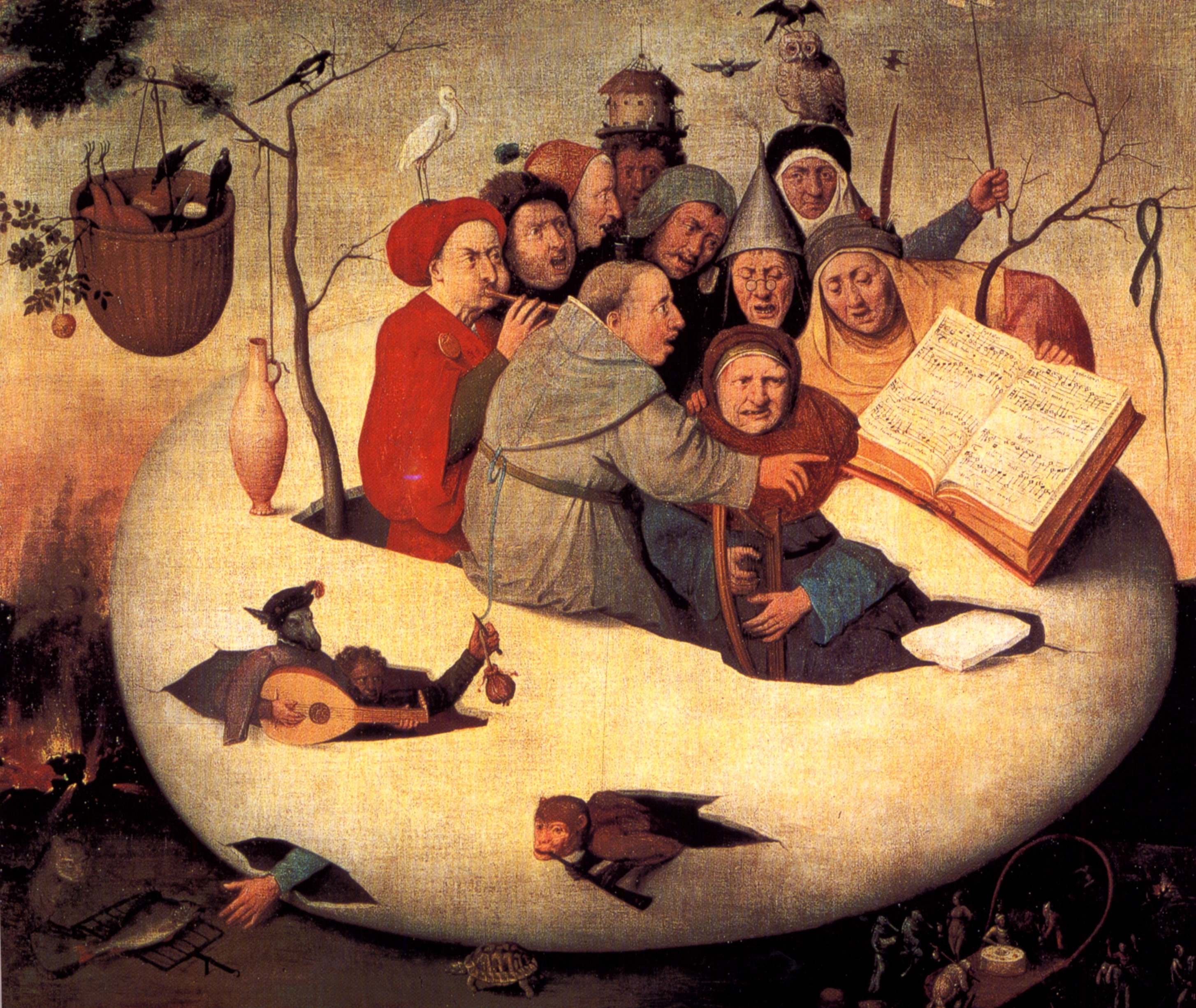
7, Hieronymous Bosch v.

the-concert-in-the-egg-1480

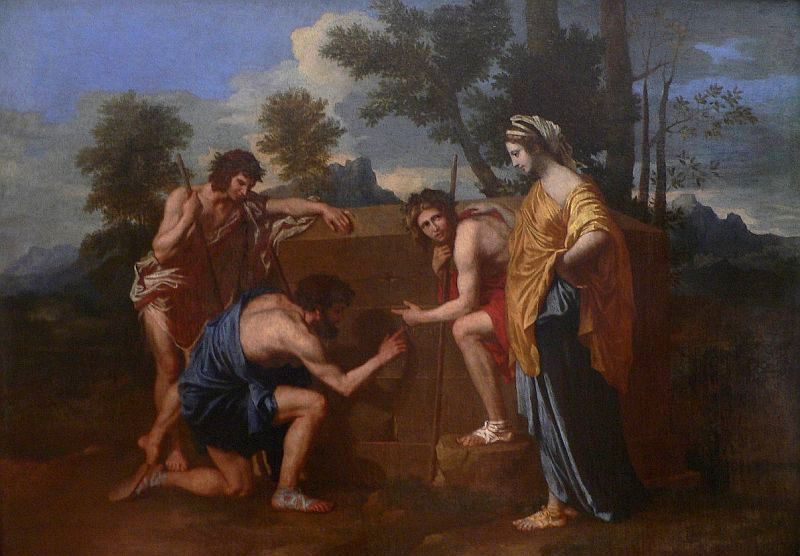
10, Nicolas Poussin

nicolas-poussin-arcadia

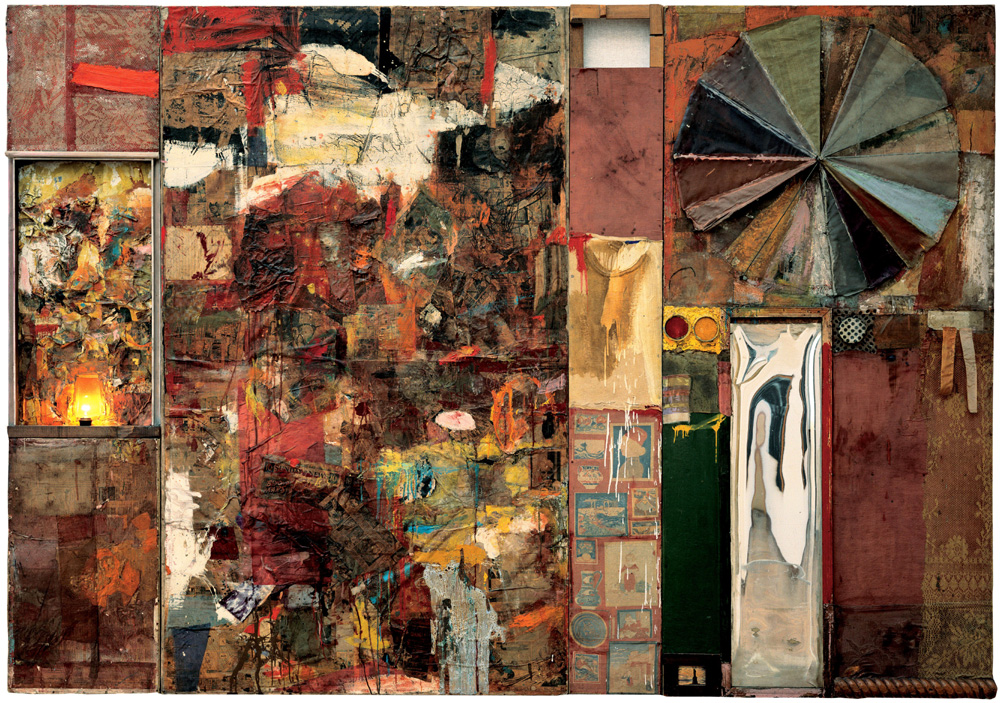
8, Robert Rauschenberg v.

RauschenbergCharlene

9, Anthony Van Dyck

Anthony_van_Dyck_-_Portrait_of_the_Princes_Palatine_Charles-Louis_I_and_his_Brother_Robert_-_WGA07422

Art History M(art)ch Madness! Modern Bracket!

16 Sunday Mar 2014

Posted by percivalhenry in Art History March Madness

≈ 2 Comments

Tags

art, art history

This is the fourth and final bracket of our Art History tournament. I’ve posted the other three brackets and starting next week I’ll post the match ups. Then we’ll vote and select the greatest Western artist. The Modern bracket is the hardest to winnow to 16, so to make it somewhat easier on myself I’ve cut it off around 1965 with pop art. It’s still tough. Onward!

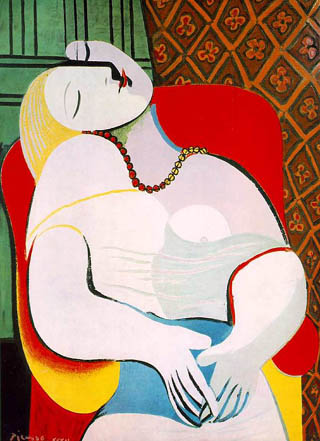
1, Pablo Picasso (1881 – 1973)

Le-reve-1932

In a tough bracket to seed, Picasso is the obvious No. 1. Probably the clearest No. 1 in the tournament.

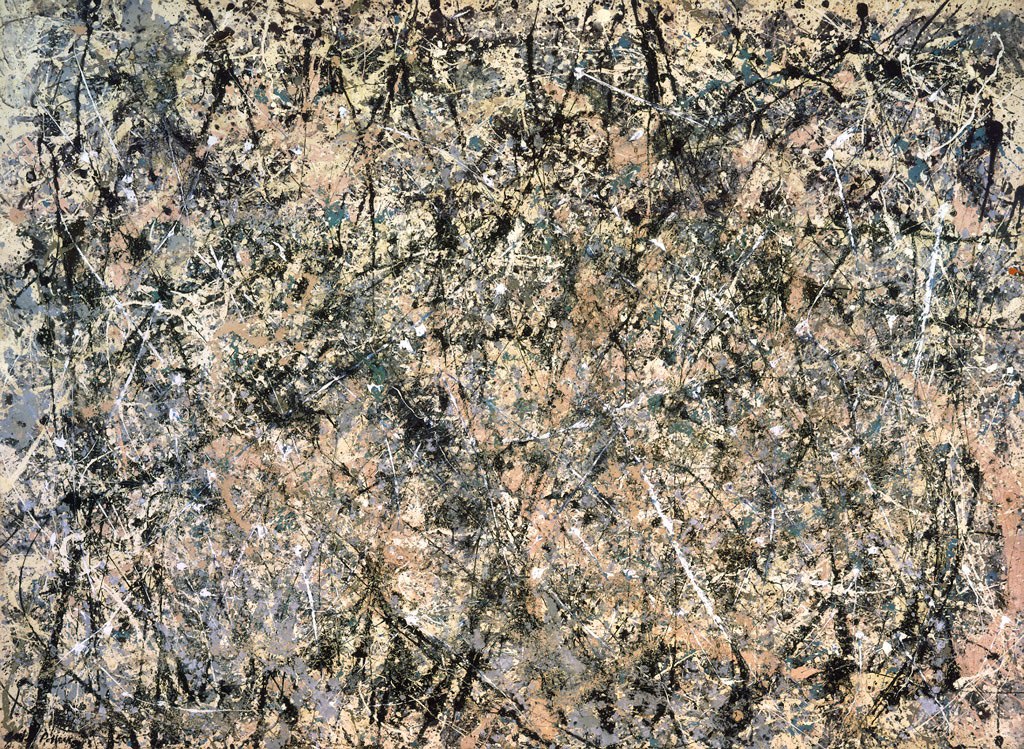
2, Jackson Pollock (1912 – 1956)

lm1024

This might be my wife’s influence but I think Pollock belongs here.

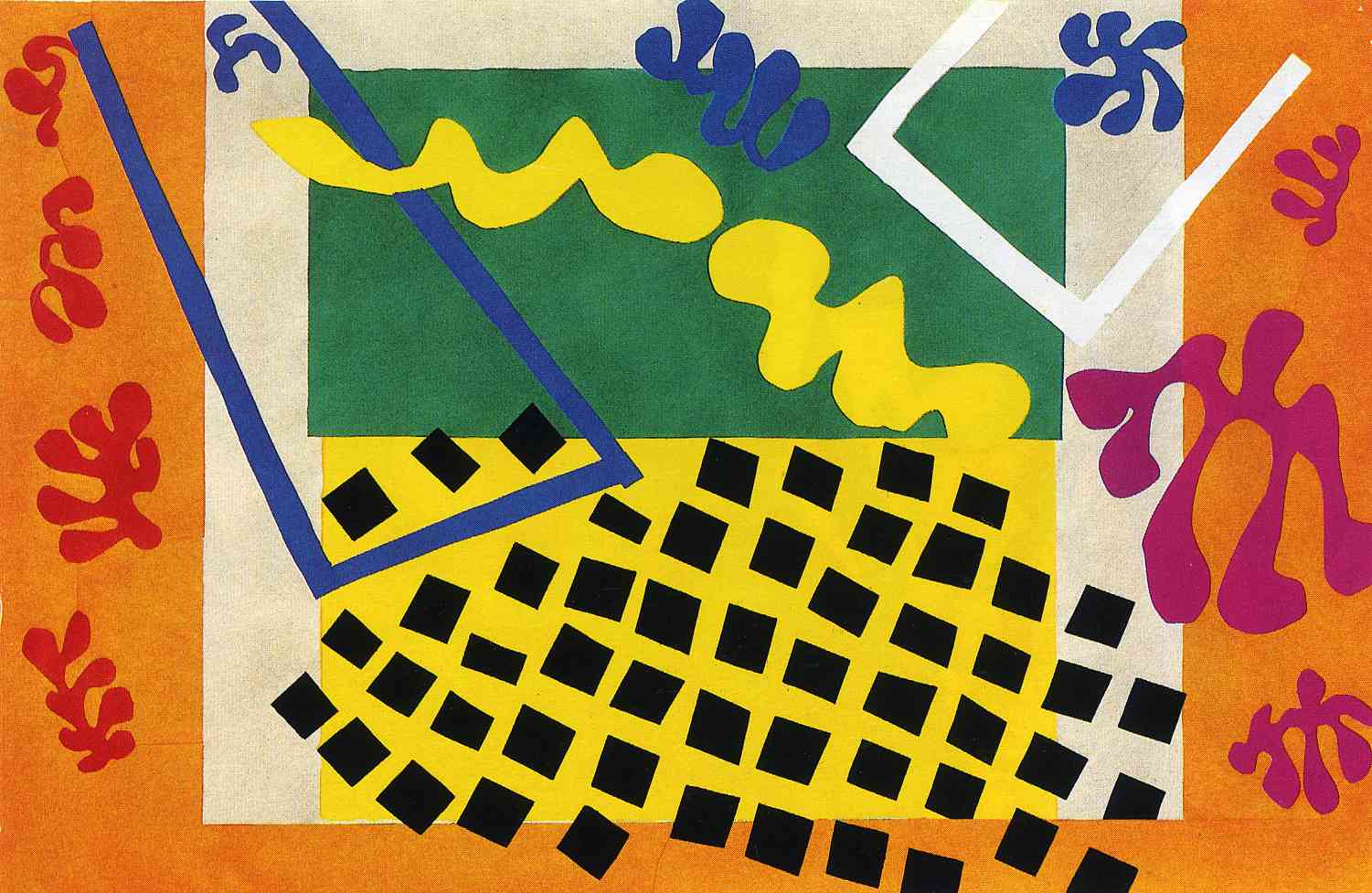
3, Henri Matisse (1869 – 1954)

cut-outs-3

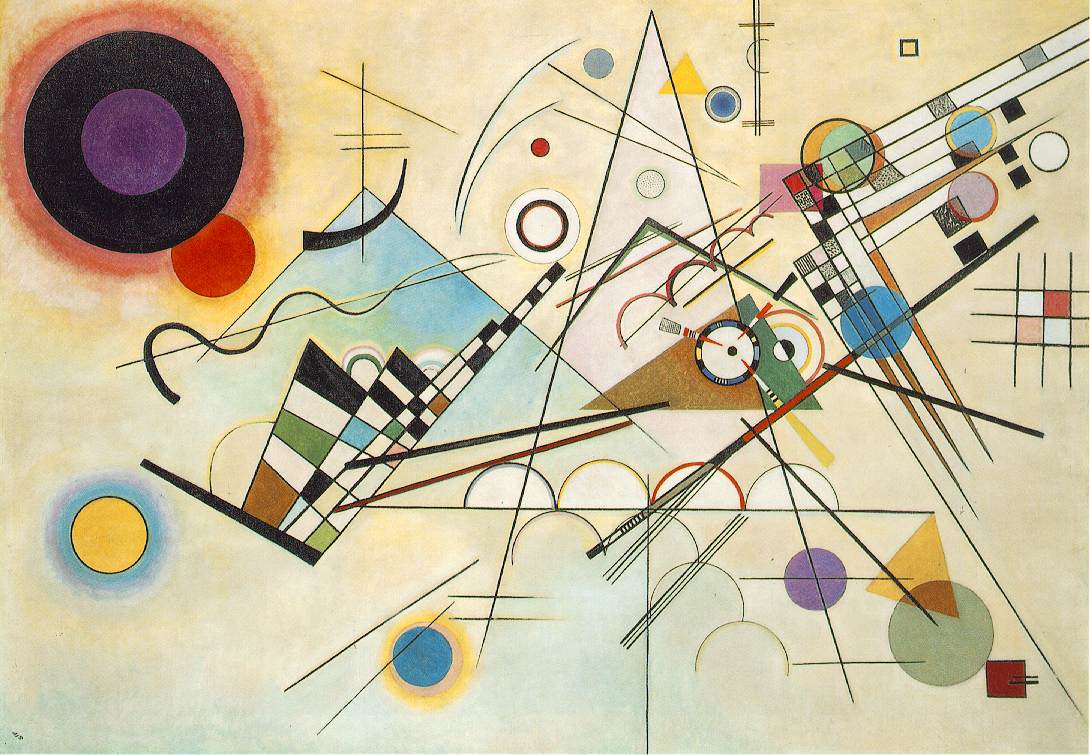
4, Wassily Kandinsky (1866 – 1944)

kandinsky.comp-8

First true abstract artist.

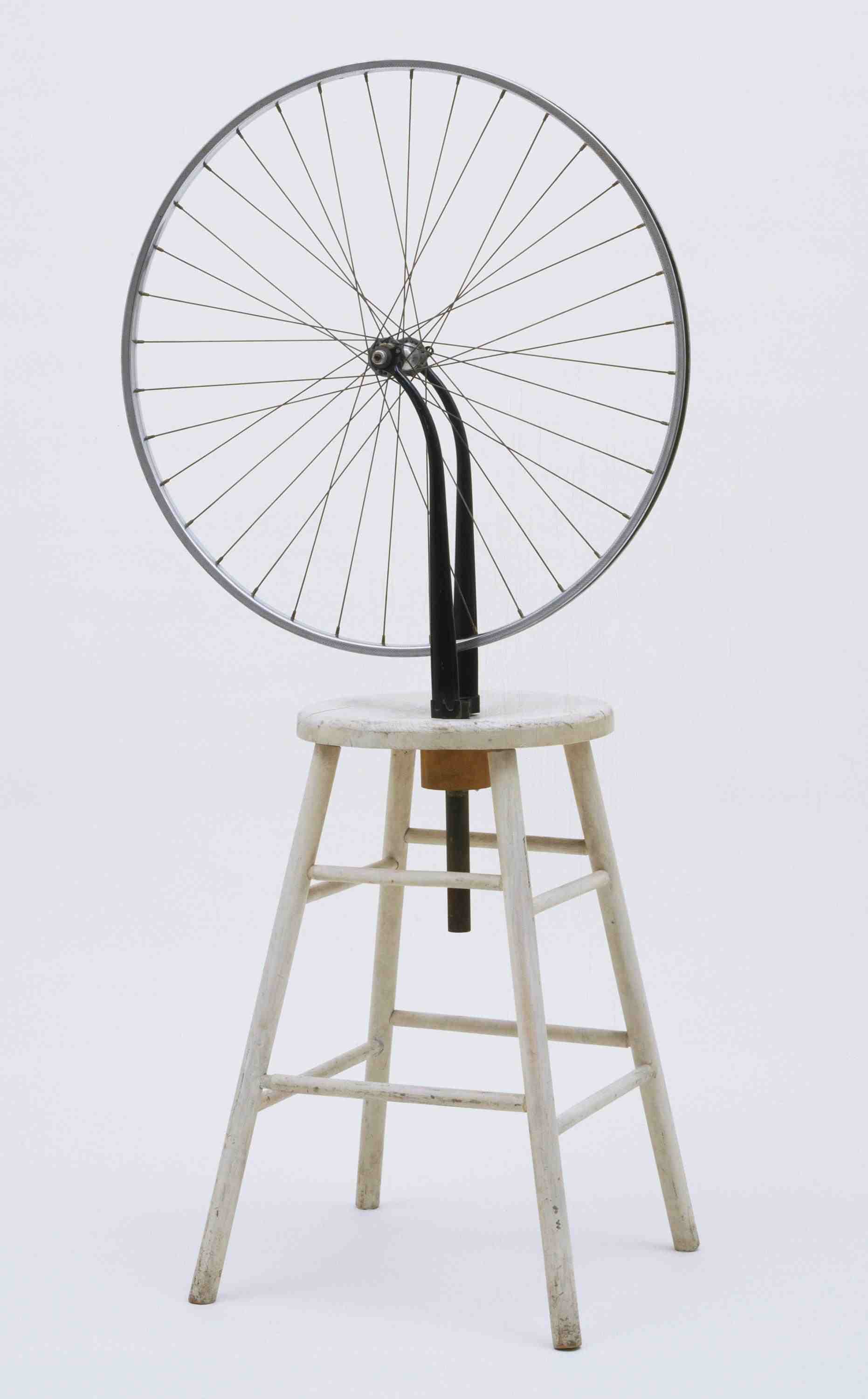
5, Marcel Duchamp (1887 – 1968)

duchamp-bicycle-wheel-1913

Invented cubism, dadaism and conceptual art, then quit to play chess.

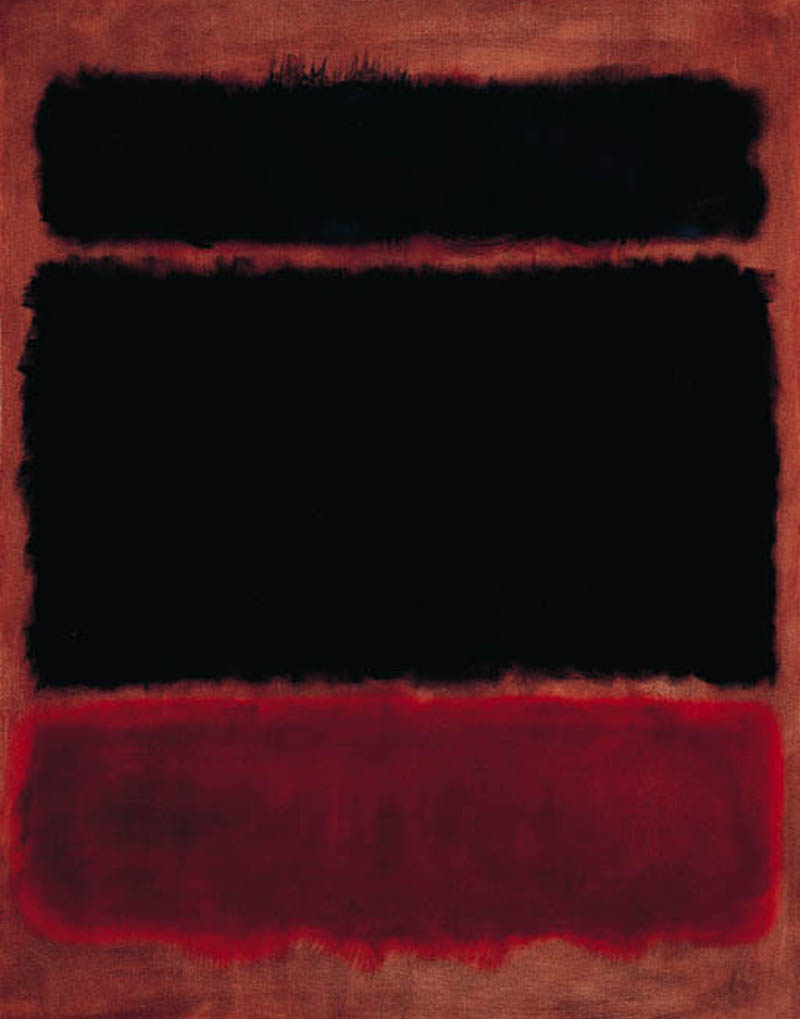
6, Mark Rothko (1903 – 1970)

black-in-deep-red

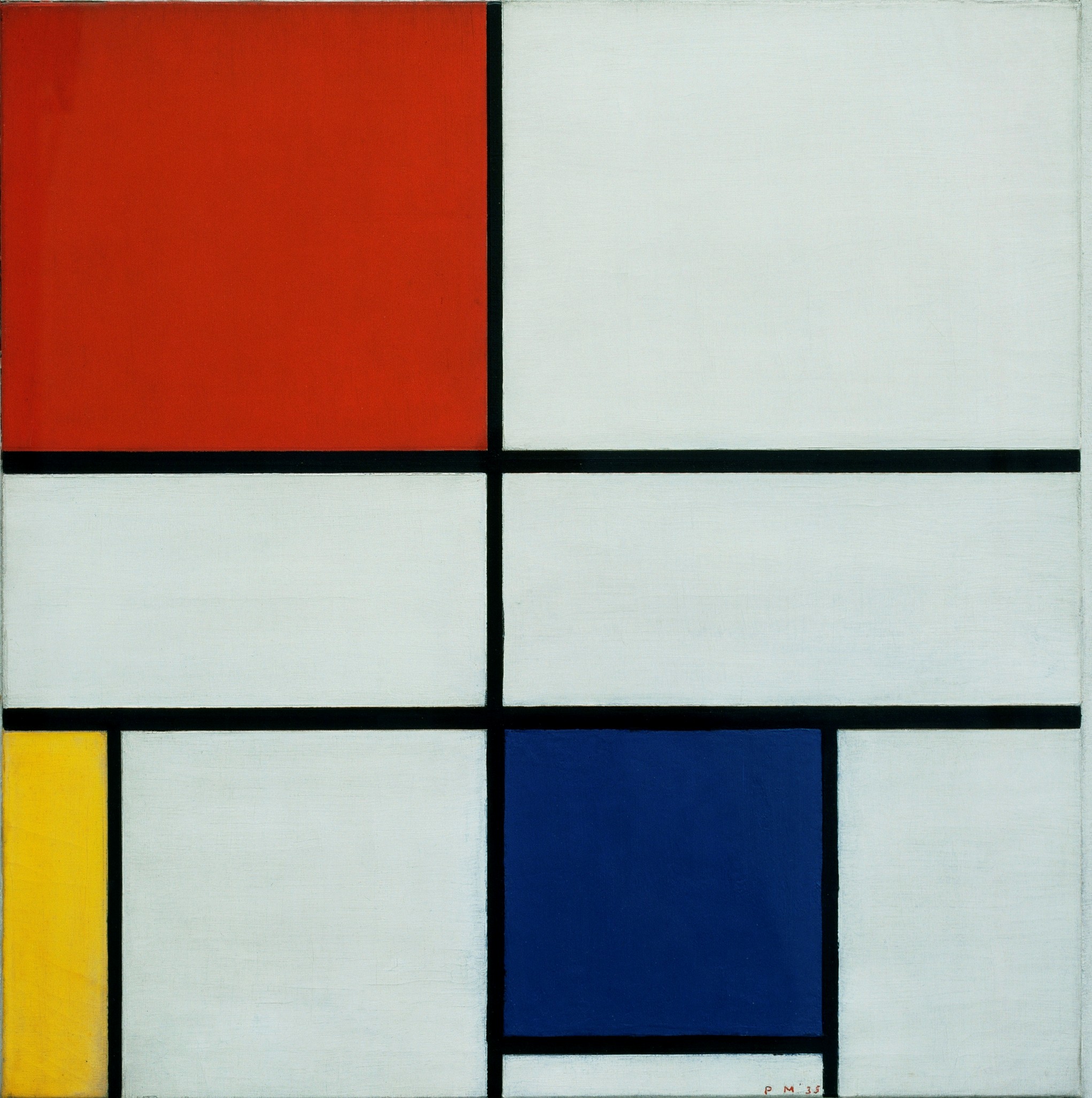
7, Piet Mondrian (1872 – 1944)

6-mondrian-composition-c-no-iii-with-red-yellow-and-blue-1935

The Mariano Rivera of painters. Did one thing, but did it very well.

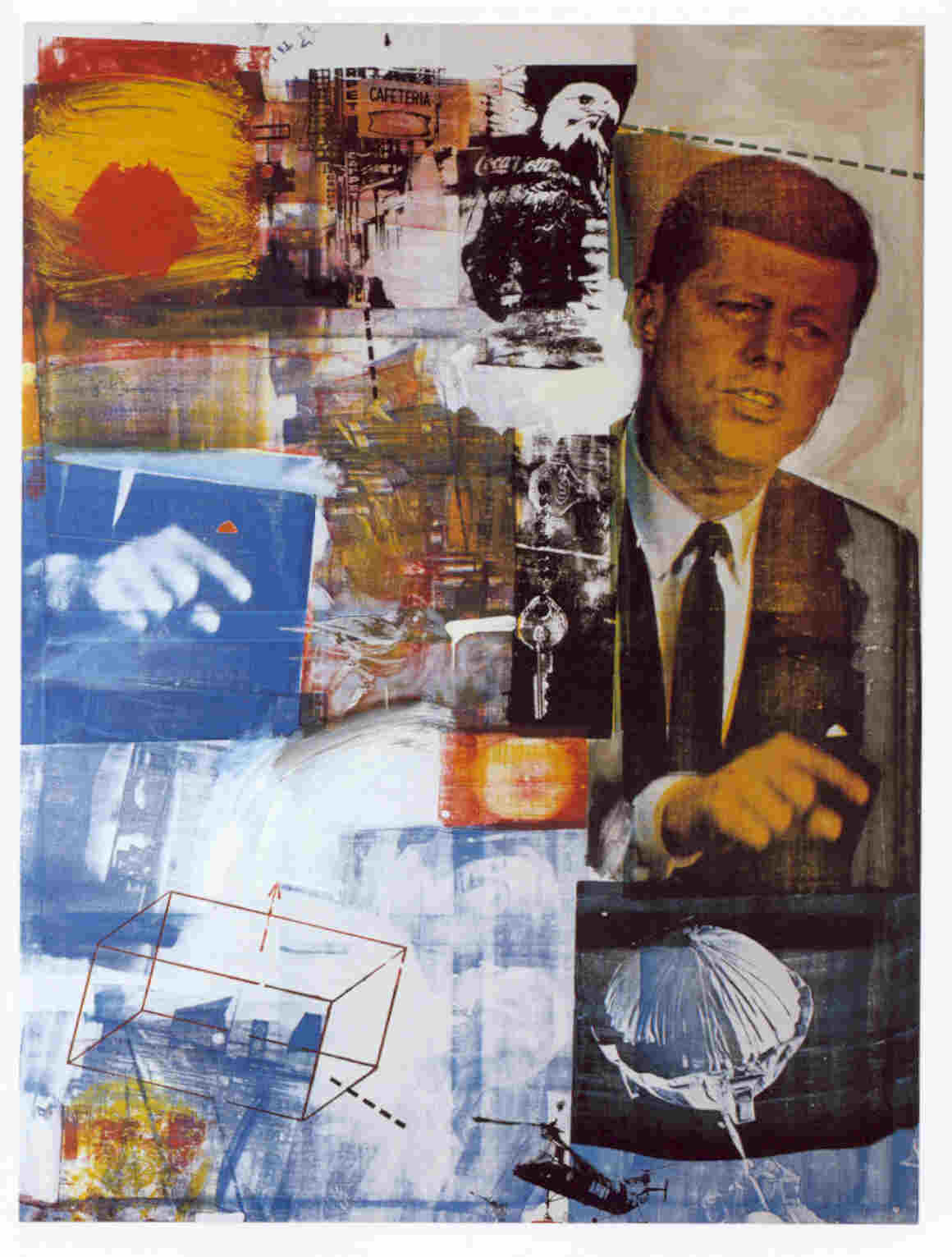
8, Robert Rauschenberg (1925 – 2008)

29893-r_i_p_robert_rauschenberg_1925_2008_familiar_work

Father of pop art

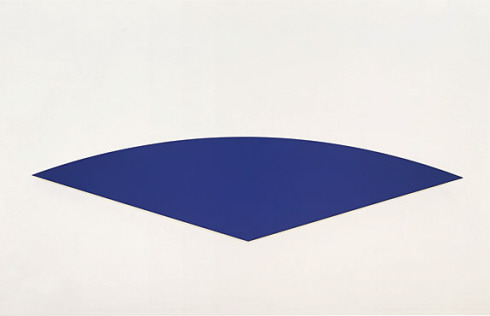
9, Ellsworth Kelly (1923- )

96.4512_ph_web

The first living artist in the tournament, he liberated painting from the rectangle.

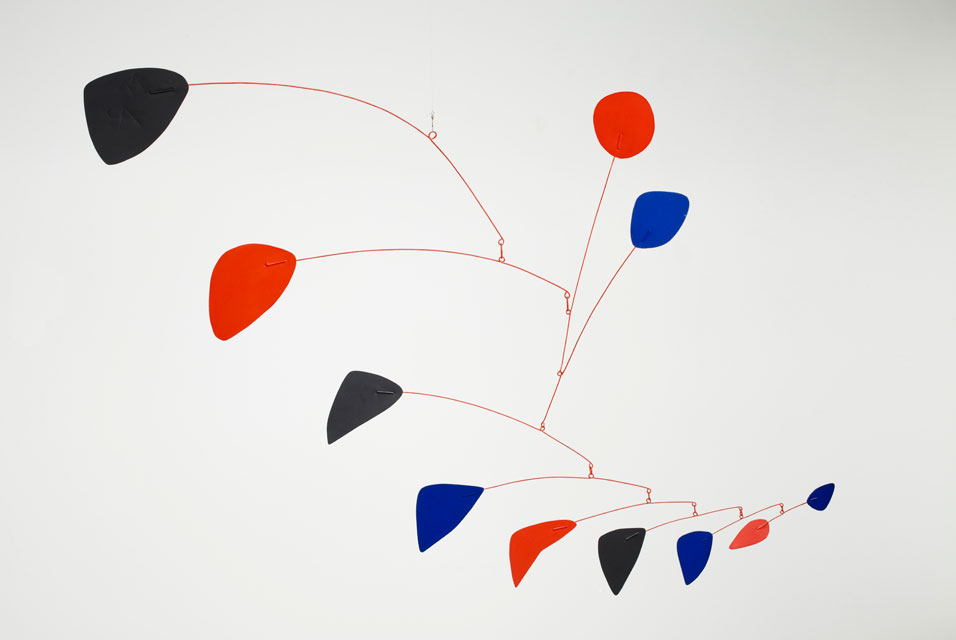
10, Alexander Calder (1898 – 1976)

alexander-calder-red-blue-black-cascade

His mobiles are just the beginning.

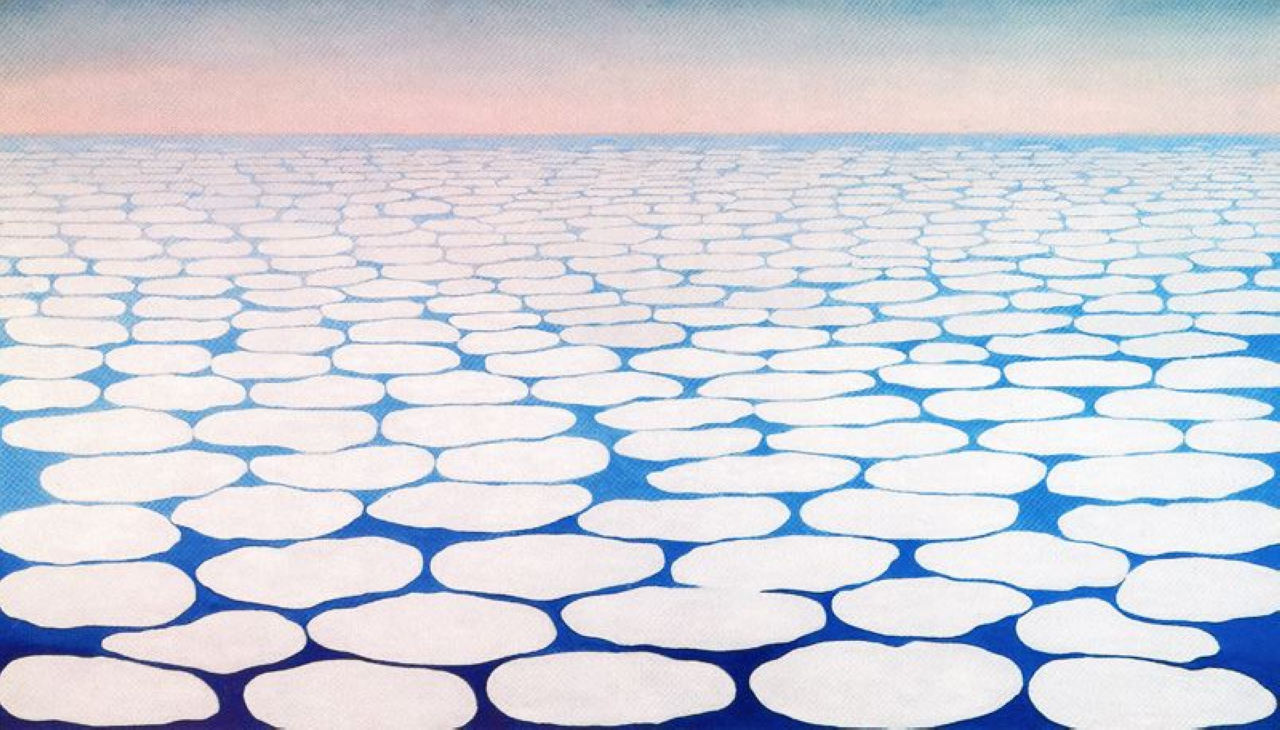
11, Georgia O’Keeffe  (1887 – 1986)

sky-above-clouds-iii

Two things I didn’t know about O’Keeffe: she lived to be 99, and her middle name was Totto. Also, unfortunately, the only woman in the tournament.

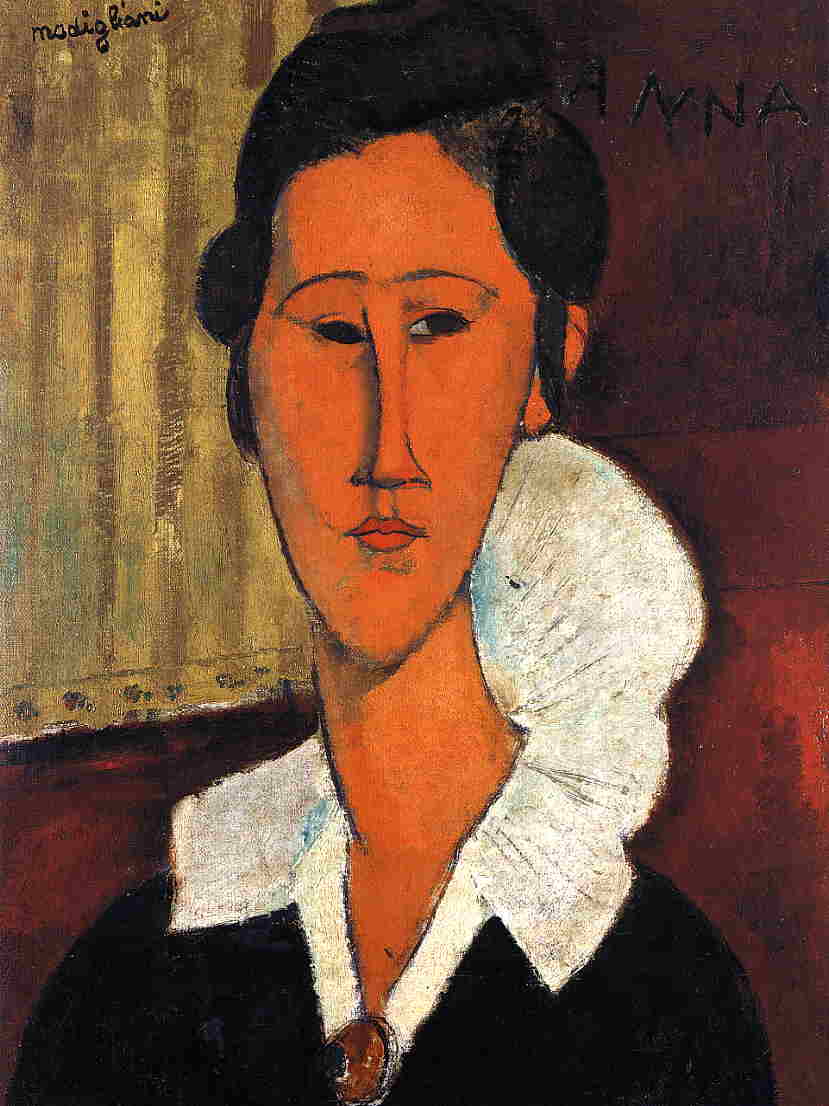
12, Amadeo Modigliani (1884 – 1920)

anna-hanka-zborowska-1917

This is the part of the bracket where it’s almost impossible to separate the last four from another dozen or so who could be here.

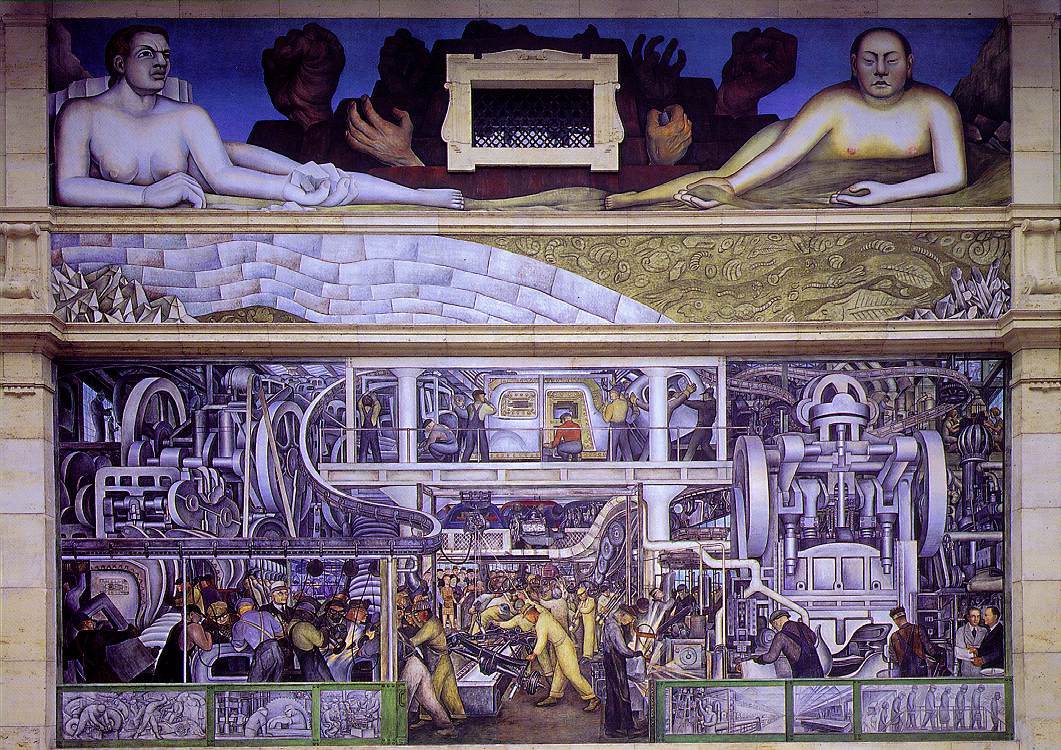
13, Diego Rivera (1886 – 1957)

detroit-industry-south-wall-1933

Massive murals don’t look great as jpegs.

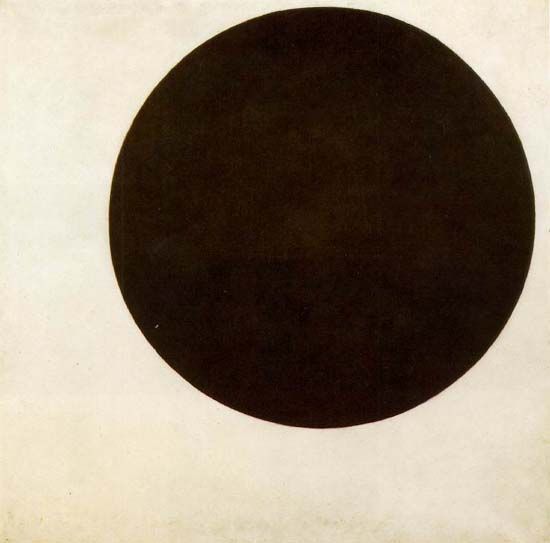
14, Kasimir Malevich (1879 – 1935)

Black_circle

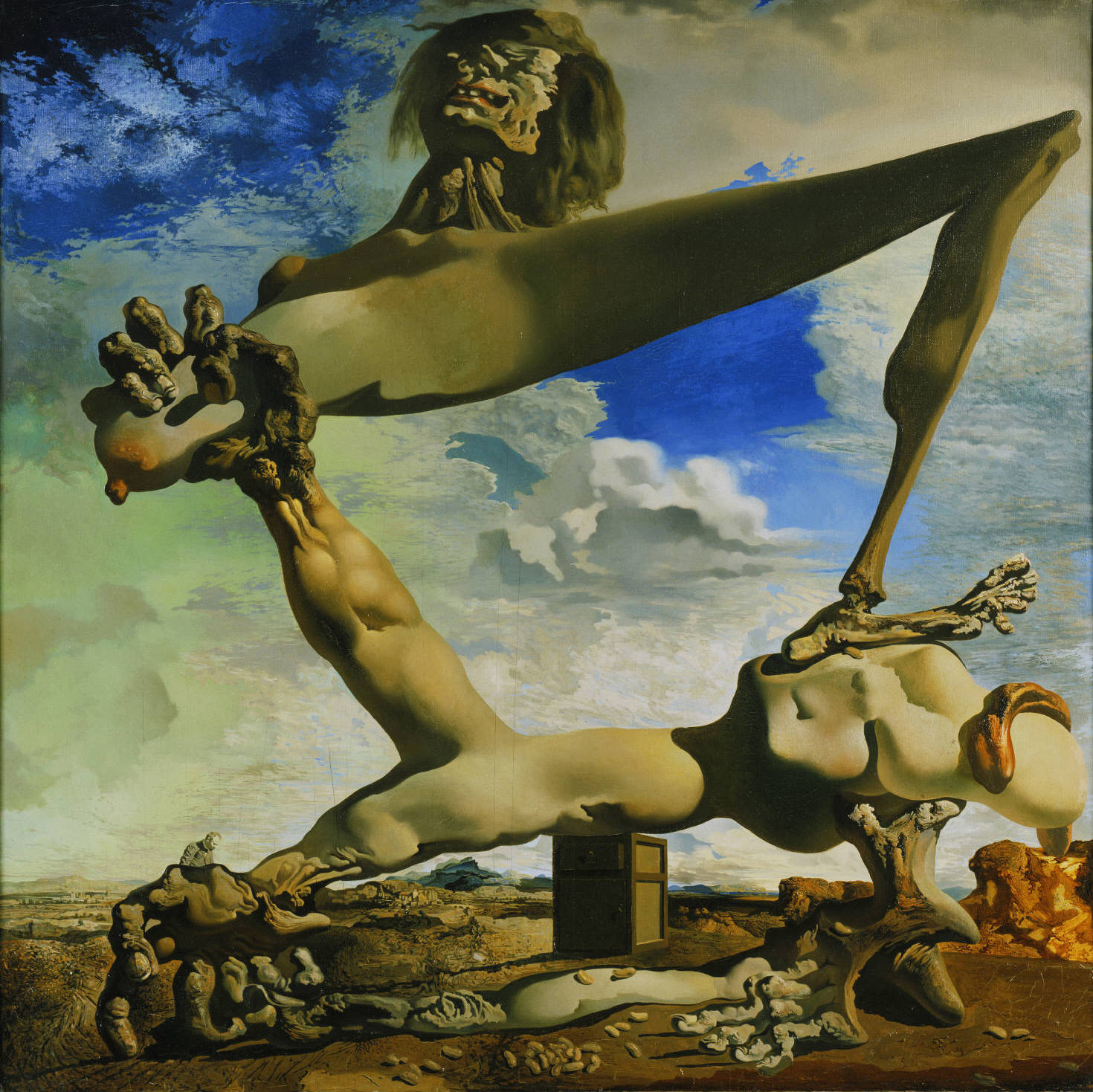
15, Salvador Dali (1904 – 1989)

Salvador-Dali-Soft-Construction-with-Boiled-Beans-Premonition-of-Civil-War-1936

Dali would be the No. 1 seed if I was judging self promotion and presence on dorm room walls, but still, it’s hard to dispute his influence.

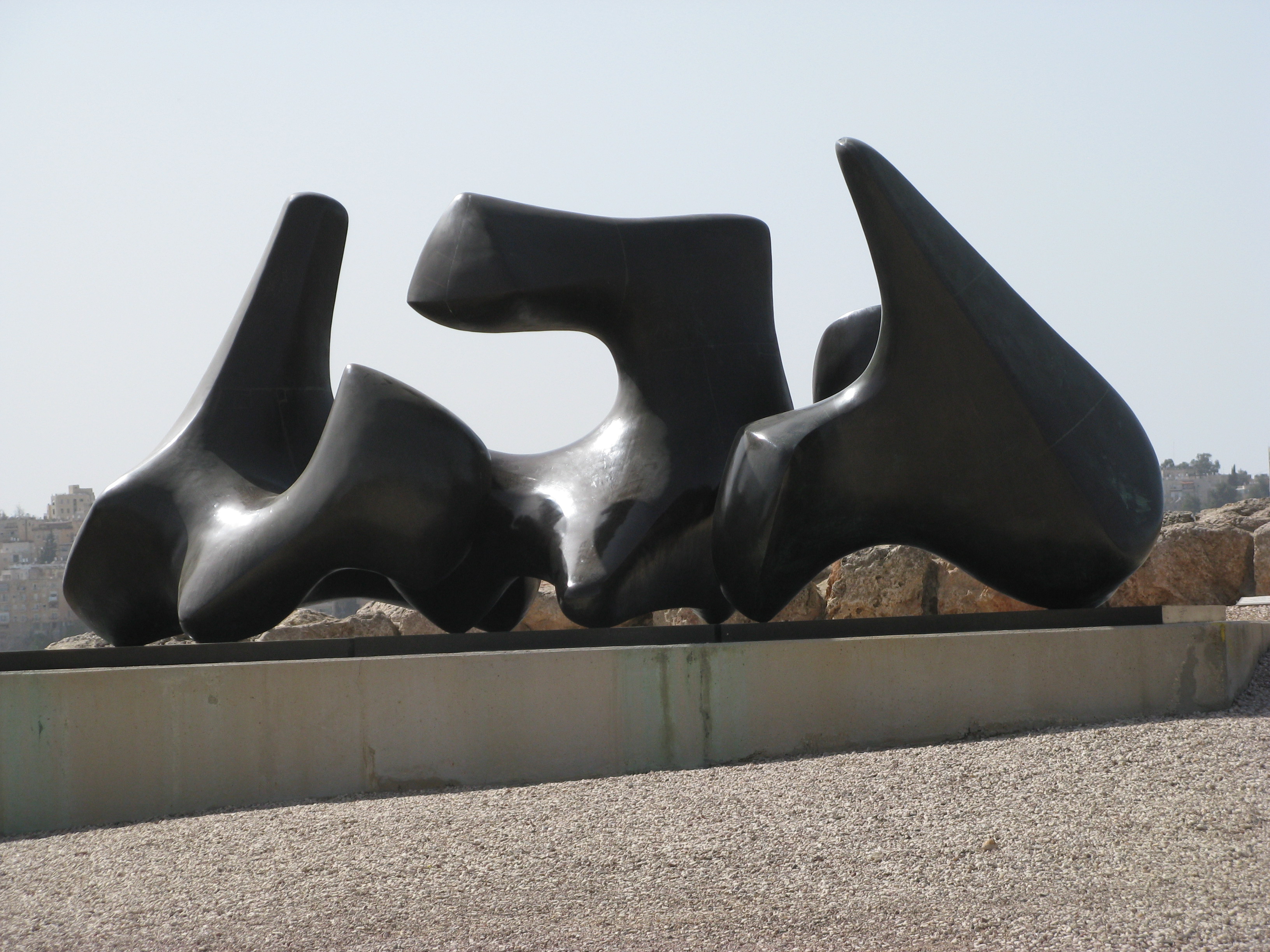
16, Henry Moore  (1898 – 1986)

Henry_Moore-Three_piece_sculpture-Israel_Museum

On the bubble: Braque, Johns, Warhol, Bourgeois, Lichtenstein, Hopper, DeKooning, Magritte, Cornell, Freud, Bellows, Klee, Chagall, Martin, Giacometti, DeMuth

A few words about the M(art)h Madness seedings

14 Friday Mar 2014

Posted by percivalhenry in Art History March Madness

≈ 1 Comment

Tags

art, art history

I’ve gotten some feedback about the M(art)h Madness Art History seedings, and the tournament in general. Such as: This is a really dumb idea. And, it’s a really dumb idea to try to pick the top 16 artists from any given era. I have to agree.

Let me stipulate for the record that the entire concept of an Art History tournament is ridiculous. Art is inherently subjective, and even if a consensus might exist about who’s good, drawing a line under 16 is sort of absurd. But the idea of applying the rules of sports – where we do that sort of thing all the time – to the world of art appealed to me, because I’m a fan of both. That’s how I came up with the idea.

The 16 I chose in each bracket is my idea of the canon choices, based on skill, historical significance and popularity. These are really the greatest hits of art history – the people that you would discuss in a survey course. I’m not trying to be sophisticated or obscure. I’ve left a lot personal favorites off, because I couldn’t convince myself they would be in a consensus top 16. But subjectivity does creep into it, and I freely admit I left out Renoir because I can’t stand him. This approach doesn’t allow for much eclecticism, so most choices are pretty predictable, and unfortunately, it’s overwhelmingly white and male. I don’t have a great solution for that, and it may be a flaw of the entire project.

So, take it for what it is: an attempt to have fun playing with two domains that almost never intersect. And if you have ideas about how to make it better, please let me know.

Art History M(art)ch* Madness! 19th C. Bracket

14 Friday Mar 2014

Posted by percivalhenry in Art History March Madness

≈ Leave a comment

Tags

art, art history

*Thanks to James Banta for the name tweak!

This is the third of the four brackets we’re using the determine the greatest artist in the history of Western art. The Renaissance and Baroque brackets were posted earlier and are below, and we’ll round it out with the Modern bracket this weekend. Then we’ll match ’em up, NCAA basketball style, and let you vote for the winners. Anyway, on to the 19th Century!

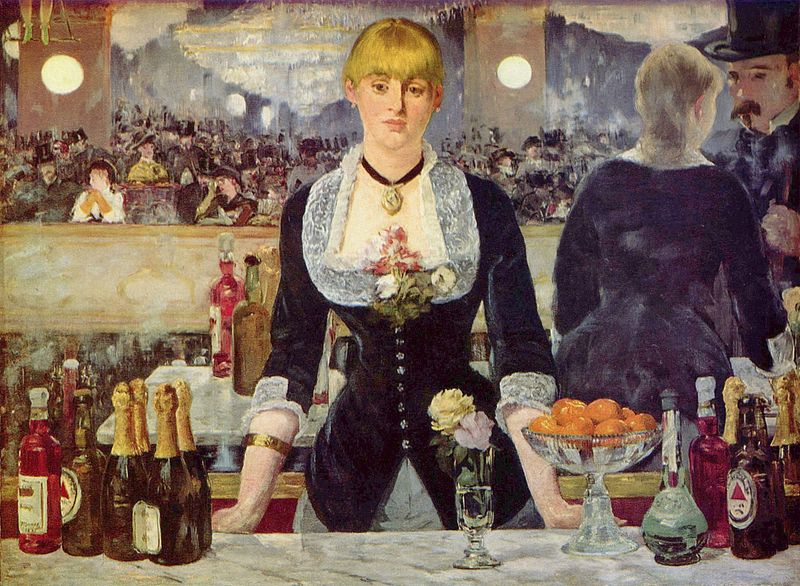
1, Edouard Manet (1832 – 1883)
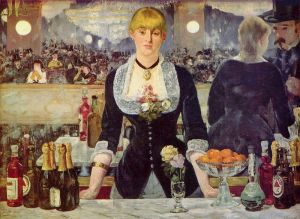
800px-Edouard_Manet_004

There’s no obvious No. 1 seed in the 19th C., and you could make the case for half a dozen painters. I’ll go with Manet for his psychological insight, daring subject matter and influence on future generations.

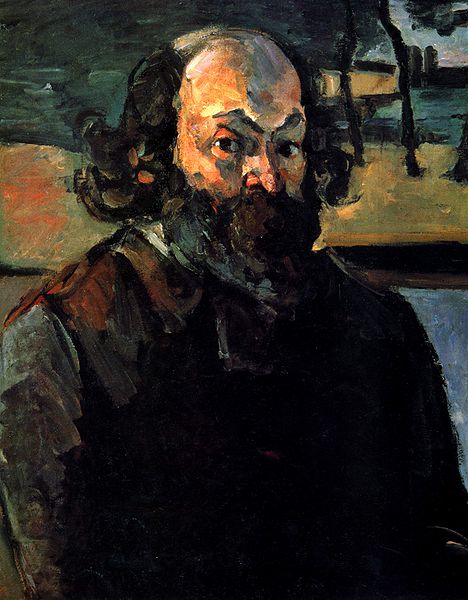
2, Paul Cezanne (1839–1906)
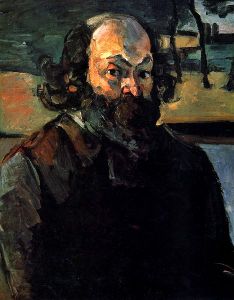
468px-Paul_Cézanne_149

Father of modernism?

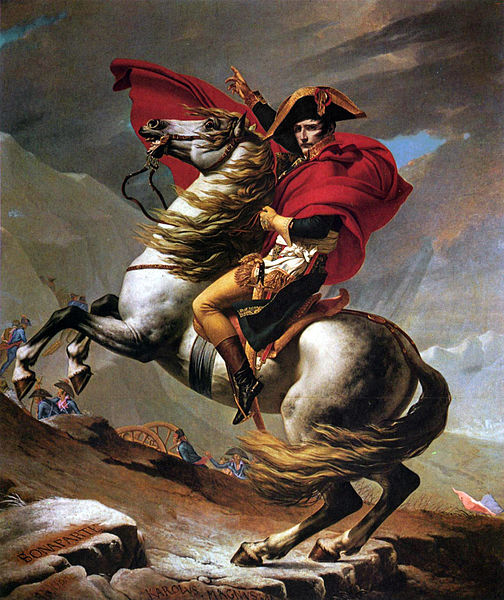
3, Jacques-Louis David (1748 – 1825)
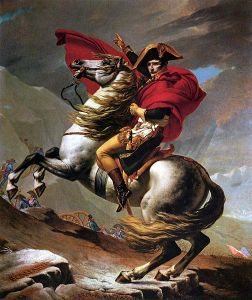
504px-Jacques-Louis_David_008

David is a good example of the difficulty of dividing these brackets by centuries, but because so much of his work came after 1800 (and because his fellow neo-classicists followed him) he feels more like a 19th century than a Baroque painter. But I could be wrong.

4, Claude Monet (1840 – 1926)

Claude_Monet,_Grainstacks_in_the_Sunlight,_Morning_Effect,_1890,_oil_on_canvas_65_x_100_cm

Monet could have been the top seed but loses points for lack of variety in his subject matter. He played it safe.

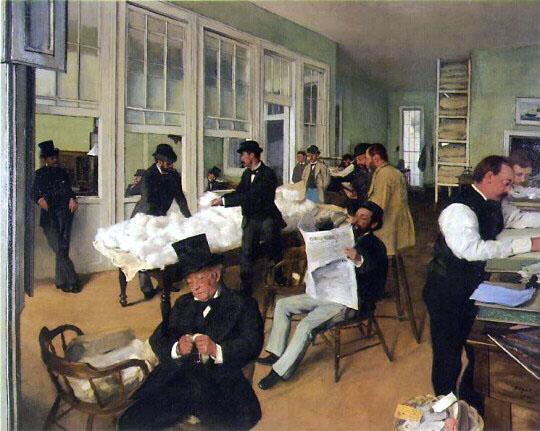
5, Edgar Degas  (1834 – 1917)
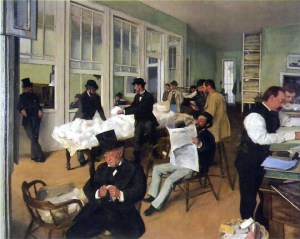
Cottonexchange1873-Degas

Who knew all the Impressionists live so long? Anyway, Degas is another who could have been No. 1. Don’t let all the ballerinas fool you. A Cotton Office in New Orleans (above) might be the greatest work ever painted in the United States.

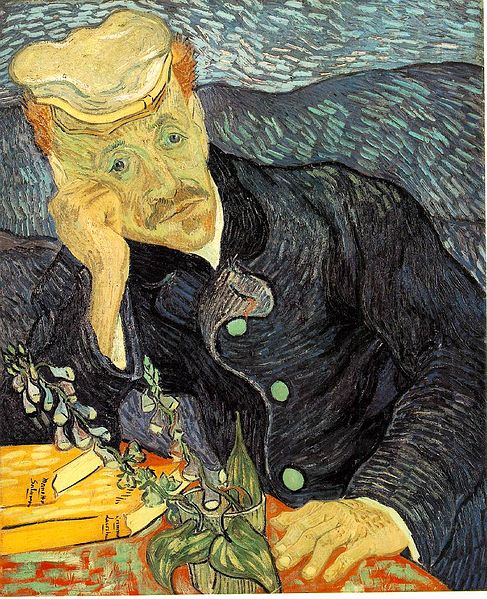
6, Vincent Van Gogh (1853 – 1890)
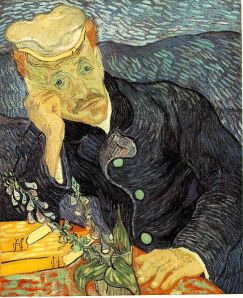
487px-Portrait_of_Dr._Gachet

Is Van Gogh too low? Possibly. But I deduct points for having a short career, even one as brilliant’s as Van Gogh’s.

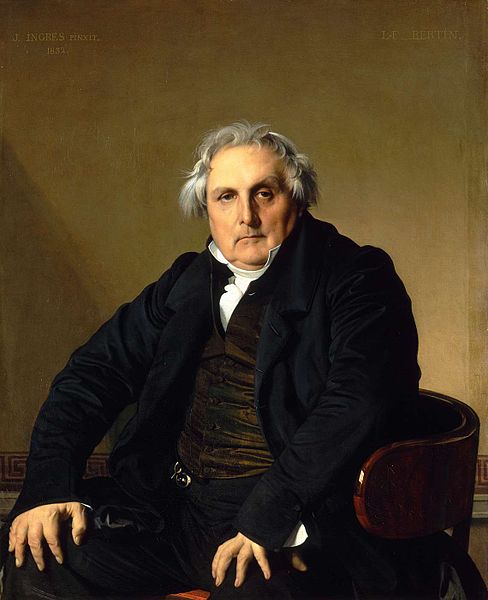
7, Jean-Auguste-Dominique Ingres  (1780 – 1867)
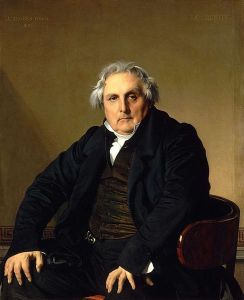
Louis-Francois_Bertin

A giant.

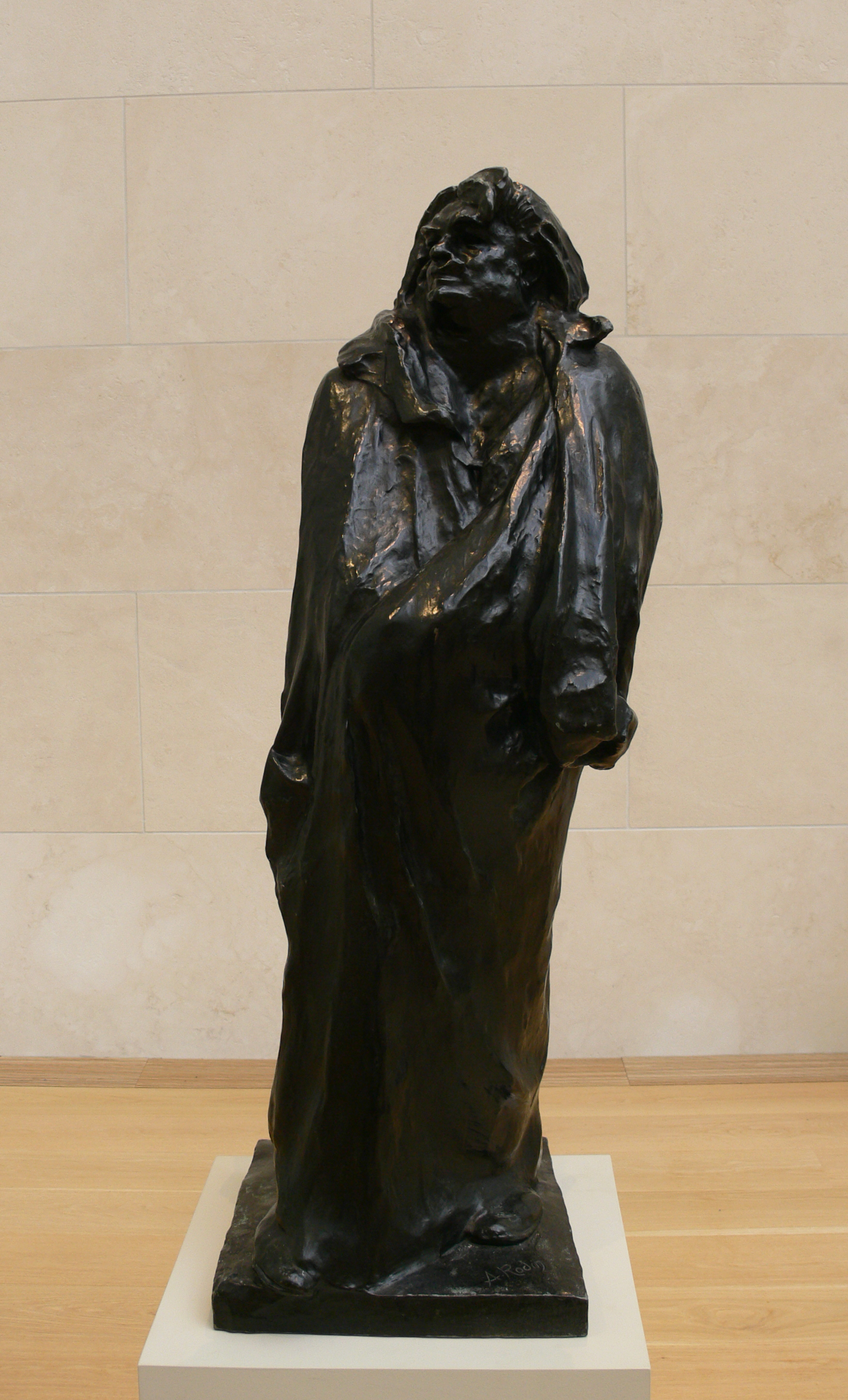
8, Auguste Rodin (1840 – 1917)
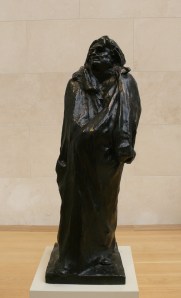
Rodin_Balzac_Nasher_Dallas_1

Not enough sculptors in these brackets, in general.

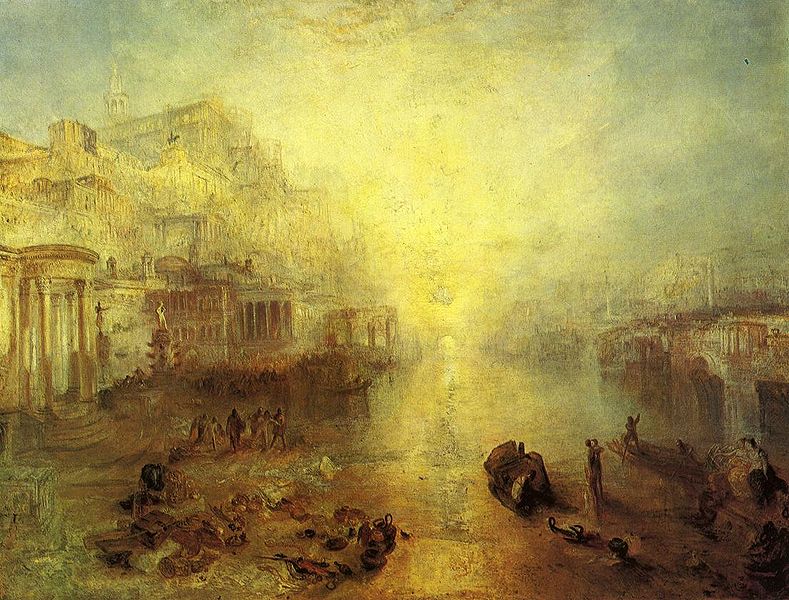
9, J.M.W. Turner (1775 – 1851)
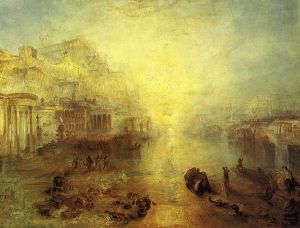
789px-Turner_Ovid_Banished_from_Rome

First abstract painter? Definitely the first non-French artist in the bracket.

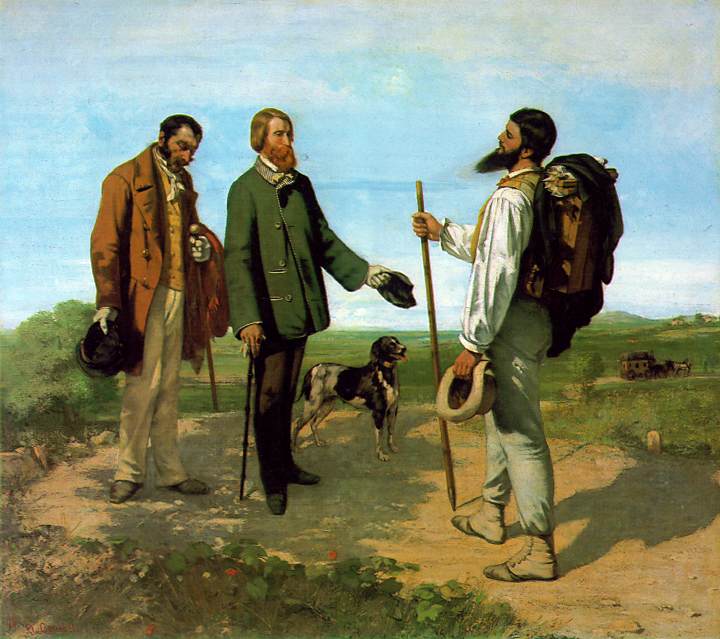
10, Gustave Courbet (1819 – 1877)
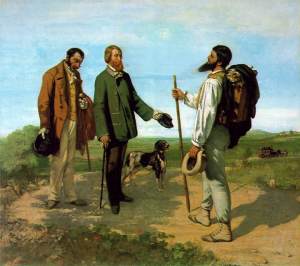
Meeting Gustave Courbet

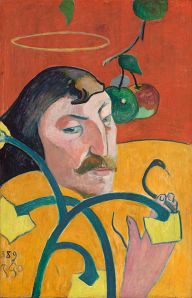
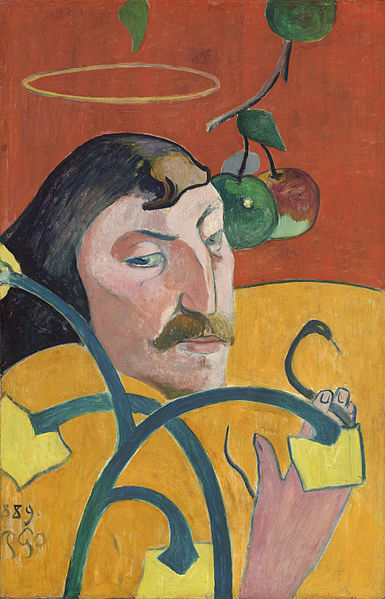
11, Paul Gauguin (1848 – 1903)

Paul_Gauguin_125

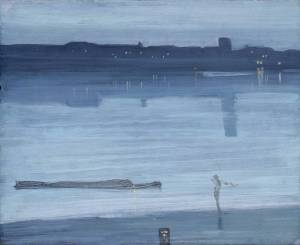
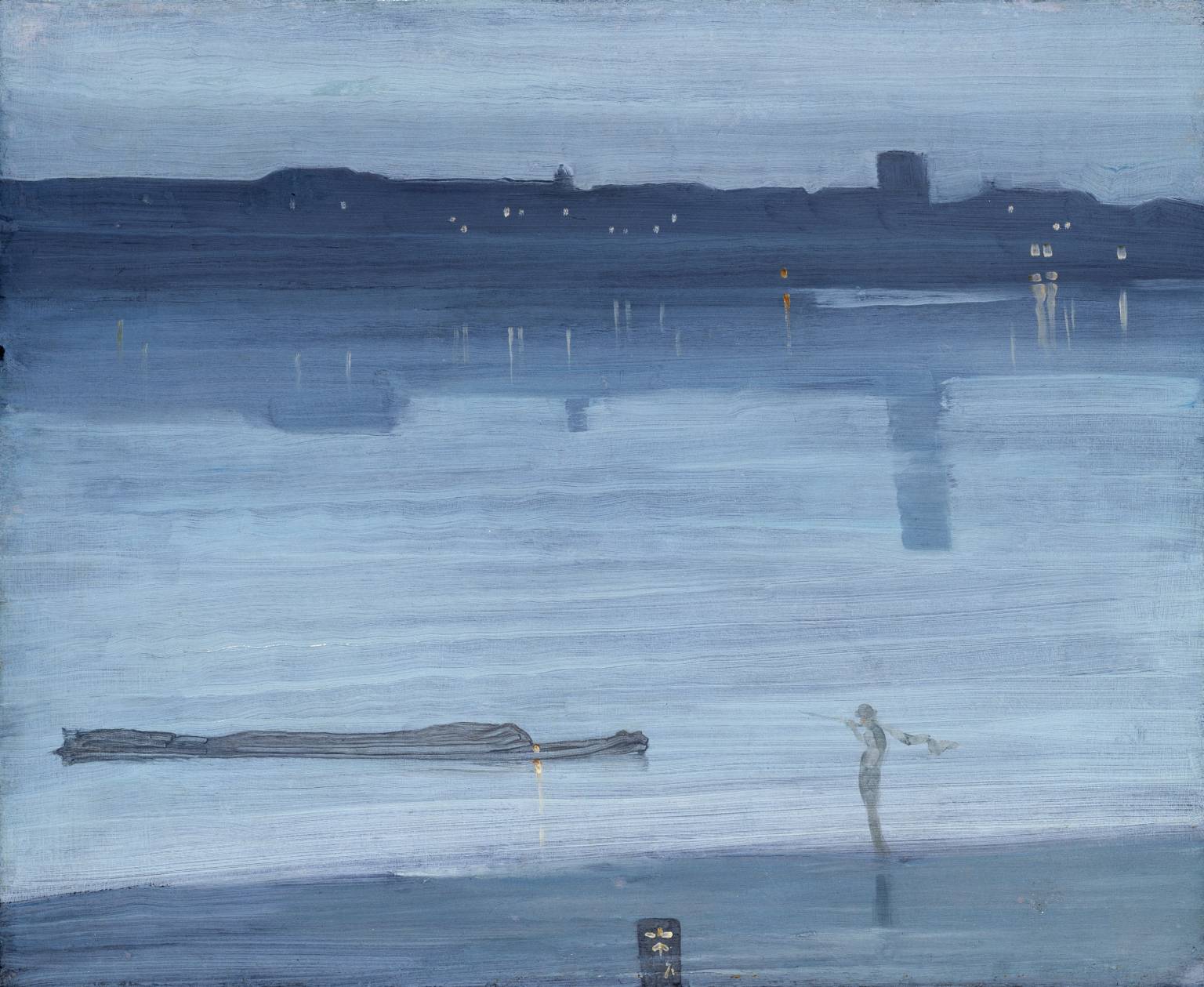
12, James Whistler (1834 – 1903)

Nocturne: Blue and Silver - Chelsea 1871 by James Abbott McNeill Whistler 1834-1903

First American in this bracket

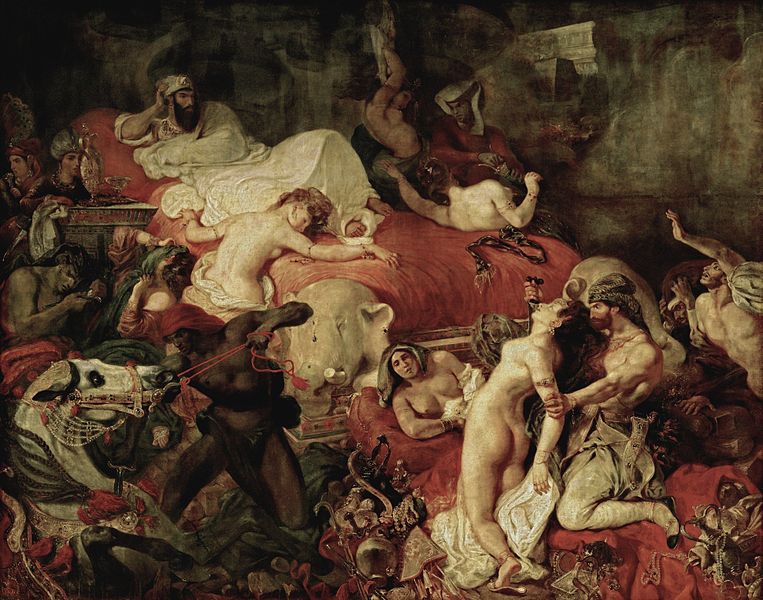
13, Eugene Delacroix (1798 – 1863)
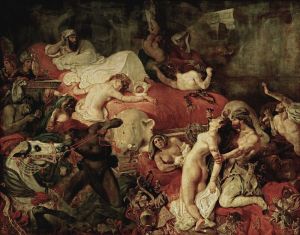
Delacroix_-_La_Mort_de_Sardanapale_(1827)

These last four could come be any of a dozen artists. It’s a talent-rich period.

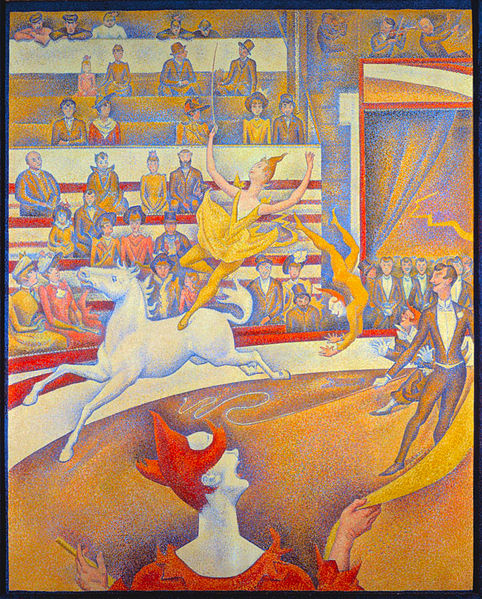
14, Georges Seurat (1859- 1891)
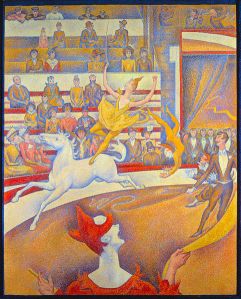
482px-Georges_Seurat_019

French artists make up 13 of the 16 in the bracket.

15, Thomas Cole (1801 – 1848)
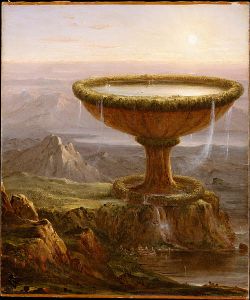
500px-Cole,_Thomas_-_Der_Pokal_des_Riesen_-_hi_res_-_1833

Founder of the Hudson River School

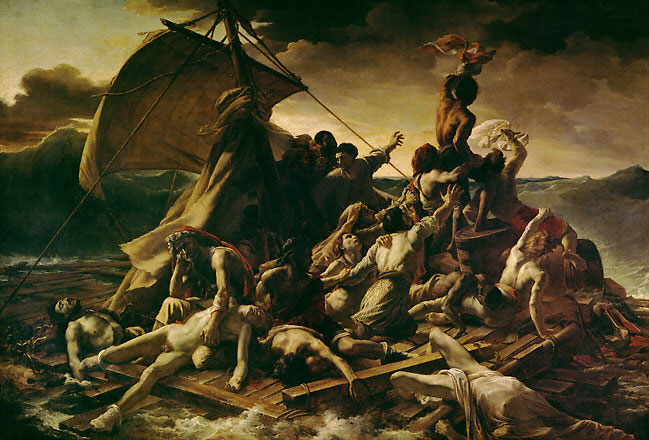
16, Theodore Gericault  (1791 – 1824)
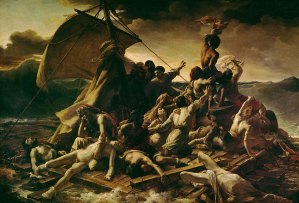
Theodore_Gericault_Raft_of_the_Medusa-1

Debated leaving him out because he had so few major works, but, man, he was good.

On the bubble: Constable, Sargent, Friedrich, Eakins, Pissarro, Cassatt, Remington, Homer
Art History March Madness! Baroque (and 18th C.) * Bracket

05 Wednesday Mar 2014

Posted by percivalhenry in Art History March Madness

≈ 3 Comments

Tags

art, art history

This is the second of the four brackets we’ll use to determine the history’s greatest artist (well, Western artist since 1400, anyway). We’ll seed them and match ’em up NCAA style. After seeding 16 renaissance artists, it’s on to the artists from the 1600s and 1700s (there’s a little slop over into both earlier and later centuries but hey, it’s art, not science). Let’s get to it:
1, Rembrandt Van Rijn (1606 – 1669)

Rembrandt_van_Rijn_-_Self-Portrait_-_Google_Art_Project

The No. 1 seed could have gone to a number of contenders but Rembrandt gets the nod, as much for the honesty and intensity of his portraits as for his productivity and influence.

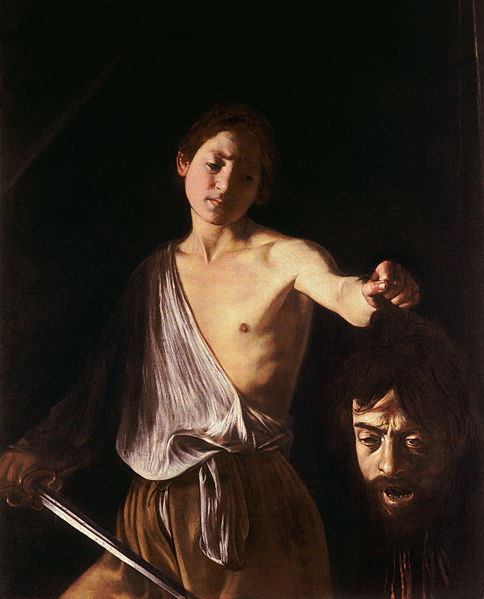
2, Caravaggio (1571 -1610)

Caravaggio_-_David_con_la_testa_di_Golia

Original bad boy of the art world. Lived fast, died young. Living longer might have gotten him a No. 1 seed.

3, Diego Velasquez (1599 – 1660)

Velázquez_-_El_Triunfo_de_Baco_o_Los_Borrachos_(Museo_del_Prado,_1628-29)

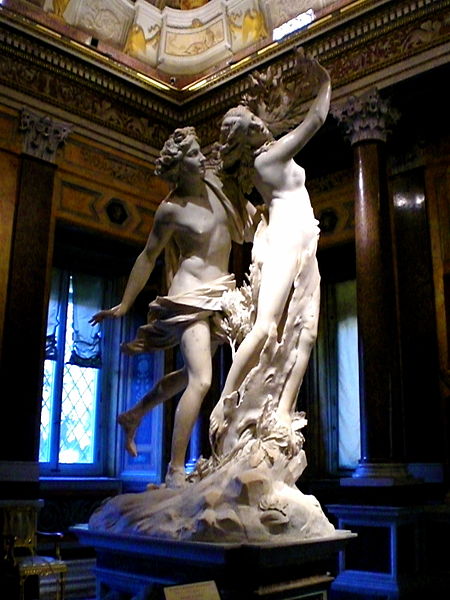
4, Gian Lorenzo Bernini (1598 – 1680)

ApolloAndDaphne

Sculptor, architect, city planner. Bernini filled up the stat sheet.

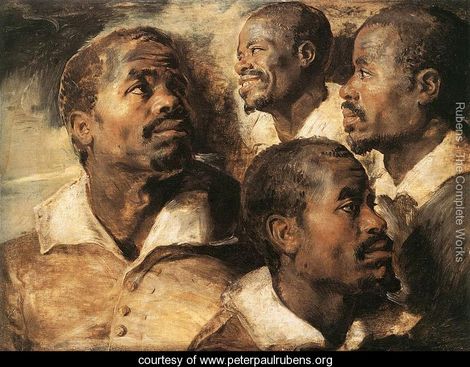
5, Peter Paul Rubens (1577 – 1640)

Four-Studies-of-the-Head-of-a-Negro

A much more accomplished artist than his reputation for painting “Rubensesque” women would suggest

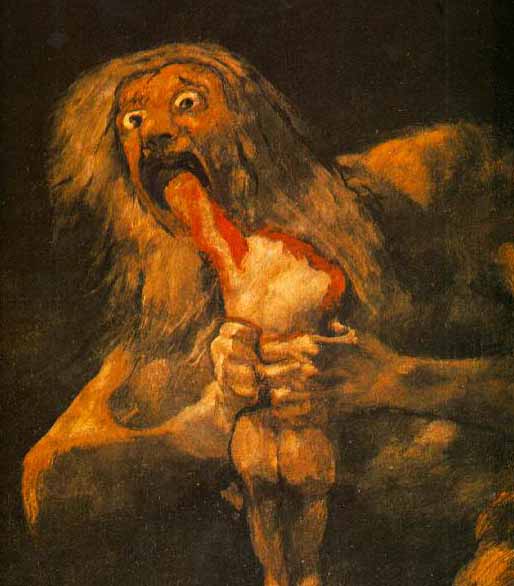
6, Francisco de Goya (1746 -1828)

goya1

Goya is at the tail end of Baroque, and might be more of a 19th century romantic. But I’ve got him here. His Black Paintings, like the one above, are truly disturbing.

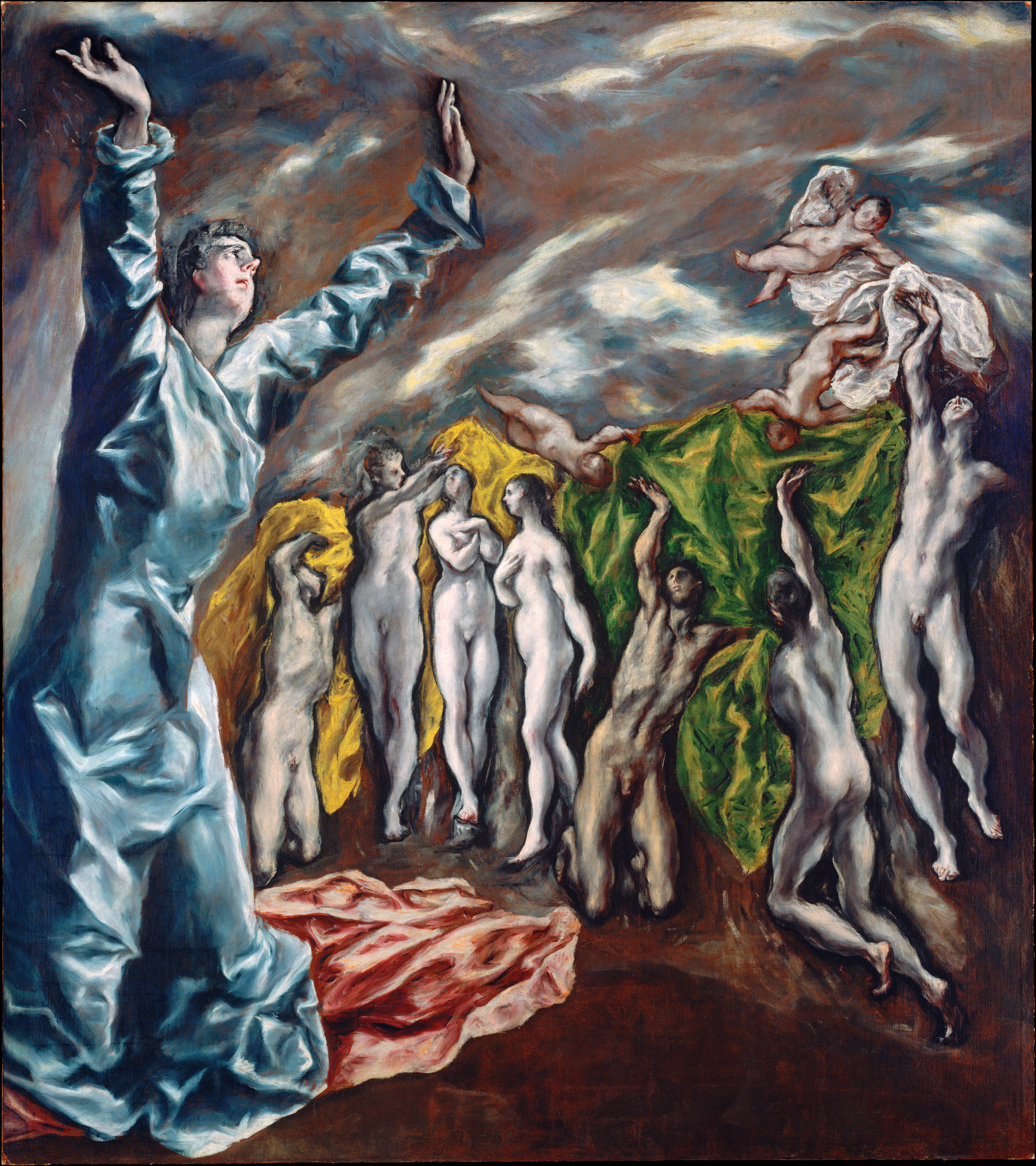
7, El Greco (1541 – 1614)

El_Greco,_The_Vision_of_Saint_John_(1608-1614)

The earliest painter in this bracket, and yet the most modern.

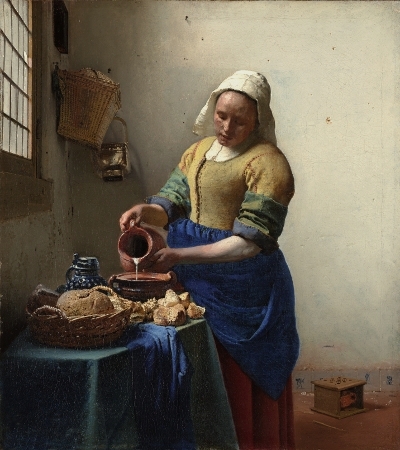
8, Johannes Vermeer (1632 –1675)

milkmaid

Vermeer falls in the seedings for painting only 34 works.

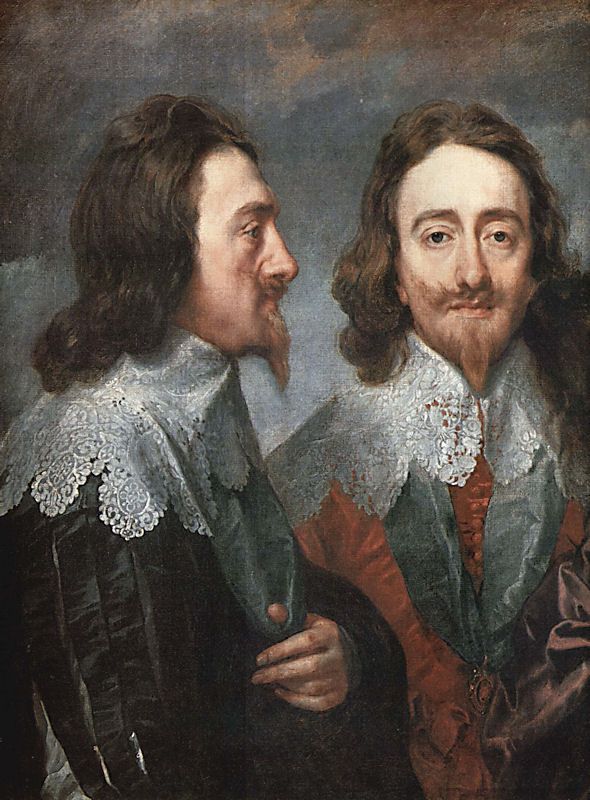
9, Anthony Van Dyck (1599 – 1641)

anthony-van-dyck-portrait

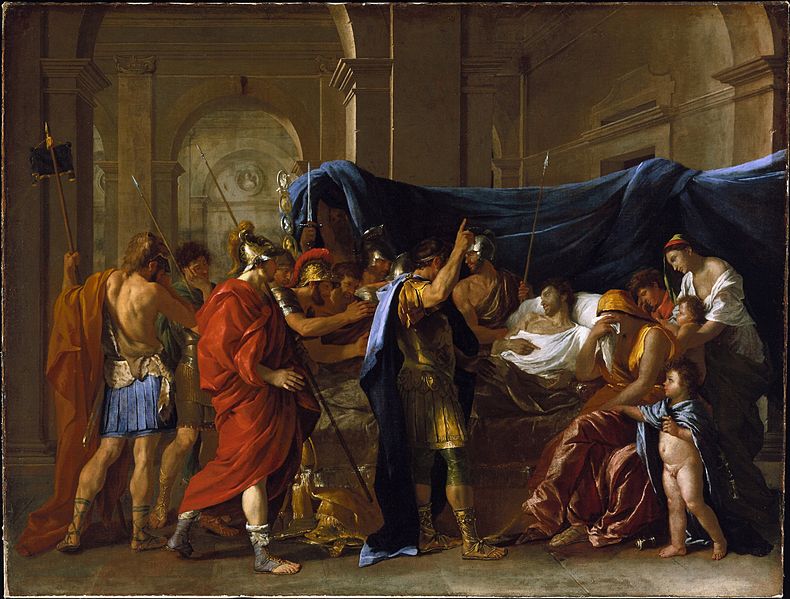
10, Nicolas Poussin (1594 – 1665)

790px-Nicolas_Poussin_-_La_Mort_de_Germanicus

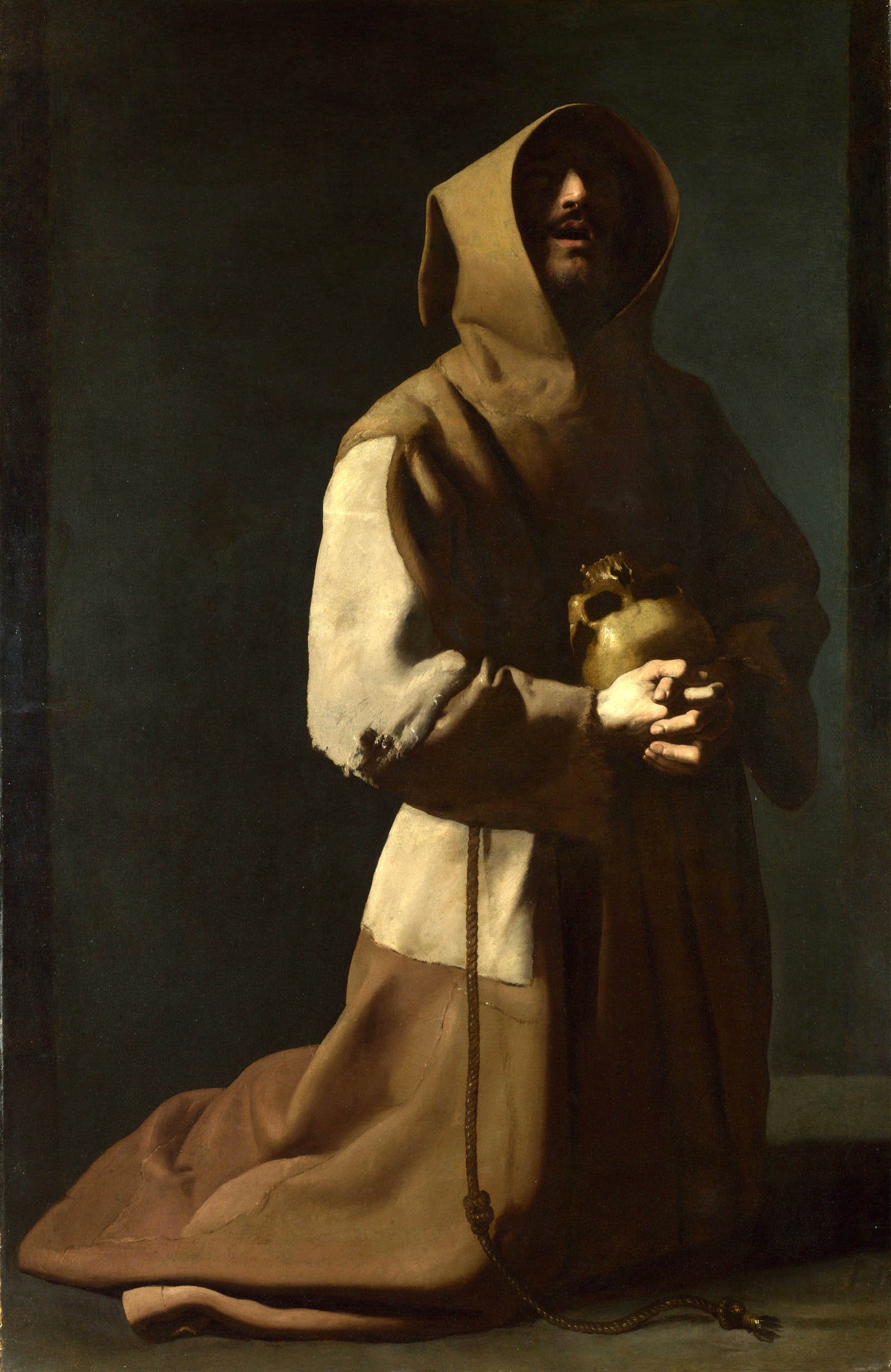
11, Francisco de Zurbaran (1598 – 1664)

saint-francis-in-meditation-by-francisco-de-zurbaranlarge

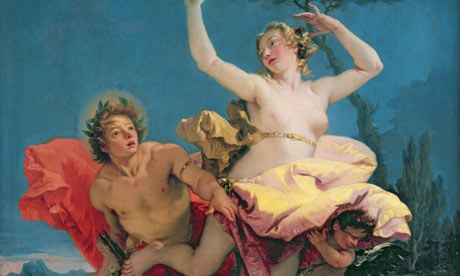
12, Gianbattista Tiepolo (1696 – 1770)
Tiepolo-Giovanni-Battista-001

The most Rococo artist in this bracket.

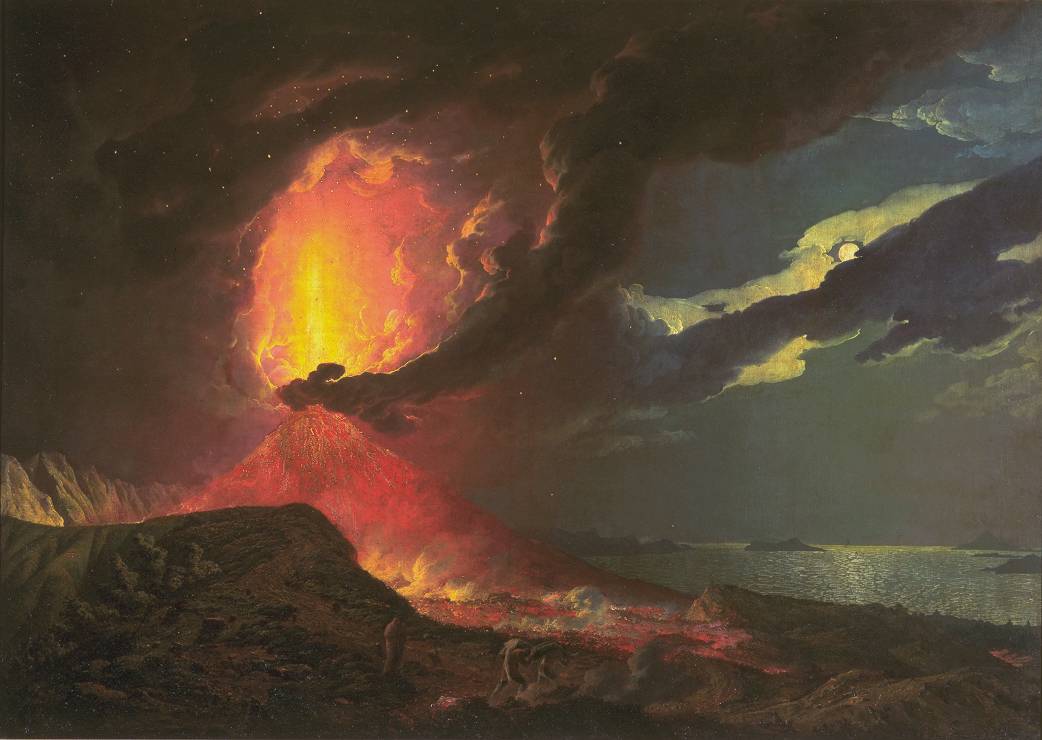
13, Joseph Wright of Derby (1734 –1797)

Vesuvius in Eruption, with a View over the Islands in the Bay of Naples circa 1776-80 by Joseph Wright of Derby 1734-1797

First Brit.

14, Jusepe de Ribera (1591 – 1652)

Jusepe_de_Ribera_-_Saint_Paul_the_Hermit_-_Walters_37278

Fifth Spaniard in the bracket. How many will survive the first round?

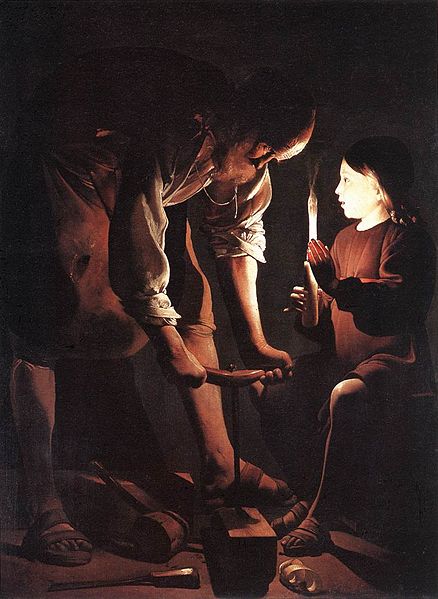
15, Georges De La Tour (1593 – 1652)

La_Tour

De La Tour’s device of illuminating his paintings with a single light source made him a bit of a one-tick pony, but it’s a pretty cool trick.

16, Canaletto (1697 – 1768)

800px-Canaletto_-_The_Grand_Canal_and_the_Church_of_the_Salute


On the bubble: Artemisia Gentileschi, Joshua Reynolds, Bartoleme Murillo, Anibale Carracci

(* Added 18th C. in response to complaints from fussy art historians)


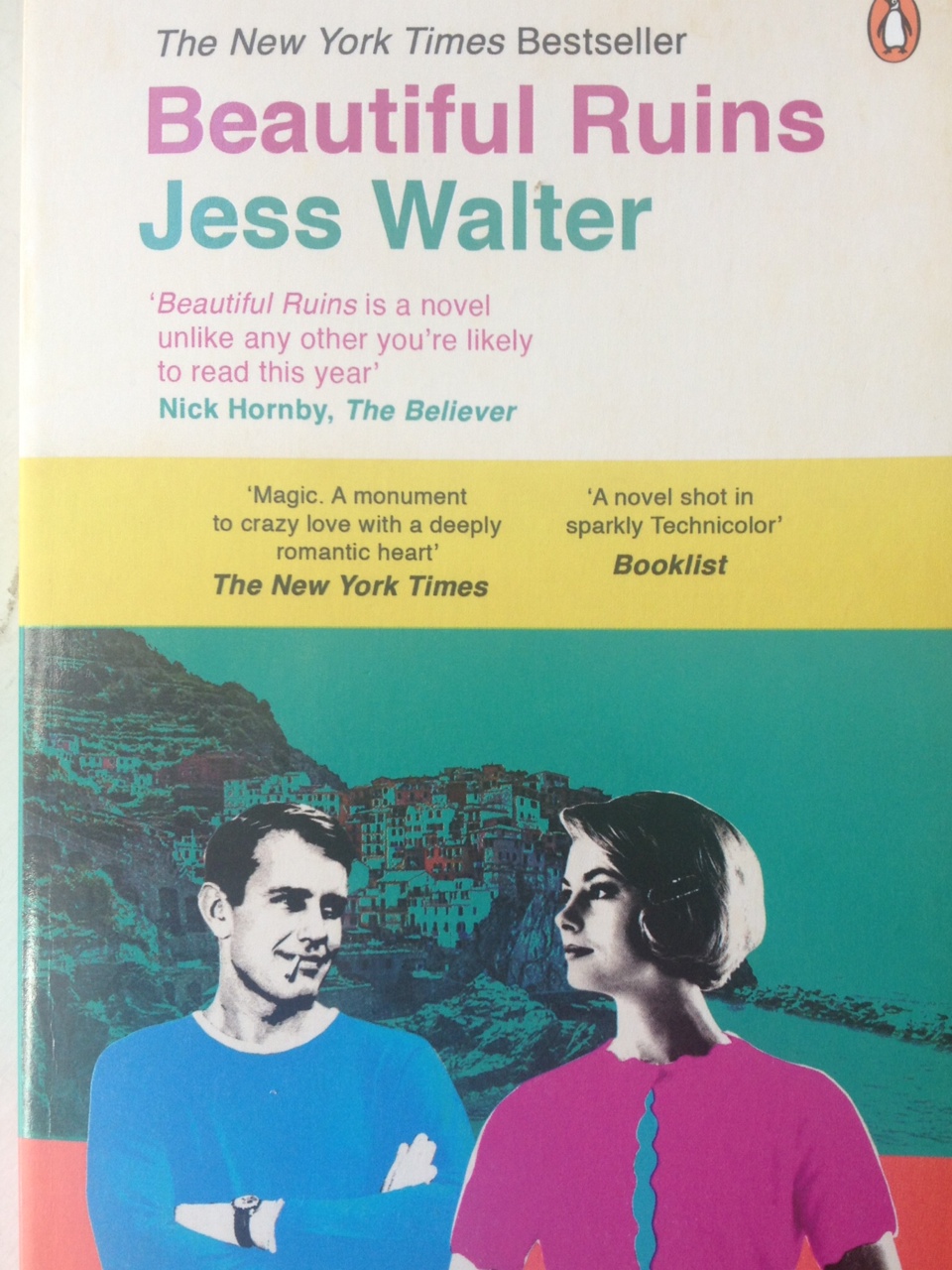
Year of Fiction: Beautiful Ruins, by Jess Walter (2013)

04 Tuesday Mar 2014

Posted by percivalhenry in Year of Fiction

≈ 1 Comment

Tags

fiction

Image

This isn’t really going to be a review, because I’ve known Jess Walter for a long time and I’m hardly objective. (He used to be a reporter at a newspaper where I worked, and his wife was an editor. We became friends and started a book club together. First book: “Freedomland,” by Richard Price. Format: 10 minutes of book discussion, three hours of drinking). It’s more of an appreciation. And a bit of an apology for waiting so long to read his latest book. Sorry, Jess.

If you haven’t read “Beautiful Ruins,” you should. It’s really good.

Jess’s trajectory at The Spokesman-Review was impressive – he started answering the calls of high school coaches phoning in scores on Friday nights and by the time he left, had covered the FBI’s standoff with nut job Randy Weaver. When I first encountered Jess, he had published a book on Weaver, and was working with the now-infamous editor Judith Regan at Harper Collins, who arranged ghost writing gigs for Jess while he wrote novels. After a few mystery/crime-type books and winning a Poe award, Jess began writing “serious” novels.

I bring all this up for a few reasons. One is that at almost any stage of that career arc, most writers I know – myself included – would be pretty satisfied and called it good enough. Hotshot newspaper reporter? That’s pretty cool. Published author? I’ll take that. Job as a ghost writer? No shame in that. Successful mystery writer? What more could you want? Now he’s got a New York Times bestseller – one justifiably being compared to Garcia-Marquez – under his belt. Every time I think his career has hit its natural rhythm, he finds another gear. An Academy Award for best screen play is probably next and I’m not kidding even a little.

The other point is that somehow, amid this busy, productive, pay-check-earning career, Jess found a remarkable story telling voice. “Beautiful Ruins” with its multitude of characters (including some real people and other real-ish people), nationalities, formats (book chapters! screenplays!) and eras, impressed me over and over with Jess’s command, his confidence and his talent for filling in details without sacrificing pace. Somehow he learned to do this in Spokane.

“Beautiful Ruins” resists easy categorization, or even summary, but here goes: it’s the story of a young American actress who traveled to Italy for the filming of Cleopatra and met the young owner of a small, remote inn. They reunite 50 years – and the length of the novel – later. In between, the book is populated with rapacious move producers, fuck-up script writers, ne’er-do-well rock stars and drunk would-be authors. It’s told over seven decades,  through chapters that dart back and forth across time and place, in Italy, London, Seattle and – somewhat bizarrely for me – the Idaho panhandle. Along the way we learn a lot about pitching stories in Hollywood and something about love, desire and duty.

I know it wasn’t easy – the book evidently took Jess 15 years to write – but damn, it reads like it was easy.  If I’m honest with myself, I probably dragged my feet on reading “Beautiful Ruins” because I knew it would be great. And like standing at the edge of a precipice, there’s something a little intimidating about being that close to so much talent.

Books completed this year:
1, The Man in the High Castle (Dick)
2, Disgrace (Coetzee)
3, The Finkler Question (Jacobson)
4, The Moon is a Harsh Mistress (Heinlein)
5, Beautiful Ruins (Walter)


Art History March Madness! Renaissance Bracket

03 Monday Mar 2014

Posted by percivalhenry in Art History March Madness

≈ 5 Comments

Tags

art, art history

I’ve been wanting to do this for years, and with this blog, I finally can. We’re going to decide history’s greatest Western artist since 1400, using the time-tested structure of the NCAA basketball tournament brackets. The field will consist of 64 artists, broken into four historical eras: Renaissance (1400 and 1500s),  Baroque (1600 and 1700s), 19th Century and Modern. Seedings are determined by me.  I’d love to get enough people to vote on the “games” to determine the results, but we’ll see. I’ll publish the seedings, with an iconic work by each artist, this week, then we’ll start the match ups next week.

Today, we’ll start with the Renaissance bracket:

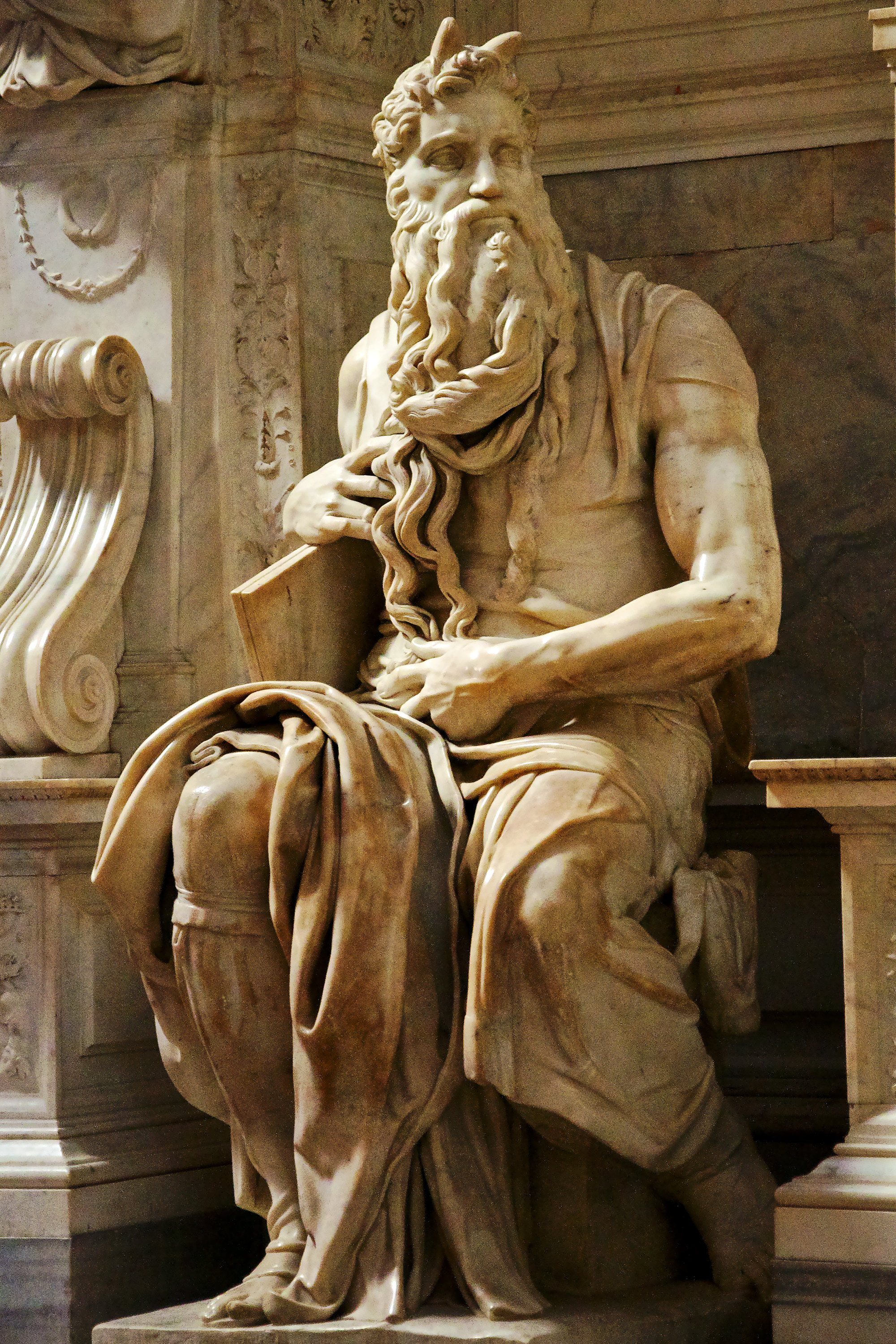
1, Michelangelo (1475-1564)

Michelangelo_Moses

2, Leonardo da Vinci (1452-1519)

429px-Leonardo_da_Vinci_-_Virgin_of_the_Rocks_(detail)_-_WGA12695

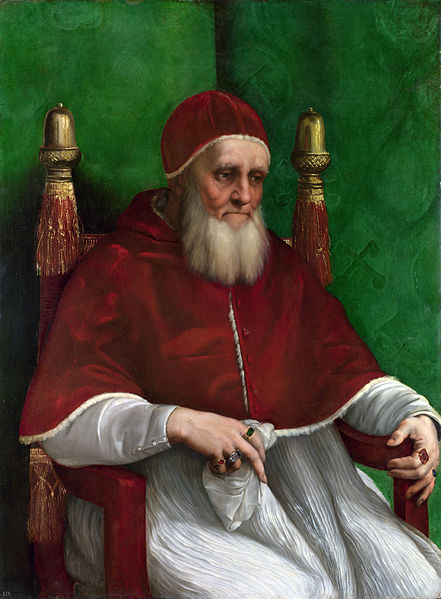
3, Raphael  (1483 – 1520)

Pope_Julius_II

No surprises in the first three seeds; the only debate is probably the order. I went with Michelangelo because of his versatility and longevity. If this contest was to determine history’s greatest creator, Da Vinci would probably be the No. 1 seed. If Raphael lived longer, he might have moved up. (According to Vasari, Raphael succumbed at 37 after he “continued to divert himself beyond measure with the pleasures of love” and died from too much sex.)

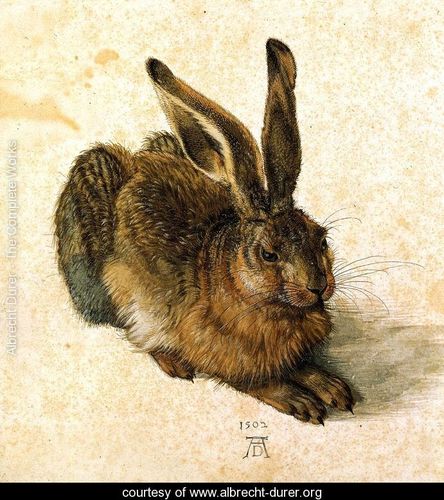
4, Albrecht Durer (1471 – 1528)

Young-Hare-I

Durer is the first non-Italian in the bracket. Prolific and accomplished, Durer’s wood cuts were widely reproduced in his lifetime, making him an early art star.

5, Titian 1488/90 – 1576

800px-Titian,_Sacra_Conversazione,_The_Madonna_and_Child_with_Saints_Luke_and_Catherine_of_Alexandria

Leader of the Venetian school, master of color and light. Titian’s birth date is unknown, which led to a public spat between British politicians David Cameron and Gordon Brown over his age at death.

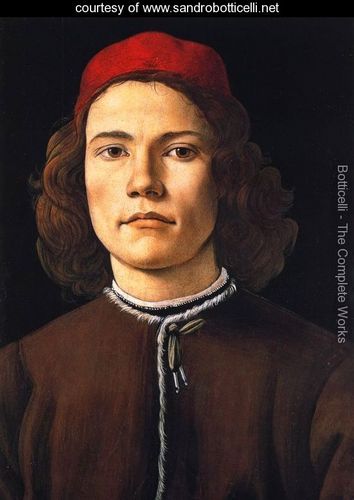
6,  Sandro Botticelli 1445 – 1510

Portrait-of-a-Young-Man

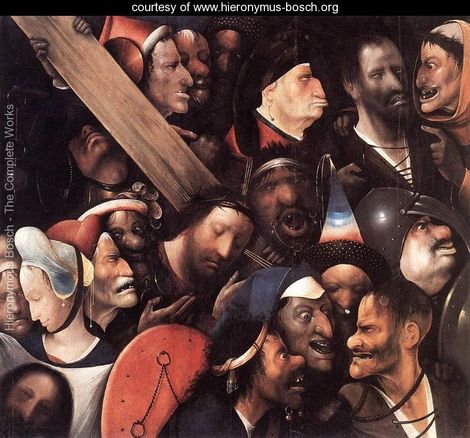
7, Hieronymous Bosch (c 1450 – 1516)

Christ-Carrying-the-Cross-1515-16

500 years later, Bosch’s work is still creepy as hell.

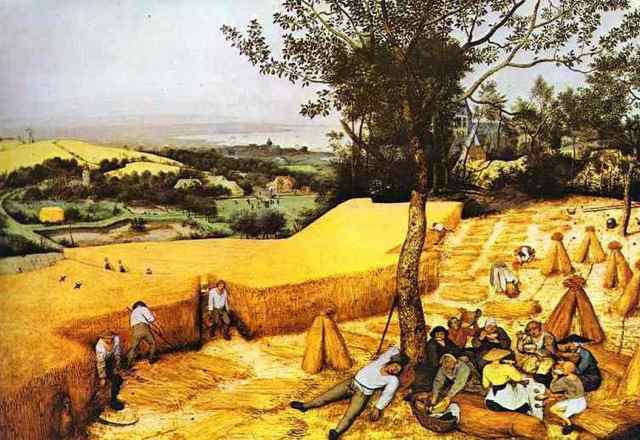
8,  Pieter Bruegel the Elder (1525 – 1569)

Bruegel

Maybe the greatest painting in the Metropolitan Museum of Art. Maybe the greatest Old Master painting in North America.

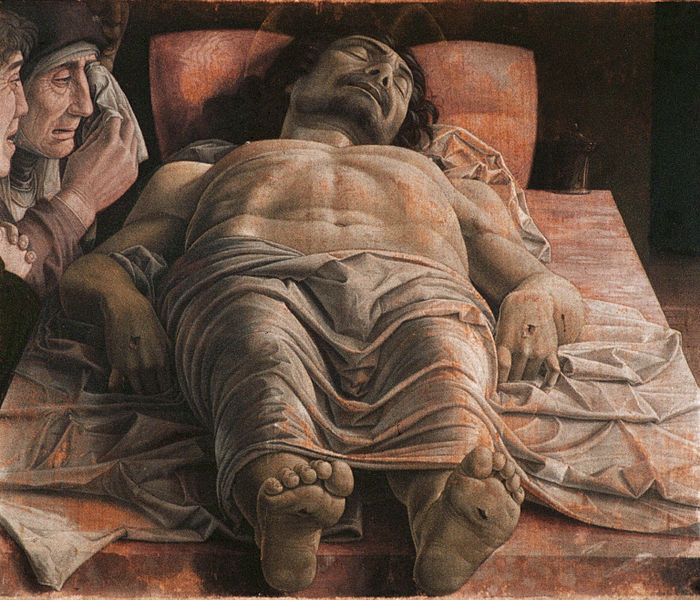
9, Andrea Mantegna (1431 – 1506)

Andrea_Mantegna_-_The_Dead_Christ

10, Jan Van Eyck (c. 1390 – c. 1441)

Portrait_of_a_Man_in_a_Turban_(Jan_van_Eyck)

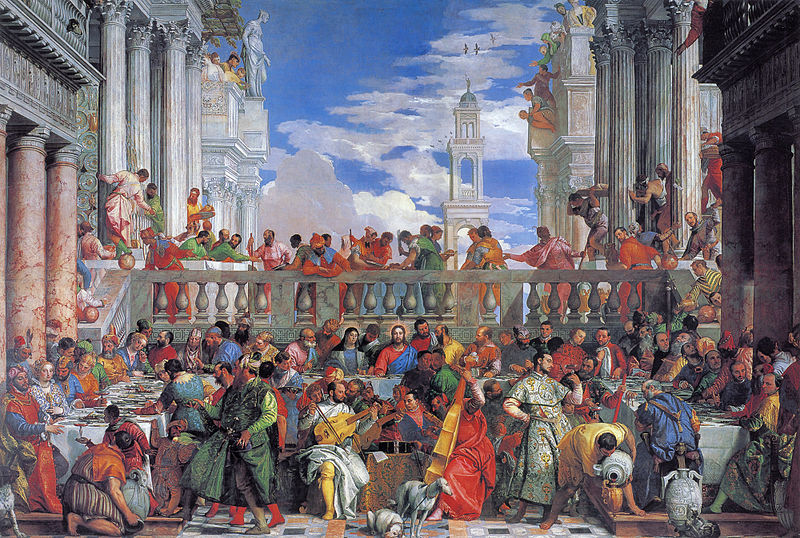
11, Veronese (1528 – 1588)

Paolo_Veronese,_The_Wedding_at_Cana

12, Hans Holbein the Younger (1497- 1543)

427px-Hans_Holbein,_the_Younger,_Around_1497-1543_-_Portrait_of_Henry_VIII_of_England_-_Google_Art_Project

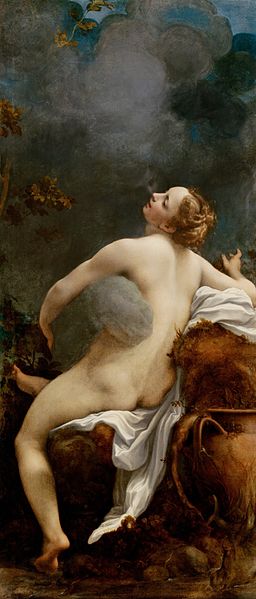
13, Antonio da Correggio (1489 – 1534)

256px-Correggio_028c

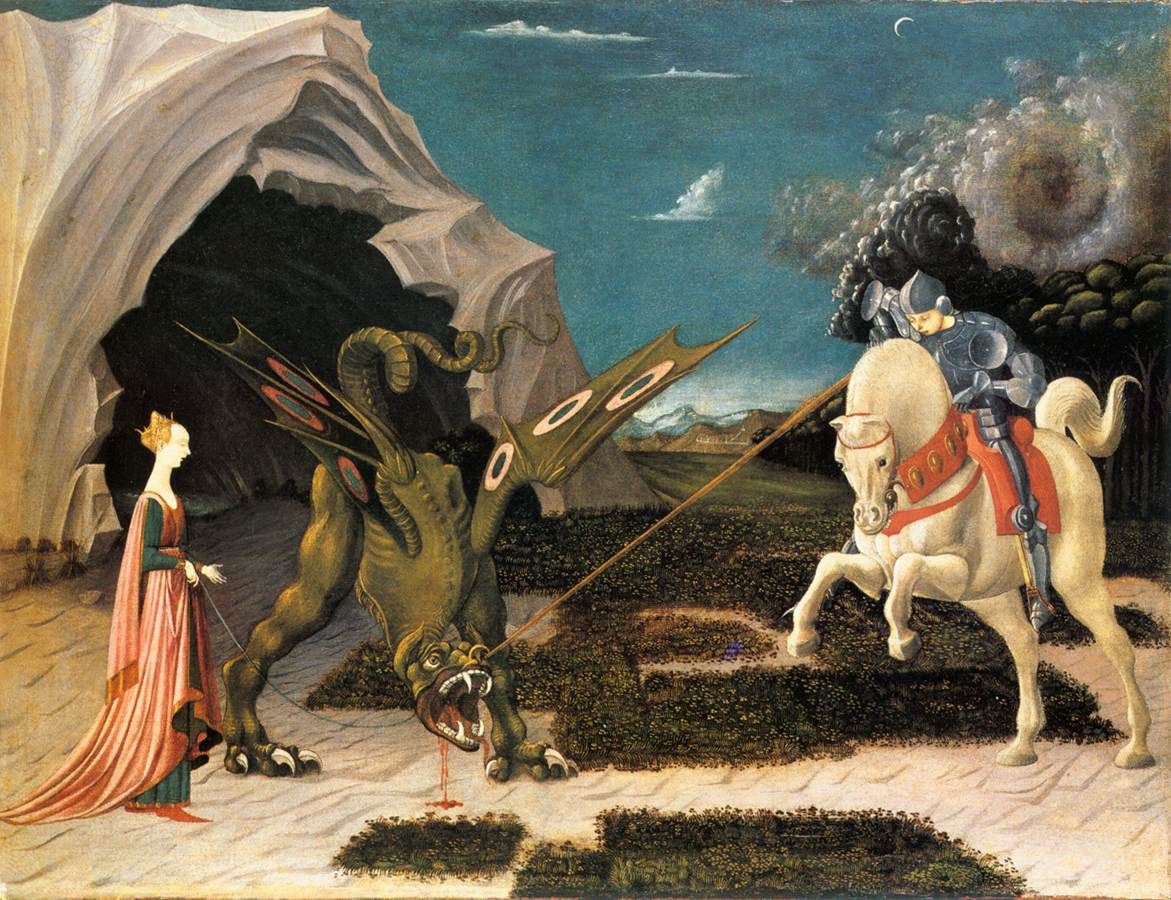
14, Paolo Ucello (1397 – 1475)

st-george-and-the-dragon

No one paints horses (or dragons, or anything else) like Uccello.

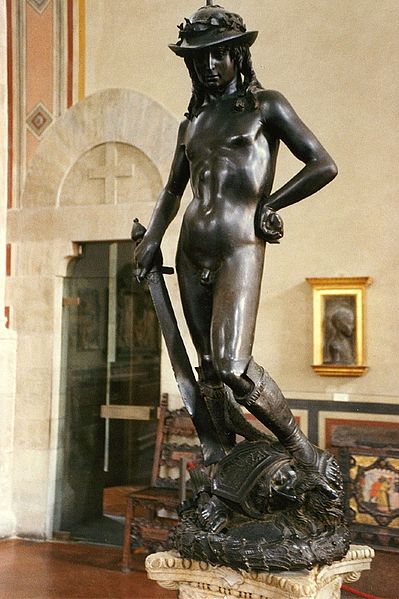
15, Donatello (1386 –  1466)

David_by_Donatello

One of only two sculptors in the bracket.

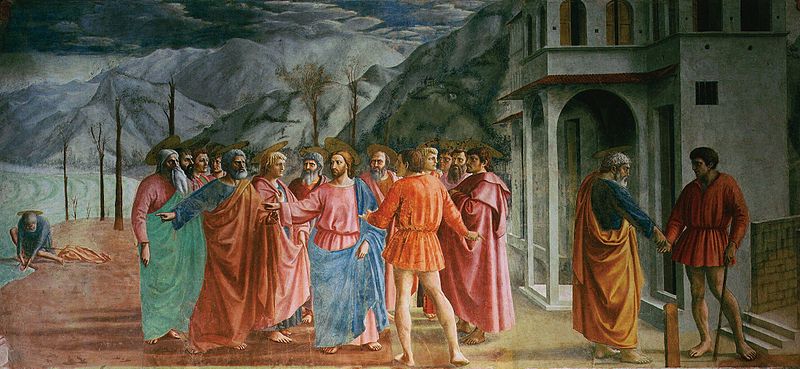
16, Masaccio (1401 – 1428)

Masaccio7

Another artist who would have been higher had he lived longer. Sneaks in to grab the last seed.

On the bubble: Lucas Cranaach the Elder, Giorgione, Tintoretto, Giovanni Di Paolo


Newer posts →
  • “The World’s Greatest Comic Magazine!” Fantastic Four Annual No. 15
  • “The World’s Greatest Comic Magazine!” Fantastic Four No. 223
  • “The World’s Greatest Comic Magazine!” Fantastic Four No. 222
  • “The World’s Greatest Comic Magazine!” Fantastic Four No. 221
  • “The World’s Greatest Comic Magazine!” Fantastic Four No. 220
  • July 2026
  • June 2026
  • May 2026
  • April 2026
  • March 2026
  • February 2026
  • January 2026
  • December 2025
  • November 2025
  • October 2025
  • September 2025
  • August 2025
  • July 2025
  • June 2025
  • May 2025
  • April 2025
  • March 2025
  • February 2025
  • January 2025
  • December 2024
  • November 2024
  • October 2024
  • September 2024
  • August 2024
  • July 2024
  • June 2024
  • May 2024
  • April 2024
  • March 2024
  • February 2024
  • January 2024
  • December 2023
  • November 2023
  • September 2023
  • July 2023
  • June 2023
  • May 2023
  • April 2023
  • March 2023
  • February 2023
  • January 2023
  • December 2022
  • November 2022
  • October 2022
  • September 2022
  • August 2022
  • July 2022
  • June 2022
  • May 2022
  • April 2022
  • March 2022
  • February 2022
  • January 2022
  • December 2021
  • November 2021
  • October 2021
  • September 2021
  • August 2021
  • July 2021
  • June 2021
  • May 2021
  • April 2021
  • March 2021
  • February 2021
  • January 2021
  • December 2020
  • February 2018
  • May 2016
  • February 2016
  • January 2016
  • December 2015
  • November 2015
  • October 2015
  • September 2015
  • August 2015
  • July 2015
  • April 2015
  • March 2015
  • January 2015
  • December 2014
  • November 2014
  • October 2014
  • September 2014
  • August 2014
  • June 2014
  • May 2014
  • April 2014
  • March 2014
  • February 2014
  • July 2026
  • June 2026
  • May 2026
  • April 2026
  • March 2026
  • February 2026
  • January 2026
  • December 2025
  • November 2025
  • October 2025
  • September 2025
  • August 2025
  • July 2025
  • June 2025
  • May 2025
  • April 2025
  • March 2025
  • February 2025
  • January 2025
  • December 2024
  • November 2024
  • October 2024
  • September 2024
  • August 2024
  • July 2024
  • June 2024
  • May 2024
  • April 2024
  • March 2024
  • February 2024
  • January 2024
  • December 2023
  • November 2023
  • September 2023
  • July 2023
  • June 2023
  • May 2023
  • April 2023
  • March 2023
  • February 2023
  • January 2023
  • December 2022
  • November 2022
  • October 2022
  • September 2022
  • August 2022
  • July 2022
  • June 2022
  • May 2022
  • April 2022
  • March 2022
  • February 2022
  • January 2022
  • December 2021
  • November 2021
  • October 2021
  • September 2021
  • August 2021
  • July 2021
  • June 2021
  • May 2021
  • April 2021
  • March 2021
  • February 2021
  • January 2021
  • December 2020
  • February 2018
  • May 2016
  • February 2016
  • January 2016
  • December 2015
  • November 2015
  • October 2015
  • September 2015
  • August 2015
  • July 2015
  • April 2015
  • March 2015
  • January 2015
  • December 2014
  • November 2014
  • October 2014
  • September 2014
  • August 2014
  • June 2014
  • May 2014
  • April 2014
  • March 2014
  • February 2014
“The World’s Greatest Comic Magazine!” Fantastic Four Annual No. 15

“The World’s Greatest Comic Magazine!” Fantastic Four Annual No. 15

percivalhenry's avatar by percivalhenry July 18, 2026
“The World’s Greatest Comic Magazine!” Fantastic Four No. 223

“The World’s Greatest Comic Magazine!” Fantastic Four No. 223

percivalhenry's avatar by percivalhenry July 14, 2026
“The World’s Greatest Comic Magazine!” Fantastic Four No. 222

“The World’s Greatest Comic Magazine!” Fantastic Four No. 222

percivalhenry's avatar by percivalhenry July 5, 2026
“The World’s Greatest Comic Magazine!” Fantastic Four No. 221

“The World’s Greatest Comic Magazine!” Fantastic Four No. 221

percivalhenry's avatar by percivalhenry June 25, 2026
“The World’s Greatest Comic Magazine!” Fantastic Four No. 220

“The World’s Greatest Comic Magazine!” Fantastic Four No. 220

percivalhenry's avatar by percivalhenry June 15, 2026
“The World’s Greatest Comic Magazine!” Fantastic Four No. 219

“The World’s Greatest Comic Magazine!” Fantastic Four No. 219

percivalhenry's avatar by percivalhenry June 7, 2026

Blog at WordPress.com.

  • Subscribe Subscribed
    • Percival Henry: The Fantastic Four and more
    • Join 74 other subscribers
    • Already have a WordPress.com account? Log in now.
    • Percival Henry: The Fantastic Four and more
    • Subscribe Subscribed
    • Sign up
    • Log in
    • Report this content
    • View site in Reader
    • Manage subscriptions
    • Collapse this bar
Loading Comments...