• About Percival Henry

Percival Henry: The Fantastic Four and more

~ Blogging the Fantastic Four issue by issue (plus whatever else grabs my attention)

Percival Henry: The Fantastic Four and more

Category Archives: Year of Fiction

Closing the Books on A Year of Fiction

01 Sunday Mar 2015

Posted by percivalhenry in Year of Fiction

≈ Leave a comment

At the beginning of 2014, I resolved to devote the year to reading fiction, and only fiction. This was spurred in part by the growing pile of unread books I’d lugged from house to house (and country to country) and in part by being self-conscious about how few books I read.

So, a year later, Mission Accomplished. Reading mainly during my commute, I managed to knock off 17 novels and novellas. There were a mix of classics I was appalled I’d never read, some works of contemporary fiction that got a lot of attention, books by friends and a handful of science fiction, some classic, some less so.

Here’s how they break down:

Most Lackluster
8664368

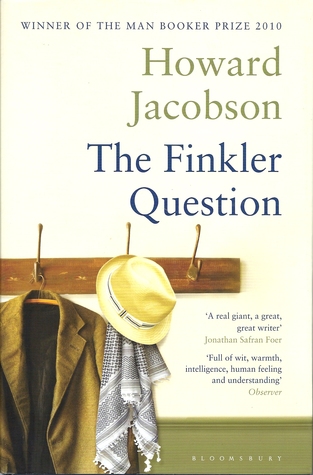
The Finkler Question, by Howard Jacobson (2010).

I didn’t know much about “The Finkler Question” when I picked it up, but it had won the Booker Prize and the jacket copy promised an exploration of Jewish identity in modern Britain. Unfortunately, the protagonist was more caricature than person, and so the uneventful narrative, which mainly consisted of his bouncing between two other characters in London, never captured my attention. Many of the ideas raised are interesting and remain pressing – how should liberal Jews reconcile their alarm about Israel? – but as fiction, it was tepid.

Most Exhausting
9780393972832_300

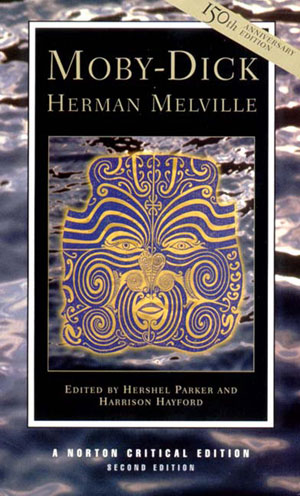
Moby-Dick, by Herman Melville (1851)

Reading “Moby-Dick” was a major project. I started it a few years ago before picking it up again and spent months reading it on and off before making a major push to finish that last few hundred pages. It’s a maddening book to read, as Melville interrupts his narrative with long sections on the nature of whales and the history of whales, filled with obscure classical and Biblical references and digs at other writers. The plot fades in and out, like a radio station in the mountains, and when it finally comes in clear and strong, in the last third of the book, it can be thrilling. Melville wrestles with big themes, about man, nature and God, and that’s probably how Moby-Dick earned its reputation, but he’s also a gifted stylist. There’s humor, horror and poetry in this book.

Most Satisfying
51K5KmcOlNL._SY344_BO1,204,203,200_

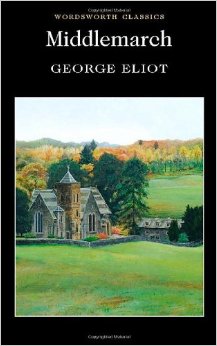
Middlemarch, by George Elliot (1874)

Like “Moby-Dick,” “Middlemarch” was an attempt to tackle a classic, one of those books that appear on lists of the 100 greatest novels and that produced a twinge of guilt because I hadn’t read it. I also wanted to read an English book – living in London, I felt a certain obligation to the natives – and “Middlemarch” is unmistakably English. Set in a rural town around 1830, a period of social and political upheaval, the novel traces the lives of a handful of men and women straining against the confines of their class and culture. The  plot gradually builds to a defining event that might seem incidental in another book, but because Elliot has so completely drawn the reader into her narrative, it feels like an earthquake. And while I expected a sophisticated, powerful novel, I was constantly surprised by Elliott’s sharp observations and biting word play. It’s a 19th century novel, but much of it feels fresh and alive.

Most Chilling
imgres

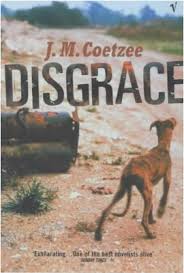
Disgrace, by J.M. Coetzee (1999)

While Cormac McCarthy’s “The Road” was probably the most horrifying book I read last year, it is fantasy – and set in a post-apocalyptic future, we are insulated from its terrors by the comforting reality of the present. Not so “Disgrace,” which, while set in South Africa and drawing on the dark history of that nation to spin its plot, is also about the rot and decay that lies within all of us. “Disgrace” tells the story of a Cape Town professor who, through his arrogance and narcissism, tumbles out of his position of privilege and into a state of numb apathy, powerless to protect his daughter from the violence of a country in turmoil. Coetzee writes with a spare elegant voice that makes the brutality all the more vivid. The final, quiet scene in an animal shelter is as grimly nihilistic as all of McCarthy’s evocations of depravity and cannibalism.

Most Dazzling
Thecorrectionscvr

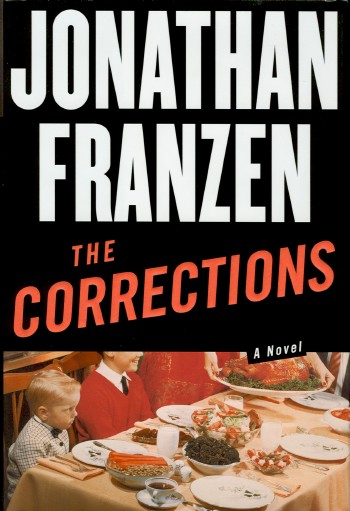
The Corrections, by Jonathan Franzen (2001)

“The Corrections” sat on a bookshelf for a decade, daring me to read it. I occasionally packed it on trips, only to return with it unopened, cowed by its reputation for brilliance. After biting the bullet, I realize now, my instincts were correct. It is brilliant: a dizzying, exhilarating, penetrating, often hilarious and sometimes creepy satire about America at the turn of the last century. There is sort of a plot, but it’s not really about narrative as much as about characters, an elderly midwestern couple and their three adult-ish children stumbling through their lives. Into this mix Franzen throws in a sharp critique of modern capitalism and culture, told in suburban kitchens, liberal arts colleges, cruise ship dining rooms, biotech investor days and Lithuanian palaces. Yet, despite Franzen’s abundance of shrewd observations, he failed to predict the future. Written on the eve of Sept. 11, the concerns of “The Corrections” can’t help but feel small and dated, compared to the horrors that were to come.

Most Surprising

PKD-high_castle-penguinclassics

The Man in the High Castle, by Philip K. Dick (1962)

Acknowledged as an alternative history masterpiece, I knew little about the “The Man in the High Castle” save it conjured an America after Germany and Japan won World War II. But rather than a conventional narrative focusing on the leadership and power structures of this new reality, as I imagined, the book follows a handful of ordinary and less ordinary characters making their way in Japanese-controlled California. As they bumble their way through a meandering, multi-threaded story, the geopolitical landscape unfolds and the atrocities of the Axis powers are slowly revealed. The writing is rich, intricate and oblique, with long excursions into the workings of the I-ching, and the market for Americana kitsch items among the new Japanese bourgeoise. The plot picks up in the last quarter, and resembles something like a conventional thriller before reaching its puzzling, challenging conclusion. Amazon is making a TV series based on “Man in the High Castle,” but apparently has little of the book’s nuance. It may be closer to what I was expecting.

Most Disappointing
41shWIN+ssL

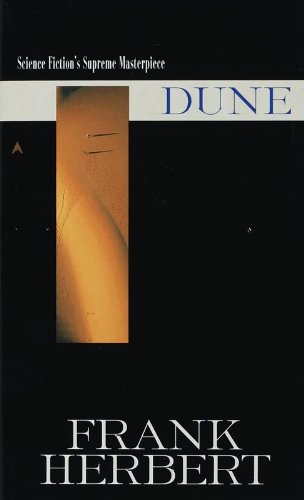
Dune, by Frank Herbert (1965)

“Dune” was a victim of my unrealistic expectations. Since it routinely tops lists of the greatest works of science fiction, I had high hopes. And while there’s a lot to admire in the book’s ambition, sweep and creativity, the book let me down in a lot of ways. Set in distant future, where feudal lords rule planets, the plot centers over a struggle between two noble houses, one of which is exiled to a desert planet and crushed by their enemy. The son of the deposed lord immerses himself in the native culture, discovers hidden powers, becomes their leader and leads a revolt that topples the evil emperor. If that all sounds a bit pat, I thought so, too. Despite Dune’s vivid settings and glacial pacing, the plot is ultimately thin and predictable and the writing often pompous and clichéd. The rich detail is what kept my attention: Herbert dives deeply into the cults, rituals, politics and ecology of his invented world’s, and it’s often fascinating. Unfortunately, the whole is somewhat less than the sum of its parts.

Here’s the full list of the fiction I completed last year:

1, The Man in the High Castle (Dick)
2, Disgrace (Coetzee)
3, The Finkler Question (Jacobson)
4, The Moon is a Harsh Mistress (Heinlein)
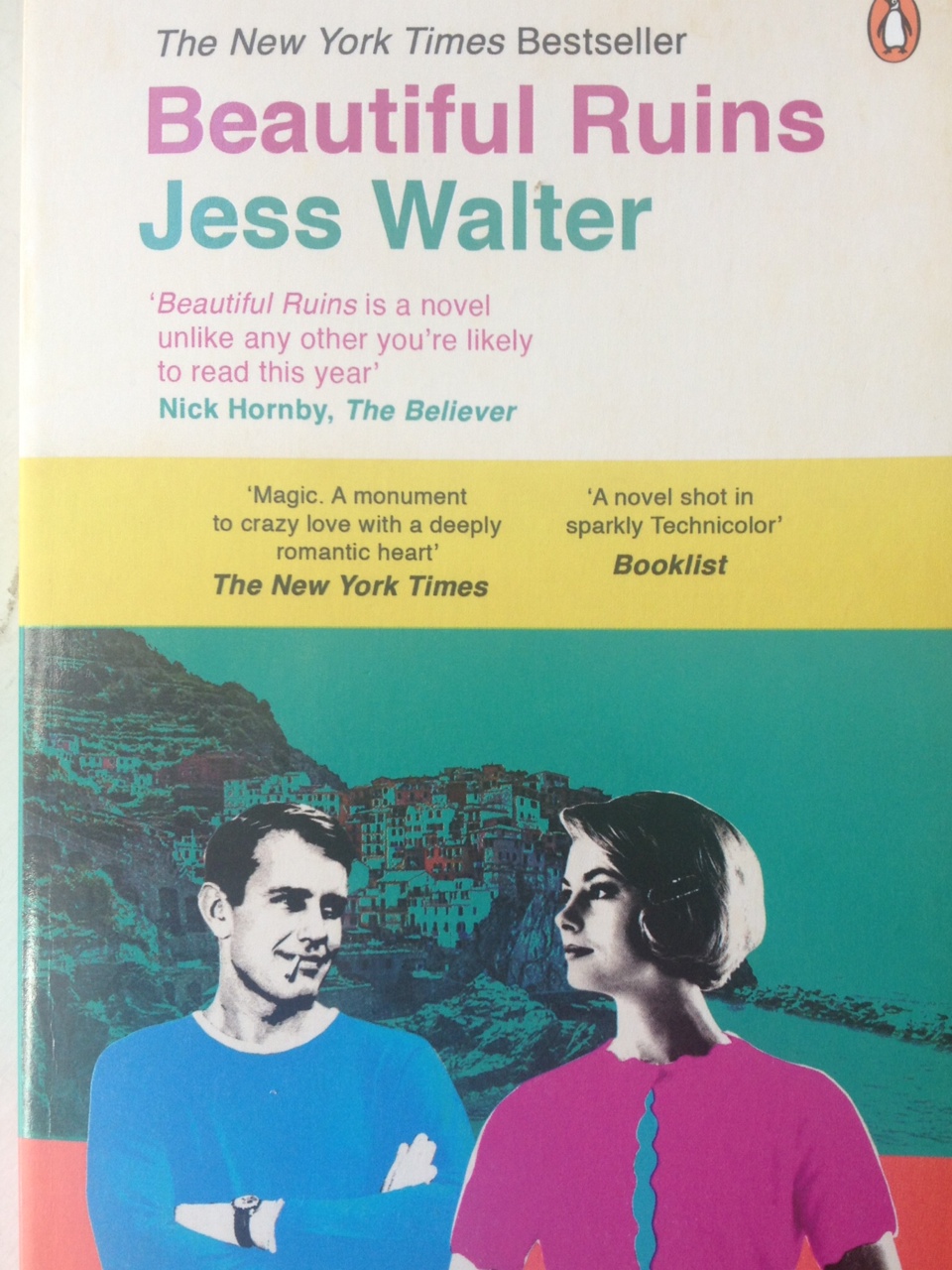
5, Beautiful Ruins (Walter)
6, Petropolis (Ulinich)
7, The Caves of Steel (Asimov)
9, Winter in the Blood (Welch)
10, Lena Finkle’s Magic Barrel (Ulinich)
11, The Strange Case of Dr Jekyll and Mr Hyde (Stevenson)
12, Moby-Dick (Melville)
13, The Road (McCarthy)
14, The Corrections (Franzen)
15, Leviathan Wakes (Corey)
16, Middlemarch (Elliot)
17, Dune (Herbert)
 

Year of Fiction: Moby-Dick, by Herman Melville (1851)

18 Sunday Jan 2015

Posted by percivalhenry in Year of Fiction

≈ Leave a comment

9780393972832_300

I finished Moby-Dick a few months ago and I’m still sort of astonished I did. It’s more or less how I felt after finishing my first marathon. It’s an amazing, exhausting, frustrating and brilliant book, and I’ve been tumbling the themes and images over in my head since I completed it. There’s a lot to say about it, but since there’s probably little I could say that hasn’t been said before, I’ve held off writing about it.

As I read it, I kept thinking how theatrical the book was and, particularly, how cinematic. Melville paints rich pictures of the sea and sky, the bloody work of whaling and hard, sweaty labor of the men who do it. Consider this description, in chapter 96, of the three harpooners boiling blubber into oil at the Pequod’s “try-works” as the ship sailed deep into the night:

Their tawny features, now all begrimed with smoke and sweat, their matted beards, and the contrasting barbaric brilliancy of their teeth, all these were strangely revealed in the capricious emblazonings of the works. As they narrated to each other their unholy adventures, their tales of terror told in words of mirth; as their uncivilized laughter forked upwards out of them, like the flames from the furnace; as to and fro, in their front, the harpooneers wildly gesticulated with their huge pronged forks and dippers; as the wind howled on, and the sea leaped, and the ship groaned and dived, and yet steadfastly shot her red hell further and further into the blackness of the sea and the night, and scornfully champed the white bone in her mouth, and viciously spat round her on all sides; then the rushing Pequod , freighted with savages, and laden with fire, and burning a corpse, and plunging into that blackness of darkness, seemed the material counterpart of her monomaniac commander’s soul.

Consider, also, the scenes when Tashtego falls into the whale’s skull, or when Ahab rails at the St. Elmo’s Fire on the masts, or when the Pequod is pursued by Malay pirates as it chases a pod of whales, or when Starbuck picks up Ahab’s musket and contemplates murdering the sleeping captain.

Melville wrote Moby-Dick as a novel, because what other choices did he have in 1850? The influence of Shakespeare is obvious, but the book would fail written as a play; without the sea and ship and, of course, the whale, it would lose all the tension between man and nature that is at the heart of the book. But what about a movie? If Melville were alive today, would he want Moby-Dick made into a movie? I think yes (not least because he was broke).

Moby-Dick has been filmed, and I was surprised to discover how many versions there are (I confess to having seen none of them). There’s the well-regarded 1956 version directed by John Huston (screenplay by Ray Bradbury!), with Gregory Peck as Ahab. There’s a 1998 TV movie, with Patrick Stewart as Ahab and Peck returning to play Father Mapple. There’s a 2011 TV miniseries, with William Hurt as Ahab and Ethan Hawke as Starbuck. There are silent versions, a cartoon versions, parody versions. There’s even a version set in a nuclear submarine, featuring a 400-foot whale that attacks helicopters. (Seriously. Check out the trailer.)

I conjured up a version directed by Steven Spielberg (Jaws meets Amistad!), and starring Daniel Day-Lewis as Ahab. I had fun on Twitter casting the movie and soliciting suggestions. But I also encountered resistance from one follower, who argued that the format of the novel – which includes lengthy non-fiction digressions about whales and the history and nature of whaling – makes it impossible to film and maintain the integrity of the work. He argued that the digressions needed to be in the movie, as true to Melville as possible.

I disagree. Melville’s long, often tedious asides are essentially footnotes, there to help the reader understand the world of whaling. They’re not part of the narrative, but they support the narrative. In a movie, what’s necessary to the telling of Moby-Dick can be told through the characters, and what’s not can be excluded.

watchmen_ver18_xlg

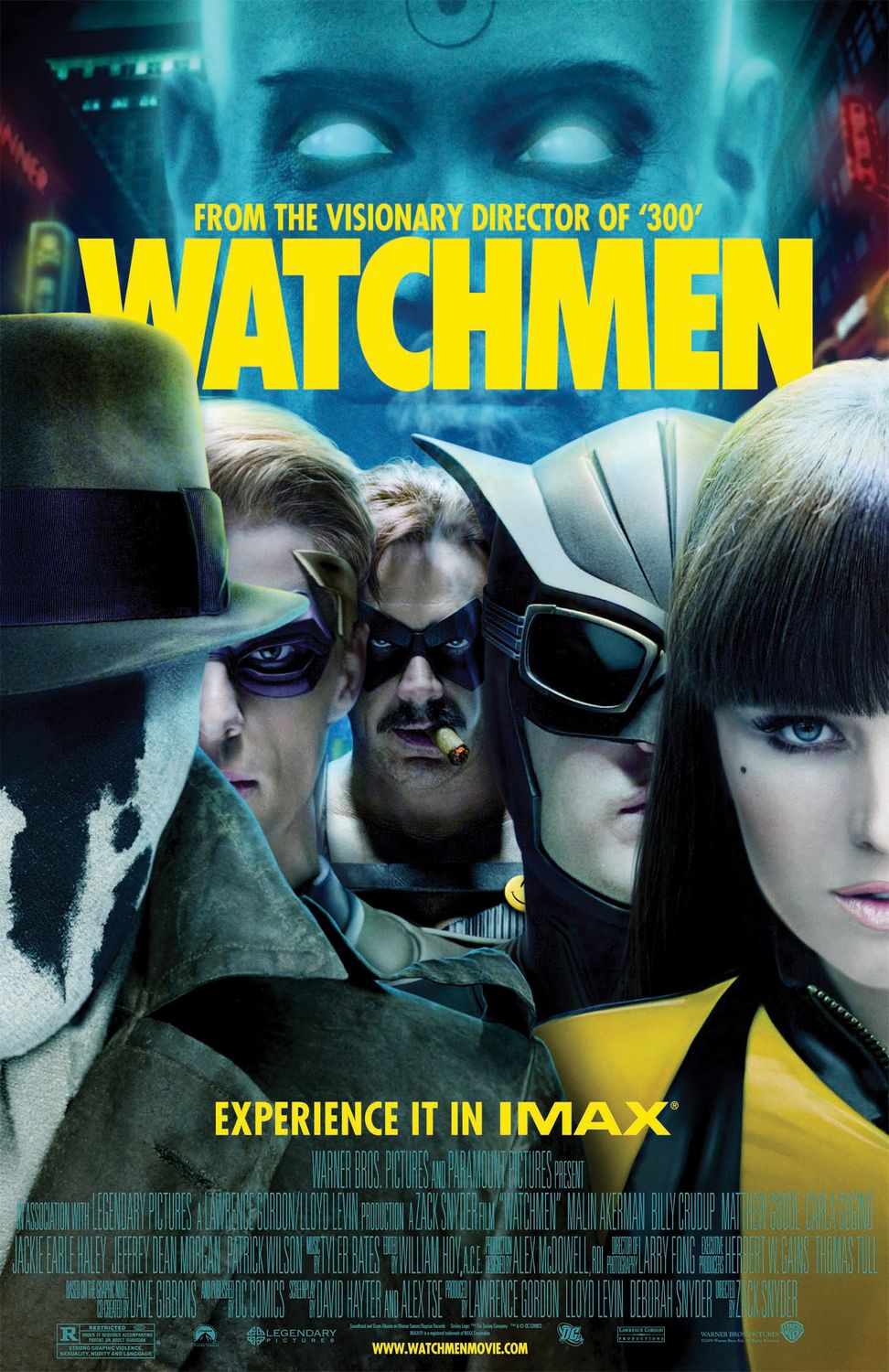
Slavish devotion to the source material can be as big a mistake as ignoring it. “Watchmen,” Zack Snyder’s 2009 movie version of the 1985 comic book, was as close to a panel-for-panel adaptation is possible, and yet failed because what works in a comic doesn’t necessarily work in film. Peter Jackson’s “Lord of the Ring” struck the right balance, cutting scenes and manipulating the order of events to suit the conventions of movie making, yet staying true to the tone and spirit of Tolkien’s books.

Later this year, “In the Heart of the Sea,” a big-budget movie by Ron Howard opens. The movie is based on a 2000 non-fiction book by Nathanial Philbrick, but very prominently claims to be “based on the incredible true story that inspired Moby-Dick.” This might be Hollywood’s latest solution to tackling Melville: by adapting a modern book, it maintains a modern sensibility yet preserves the man vs. whale conflict at the heart of the book.

It’s understandable, but unfortunate, but because won’t have the slightly unhinged richness and mania of Melville. It easy to make an earnest account of the dangers of whaling; much harder to include – as Melville does – scenes of Fleece, the cook, arguing with sharks; Ishmael and the polynesian harpooner Queequeg sharing a bed in port; and later, Queequeg commissioning a coffin that eventually saves Ishmael life. Melville writes with humor, wit and passion, and that’s much harder to adapt for film than any of his treatises on whaling law or flensing technique.

Year of Fiction: Rosamond Vincy

13 Saturday Dec 2014

Posted by percivalhenry in Year of Fiction

≈ Leave a comment

Sullly.portrait.1832

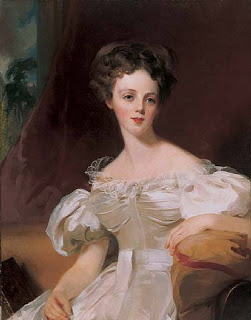
(NOT Rosamond Vincy, but close enough. By Thomas Sully).

For the last month I’ve been steadily churning through Middlemarch, George Elliot’s masterpiece about class and society in an English country town. It is very good, and suggests all sorts of interesting questions, one of which I plan on writing about here. I have two caveats: I have not finished the book and it’s entirely possible the coming events will make this post meaningless. Also, there will be spoilers.

There are three main female characters in Middlemarch:

1, Dorothea Brooke is perhaps the most prominent of all characters in the novel. She’s headstrong, virtuous and naive. She pursues a marriage to Casaubon out of a sense of misplaced desire to have a life of significance and learns quickly the error of that decision. She loves Will Ladislaw, but is powerless to act upon it.

2, Mary Garth is a plain girl from a poor family, but has strength of character. She refuses to consider Fred Vincy until he gets his act together, and when urged to burn the will of Peter Featherstone, her employer on his death bed, she refuses, unwilling to be drawn into his family drama.

3, Rosamond Vincy is a pretty girl from a respectable family. Pursued by the town’s eligible men, notably the foppish Ned Plymdale, she is drawn to the confident doctor, Tertius Lydgate.

Initially, Rosamond has none of the dimension of Dorothea and Mary, and seems to serve only as a model of a respectable young woman of her age. For much of the book, Rosamond hovers in the background, appearing only drive home points about the male characters. We meet her first as the well-mannered good daughter, in contrast with her brother Fred, who is in debt and causing his family trouble. Then she’s the object of Lydgate’s attention,  and it’s in his courting of her that we see how superior he is to the other men of the Middlemarch.

But it’s through her marriage to Lydgate that her character is fully realized, and Rosamond becomes among the most interesting people in the novel. For Rosamond, Lydgate is a stepping stone to a bigger, more exciting world. He comes from a prominent family from northern England, and while he seems to despise them, she hopes to leverage his connections. She has no interest in his work as a doctor – she thinks his experiments are morbid –  but admires his breeding and status.

Lydgate’s intensity, however, has made him unpopular in town, and his reluctance to prescribe the useless medicines favored by his peers is viewed suspiciously by potential patients. His practice suffers, and he soon realizes their lavish lifestyle has left them in debt. He confronts Rosamond with this and tells her they need to sell some of the silver, and she is horrified. When Lydgate proposes additional sacrifices, including making do with one servant instead of three and – most drastically – moving into a smaller house, Rosamond rebels.

She quietly sabotages Lydgate’s efforts to find a new tenant for their house, and without telling him, writes his wealthy uncle asking for help. The uncle refuses, and Lydgate is aghast. Throughout their debt trauma, Lydgate is brusque and demanding, rejecting any suggestions from Rosamond about how to improve his practice and insisting she obey him. But as drawn by Elliot, she’s even worse.

Unwilling to accept any inconvenience, Rosamond conspires against her husband to advance her own goals. She listens placidly to Lydgate’s lecture, then ignores him, believing herself to be the injured party. Convinced of her correctness, she dismisses any other possibility. Lydgate, the uncle, the debtors, even her father, were all responsible for her distress:

“In fact, there was but one person in Rosamond’s world she did not view as blameworthy, and that was the graceful creature with blonde plaits and little hands crossed before her, who had never expressed herself unbecomingly, and had always acted for the best – the best naturally being what she best liked.”

Rosamond’s behavior is abominable. But, crucially, it is effective.

This is what make he so interesting: Rosamond pulls the few levers available to her to get what she wants. Consider her options in England of 1832. She resents her husband, who she believes has deceived her about the life together she was to expect. Divorce is not an option. She owns no property, and has no means to earn her own living. Instead, she exerts force where she can, squeezing Lydgate to get what she believes she is owed.  As she tells him: “I think it was to be expected that I should try to avert some of the hardships which our marriage has brought on me.”

In her view, he has defaulted on the contract and she is resolved to salvage what she can from it. As I stipulated, I haven’t finished the book, and it’s possible her resolve crumbles (or that she dies, a proven solution for disposing of inconvenient characters). But through this episode, at least, she manages her options deftly.

Compare her to the Dorothea Brooke, who never acts in her own interest, but sacrifices herself first to Casaubon, then to an idealized sense of propriety. Or Mary Garth, who rejects Featherstone’s promises of money her family desperately needs.

Rosamond isn’t likable, or even admirable. But in a novel – and world – where many characters, and most women, are swept along by forces out of their control, she is unyielding.

Year of Fiction: Leviathan Wakes, by James S. A. Corey

12 Friday Sep 2014

Posted by percivalhenry in Year of Fiction

≈ 1 Comment

Tags

Books, fiction, sci-fi

8855321

Among the new statistics taking over baseball is the concept of the “replacement player.” To judge the value of any player, you can measure then against a generic player that might be available to a team as a replacement (hence, the new stat WAR, or Wins Above Replacement). A replacement-level player is basically competent but not outstanding. He won’t do much to hurt you but won’t help, either.

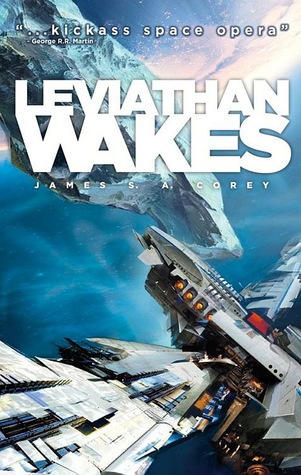
“Leviathan Wakes” is replacement-level science fiction. It’s not terrible, but it’s pretty bland and – time will tell – probably forgettable.

I picked it up on the recommendation of a bookstore clerk in Manchester, and after plowing through some thicker stuff, I was eager for a breezy page turner. “Leviathan Wakes” is set in the not-too-distant future. Humans have spacecraft and have colonized the moons and planets, but haven’t escaped the solar system. The book is the first of a planned trilogy that intends to document mankind’s leap to the stars.

The “author,” James S.A. Corey, is actually the pseudonym of two writers, one of whom is billed as “the assistant to George R.R. Martin,” which explain’s Martin’s breathless blurb on the cover.

The story itself is a lengthy, slightly confusing and occasionally entertaining tour of the asteroid belt, told through the alternating perspectives of an idealistic space pilot and a disillusioned police detective. Their stories converge over an abandoned freighter, a missing woman and a rogue space germ that causes horrifying mutations. The backdrop is an unstable political balance between Earth and Mars that topples into war.

All of this is rich material, but it suffers in the telling. The two main characters too easily fall into genre cliches, the supporting characters are thinly drawn and their milieu of space stations and mining colonies is so standard-issue they seem ordered in bulk from Acme SciFi. (It really suffers in this respect when compared to Heinlein’s Moon is a Harsh Mistress, which has a similar setting, but is far more inventive in creating a unique culture away from Earth). The plot has some twists, and it picks up steam toward the end, but it lumbers on for too long, sagging in the middle. The twin narratives – a device familiar to readers of Martin, and which works in his far-flung narratives – seems unnecessary here, as the two characters frequently cross paths and share the same story.

“Leviathan Wakes” is never outrageously bad, and there are worse ways to pass the time. But it’s hard to root for a replacement player.

Books completed this year:

1, The Man in the High Castle (Dick)
2, Disgrace (Coetzee)
3, The Finkler Question (Jacobson)
4, The Moon is a Harsh Mistress (Heinlein)
5, Beautiful Ruins (Walter)
6, Petropolis (Ulinich)
7, The Caves of Steel (Asimov)
9, Winter in the Blood (Welch)
10, Lena Finkle’s Magic Barrel (Ulinich)
11, The Strange Case of Dr Jekyll and Mr Hyde (Stevenson)
12, Moby-Dick (Melville)
13, The Road (McCarthy)
14, The Corrections (Franzen)
15, Leviathan Wakes (Corey)

Year of Fiction: Lena Finkle’s Magic Barrel, by Anya Ulinich (2014)

13 Wednesday Aug 2014

Posted by percivalhenry in Year of Fiction

≈ Leave a comment

Tags

comics, fiction

9780143125174_LenaFinklesMagicBarrel.indd


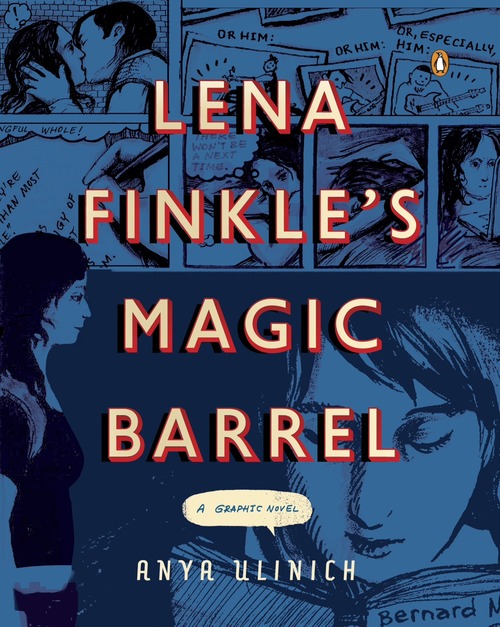
My wife and I are friends with Anya Ulinich, and she sent us an advance copy of her new book a few months ago. At the time, I thought I would hold off writing about until it was published, to, you know, help with that critical marketing push. But in the last few weeks Anya’s book received rave reviews in the Los Angeles Times and New York Times, making my meager contribution less than necessary. To save time, I’ll stipulate that I agree with those reviews: it’s a sharp, clever take on life and love in our confusing times, told from Anya’s unique, divorced-Russian-mother-emigre-in-Brooklyn-by-way-of-Phoenix perspective.

Anya’s book isn’t just a novel, though, it’s a graphic novel, and while the some reviews* treat the art as secondary, it’s not; it’s essential to the story. So if I can add anything to the discussion, it’s as a longtime reader of graphic novels (ie. comic books) who understands that art can work with writing to tell a different sort of story.

Anya comes into graphic novels from an interesting direction: she trained in fine arts (studying with my wife at UC Davis), then wrote a traditional novel (Petropolis) in 2008, before combining the disciplines in “Lena Finkle’s Magic Barrel.” The resulting synthesis is unlike anything I’ve seen before. I don’t know what Anya’s exposure to graphic novels was before she started hers – perhaps none – but she’s clearly at home in the genre, and is happy to play with the form in fun and interesting ways.

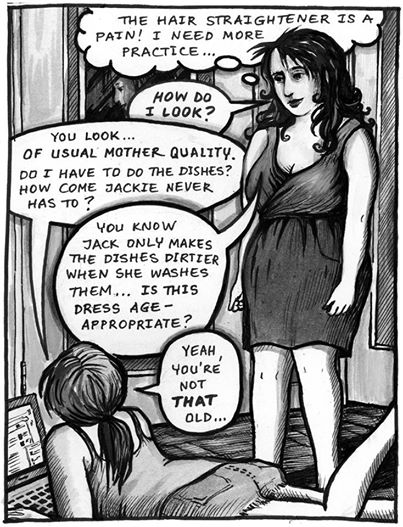
There’s a mix of styles and techniques in “Lena Finkle”, used for different purposes throughout the story. The most frequent is a straightforward, semi-realistic illustration that propels the plot:

10303473_10152586128387269_8499866710991482018_n

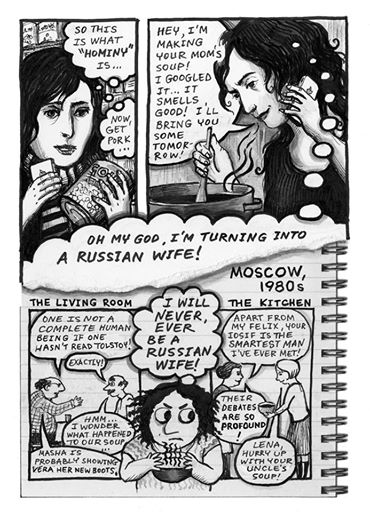
But for flashbacks to her girlhood in Russia, she deploys a cartoony style:

1461030_10152125653137269_1522296221_n

Sometimes the two combine, when Anya’s inner voice appears as a frizzy-haired avatar to mock her, an ingenious representation of her self doubt.

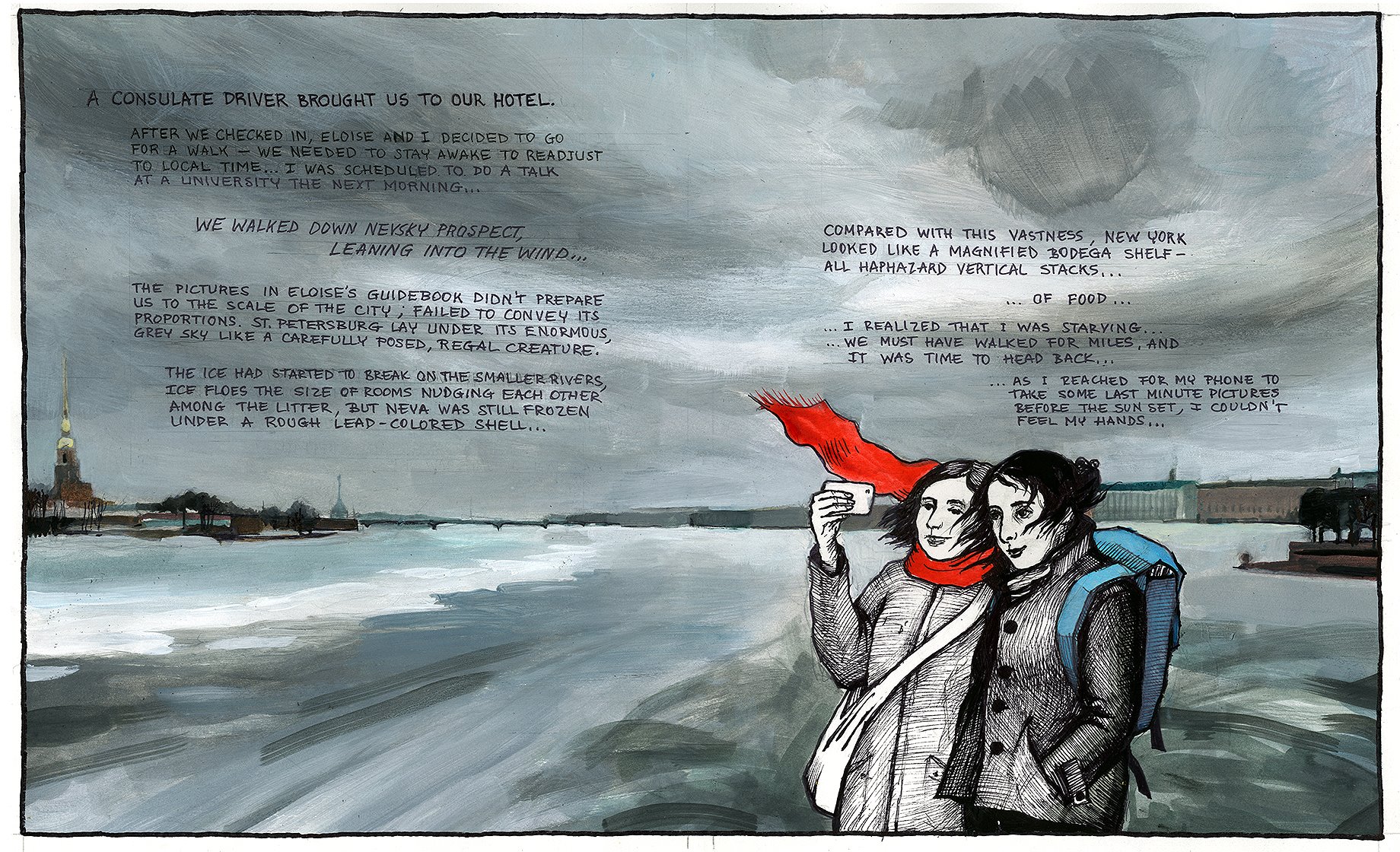
Anya also paints gorgeous, atmospheric images, like this one of St. Petersburg (the color here isn’t in the actual book):

335964_10151038454397269_415700114_o

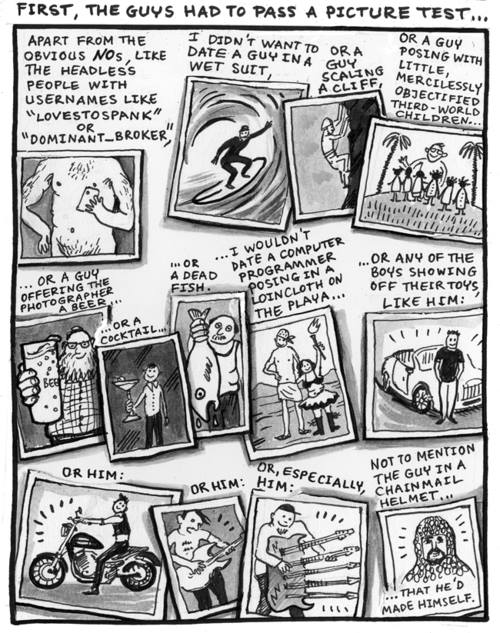
At its best, “Lena” takes full advantage of the opportunities offered by illustration. In journalism, we say “show, don’t tell,” an injunction to breath life into stories with color and detail, and that’s literally possible in a graphic novel. In one great double-page spread, she diagrams the various cliques and social groupings of Arizona State University undergraduates. And here, she gives a run down of potential dates whose online images make them non-starters:

anya

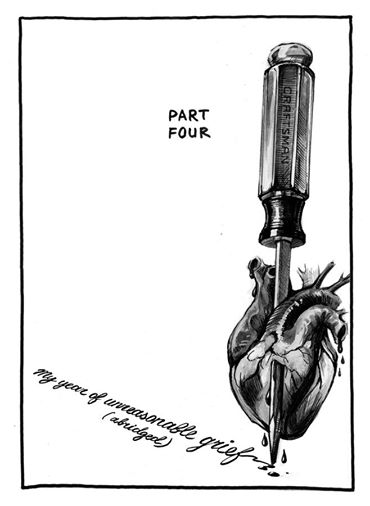
Among Anya’s strengths as an illustrator is knowing when and how to employ her various styles, dialing up and down the realism-to-cartoony meter as the story moves from humor to pathos and back. She’s also a gifted artist, as demonstrated by this chapter introduction:

998556_10151809030527269_37374093_n

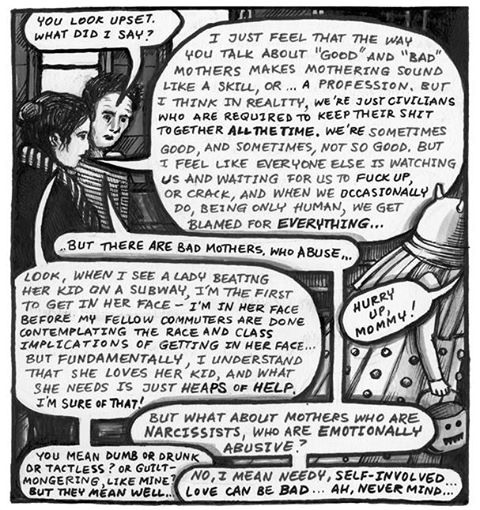
If “Lena Finkle” has a weakness, Anya the Writer can overpower Anya the Illustrator, and at times her text crowds out her art:

1458707_10152081827537269_558021650_n

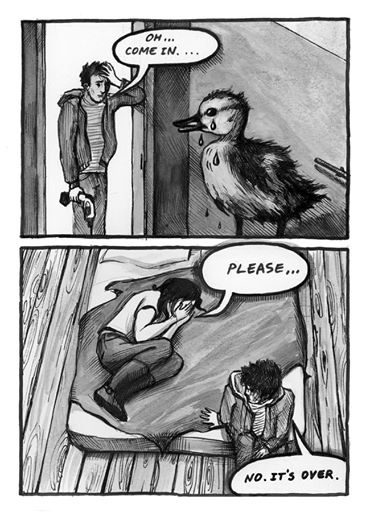
There’s a denseness to Lena’s neurotic introspection that’s part of the character, and her merciless examination of her life and choices give the book it’s honesty. But the story comes most alive when she gives her art room to breath.  The strongest sequence comes at the book’s emotional climax, where Lena is trying (and failing) to understand why she was dumped. Anya draws her as a duckling, in a series of repeating images that captures the despair of the heartbroken. In a novel, Lena-as-duckling is a metaphor. In a graphic novel, Lena can become an actual duckling, literally helpless, a device that shows Anya’s creative embrace of the medium.

37050_10151972644777269_1360201832_n

“Lena Finkle” is in black and white, which is unfortunate, because I suspect Anya would use color in smart and powerful ways. But that’s a quibble. The art soars in black and white, carrying the book with it.  I’m eager to see what Anya does next.

*I fixed this after my wife pointed out a number of reviewers did write about the art. I was generalizing. My bad.

Books completed this year

1, The Man in the High Castle (Dick)
2, Disgrace (Coetzee)
3, The Finkler Question (Jacobson)
4, The Moon is a Harsh Mistress (Heinlein)
5, Beautiful Ruins (Walter)
6, Petropolis (Ulinich)
7, The Caves of Steel (Asimov)
9, Winter in the Blood (Welch)
10, Lena Finkle’s Magic Barrel (Ulinich)
11, The Strange Case of Dr Jekyll and Mr Hyde (Stevenson)
12, Moby-Dick (Melville)
13, The Road (Cormac McCarthy)

Year of Fiction: My Next Book

18 Wednesday Jun 2014

Posted by percivalhenry in Year of Fiction

≈ Leave a comment

Tags

Books, poll

I finally finished — after many months of on-again, off-again reading  — Moby-Dick. I have many thoughts about it, and when I get time I’ll write about what I hope are some of the least obvious ones. But in the mean time I need to select the next book in my Year of Fiction. After plowing through that 19th century behemoth, I want to read something a bit more contemporary. But rather than make this hard decision myself, I’ve decided to crowd source it. So please vote in the poll below.


(And yes, I know I should have read these books by now. That’s the point!)

Year of Fiction: The Strange Case Dr Jekyll and Mr Hyde, by Robert Louis Stevenson (1886)

07 Wednesday May 2014

Posted by percivalhenry in Year of Fiction

≈ Leave a comment

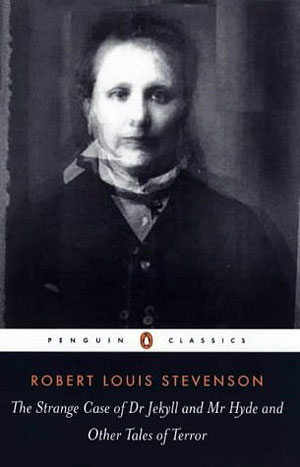
jekyl-hyde_stevenson

I picked up this famous novella because I wanted to read something English and specifically, London-ish. Despite my vow to whittle down my stack of unread novels, I was getting frustrated with the American content of the pile, given that I live  in London.

Like,  I suspect, a lot of people, I knew the story of Dr Jekyll and Mr Hyde without actually knowing the story of Dr. Jekyll and Mr. Hyde. That is, I knew the broad outlines, mostly as they’ve appeared in other media (in my case, comic books like The League of Extraordinary Gentlemen). I knew scientist Jekyll drank a potion and turned into the monstrous Hyde. The actual novella tells a slightly more complicated story.

Stevenson’s tale is a mystery that follows Gabriel Utterson, the lawyer of prosperous London physician Henry Jekyll. Utterson is in possession of a strange will of Jekyll, who leaves everything he owns to the mysterious Edward Hyde but refuses to explain their relationship. Utterson gradually learns that Hyde is a small, vicious thug, and when Hyde is witnessed bludgeoning a member of parliament to death, Utterson implores Jekyll to drop his association with Hyde. Jekyll assures Uttterson he has renounced all dealings with Hyde. Matters come to head after Jekyll’s servant report that Jekyll has disappeared and Hyde has taken his place and locked himself in Jekyll’s chambers. Utterson crashes through the locked doors to find Hyde dead of suicide and a long letter from Jekyll explaining what happened.

For a modern reader who know the basic story, the build up to the climax is frustrating. There’s no real mystery, and it’s just a matter of finding out how and why. Stevenson writes in typically ornate Victorian style, so we get a lot of detail about everyone’s appearance, their character, their motivations and in the case of Jekyll, his torment. It’s only in the last chapter, Jekyll’s account, that the story really comes alive. In his telling, Jekyll’s potion didn’t just transform him, but reverted him to his evil nature. Hyde is smaller than Jekyll (counter to my prior conception of the brutish Hyde) because the staid Jekyll theorized he suppressed that side of his character for so long it was under developed. As Hyde, he was aware of Jekyll, but, as he explains, viewed him as means to escape detection, in the way a bandit views his hideout cave. As Hyde, Jekyll gleefully indulges in his worst tendencies, which run toward violence but perhaps can be read as sexual deviancy, as well. In a Freudian structure, Jekyll is all superego and Hyde is all id. That within a proper English gentlemen lies a raging monster fits nicely with our modern idea of Victorian repression, and the dangers of not understanding our true nature.

While Jekyll initially had to consume his potion to transform into Hyde and back to Jekyll, soon he needs more and more to change back. Eventually, he is startled to discover that he changes into Hyde without the potion. After the murder, he resolves to never venture forth as Hyde again, only to discover he has run out of the chemical he needs for the potion. In his last lucid moments as Jekyll, he kills himself rather than live as Hyde forever.

Books completed this year:

1, The Man in the High Castle (Dick)
2, Disgrace (Coetzee)
3, The Finkler Question (Jacobson)
4, The Moon is a Harsh Mistress (Heinlein)
5, Beautiful Ruins (Walter)
6, Petropolis (Ulinich)
7, The Caves of Steel (Asimov)
9, Winter in the Blood (Welch)
10, Lena Finkle’s Magic Barrel (Ulinich)
11, The Strange Case of Dr Jekyll and Mr Hyde (Stevenson)

Year of Fiction: Winter in the Blood, by James Welch (1974)

10 Thursday Apr 2014

Posted by percivalhenry in Year of Fiction

≈ Leave a comment

Tags

Books, Montana

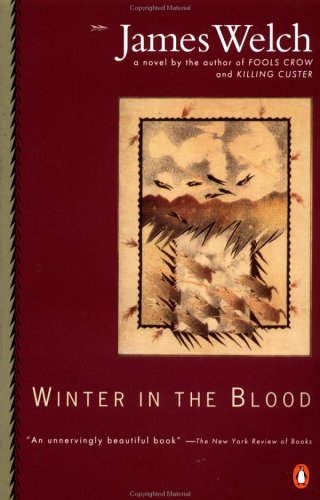
515zmsfedbl

A short note about this spare, elegant novel.

This is another book I’ve been carrying with me for years, always in a pile to read but never quite reaching the surface. I can’t say for sure but I suspect I was given it as a gift when I lived in Montana (I left there in 1998). Like a lot of books set in Montana, Winter in the Blood evokes the the landscape that defines the place and as I read it on the train during my London commute, I was thrust back to my long drives across the state, from Browning – heart of the Blackfoot Reservation –  down through the prairie along Highway 89 toward Great Falls. James Welch avoids the trap of writing about the scenery the way a tourist might, and instead of rhapsodizing about the snow capped peaks and lush grain fields, he described the way a fly rubs its hands together and how a cow craps itself.

Winter in the Blood is the story of a few months in the life of an aimless, nameless narrator, an Indian man who acts and is treated younger than he is (“I’m 32,” he interjects every time someone calls him a boy). Haunted by the death of his brother years before, he drifts across the land, helping at his mother’s farm between dissolute trips into town, which begin in bars and end in bed with a series of anonymous women. Nominally in search of a former girlfriend who stole his gun and razor – perhaps a too-obvious metaphor of the emasculation of the Native American – he find more meaning in visits with an old, blind Blackfoot man who survived the harsh winter that devastated his tribe nearly a century earlier. Death lingers everywhere, claiming relatives and livestock without remorse, and nature is the only source of permanence. The farm’s animals are drawn with more character and personality than the barflies and vagabonds the hero encounters in town, and as he loses his money and possessions in surreal and drunken encounters, it’s his labor on the farm that he returns to and that offers him a connection to the land and his past.

Books completed this year:

1, The Man in the High Castle (Dick)
2, Disgrace (Coetzee)
3, The Finkler Question (Jacobson)
4, The Moon is a Harsh Mistress (Heinlein)
5, Beautiful Ruins (Walter)
6 Petropolis (Ulinich)
7, The Caves of Steel (Asimov)
9, Winter in the Blood (Welch)


Year of Fiction: The Caves of Steel, by Isaac Asimov (1954)

01 Tuesday Apr 2014

Posted by percivalhenry in Year of Fiction

≈ Leave a comment

Tags

fiction, science fiction


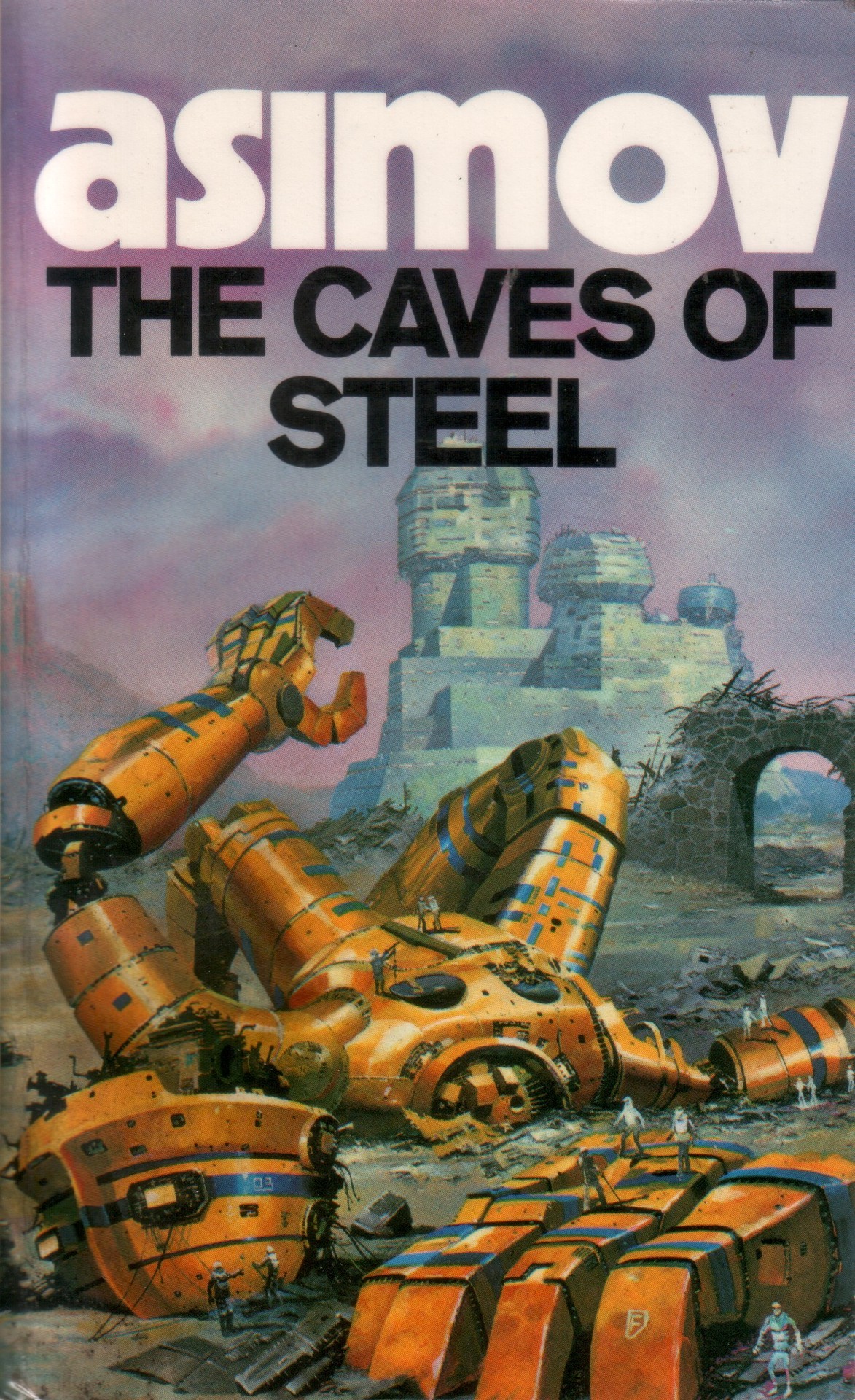
tumblr_m97ij7i4h61rr9bzgo1_1280

We interrupt M(art)ch Madness to bring you this discussion of a science fiction classic.

I picked up The Caves of Steel for free, I think, at a fair at my son’s school. My expectations weren’t high – not due to the price – but because I’ve struggled to enjoy Asimov’s novels. Asimov is one of the Big Three of mid-century U.S. science fiction writers, with Robert Heinlein and Arthur C. Clarke, and while I’ve read and enjoyed many of Heinlein and Clarke’s novels, Asimov eluded me.  As a young teenager I loved his short stories like “I, Robot” and “The Bicentennial man” but when I tried to read the Foundation Trilogy, I foundered. Too abstract, too complicated. I picked up Foundation again a few years ago as an adult, and I again lost interest. The problem, I realized, might have to do with how he wrote it, as a series of short stories that spanned thousands of years, and which therefore lacked a protagonist or organizing narrative to propel the action. When it comes it science fiction, at least, my tastes seem to be pretty meat-and-potatoes.

From that standpoint, then, the Caves of Steel was much more to my liking. It’s a murder mystery, told as a police procedural, set in a grim, future New York. The story centers around Elijah Baley, a haggard detective assigned a robot partner to solve the murder of a prominent robot scientist. While the mystery takes its twists and turns – some predictable, some not –  the book draws its energy from the tension between Lije, who resents robots and the threat they pose to earth’s workers, and Daneel, his robot partner. Asimov’s New York is a crowded, suffocating fortress, sealed from the elements, a cave of steel.  The economy is centrally planned, meals are eaten in mass “kitchens” and even toilets and bathrooms are shared expect for the lucky few with high enough status to win perks. Given its publication date, it’s hard not to read it as an anti-communist tract, but the critique is more subtle than that. Asimov’s New Yorkers lead proud, hardscrabble lives and disdain the aloof “spacers,” space colonist who left Earth generations ago and who have returned to share the benefits of their civilization in a manner that suggests the worse of noblesse oblige. It is the spacers who have brought robots to earth, and whose introduction threaten the advancement of workers desperate to improve their classification.

Through Lije, and his grudging acceptance of Daneel, our perspective and sympathies shift, and the spacers’s goals become less threatening and it’s the New Yorkers, clinging to their cramped, stratified way of life,  who become less sympathetic. The murder mystery then becomes a vehicle for a more complex story about free will and destiny. Along the way, Asimov wanders in and out of the Bible, and uses the literal intelligence of the robot as a foil for questions about mercy and justice.

There are flaws, of course, and the Caves of Steel can feel a bit dated. The writing is overwrought, and Asimov could have removed about half his adverbs to positive effect. It also has the sexism that seems endemic to the genre of that era, and the one female character, Lije’s wife, Jessie, is almost always in hysterics. Still, the pacing is brisk, the suspense genuine and the interplay between the Lije and Daneel feels like the template for all the ’80s cop buddy to come.

Books completed this year:

1, The Man in the High Castle (Dick)
2, Disgrace (Coetzee)
3, The Finkler Question (Jacobson)
4, The Moon is a Harsh Mistress (Heinlein)
5, Beautiful Ruins (Walter)
6 Petropolis (Ulinich)
7, The Caves of Steel (Asimov)

Year of Fiction: Beautiful Ruins, by Jess Walter (2013)

04 Tuesday Mar 2014

Posted by percivalhenry in Year of Fiction

≈ 1 Comment

Tags

fiction

Image

This isn’t really going to be a review, because I’ve known Jess Walter for a long time and I’m hardly objective. (He used to be a reporter at a newspaper where I worked, and his wife was an editor. We became friends and started a book club together. First book: “Freedomland,” by Richard Price. Format: 10 minutes of book discussion, three hours of drinking). It’s more of an appreciation. And a bit of an apology for waiting so long to read his latest book. Sorry, Jess.

If you haven’t read “Beautiful Ruins,” you should. It’s really good.

Jess’s trajectory at The Spokesman-Review was impressive – he started answering the calls of high school coaches phoning in scores on Friday nights and by the time he left, had covered the FBI’s standoff with nut job Randy Weaver. When I first encountered Jess, he had published a book on Weaver, and was working with the now-infamous editor Judith Regan at Harper Collins, who arranged ghost writing gigs for Jess while he wrote novels. After a few mystery/crime-type books and winning a Poe award, Jess began writing “serious” novels.

I bring all this up for a few reasons. One is that at almost any stage of that career arc, most writers I know – myself included – would be pretty satisfied and called it good enough. Hotshot newspaper reporter? That’s pretty cool. Published author? I’ll take that. Job as a ghost writer? No shame in that. Successful mystery writer? What more could you want? Now he’s got a New York Times bestseller – one justifiably being compared to Garcia-Marquez – under his belt. Every time I think his career has hit its natural rhythm, he finds another gear. An Academy Award for best screen play is probably next and I’m not kidding even a little.

The other point is that somehow, amid this busy, productive, pay-check-earning career, Jess found a remarkable story telling voice. “Beautiful Ruins” with its multitude of characters (including some real people and other real-ish people), nationalities, formats (book chapters! screenplays!) and eras, impressed me over and over with Jess’s command, his confidence and his talent for filling in details without sacrificing pace. Somehow he learned to do this in Spokane.

“Beautiful Ruins” resists easy categorization, or even summary, but here goes: it’s the story of a young American actress who traveled to Italy for the filming of Cleopatra and met the young owner of a small, remote inn. They reunite 50 years – and the length of the novel – later. In between, the book is populated with rapacious move producers, fuck-up script writers, ne’er-do-well rock stars and drunk would-be authors. It’s told over seven decades,  through chapters that dart back and forth across time and place, in Italy, London, Seattle and – somewhat bizarrely for me – the Idaho panhandle. Along the way we learn a lot about pitching stories in Hollywood and something about love, desire and duty.

I know it wasn’t easy – the book evidently took Jess 15 years to write – but damn, it reads like it was easy.  If I’m honest with myself, I probably dragged my feet on reading “Beautiful Ruins” because I knew it would be great. And like standing at the edge of a precipice, there’s something a little intimidating about being that close to so much talent.

Books completed this year:
1, The Man in the High Castle (Dick)
2, Disgrace (Coetzee)
3, The Finkler Question (Jacobson)
4, The Moon is a Harsh Mistress (Heinlein)
5, Beautiful Ruins (Walter)


← Older posts
  • “The World’s Greatest Comic Magazine!” Fantastic Four Annual No. 15
  • “The World’s Greatest Comic Magazine!” Fantastic Four No. 223
  • “The World’s Greatest Comic Magazine!” Fantastic Four No. 222
  • “The World’s Greatest Comic Magazine!” Fantastic Four No. 221
  • “The World’s Greatest Comic Magazine!” Fantastic Four No. 220
  • July 2026
  • June 2026
  • May 2026
  • April 2026
  • March 2026
  • February 2026
  • January 2026
  • December 2025
  • November 2025
  • October 2025
  • September 2025
  • August 2025
  • July 2025
  • June 2025
  • May 2025
  • April 2025
  • March 2025
  • February 2025
  • January 2025
  • December 2024
  • November 2024
  • October 2024
  • September 2024
  • August 2024
  • July 2024
  • June 2024
  • May 2024
  • April 2024
  • March 2024
  • February 2024
  • January 2024
  • December 2023
  • November 2023
  • September 2023
  • July 2023
  • June 2023
  • May 2023
  • April 2023
  • March 2023
  • February 2023
  • January 2023
  • December 2022
  • November 2022
  • October 2022
  • September 2022
  • August 2022
  • July 2022
  • June 2022
  • May 2022
  • April 2022
  • March 2022
  • February 2022
  • January 2022
  • December 2021
  • November 2021
  • October 2021
  • September 2021
  • August 2021
  • July 2021
  • June 2021
  • May 2021
  • April 2021
  • March 2021
  • February 2021
  • January 2021
  • December 2020
  • February 2018
  • May 2016
  • February 2016
  • January 2016
  • December 2015
  • November 2015
  • October 2015
  • September 2015
  • August 2015
  • July 2015
  • April 2015
  • March 2015
  • January 2015
  • December 2014
  • November 2014
  • October 2014
  • September 2014
  • August 2014
  • June 2014
  • May 2014
  • April 2014
  • March 2014
  • February 2014
  • July 2026
  • June 2026
  • May 2026
  • April 2026
  • March 2026
  • February 2026
  • January 2026
  • December 2025
  • November 2025
  • October 2025
  • September 2025
  • August 2025
  • July 2025
  • June 2025
  • May 2025
  • April 2025
  • March 2025
  • February 2025
  • January 2025
  • December 2024
  • November 2024
  • October 2024
  • September 2024
  • August 2024
  • July 2024
  • June 2024
  • May 2024
  • April 2024
  • March 2024
  • February 2024
  • January 2024
  • December 2023
  • November 2023
  • September 2023
  • July 2023
  • June 2023
  • May 2023
  • April 2023
  • March 2023
  • February 2023
  • January 2023
  • December 2022
  • November 2022
  • October 2022
  • September 2022
  • August 2022
  • July 2022
  • June 2022
  • May 2022
  • April 2022
  • March 2022
  • February 2022
  • January 2022
  • December 2021
  • November 2021
  • October 2021
  • September 2021
  • August 2021
  • July 2021
  • June 2021
  • May 2021
  • April 2021
  • March 2021
  • February 2021
  • January 2021
  • December 2020
  • February 2018
  • May 2016
  • February 2016
  • January 2016
  • December 2015
  • November 2015
  • October 2015
  • September 2015
  • August 2015
  • July 2015
  • April 2015
  • March 2015
  • January 2015
  • December 2014
  • November 2014
  • October 2014
  • September 2014
  • August 2014
  • June 2014
  • May 2014
  • April 2014
  • March 2014
  • February 2014
“The World’s Greatest Comic Magazine!” Fantastic Four Annual No. 15

“The World’s Greatest Comic Magazine!” Fantastic Four Annual No. 15

percivalhenry's avatar by percivalhenry July 18, 2026
“The World’s Greatest Comic Magazine!” Fantastic Four No. 223

“The World’s Greatest Comic Magazine!” Fantastic Four No. 223

percivalhenry's avatar by percivalhenry July 14, 2026
“The World’s Greatest Comic Magazine!” Fantastic Four No. 222

“The World’s Greatest Comic Magazine!” Fantastic Four No. 222

percivalhenry's avatar by percivalhenry July 5, 2026
“The World’s Greatest Comic Magazine!” Fantastic Four No. 221

“The World’s Greatest Comic Magazine!” Fantastic Four No. 221

percivalhenry's avatar by percivalhenry June 25, 2026
“The World’s Greatest Comic Magazine!” Fantastic Four No. 220

“The World’s Greatest Comic Magazine!” Fantastic Four No. 220

percivalhenry's avatar by percivalhenry June 15, 2026
“The World’s Greatest Comic Magazine!” Fantastic Four No. 219

“The World’s Greatest Comic Magazine!” Fantastic Four No. 219

percivalhenry's avatar by percivalhenry June 7, 2026

Blog at WordPress.com.

  • Subscribe Subscribed
    • Percival Henry: The Fantastic Four and more
    • Join 74 other subscribers
    • Already have a WordPress.com account? Log in now.
    • Percival Henry: The Fantastic Four and more
    • Subscribe Subscribed
    • Sign up
    • Log in
    • Report this content
    • View site in Reader
    • Manage subscriptions
    • Collapse this bar
Loading Comments...