Art History M(art)ch Madness 2015: Elite Eight

Tags

, ,

We’re now down to the Elite Eight of M(art)ch Madness, the most important art history basketball tournament ever.

Upsets continued to ravage the Berlin and Los Angeles regionals, where No. 1 seed Marcel Duchamp and No. 2 seed Mark Rothko were booted. In the Paris and new York regionals, however, favorites prevailed, and the top two seeds in both are still alive, setting up some major battles.

Here are the full brackets: http://www.bracketmaker.com/tlist.cfm?tid=457697

And here some the FAQs that might help explain what this is all about.

On to the match ups!

Los Angeles Regional

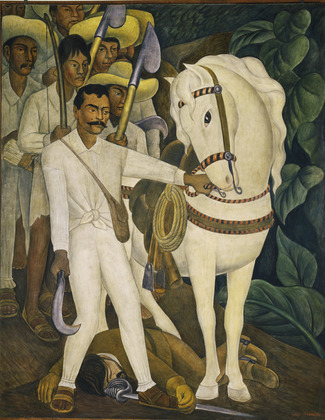
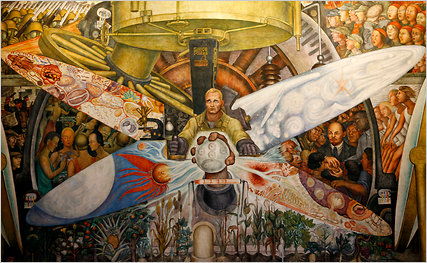
No. 5 Diego Rivera vs.

thread-rivera-blog427

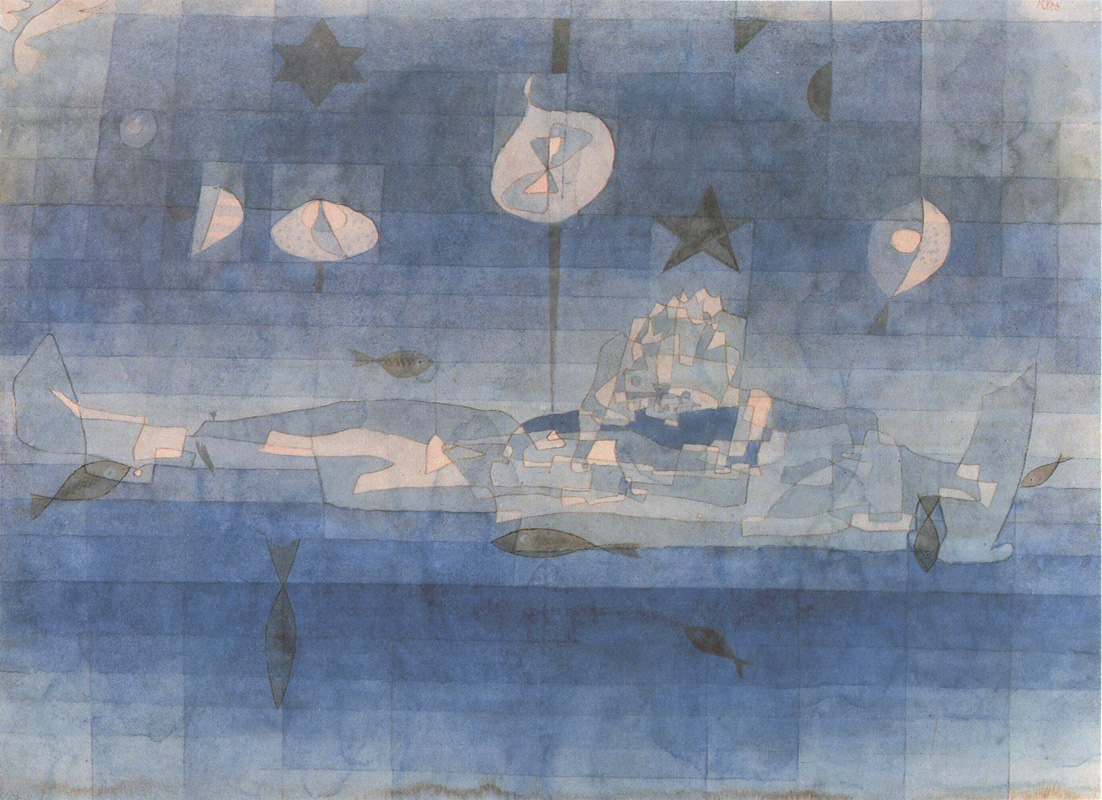
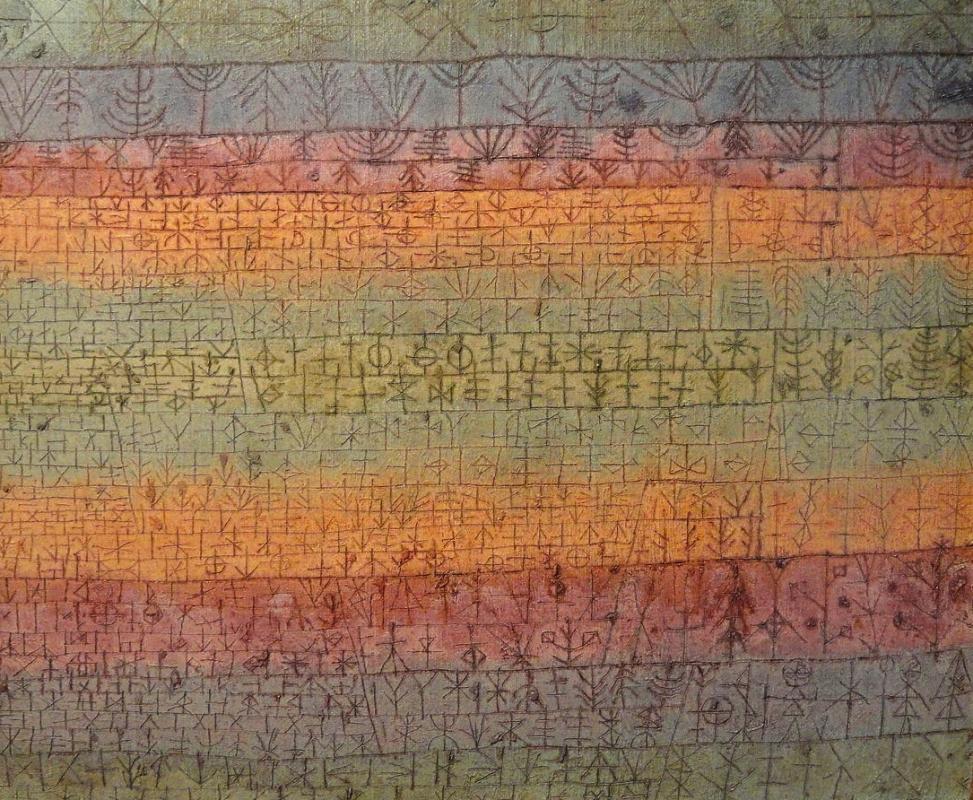
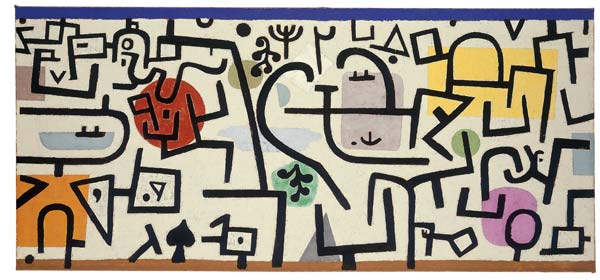
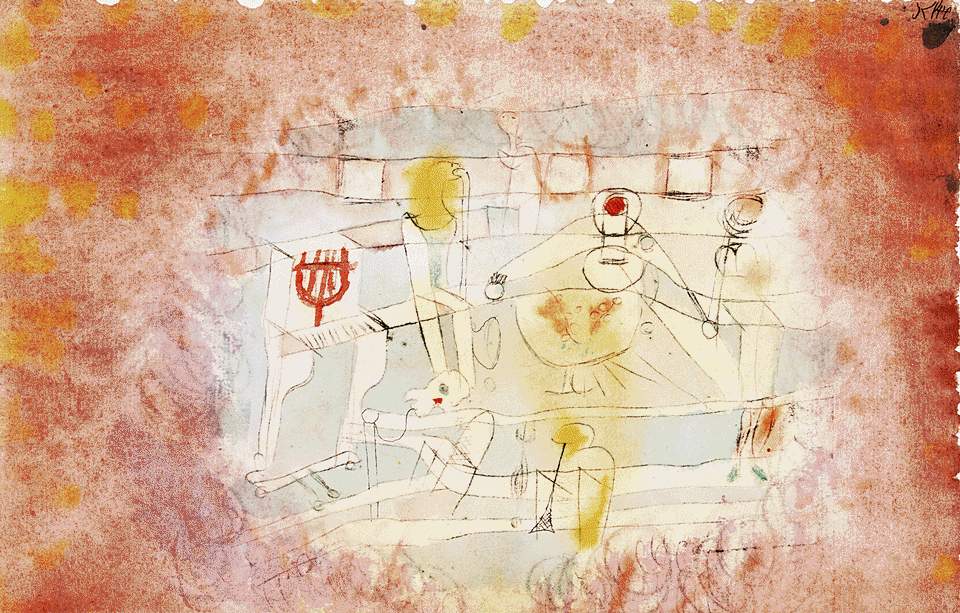
No. 7 Paul Klee

a1923 - ile engloutie


New York Regional

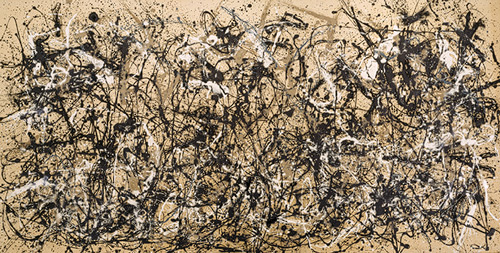
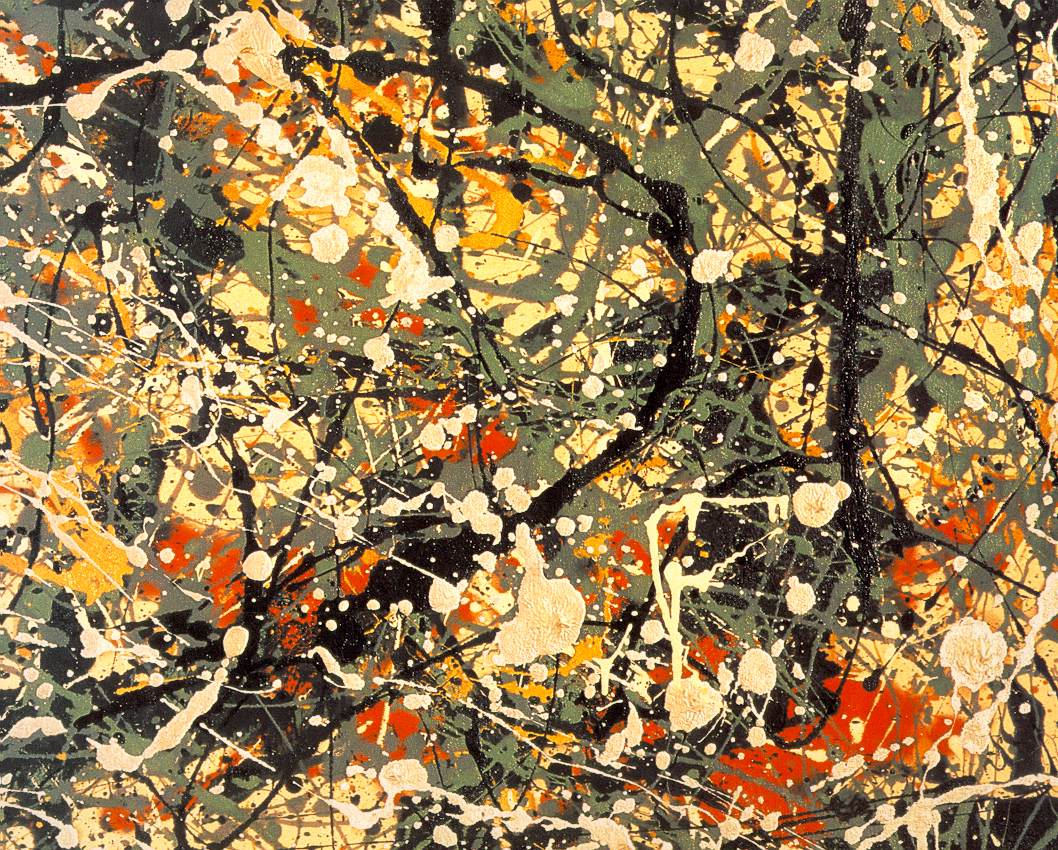
No. 1 Jackson Pollock vs.

Autumn_Rhythm

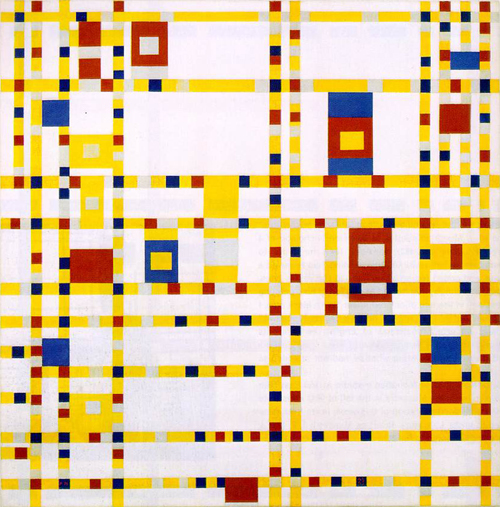
No. 2 Piet Mondrian

Piet_Mondriaan,_1942_-_Broadway_Boogie_Woogie


Berlin Regional

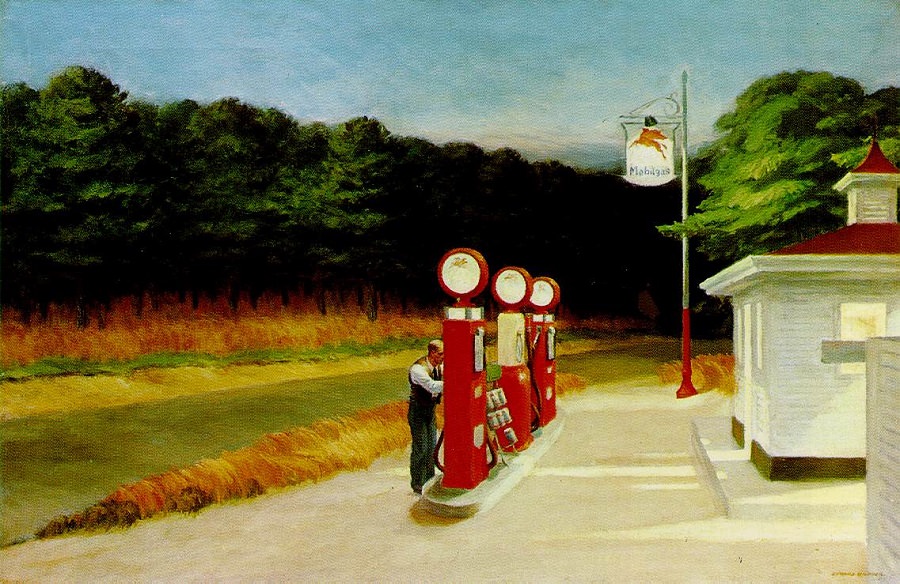
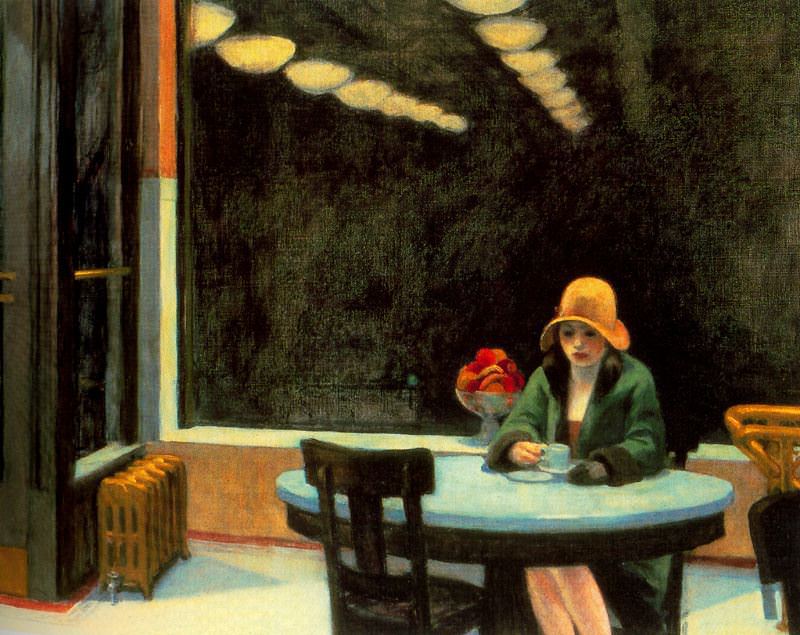
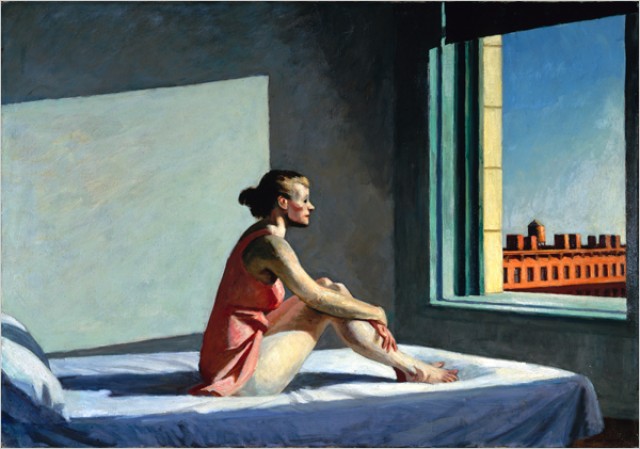
No. 8 Edward Hopper vs.

gas

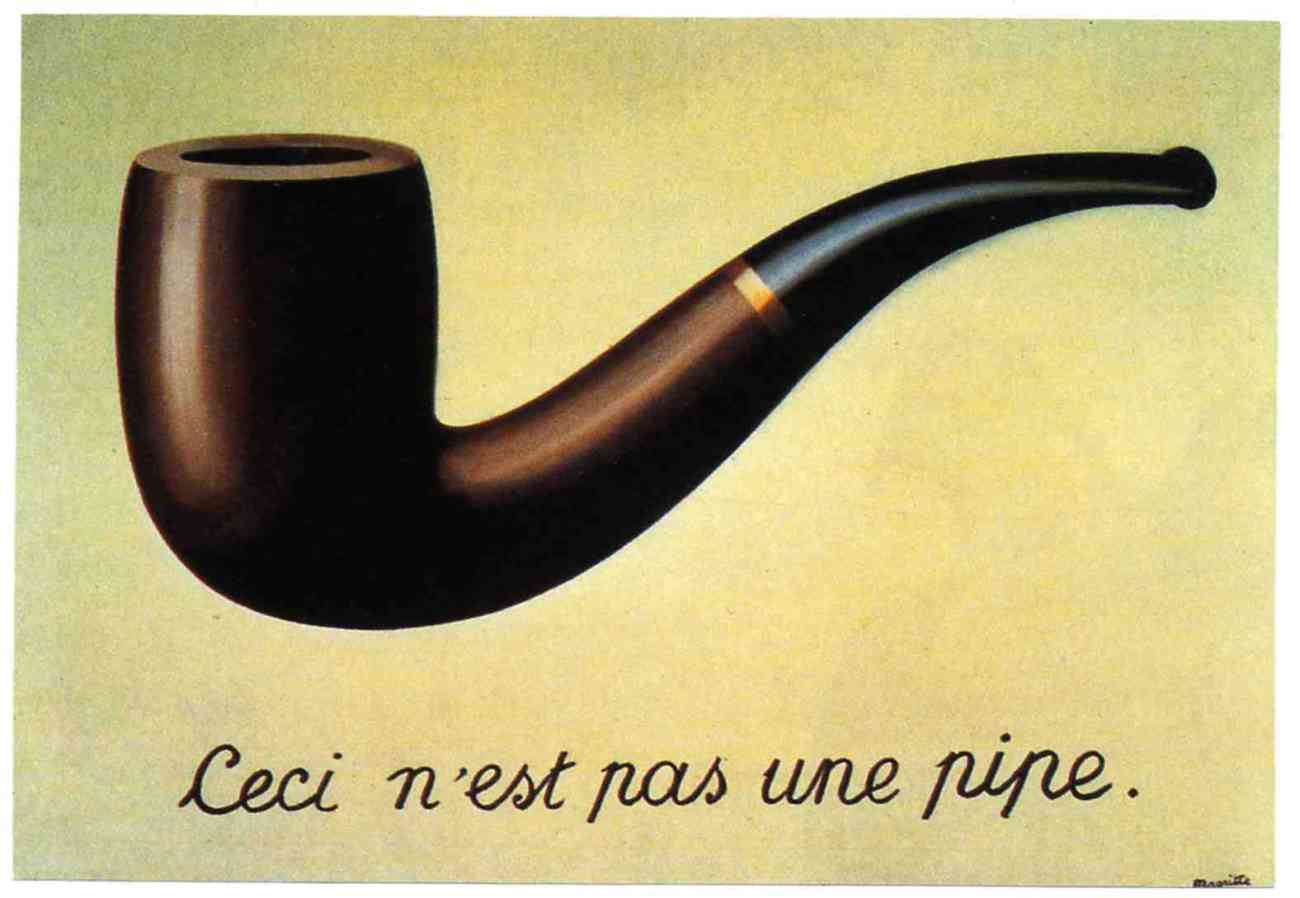
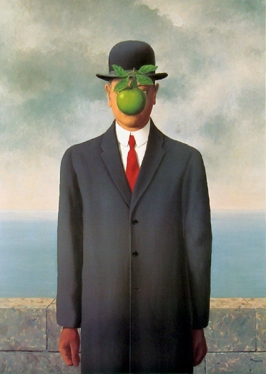
No. 11 Rene Magritte

magritte-pipe


Paris Regional

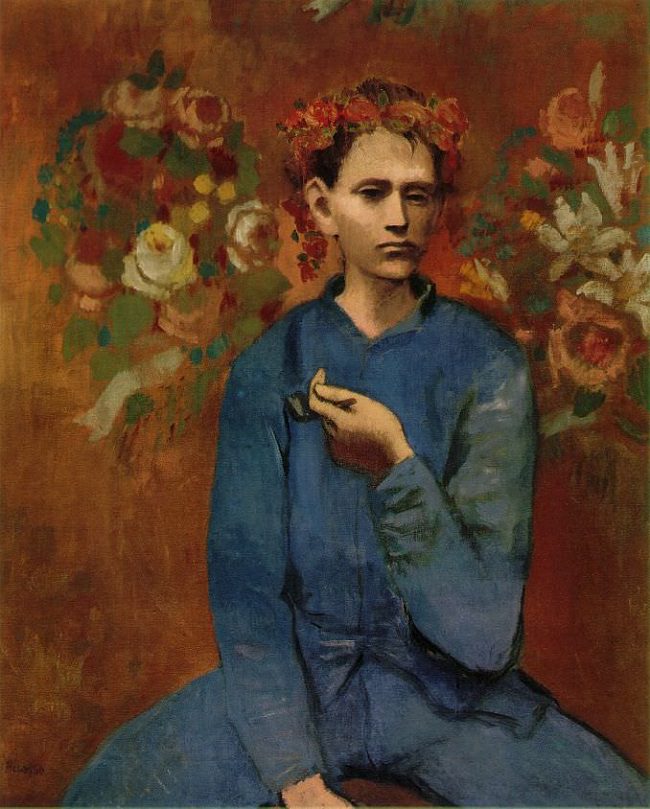
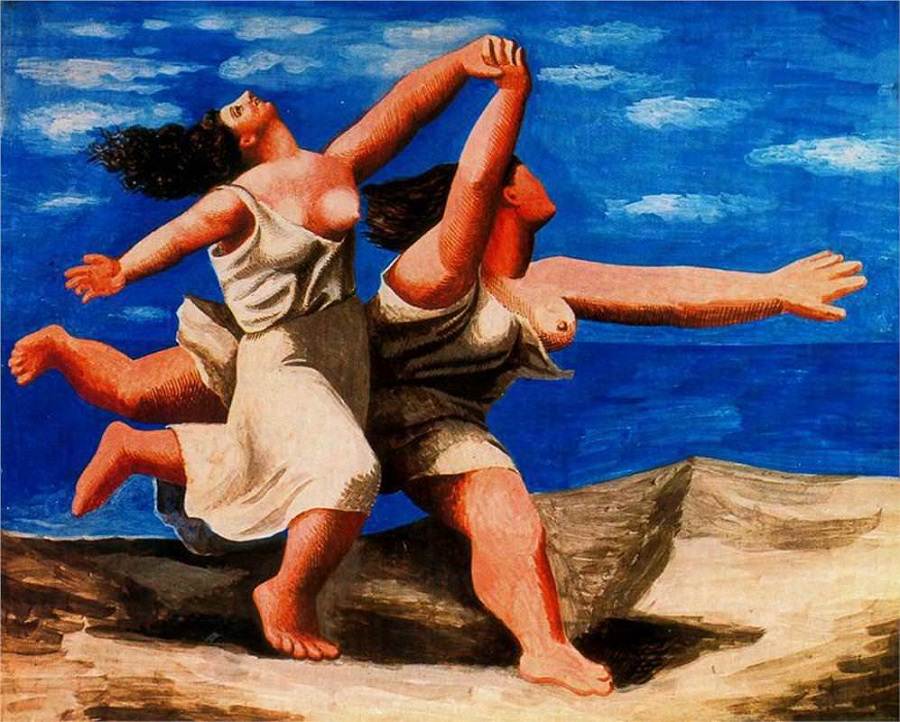
No. 1 Pablo Picasso vs.

boy-with-pipe

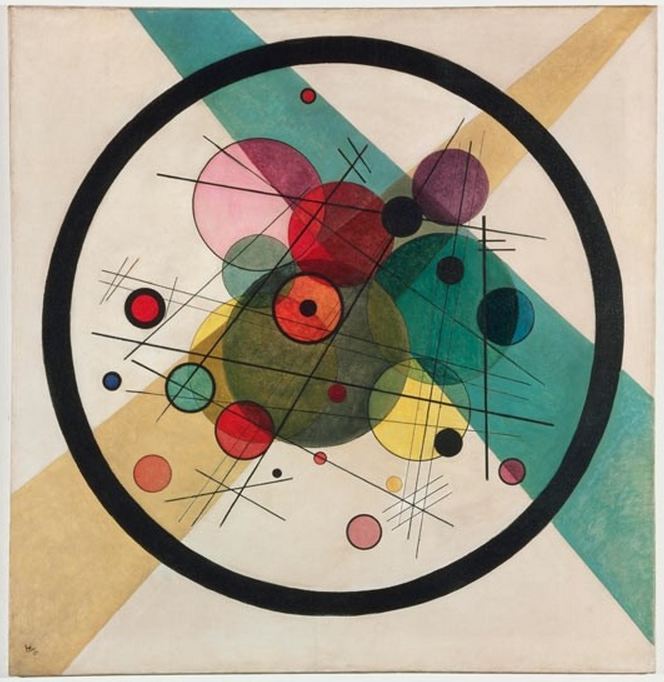
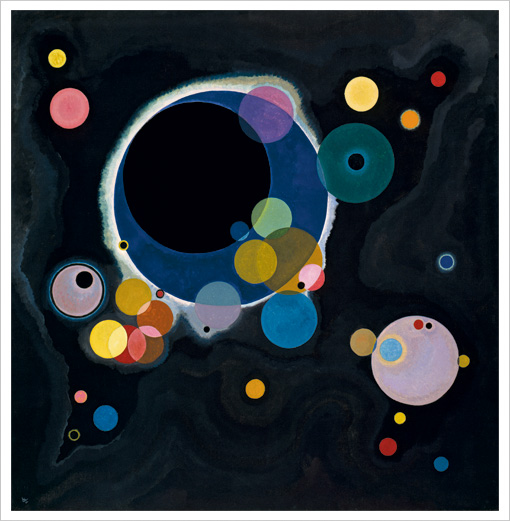
No. 2 Wassily Kandinsky

Vassily_Kandinsky,_1923_-_Circles_in_a_Circle

Art History M(art)ch Madness 2015: Sweet 16

Tags

, ,

There are just 16 teams left in M(art)ch Madness 2015, the tournament to decide the greatest artist of the 20th century.

Upsets abounded. Henri Matisse, the No. 1 seed in the Berlin regional, was booted by No. 8 Edward Hopper. In the same bracket, Rene Magritte (No. 11) ousted No. 3 Gerhard Richter. No. 11 seeds Gustav Klimt and Man Ray also survived.

Elsewhere, chalk prevailed. In the New York regional, all top four seeds advanced, setting up huge match-ups: Jackson Pollock vs. Roy Lichtenstein and Jasper Johns vs. Piet Mondrian.

To see the complete brackets, go here:

http://www.bracketmaker.com/tmenu.cfm?tid=457697

(You have to paste the URL into your browser and click “championship bracket.” Sorry – I know it’s a hassle.)

Here’s some FAQs to help make sense of the tournament.

On to the Sweet 16:

Berlin Regional

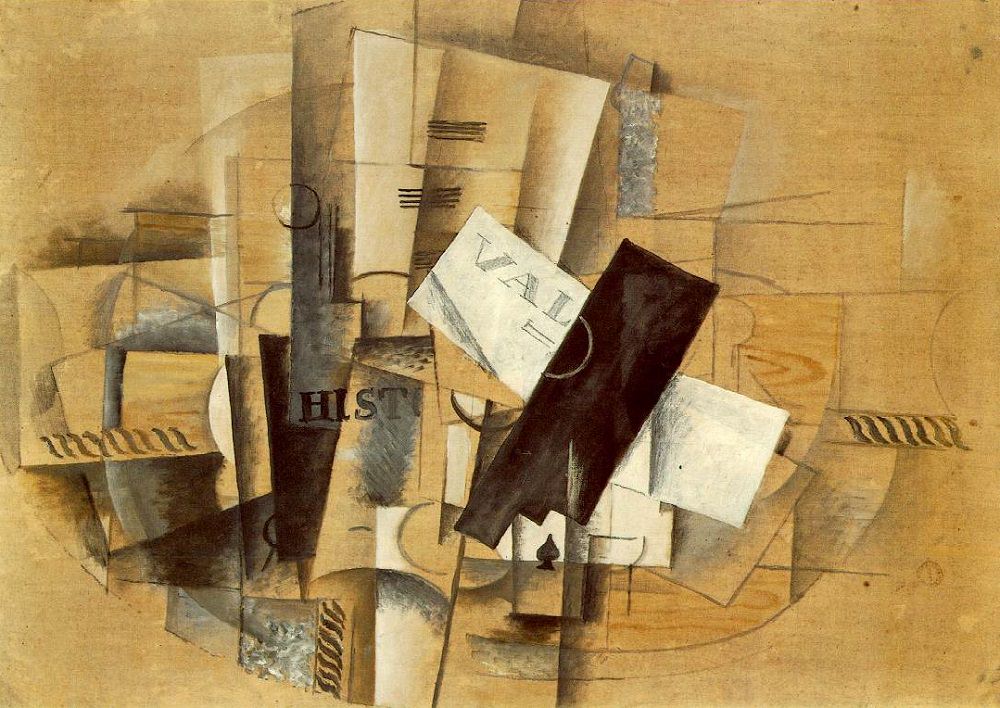
No. 4 Georges Braque vs.

gueridon

No. 8 Edward Hopper

automat


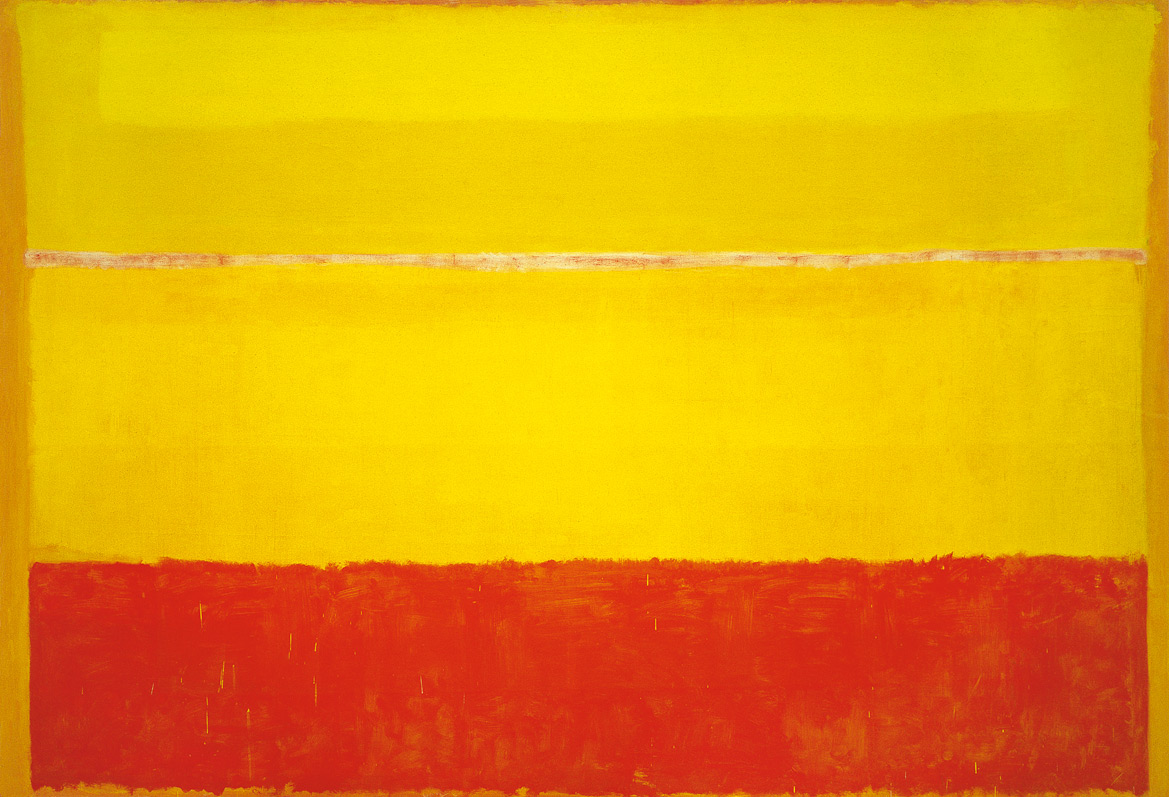
No. 2 Mark Rothko vs.

Rothko

No. 11 Rene Magritte

Ren? Magritte, The Son of Man, 1964, Restored by Shimon D. Yanowitz, 2009  øðä îàâøéè, áðå ùì àãí, 1964, øñèåøöéä ò"é ùîòåï éðåáéõ, 2009


Los Angeles Regional

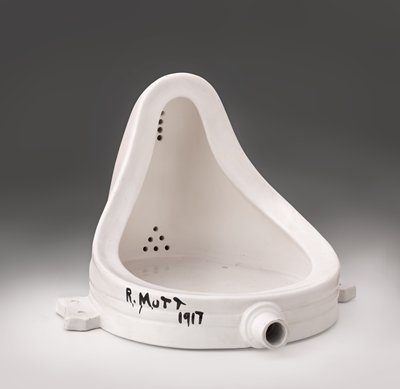
No. 1 Marcel Duchamp vs.

98.291_01_b02

No. 5 Diego Rivera

50798


No. 7 Paul Klee vs.

5736524_orig

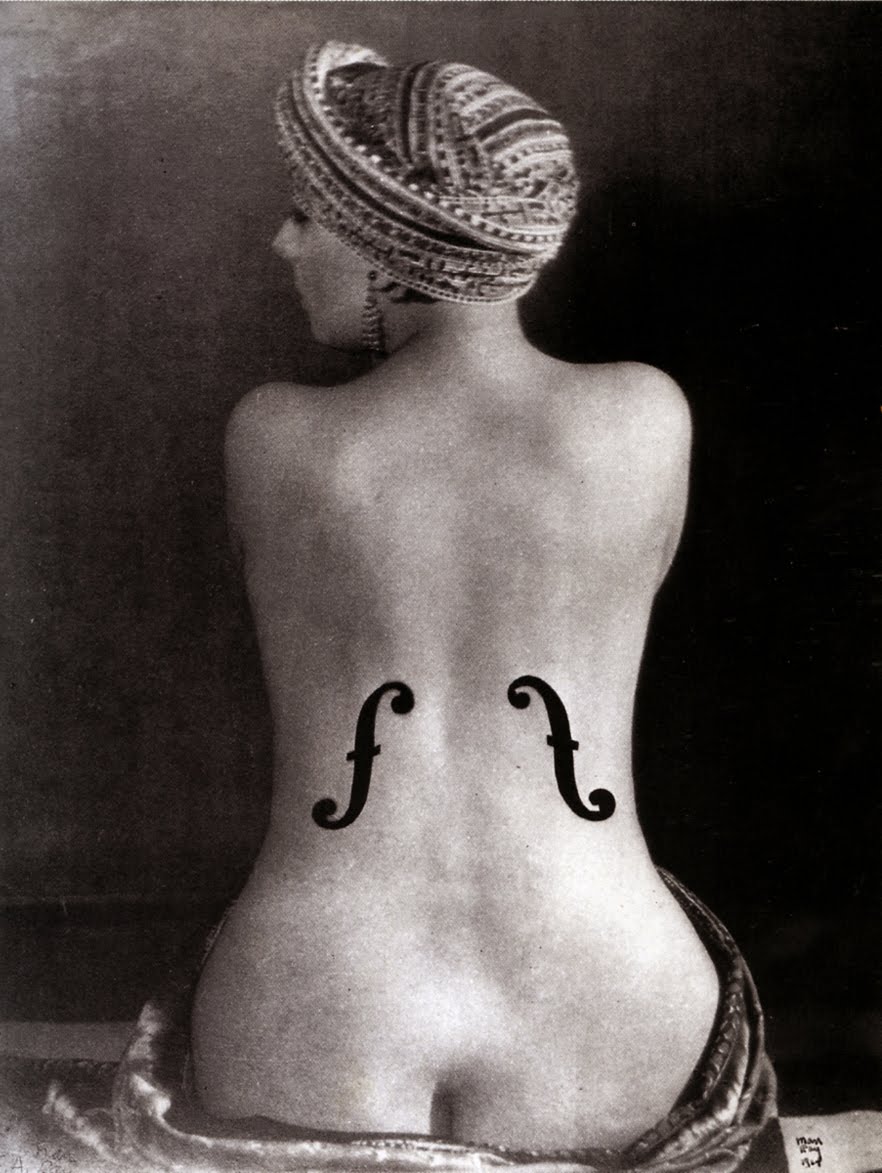
No. 11 Man Ray

ingre-s-violin-1924


Paris Regional

No.1 Pablo Picasso vs.

two-women-running-on-the-beach

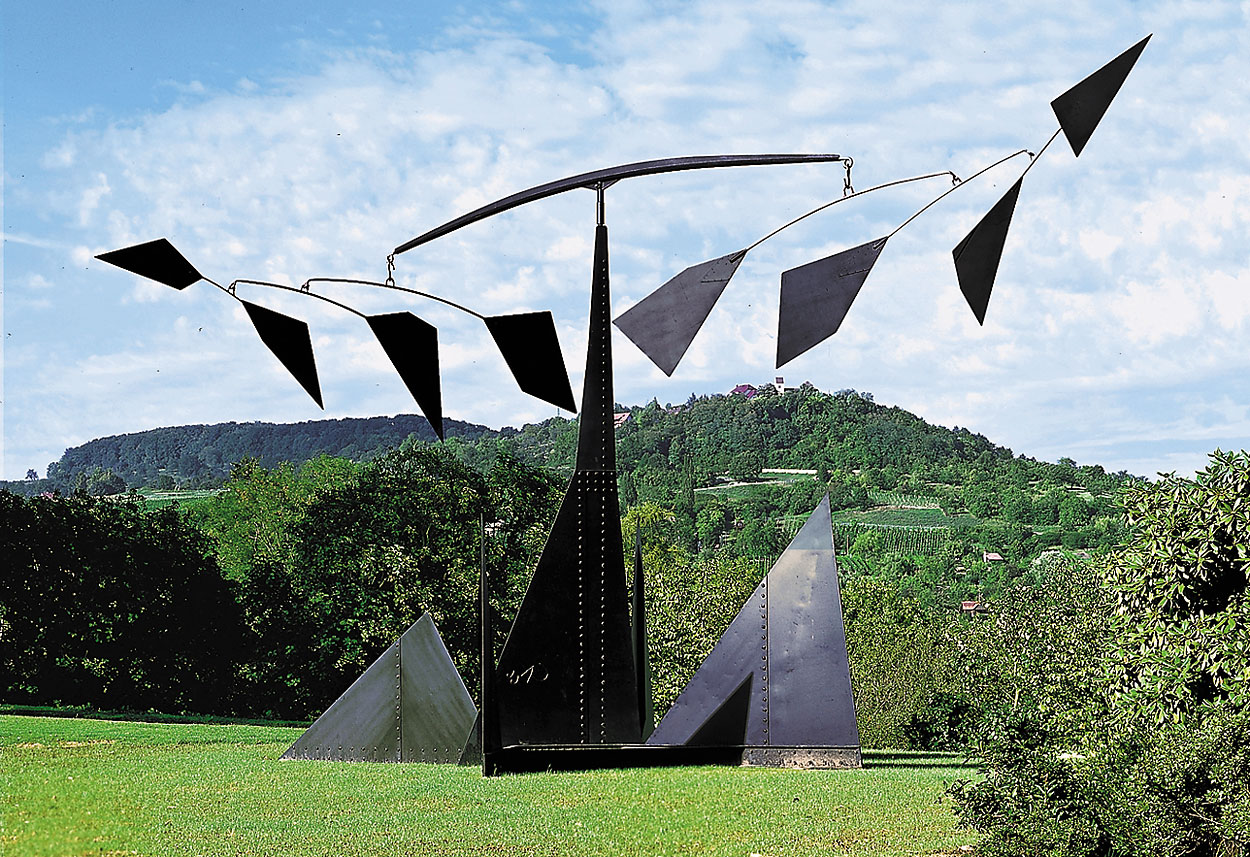
No. 4 Alexander Calder

FB_sam01_calder_g_lg


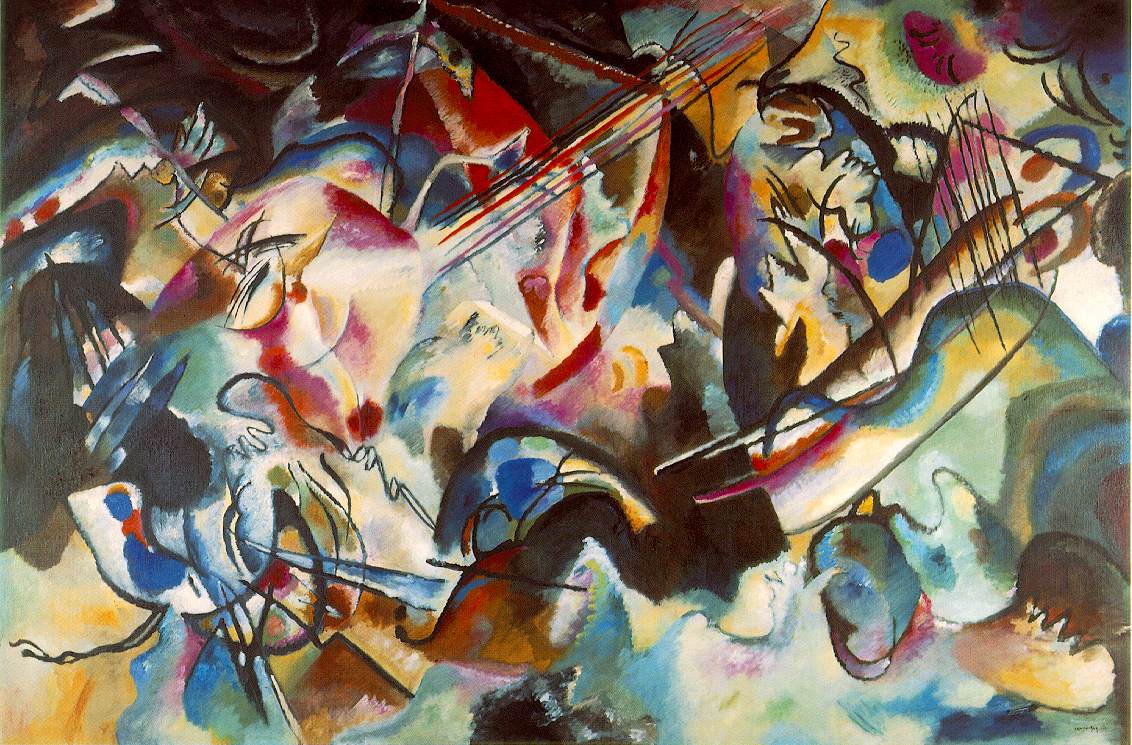
No. 2 Wassily Kandinsky vs.

kandinsky.comp-6

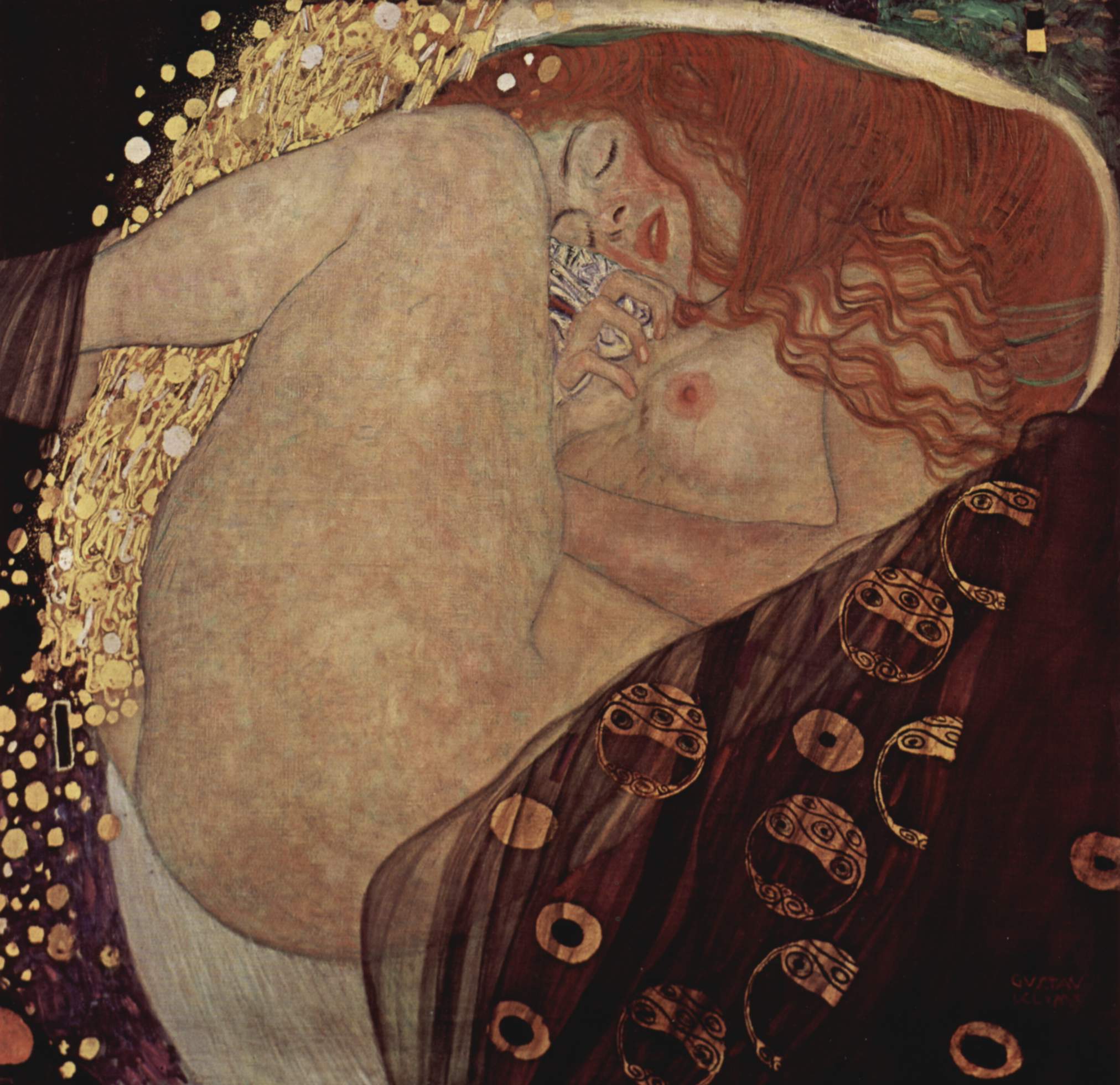
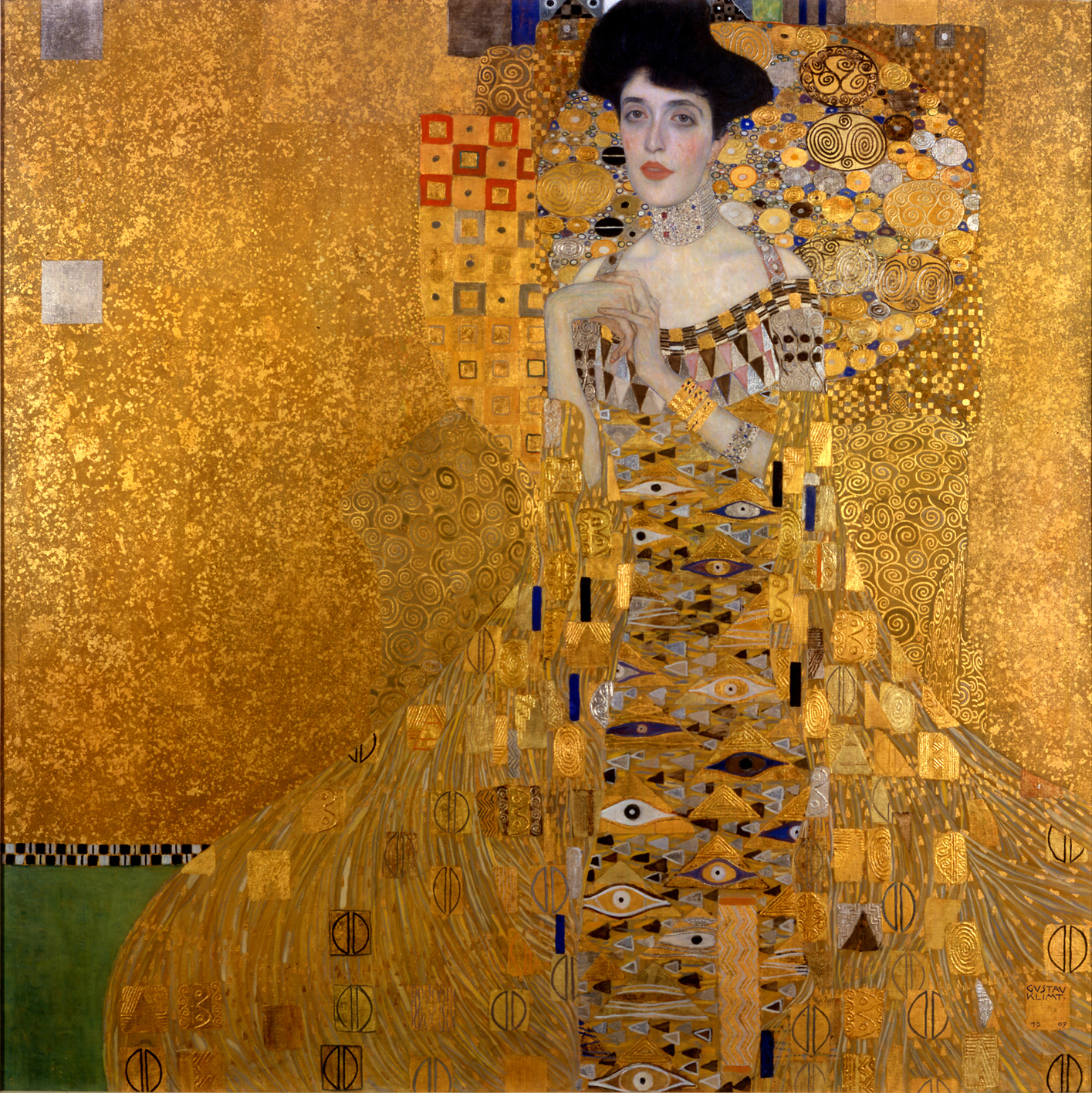
No. 11 Gustav Klimt

Gustav_Klimt_010


New York Regional

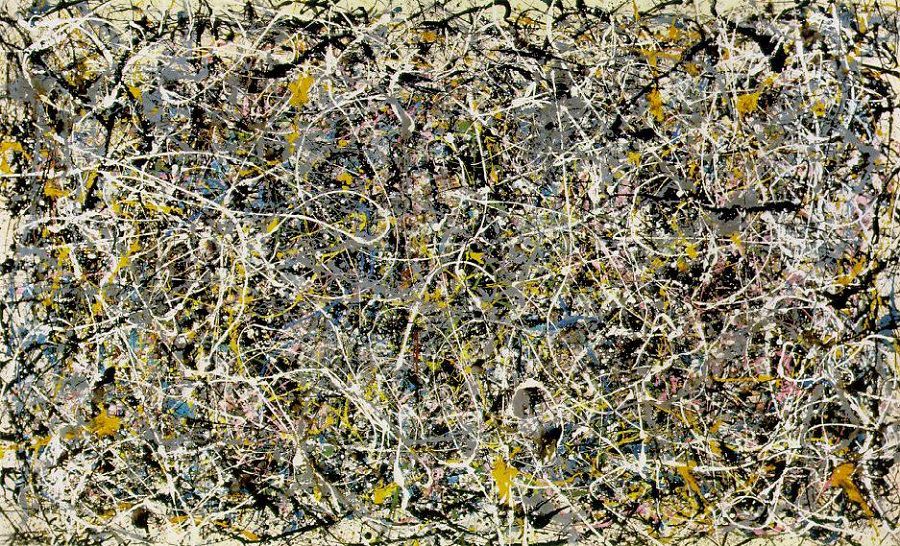
No. 1 Jackson Pollock vs.

number-one

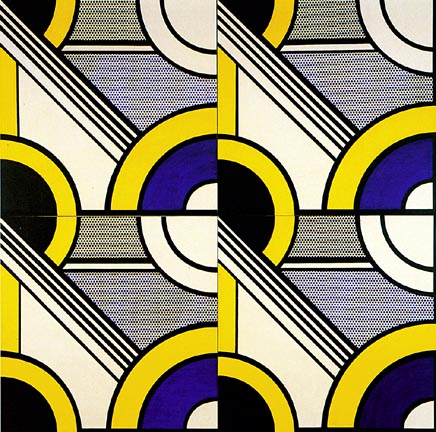
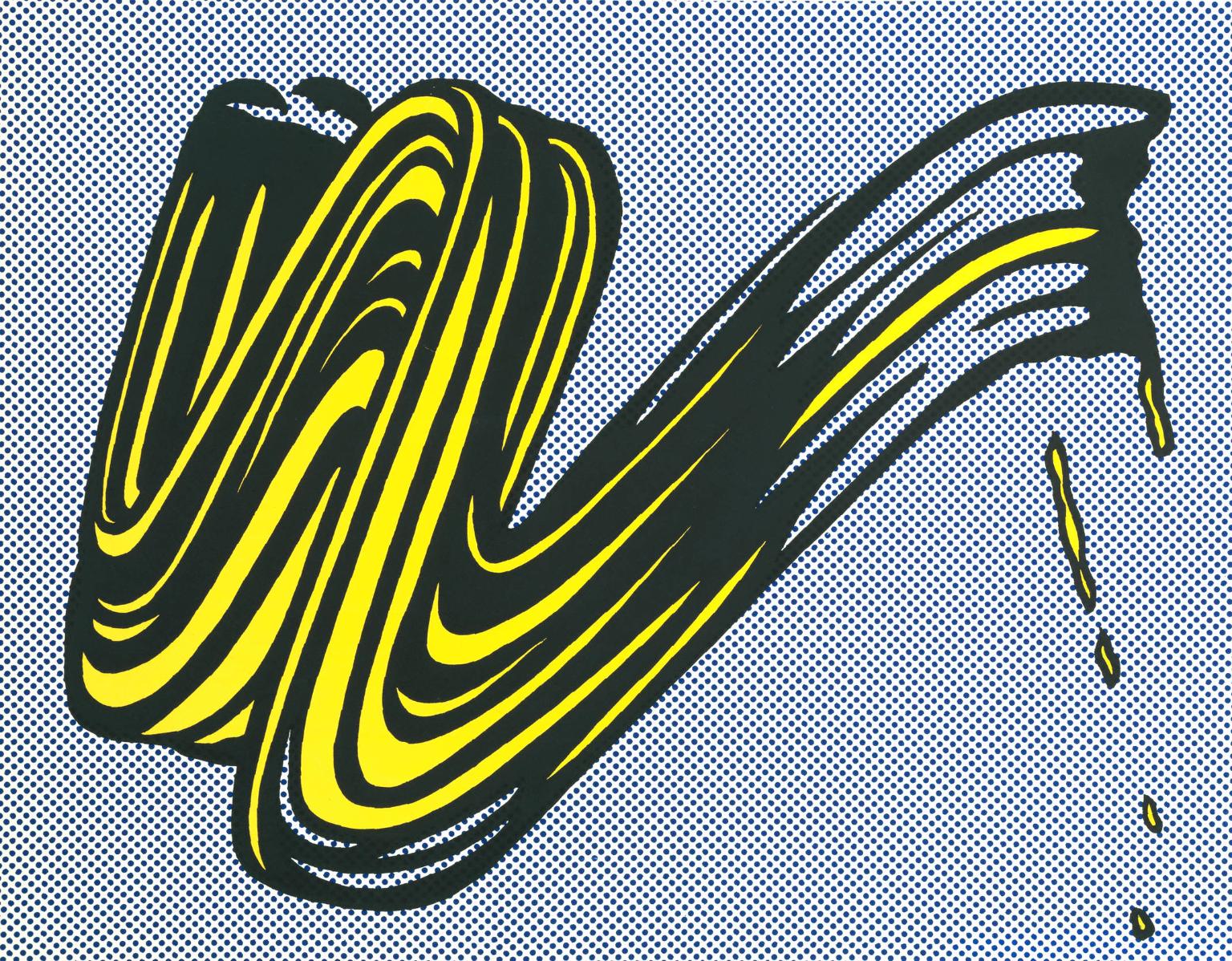
No. 4 Roy Lichtenstein

modular-painting-with-four-panels-1-1969(1)


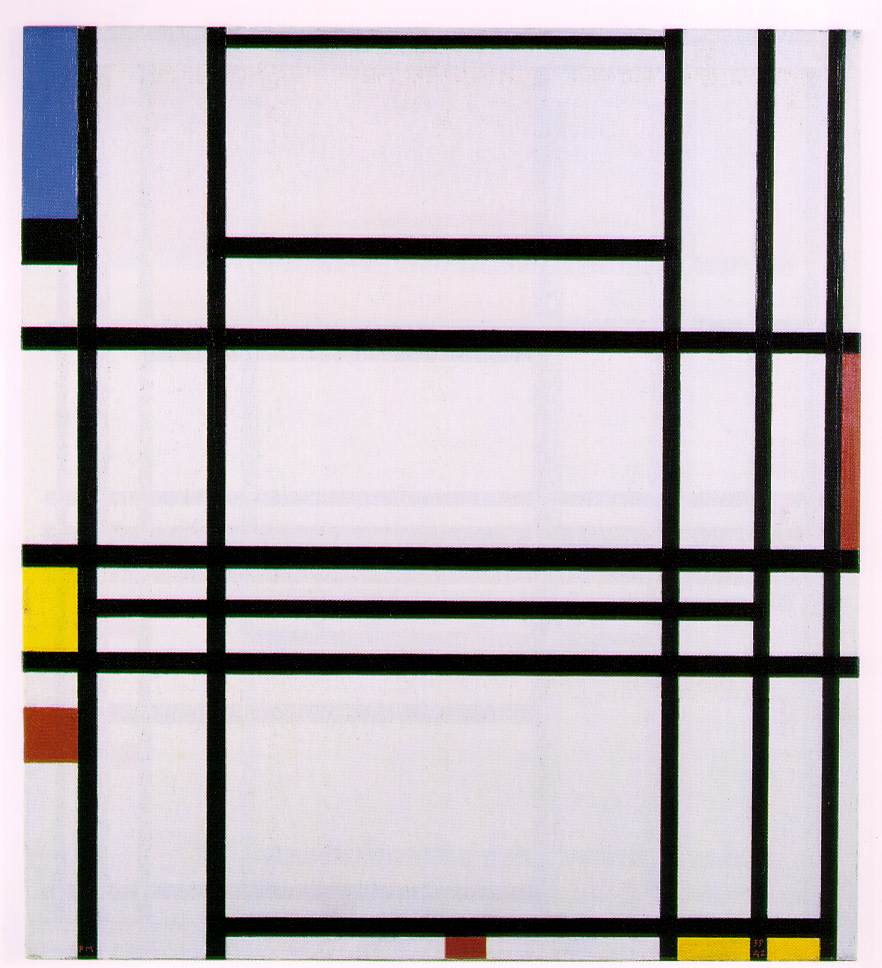
No. 2 Piet Mondrian

comp-10

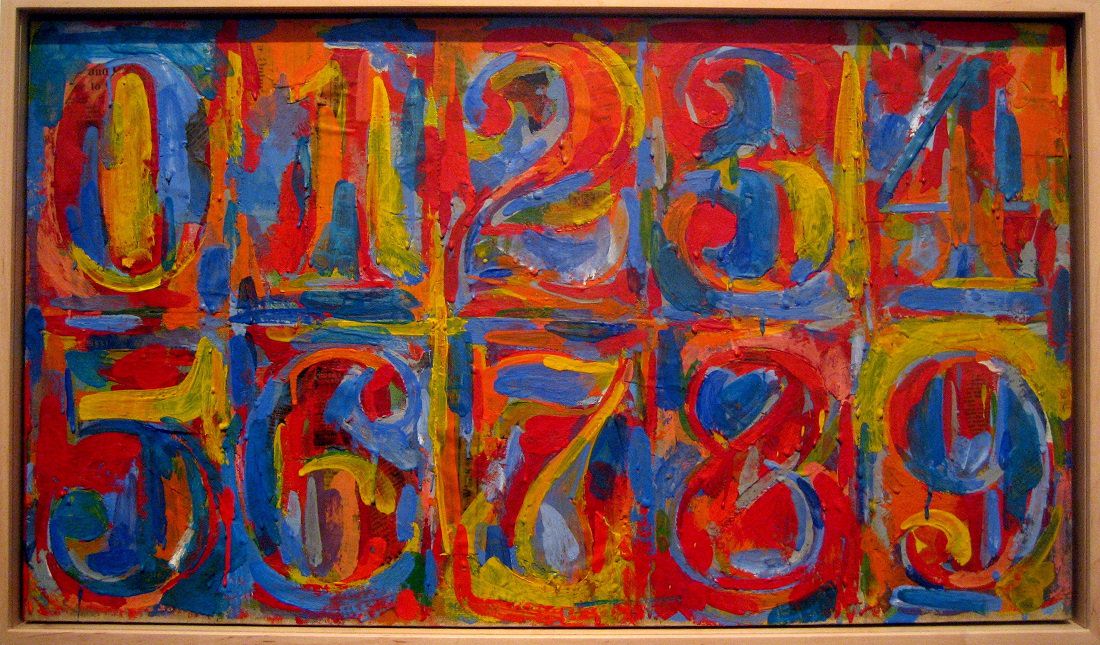
No. 3 Jasper Johns

IMG_1364.JPG

Art History M(art)ch Madness 2015: Round 2

Tags

, ,

Welcome to the second round of M(art)ch Madness 2015, where your votes decide the greatest artist of the 20th century! (Really.)

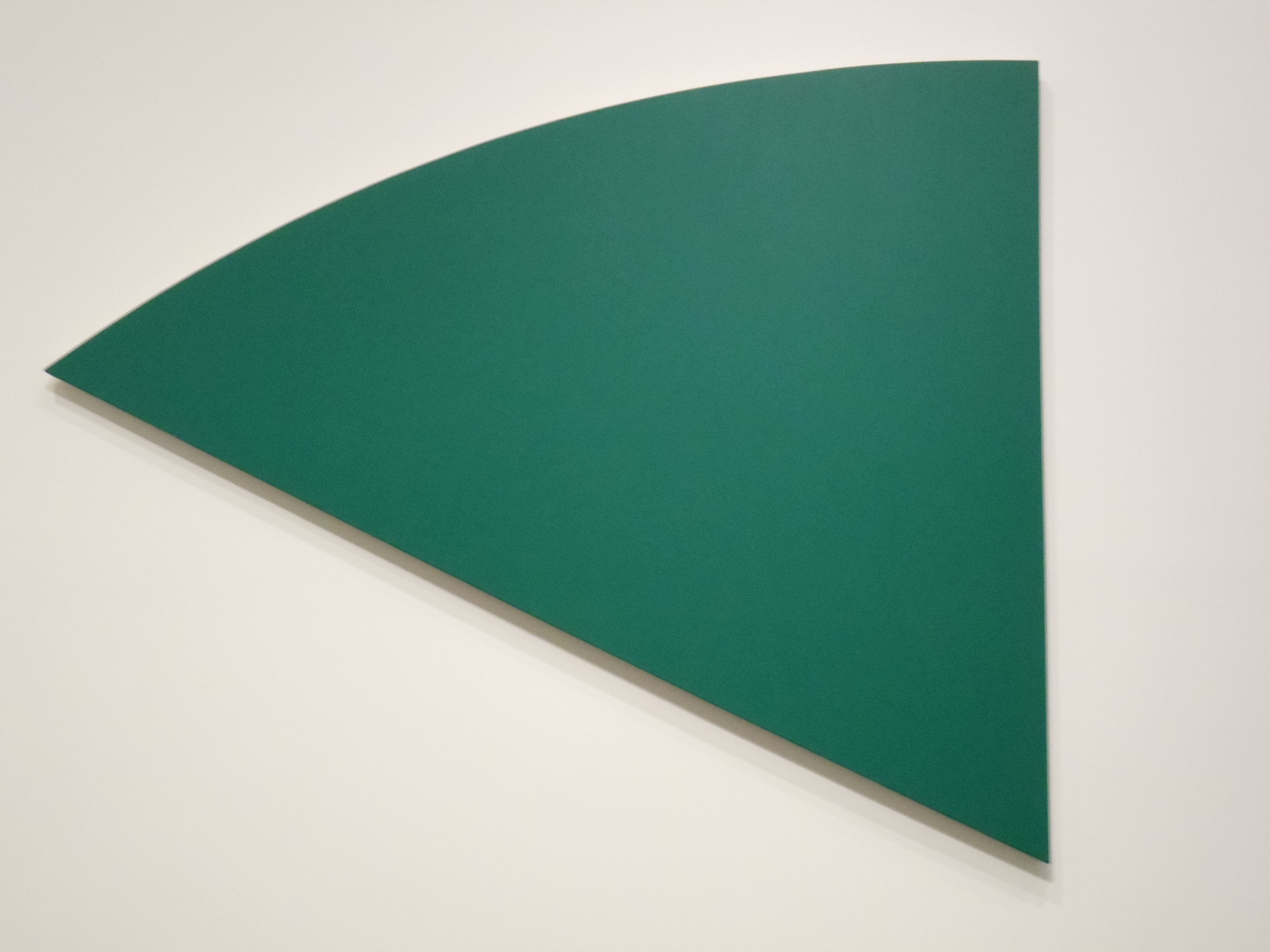
Round 1 saw some big upsets, with the biggest coming in the Los Angeles Regional. No. 3 seed Kasimir Malevich was ousted by No. 14 seed Jean-Michel Basquiat and Man Ray, a No. 11 seed, destroyed No. 6 Ellsworth Kelly, grabbing 81 percent of the votes. Ray is now the last photographer still in the tournament.

Also out are higher seeds Diane Arbus (losing to Rene Magritte) and Amedeo Modigliani, who lost a squeaker to Joseph Cornell. Jackson Pollock, the top seed in the New York Regional, narrowly averted a huge upset bid by No. 16 Frida Kahlo, with just 50.6 percent of the votes (or just 3 votes).  Remember, your votes matter!

The full bracket, with percentages for each contest, is here: http://www.bracketmaker.com/tlist.cfm?tid=457697

(Apologies for the crap website – you have to paste the link into your browser and click on “championship bracket”)

If this whole exercise seems slightly ridiculous, you’re not alone. But here are some FAQs that might help it make sense.

And now on to the second round. Vote using any criteria that makes sense to you. But vote!

Paris Regional

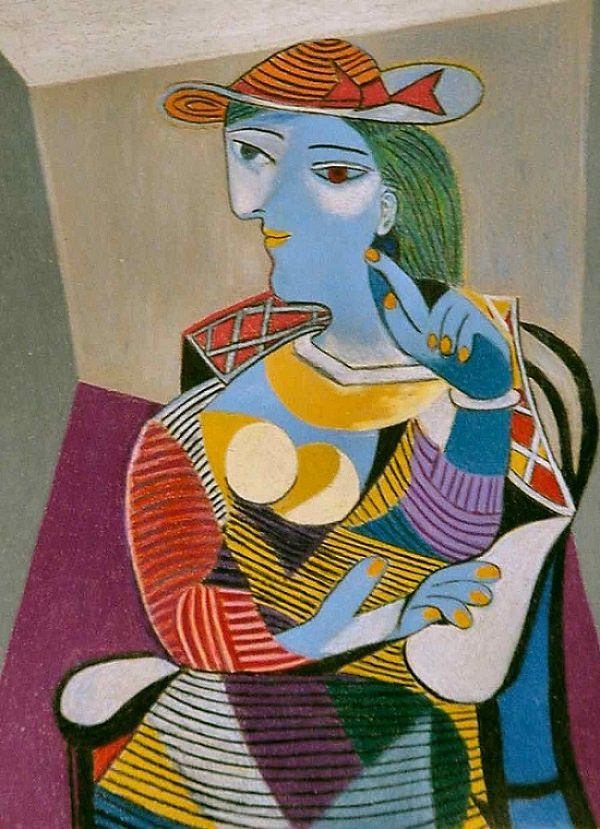
No. 1 Pablo Picasso vs.

seated-woman

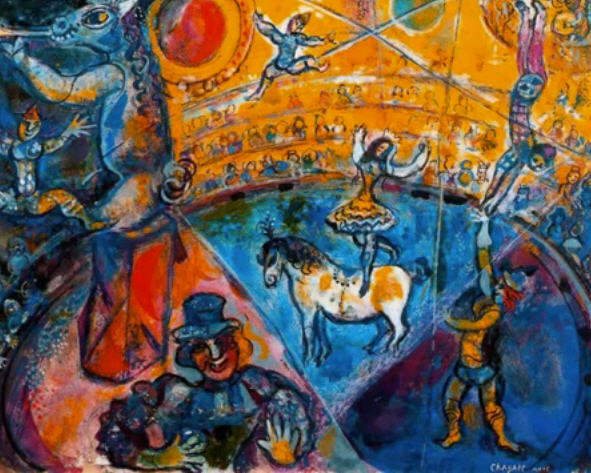
No. 8 Marc Chagall

Chagall_Circus


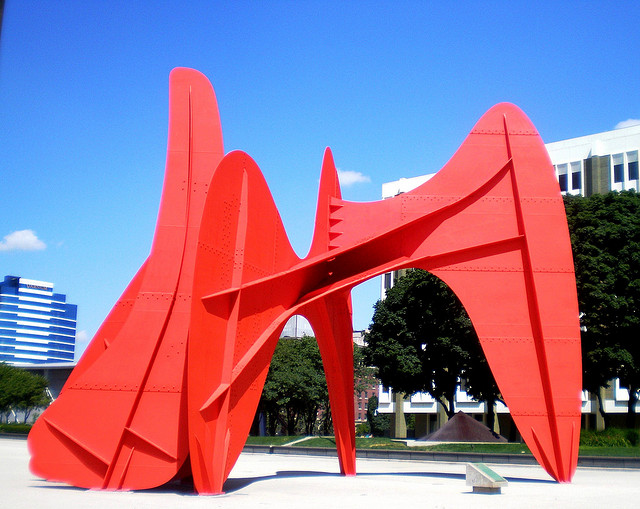
No. 4 Alexander Calder vs.

4083899463_9d1e74f37a_z

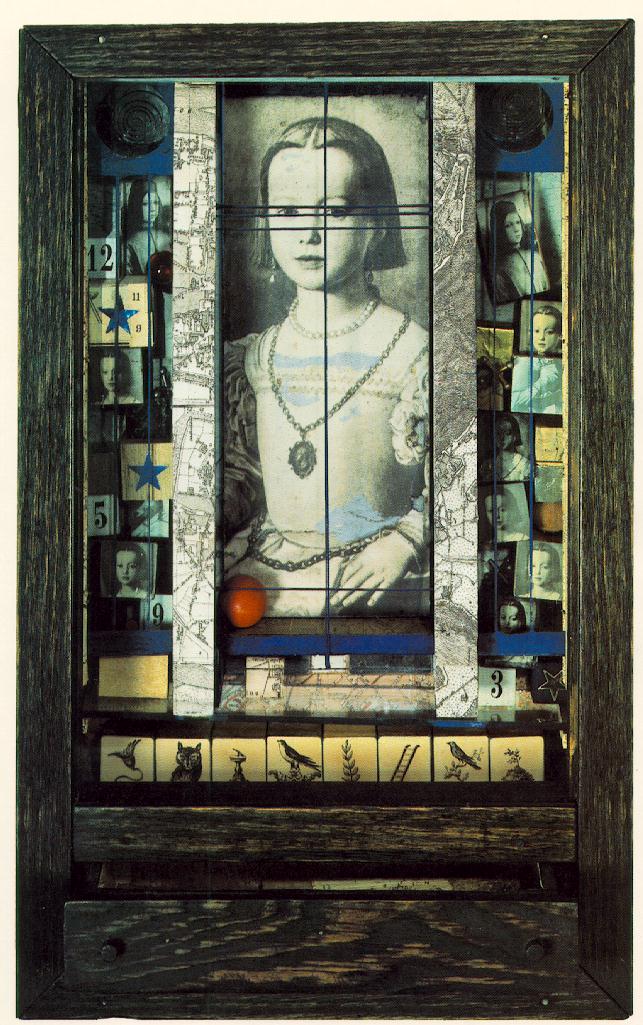
No. 12 Joseph Cornell

cornell.medici-princess


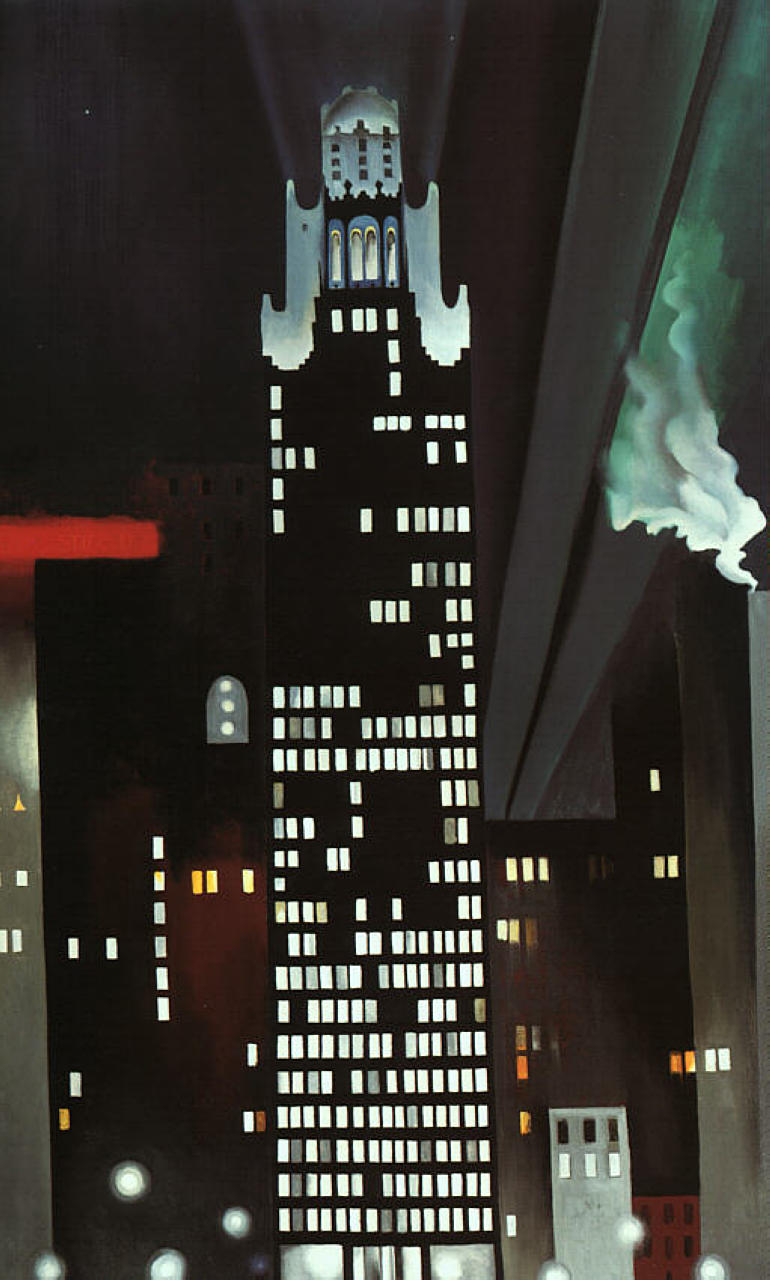
No. 3 Georgia O’Keeffe vs.

radiator-building

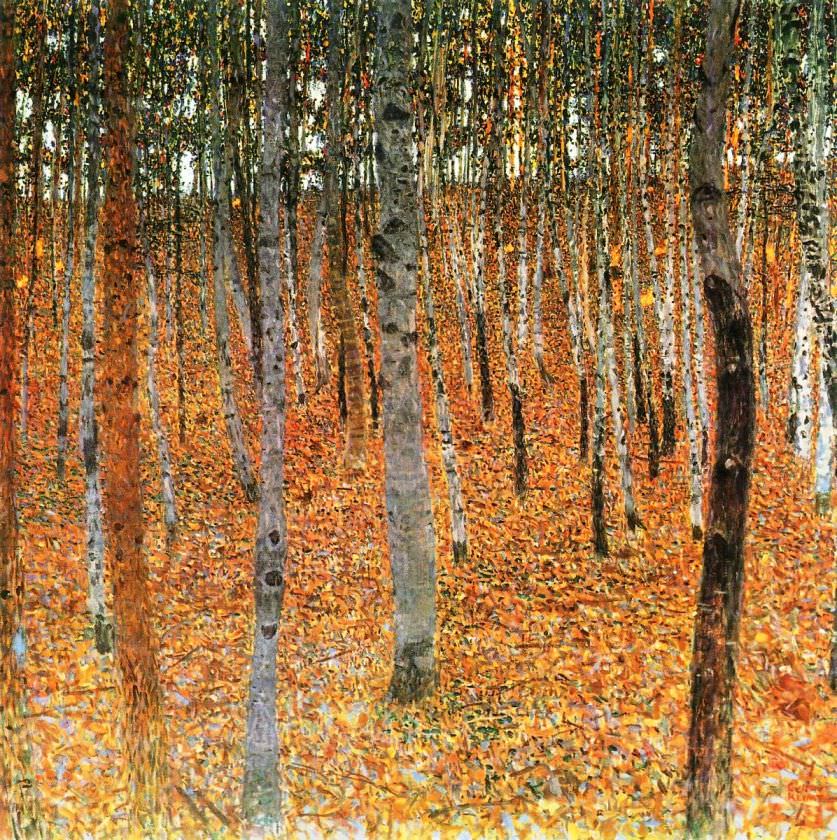
No. 11 Gustav Klimt

Birch-Trees


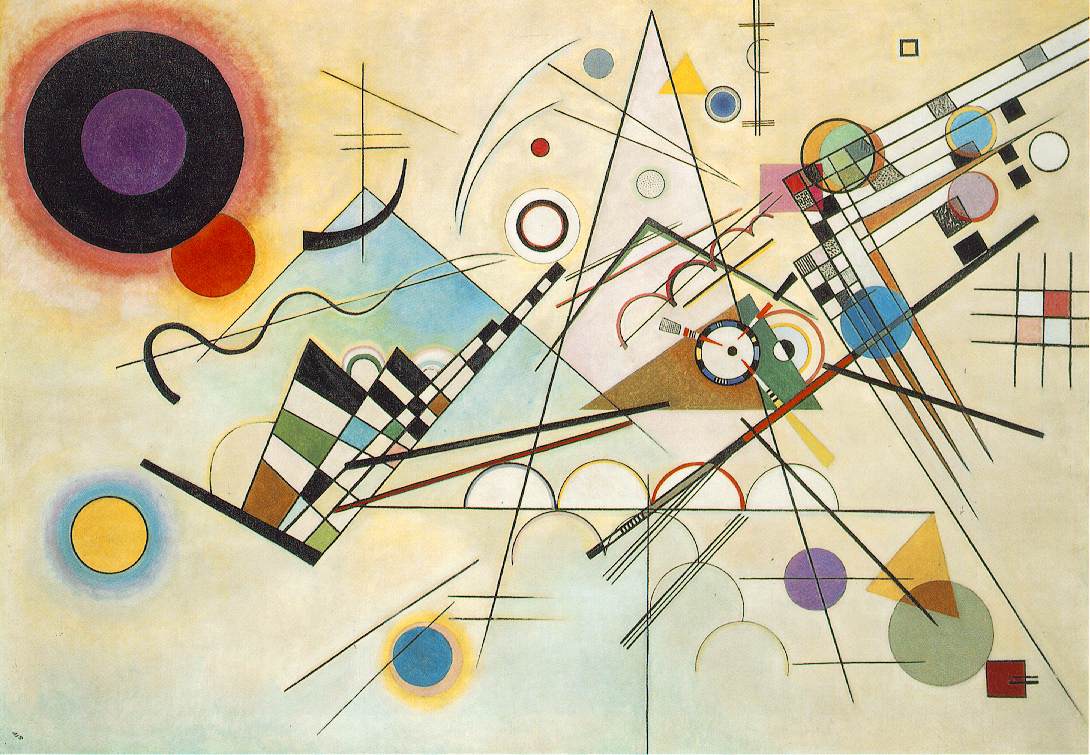
No. 2 Wassily Kandinsky vs,

kandinsky.comp-8

No. 10 Constantin Brancusi

Constantin_Brancusi,_Portrait_of_Mlle_Pogany,_1912,_Philadelphia_Museum_of_Modern_Art,_Philadelphia


New York Regional

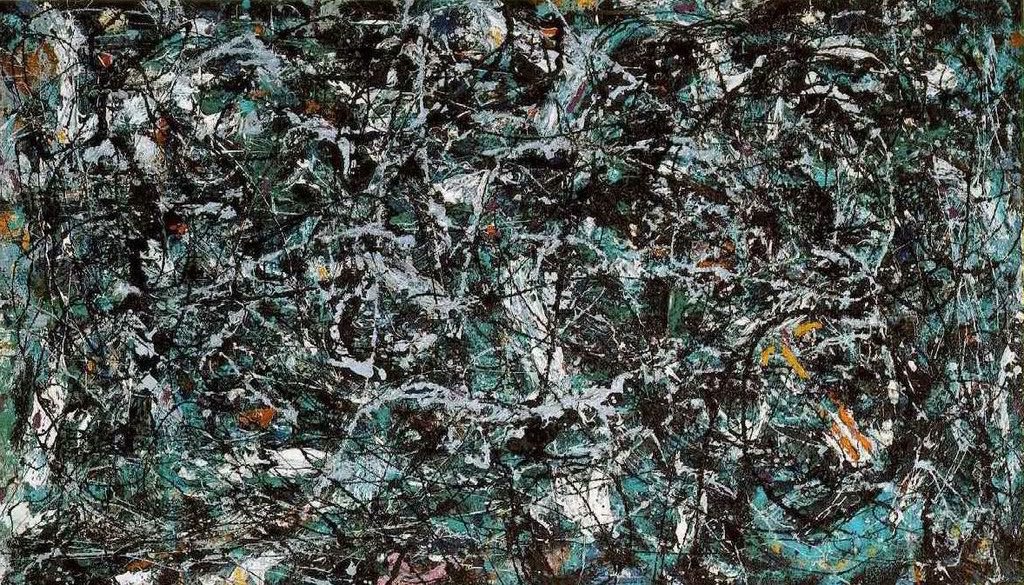
No. 1 Jackson Pollock vs.

full-fathom-five

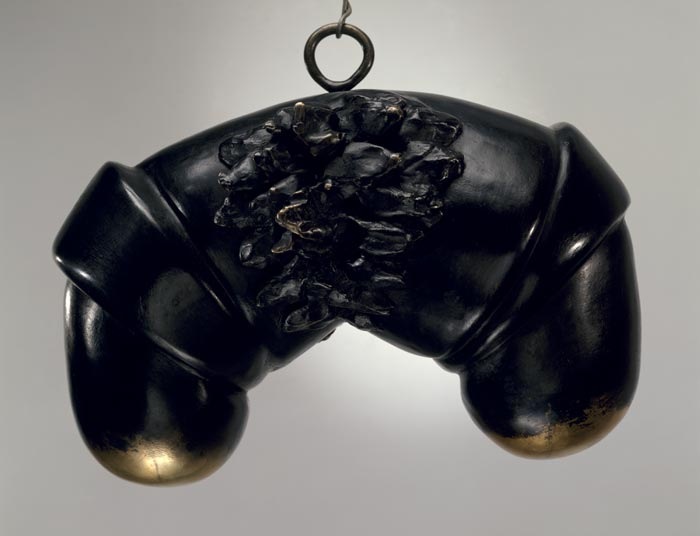
No. 8 Louise Bourgeois

louise bourgeois janus in leather jacket


No. 4 Roy Lichtenstein vs.

Brushstroke 1965 by Roy Lichtenstein 1923-1997

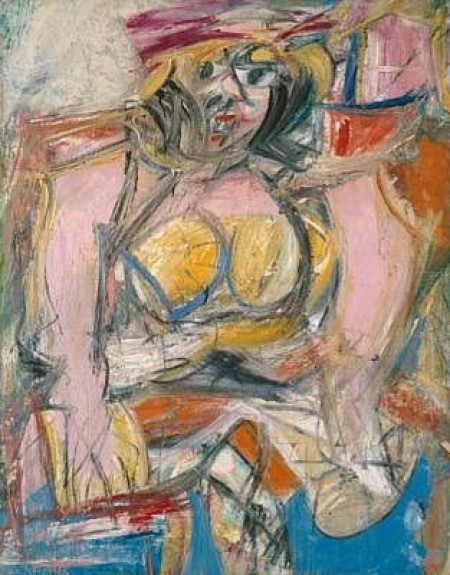
No. 5 Willem De Kooning

de-kooning512-e1324424941422


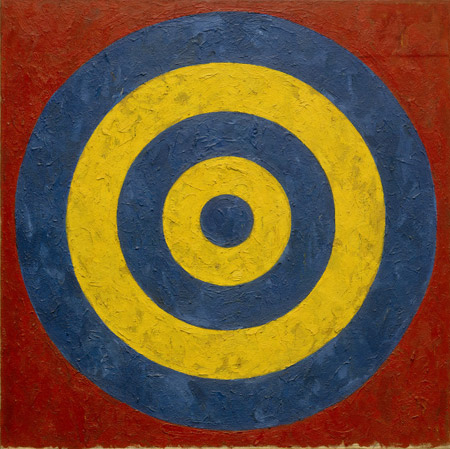
No. 3 Jasper Johns vs.

johnsinfo-lg

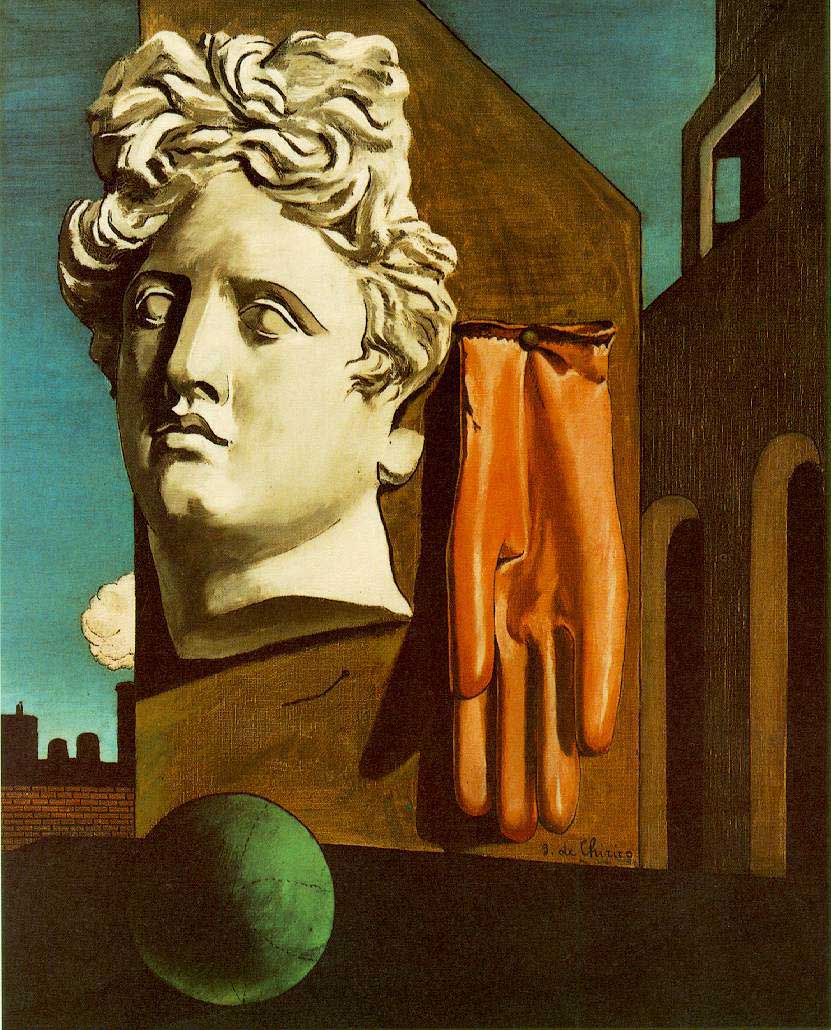
No. 6 Giorgio De Chirico

20060216002629!De_Chirico's_Love_Song


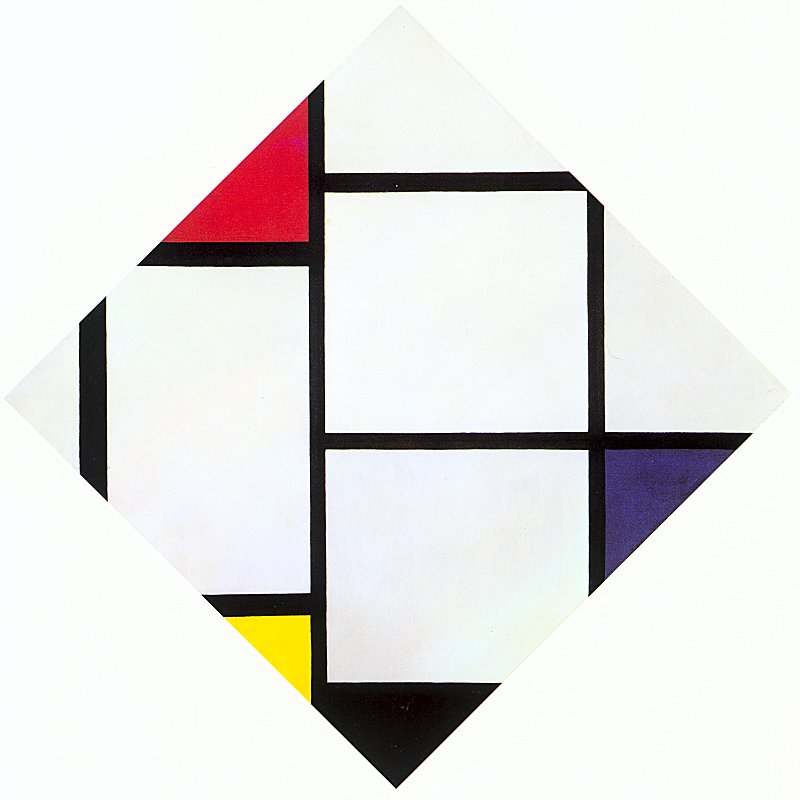
No. 2 Piet Mondrian vs.

lozenge-composition-with-red-gray-blue-yellow-and-black-1925

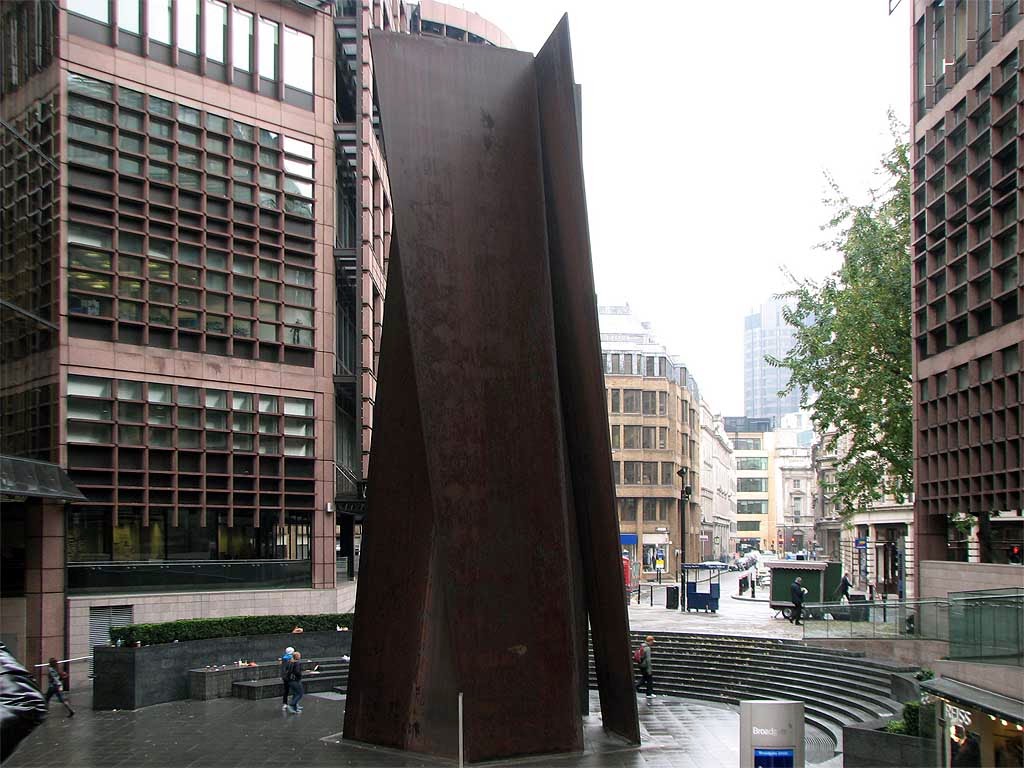
No. 7 Richard Serra

0910310006


Berlin Regional

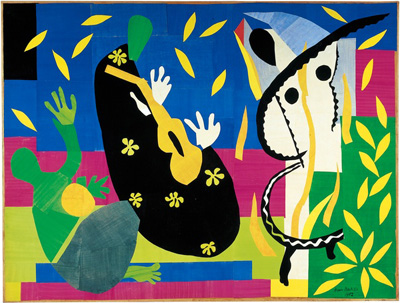
No. 1 Henri Matisse vs.

The_Sorrows_of_the_King

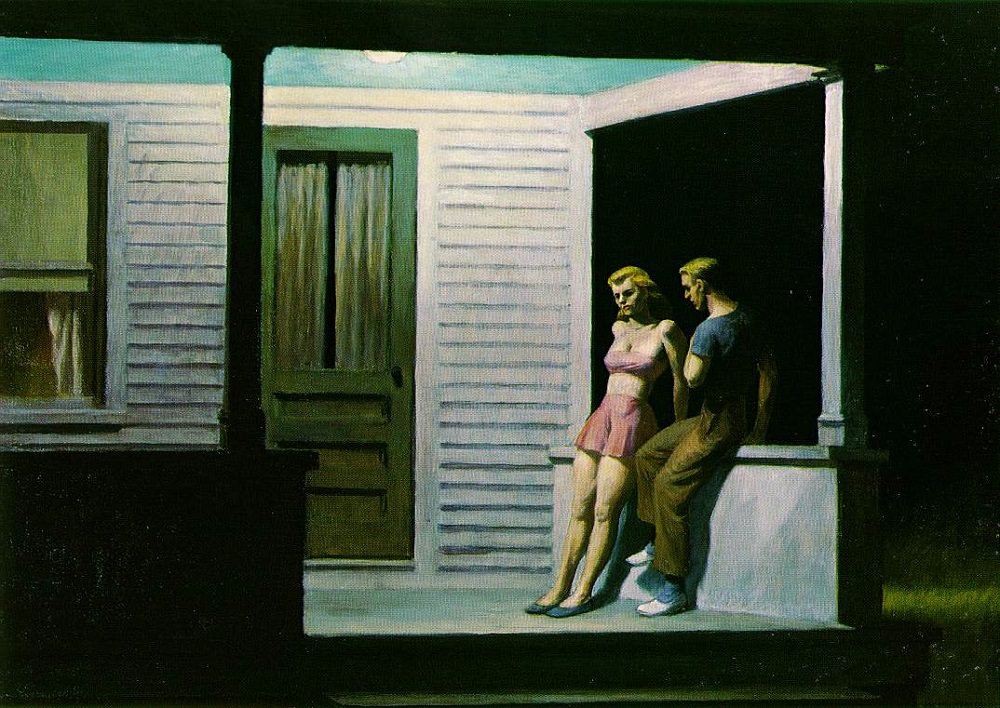
No. 8 Edward Hopper

summer-evening


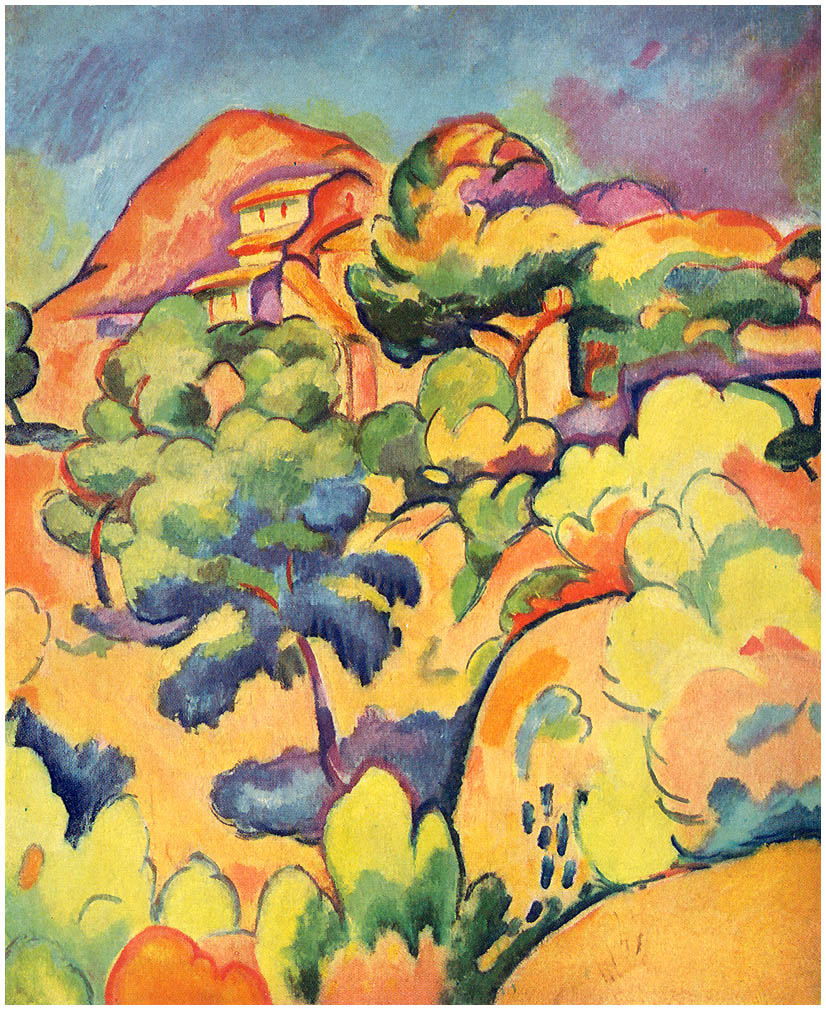
No. 4 Georges Braque vs.

landscape-at-la-ciotat-1907-1

No. 5 Andy Warhol

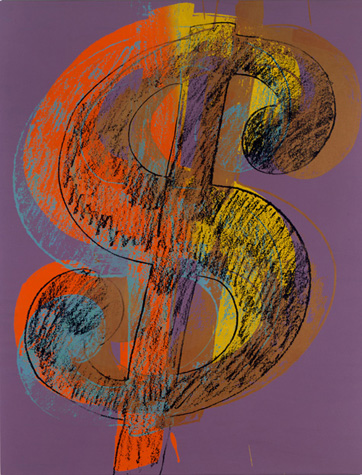
1998.1.248

No. 3 Gerhard Richter vs.

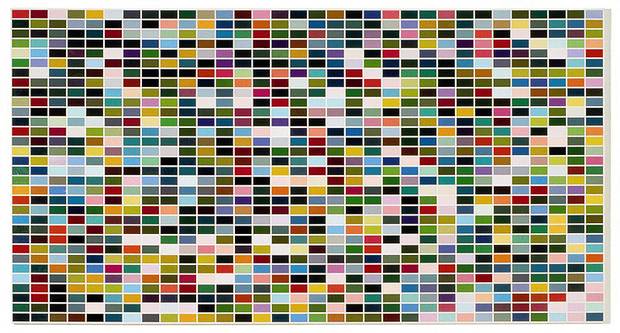
1024colours

No. 11 Rene Magritte

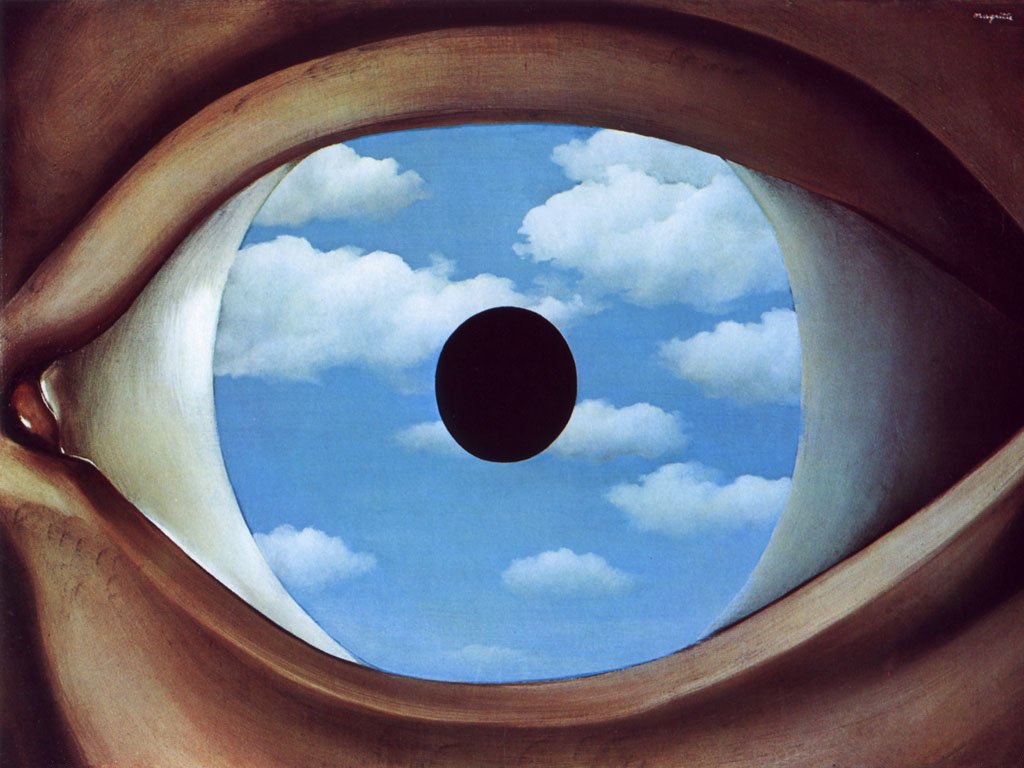
the-false-mirror-1928(1)


No.2 Mark Rothko vs.

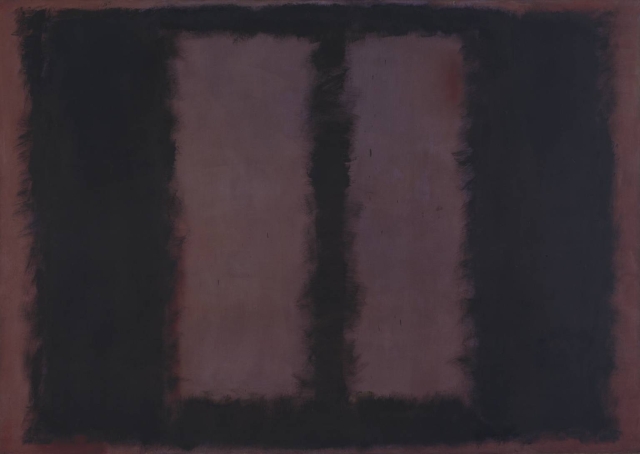
Black on Maroon 1958 by Mark Rothko 1903-1970

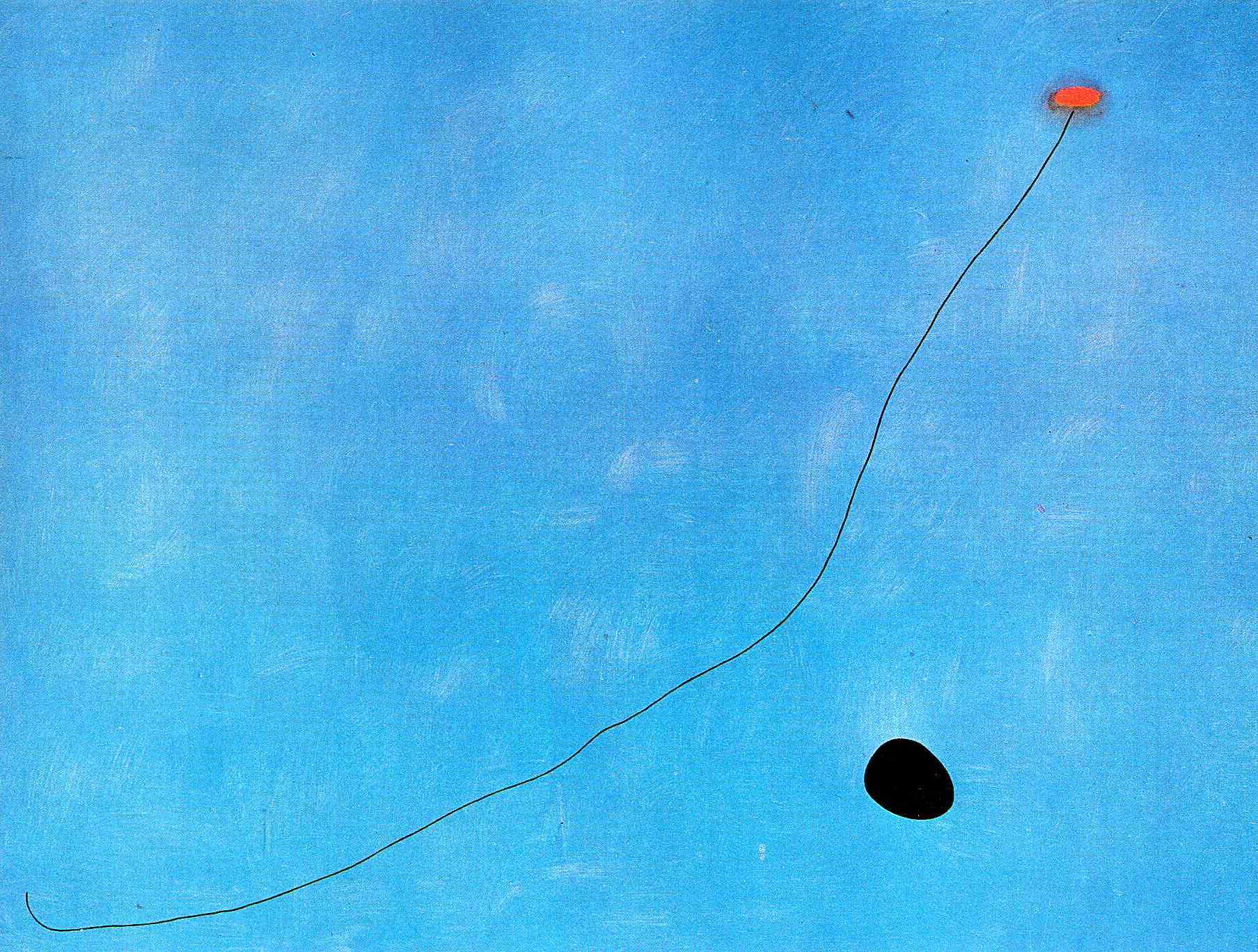
No. 7 Joan Miro

blue-iii


Los Angeles Regional

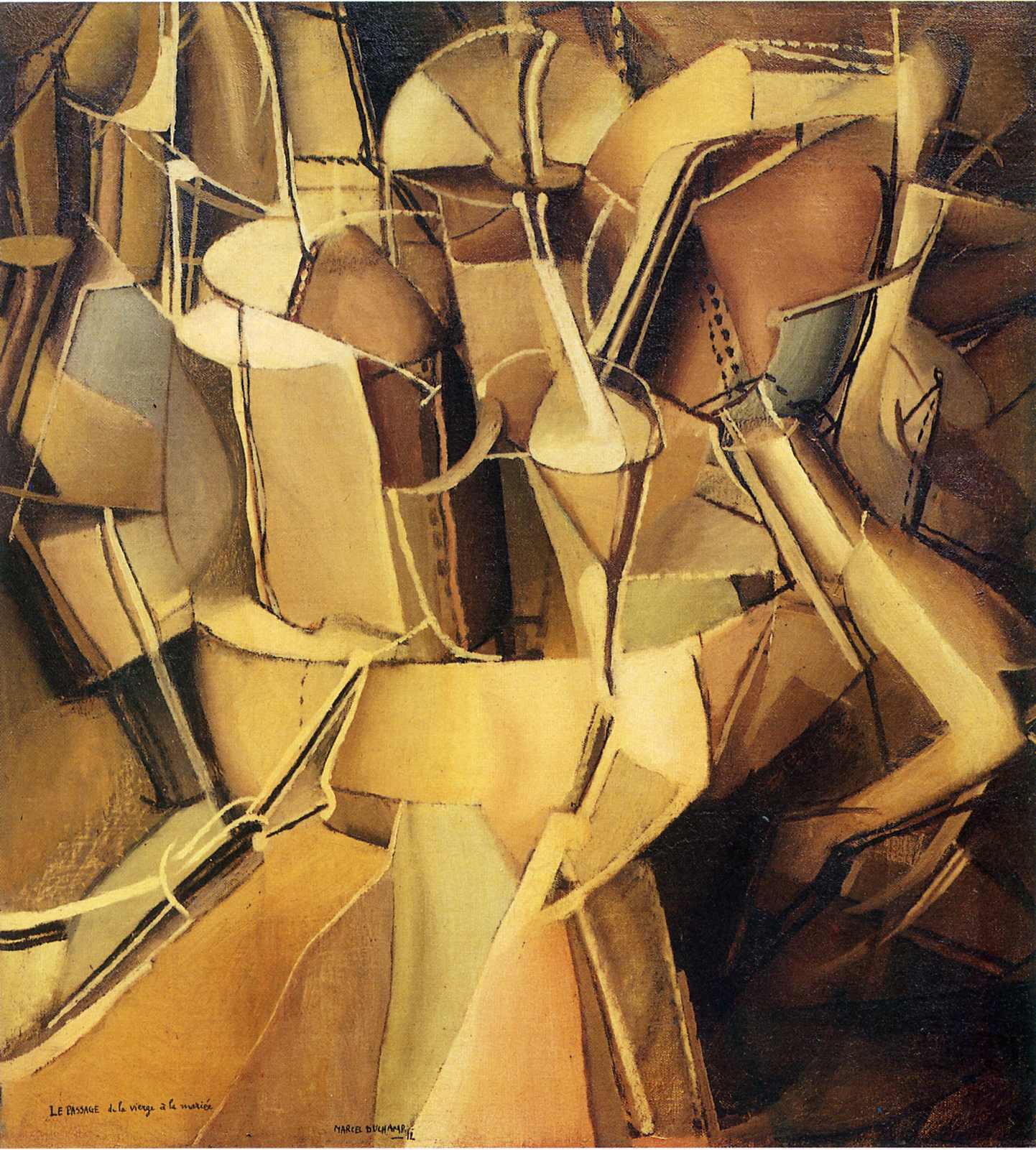
No. 1 Marcel Duchamp vs.

transition-of-virgin-into-a-bride-1912

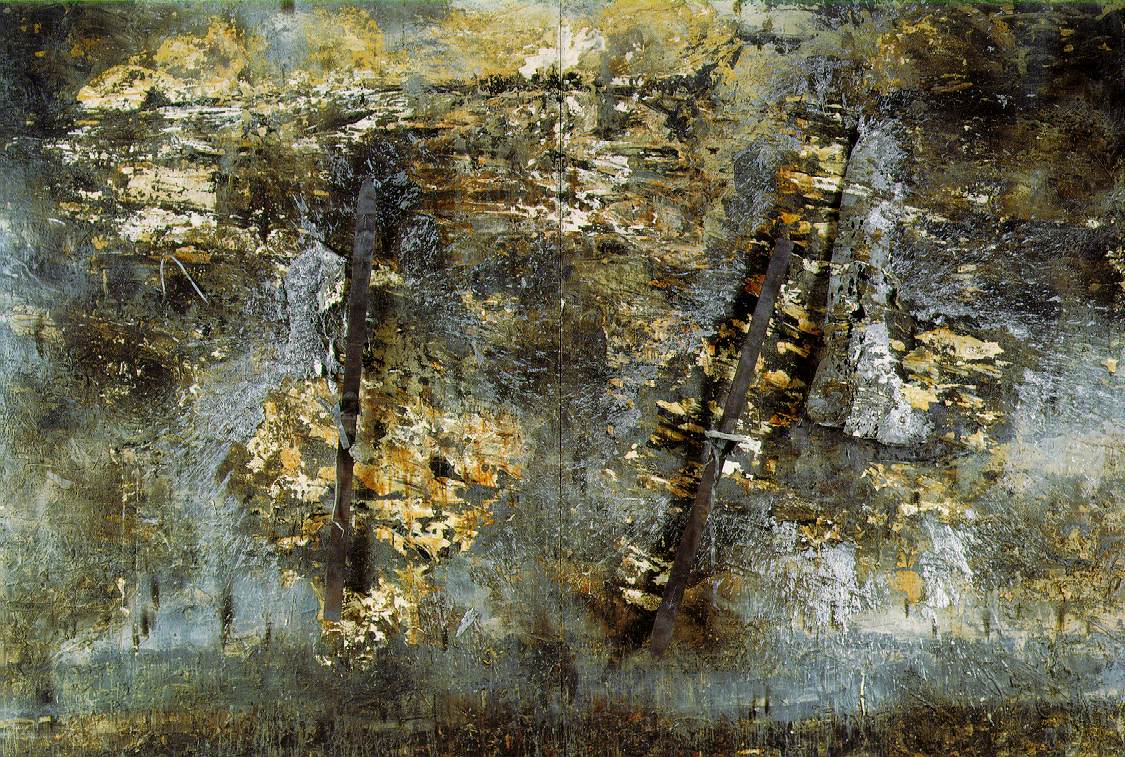
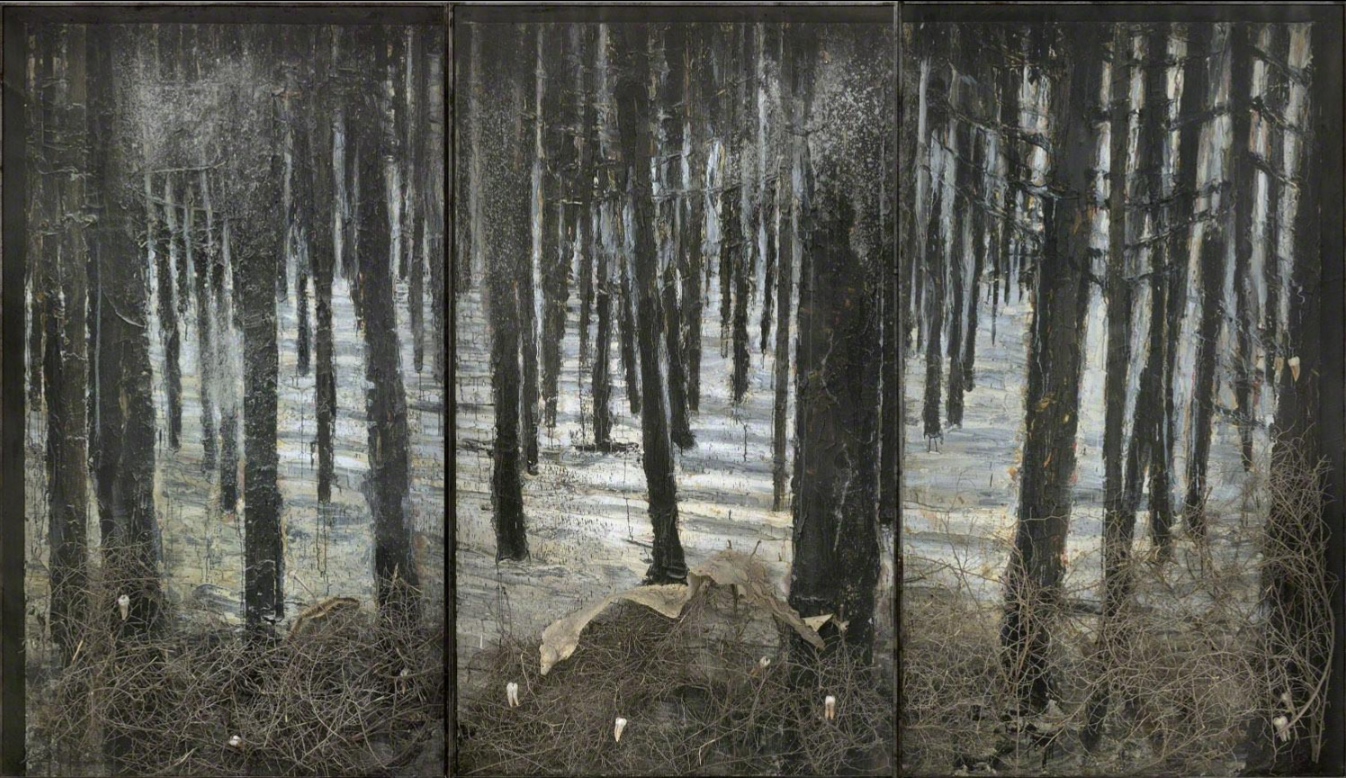
No. 9 Anselm Kiefer

jerusalem


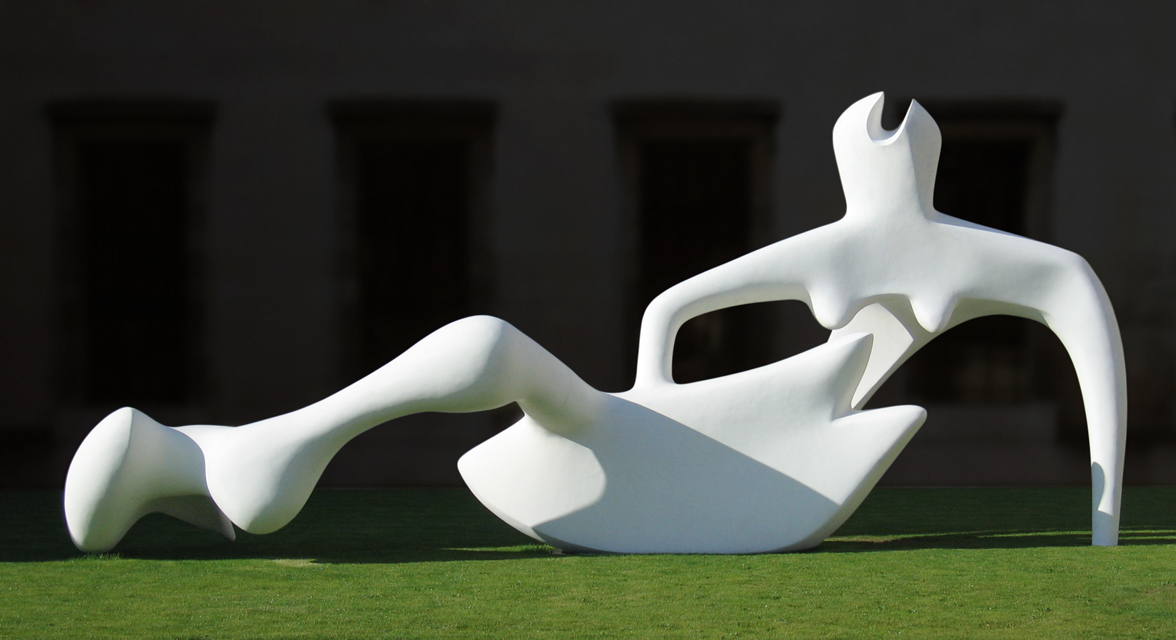
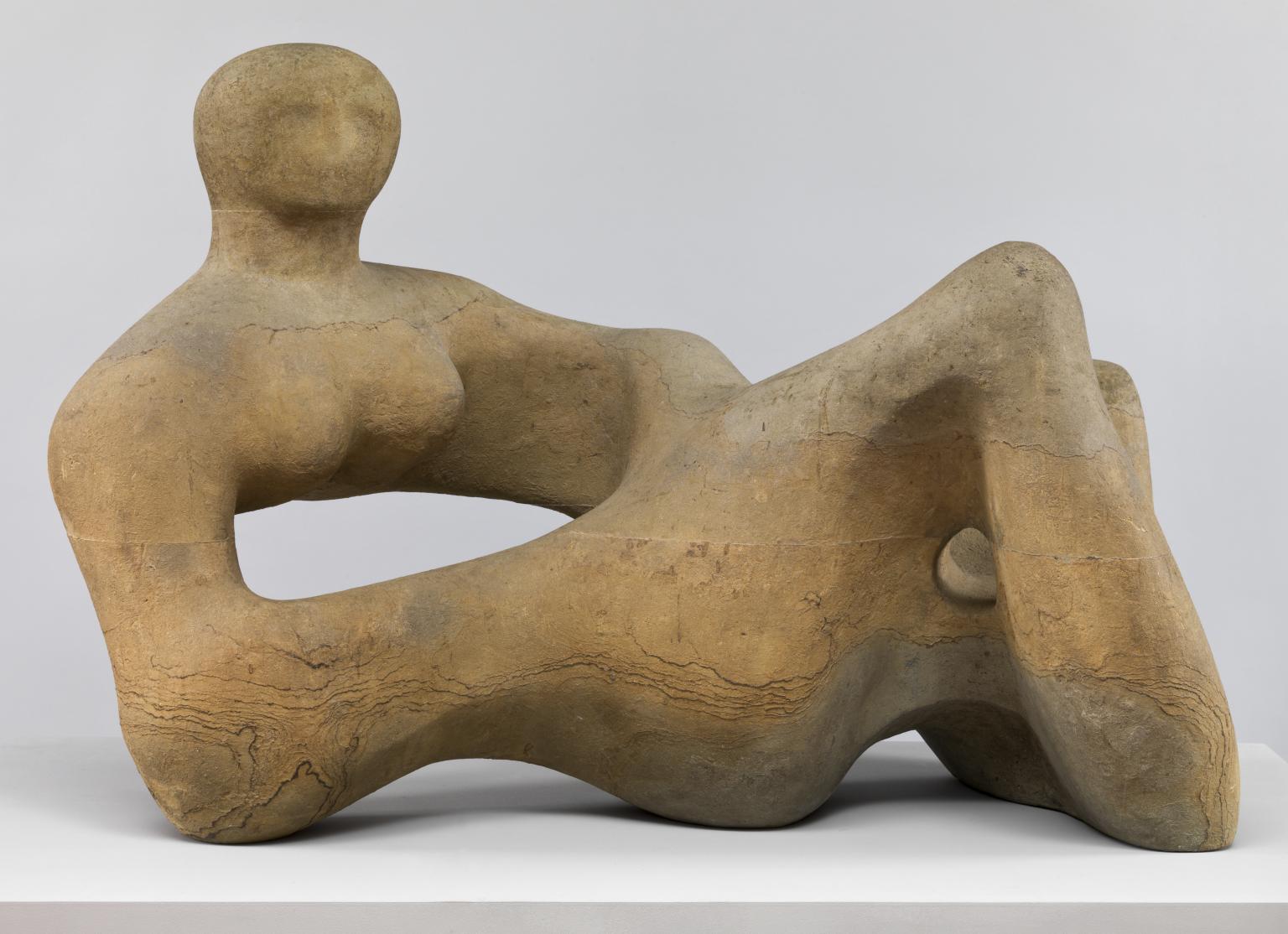
No. 4 Henry Moore vs.

HenryMoore_RecliningFigure_1951

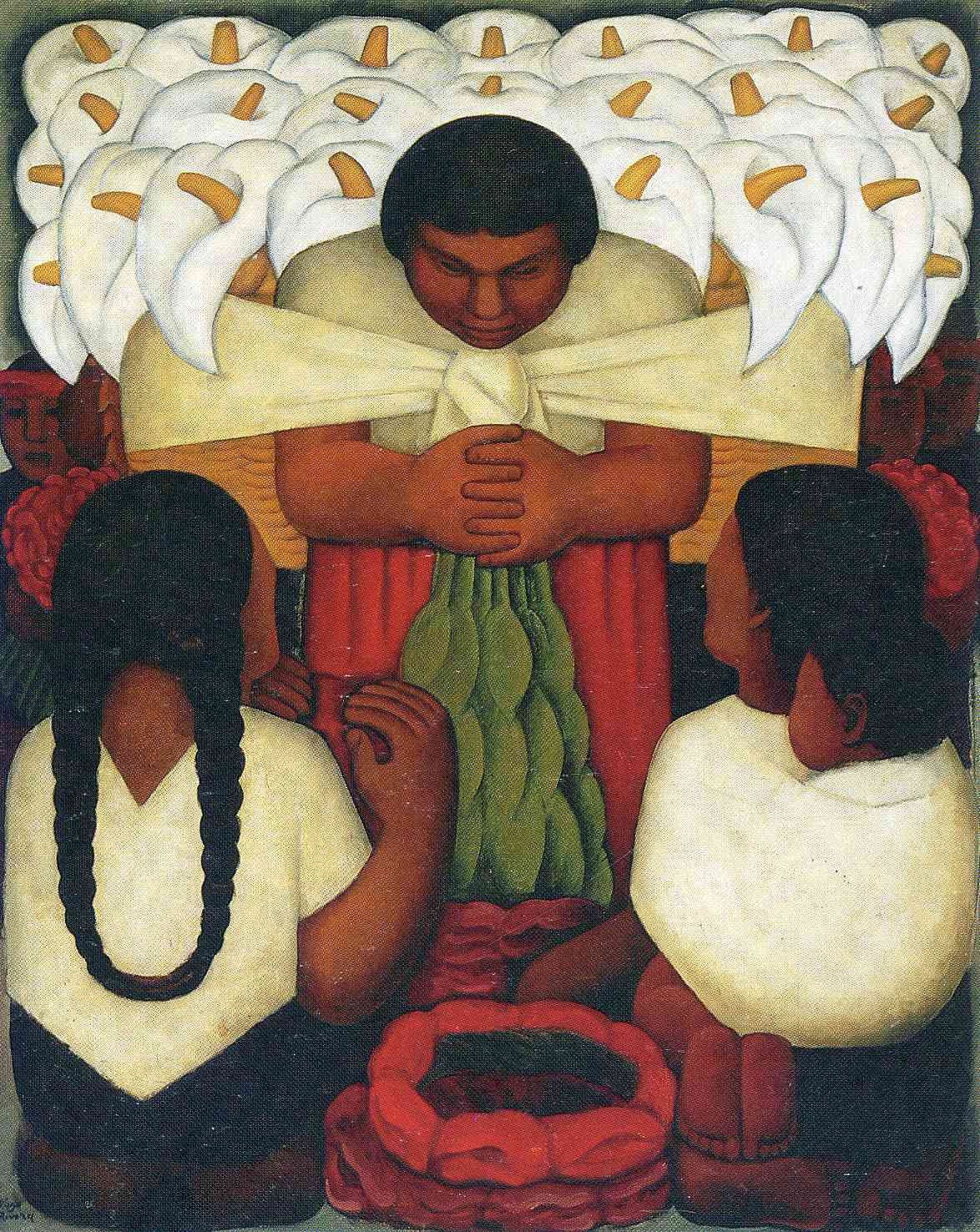
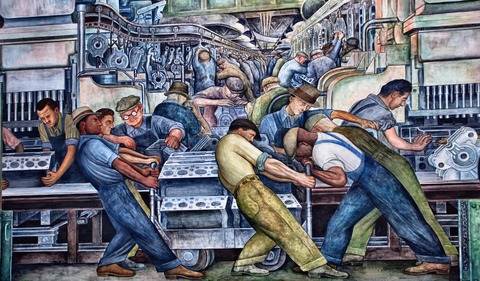
No. 5 Diego Rivera

flower-festival-1925


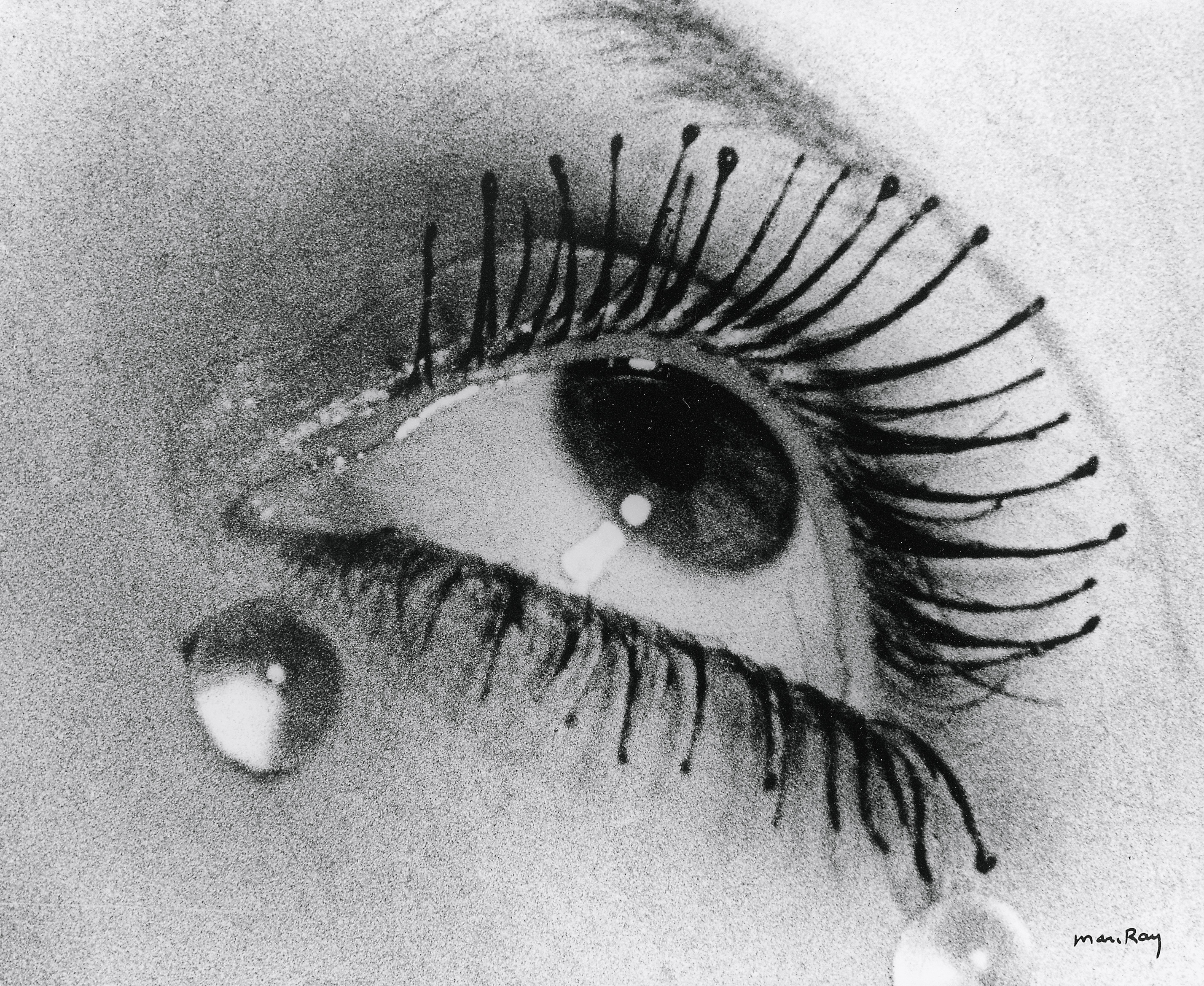
No. 11 Man Ray vs.

mr_30_0

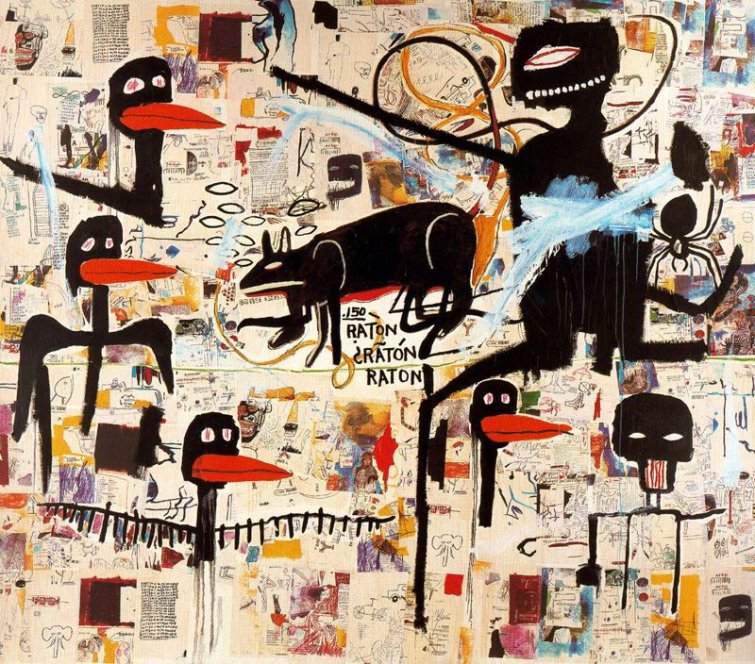
No. 14 Jean-Michel Basquiat

basquiat_tenor


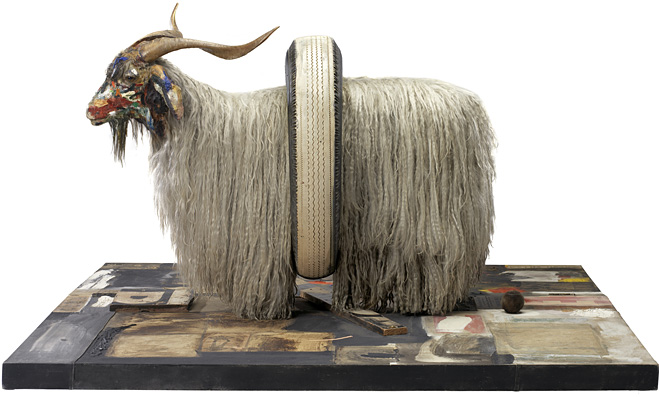
No. 2 Robert Rauschenberg vs.

Robert-Rauschenberg-Monogram-

No. 7 Paul Klee

e22d9314-37c7-11e3-8668-00144feab7de

Art History M(art)ch Madness: Round 1, part 2

Tags

, ,

Welcome to the second half of M(art)ch Madness’s round 1 voting. We’re choosing the greatest artist of the 20th century, NCAA style.  Sixty-four artists will be winnowed down to one champion by your votes.

The artists are broken up into four regionals and seeded 1-16. Voting for the first two regionals began yesterday, while the rest starts today.

The full 64-team bracket can be found here:
http://www.bracketmaker.com/tlist.cfm?tid=457697.

If you’re wondering the hell this is all about, check out these FAQs

Make sure you vote in the first half of round 1 here. Voting will run through Thursday (not Friday, as I said earlier), so make sure you cast your vote.

Berlin Regional

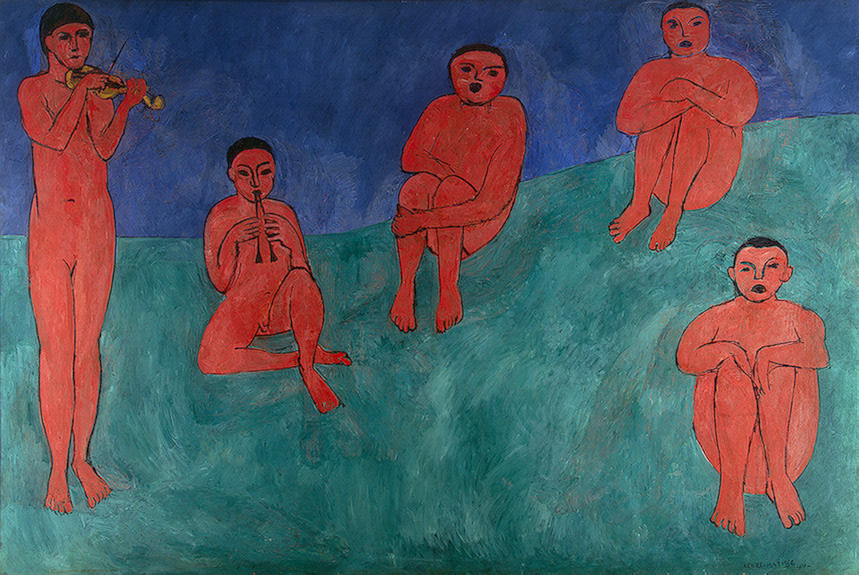
No. 1 Henri Matisse vs.

Matisse_-_Music

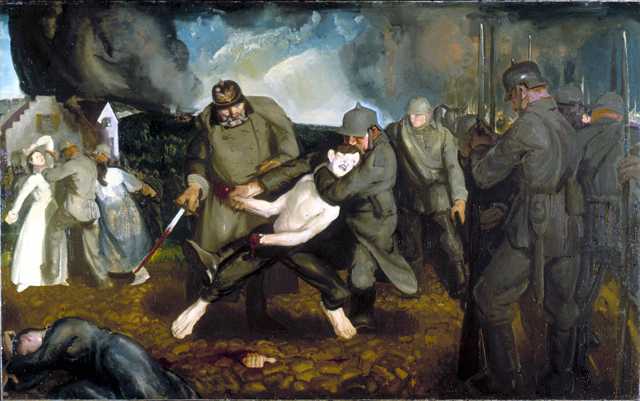
No. 16 George Bellows

1918-002a


No. 8 Edward Hopper vs.

edward-hopper-e1348960126745

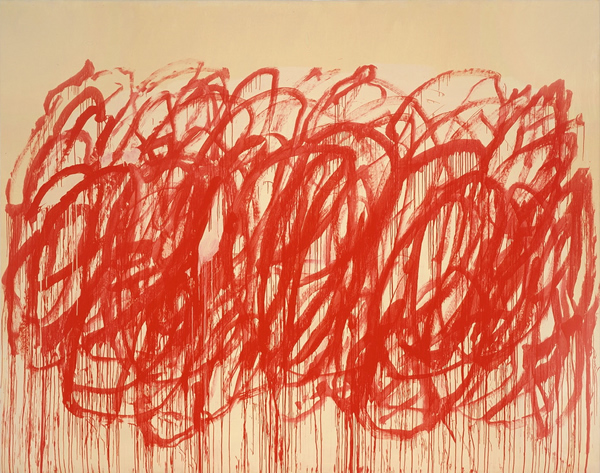
No. 9 Cy Twombly

untitled_bacchus_series_2005


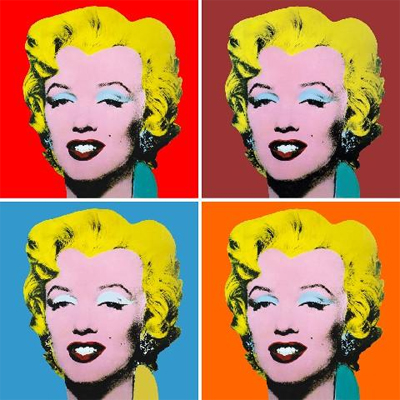
No. 5 Andy Warhol vs.

warhol_Marylin_medium

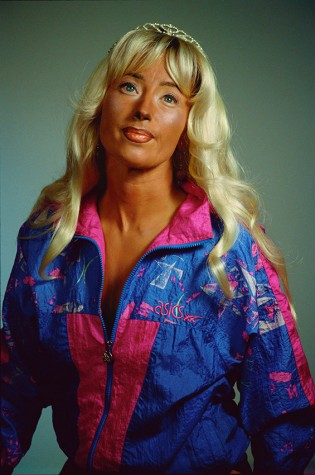
No. 12 Cindy Sherman

G08A08Untitled-397.2000_large-315x475


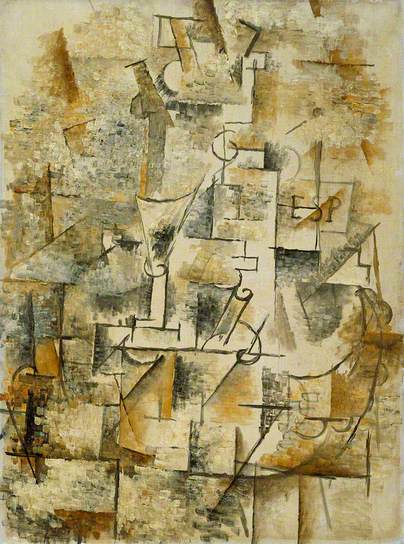
No. 4 Georges Braque vs.

(c) DACS - FULL CONSULT; Supplied by The Public Catalogue Foundation

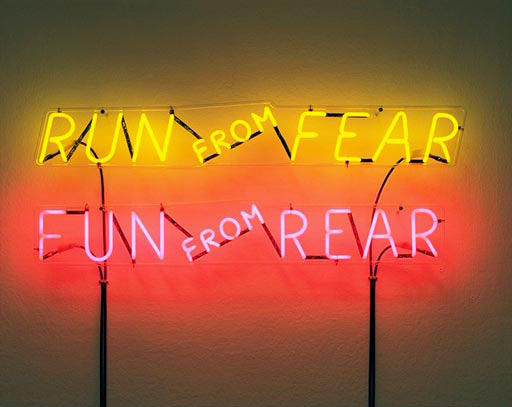
No. 13 Bruce Nauman

Bruce-Nauman_Run-from-Fear-Fun-from-Rear_1972


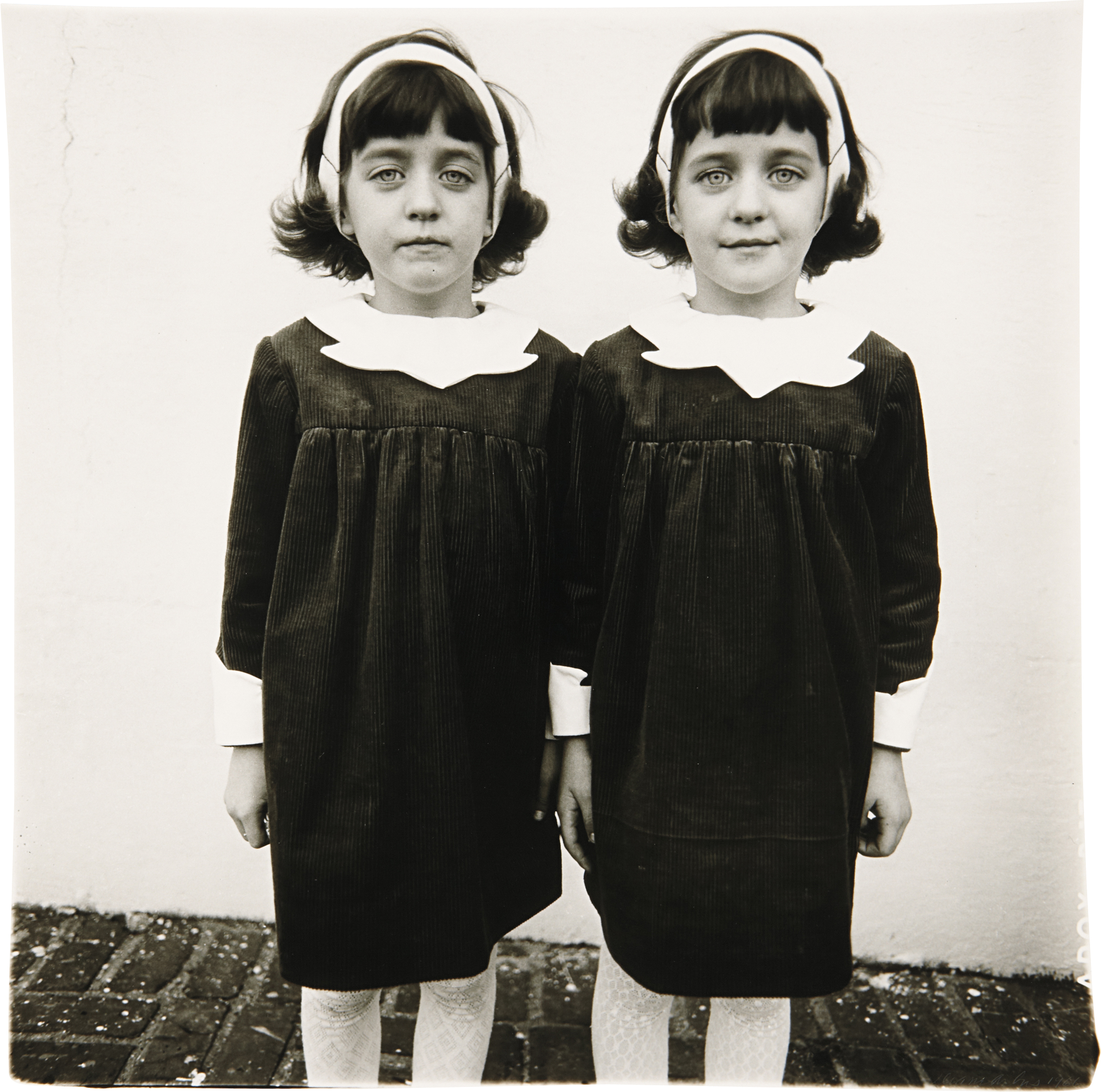
No. 5 Diane Arbus vs.

28

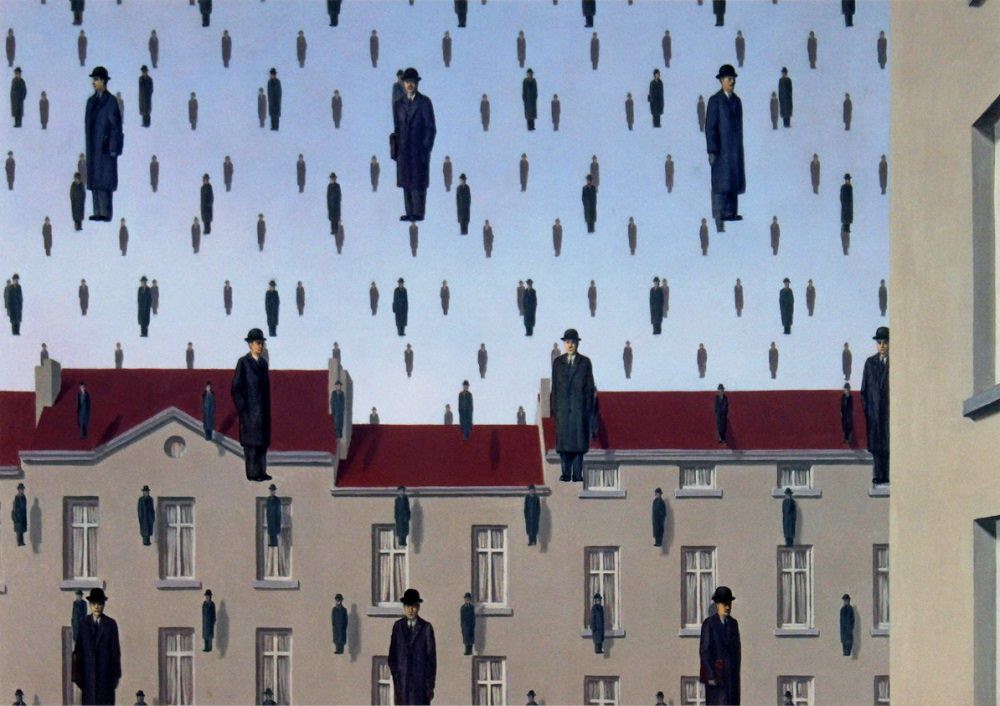
No. 11 Rene Magritte

golconda


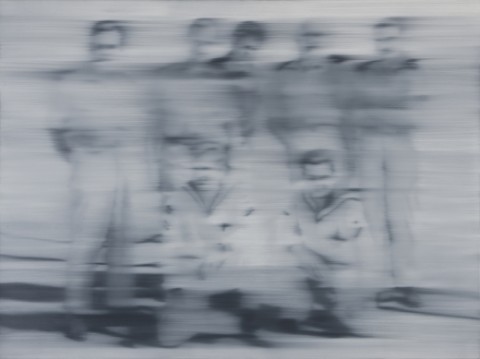
No. 3 Gerhard Richter vs.

ozartsetc_gerhard-richter_peinture_131-e1340230892515

No. 14 Max Ernst

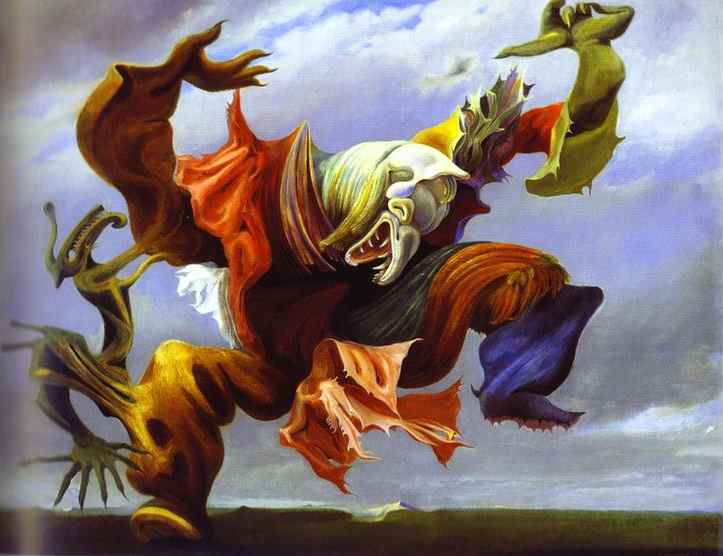
L'Ange_du_Foyeur


No. 7 Joan Miro vs.

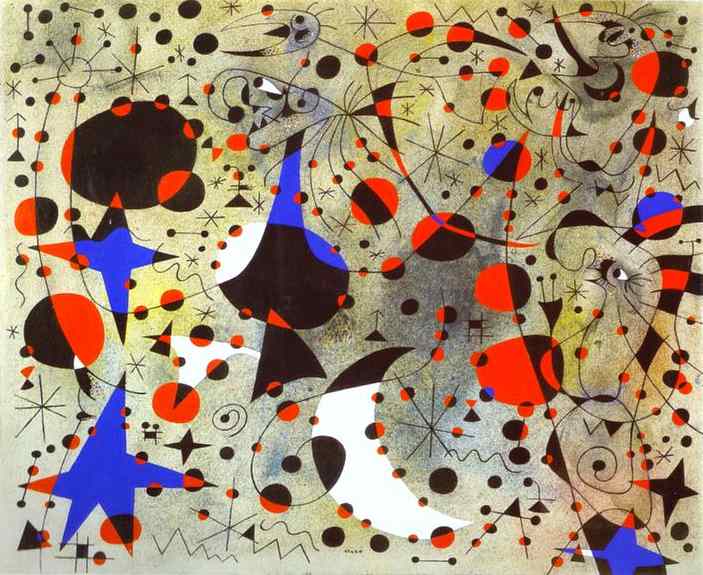
the-nightingale-s-song-at-midnight-and-the-morning-rain

No. 10 Edward Weston

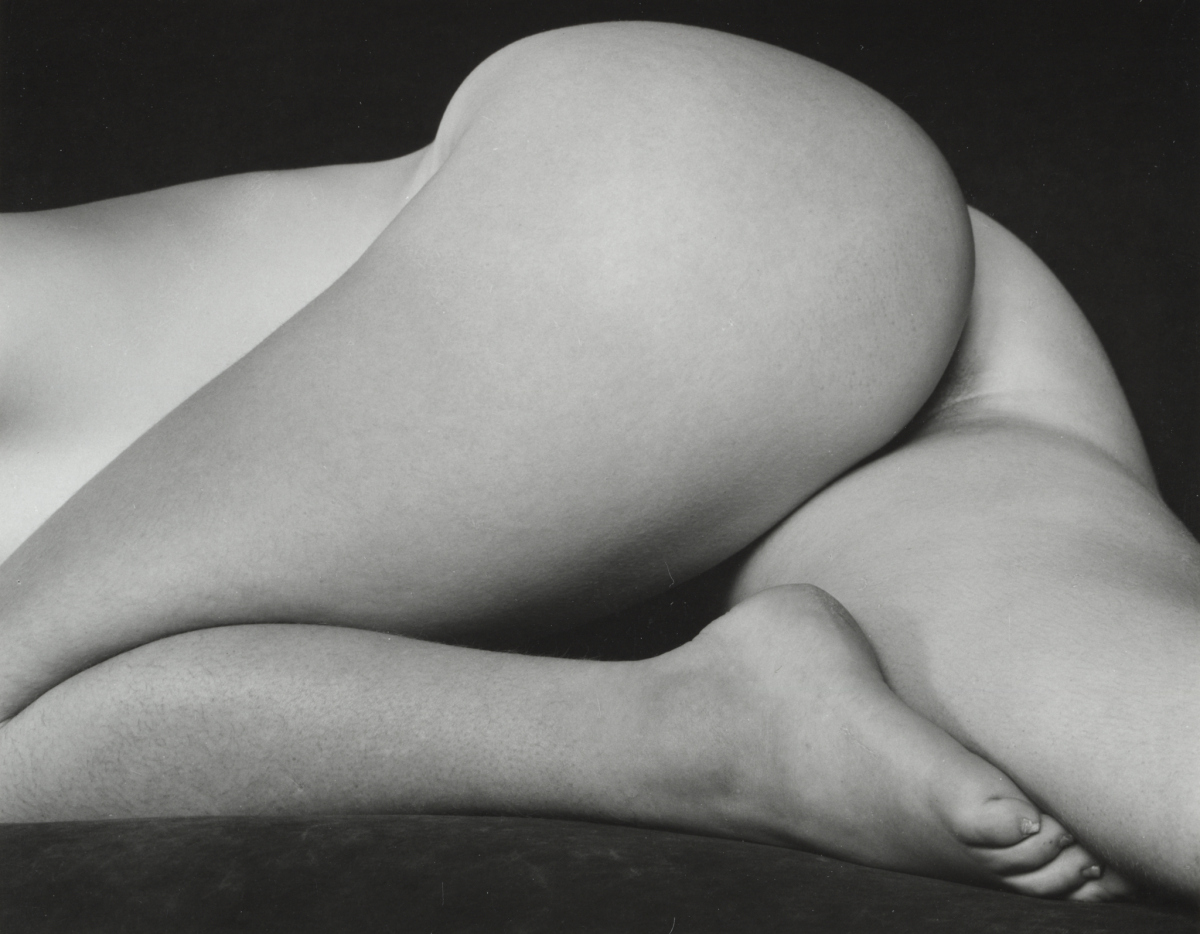
edward-weston-nude-1934-1368775739_org


No. 2 Mark Rothko vs.

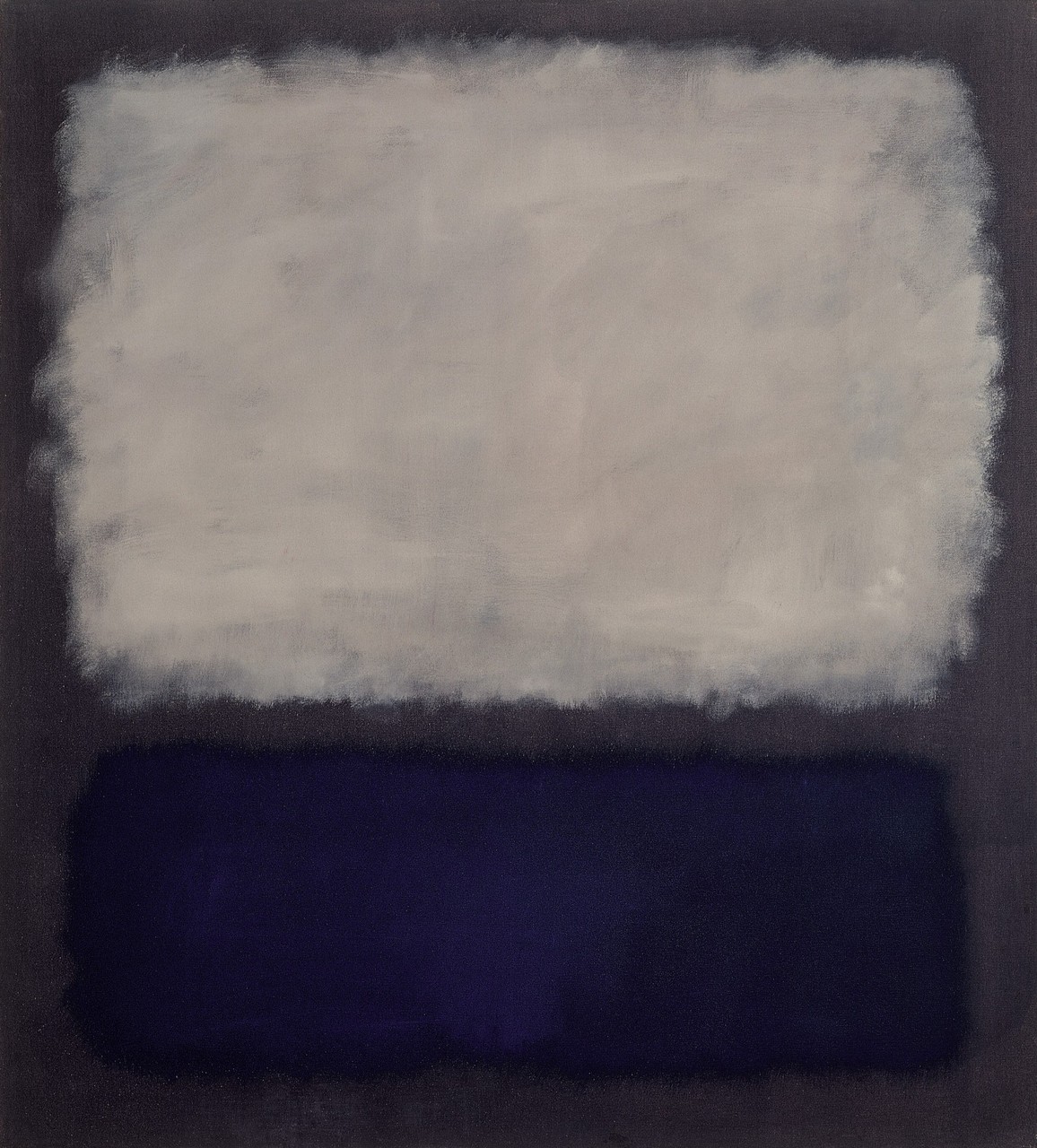
blue-and-gray

No. 15 Charles DeMuth

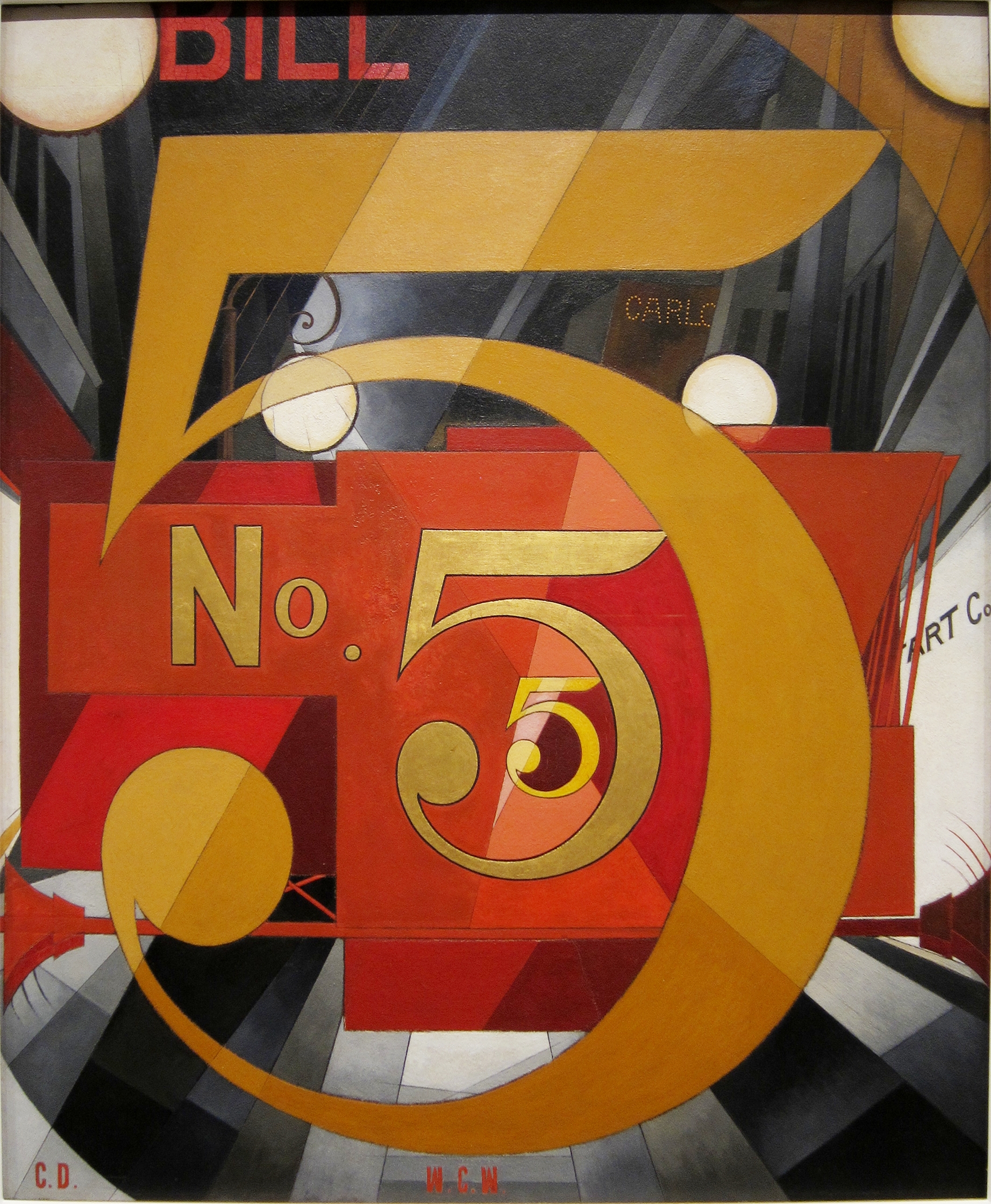
NY_Met_demuth_figure_5_gold


Los Angeles Regional

No. 1 Marcel Duchamp vs.

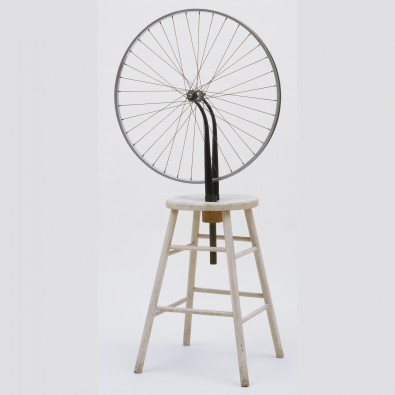
Duchamp.-Bicycle-Wheel-395x395

No. 16 Chuck Close

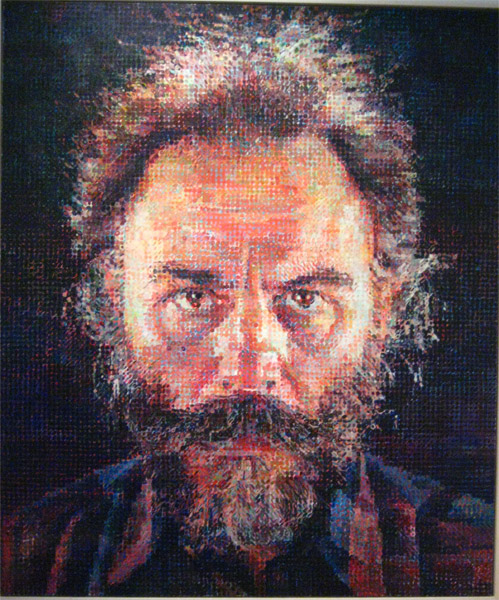
chuck-close-lucas


No. 8 Lucian Freud vs.

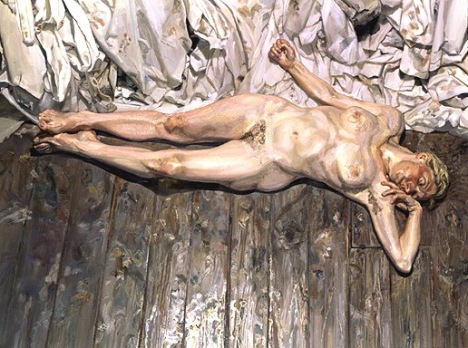
lucian freud lying by the rags 1989-1990

No. 9 Anselm Kiefer

012-anselm-kiefer-theredlist


No. 5 Diego Rivera vs.

A portion of the north wall of Rivera's murals in the DIA

No. 12 Ansel Adams

My-Ansel-Adams-Tribute


No. 4 Henry Moore vs.

Recumbent Figure 1938 by Henry Moore OM, CH 1898-1986

No. 13 Dan Flavin

img_6341


No. 6 Ellsworth Kelly vs.

dsc00109

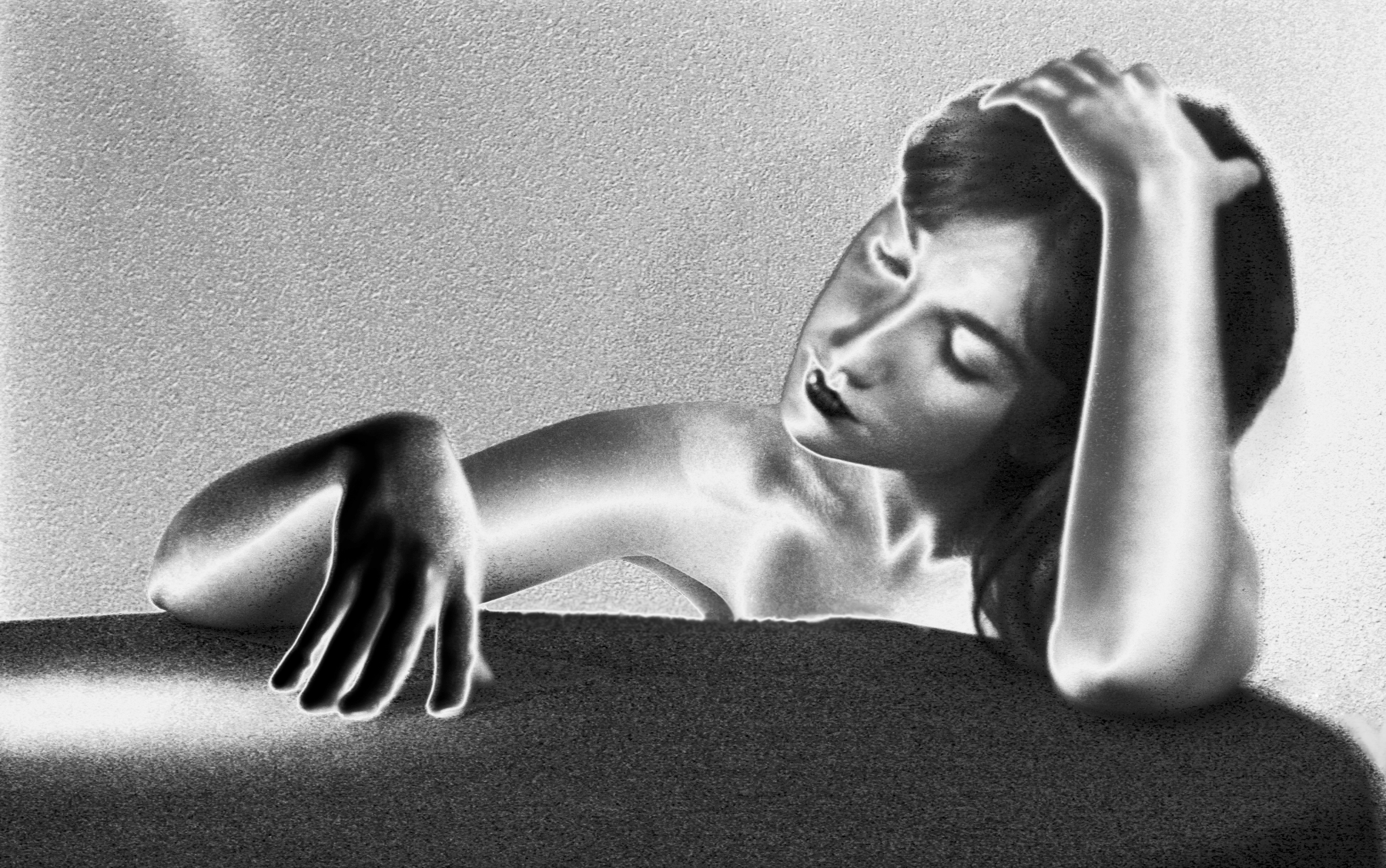
No. 11 Man Ray

man-ray-solarization-3


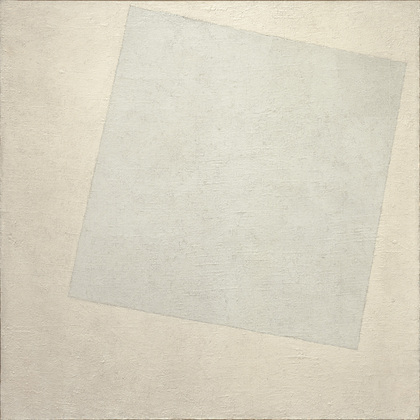
No. 3 Kazimir Malevich vs.

CRI_174840

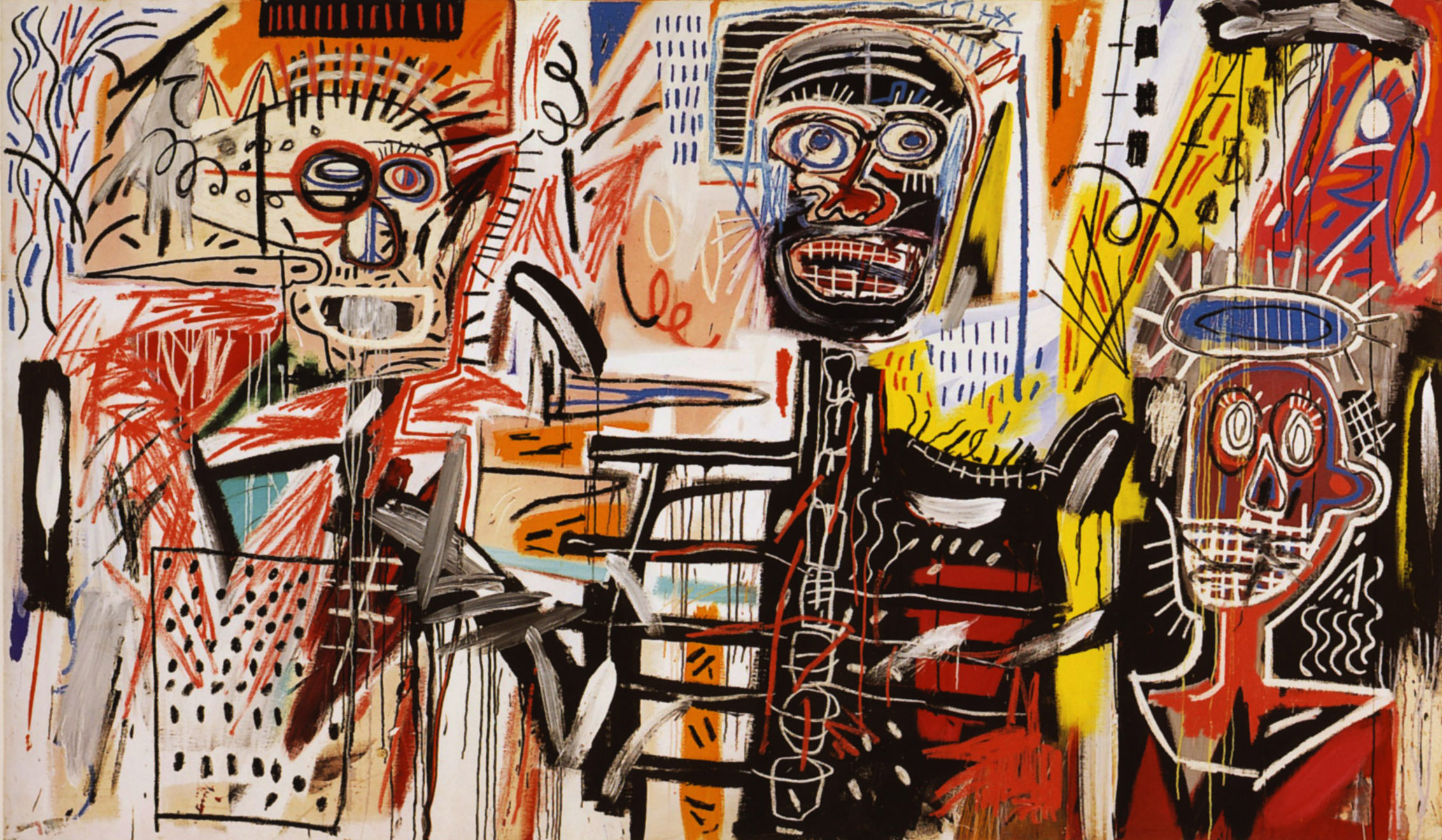
No. 14 Jean-Michel Basquiat

philistines


No. 7 Paul Klee vs.

bad-band-1920(1)

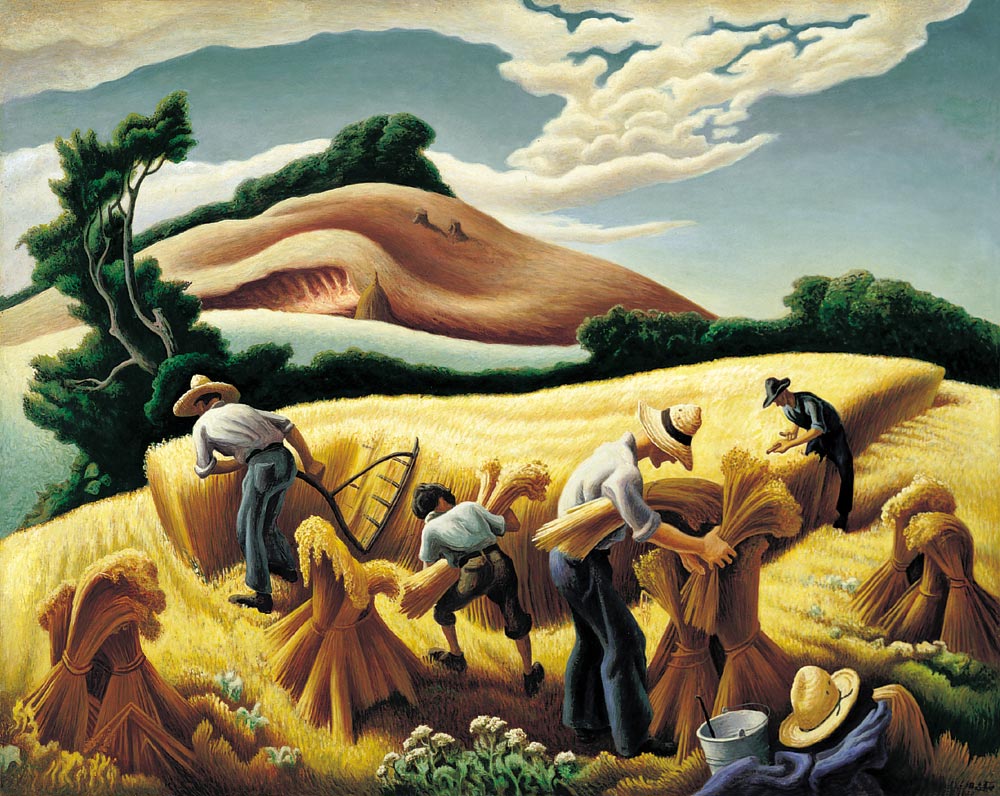
No. 10 Thomas Hart Benton

15large


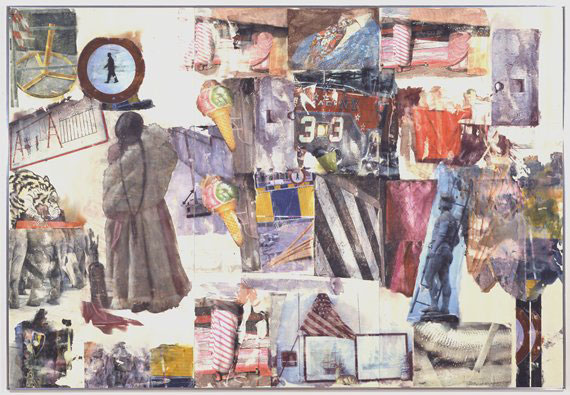
No. 2 Robert Rauschenberg vs.

portofentry

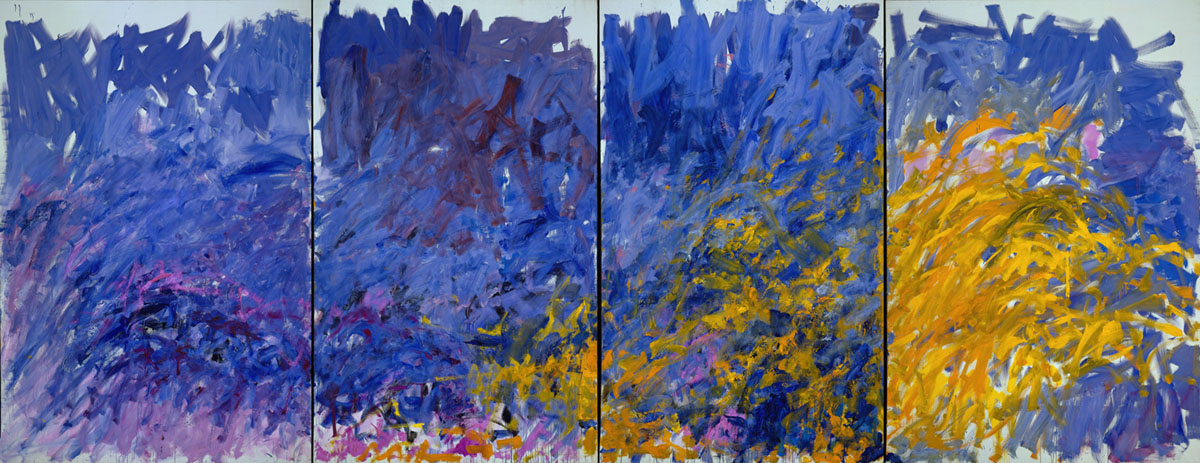
No. 15 Joan Mitchell

edrita-fried-1981


Art History M(art)ch Madness 2015: Frequently Asked Questions

Tags

, ,

What’s the point?

Mostly, to have fun. But also to see what happens when you cross the world of sports with the world of art. I’m a fan of both, and it seemed interesting to apply the rigid rules of the NCAA college basketball tournament to the much more nebulous world of art history.

And while I didn’t intend anything high-minded when I set this up, I’ve noticed I’m seeing some of these artists in a new way once their works are juxtaposed against those from different eras or genres. Common themes start to emerge, and the building blocks of art – line, tone, color – are consistent across styles. So we might all learn something by accident.

I don’t know anything about art. Can I play?

Of course. I’ve tried to provide a representative sample of each artists work – just vote for what you like. And you probably know more about art than college basketball, anyway.

What’s the format?

I tried to mirror the classic NCAA men’s basketball tournament structure as closely as feasible. So: 64 artists broken down into four  brackets, and seeded 1 through 16. In the first round,  the No. 1 seed plays No. 16, No. 2 plays No. 15 etc. In the second round, the winner of 1 vs. 16 plays the winner of the 8 vs. 9 and so on.  This year, I started the contest with four play-in contests to select the 16th seeds (something the NCAA now does).

How did you choose and seed the artists?

The idea was to start with the 68 most significant visual artists of the 20th century. I included painters, sculptors and photographers, and omitted architects, film makers and performance artists. That might seem arbitrary, but it I had to draw a boundary somewhere.

Then I went through lists of artists and grouped them in four tiers, from obvious top seeds down to more marginal cases. Those tiers formed the basis of the seedings, with the top group making up  the 1-4 seeds, the next group 5-8 and so on. I wanted the list to reflect conventional choices, but I also wanted diversity in genres, geography and gender. So when there was a border line call, I tended to choose a photographer or sculptor vs. yet another abstract expressionist. I tried to keep my own biases out of it, and I excluded some of my favorites. To get to 64, lots of major artists were left out but hopefully my choices make sense. If not, let me know.

The match-ups were somewhat arbitrary, although I tried to avoid having similar artists face each other in the first or second rounds. The contests are more fun when the styles are so different, and I didn’t want a major school eliminated by the second round.

Why did you put some artists in the 20th century and leave out others?

For artists that span two centuries, I had to make a call based on what century I thought they belonged in, usually based on what movement they are associated with. So I consider Monet, Rodin and Cezanne 19th century artists, while Klimt belongs in the 20th. And frankly, given how many great 20th century artists had to be felt out, I was happy not to have to consider more.

How did you choose the works?

This is a contest of artists, not artwork, so mostly, I’m picking works that are representative of their careers. For the most well-known artists, I sometimes try to use their less obvious works. And for the lower seeds, who might only be in the contest for one round, I tend to give them their most iconic works, so at least they go down swinging.

For some 20th century artists whose work is more conceptual, like Bruce Nauman, or whose works are meant to be viewed together, like Cindy Sherman, I’ve found picking single works frustrating. But I don’t see an easy way around it – posting multiple works seems unfair to the other artists. I’m open to suggestions, though.

Occasionally, two very different artists will have works that echo each other, and sometimes I’ll make selections based on those if I see them, but mostly that’s a happy accident.

How come (my favorite artist) isn’t in the tournament? 

Again, choices were made and limiting it to 68 artists resulted in some tough calls. I left out a lot of my personal favorites. In truth, you could swap out the bottom 20 artists in the field with the first 20 left out without much drop off in quality.

What happens next?

After the close of the first round Thursday, I’ll post the second round of 32 artists Friday. Then we’ll reduce the field to the Sweet 16, Elite Eight, and Final Four before choosing the champion in the first week of April. Stay tuned!

Art History M(art)ch Madness 2015: First Round, part 1

Tags

,

Welcome to M(art)ch Madness 2015, the not-entirely-serious contest to determine the greatest artist of the 20th century. The format is the same as the NCAA men’s basketball tournament: four brackets of 16 artists, in single-elimination contests. In this case, the winners are determined by YOUR votes.

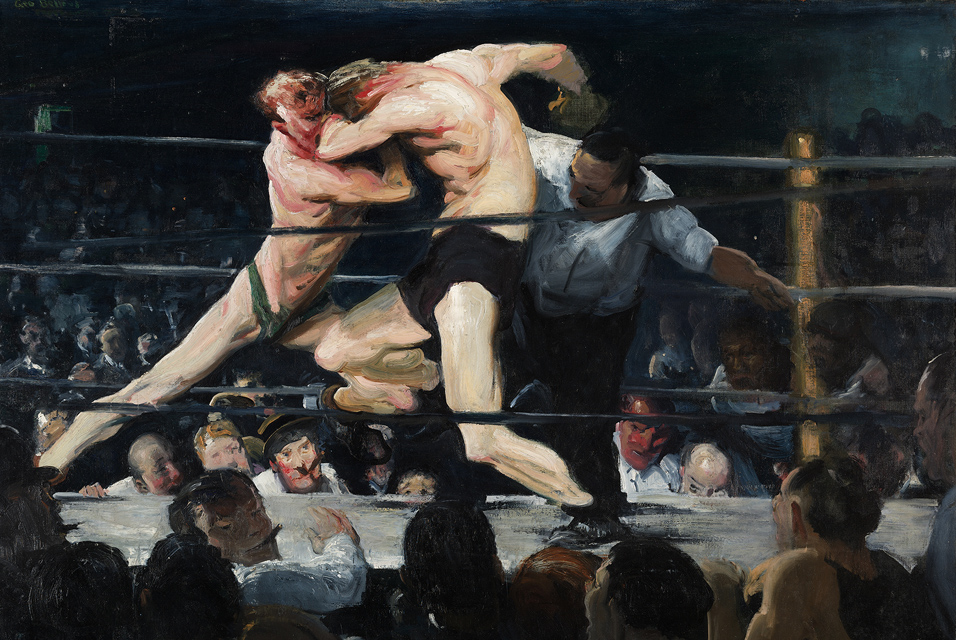
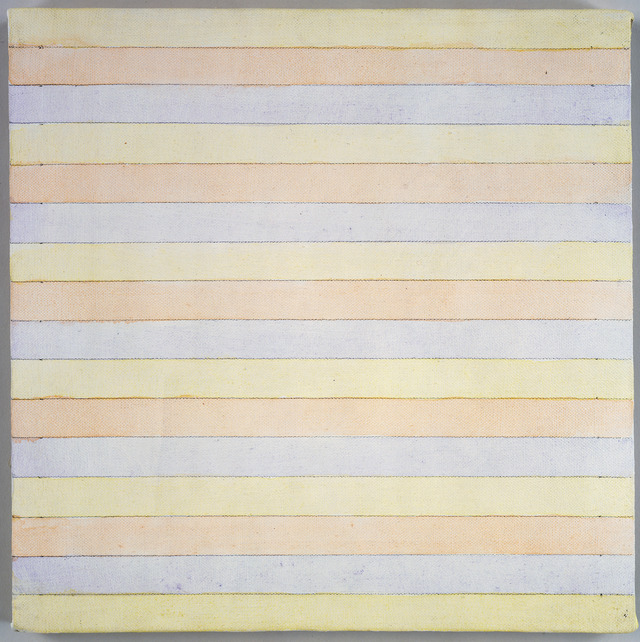
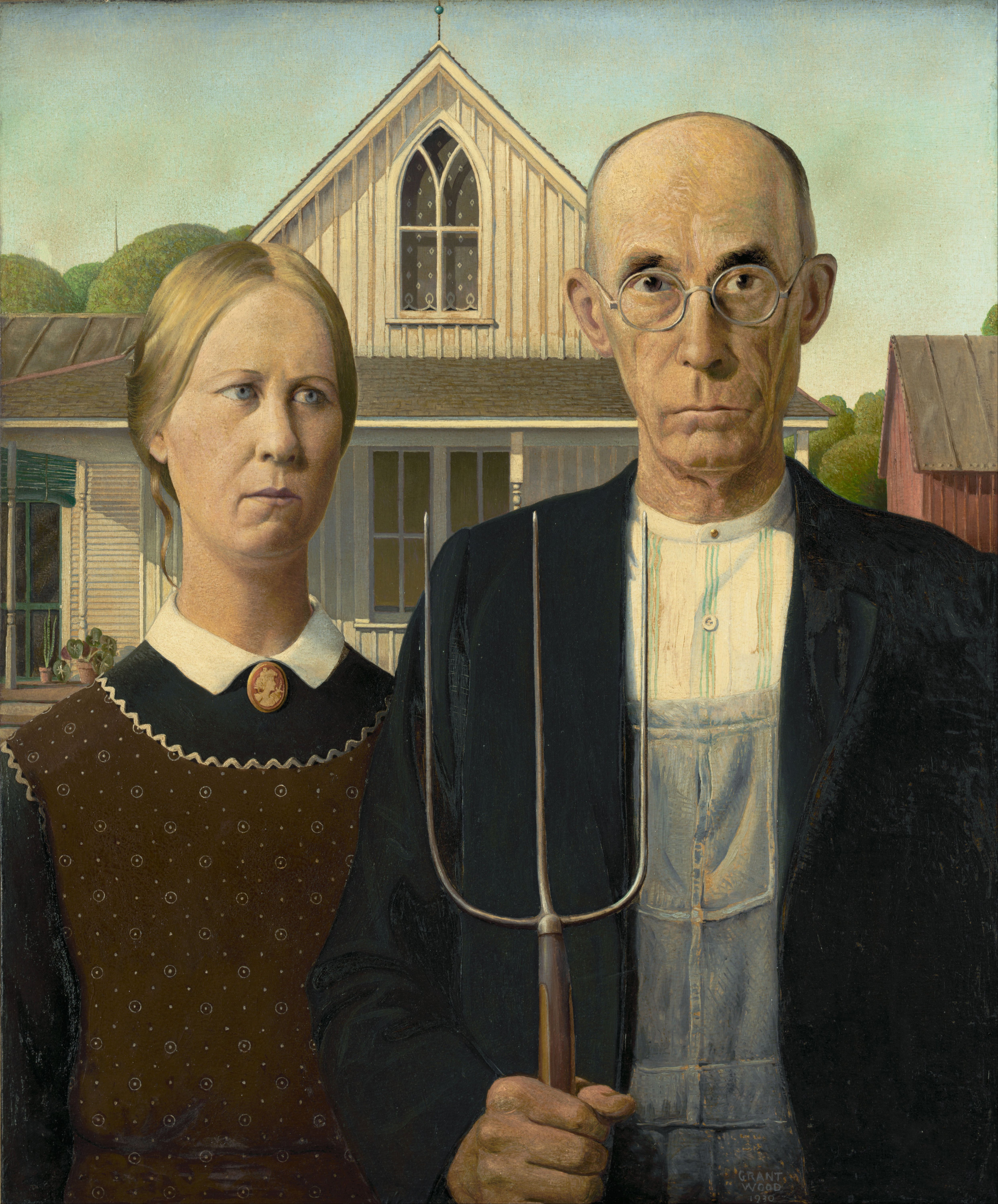
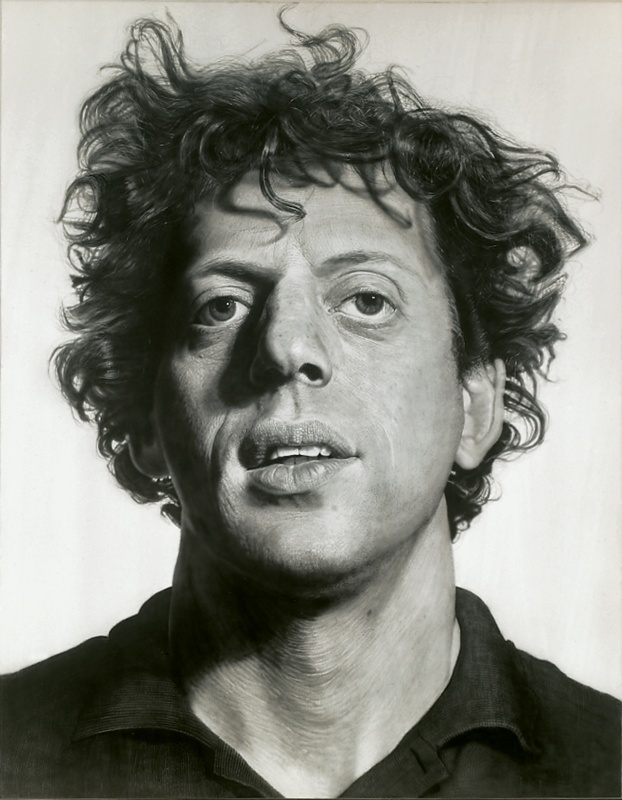
After four play-in games to determine the four 16 seeds, the 64 bracket is set. The last two voted in were David Hockney (beating Max Beckmann) and Frida Kahlo (over Claes Oldenburg). Unfortunately, the votes split evently in the other two, so I had to cast the tie-breaking votes, in this case for Chuck Close (over Grant Wood) and George Bellows (over Agnes Martin). See what happens if you don’t vote?

The full 64-team bracket can be found here:

 http://www.bracketmaker.com/tlist.cfm?tid=457697.

(It’s a crappy website but it’s the best I found to host the bracket. Click on “championship bracket.” Suggestions for improving it are welcome)

The artists and seedings were chosen by me. Scroll to the bottom of this page to read more about that.

First-round voting begins today. I’ll post half of the first round match-ups today, then the rest tomorrow. Voting will run through Friday. Make sure you vote and please share this with anyone who might be interested.

Paris Regional

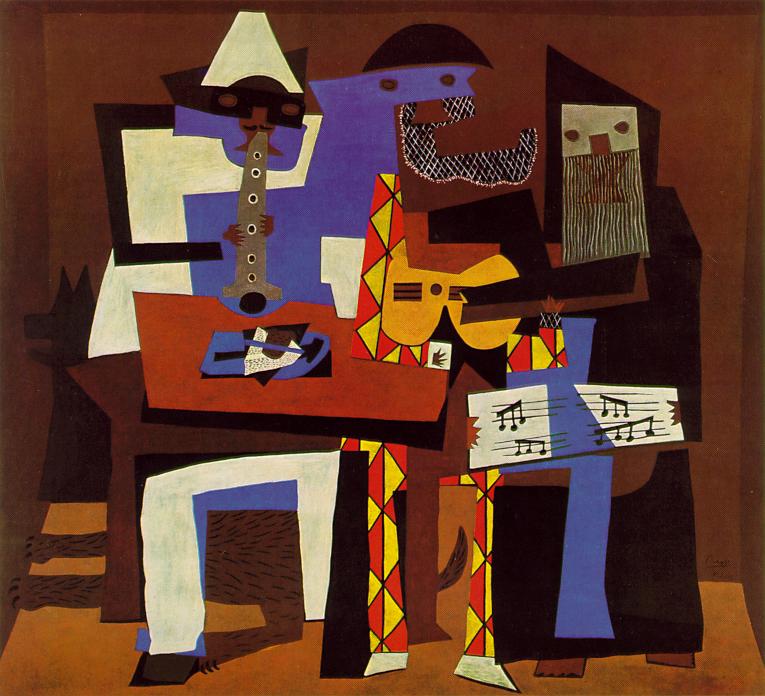
No. 1 Pablo Picasso vs.

32.PabloPicasso-Three-Musicians-1921

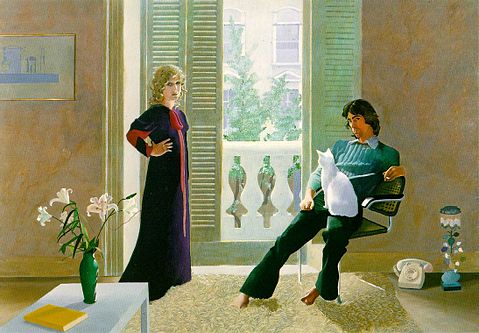
No. 16 David Hockney

Hockney.clark-percy-1


No. 8 Marc Chagall vs.

Marc_Chagall,_1911,_I_and_the_Village,_oil_on_canvas,_192.1_x_151.4_cm,_Museum_of_Modern_Art,_New_York

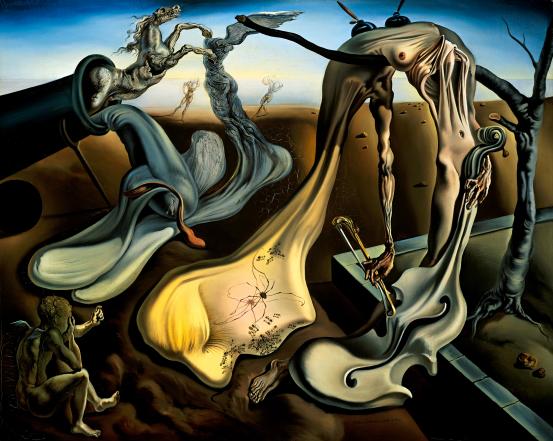
No. 9 Salvador Dali

EXHI006876


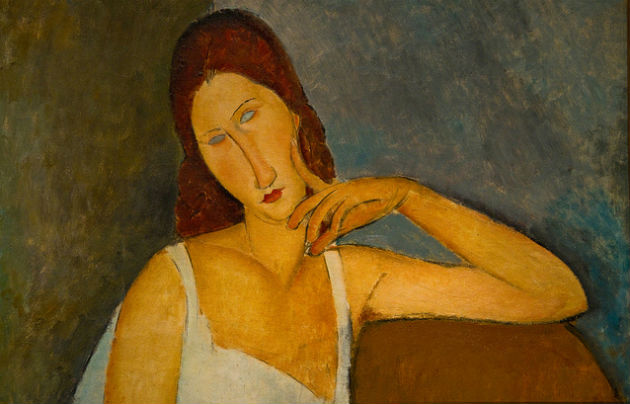
No. 5 Amedeo Modigliani

Modigliani

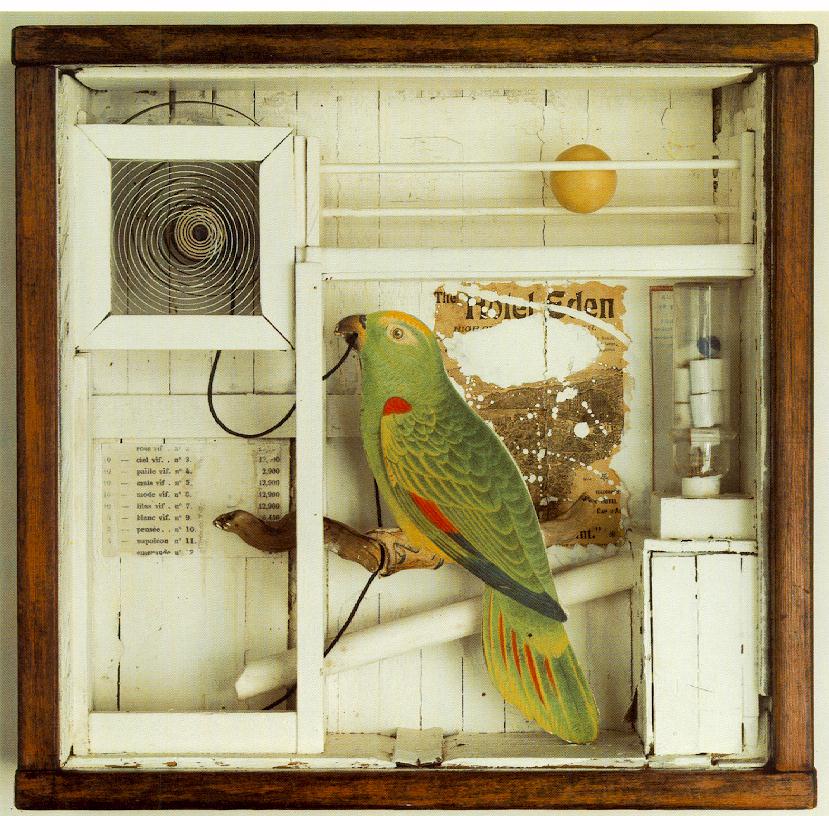
No. 12 Joseph Cornell

cornell.hotel-eden


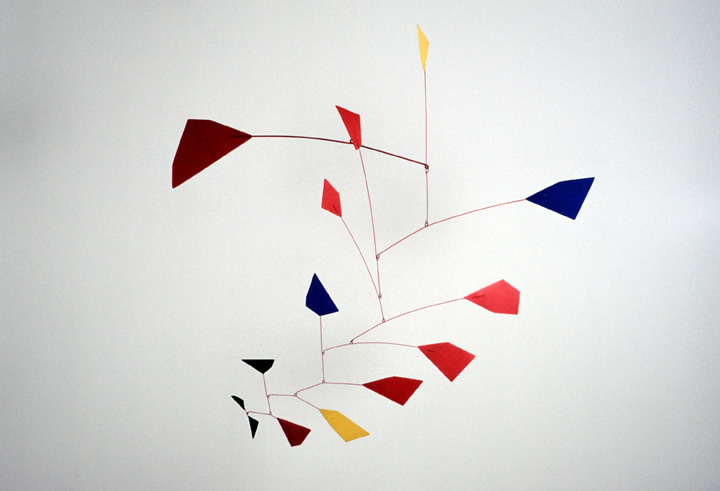
No. 4 Alexander Calder vs.

calder1

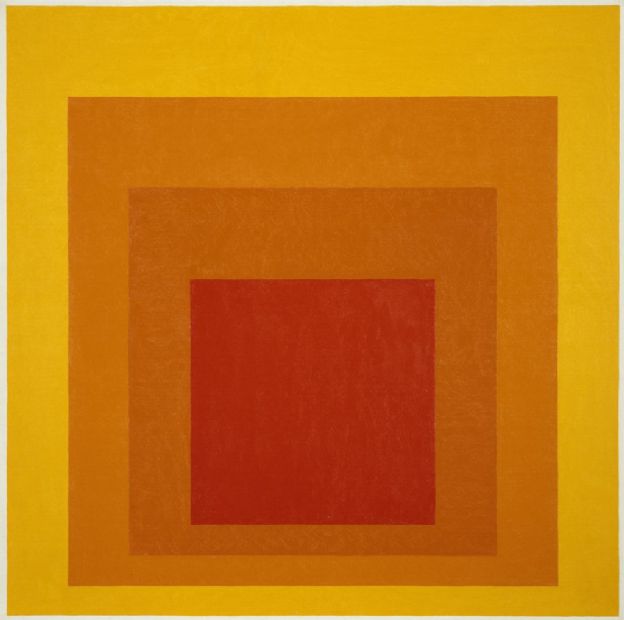
No. 13 Josef Albers

02-albers_notext


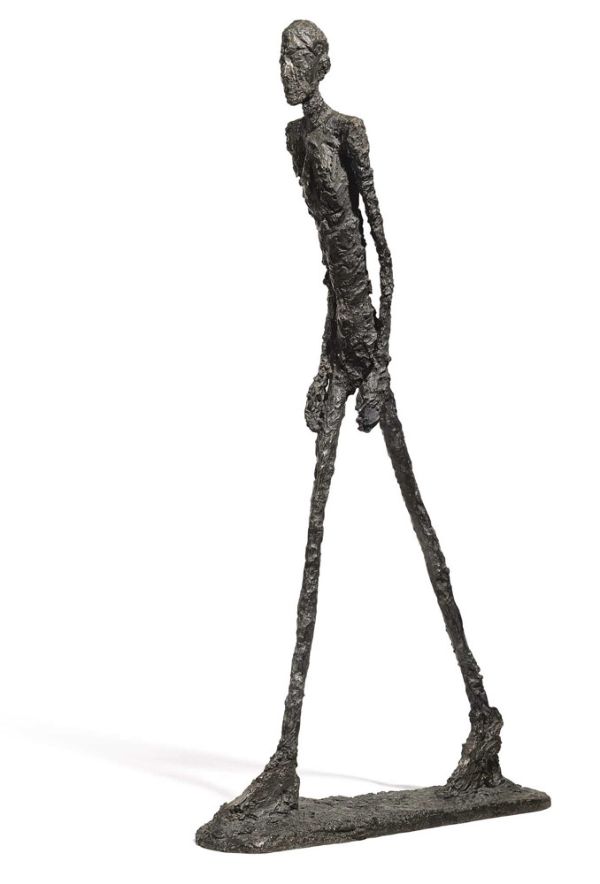
No. 6 Alberto Giocometti vs.

alberto-giacometti-the-walking-man-i-1960-1342523714_org

No. 11 Gustav Klimt

Gustav_Klimt_046


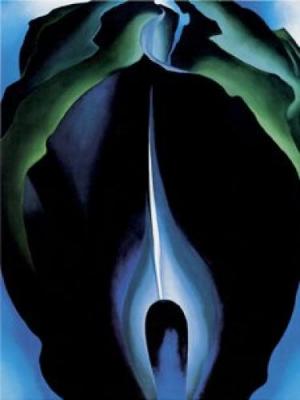
No. 3 Georgia O’Keeffe vs.

O'Keeffe_Jack

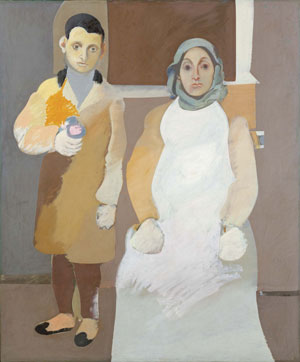
No. 14 Arshile Gorky

The_Artist_and_His_Mother


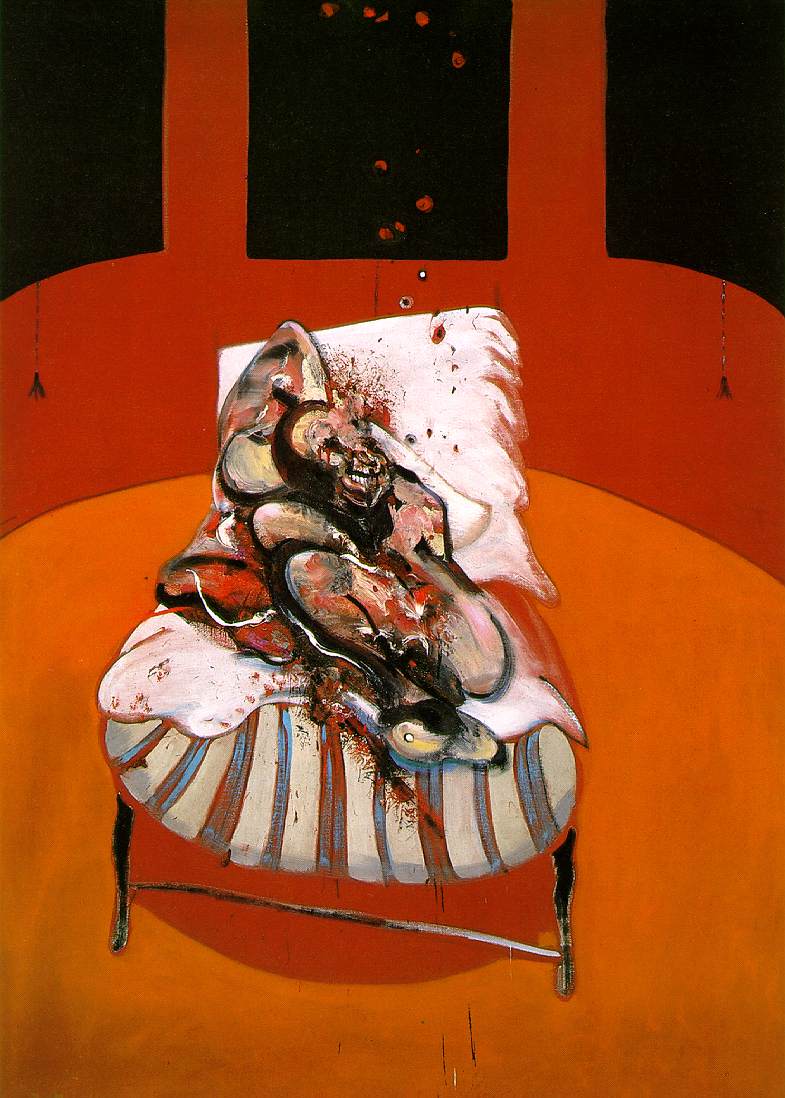
No. 7 Francis Bacon vs.

crucify2

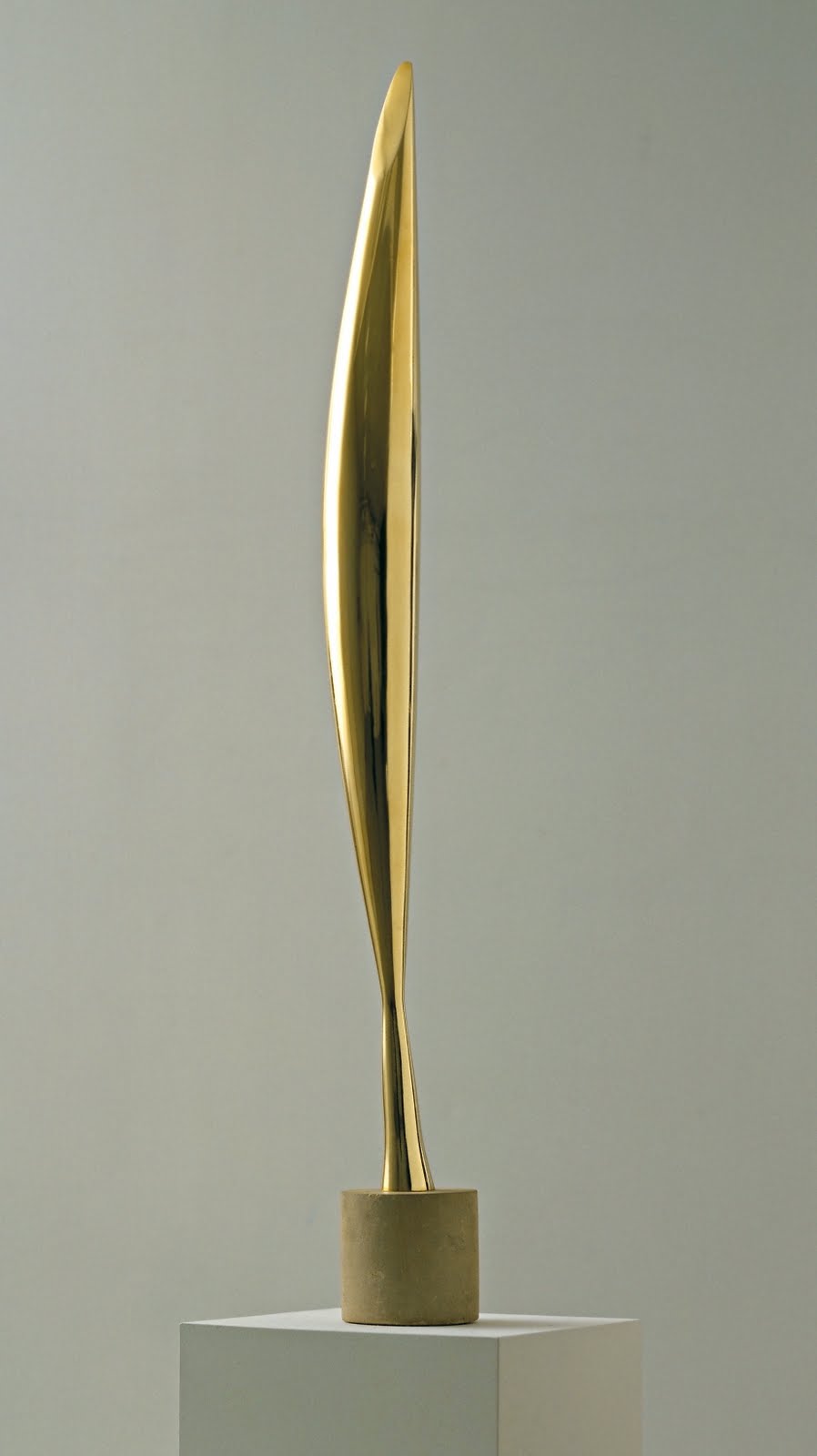
No. 10 Constantin Brancusi

brancusi_2


No. 2 Wassily Kandinsky vs.

several_circles

No. 15 Jeff Koons

ballon-dog


New York regional

No. 1 Jackson Pollock vs.

pollock.number-8

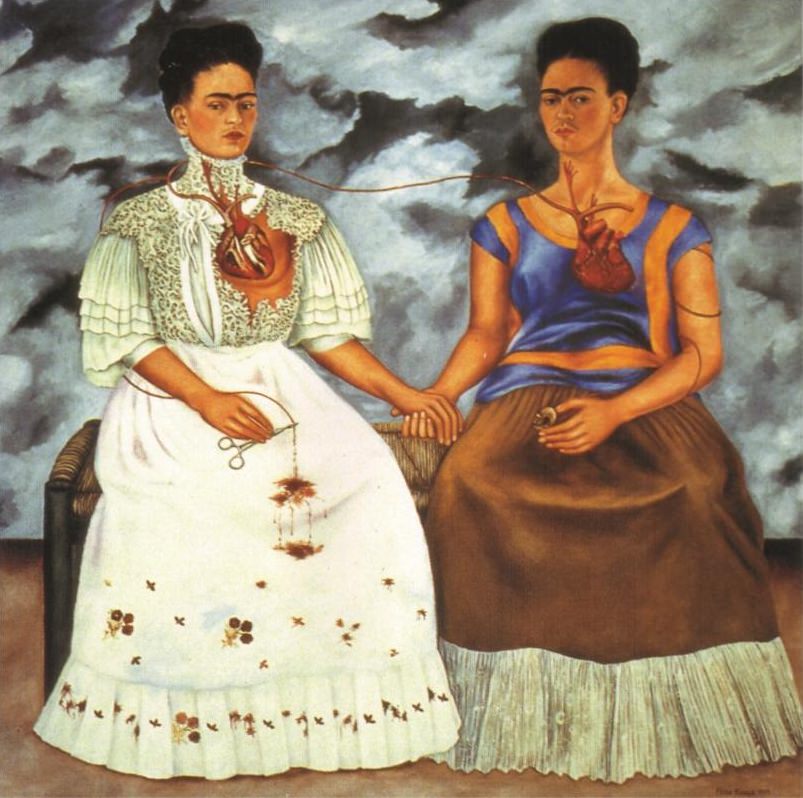
No. 16 Frida Kahlo

the-two-fridas


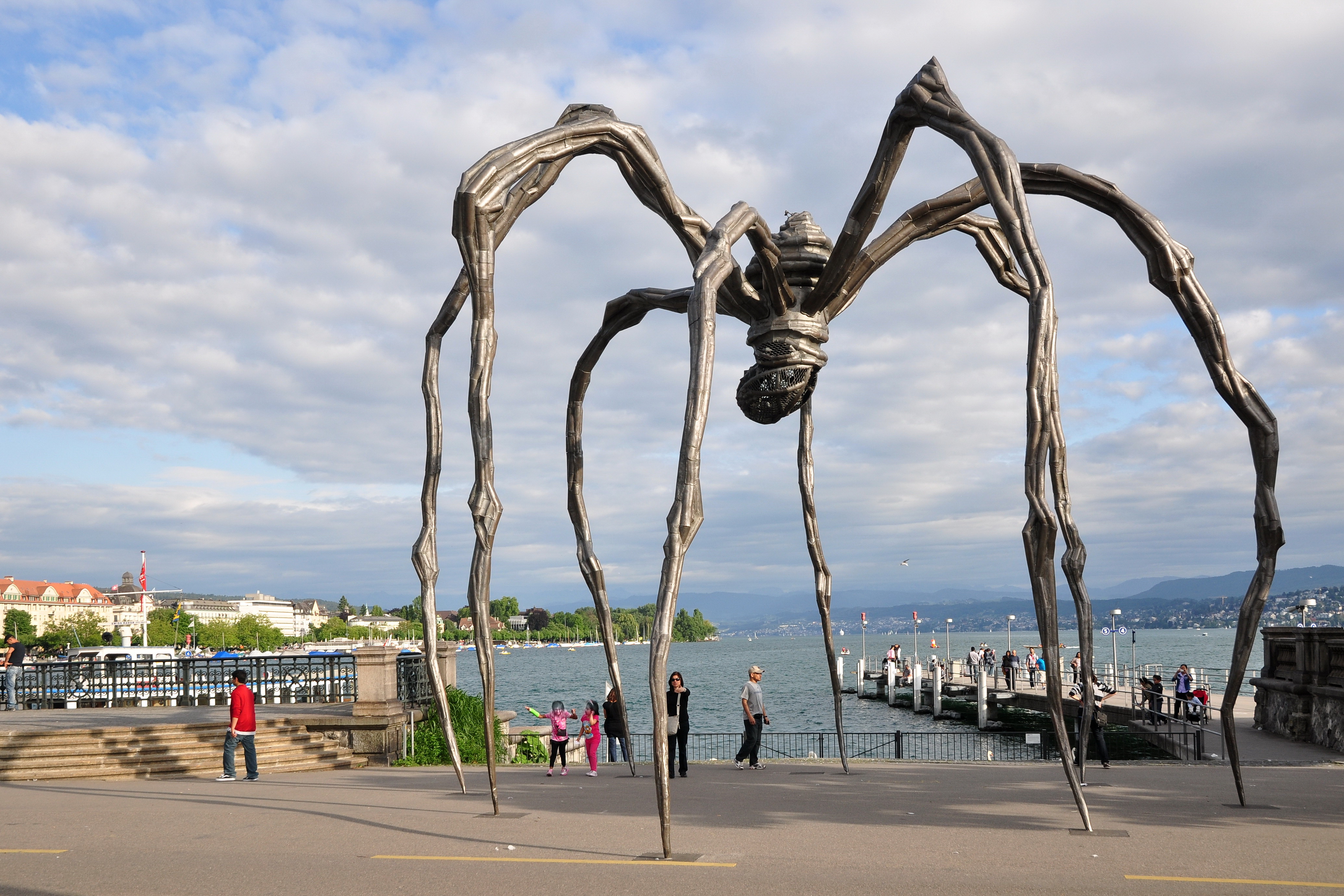
No. 8 Louise Bourgeois vs.

Bürkliplatz_-_Louise_Bourgeois'_'Maman'_-_Alpenquai_2011-06-25_18-54-28_ShiftN2-1

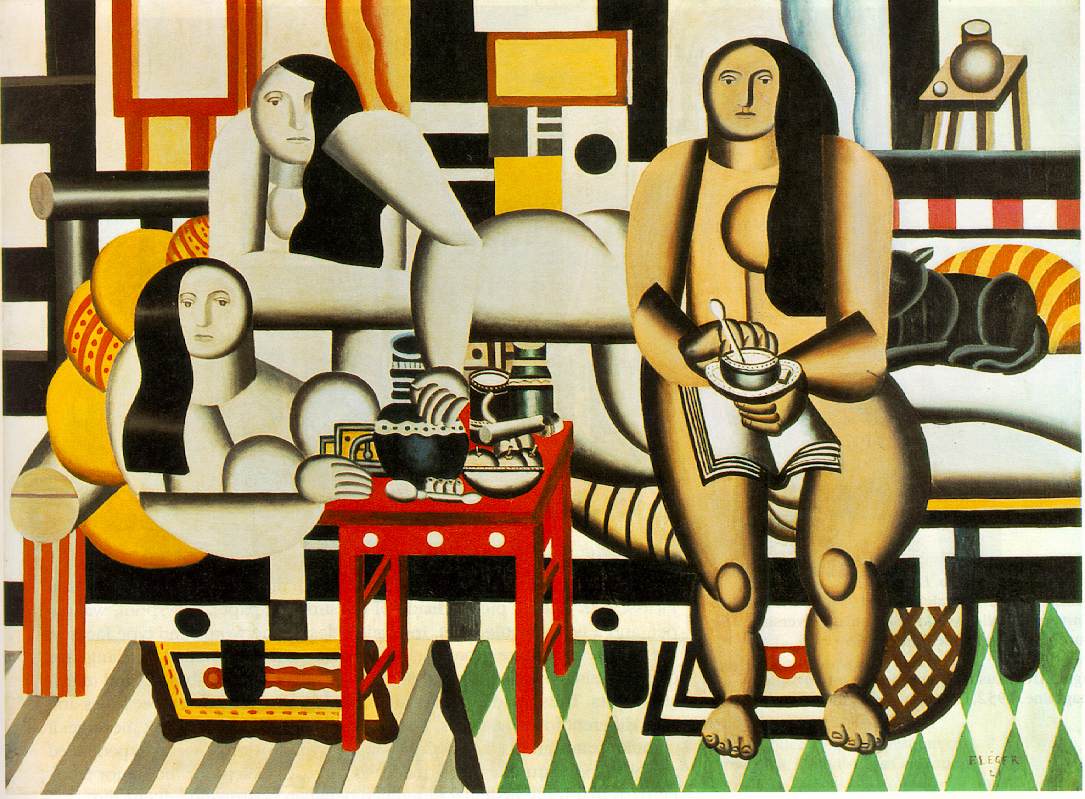
No. 9 Fernand Leger

three-women-1921


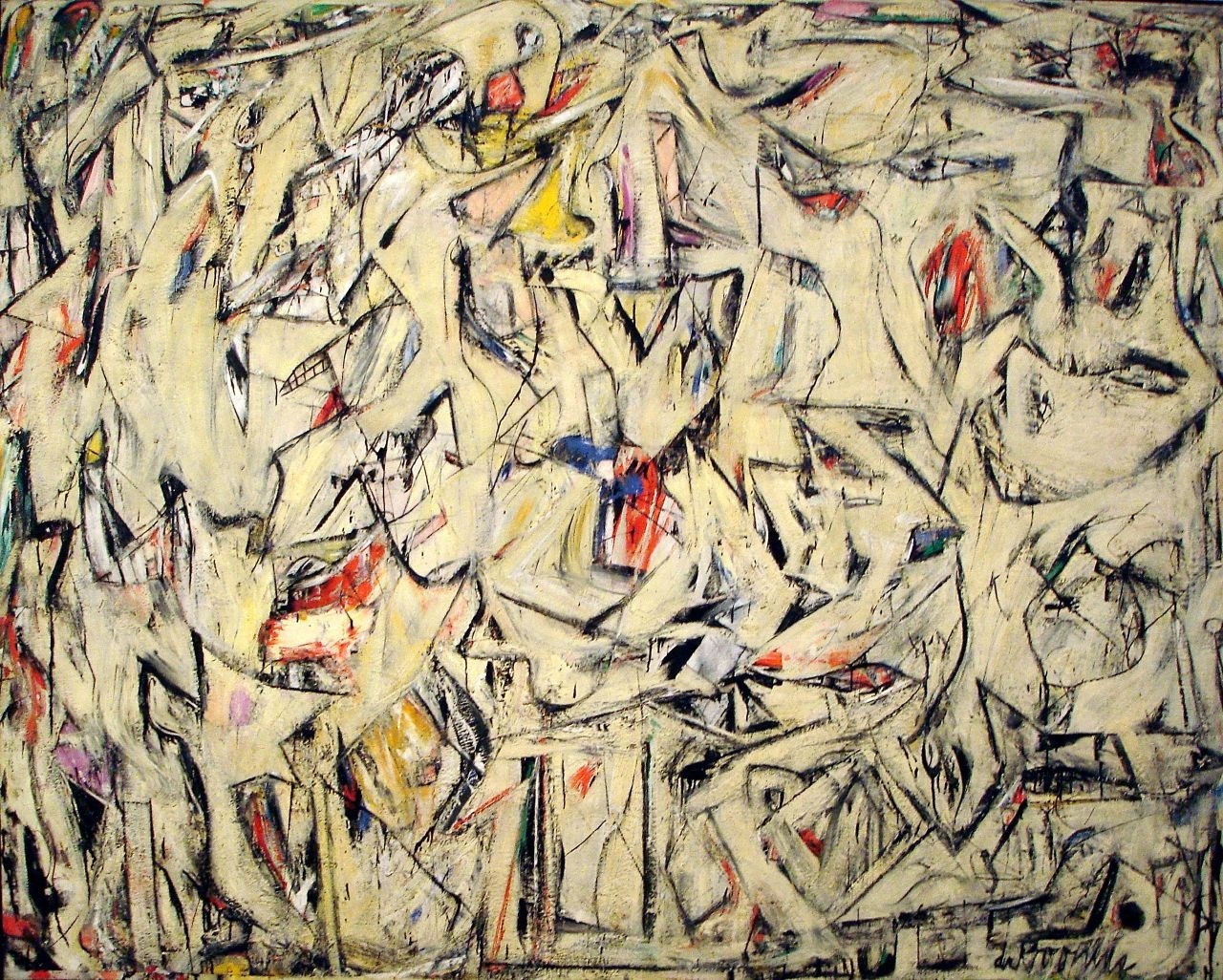
No. 5 Willem De Kooning vs.

excavation

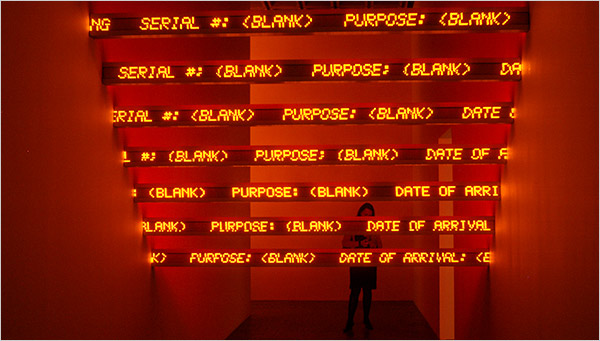
No. 12 Jenny Holzer

13holz_600


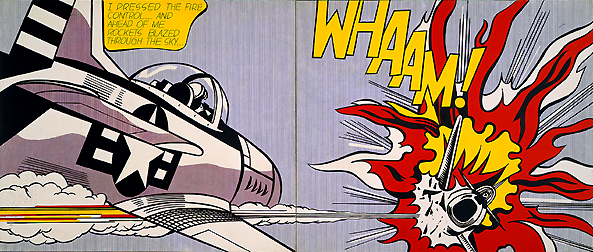
No. 4 Roy Lichtenstein vs.

Roy_Lichtenstein_Whaam

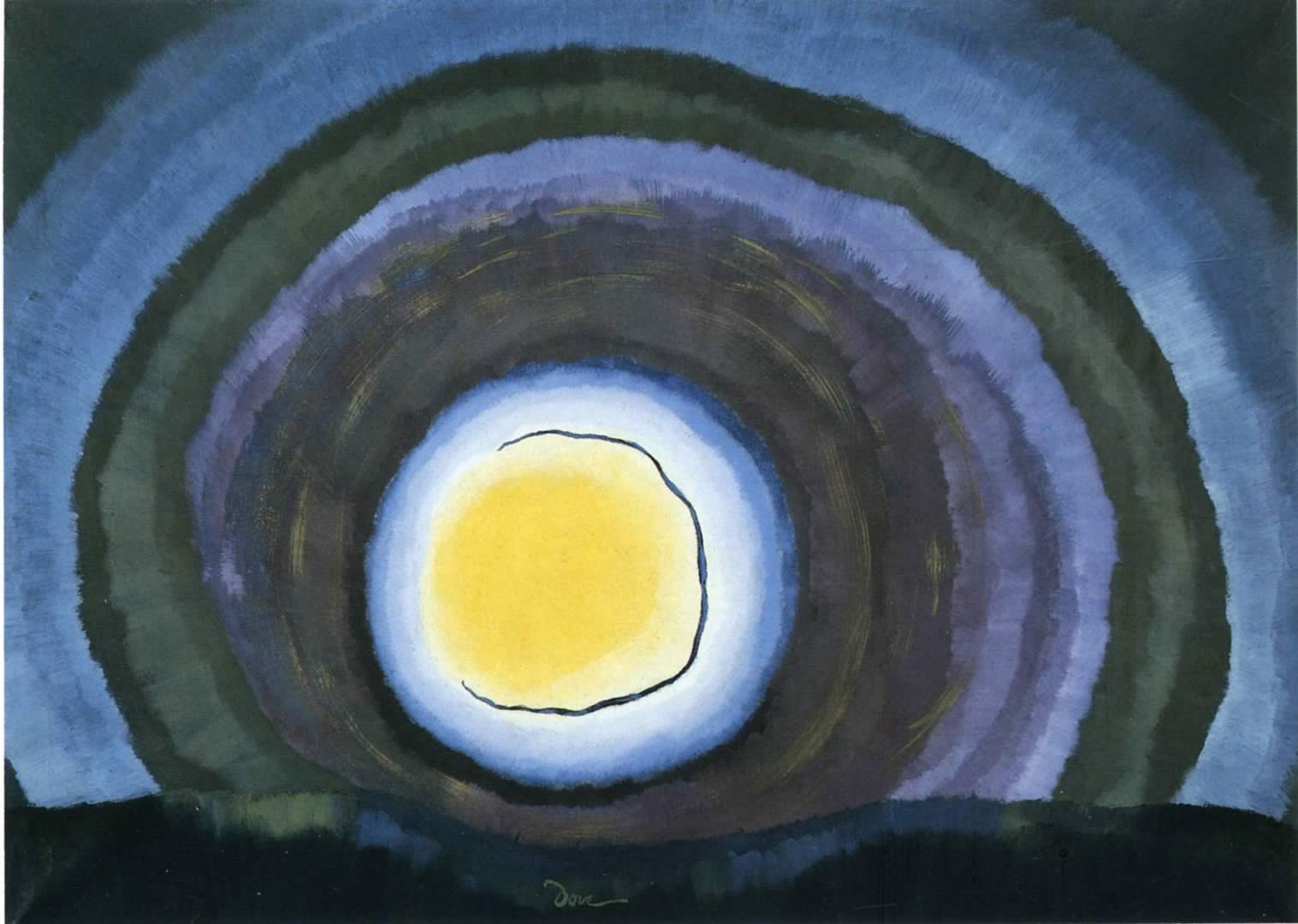
No. 13 Arthur Dove

sunrise-3


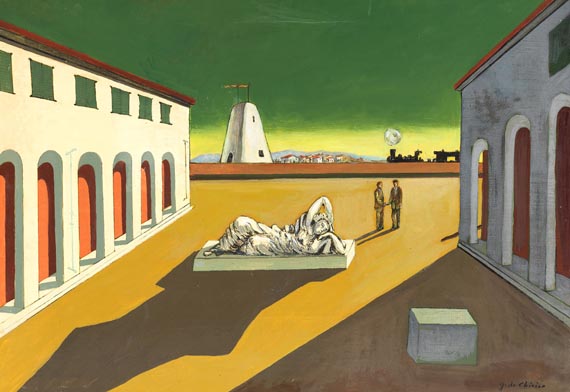
No. 6 Giorgio De Chirico vs.

Bild 083

No. 11 Donald Judd

Untitled 1980 by Donald Judd 1928-1994


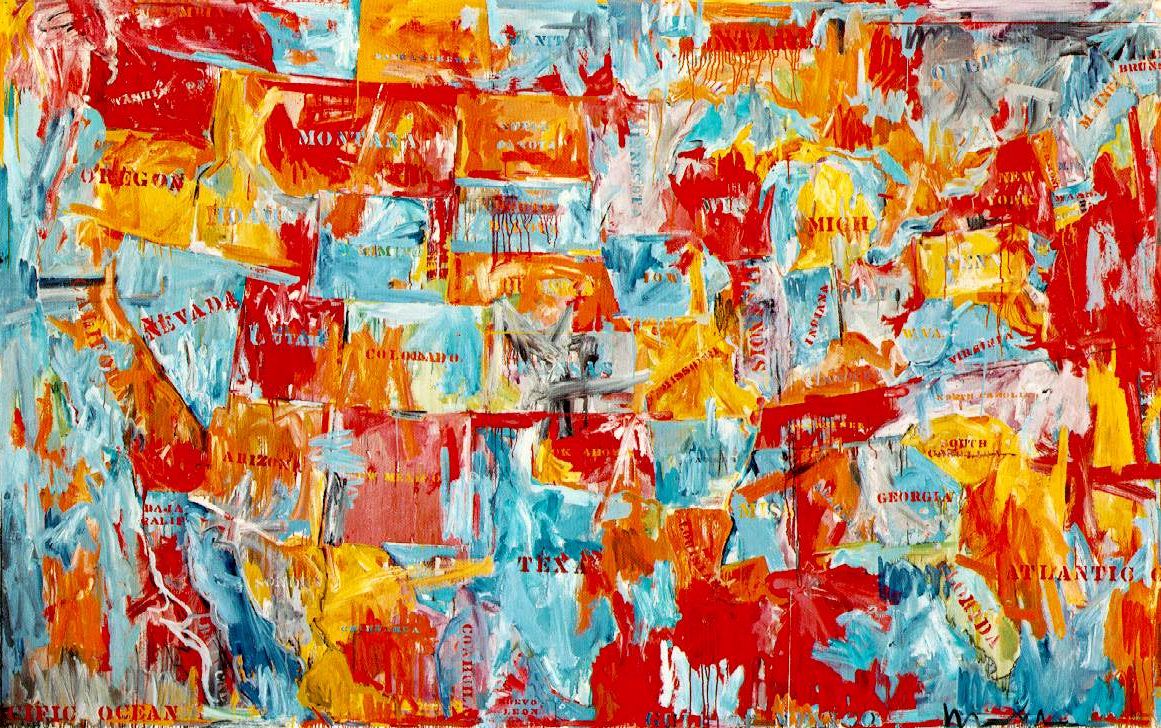
No. 3 Jasper Johns vs.

map

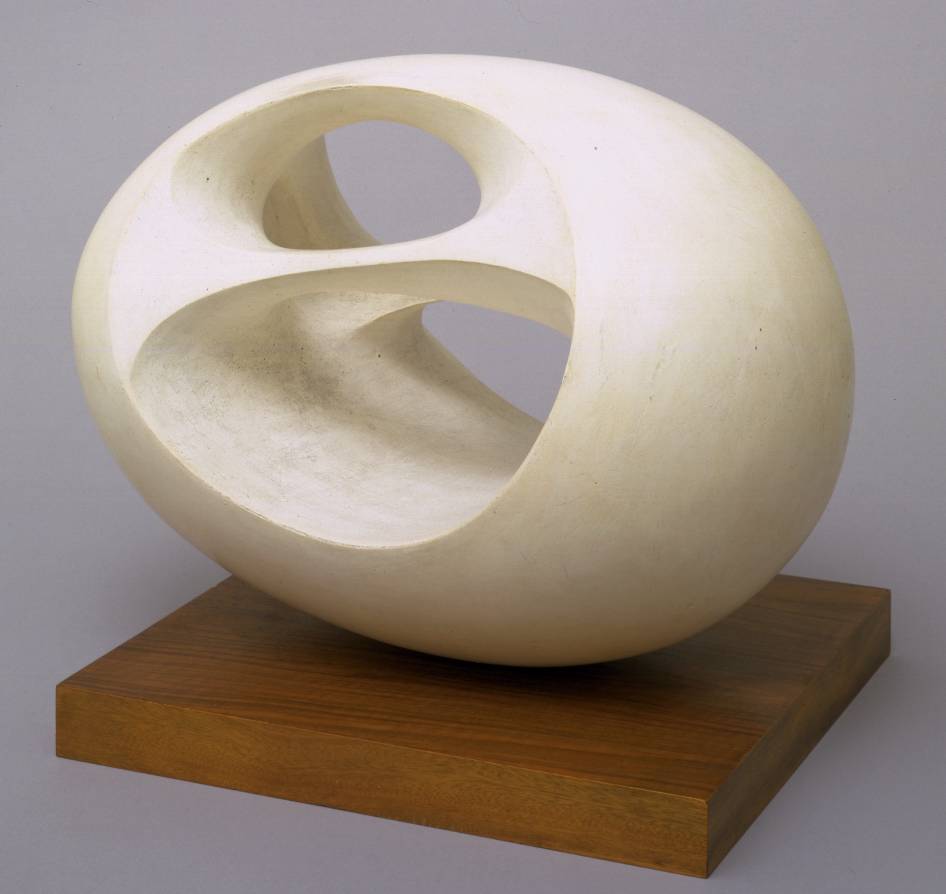
No. 14 Isamu Noguchi

Oval Sculpture (No. 2) 1943, cast 1958 by Dame Barbara Hepworth 1903-1975


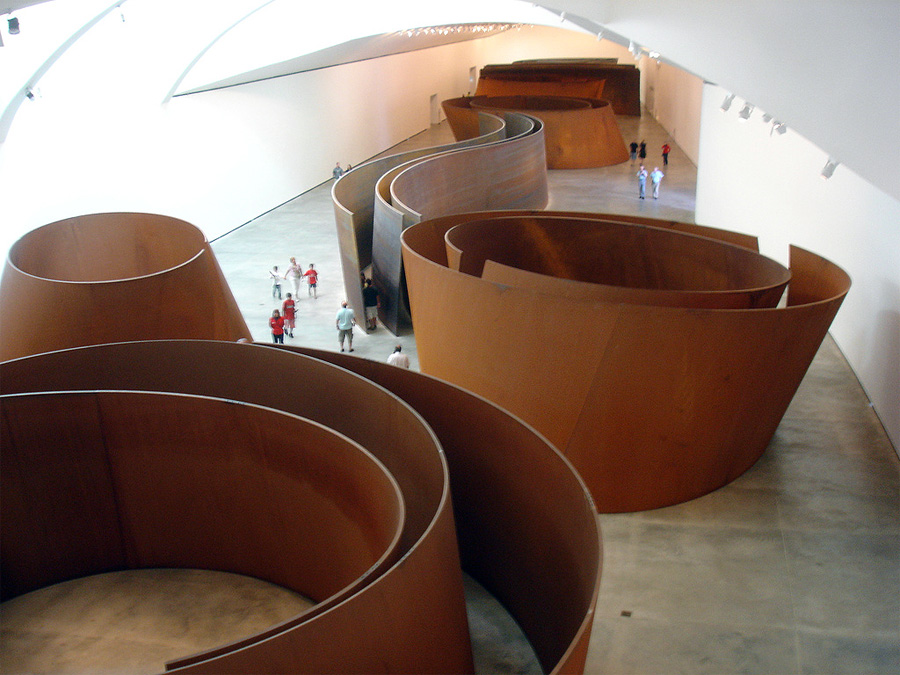
No. 7 Richard Serra

richard-serra

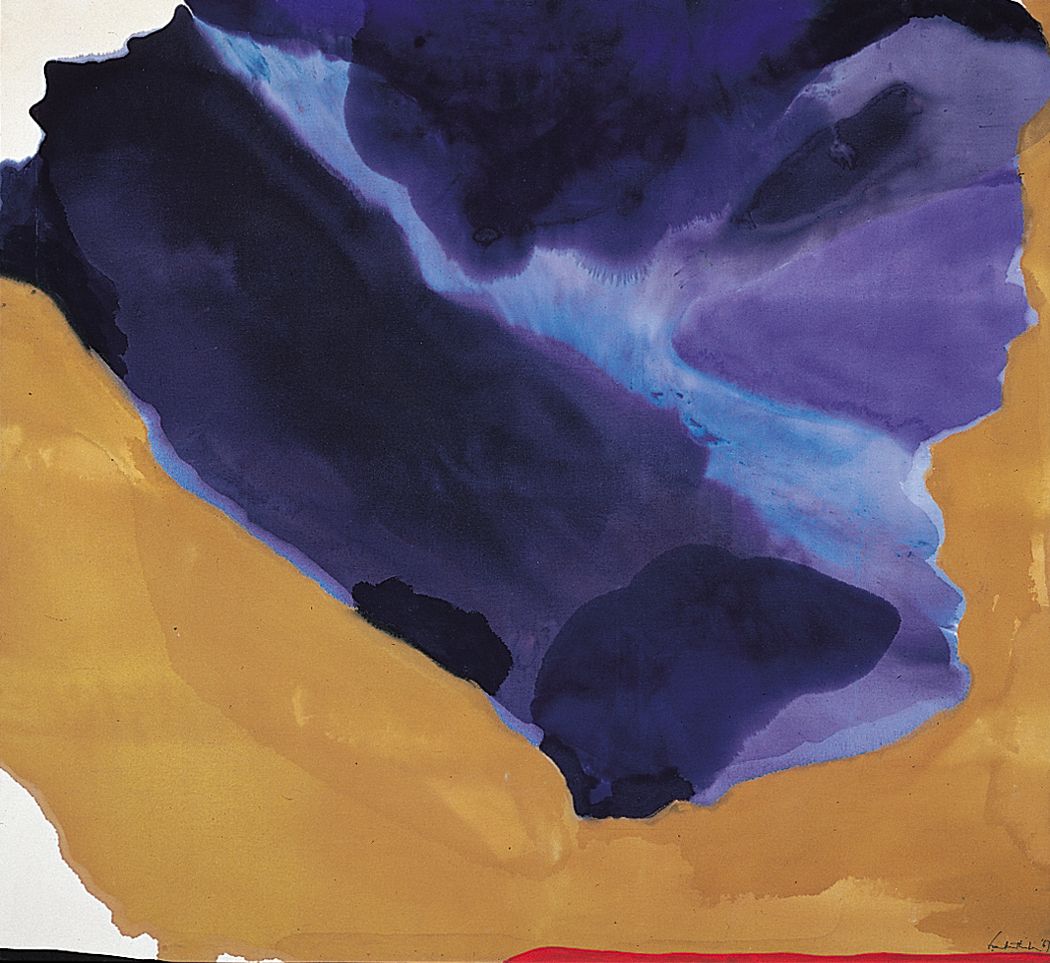
No. 10 Helen Frankenthaler

690346af5907936212ca013ab00f5c79


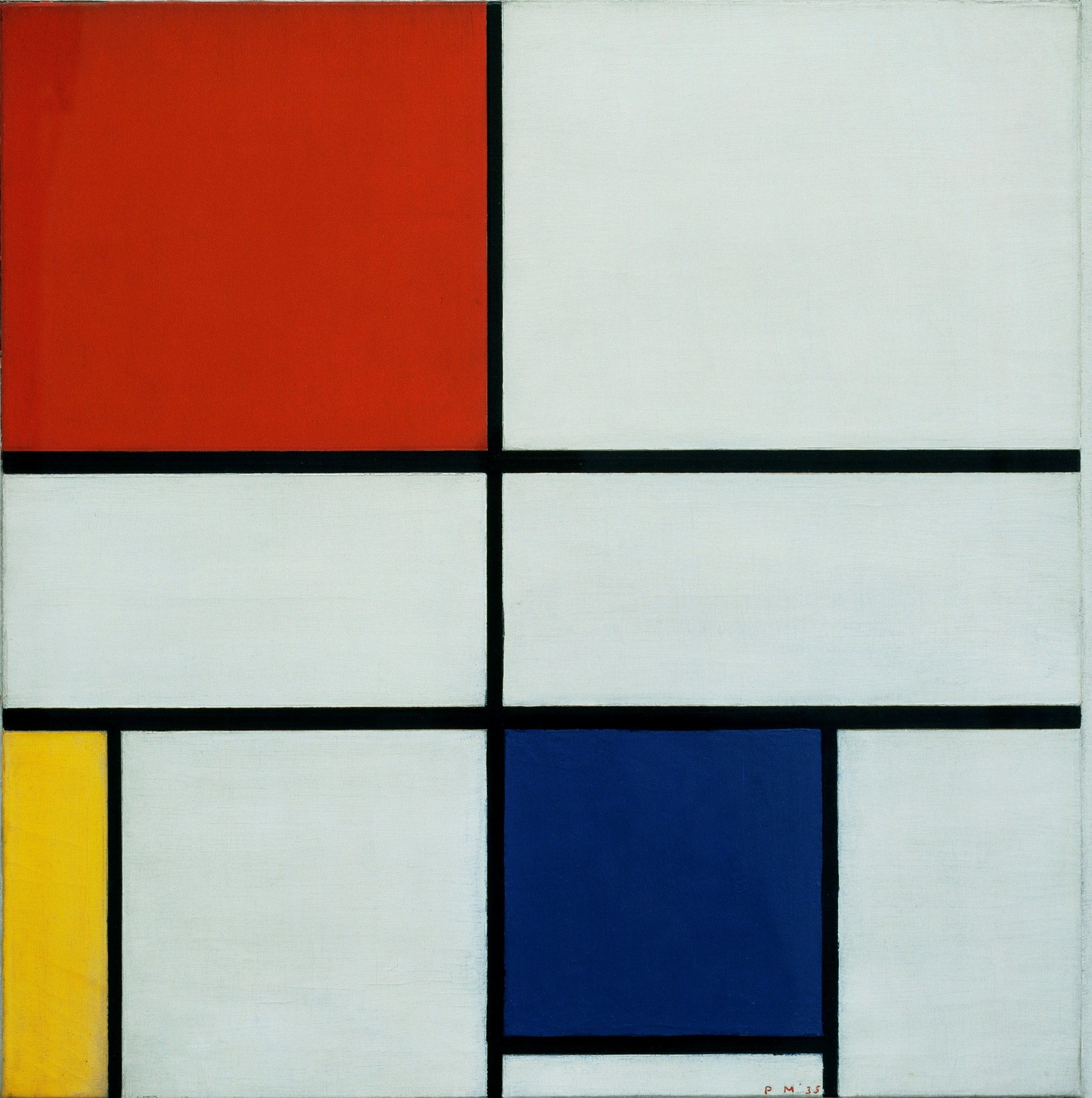
No. 2 Piet Mondrian vs

6-mondrian-composition-c-no-iii-with-red-yellow-and-blue-1935

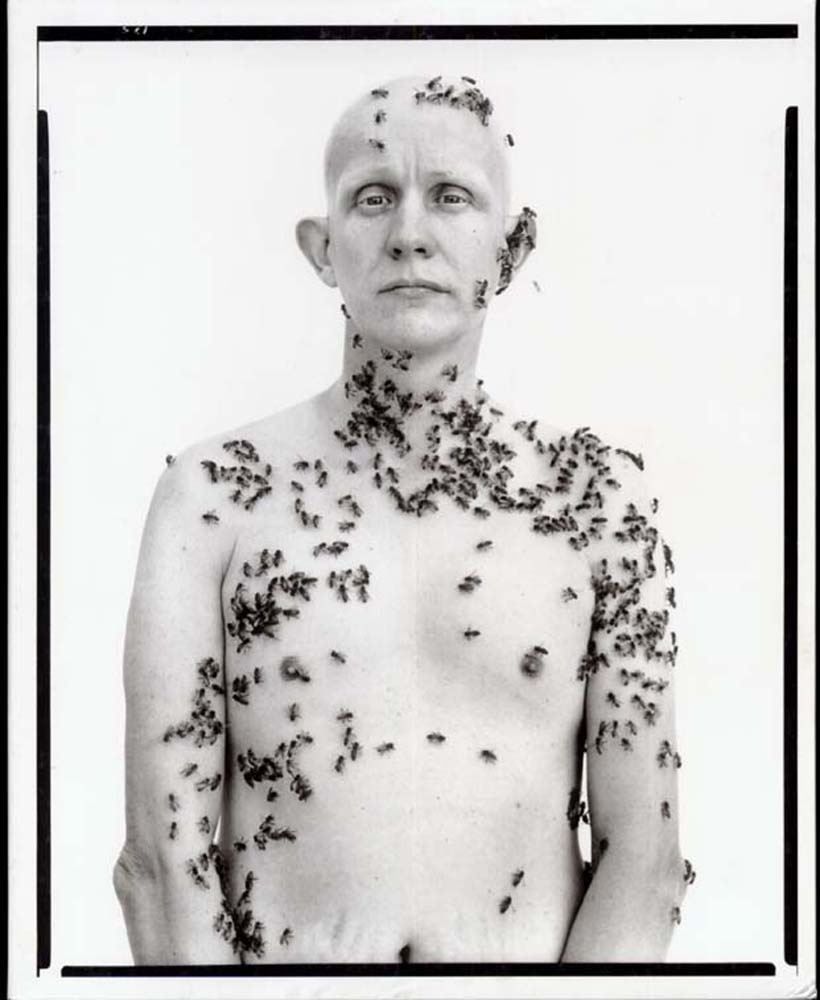
No. 15 Richard Avedon

avedon_beekeeper


 How I chose and seeded the artists:

The idea was to select the 64 most significant visual artists of the 20th century. I included painters, sculptors and photographers, and omitted architects, film makers and performance artists. That might seem arbitrary, but it I had to draw a boundary somewhere.

Then I went through lists of artists and grouped them in four tiers, from obvious top seeds down to more marginal cases. Those tiers formed the basis of the seedings, with the top group making up  the 1-4 seeds, the next group 5-8 and so on. I wanted the list to reflect conventional choices, but I also wanted diversity in genres, geography and gender. So when there was a border line call, I tended to choose a photographer or sculptor vs. yet another abstract expressionist. I tried to keep my own biases out of it, and I excluded some of my favorites. To get to 64, lots of major artists were left out but hopefully my choices make sense. If not, let me know.

The match-ups were somewhat arbitrary, although I tried to avoid having similar artists face each other in the first or second rounds. The contests are more fun when the style’s are so different, and I didn’t want a major school eliminated by the second round.

Art History M(art)ch Madness 2015

Tags

,

M(art)ch Madness is back! The online tournament that combines the thrills of NCAA basketball with the fun of Art History 101 is back for its second year. This time, due to popular demand, we’re matching up the greatest artists of the 20th century. I’ve taken the top 68 artists of the last century and seeded them 1 through 15, with four play-in games to determine the 16th seeds. The full bracket is here.

Credit, and blame, for the seedings is entirely mine. I ranked the artists by significance, fame and skill, and tried to reflect what might be consensus choices. Where possible, I also strove for diversity of genre, geography and gender. Lots of wonderful artists were left out,  but choices had to be made. There were a great many on the bubble who could have easily been included. Please don’t be offended on behalf of your favorites; I left mine out as well. But comments and helpful criticisms are always welcome.

This year, to round out the field of 64, we’ll vote to determine the 16th seeds, who next week will face off against the four No. 1 seeds: Picasso, Matisse, Pollock and Duchamp Chagall. Voting for the play-in games will close Sunday. First round action begins Monday.

(Corrected to reflect Duchamp, not Chagall, is the fourth No. 1 seed, after the error was pointed out by an offended art historian).

Make sure you vote and please share this anyone who might be interested (or horrified).

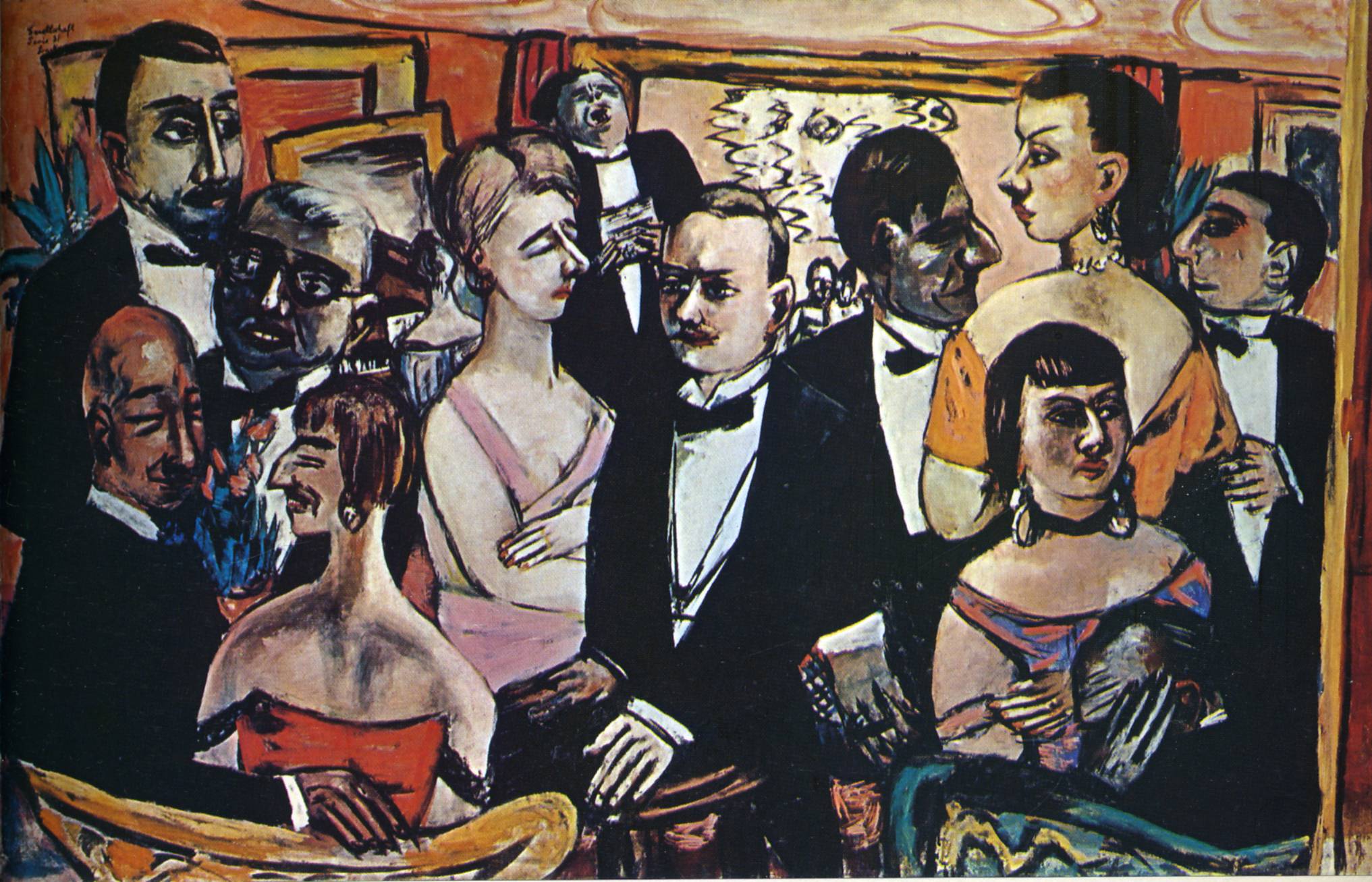
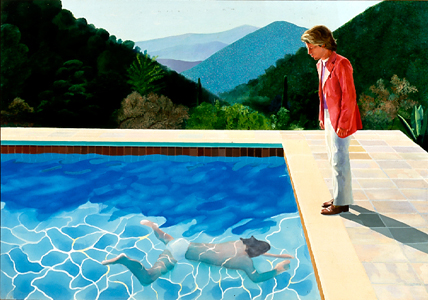
Play-in games Max Beckmann vs. party-in-paris-1947 David Hockney pool_2_figures_72_f

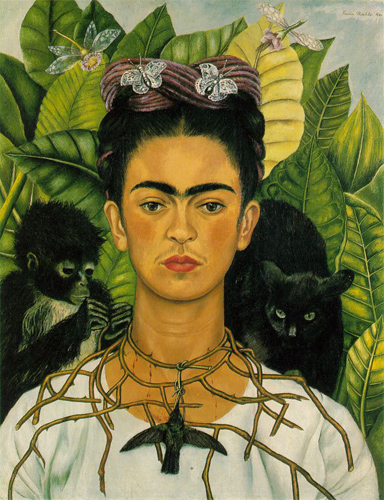
Frida Kahlo vs.

Frida_Kahlo_(self_portrait)

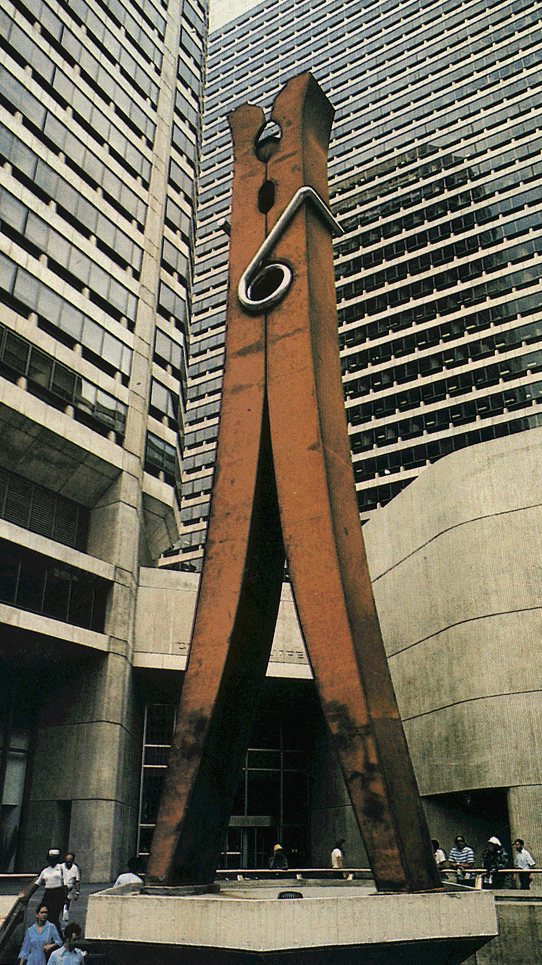
Claes Oldenburg CLOTHSP

George Bellows vs.

1909_Stag_at_Sharkey's

Agnes Martin 31291_MARTIN

Grant Wood vs.

Grant_Wood_-_American_Gothic_-_Google_Art_Project

Chuck Close 69.102_close_imageprimacy_compressed_1140

Closing the Books on A Year of Fiction

At the beginning of 2014, I resolved to devote the year to reading fiction, and only fiction. This was spurred in part by the growing pile of unread books I’d lugged from house to house (and country to country) and in part by being self-conscious about how few books I read.

So, a year later, Mission Accomplished. Reading mainly during my commute, I managed to knock off 17 novels and novellas. There were a mix of classics I was appalled I’d never read, some works of contemporary fiction that got a lot of attention, books by friends and a handful of science fiction, some classic, some less so.

Here’s how they break down:

Most Lackluster
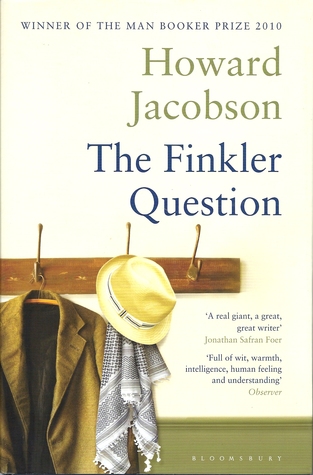
8664368

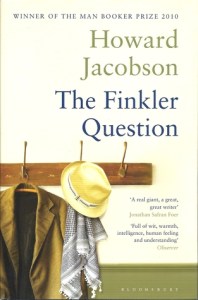
The Finkler Question, by Howard Jacobson (2010).

I didn’t know much about “The Finkler Question” when I picked it up, but it had won the Booker Prize and the jacket copy promised an exploration of Jewish identity in modern Britain. Unfortunately, the protagonist was more caricature than person, and so the uneventful narrative, which mainly consisted of his bouncing between two other characters in London, never captured my attention. Many of the ideas raised are interesting and remain pressing – how should liberal Jews reconcile their alarm about Israel? – but as fiction, it was tepid.

Most Exhausting
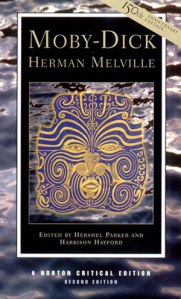
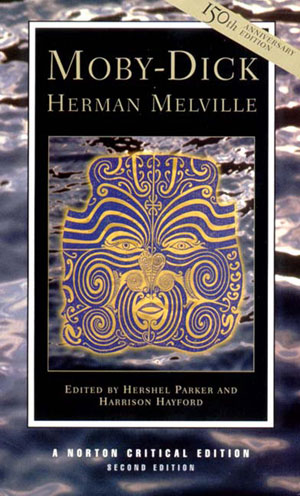
9780393972832_300

Moby-Dick, by Herman Melville (1851)

Reading “Moby-Dick” was a major project. I started it a few years ago before picking it up again and spent months reading it on and off before making a major push to finish that last few hundred pages. It’s a maddening book to read, as Melville interrupts his narrative with long sections on the nature of whales and the history of whales, filled with obscure classical and Biblical references and digs at other writers. The plot fades in and out, like a radio station in the mountains, and when it finally comes in clear and strong, in the last third of the book, it can be thrilling. Melville wrestles with big themes, about man, nature and God, and that’s probably how Moby-Dick earned its reputation, but he’s also a gifted stylist. There’s humor, horror and poetry in this book.

Most Satisfying
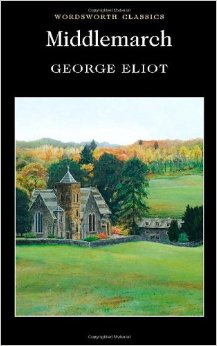
51K5KmcOlNL._SY344_BO1,204,203,200_

Middlemarch, by George Elliot (1874)

Like “Moby-Dick,” “Middlemarch” was an attempt to tackle a classic, one of those books that appear on lists of the 100 greatest novels and that produced a twinge of guilt because I hadn’t read it. I also wanted to read an English book – living in London, I felt a certain obligation to the natives – and “Middlemarch” is unmistakably English. Set in a rural town around 1830, a period of social and political upheaval, the novel traces the lives of a handful of men and women straining against the confines of their class and culture. The  plot gradually builds to a defining event that might seem incidental in another book, but because Elliot has so completely drawn the reader into her narrative, it feels like an earthquake. And while I expected a sophisticated, powerful novel, I was constantly surprised by Elliott’s sharp observations and biting word play. It’s a 19th century novel, but much of it feels fresh and alive.

Most Chilling
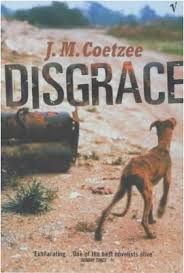
imgres

Disgrace, by J.M. Coetzee (1999)

While Cormac McCarthy’s “The Road” was probably the most horrifying book I read last year, it is fantasy – and set in a post-apocalyptic future, we are insulated from its terrors by the comforting reality of the present. Not so “Disgrace,” which, while set in South Africa and drawing on the dark history of that nation to spin its plot, is also about the rot and decay that lies within all of us. “Disgrace” tells the story of a Cape Town professor who, through his arrogance and narcissism, tumbles out of his position of privilege and into a state of numb apathy, powerless to protect his daughter from the violence of a country in turmoil. Coetzee writes with a spare elegant voice that makes the brutality all the more vivid. The final, quiet scene in an animal shelter is as grimly nihilistic as all of McCarthy’s evocations of depravity and cannibalism.

Most Dazzling
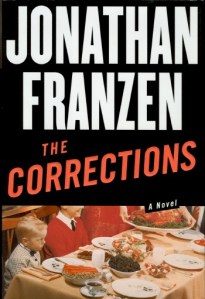
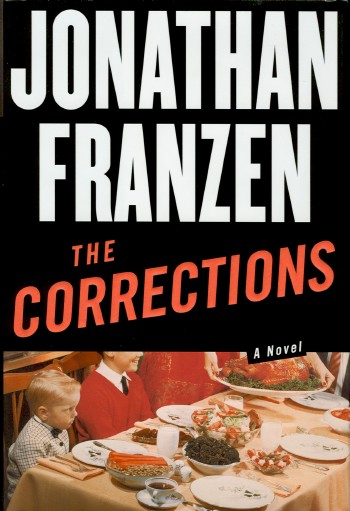
Thecorrectionscvr

The Corrections, by Jonathan Franzen (2001)

“The Corrections” sat on a bookshelf for a decade, daring me to read it. I occasionally packed it on trips, only to return with it unopened, cowed by its reputation for brilliance. After biting the bullet, I realize now, my instincts were correct. It is brilliant: a dizzying, exhilarating, penetrating, often hilarious and sometimes creepy satire about America at the turn of the last century. There is sort of a plot, but it’s not really about narrative as much as about characters, an elderly midwestern couple and their three adult-ish children stumbling through their lives. Into this mix Franzen throws in a sharp critique of modern capitalism and culture, told in suburban kitchens, liberal arts colleges, cruise ship dining rooms, biotech investor days and Lithuanian palaces. Yet, despite Franzen’s abundance of shrewd observations, he failed to predict the future. Written on the eve of Sept. 11, the concerns of “The Corrections” can’t help but feel small and dated, compared to the horrors that were to come.

Most Surprising
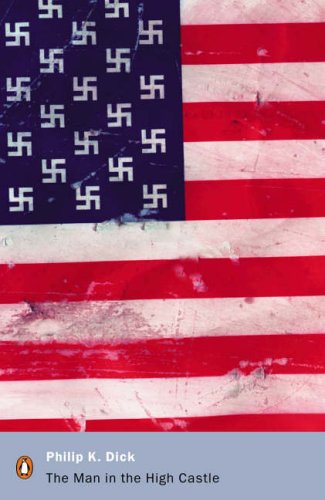
PKD-high_castle-penguinclassics

The Man in the High Castle, by Philip K. Dick (1962)

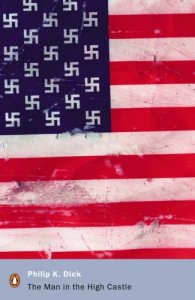
Acknowledged as an alternative history masterpiece, I knew little about the “The Man in the High Castle” save it conjured an America after Germany and Japan won World War II. But rather than a conventional narrative focusing on the leadership and power structures of this new reality, as I imagined, the book follows a handful of ordinary and less ordinary characters making their way in Japanese-controlled California. As they bumble their way through a meandering, multi-threaded story, the geopolitical landscape unfolds and the atrocities of the Axis powers are slowly revealed. The writing is rich, intricate and oblique, with long excursions into the workings of the I-ching, and the market for Americana kitsch items among the new Japanese bourgeoise. The plot picks up in the last quarter, and resembles something like a conventional thriller before reaching its puzzling, challenging conclusion. Amazon is making a TV series based on “Man in the High Castle,” but apparently has little of the book’s nuance. It may be closer to what I was expecting.

Most Disappointing
41shWIN+ssL

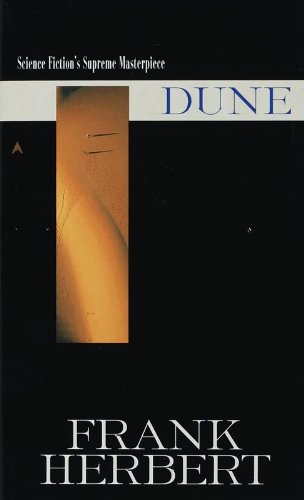
Dune, by Frank Herbert (1965)

“Dune” was a victim of my unrealistic expectations. Since it routinely tops lists of the greatest works of science fiction, I had high hopes. And while there’s a lot to admire in the book’s ambition, sweep and creativity, the book let me down in a lot of ways. Set in distant future, where feudal lords rule planets, the plot centers over a struggle between two noble houses, one of which is exiled to a desert planet and crushed by their enemy. The son of the deposed lord immerses himself in the native culture, discovers hidden powers, becomes their leader and leads a revolt that topples the evil emperor. If that all sounds a bit pat, I thought so, too. Despite Dune’s vivid settings and glacial pacing, the plot is ultimately thin and predictable and the writing often pompous and clichéd. The rich detail is what kept my attention: Herbert dives deeply into the cults, rituals, politics and ecology of his invented world’s, and it’s often fascinating. Unfortunately, the whole is somewhat less than the sum of its parts.

Here’s the full list of the fiction I completed last year:

1, The Man in the High Castle (Dick)
2, Disgrace (Coetzee)
3, The Finkler Question (Jacobson)
4, The Moon is a Harsh Mistress (Heinlein)
5, Beautiful Ruins (Walter)
6, Petropolis (Ulinich)
7, The Caves of Steel (Asimov)
9, Winter in the Blood (Welch)
10, Lena Finkle’s Magic Barrel (Ulinich)
11, The Strange Case of Dr Jekyll and Mr Hyde (Stevenson)
12, Moby-Dick (Melville)
13, The Road (McCarthy)
14, The Corrections (Franzen)
15, Leviathan Wakes (Corey)
16, Middlemarch (Elliot)
17, Dune (Herbert)
 

Year of Fiction: Moby-Dick, by Herman Melville (1851)
9780393972832_300

I finished Moby-Dick a few months ago and I’m still sort of astonished I did. It’s more or less how I felt after finishing my first marathon. It’s an amazing, exhausting, frustrating and brilliant book, and I’ve been tumbling the themes and images over in my head since I completed it. There’s a lot to say about it, but since there’s probably little I could say that hasn’t been said before, I’ve held off writing about it.

As I read it, I kept thinking how theatrical the book was and, particularly, how cinematic. Melville paints rich pictures of the sea and sky, the bloody work of whaling and hard, sweaty labor of the men who do it. Consider this description, in chapter 96, of the three harpooners boiling blubber into oil at the Pequod’s “try-works” as the ship sailed deep into the night:

Their tawny features, now all begrimed with smoke and sweat, their matted beards, and the contrasting barbaric brilliancy of their teeth, all these were strangely revealed in the capricious emblazonings of the works. As they narrated to each other their unholy adventures, their tales of terror told in words of mirth; as their uncivilized laughter forked upwards out of them, like the flames from the furnace; as to and fro, in their front, the harpooneers wildly gesticulated with their huge pronged forks and dippers; as the wind howled on, and the sea leaped, and the ship groaned and dived, and yet steadfastly shot her red hell further and further into the blackness of the sea and the night, and scornfully champed the white bone in her mouth, and viciously spat round her on all sides; then the rushing Pequod , freighted with savages, and laden with fire, and burning a corpse, and plunging into that blackness of darkness, seemed the material counterpart of her monomaniac commander’s soul.

Consider, also, the scenes when Tashtego falls into the whale’s skull, or when Ahab rails at the St. Elmo’s Fire on the masts, or when the Pequod is pursued by Malay pirates as it chases a pod of whales, or when Starbuck picks up Ahab’s musket and contemplates murdering the sleeping captain.

Melville wrote Moby-Dick as a novel, because what other choices did he have in 1850? The influence of Shakespeare is obvious, but the book would fail written as a play; without the sea and ship and, of course, the whale, it would lose all the tension between man and nature that is at the heart of the book. But what about a movie? If Melville were alive today, would he want Moby-Dick made into a movie? I think yes (not least because he was broke).

Moby-Dick has been filmed, and I was surprised to discover how many versions there are (I confess to having seen none of them). There’s the well-regarded 1956 version directed by John Huston (screenplay by Ray Bradbury!), with Gregory Peck as Ahab. There’s a 1998 TV movie, with Patrick Stewart as Ahab and Peck returning to play Father Mapple. There’s a 2011 TV miniseries, with William Hurt as Ahab and Ethan Hawke as Starbuck. There are silent versions, a cartoon versions, parody versions. There’s even a version set in a nuclear submarine, featuring a 400-foot whale that attacks helicopters. (Seriously. Check out the trailer.)
I conjured up a version directed by Steven Spielberg (Jaws meets Amistad!), and starring Daniel Day-Lewis as Ahab. I had fun on Twitter casting the movie and soliciting suggestions. But I also encountered resistance from one follower, who argued that the format of the novel – which includes lengthy non-fiction digressions about whales and the history and nature of whaling – makes it impossible to film and maintain the integrity of the work. He argued that the digressions needed to be in the movie, as true to Melville as possible.

I disagree. Melville’s long, often tedious asides are essentially footnotes, there to help the reader understand the world of whaling. They’re not part of the narrative, but they support the narrative. In a movie, what’s necessary to the telling of Moby-Dick can be told through the characters, and what’s not can be excluded.

watchmen_ver18_xlg

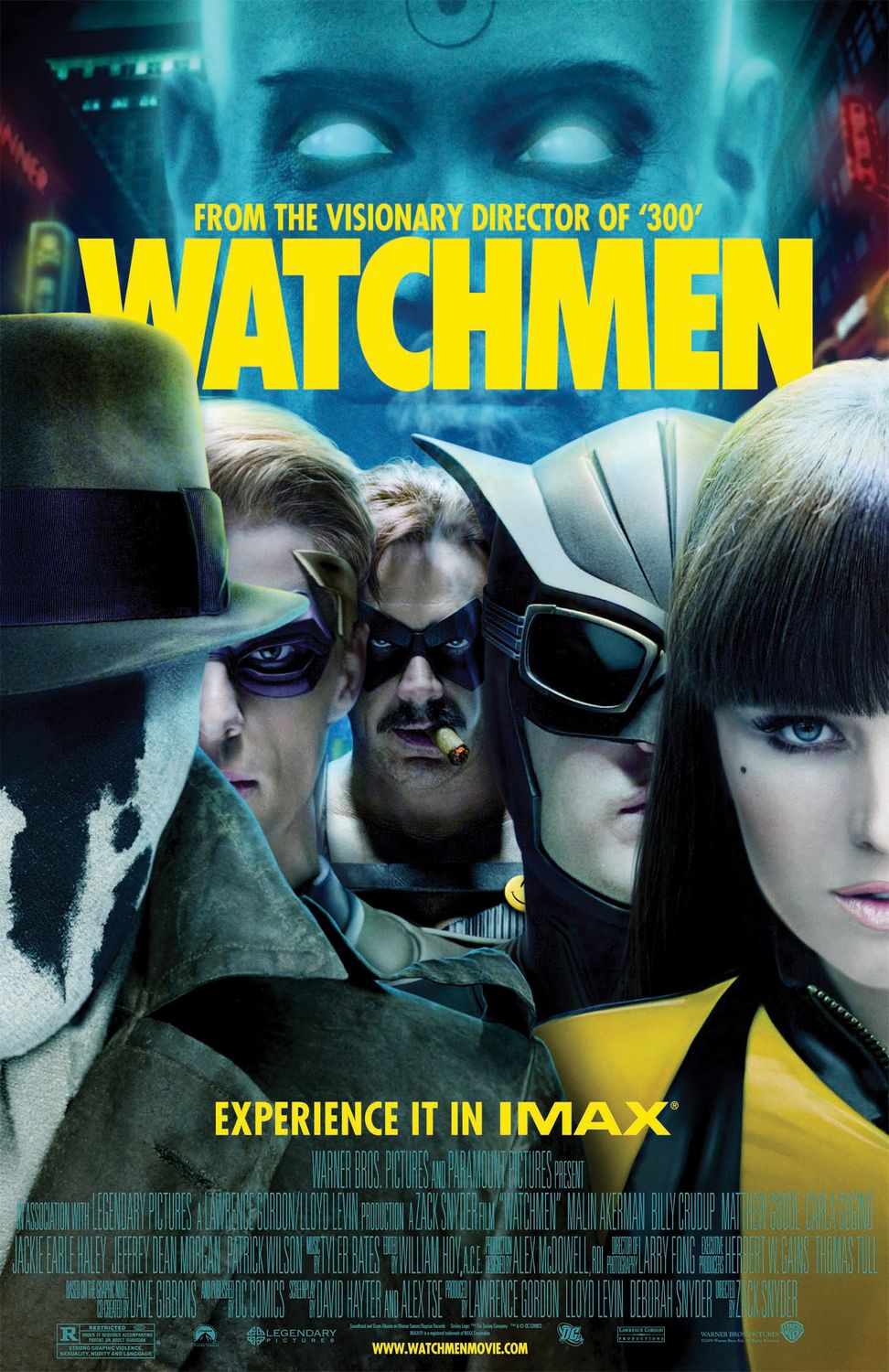
Slavish devotion to the source material can be as big a mistake as ignoring it. “Watchmen,” Zack Snyder’s 2009 movie version of the 1985 comic book, was as close to a panel-for-panel adaptation is possible, and yet failed because what works in a comic doesn’t necessarily work in film. Peter Jackson’s “Lord of the Ring” struck the right balance, cutting scenes and manipulating the order of events to suit the conventions of movie making, yet staying true to the tone and spirit of Tolkien’s books.

Later this year, “In the Heart of the Sea,” a big-budget movie by Ron Howard opens. The movie is based on a 2000 non-fiction book by Nathanial Philbrick, but very prominently claims to be “based on the incredible true story that inspired Moby-Dick.” This might be Hollywood’s latest solution to tackling Melville: by adapting a modern book, it maintains a modern sensibility yet preserves the man vs. whale conflict at the heart of the book.

It’s understandable, but unfortunate, but because won’t have the slightly unhinged richness and mania of Melville. It easy to make an earnest account of the dangers of whaling; much harder to include – as Melville does – scenes of Fleece, the cook, arguing with sharks; Ishmael and the polynesian harpooner Queequeg sharing a bed in port; and later, Queequeg commissioning a coffin that eventually saves Ishmael life. Melville writes with humor, wit and passion, and that’s much harder to adapt for film than any of his treatises on whaling law or flensing technique.

Very Short Review: Shutter Island (2010)

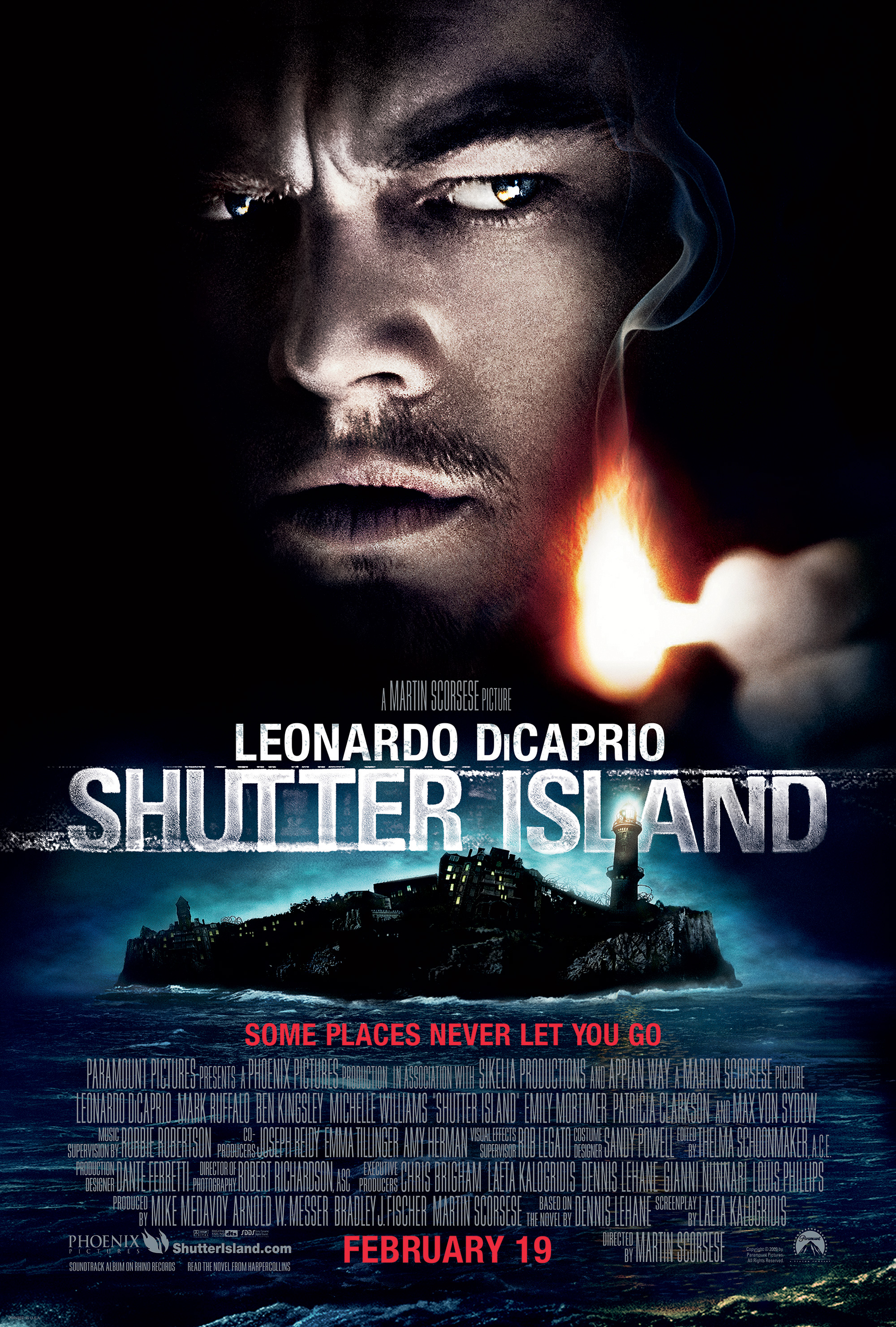
???????????????????????????   I haven’t seen every Martin Scorsese movie, but I’ve seen most and “Shutter Island” is easily the worst. Whatever the flaws of “Bringing Out The Dead” or “The Age of Innocence,” they weren’t boring and I never regretted watching them. Not so with “Shutter Island,” an exercise in lurid tedium. The movie starts out promisingly, with Leonardo DiCaprio as a harried federal marshal in the 1950s investigating a missing inmate at a mental institution on an island in Boston Harbor.  Things go awry as DiCaprio quickly descends into typical horror movie territory: sinister scientists, driving rain, flashing lightning, now way to escape the island etc. Scorsese clearly has fun paying homage to the genre, and there are a few scenes that thrill. But rather than taking us on a brisk ride, he buries us in convoluted twists and turns, adding layers of exposition before finally delivering a twist so predictable it was telegraphed an hour earlier (particularly to anyone who saw A Beautiful Mind).  DiCaprio does his best but seems wrong for the part – he’s too boyish and good looking to play a man at the end of his rope – and Mark Ruffalo again plays a federal agent who is not quite what he seems. A contrarian view might be that Scorsese was fully aware what he was doing, and he ladled on the melodrama with intent, perhaps as a misguided tribute to some B-movie from his youth. In either scenario it failed, utterly.