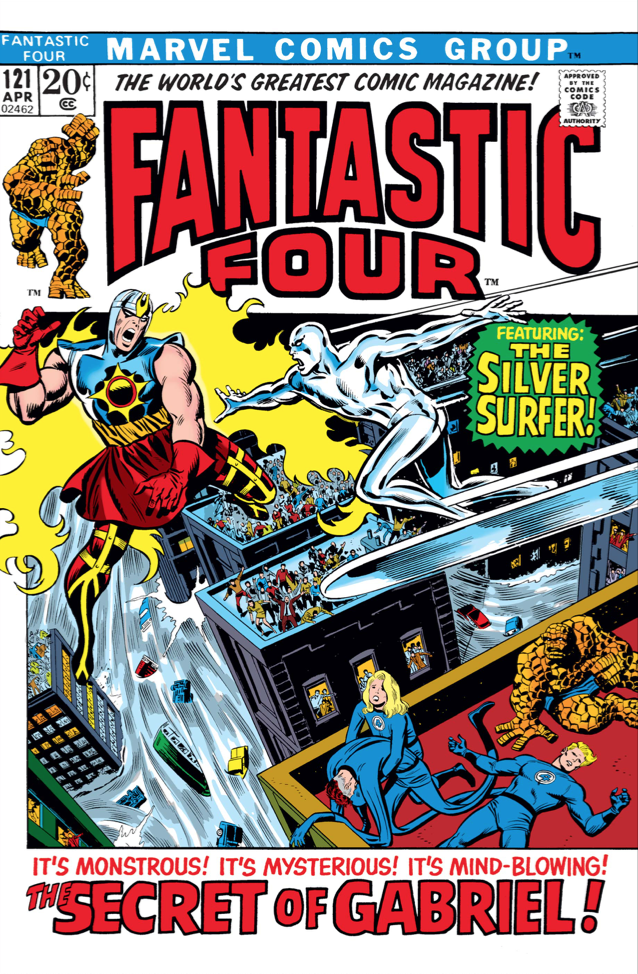
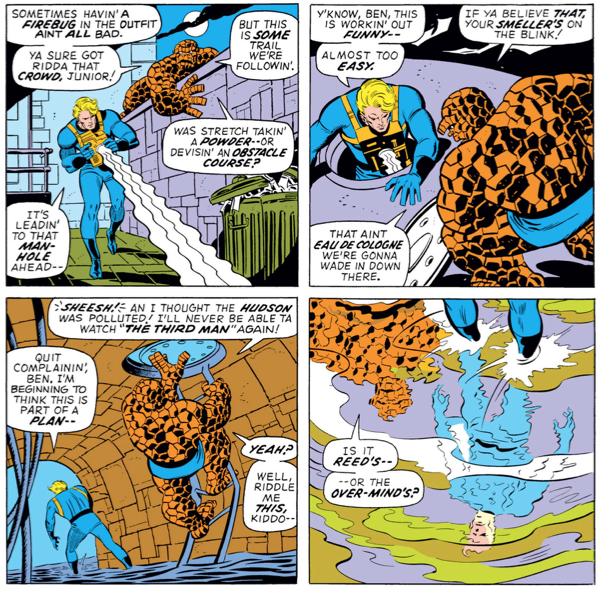
Fantastic Four 121 “The Mysterious Mind Blowing Secret of Gabriel!” Published: Jan. 1972 Story: Stan Lee & John Buscema Script: Lee Pencils: Buscema Inks: Joe Sinnott Letters: Sam Rosen Cover: Buscema and Sinnott
Synopsis
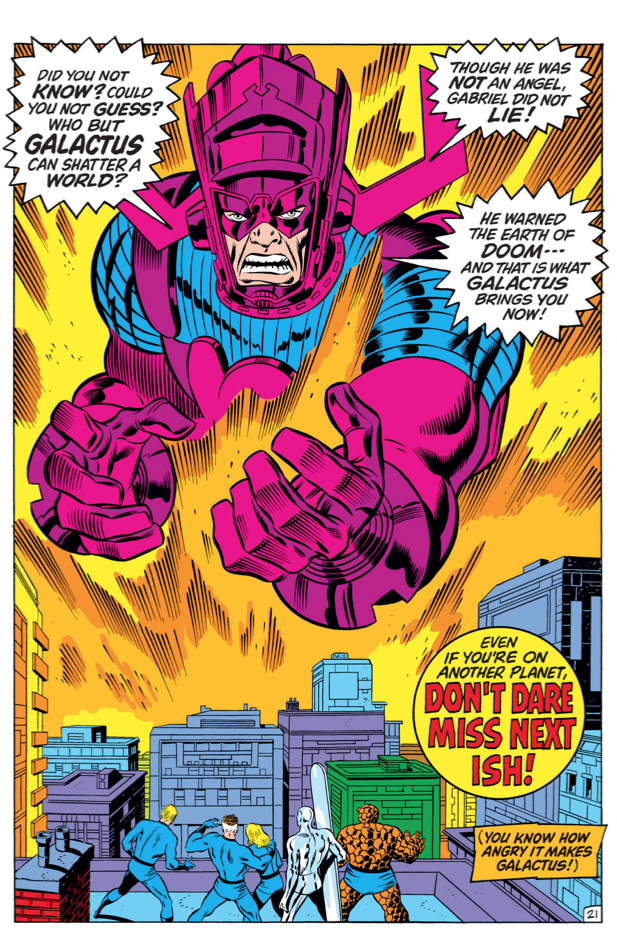
The Air-Walker turns humanity against the Fantastic Four, whose effort to battle him are futile, before admitting he was only attempting to lure the Silver Surfer. After the Surfer beats him and reveals him to be a robot, Galactus makes a dramatic appearance.
What’s going on here?
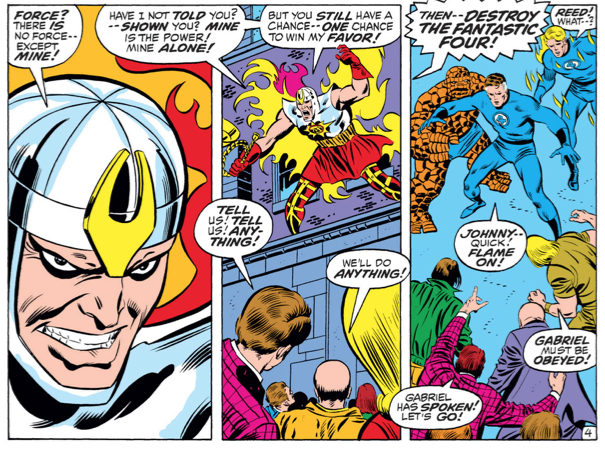
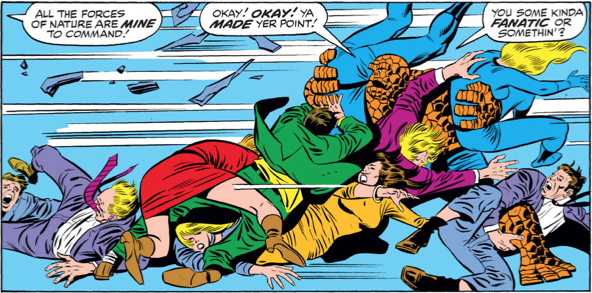
After last issue’s long build up, FF 121 delivers some pay off. There’s a long fight with Air-Walker, some not-too-subtle commentary about religious fanaticism by Stan, a dramatic appearance from the Silver Surfer and two big twists: Air-Walker is a robot, and he was doing the bidding of Galactus. Unfortunately, most comic readers today know Air-Walker as a herald of Galactus (information I first received from the Official Handbook of the Marvel Universe circa 1983) , but I imagine for a reader in 1972 this would have come as a shocking revelation. Mind-blowing, even (to quote the comic’s title). At this point, Stan may be close to the end of his days as a regular comic writer, but he shows here he’s still got something on his fastball.
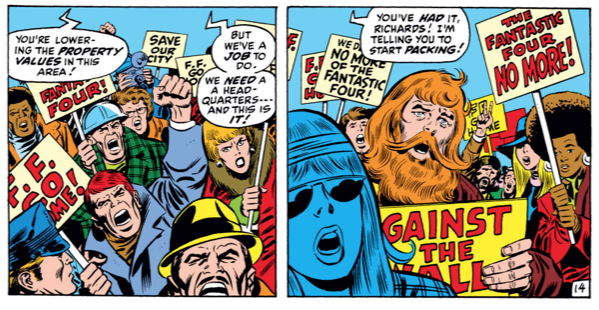
Along with the aforementioned plot twists, I did like Stan’s injection of social commentary into the New Yorkers reaction of Gabriel. It’s pretty clear what Stan thinks of zealotry.
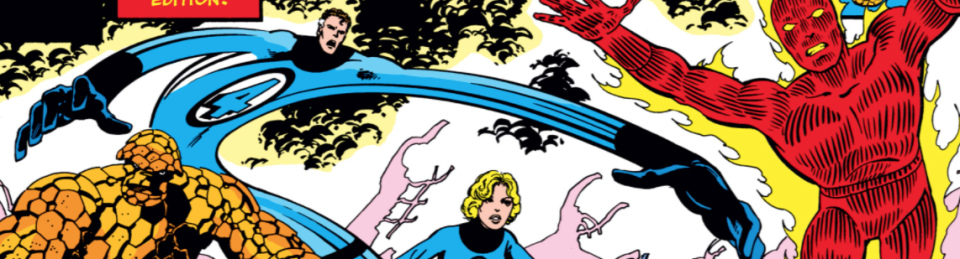
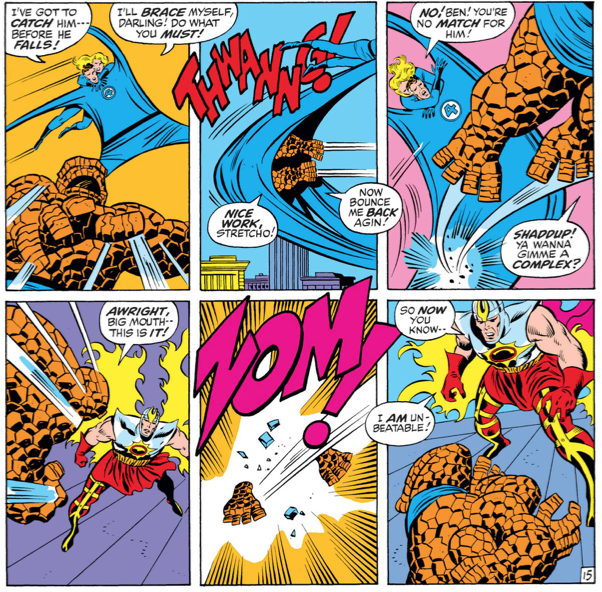
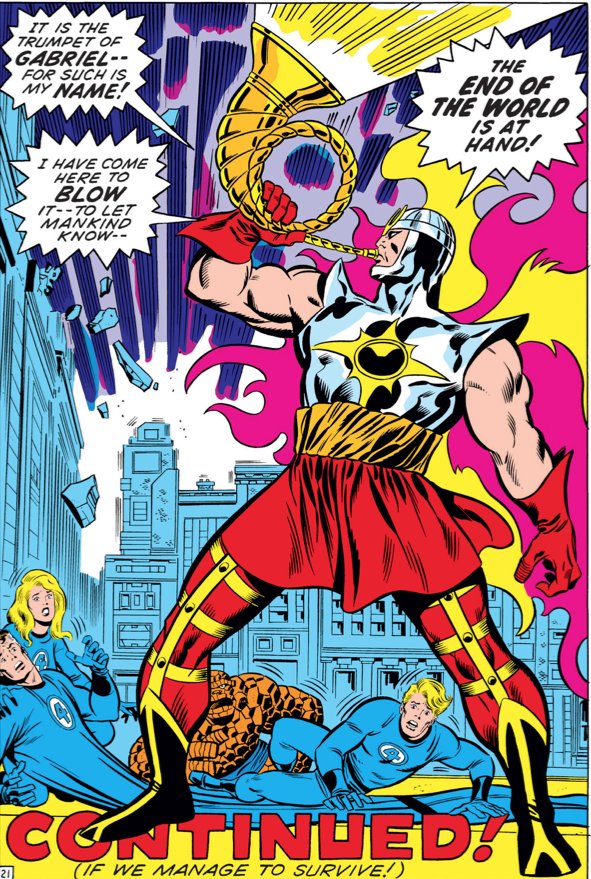
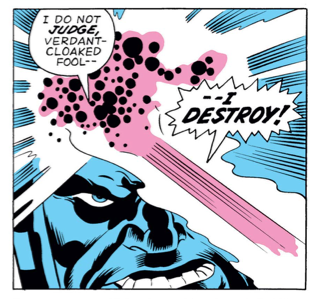
There are some great Buscema panels, like this one:
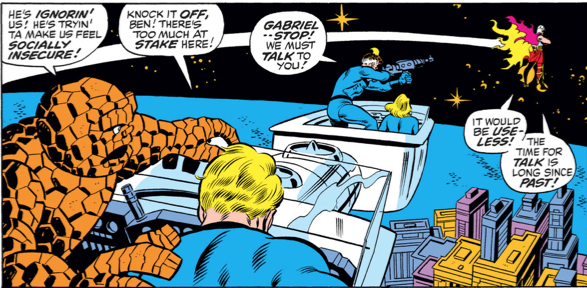
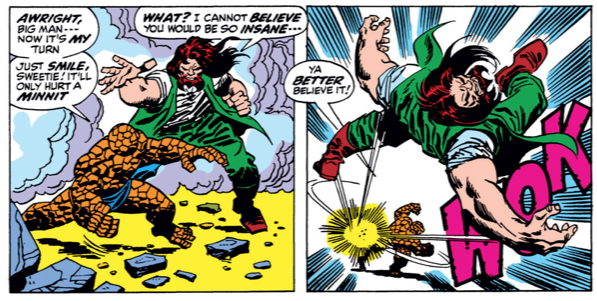
As well as some fun sound effects (which I think would be done by Buscema, not Sam Rosen, the letterer):
What I didn’t like
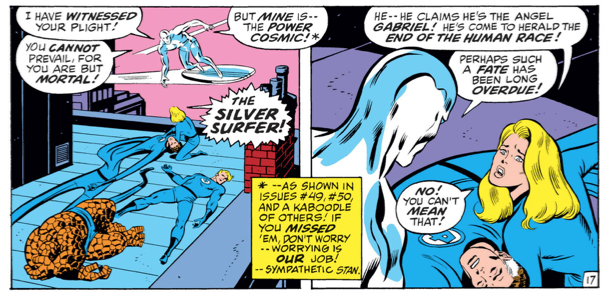
This issue suffers from the same sluggish pacing of a lot of Stan’s Fantastic Four comics. The FF spend an awful long time either fighting Air-Walker, running away from Air-Walker or escaping New Yorkers doing Air-Walker’s bidding, and so the appearance of the Silver Surfer is jammed into the last few pages. When he arrives to save the day, it’s a tiny panel and he’s about half an inch high. Surely this dramatic scene merits at least a half splash?
Anything else?
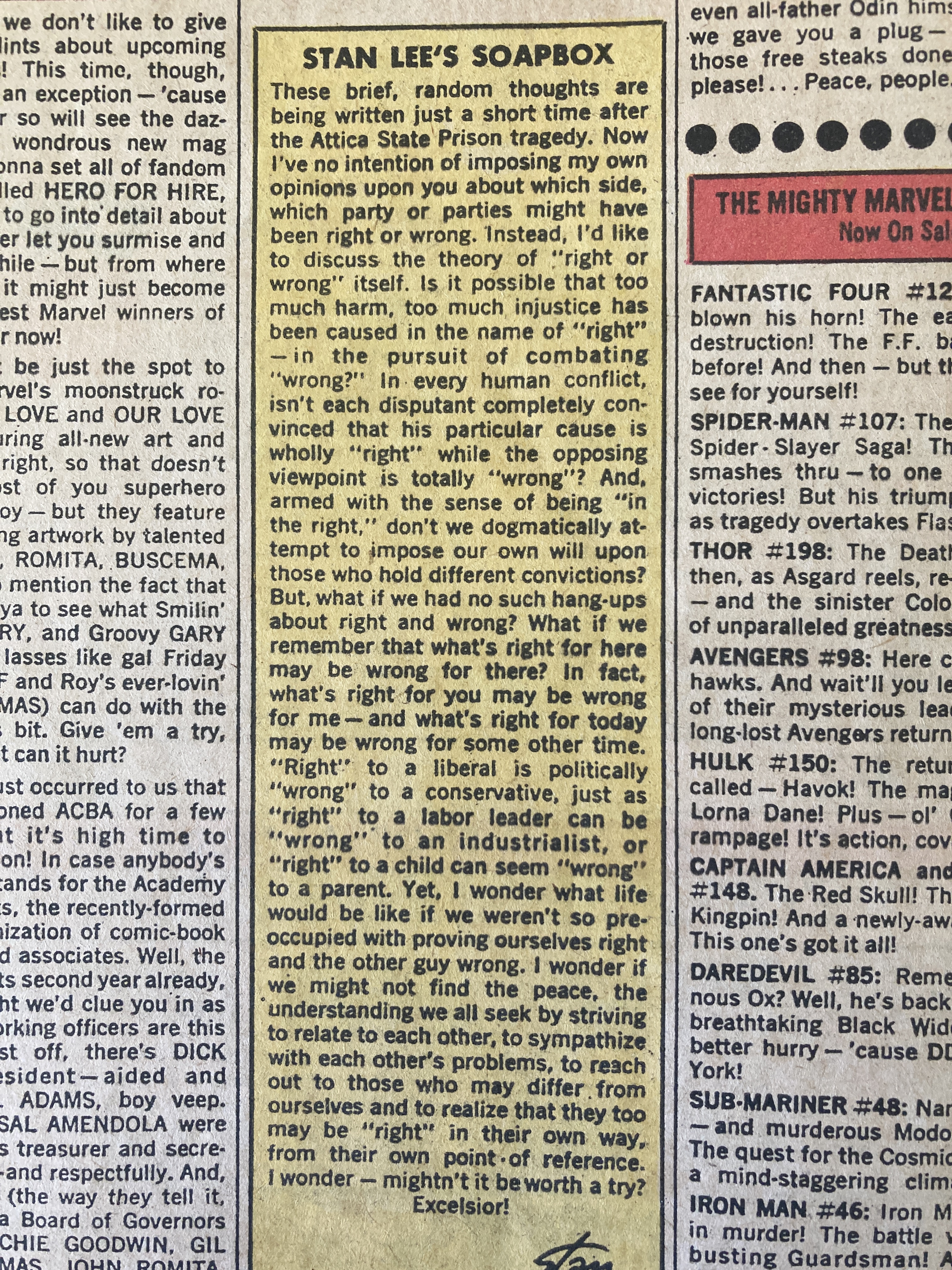
In his soap box, Stan take on another fun subject: the Attica prison riots!
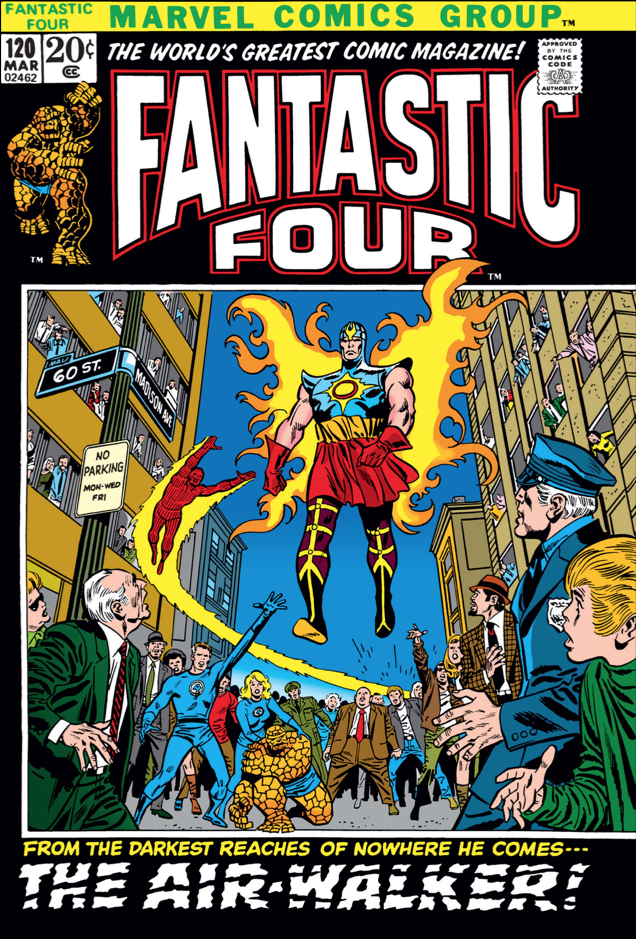
Fantastic Four 120 “The Horror That Walks On Air!” Published Dec. 1971 Story: Stan Lee and John Buscema Script: Lee Pencils: Buscema Inks: Joe Sinnott Cover: Buscema and Frank Giacoia
Synopsis
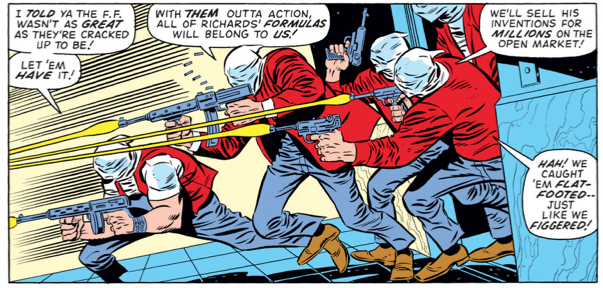
After dispatching a band of thugs who invade the Baxter Building, the Fantastic Four confront the Air-Walker, who warns the end of the world is at hand.
What’s going on here?
I’ve been looking forward to this comic for a while. While it’s not revealed in this issue, Air-Walker is a herald of Galactus, and of the main heralds from 60s, 70s and 80s (basically the Silver Surfer, Firelord, Terrax and Nova), he’s the one I’m least familiar with. He eventually gets a long and complicated back story, which I won’t get into here.
Most of the issue, however, is devoted to establishing Air-Walker as a massive threat, and it feels a bit like over-kill. He does very little except float around, and only displays his powers after he’s attacked. Only in the final panel do we really get hint of his menace. Given the build up, the next few issues better deliver.
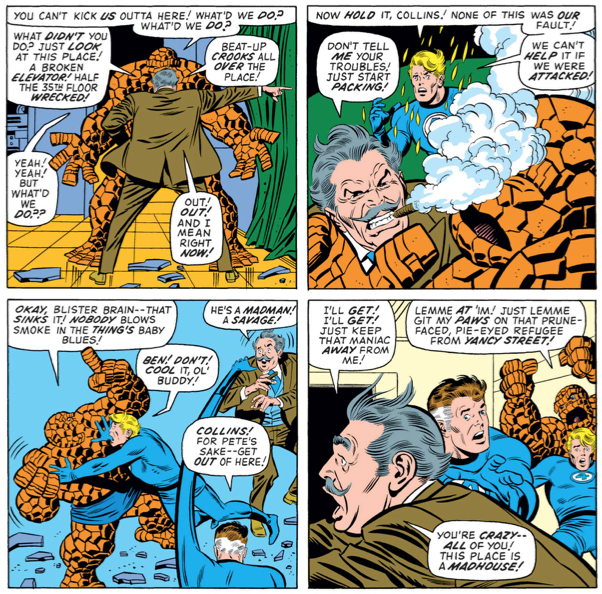
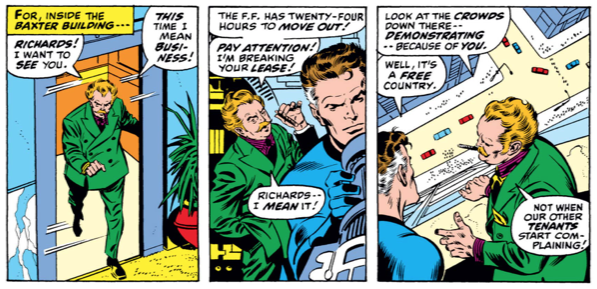
The other big development in FF 120, which helps explains the long, breathless introduction of Air-Walker, is the return of Stan Lee as writer. After a few issues of Archie Goodwin, and one by Roy Thomas, Stan is back in the saddle for what will be his final stint as lead writer of the FF. The issue feels a lot like a classic Stan and Jack issue, with lots of one-liners and wise cracks from Ben, and comic set-pieces like another squabble with the landlord.
Interestingly, Stan shares writing credits with Buscema here, like he did with Jack. My sense is that, as with Kirby, Stan gave Big John a loose plot, let him work out the details, and then added the script, in the classic Marvel Method. With the other writers, I’m guessing John had less say in the story.
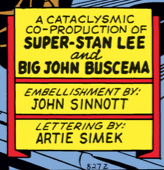
The issue also features the introduction of a new inker, John Sinnott. I’m kidding. It’s clearly an error.
What I liked
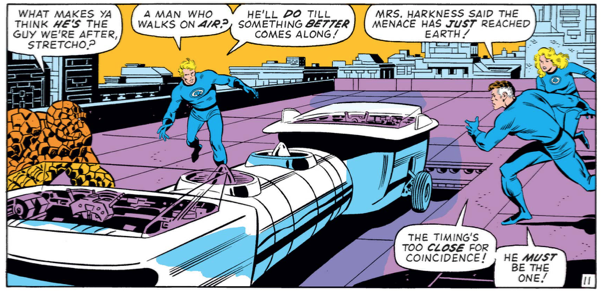
More great Buscema art, including this panel:
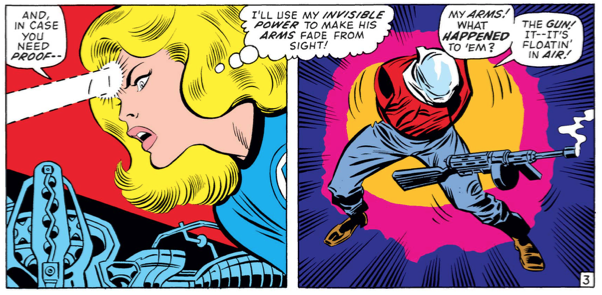
I liked this use of Sue’s powers (although wouldn’t the bad guy know he was holding the gun?)
And while I still loathe this cover format, this one looked pretty good.
What I didn’t like
As mentioned, there’s a lot of set up in this issue without much pay off (yet). And the sub-plot / shtick with the FF’s landlord remains tedious.
Overall
I’m reserving judgement until we see how this Air-Walker arc plays out.
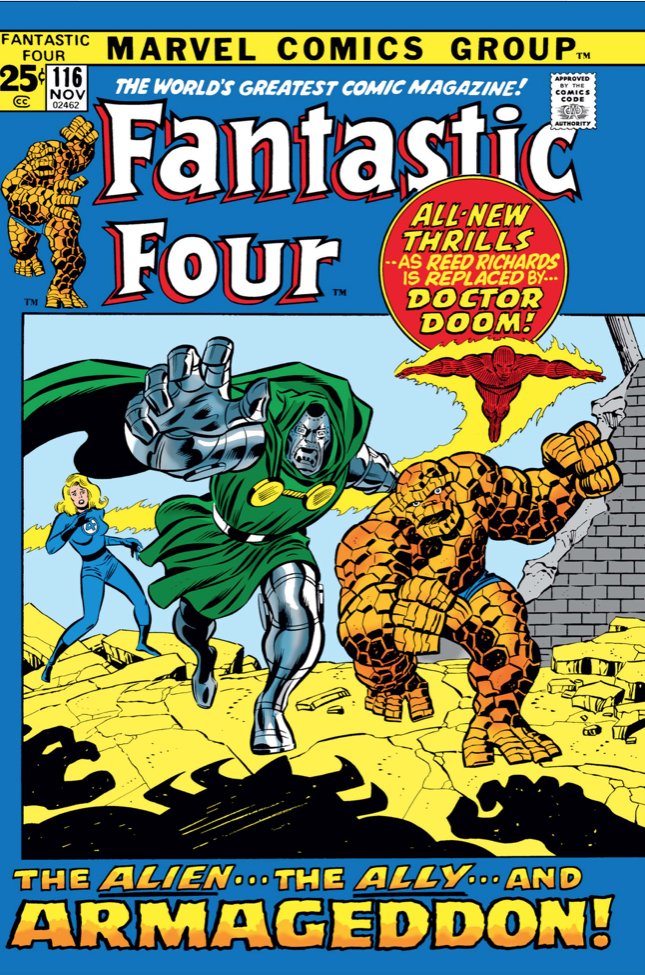
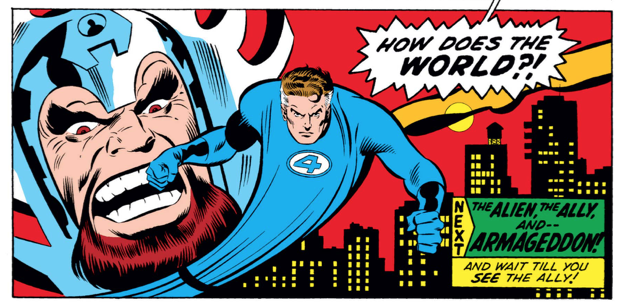
Fantastic Four 116 “The Alien, the Ally and .. Armageddon!” Published: Aug. 1971 Writer: Archie Goodwin Pencils: John Buscema Inks: Joe Sinnott Letters: Artie Simek Editor: Stan Lee Cover Buscema and Sinnott
Synopsis
After the Thing and Human Torch are defeated by the Over-Mind, the Invisible Girl recruits Dr. Doom to the fight. They are overmatched, but when all seems lost, the Stranger appears to save the day.
What’s going on here?
This is a big issue, so let’s get to it!
First, this is literally a big comic: it’s 48 pages long, the first issue of the FF that’s longer than normal (not counting annuals). According to the Bullpen Bulletins, this is in honor of the 10th anniversary of the creation of the Marvel Universe (marked by the 1961 publication of Fantastic Four 1) and all Marvel comics this month are extra-sized (a quick scan confirms this to be true). The price is also bumped up, to 25 cents from 15 cents, and while the comics return to normal size after this month, the price stays elevated, at 20 cents. Sneaky!
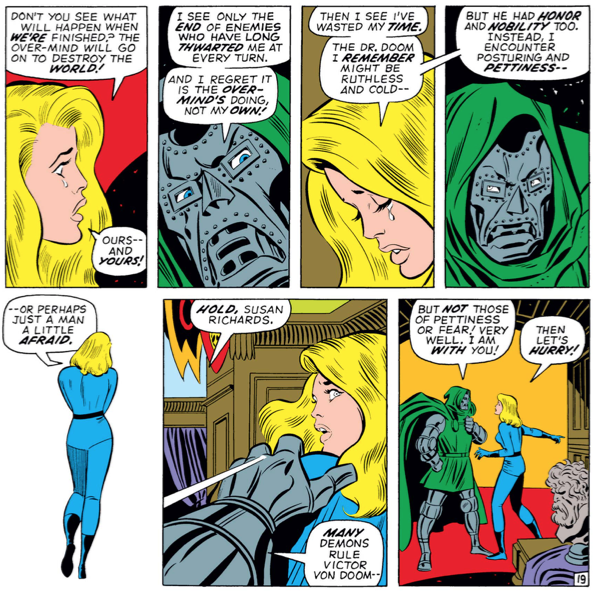
Second, this a very good comic. It’s not great, for reasons I will get to, but it definitely justifies it’s extra length. Yes, the story wraps up the Over-Mind arc, which has been perculating for four issues now, but story-wise, the biggest development is Sue’s recruitment of Doom as an ally. In so doing, it fundamentally changed the FF’s relationship with Doom.
Readers of the Fantastic Four today are accustomed to Doom as a frenemy of the FF. In recent years he’s become a de facto uncle to Reed and Sue’s daughter, Valeria (after serving as her midwife), he came to their aid to help repulse an attack of Mad celestials, and the FF were invited to Doom’s wedding. Doom also had a run of trying to be a good guy. But for readers in 1972, who only knew Doom as a fiendish villain, this must have come as a shock. The depiction of Doom here reveals his courage and sense of honor, and provides a much richer, nuanced version of the character.
As written by Goodwin, Sue’s manipulation of Doom here is masterful, and I love Buscema’s shot of Sue turning her back. This whole sequence is perfect.
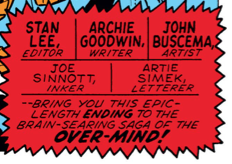
Lastly, it’s significant that Stan is credited here as “editor.” It’s the first time there has been an editor credit for the FF and to my reading it symbolizes Stan’s new, elevated status. Yes, he will come back to write, but adopting the title of editor implies a more detached, supervisory role.
What I liked
There’s a lot to like in this comic. Along with the aforementioned Doom plot, the story is well-paced and structured, with action sequences balanced by scenes of Sue’s agonizing and Ben and Johnny searching for Reed. Too often we see the two fighting or bickering; it’s refreshing to see them working as friends and teammates (plus, I love that last panel).
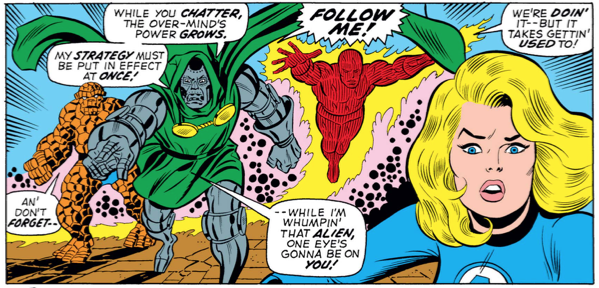
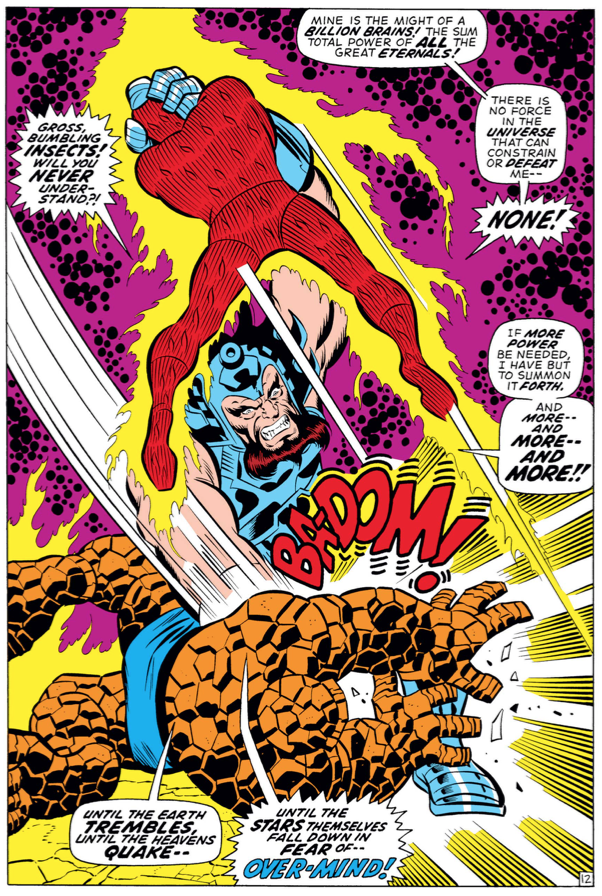
The comic’s extra length allows Buscema to stretch out, and we get some big panels and splash pages that befit the big action. Here’s a good one:
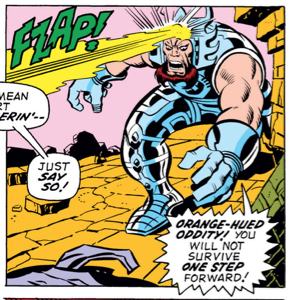
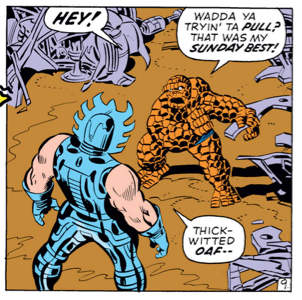
We also get some great insults from the Over-Mind, who’s superior intellect clearly gives him a way with words. Along with the above — “gross bumbling insects!” — check out the following:
What I didn’t like
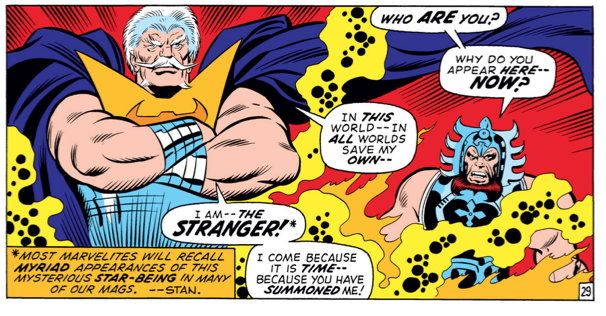
The comic’s big flaw, and what make it ineligible to considered a great story, is the bizarre, deus ex machina appearance of the Stranger at the end to defeat the Over-Mind. While the character had been in a few other comics since his introduction in X-Men 11, this is his first time in a Fantastic Four comic, and readers could understandably be puzzled about who he was. Stan’s note doesn’t exactly help:
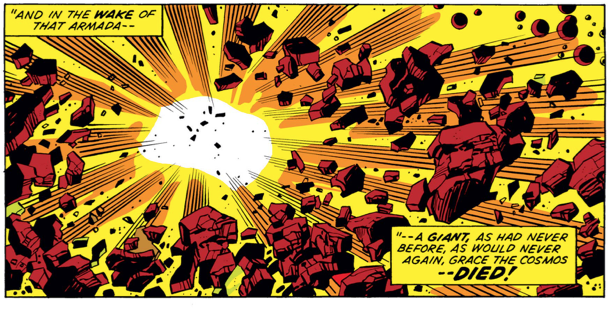
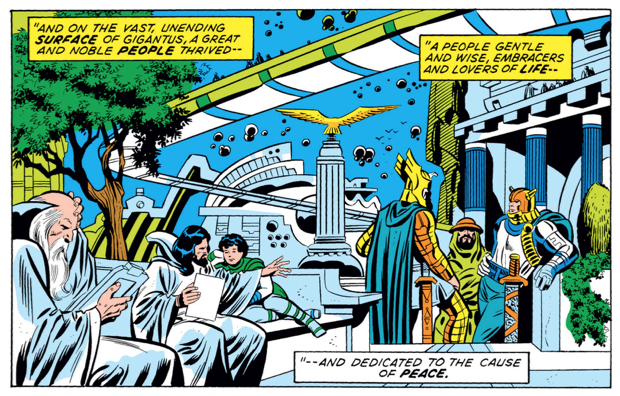
The Stranger explains that, just as the Over-Mind represents the sum of a billion minds from his planet, he is the collection of a billion minds from Gigantus, another, bigger planet, and is therefore more powerful. He reduces the Over-Mind to tiny size, in essence exiling him to the microverse.
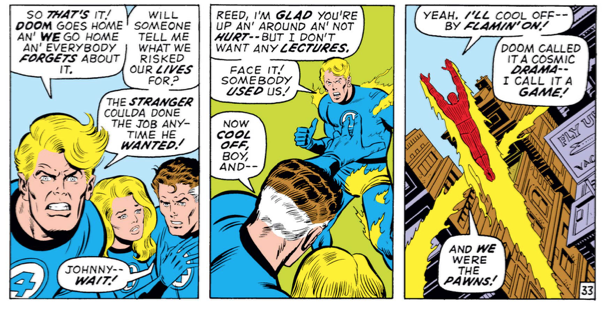
From a story-telling perspective, this denouement makes little sense, and readers no doubt felt cheated that in a story where the FF and Doom teamed up to defeat the ultimate threat, they had little to do with the outcome. Perhaps anticipating their frustration—or perhaps critiquing a plot handed to him by Stan—Goodwin lets the Torch vocalize how silly this all seems:
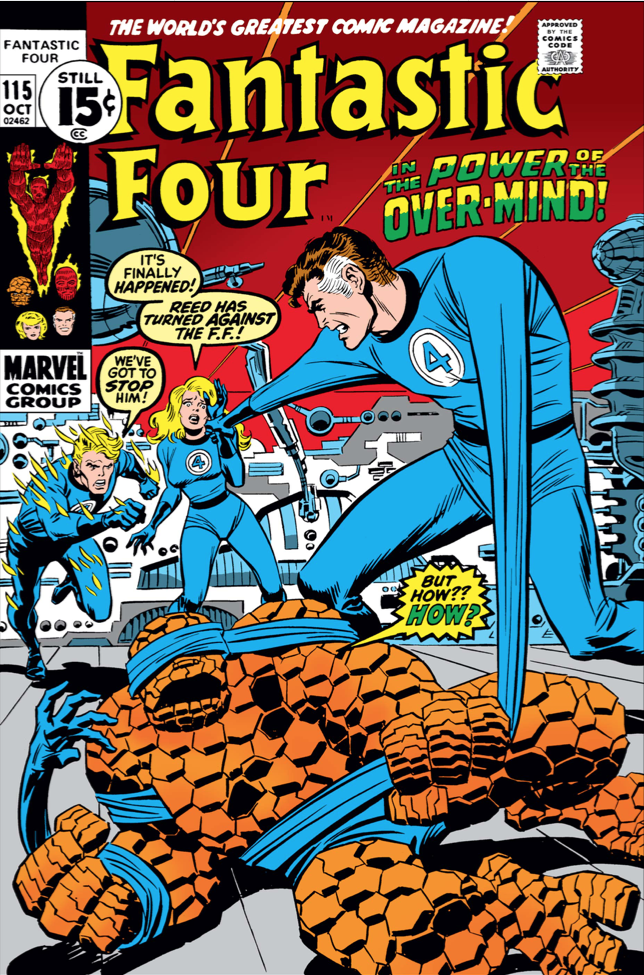
Also, this issue marks the beginning of a new cover format, where the art is reduced to about two-thirds of the cover. It looks terrible but fortunately only lasts about 20 issues.
Anything else?
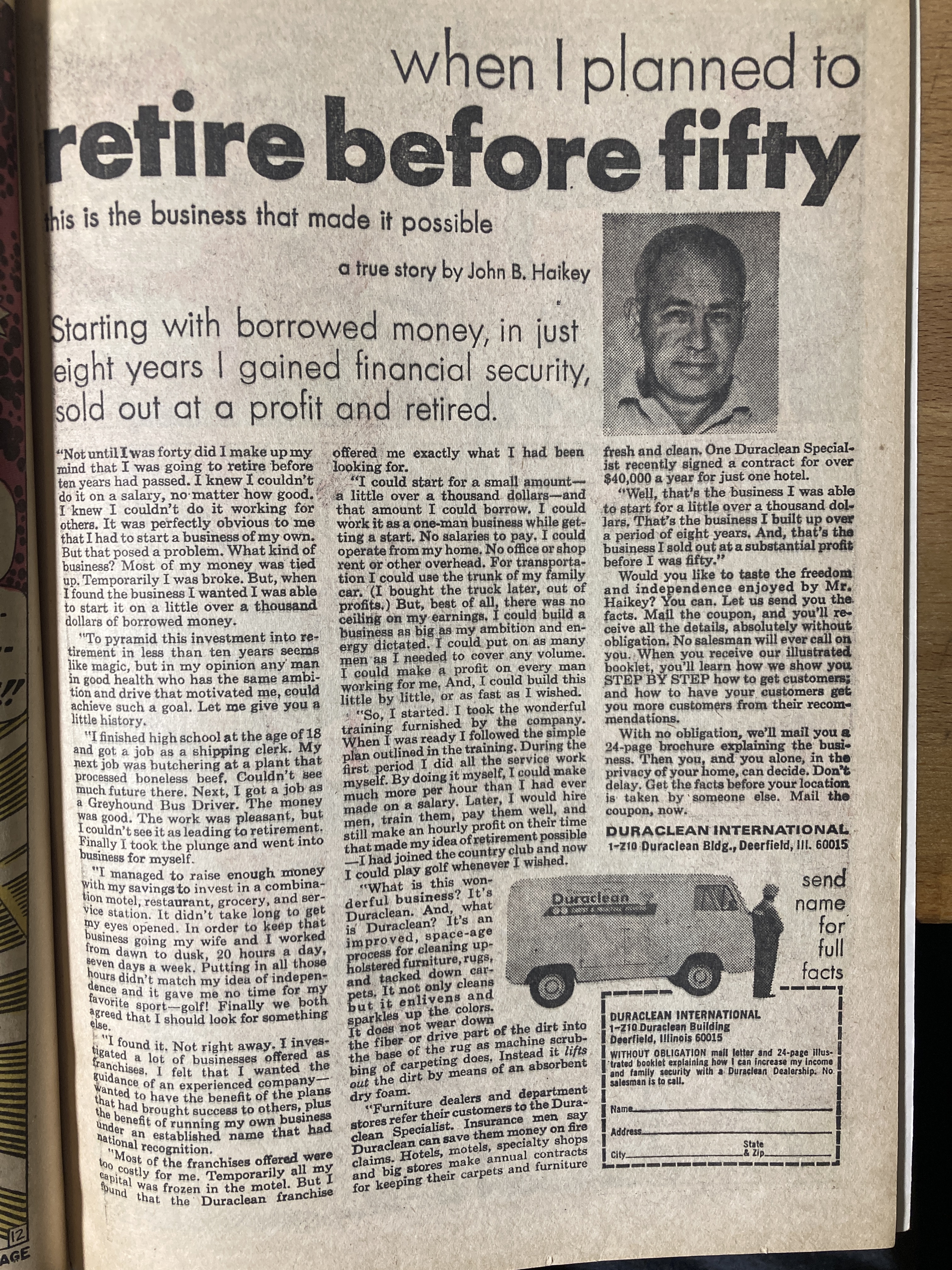
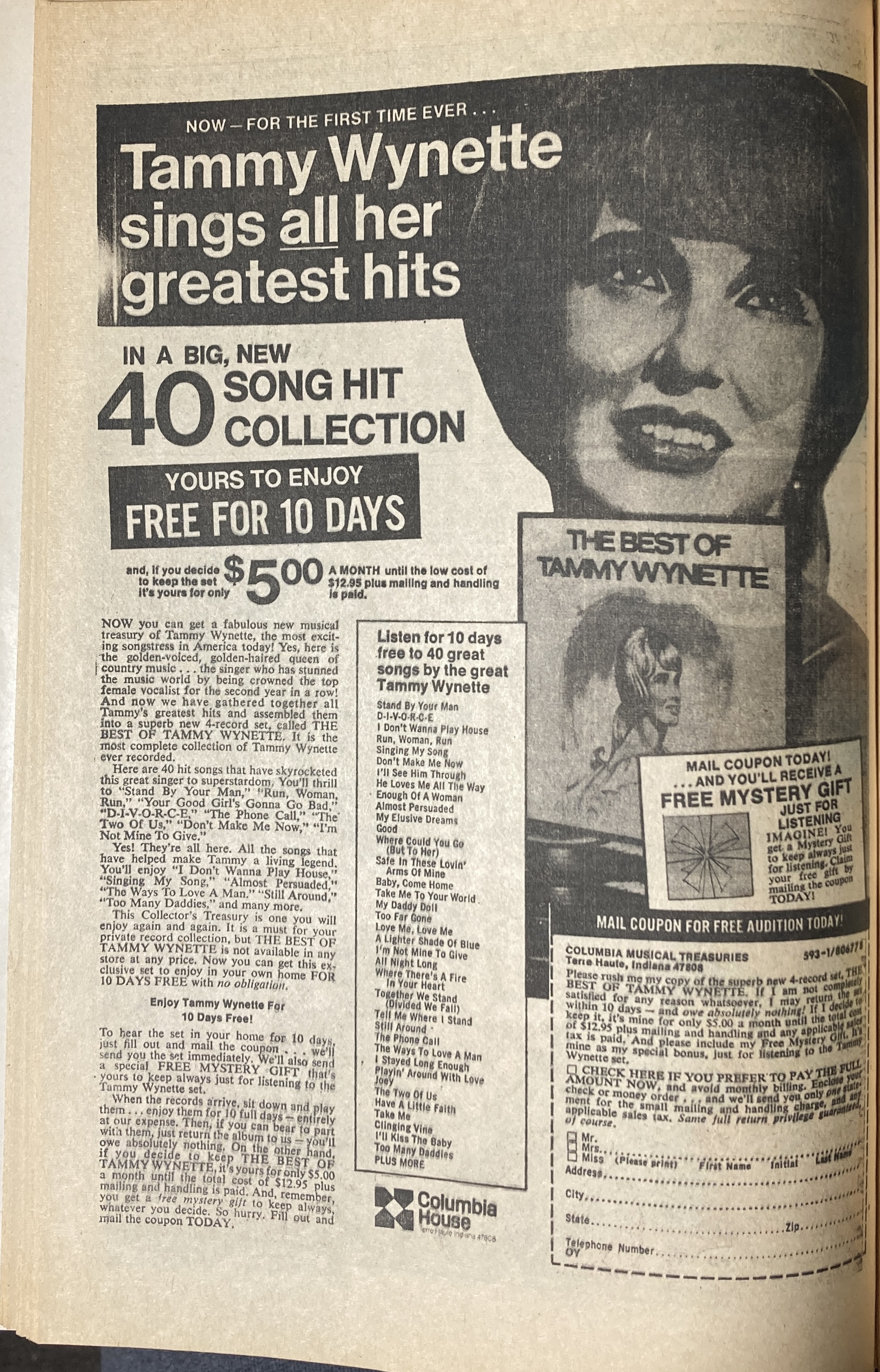
Some interesting ads, neither which seems aimed at young teenage comic readers.
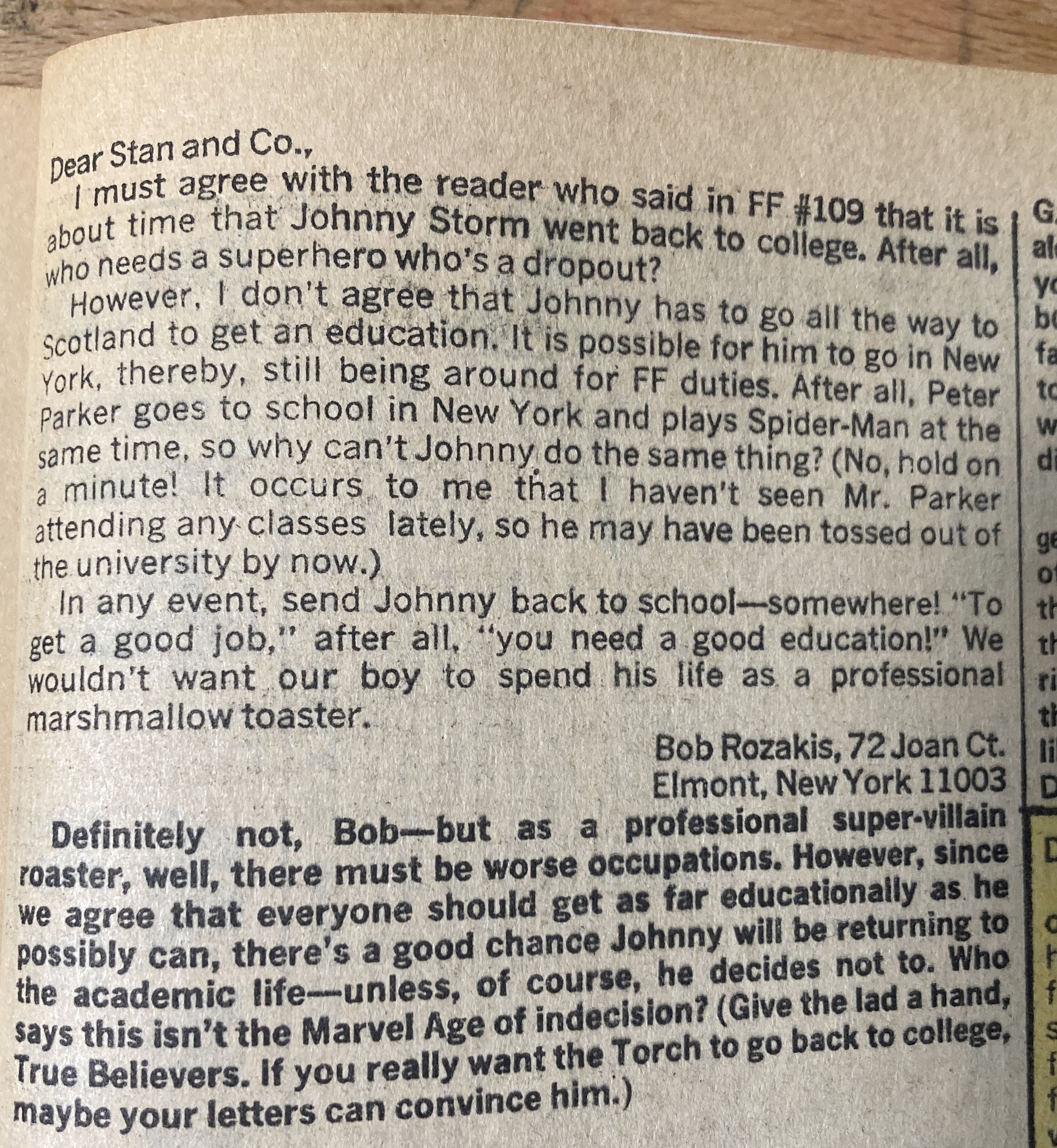
Also, a letter from Bob Rozakis, who would go to write about a million comics for DC, including the underrated ‘Mazing Man.
Fantastic Four 115 “The Secret of the Eternals” Published: July 1971 Plot: Stan Lee Script: Archie Goodwin Pencils: John Buscema Inks: Joe Sinnott Letters: Artie Simex Cover: Buscema and Frank Giacoia
Note: Apologies for the delay in posting this. I was dealing with an illness that unfortunately made everything else, even the Fantastic Four, take a back seat. I’m doing much better now and should be back on track.
Second note: Between Fantastic Four 114 and 115, Fantastic Four Annual 9 was published (technically it was a King-Size Special, but they used those terms interchangeably back then). Since it just consisted of reprints of older stories, I’ve decided not to re-cap it here.
Synopsis
After the Watcher gives the (lengthy) history of the Over-Mind, Reed turns on the rest of the Fantastic Four, under the control of the villain.
What’s going on here
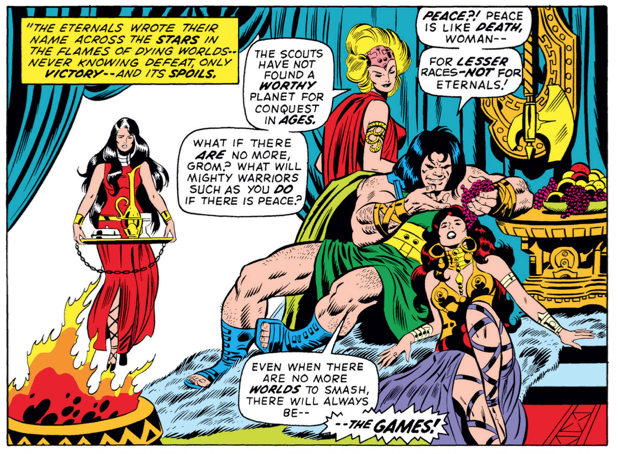
This is very much a transitional issue, basically setting the stage for a climactic showdown with the Over-Mind. The bulk of the story is devoted to the history of the Eternals, the Over-Mind’s alien race (and kind -of, sort-of related to the Eternals that would come later; see the post for FF 114). The story gives John Buscema an opportunity to stretch his muscles, and it’s a fun, if sort of loopy, sequence.
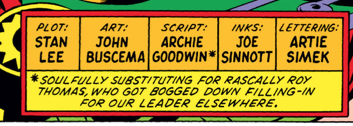
The big development of FF 115 is that it’s the first issue of the Fantastic Four in which the writing isn’t credited to Stan Lee or Jack Kirby. While Stan gets a plotting credit, the script is by Archie Goodwin, a comic veteran at this point who would go on to a many-decades long career at Marvel and DC. Oddly, Goodwin wasn’t the first choice for scripting, but apparently Roy Thomas was busy elsewhere.
It’s not clear why this note was necessary, since readers had no reason to expect Thomas to be scripting the story.
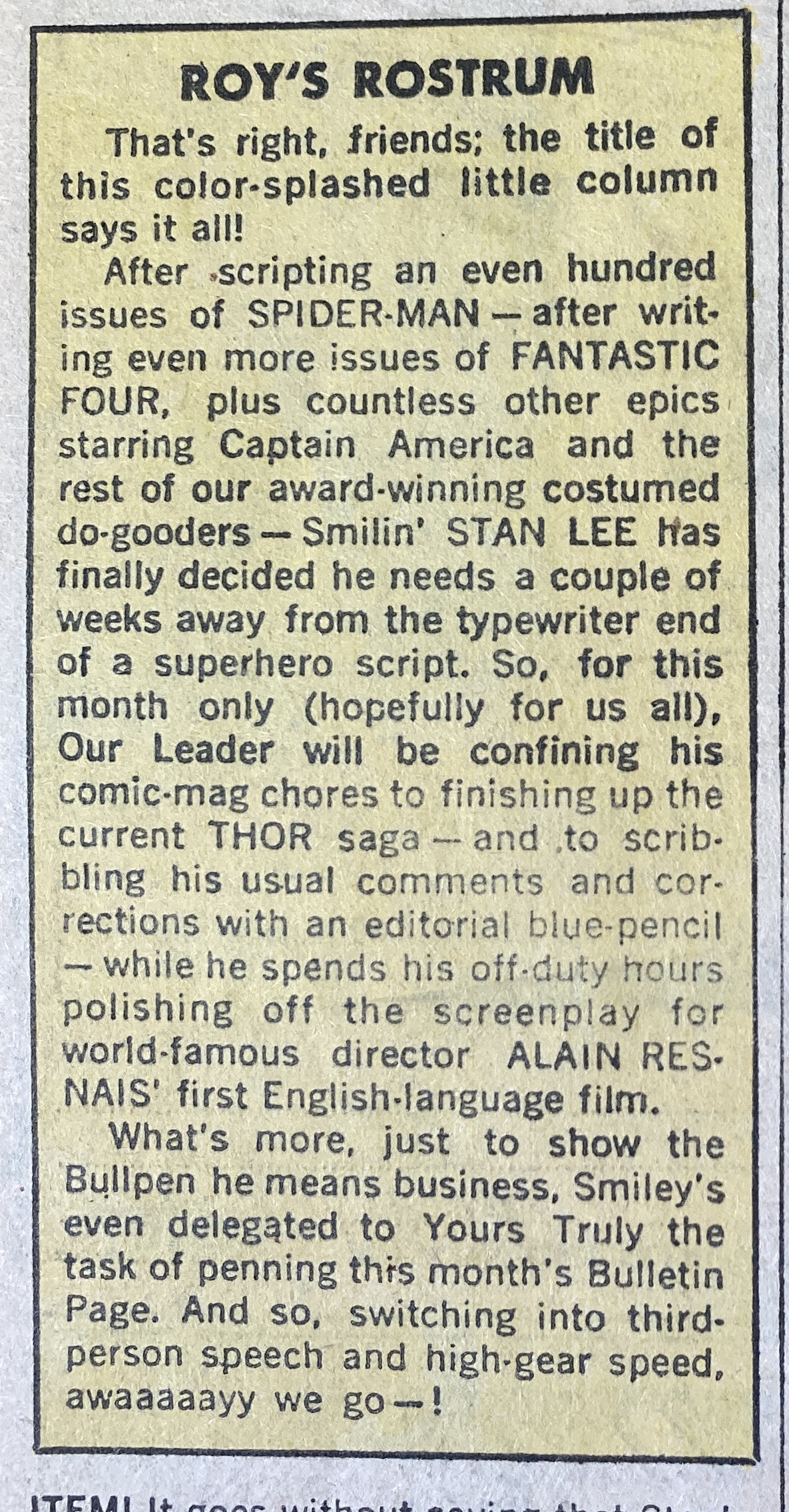
Elsewhere in the comic, in the Bullpen Bulletins, Thomas makes it clear why he’s so busy: Stan is taking some time off. Hey, everyone needs a break once in a while. As it turns out, Stan’s hiatus from the FF will last about 10 issues, but he does return.
What I liked
Buscema’s art in this issue is really epic as he illustrates the history os the Eternals. Here’s a few choice panels:
And for those of you partial to Buscema’s work on Conan the Barbarian, this panel should feel familiar:
What I didn’t like
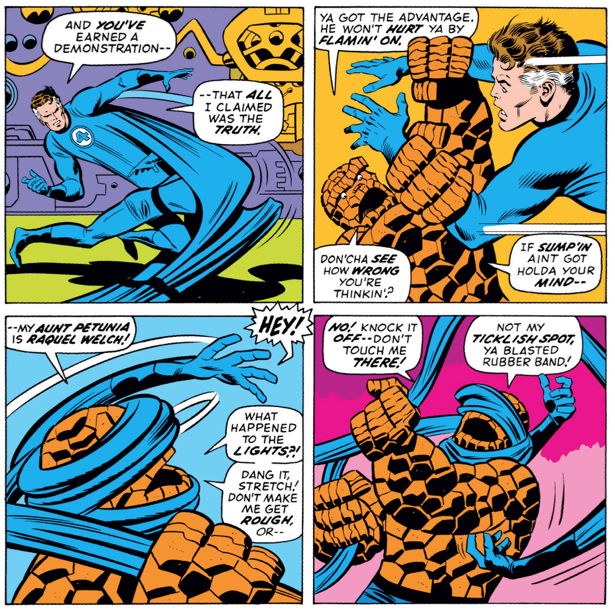
The fight between Reed and the rest of the FF was pretty inane. The lowlight was this sequence, where he defeats Ben by … ticking him?
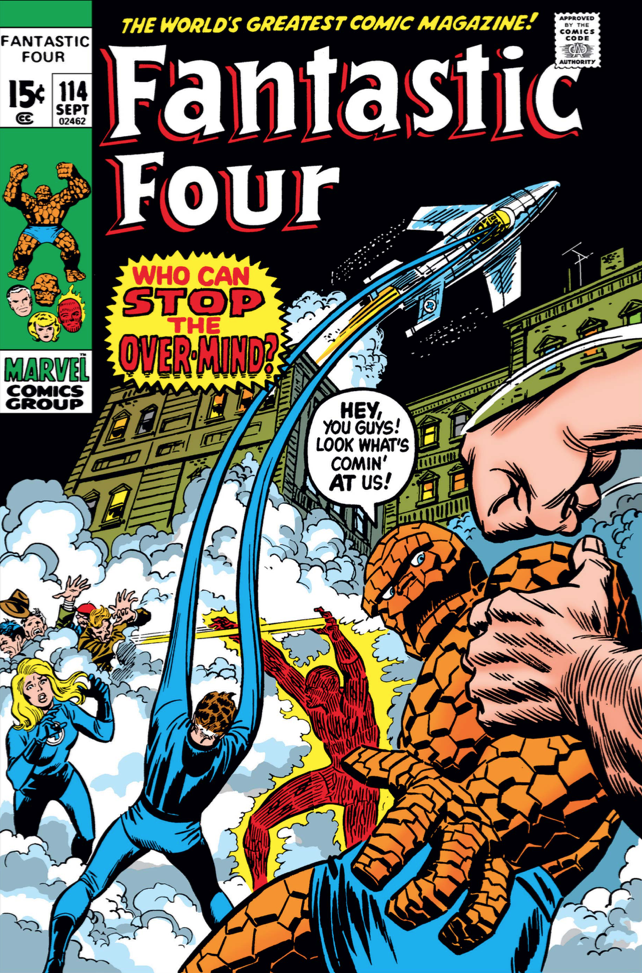
Fantastic Four 114 “But Who Shall Stop the Over-Mind?” Published: June 1971 Writer: Stan Lee Pencils: John Buscema Inks: Frank Giacoia Letters: Sam Rosen Cover: Buscema and Giacoia
Synopsis
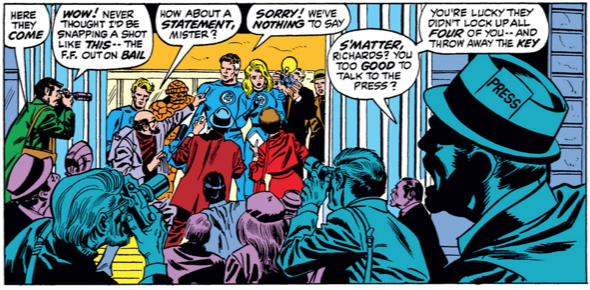
Out on bail from their arrest by the NYPD and facing eviction, the Fantastic Four confront the Over-Mind, only to have the fight erased from their memories by his mental powers. To help provide answers, Agatha Harkness contacts the Watcher.
What’s going on here?
This is a much more satisfying issue than the last, as the Over-Mind developed into a formidable foe with an interesting backstory. There are some plot holes, but overall the story moves briskly, the fight is well designed, and the sequence with Agatha Harkness is appropriately creepy.
What I liked
It’s the best issue from John Buscema to date, and maybe not a coincidence that it’s the first not inked by Joe Sinnott: Frank Giacoia inked this issue, presumably filling in. There’s no arguing Sinnott’s power and style, but Giacoia has a lighter touch, which perhaps lets Buscema’s style emerge more clearly. Here’s a panel I really liked:
And this sequence:
What I didn’t like
As mentioned, there are some plot holes. In this issue, the Over-Mind apparently encounters the FF for the first time, yet at the close of last issue we saw him manipulating the mayor to have the FF arrested. Also, there’s an oddly discordant note, when, in the midst of their eviction drama, Ben gets a package with a stink bomb from the Yancy Street Gang. Rather than lighten the mood, it just seems like an annoying distraction.
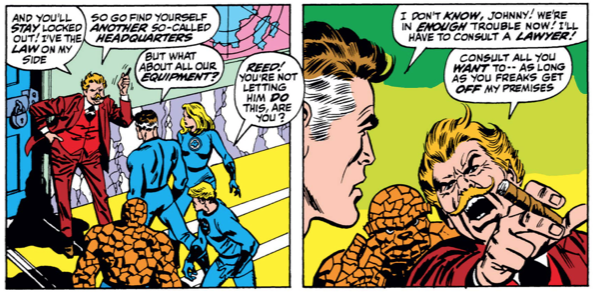
There’s also the continuing nonsense of the FF’s eviction. Comics and stories about business rarely mix well, and this is no exception. There’s a dozen reasons why the landlord’s actions don’t make sense, and while maybe the average FF reader of 1971 didn’t know them, this sub-plot all seems farfetched. (Yes, I know it’s a comic based on far-fetched events, which is why real-world subjects like commercial real estate law are better left outside its pages).
Anything else?
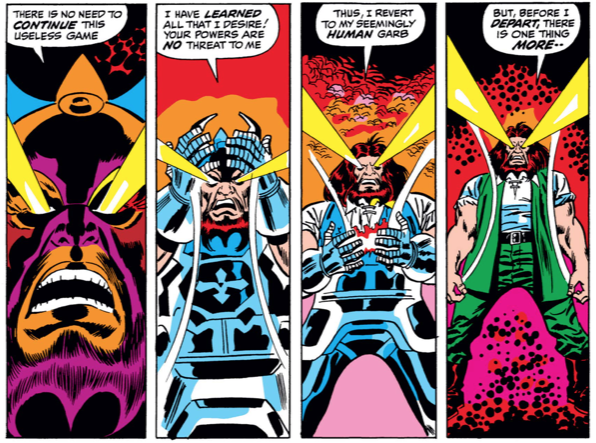
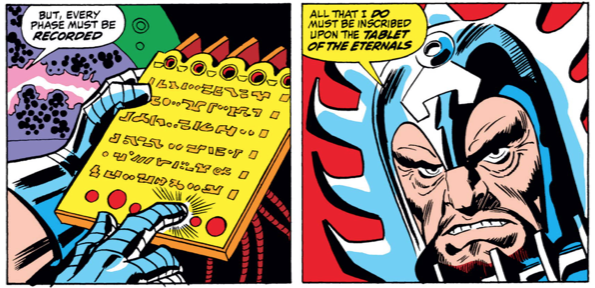
This issue kind-of, sort-of introduced the Eternals to the Marvel universe, as the Over-Mind discusses that he is following their commands. Initially these Eternals were not connected to the Eternals later introduced by Jack Kirby in his 1976 return to Marvel (these were instead supposed to be the “Eternals of Eyung”) but they were later retconned to be another branch of the Eternals, also created by the Celestials. It’s all deeply confusing, and had no real impact on this story.
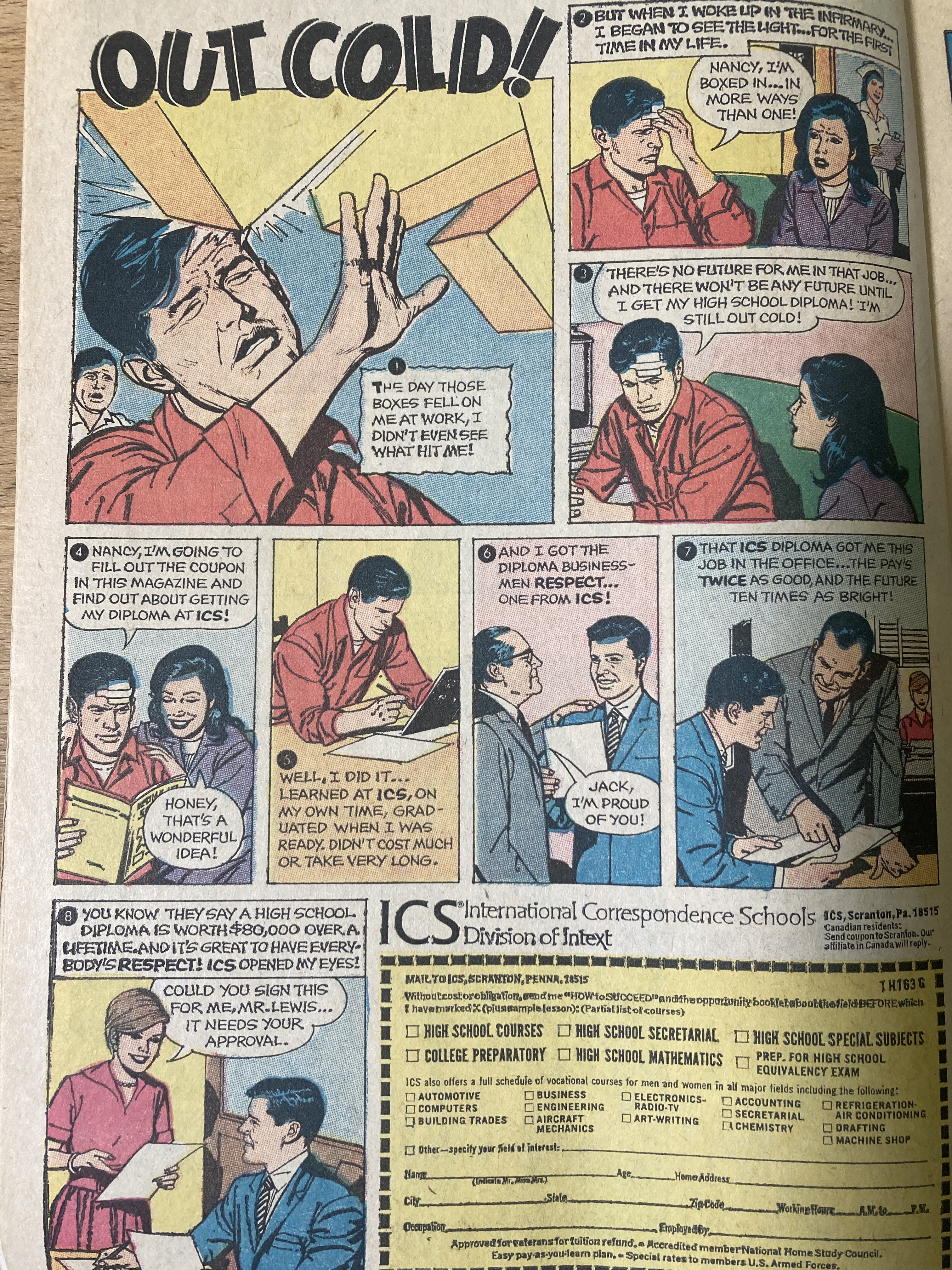
Also, some fun ads in this issue, including one with a muscle-man who looks suspiciously like a former governor of California:
Fantastic Four 112 “Battle of the Behemoths!” Published: April 1971 Writer: Stan Lee Pencils: John Buscema Inks: Joe Sinnott Letters: Sam Rosen Cover: Buscema and Frank Giacoia
Synopsis
As the Thing battles the Hulk in mid-town Manhattan, Reed and Johnny work frantically to find a cure for Ben’s mind-altered state.
What’s going on here
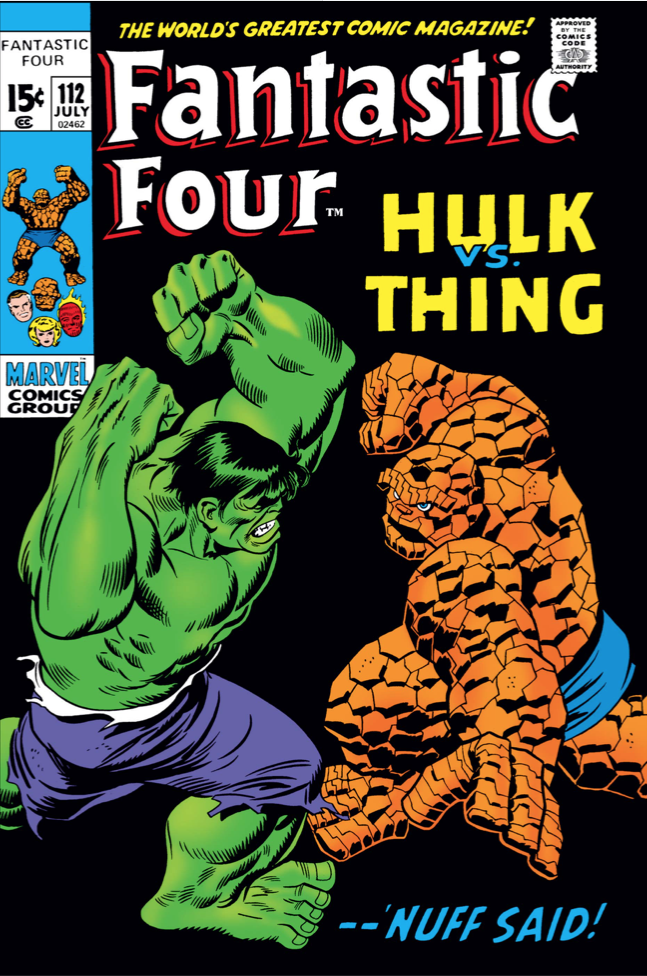
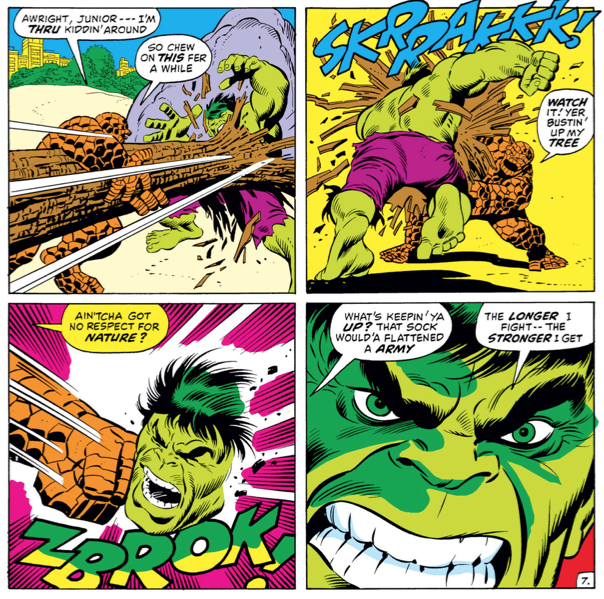
For some, this is an iconic comic and could be viewed as the real launching point of the Bronze-era FF. It’s the third fight between the Hulk and Thing (the others coming in FF 12 and 24-25) and to date the most sustained slugfest between the two. The cover is an absolute classic, and all those elements together combine to make it prized by collectors (it sells for five to 10 times more than the surrounding issues).
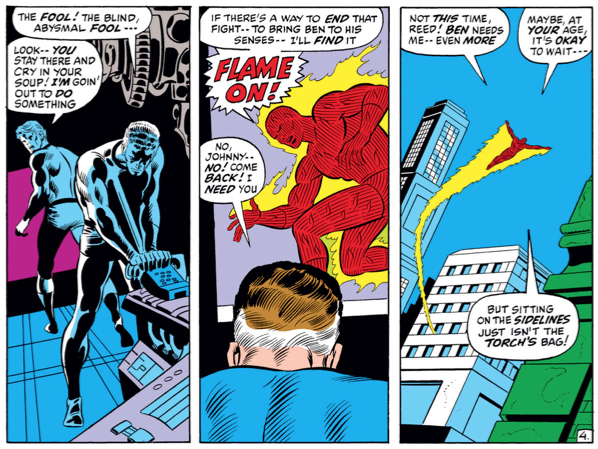
Unfortunately, I’m not sure the story lives up to the issue’s reputation. As mentioned previously, the conflict with the Hulk comes out of nowhere (Reed summons Bruce Banner in the closing panels of last issue) and there’s almost nothing at stake here. Ben and the Hulk are fighting for the sake of fighting, and while it’s a fun brawl that take up essentially the entire issue, it begins to feel repetitive. The real tension in the story is between Reed and Johnny arguing about how to save Ben—Reed accuses Johnny of being a hot head, Johnny accuses Reed of lacking urgency—and that conflict feels pretty familiar.
What I liked
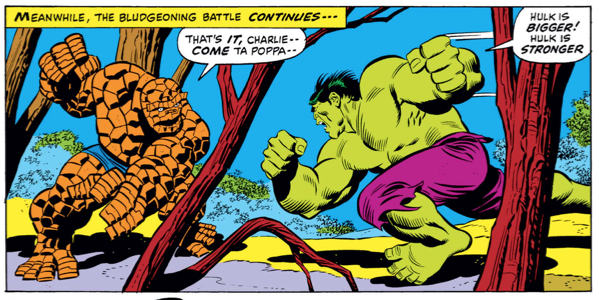
It’s hard to deny the power in Big John’s layouts of the fight scenes. No one really does it better.
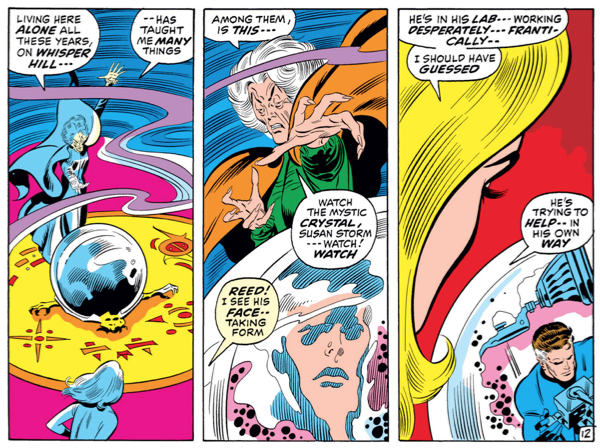
I also liked this quieter, almost ethereal scene with Sue and Agatha Harkness.
What I didn’t like
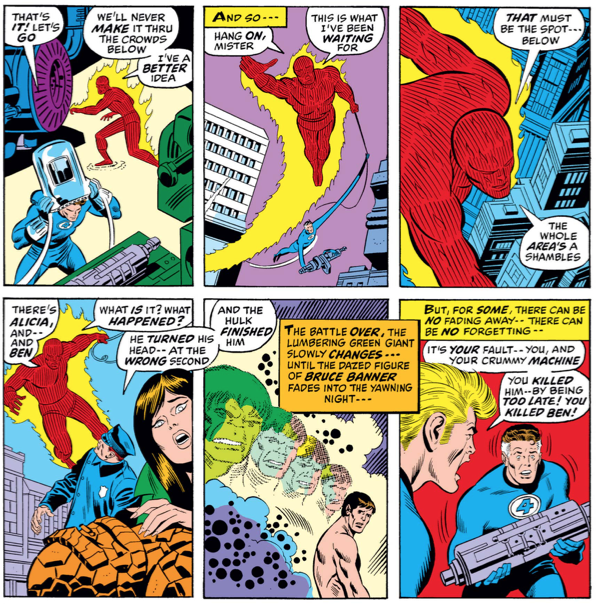
While the story as a whole is pretty lackluster, the end is really disappointing. Ben is distracted by Alicia, the Hulk knocks him out (and disappeared as abruptly as he arrives) and Reed and Johnny arrive too late. It just feels anticlimactic.
Anything else?
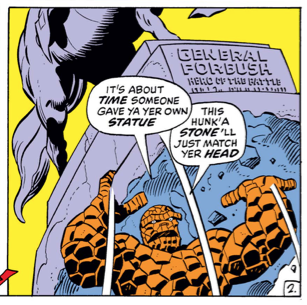
FF 112 features an Irving Forbush cameo (or maybe one of his distinguished ancestors).
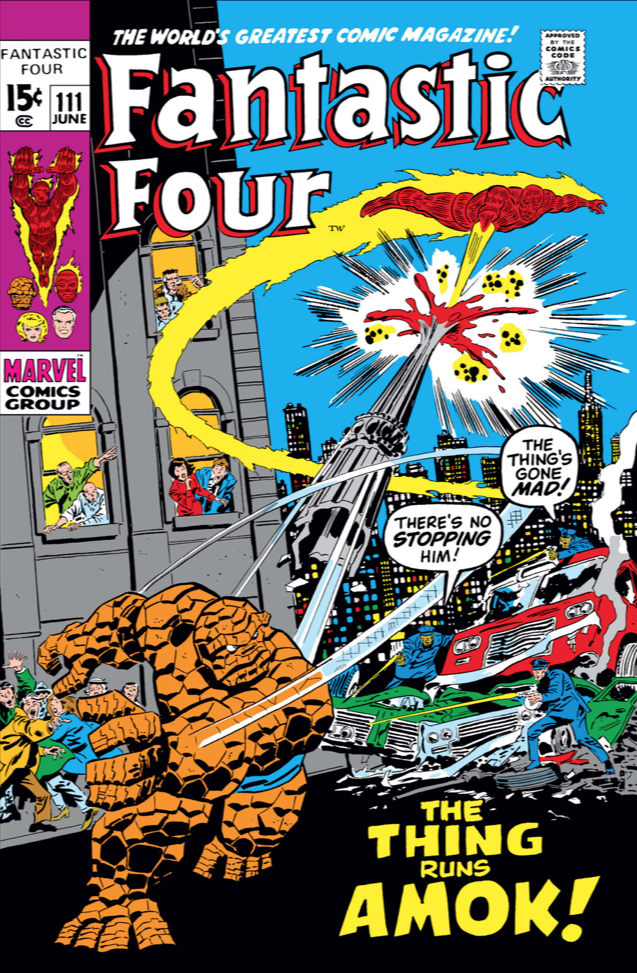
Fantastic Four 111 “The Thing Amok!” Published: March 1971 Story: Stan Lee & John Buscema Pencils: Buscema Inks: Joe Sinnott Letters: Sam Rosen Cover: Buscema & John Verpoorten
Synopsis
Ben, his mind affected by his new ability to change to human form, goes on a rampage throughout Manhattan as Johnny tries to keep up. Finally, Reed calls in Bruce Banner to help, only for the Hulk to appear and confront Ben.
What’s going on here?
This is very much a table-setting issue, preparing us for the big confrontation with the Hulk next month, but it’s still pretty effective. As discussed earlier, the groundwork for Ben’s descent was laid over many issues, so it feels organic and earned. It’s not the first time we’ve seen a plot centered around the Thing turning against his teammates (and won’t be the last) but the mechanism for this is more interesting than mind control or sorcery. It’s quite plausible that on some level, were Ben to lose the humanity and compassion that makes him, he would act this way. He has reason to be angry!
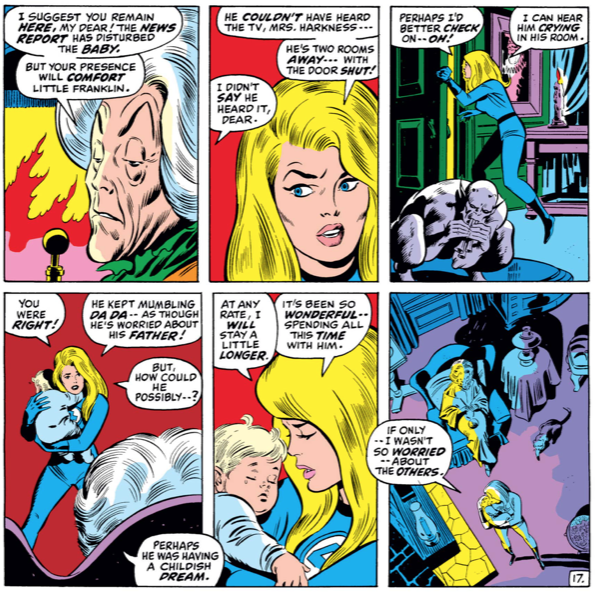
There’s also some good foreshadowing of trouble to come with baby Franklin, and again, it’s being spooned out methodically.
What I liked
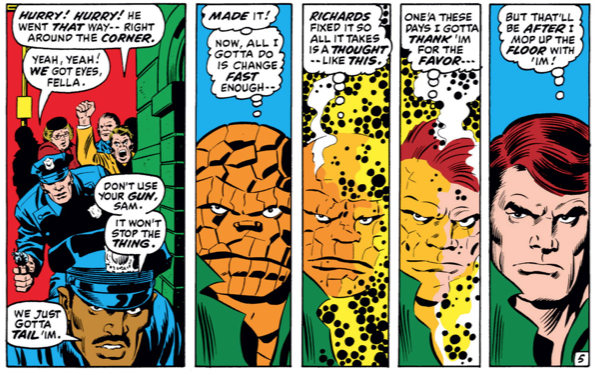
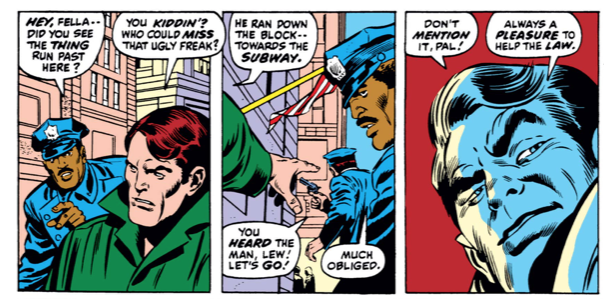
This feels like the first FF issue where John Buscema is the recognizable artist I’m familiar with. The previous few issues felt like he was either trying to mimic Kirby or Joe Sinnott’s inks overpowered his penciled, but here we see some great Buscema panels.
These crowd scenes are fun. Hardhats on one side, hippies on the other.
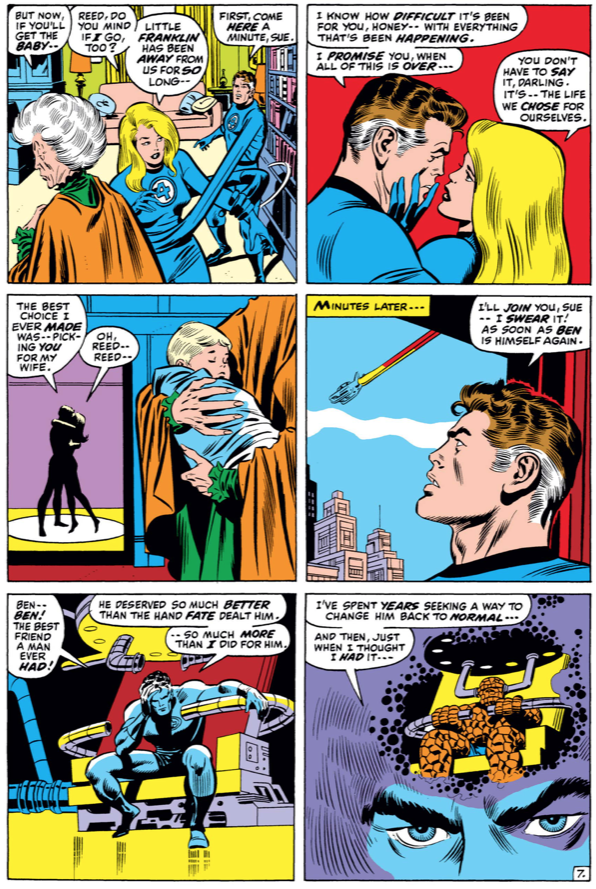
There is a great quiet page of Reed, first with Sue, then contemplating how he again failed Ben. We have so many pages of Reed acting like a bullying blowhard that this display of his human side feels refreshing and necessary.
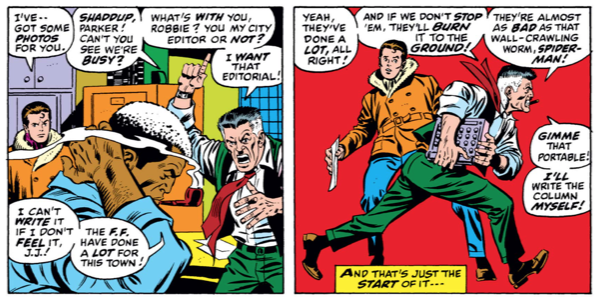
Also, J. Jonah Jameson shows up again, this time with pesky Bugle photographer.
What I didn’t like
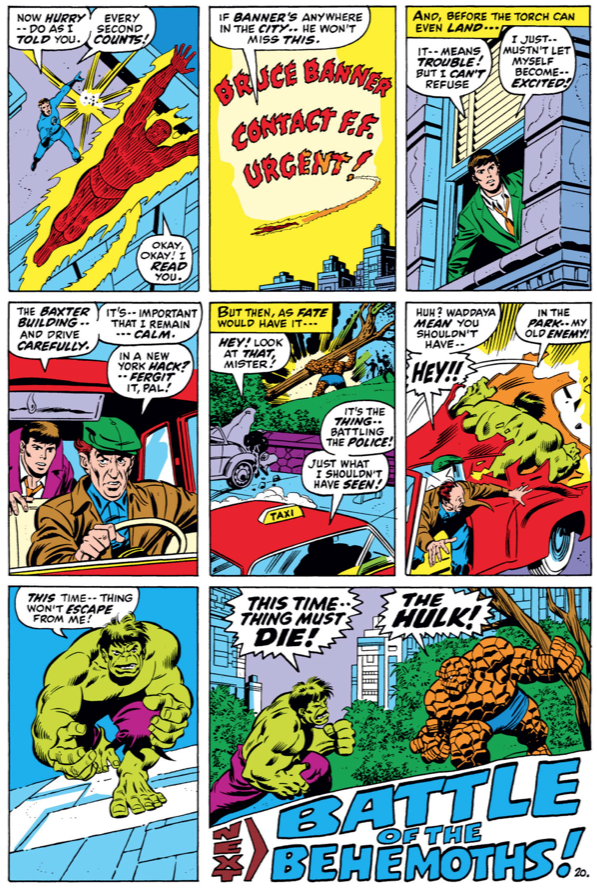
The appearance of the Hulk feels really abrupt, the opposite of the slow-boil that got us to this issue. Within seven panels, we go from Reed summoning Bruce Banner to the Thing and Hulk about to fight.
I confess I get annoyed with every interaction the FF has with their landlord (and any other real-world business issue). Maybe I know too much about commercial real estate but it always feels clumsy and unrealistic. I’m pretty sure the FF have lawyers to deal with this sort of thing.
Anything else?
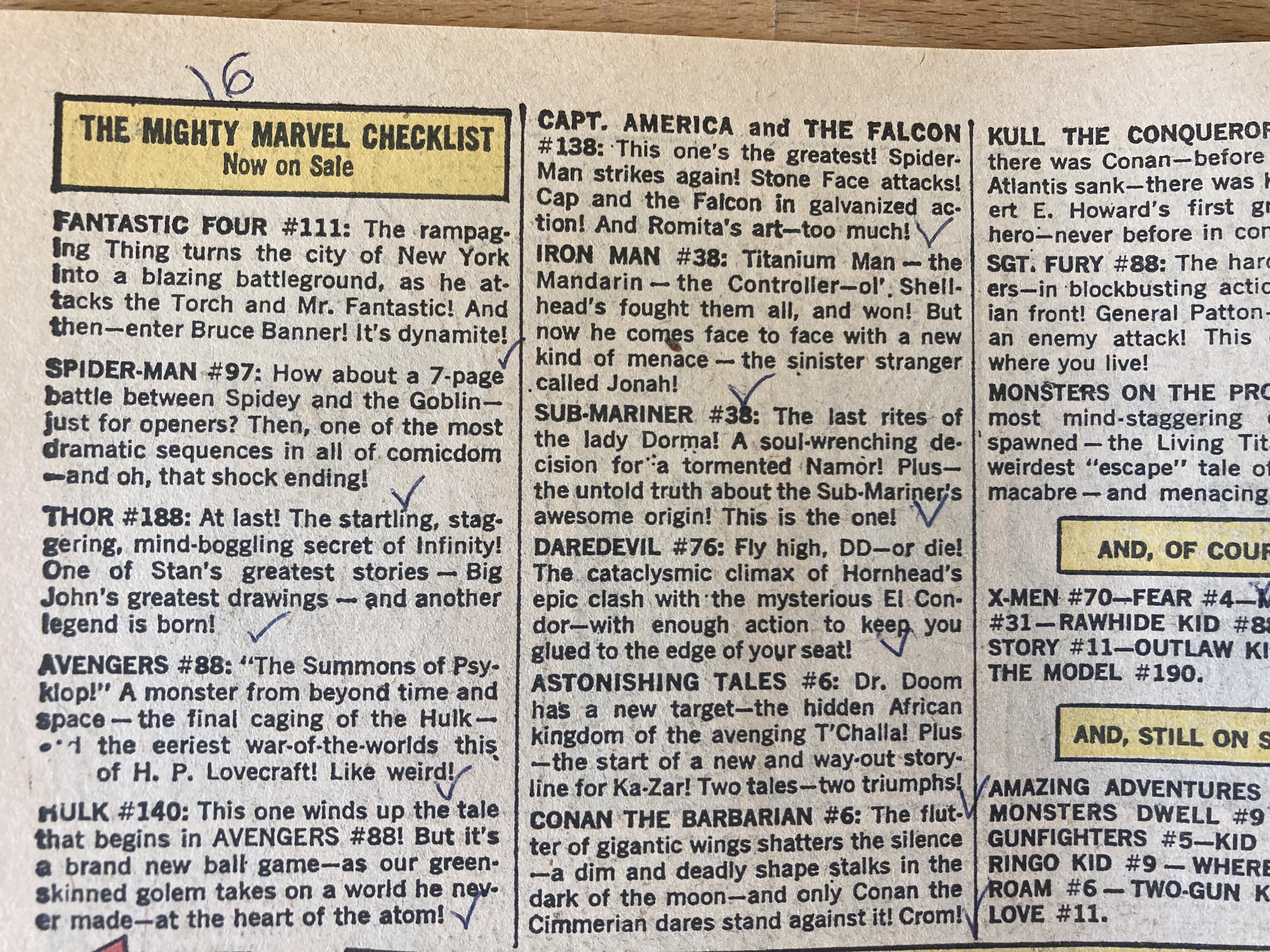
The kid how bought this comic in 1971 took the idea of a check list seriously:
Fantastic Four 110 “One From Four Leaves Three!” Published: Feb. 1971 Story: Stan Lee Pencils: John Buscema Inks: Joe Sinnott Letters: Mike Stevens Cover: Buscema and Sinnott
Synopsis
A desperate Fantastic Four tries to rescue Reed from the Negative Zone, and all seems lost until a spell from Agatha Harkness saves him. Meanwhile, Ben is becoming more truculent, likely a result of his new ability to change his appearance, and quits the team.
What’s going on here?
This is an an excellent issue, the best yet of the post-Kirby era. The pacing is taut, the suspense is high and there are no wasted panels. Reed genuinely seems screwed and while his rescue by Agatha feels a bit deus ex machina, it’s not like she was invented for this issue, and her capabilities were established many issues ago. The business with Ben’s increasingly aggressive and belligerent attitude was unnerving and well-handled. We know, of course, it will lead to him losing his ability to become human, and it’s to Stan’s credit that he’s unfolding it gradually.
This issue marks the lettering debut of Mike Stevens, the first FF letterer not named Sam Rosen or Artie Simek in 110 issues. It’s also his last FF lettering job, and according to Mike’s Amazing World, he only lettered 16 comics in his career.
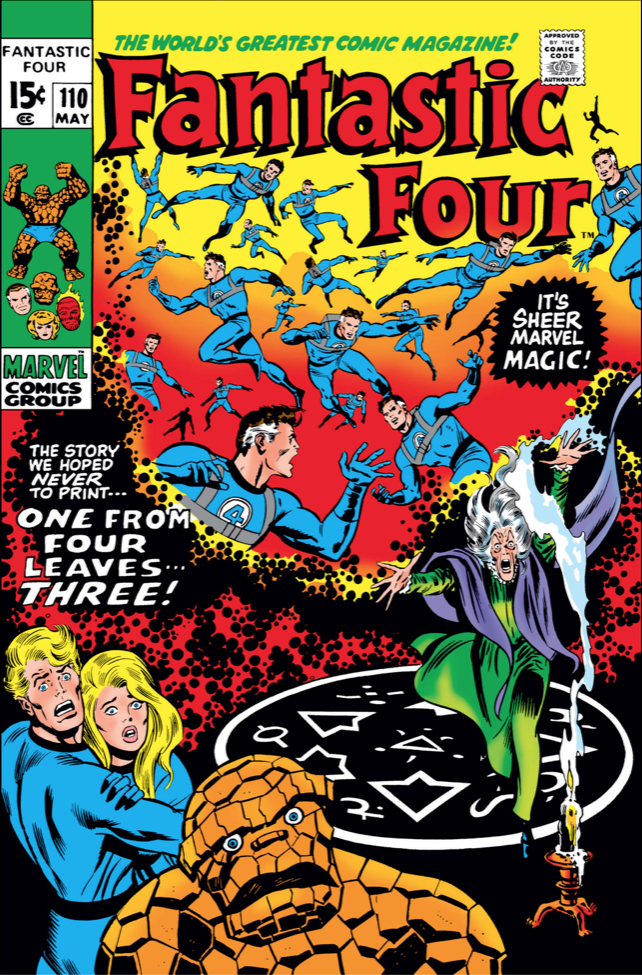
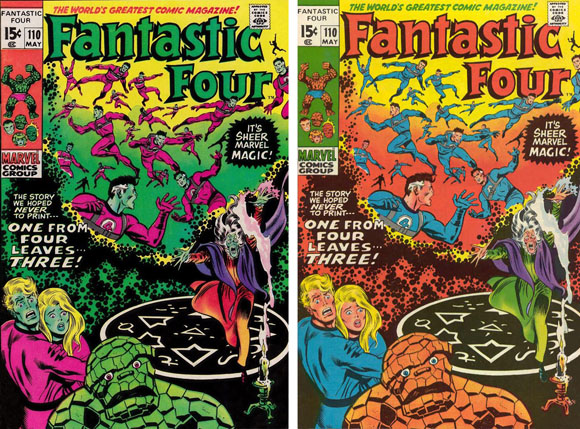
FF 110 is also infamous for a printing error, where the magenta and cyan were mixed up on the cover, creating a green team in purple suits. The misprinted issues were recalled, and now sell at a premium ($585 for a 3.0 version, vs. $25 for the standard issue).
What I liked
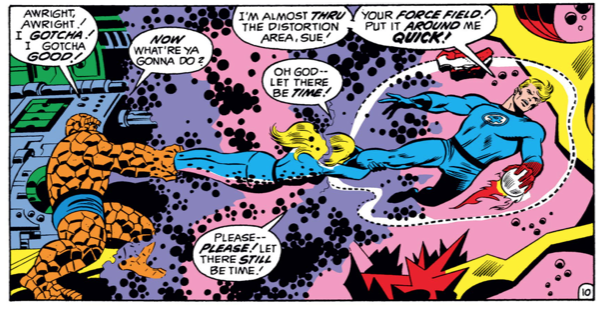
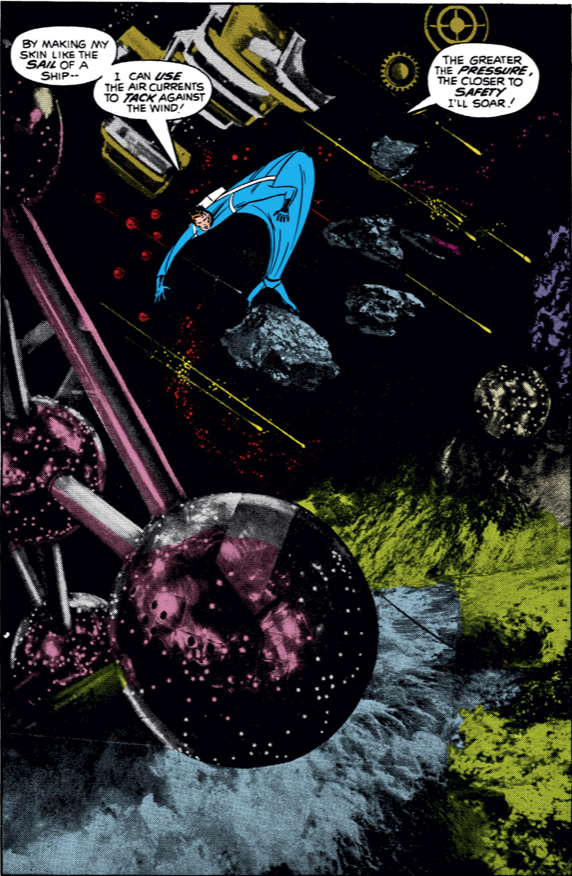
The cover, for one. It’s great. Also, Big John Buscema gives us an amazing Kirby-inspired collage splash page:
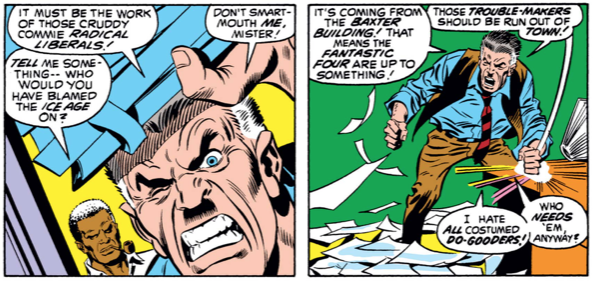
There’s also a fun cameo from J. Jonah Jameson and Robbie Robertson. I think Jonah has appeared in an FF issue before, but I’m not sure. But it’s always fun to see different strands of the Marvel universe braided together.
What I didn’t like
Um, nothing? I know, usually I can find something, but this was a wonderful comic. (OK the title is a bit silly. We can all do math, Stan).
Anything else?
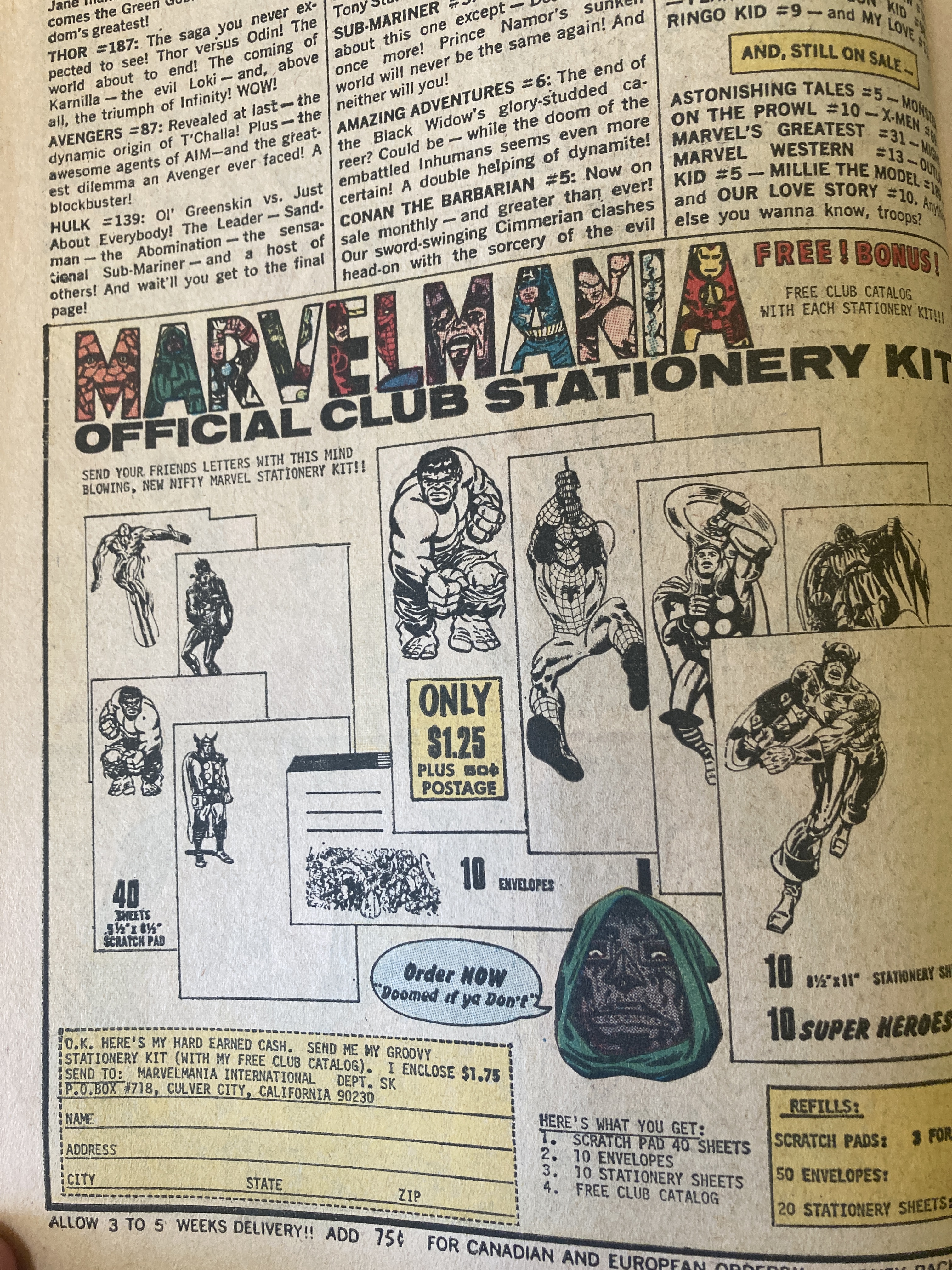
This stationary set looks cool. I wonder if any are still out there on eBay.
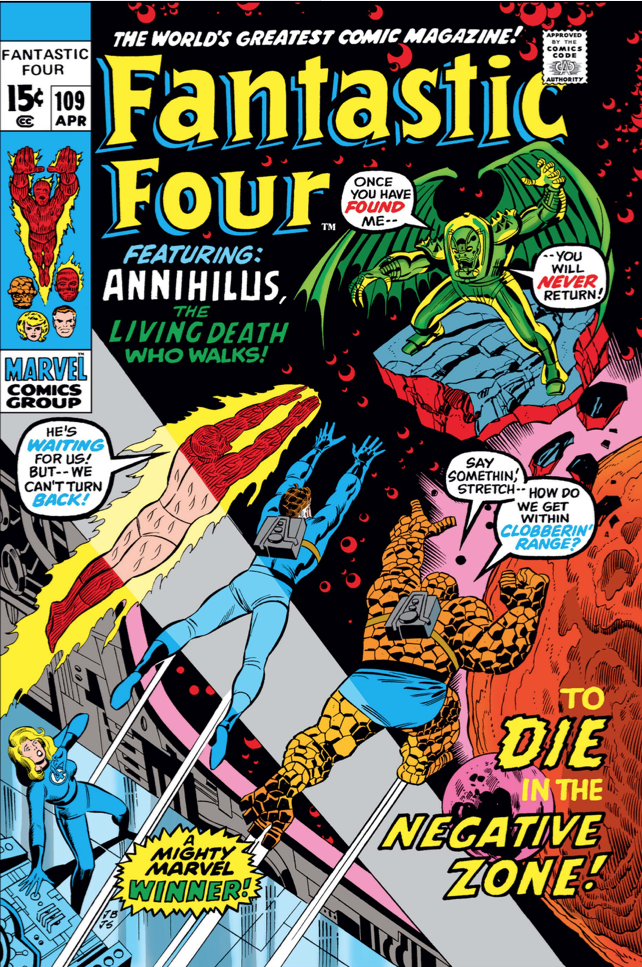
Fantastic Four 109 “Death in the Negative Zone!” Published: Jan. 1971 Writer: Stan Lee Penciler: John Buscema Inks: Joe Sinnott Letters: Sam Rosen Cover: Buscema and Sinnott
Synopsis
Reed, Ben and Johnny pursue Janus, the Nega-Man, into the Negative Zone to prevent him from helping Annihilus destroy Earth. While they succeed, Reed is left behind in the Negative Zone.
What’s going on here?
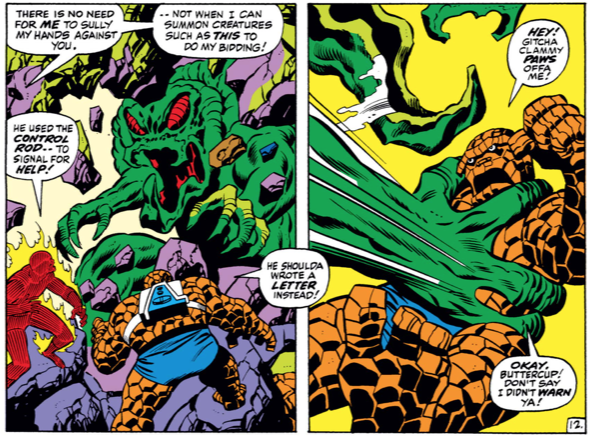
This is a fun comic, and big improvement from the mess of last issue. The pace is brisk, the stakes are high and Ben’s banter is zinging. The Buscema/ Sinnott combo really clicks, as well. The story does feel vaguely familiar, probably because so many Negative Zone stories have the same elements, but all in all it reads like a Fantastic Four comic should.
What I liked
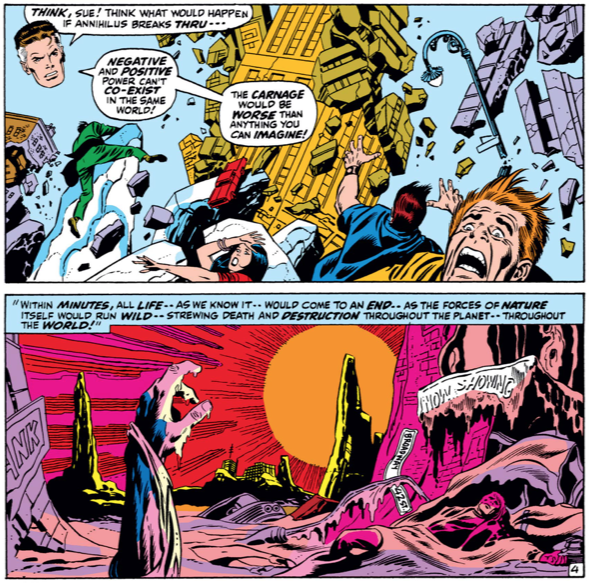
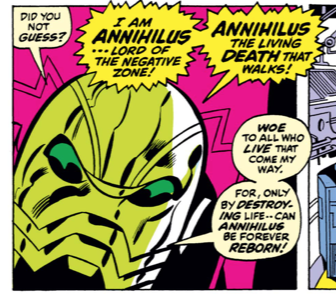
Annhilus is a great villain, and Stan let’s him shine here, with the right mixture of grandiosity and nastiness. In a great and creepy sequence, Reed doesn’t hold back about the threat he poses (never mind that in future issues Annihilus comes to Earth and none of this stuff happens):
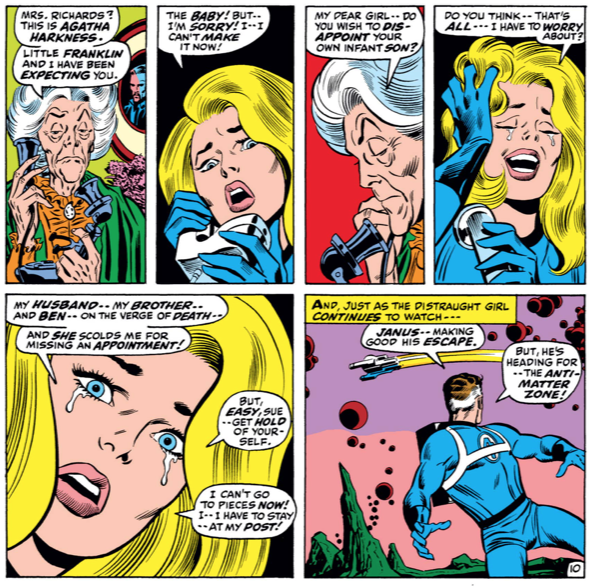
I also liked this sequence with Sue, which captures the dilemma faced by modern women everywhere:
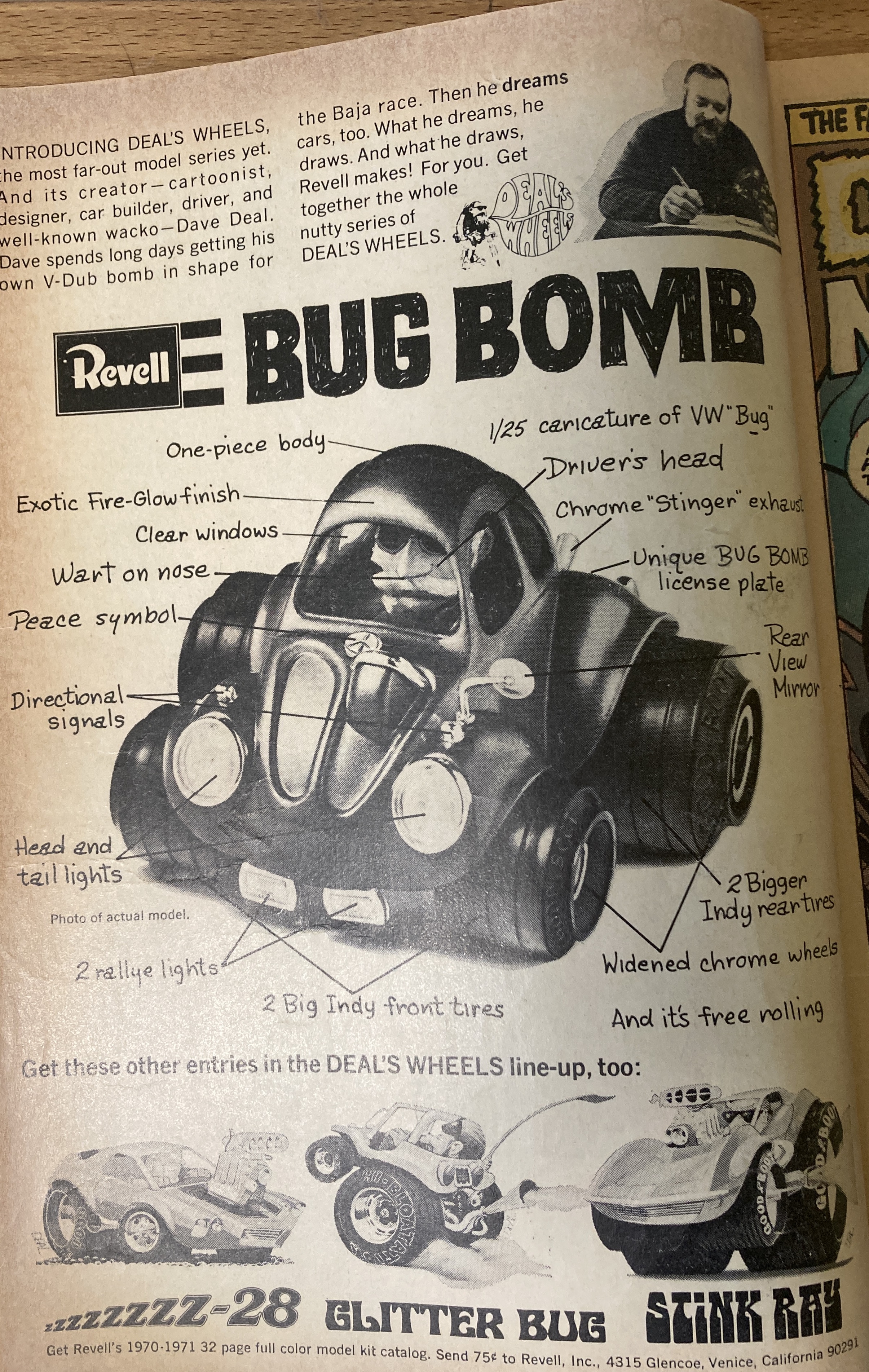
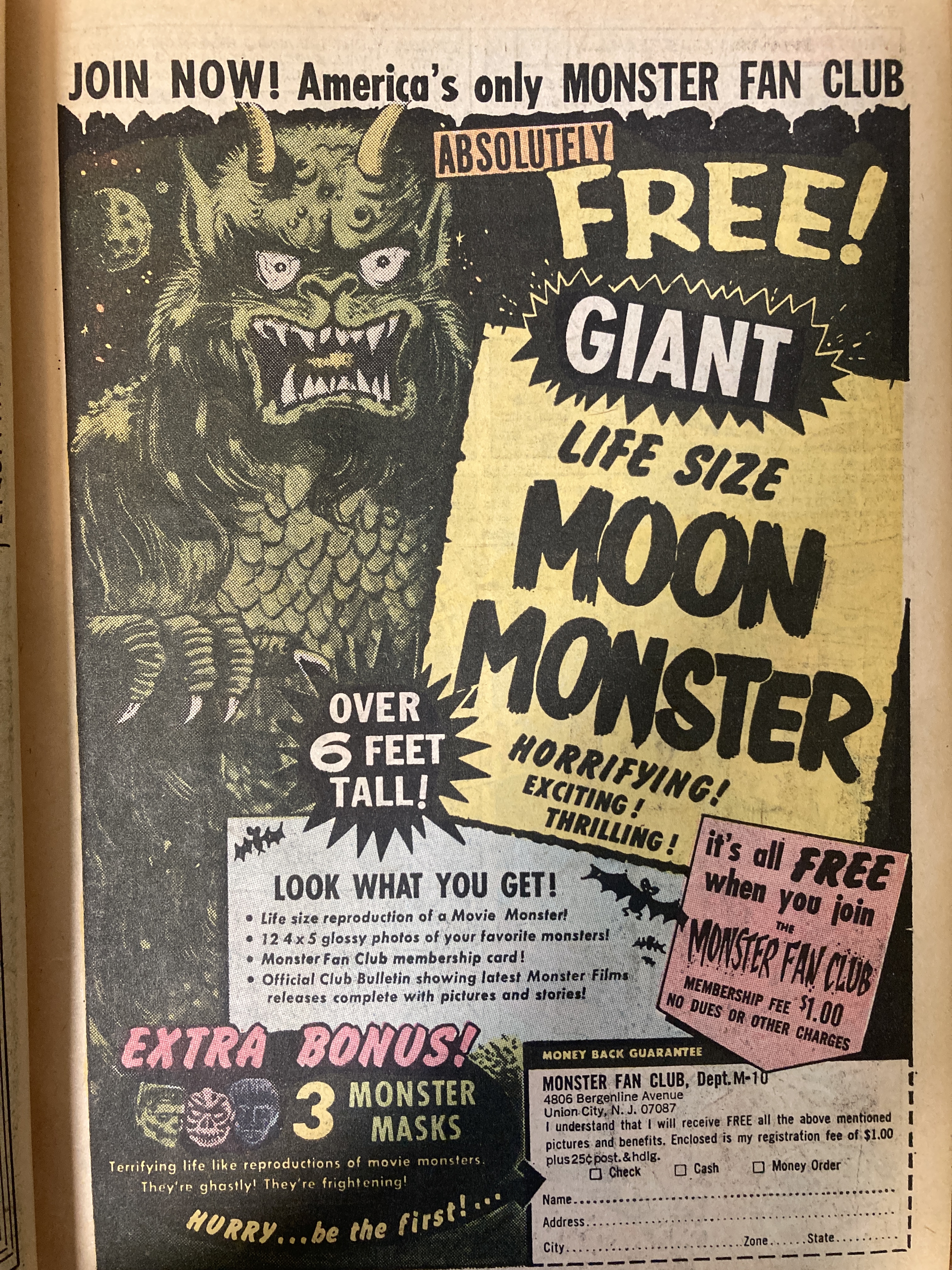
These ads were cool (I kind of want a Bug Bomb now):
What I didn’t like
I have never understood Annhilus’s title, “The Living Death that Walks.” If the death is alive, the walking part is sort of implied. Plus, Annihilus has wings! He doesn’t need to walk!
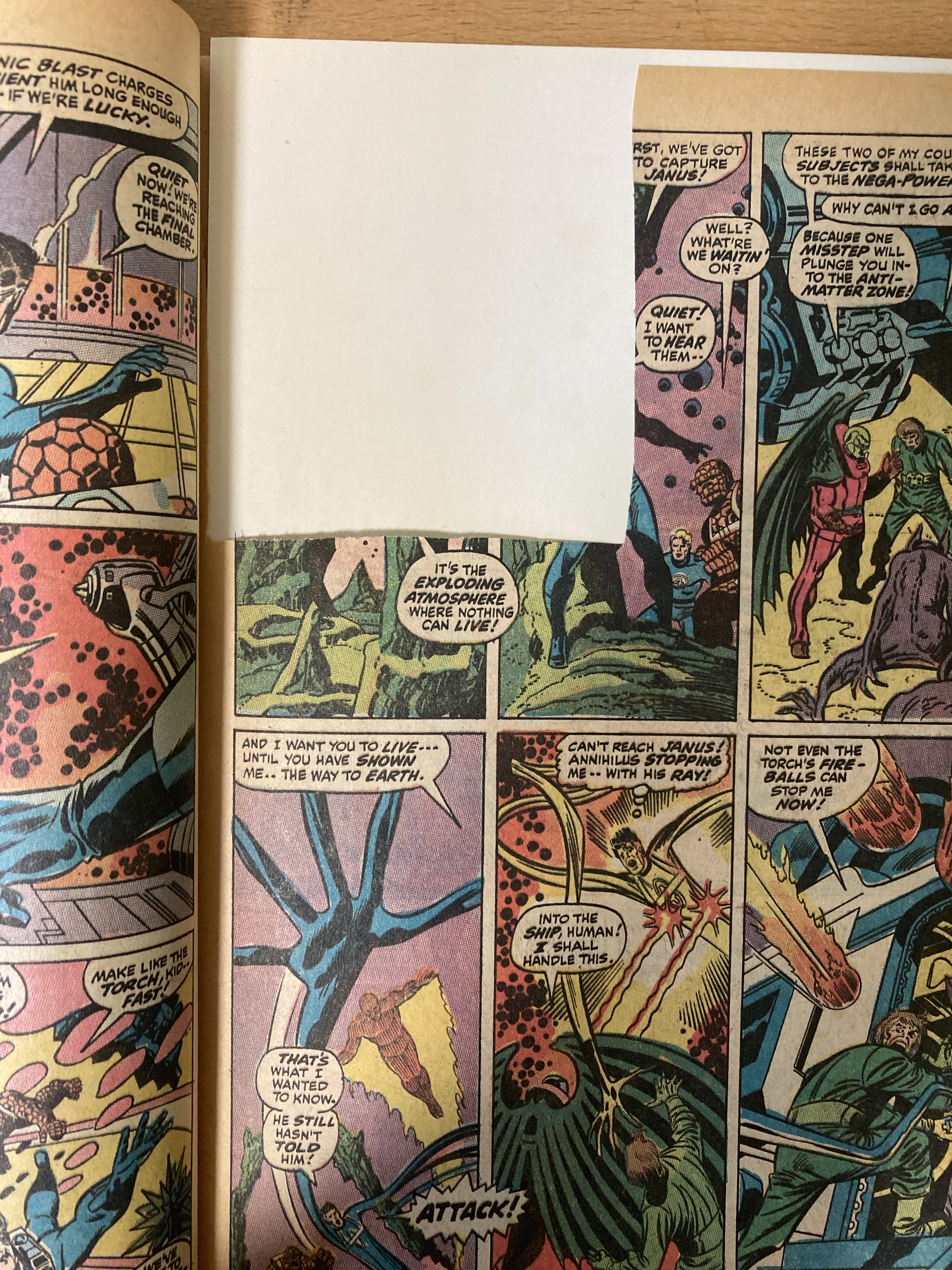
On a more personal note, someone took a pair of scissors to my copy of this issue and did unspeakable violence to it:
Anything else?
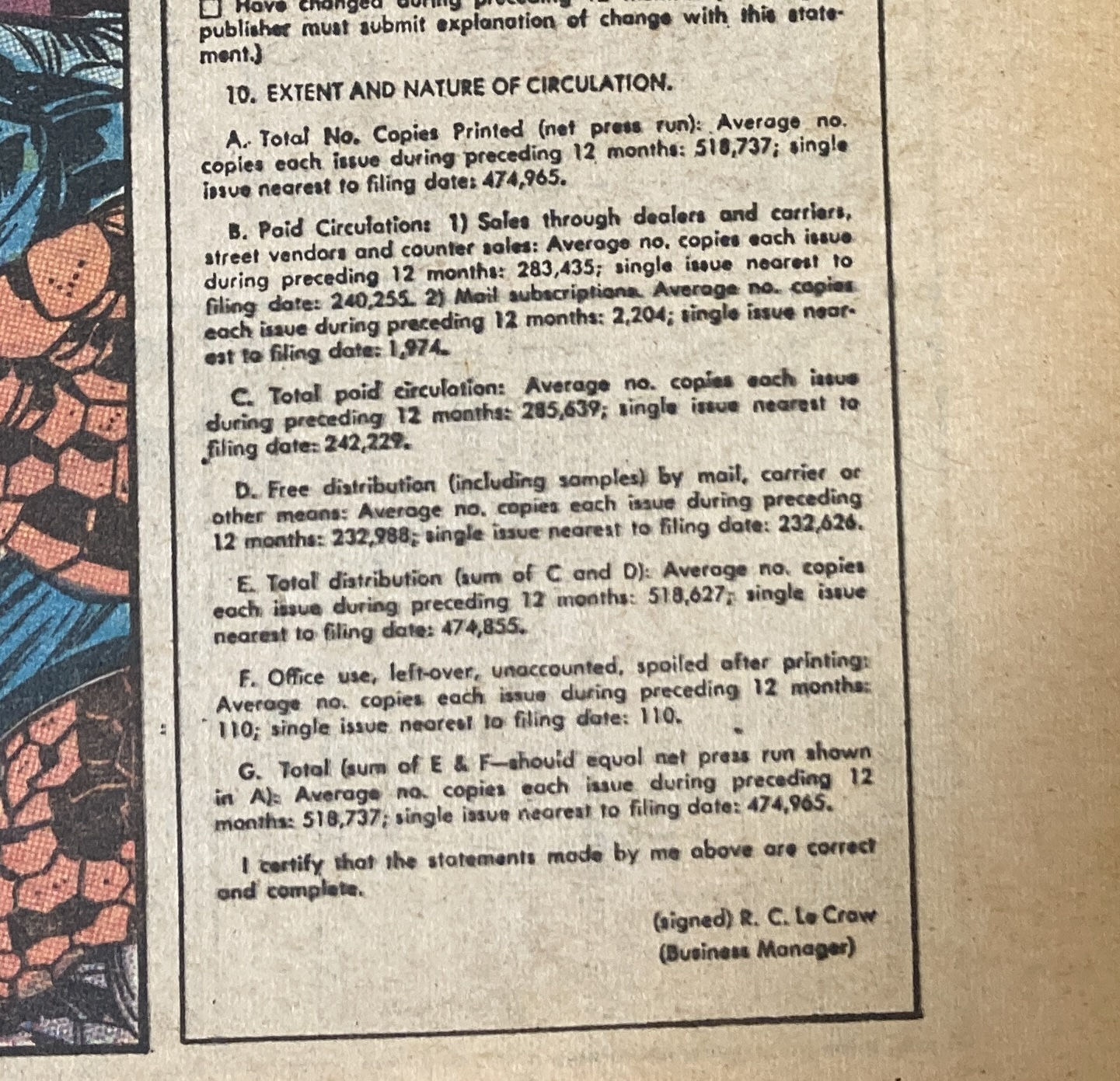
The statement of circulation shows the FF is averaging about 519,000 issues a month. That’s roughly 10 times what a decent selling comic averages these days.
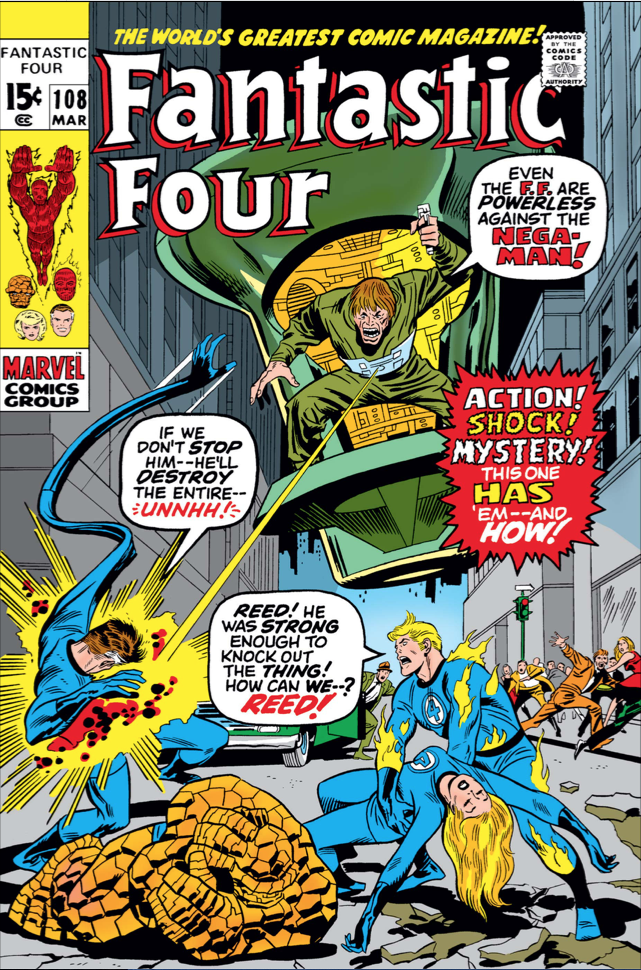
Fantastic Four 108 “The Monstrous Mystery of the Nega-Man!” Published: Dec. 1970 Story: Stan Lee Pencils: Jack Kirby, John Buscema and John Romita Inks: Joe Sinnott Letters: Sam Rosen Cover: Buscema and John Verpoorten
Synopsis
In a lengthy flashback, Reed reveals the origin of Janus, the Nega-Man, a former colleague who tapped the power of the Negative Zone to heal an injury only to divide into good and evil versions of himself.
What’s going on here?
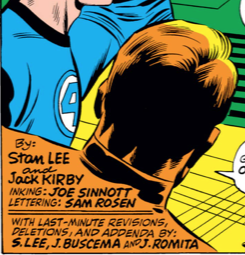
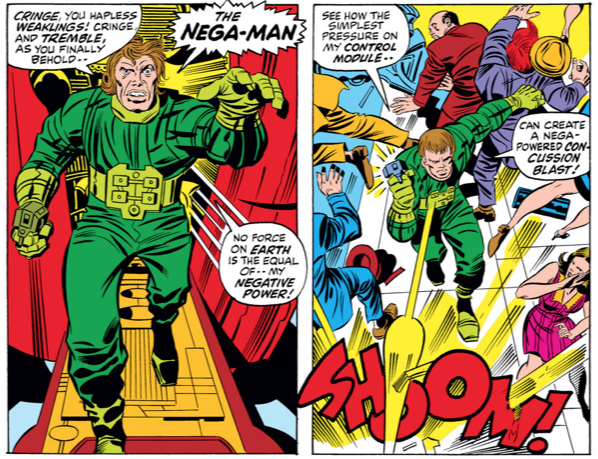
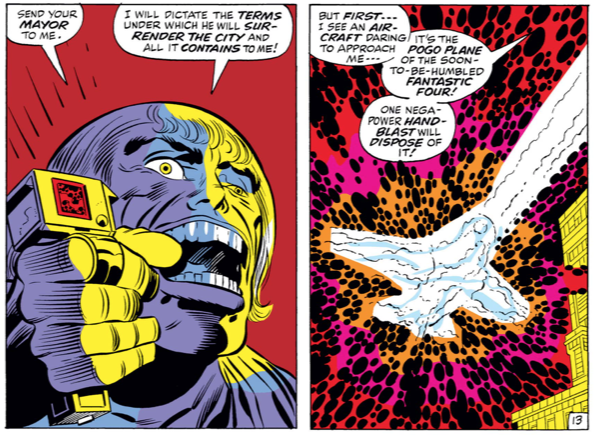
Jack’s back! Well, sort of. The comic’s pencils are credited to Jack Kirby, and quite a bit of the comic is drawn by him. But there’s a lot of John Buscema in here, too. It’s pretty clear from reading the story that Marvel decided to salvage some unpublished artwork by Kirby, using it in a flashback device to explain the origin of the new villain, Janus. In his blog, longtime Marvel editor Tom Brevoort confirms as much, explaining the Kirby sequences were intended for FF 102, but Stan Lee, unsatisfied with the story, set them aside. This was taking place in the weeks prior to Jack’s departure for DC, so there may have been some bad blood involved as well. It makes sense the ever-parsimonious Stan would find a way to reuse those Kirby pages, even if they are shoe-horned into a story that makes little sense.
What I liked
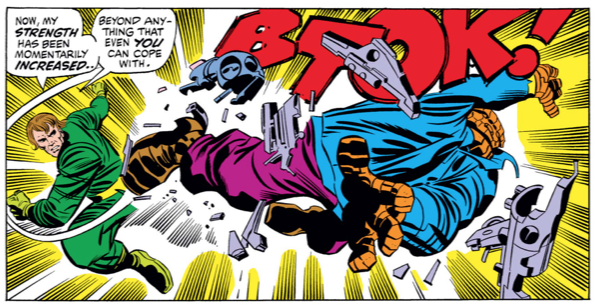
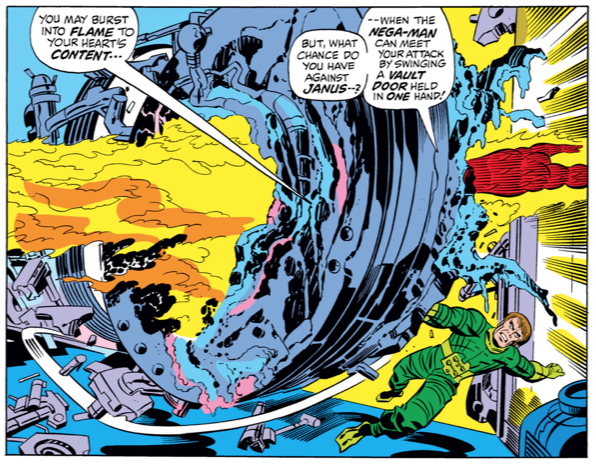
The Kirby art! Duh. This may not be peak Kirby, but it’s a reminder of what we lost when Jack decamped for DC. Check out this awesome panel:
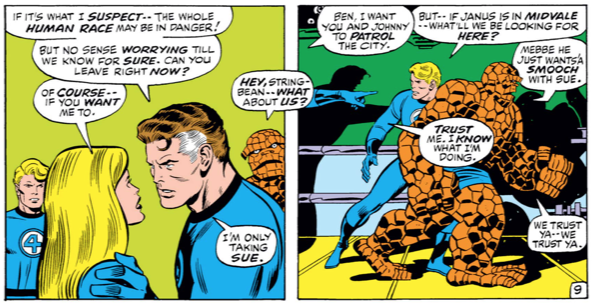
Also, after years of cataloging all the times Sue is slighted by Reed, here’s a rare example of Reed actually taking her on a mission (not that she gets to do much, but baby steps):
What I didn’t like
The story is unfortunately incoherent. The flashback structure doesn’t help, adding a layer of complexity to an convoluted story, but the way the ploy unfolds is just a mess to begin with. The story does end with a tease of an appearance of Annihilus in the next issue, so here’s hoping things get back on track.